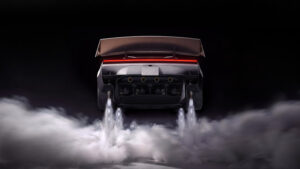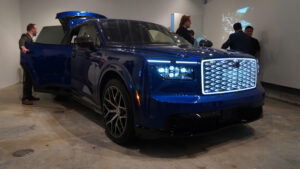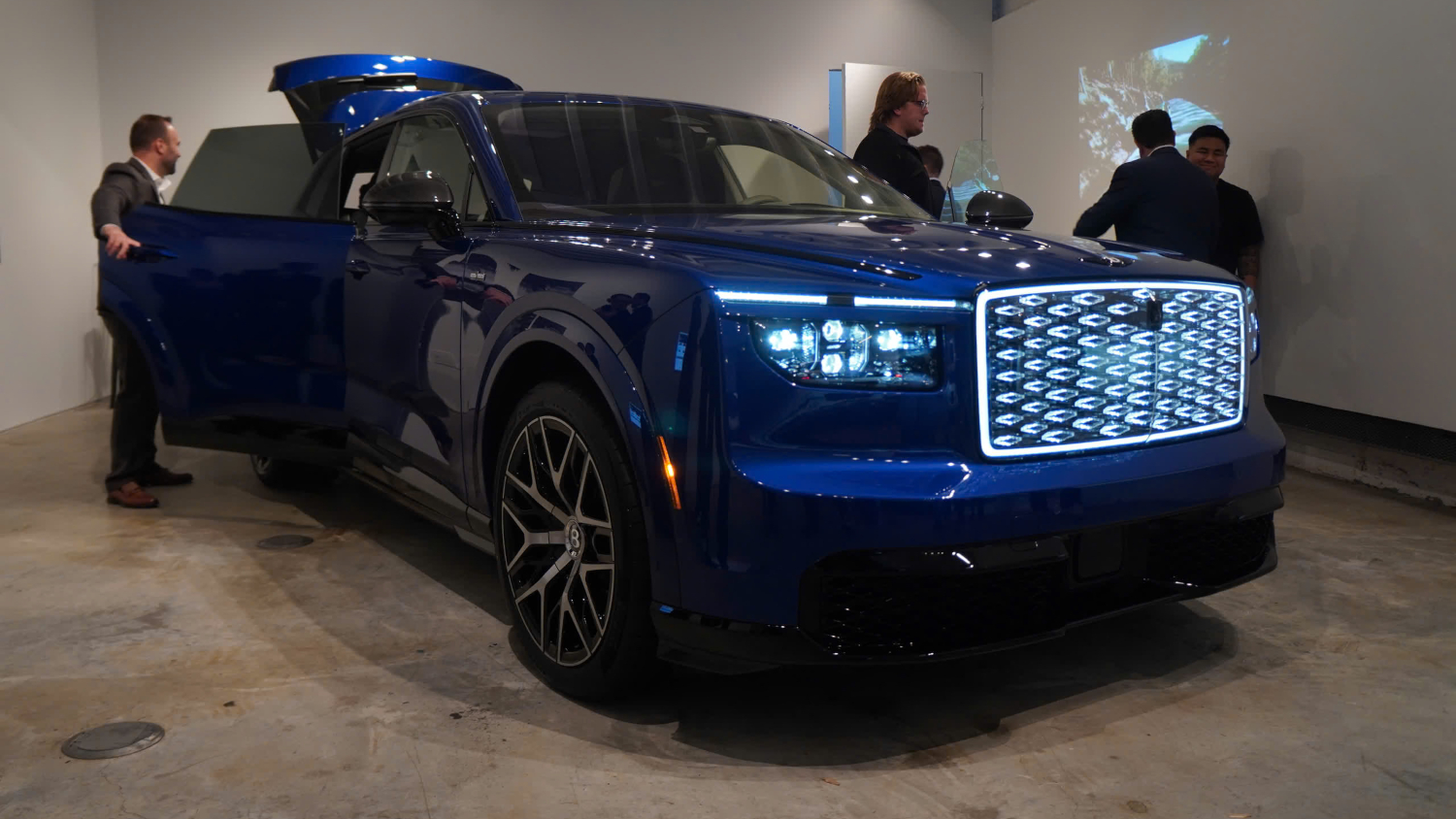


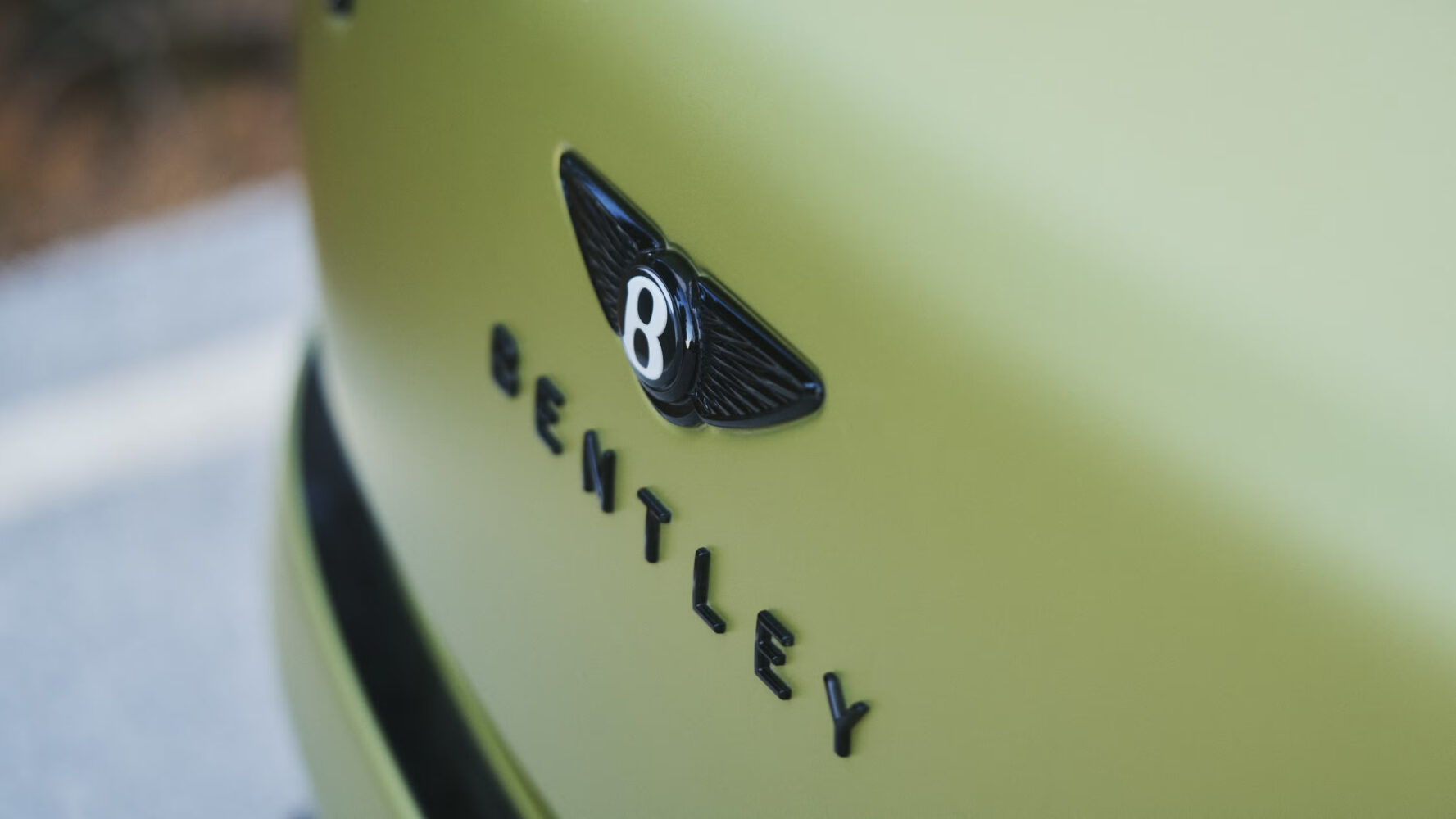
For over a century, Bentley‘s performance credentials came wrapped in the sound of displacement — W-12s, V-8s, engines that announced themselves before a car arrived. On September 23, 2026, the brand reveals the 2028 Torcal: its first fully battery-electric production vehicle, a two-row luxury SUV expected to become the most powerful and quickest-accelerating Bentley ever built. Early rides have begun, teasers are out, and the numbers — while still pre-reveal estimates — are genuinely startling. If you’re tracking other models worth waiting for in the same window, the Torcal belongs near the top of that list.
The Performance Numbers That Matter – and What They’re Measured Against
The Torcal’s dual-motor powertrain is expected to surpass Bentley’s current benchmark — the Continental GT Speed PHEV — by a significant margin.
The GT Speed produces approximately 771 hp from its V-8 hybrid system and runs 0–62 mph in about 3.1 seconds, a benchmark that already strains credibility for a grand tourer of its size. According to Motor Trend, the Torcal is expected to deliver roughly 838–850 hp and more than 1,000 Nm (738 lb-ft) of torque, with a 0–60 mph time anticipated below 3.0 seconds — possibly edging into the high-2-second range. These remain estimates until official figures are confirmed at the September 23 reveal.
Expected outputs and targets include:
- Roughly 838–850 hp with more than 1,000 Nm of torque
- Sub-3.0-second 0–60 run
- 373-mile WLTP range (approximately 300 miles on EPA estimates)
- 10–80% fast charging in under 20 minutes via 400-kW chargers
The platform underneath is VW Group’s PPE architecture, shared with the Porsche Cayenne EV but tuned to Bentley’s priorities around ride refinement and effortless delivery.
Inside the Torcal, Bentley Is Commissioning a Whole New Sensory Language
The cabin’s “Curation Engine” coordinates lighting, climate, drive mode, and a bespoke EV soundtrack — all inspired by Bentley’s historic 6.75-liter V-8.
Raw acceleration is only part of the pitch. The interior deploys what Bentley calls a Curation Engine — a system that synchronizes mood settings (Comfort, Sport, Refresh, Bentley) across ambient lighting, climate, and cabin soundscapes. The propulsion audio blends drum and string elements that respond to throttle inputs, drawing on the firing melody of Bentley’s iconic 6.75-liter V-8. Think of it as Bentley scoring its EV the way a prestige television series scores its finale: deliberate, layered, and engineered to feel like it belongs.
Bentley product leadership, quoted by The Drive and Ars Technica, describes the tuning goal as effortless progression. Martin Page, product line director for the Torcal, has been explicit: “There’ll be over 850 PS… but we’re not chasing four figures.” Usable luxury over headline-grabbing numbers.
The cabin also features:
- No passenger-side screen — a deliberate divergence from some competitors
- Physical knobs for key functions
- A floating center console with dual wireless chargers
- Jewel-like speaker grilles signaling the premium audio hardware within
Entry Point. Performance Crown. Both, Somehow.
The Torcal will cost less than the Bentayga while surpassing it in power — a strategic paradox that defines Bentley’s EV gamble.
The Torcal sits below the Bentayga in both size and price, yet eclipses it in performance — a combination that reframes what an entry-level Bentley can mean. It joins the Continental GT, Flying Spur, and Bentayga as the brand’s fourth model line, arriving simultaneously as its most accessible and its most formidable. It’s a dynamic reminiscent of how a base EV undercuts its ICE stablemate on price while exceeding it on power.
September 23 locks in everything: the final 0–60 figure, confirmed pricing, and whether that engineered EV soundtrack actually sounds like a Bentley or an elaborate science experiment. Those three details will determine whether the Torcal earns its crown — or simply inherits the badge.