

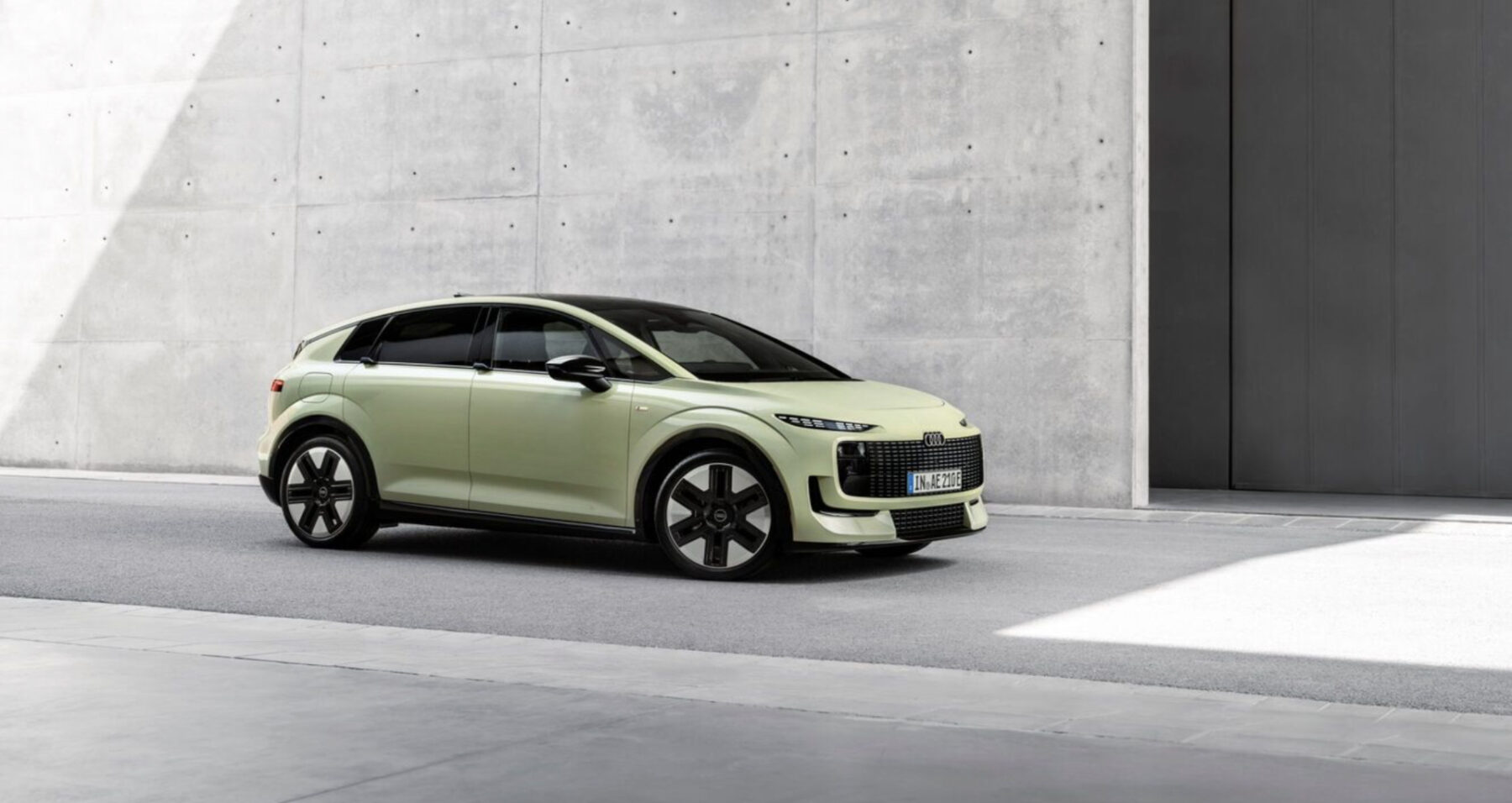
Most affordable EVs present a familiar dilemma: low price or real range. The Audi A2 e-tron refuses that trade-off. Starting at £32,200 in the UK — roughly €38,200 in Germany, or about $44,000 — it delivers up to 401 miles of WLTP range in its top configuration. That combination at that price point is genuinely uncommon. Premium EVs have spent years growing bigger, heavier, and more expensive, essentially following the SUV playbook. The A2 e-tron makes a different argument: prioritize efficiency over battery size, and the math takes care of itself.
The Aerodynamics Did the Heavy Lifting
Audi engineered the airflow so obsessively that charging stops become a secondary concern.
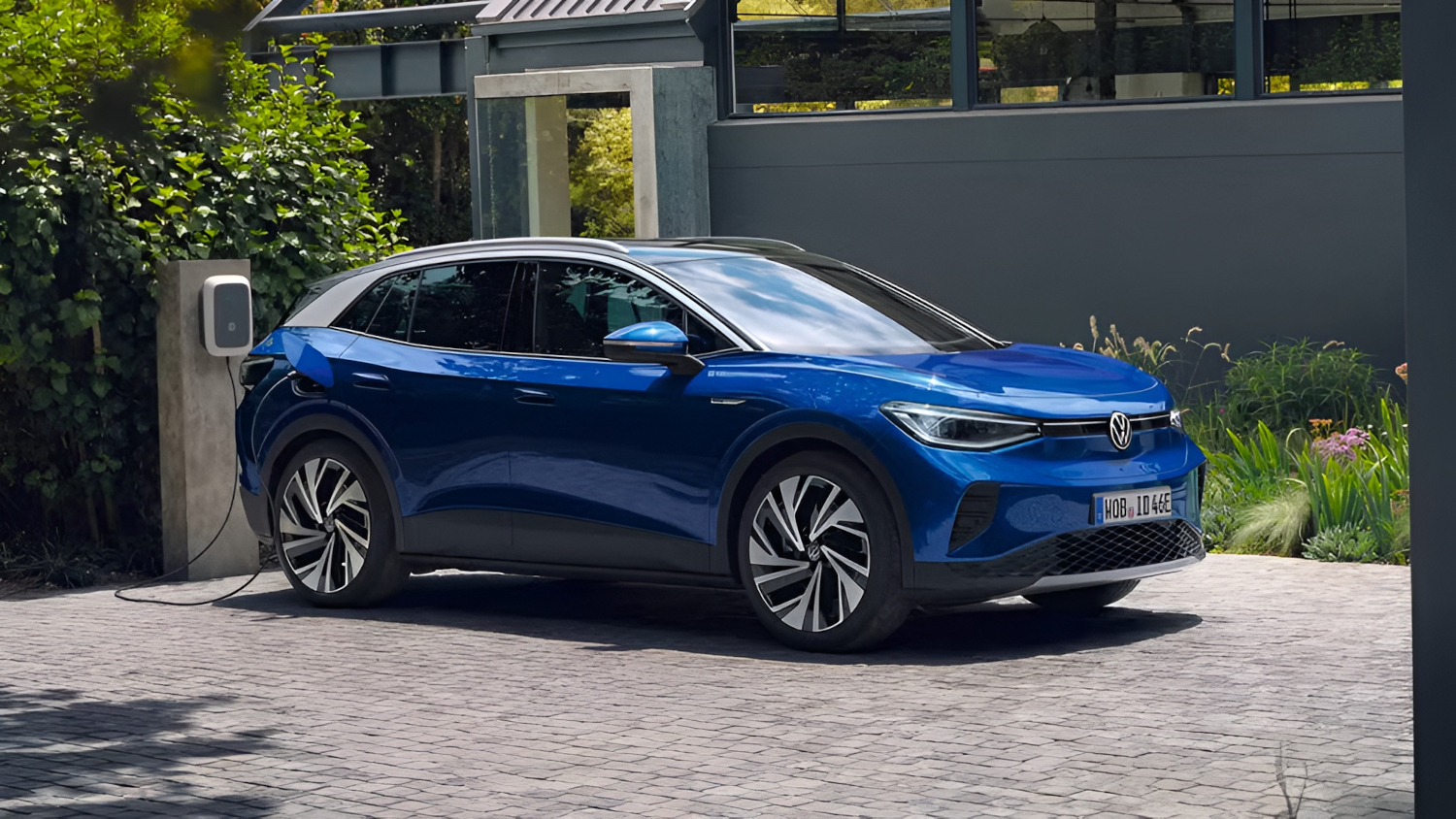
A 0.24 drag coefficient sounds abstract until you compare it to the VW ID.3’s 0.26 — a measurable gap that translates directly into range you do not have to pay for at a charging station. Flush door handles, a closed underbody, air curtains, and wheel arch gap reducers all work in concert to make the A2 e-tron genuinely slippery through the air.
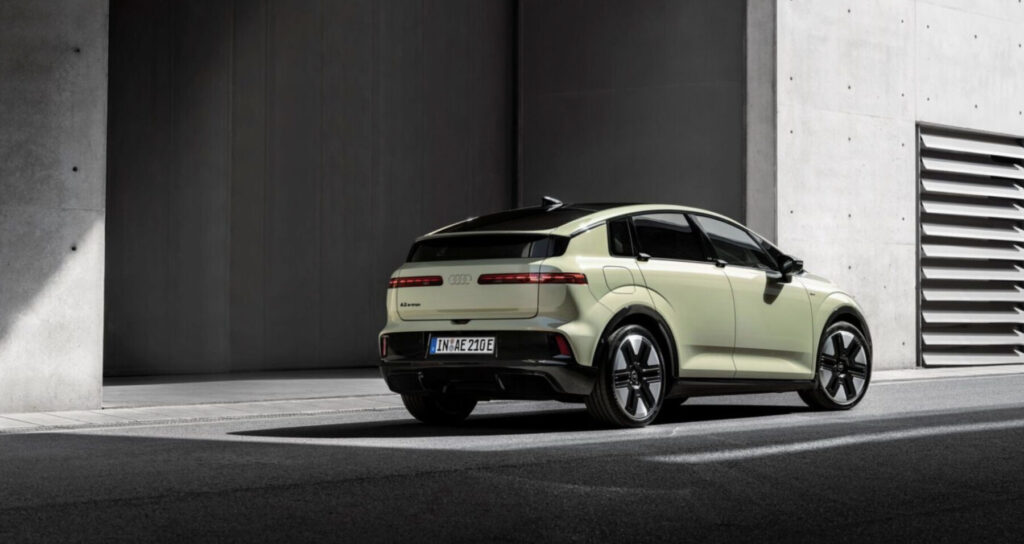
Pair those aero measures with the optional efficiency package and the 140 kW motor, and energy consumption drops to 12.8 kWh per 100 km — the lowest figure of any Audi ever built, according to the brand’s own press materials. That result comes from aerodynamic engineering, not a larger battery pack.
The spec sheet fills in the rest of the picture. Three battery options cover different budgets and needs:
- An approximately 52 kWh LFP pack rated at around 262 miles WLTP
- A mid-range approximately 60 kWh pack
- An approximately 82 kWh top pack delivering those headline 401 miles of WLTP range (keep in mind that WLTP figures are optimistic — real-world range will be lower)
DC fast charging reaches up to 183 kW, with a 10–80% top-up taking roughly 24 to 29 minutes depending on which pack is fitted.
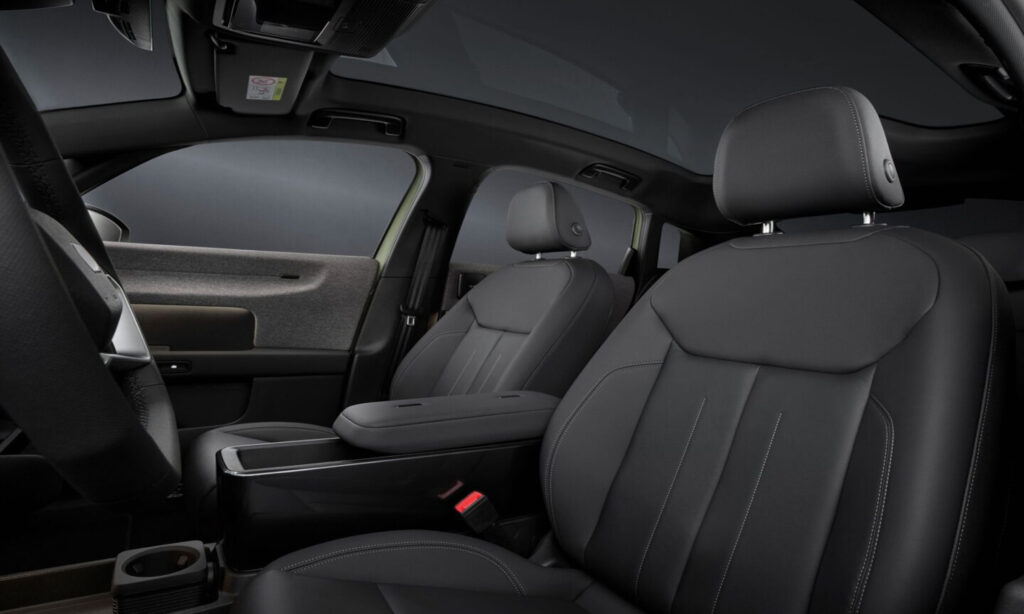
Bidirectional charging adds a practical layer that most compact cars skip entirely. Vehicle-to-Load (V2L) powers external devices through a trunk socket, while Vehicle-to-Home (V2H) — available initially in Germany, Austria, and Switzerland via a compatible DC wallbox — lets the car act as home energy storage. Inside, a curved MMI panoramic display combines an 11.9-inch digital instrument cluster with a 12.8-inch central touchscreen. A Fidlock magnetic fastening system lets owners snap cupholders and cable organizers into dedicated mounting points, a technology borrowed from cycling bottle mounts that reportedly makes its production-car debut here.
Audi describes the A2 e-tron as setting a “new efficiency benchmark” — and the numbers do support that claim. The broader context is worth noting: Audi previously signaled an EV-only future, then stepped back from that position to pursue a mixed combustion, hybrid, and electric portfolio. Launching its most efficient EV yet within that revised strategy is less a contradiction than a pragmatic hedge — one that happens to produce a car genuinely worth considering.

Europe Gets It. Everyone Else Waits.
The A2 e-tron is European-only at launch, with no confirmed plans for other markets.
The A2 e-tron arrives exclusively in European markets, and Audi has made no announcement about U.S. availability. For American buyers who have grown frustrated with EVs that feel over-engineered and oversized for everyday use, that absence is pointed. If the model sells strongly in Europe, it could signal to the wider industry that aerodynamic efficiency and smart packaging are more compelling selling points than simply adding more kilowatt-hours — a shift that would benefit running costs, grid loads, and the general case for EVs that actually fit urban life. For now, that case is being made somewhere else, leaving many to wonder what else might be worth waiting for.