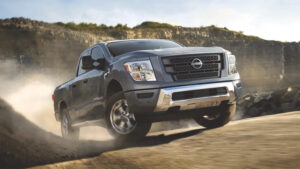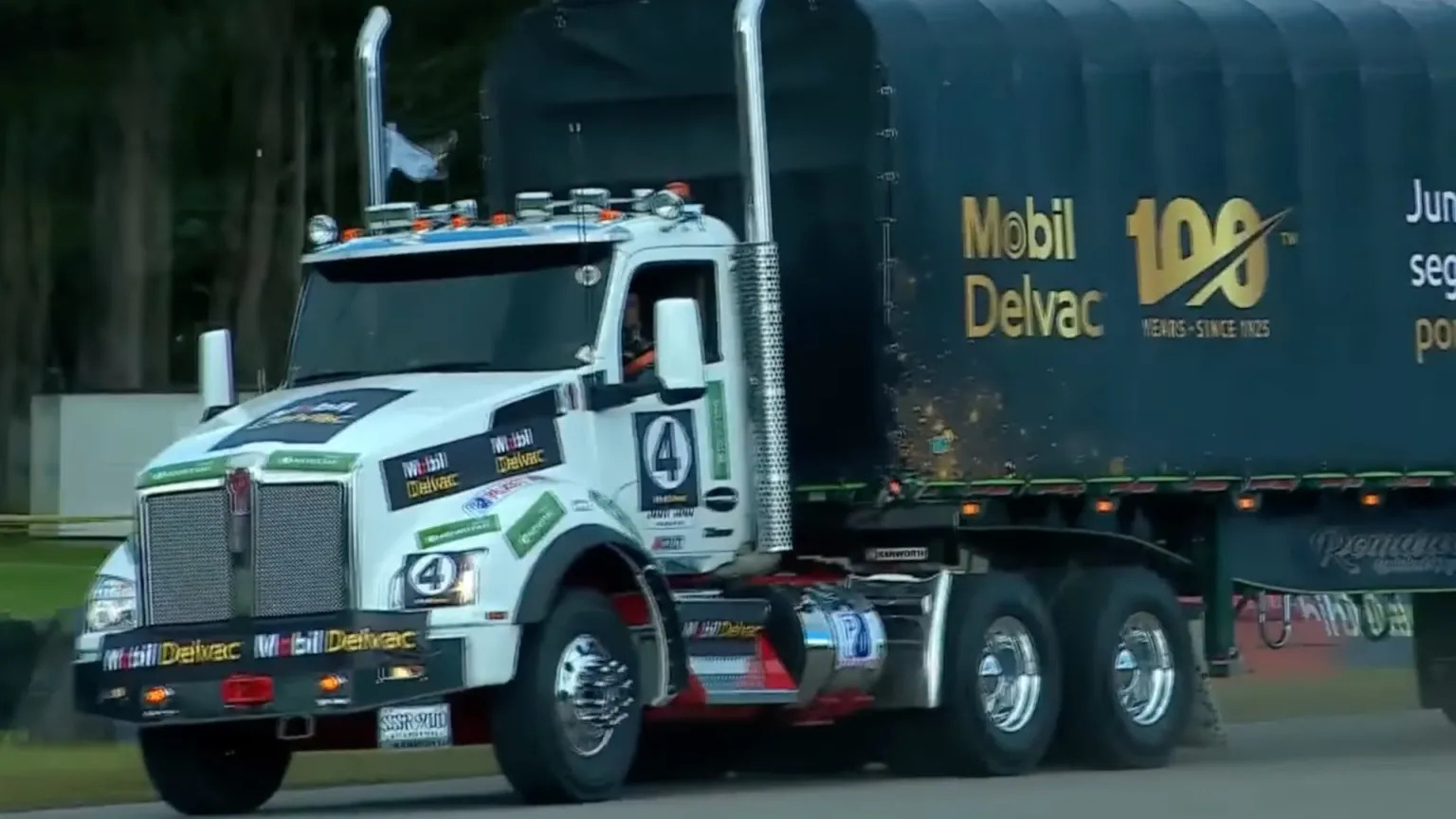


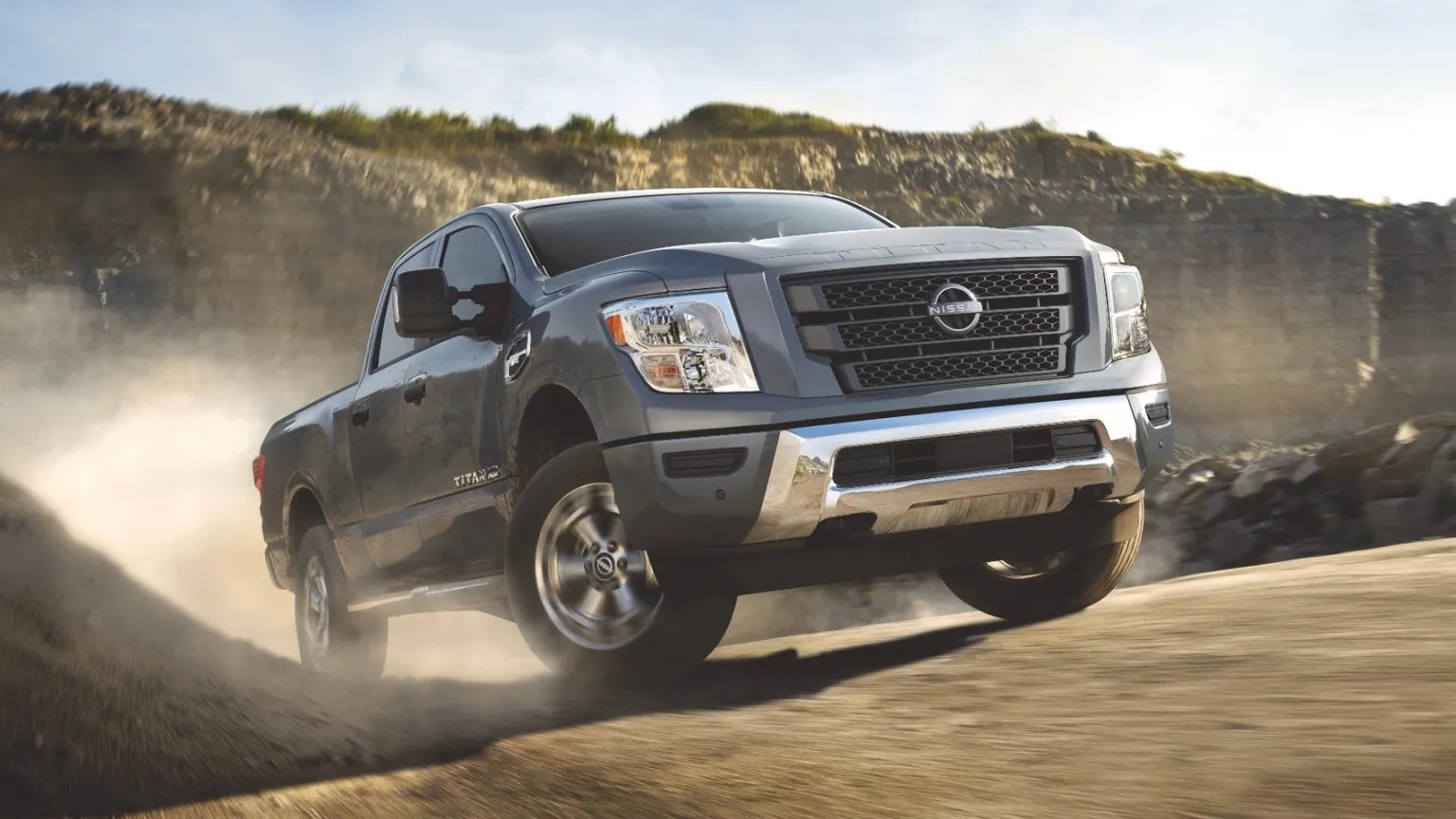
The Nissan Titan’s worst headlight configuration produces glare 615.1% above the threshold set by the Insurance Institute for Highway Safety (IIHS). The truck is completely street-legal — no recall, no enforcement action over glare has been reported, no violation — and that’s precisely the problem. Eyewear company Overnight Glasses analyzed IIHS headlight test data from 257 vehicle models, combined those glare figures with each vehicle’s ride height, and built a glare index measuring how much blinding light gets directed straight into oncoming traffic. The Titan (2017–2024) scored a perfect 100. Perfect, in this case, being the worst possible outcome.
How Height Turns Brightness Into a Weapon
Taller headlights sit closer to the eye line of drivers in lower vehicles — that’s not a design flaw, it’s physics that nobody has regulated.
The logic behind the index is straightforward: a headlight mounted higher on a tall pickup sits closer to the eye line of drivers in sedans and shorter SUVs, projecting light directly into their field of vision rather than toward the road. Height amplifies glare. The rankings reflect that reality clearly.
Key findings from the Overnight Glasses study:
- Nissan Titan tops the index with a score of 100; IIHS independently rates certain Titan low-beam configurations “Poor”
- BMW X5 actually produced more raw glare in one specific scenario — 677.8% above threshold on a 150-meter radius left curve — but ranks lower on the index (95.6) because it sits shorter than the Titan
- Chevrolet Silverado 1500 and Ram 1500 take second and third place, respectively
- GMC Sierra 1500 lands fifth; full-size pickups dominate the top rankings throughout
- Ford F-150 ranks only 10th — glare varies significantly even among tall trucks
The Number That Should Make You Nervous
Driver frustration with headlight glare is no longer anecdotal — the data confirms a decade of worsening conditions.
A March 2026 AAA survey found six in 10 U.S. drivers say headlight glare is a problem after dark. Nearly three-quarters say the problem has worsened over the past decade, and 92% point to oncoming headlights as the main culprit. This isn’t aging eyes or nostalgia for dimmer roads. Modern LEDs are genuinely brighter, and America’s roads are increasingly dominated by tall trucks and SUVs — the automotive equivalent of everyone at the concert deciding to stand on their chairs.
Federal regulations govern beam aim and minimum performance, but they say nothing meaningful about the glare experience of the driver coming the other way. IIHS thresholds are internal safety benchmarks, not enforceable law. Automakers consequently have little incentive to redesign lighting beyond what compliance requires, and current rules have been slow to adapt to the LED era. Automotive safety journalists and IIHS representatives have characterized federal headlight standards as “woefully inadequate” for real-world conditions — a description the data does nothing to refute.
One Reason for Optimism
Adaptive beam technology offers a genuine path forward, but meaningful change depends on how quickly it reaches drivers at scale.
Recent regulatory shifts have started opening the door to adaptive driving beams — technology that dynamically adjusts to shade oncoming drivers while maintaining strong forward illumination for the driver behind the wheel. That’s a genuinely useful development, if it arrives broadly.
Until then, checking IIHS headlight ratings before buying any vehicle is one of the most practical steps available. A “Poor” rating isn’t only about your own visibility at night — it’s equally a measure of what your headlights are doing to every driver headed toward you.