

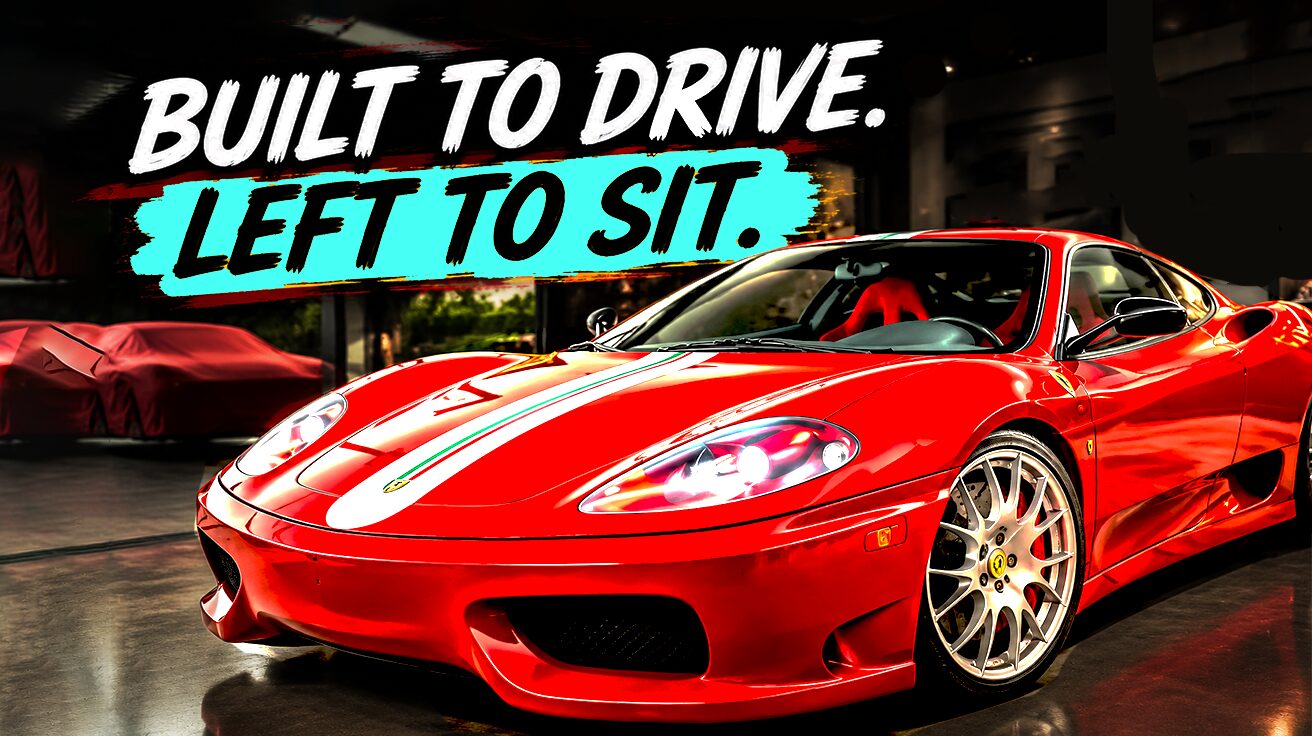
A Ferrari 360 Challenge Stradale recently fetched nearly $1.87 million at auction, proving collector cars now often resemble static art installations more than road-devouring machines. This market surge, while lucrative for some, fundamentally alters driving enjoyment, transforming asphalt warriors into pampered garage queens. Iconic vehicles—from rare manual Ferraris to cult-classic Japanese legends—now command prices that make owners think twice before a proper road trip. The following models illustrate this trend, dissecting how rising values impact ownership, parts access, and the core enthusiast experience. This financial gravity is changing the very soul of car culture.
9. Ferrari 360 Challenge Stradale
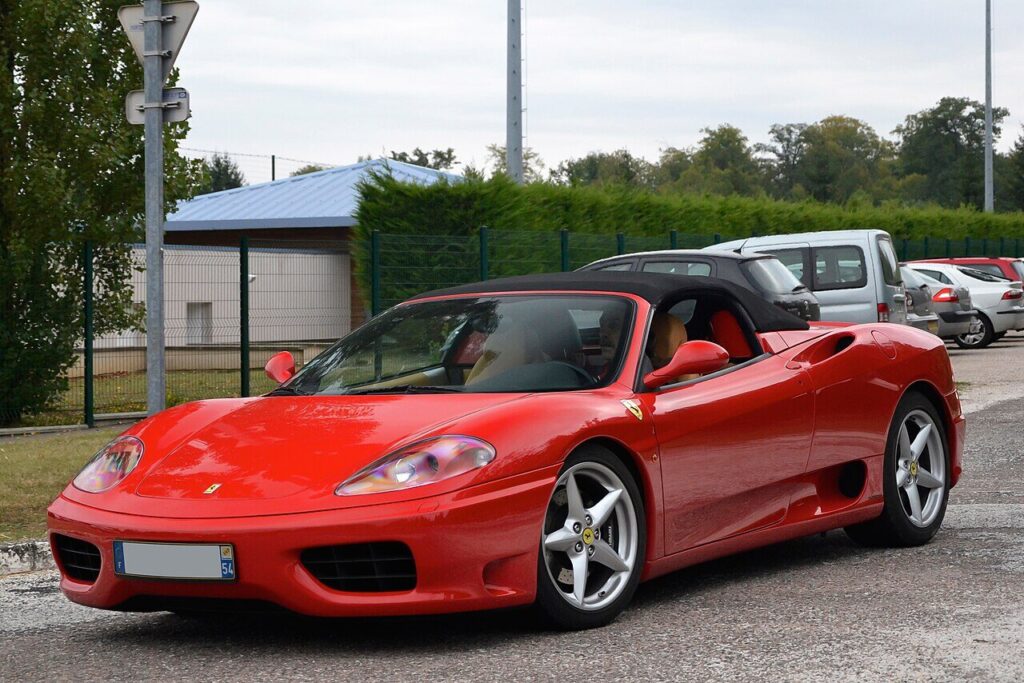
Ferrari’s track-weapon formula distilled to its purest road-legal form.
Ferrari’s quest for ultimate road performance birthed the 360 Challenge Stradale. Its mid-mounted 3.6-liter 90° V8 delivers 425 hp at 8,500 rpm. Carbon fiber reduced weight by 110 kg (242 lbs) compared to a standard 360 Modena, making it feel sharp and surgical. Carbon-ceramic brakes derived from the Ferrari Enzo secured phenomenal stopping power, ensuring Fiorano laps were 3–3.5 seconds quicker than a regular 360.
Values have surged dramatically in recent years, with the highest recorded sale reaching approximately $1.87 million for a 2004 example in January 2026, while average market prices now hover around $413,000. Owners treat these vehicles like museum pieces, meticulously guarding mileage. One owner admits a speed bump causes more anxiety than a full-throttle pull. This track weapon has become too valuable to truly drive—like owning a chef’s knife that only lives in its display case.
8. Ferrari 360 Modena (Manual Transmission)
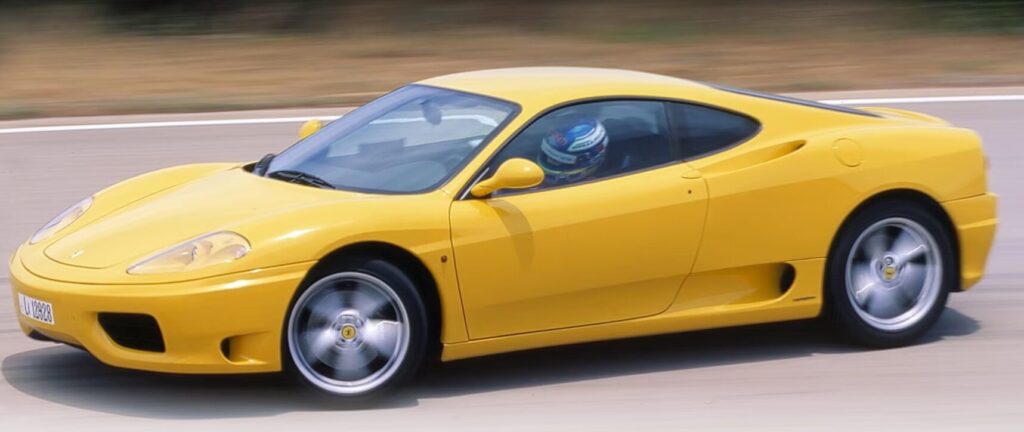
Rarity and the gated shifter transform a thoroughbred into a unicorn.
Only approximately 2,630 manual-transmission Modena coupes were produced, making them significantly rarer than F1-gearbox versions. The 3.6-liter Tipo F131 V8 engine delivers 395 hp through a 6-speed gated manual gearbox. Factory performance claims cite 0–100 km/h (62 mph) in about 4.9–5.0 seconds and top speeds around 295 km/h (183 mph), providing that visceral connection anyone who’s hammered third gear on a backroad knows intimately.
The market for these cars operates with dizzying volatility. According to CLASSIC.COM valuation data, average sale prices now sit around $126,000, with top auction results exceeding $246,000. Dealers struggle to bid accurately as values climb; securing one requires navigating a market where the rules change rapidly. The gated shifter that once defined pure driving joy now carries a financial weight that makes every shift a calculated risk.
7. Acura NSX Parts Program
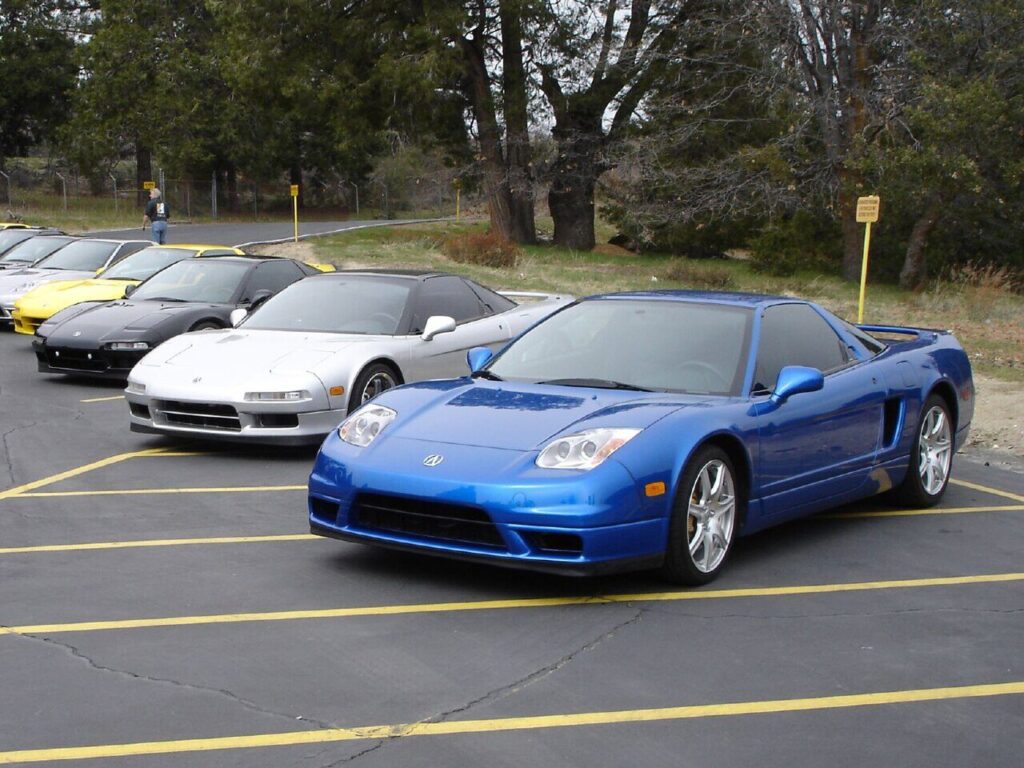
Honda’s heritage support keeps 30-year-old supercars out of the garage and on the road.
The Honda NSX, a marvel of late 20th-century engineering, required extensive model-specific components, creating a critical long-term parts availability concern. Keeping a 30-year-old supercar running often felt like an impossible scavenger hunt. Honda initially withdrew some specialized NSX parts from the market, leaving project cars in limbo.
Eventually, those vital components re-emerged through structured factory heritage support programs, albeit at premium price points. Honda Global’s NSX heritage initiatives now ensure owners can maintain their 1990s NSX as a functional driver rather than a static display. While the premium is steep, the ability to acquire genuine OEM parts is invaluable for enthusiasts determined to keep these legends on the asphalt, living out their road trip dreams.
6. Nissan Skyline GT-R Heritage Parts Program
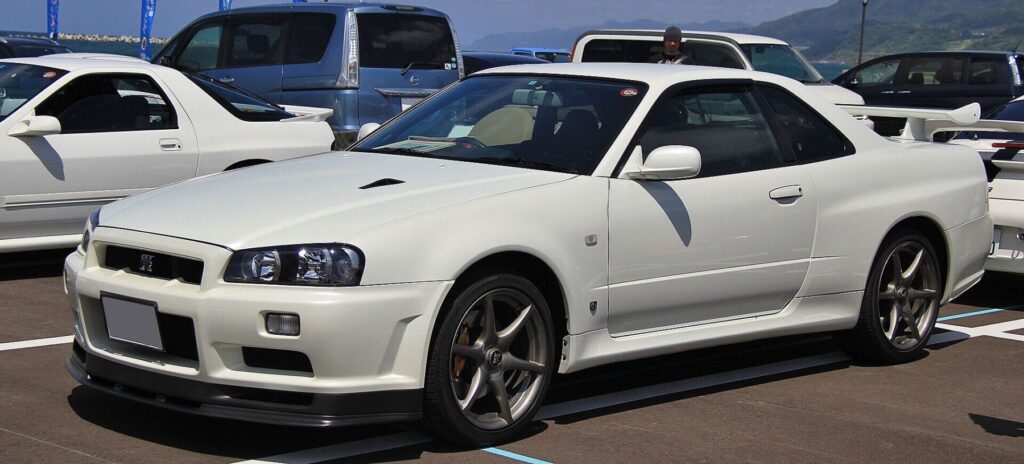
NISMO’s parts reproduction breathes life into discontinued JDM legends.
Anyone preserving a classic Nissan Skyline GT-R—whether an R32, R33, or R34—understands the challenge of sourcing discontinued components. Preserving these vehicles extends beyond mechanical function; it involves maintaining the car’s soul with the same precision required to find the right piston ring. The NISMO Heritage Parts Program confronts this reality by reproducing difficult-to-source mechanical and cosmetic parts, allowing owners to restore vehicles to factory condition.
Global collector demand for these JDM icons has intensified dramatically, making parts availability crucial for both integrity and value. Heritage components come with premium pricing through NISMO and authorized dealers, reflecting small production runs and specialized manufacturing. Owners can finally replace that cracked dash or worn gearbox without resorting to sketchy auctions. This program acts as a lifeline for cars fueled by passion, supporting the ongoing legacy of these performance legends.
5. Porsche Classic Factory Restoration
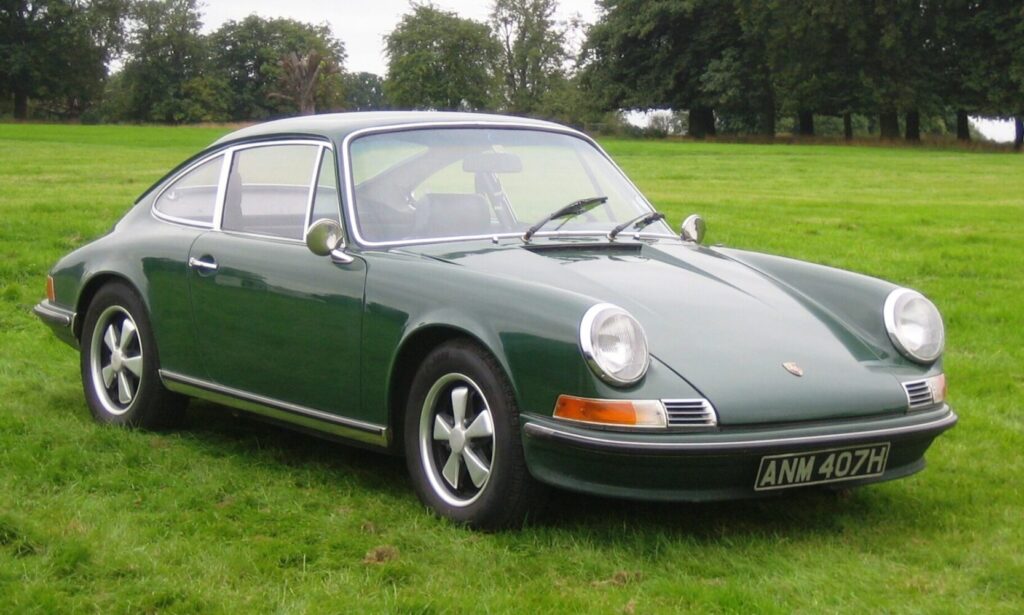
More than 60,000 parts ensure early 911s still carve mountain passes with precision.
Porsche’s dedication to its heritage sets a global benchmark for OEM support, providing a catalog of over 60,000 classic parts for vehicles generally more than 10–15 years old. This division ensures an early 911 or transaxle car still delivers the driving experience it was built for. Owners can send cherished models to a Porsche Classic center for full, certified restoration, preventing these machines from becoming garage queens.
Anyone who’s had a road trip ruined by an elusive part—like a seized brake caliper—knows the mechanical betrayal that follows. Porsche Classic eliminates that worry through technical support and genuine parts supply, ensuring longevity. Other manufacturers, including Nissan and Honda, now follow Porsche’s lead with their own heritage programs. This commitment maintains the enduring value and joy of driving classic Porsches, keeping them roaring on the pavement for generations.
4. Lamborghini Diablo 6.0
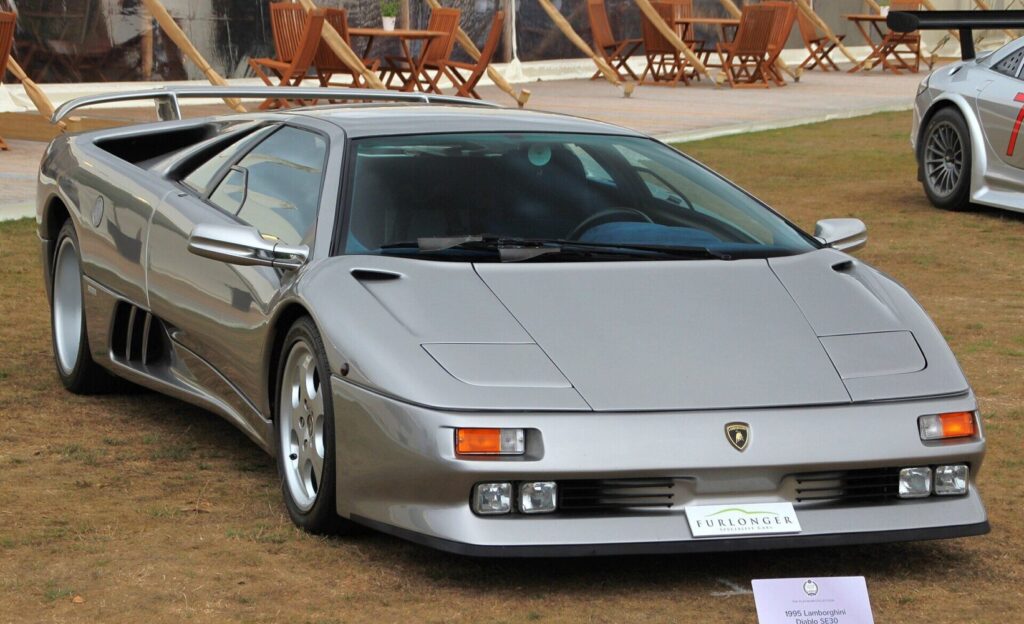
The final, most developed Diablo becomes too precious to unleash.
The Lamborghini Diablo 6.0, an apex predator of its era, now embodies the enthusiast’s dilemma: a car so valuable it induces anxiety rather than pure joy. This final, most developed Diablo variant arrived between 2000–2001, refined after Audi’s acquisition of Lamborghini. It boasted an enlarged 6.0-liter V12 producing approximately 550–575 hp, along with significant chassis, interior, and aerodynamic improvements over earlier Diablos.
Owners who once thrashed these machines on open roads now often treat them like delicate artifacts, fearing that every mile driven diminishes both value and the slim possibility of ever affording a replacement. This shift fundamentally alters the perception of ownership, transforming a driving machine into an investment portfolio entry. The market trend leaves enthusiasts paralyzed, effectively losing the ability to simply enjoy the drive.
3. Rolex Cosmograph Daytona

When a motorsport chronograph becomes too valuable to wear on your wrist.
The Rolex Cosmograph Daytona, introduced in the 1960s and closely associated with motorsport, now serves as a stark metaphor for the collector market’s emotional toll. Modern steel Daytona models commonly trade in the $40,000–$50,000+ range on secondary markets, far exceeding original retail pricing. Built as a timing tool for racing, the watch now often sits unworn, owners hesitating to risk a scratch.
That “doubly lost” feeling hits hard when replacement at a reasonable price becomes impossible. This market shift turns horological craftsmanship into commodity speculation, mirroring exactly how a high-performance engine once celebrated for visceral thrill becomes too valuable for the open road. Both cars and watches, originally prized for their utility and connection to driving passion, now often sit as untouchable investments. Real joy comes from using them.
2. Chevrolet Suburban (Used, High-Mileage Example)
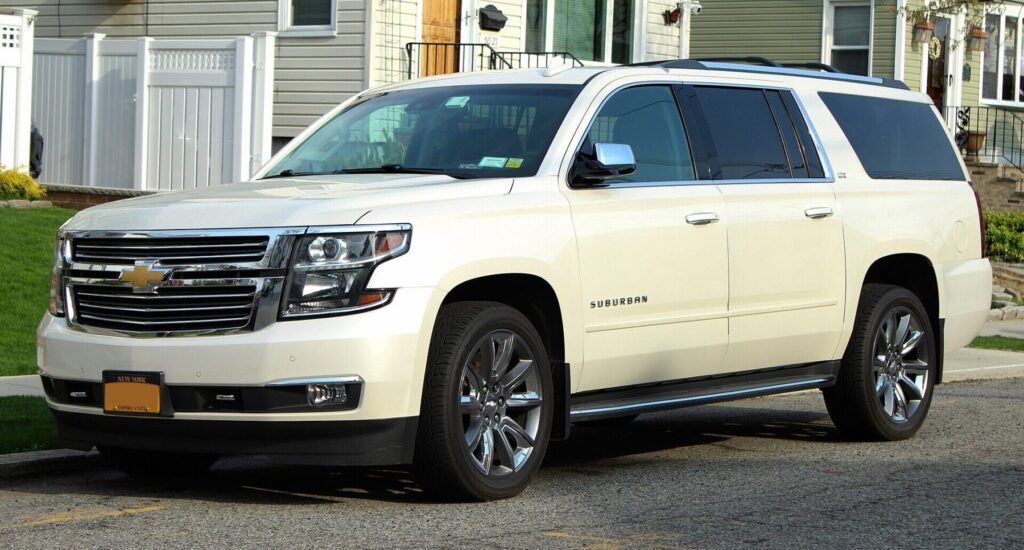
Battle-scarred workhorses prove utility beats speculation every time.
Browse any online marketplace and a different automotive reality emerges. A used Chevrolet Suburban, listed around $5,000, shows a hard life of actual use. The seller’s description notes it ‘needs radiator,’ the ‘driver door is a bit hard to close,’ and it ‘sometimes goes into limp mode,’ with the traction control light illuminated for years, requiring only a simple restart.
This isn’t an investment—it’s a tool with battle scars. These honest faults paint a picture of pure utility, a vehicle that keeps moving people and gear, proving its worth on the road rather than in a climate-controlled vault. The Suburban highlights the vast gulf between vehicles driven for raw functionality and those fetishized for escalating value, where a dashboard light isn’t a market crash but just another Tuesday.
1. Porsche 911 GT3

Track purity meets market speculation—and the driving experience suffers.
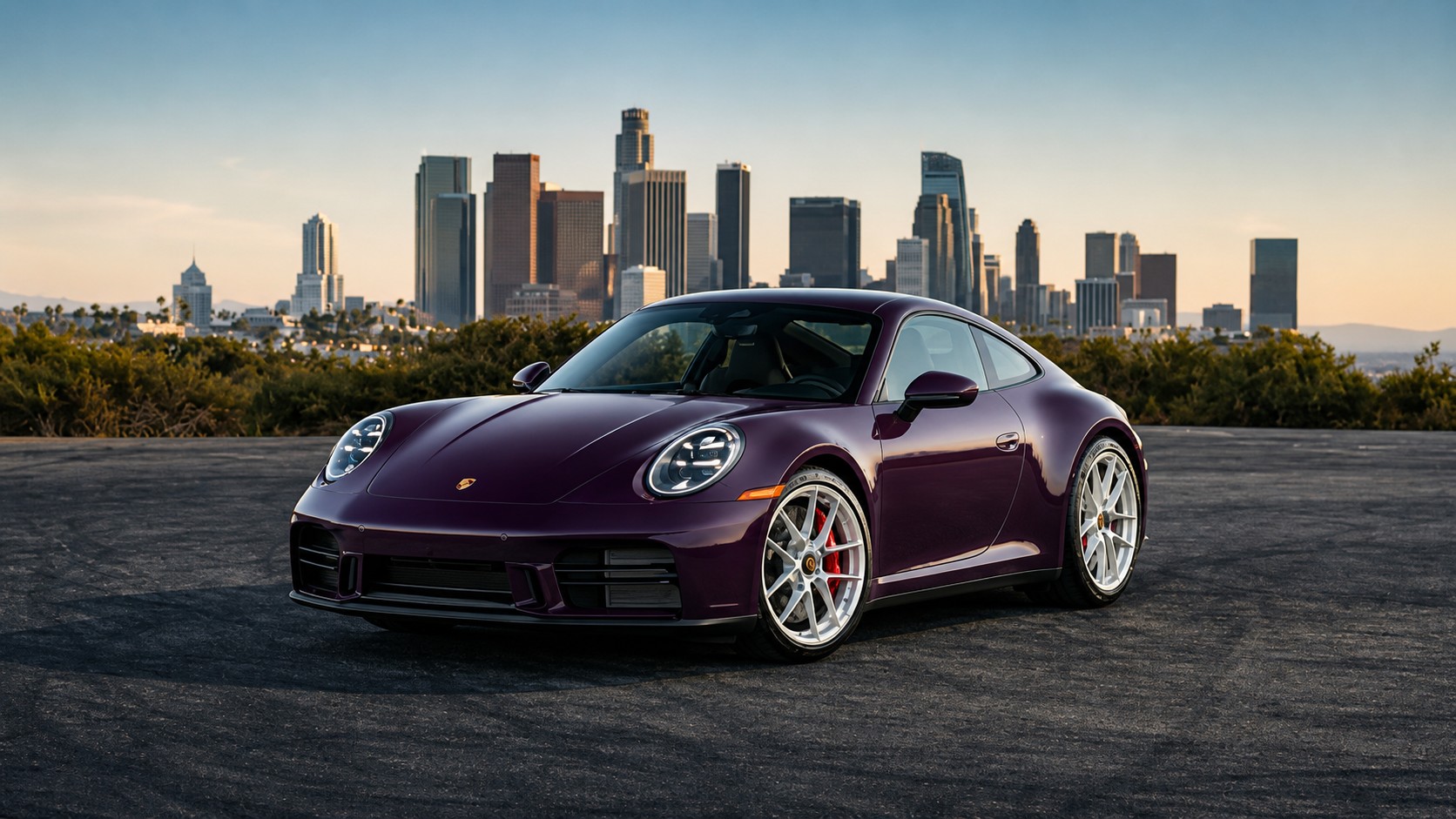
The Porsche 911 GT3, a purist’s definitive choice, has seen substantial appreciation and intense collector interest in recent years. This shift sparks owner concern, turning a precision driving tool into a volatile asset. Financial anxiety often prevents full enjoyment, echoing sentiment from more expensive collector cars, albeit on a smaller scale.
Owners face a predicament: the GT3 was built for track days and spirited backroad runs, yet hesitation creeps in because every mile alters investment value. This challenge forces a question anyone passionate about driving must confront—how do owners truly appreciate a vehicle for its driving prowess when monetary value overshadows the joy it was built to deliver? The answer lies in finding the courage to simply drive it.