

The cars are extraordinary. The finances are a catastrophe. Six years into Lawrence Stroll’s rescue of Aston Martin, the company has accumulated approximately £2.3 billion ($3.1 billion) in cumulative after-tax losses, according to Bloomberg. Q3 2026 results offer something the brand hasn’t had much of lately: genuine, if fragile, forward movement. Losses are narrowing. Margins are climbing. The turnaround remains unfinished, and the debt is still enormous. If you’ve ever wondered how exotic cars can bleed money despite premium prices, Aston Martin is the case study.

Roughly Flat Volume, Sharply Higher Revenue
Selling the same number of cars for dramatically more money sounds like a strategy — whether it’s a sustainable one is the real question.
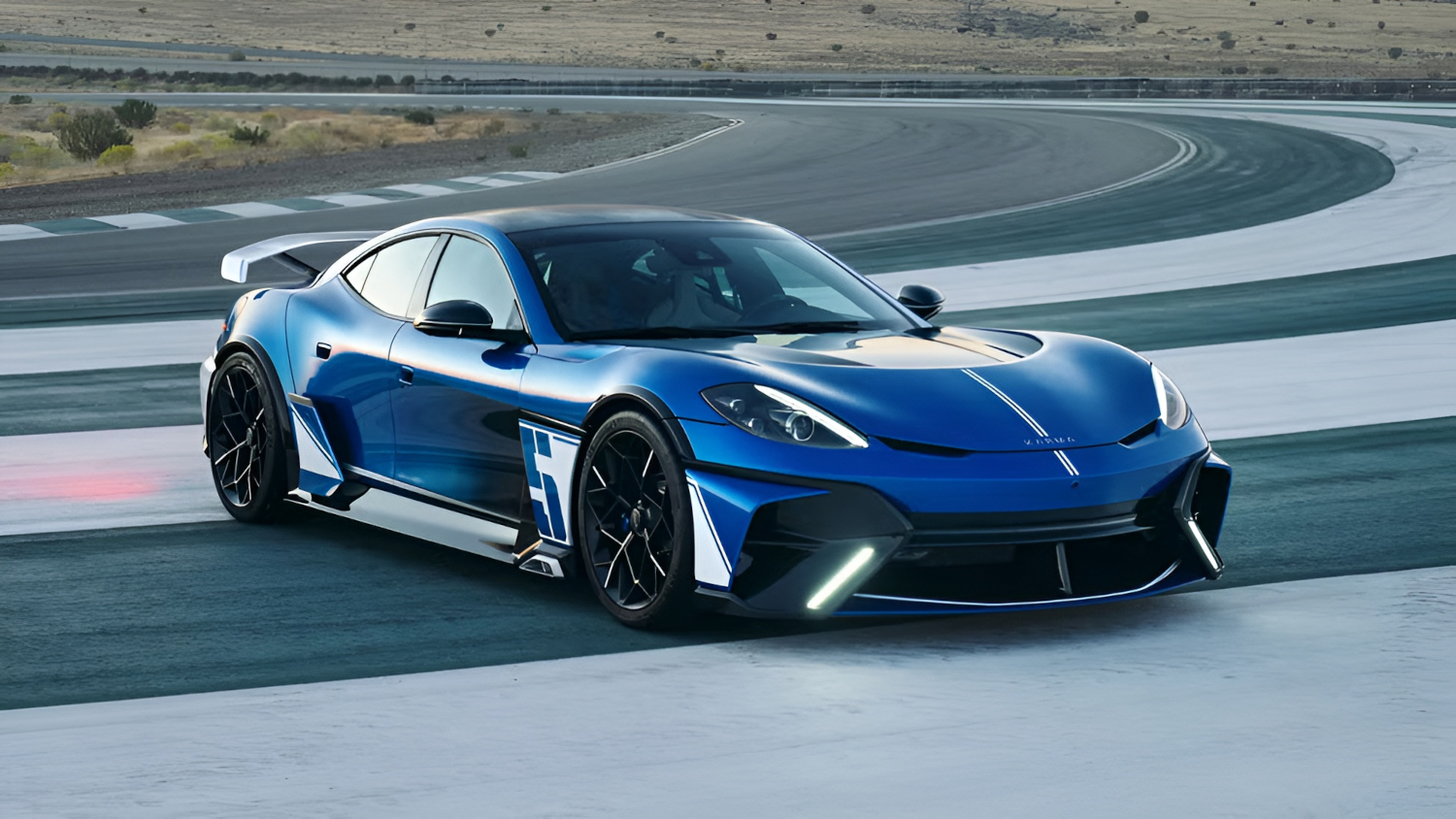
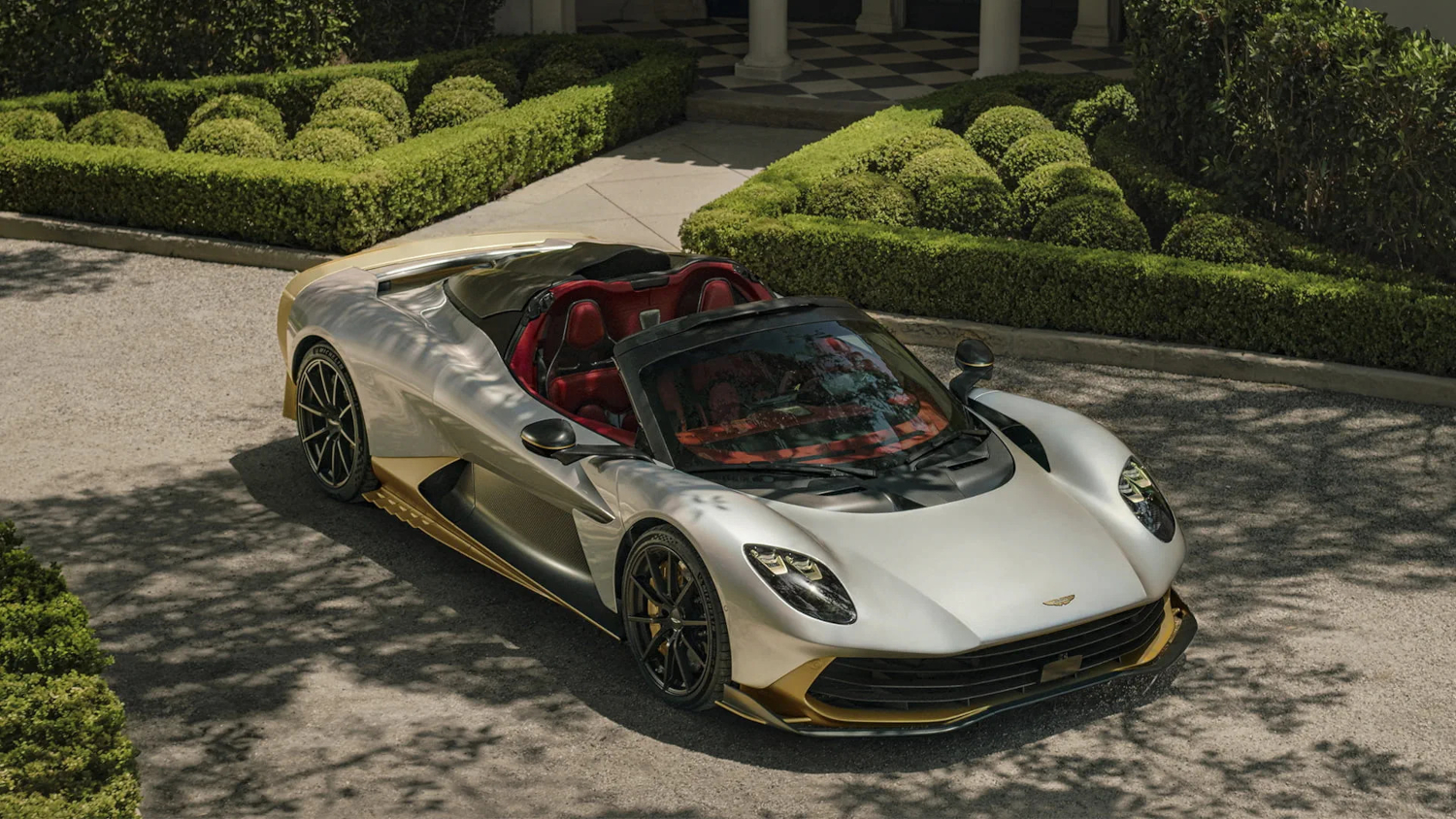
Q3 wholesale deliveries came in at 1,431 vehicles — essentially identical to the 1,430 recorded a year earlier. Yet revenue jumped 36% to £388.7 million and gross profit surged 76% to £145.5 million, according to Motor1. The explanation is product mix: management attributes the improvement largely to Valhalla deliveries and a richer lineup of special models. Aston Martin’s first plug-in hybrid supercar, the Valhalla is positioned against limited-production rivals such as the Ferrari 296 GTB and Lamborghini Revuelto. Roughly flat volume, higher average selling prices, and stronger reported margins — that is the arithmetic behind the headline numbers.
By the numbers:
- Cumulative after-tax losses since Stroll’s takeover: approximately £2.3 billion ($3.1 billion)
- Q3 2026 pretax loss: £77.1 million, down from £111.9 million in Q3 2025
- Net debt: approximately £1.57 billion
- Nine-month 2026 pretax loss: £231.3 million, improved from £252.7 million
- Q3 revenue: £388.7 million (+36%); gross profit: £145.5 million (+76%)
The gross profit improvement is real. The problem is what sits below it. Debt and finance costs continue to weigh on the company’s bottom line despite stronger gross profit — a treadmill that keeps tilting steeper no matter how fast the pace improves.
The bondholder situation adds another layer of friction. Arini Capital Management and Tresidor Investment Management sought evidence in a U.S. court ahead of a potential U.K. legal claim, according to Just Auto. The dispute centers on a £450 million senior secured term loan; the bondholders argue the restructuring left existing creditors worse off, while Aston Martin’s lawyers maintain the transaction was lawful and consistent with the bond documentation. That dispute remains unresolved.
External headwinds compound the pressure further. Weaker Chinese demand and U.S. tariffs are cited in coverage by The News Tribune as additional drags on recovery. One point worth stating clearly: the Aston Martin Formula 1 team operates separately from the road-car business. Its global visibility serves as a promotional asset for the brand — it is not a financial lifeline for Aston Martin Lagonda’s manufacturing losses.
Can the Valhalla Save It?
Higher-margin special models are the core of management’s recovery strategy, but the math of debt reduction remains formidable.
Valhalla and future limited-production models represent the margin bet. They cannot, alone, dissolve approximately £1.57 billion in net debt. Aston Martin builds some of the most compelling cars on earth and remains, financially, a company still running on borrowed money — and hoping the margin math eventually catches up.