

Modern vehicles commonly pack 100-200 distinct features, yet many drivers overlook crucial functions buried in thick owner’s manuals. Mastering these often-ignored capabilities—from active safety aids to clever convenience tricks—can transform daily drives into smoother, less stressful experiences. These aren’t mere novelties; they’re engineering solutions designed to refine every mile. Unlocking these capabilities feels like discovering a hidden shortcut that saves miles of highway, making even routine errands more confident and capable.
1. Adjustable Seatbelt Anchor

This sliding mechanism takes two seconds to adjust but dramatically improves crash protection.
An improperly positioned seatbelt won’t perform when needed most. The height-adjustable shoulder anchor lets occupants position the belt across the middle of the shoulder and chest rather than the neck. Correct belt placement improves restraint performance; vehicle manuals commonly specify that the shoulder section should sit midway between the neck and shoulder.
Adjusting the anchor requires minimal effort, yet this tweak optimizes restraint fit during an impact. For shorter drivers or when switching vehicles, this anchor acts as an essential safety co-pilot. The mechanism varies by vehicle, so check the owner’s manual for the exact location and adjustment range.
2. One-Touch Window Reset

Power-window memory can vanish after battery work, but the fix takes ten seconds.
Many drivers mistake a power window glitch for major electrical failure. Auto-up or auto-down memory can be lost after battery disconnection, window-service work, or other power interruptions. The fix requires no tools and no service appointment.
Run the window fully down while holding the switch at the bottom endpoint. Then raise it fully up, holding the switch at the top. This reprograms the window’s computer to recognize its travel limits, restoring safety features that prevent premature reversal. The exact procedure is model-specific, so confirm the sequence in the owner’s manual before attempting the reset.
3. Fuel Cap Holder
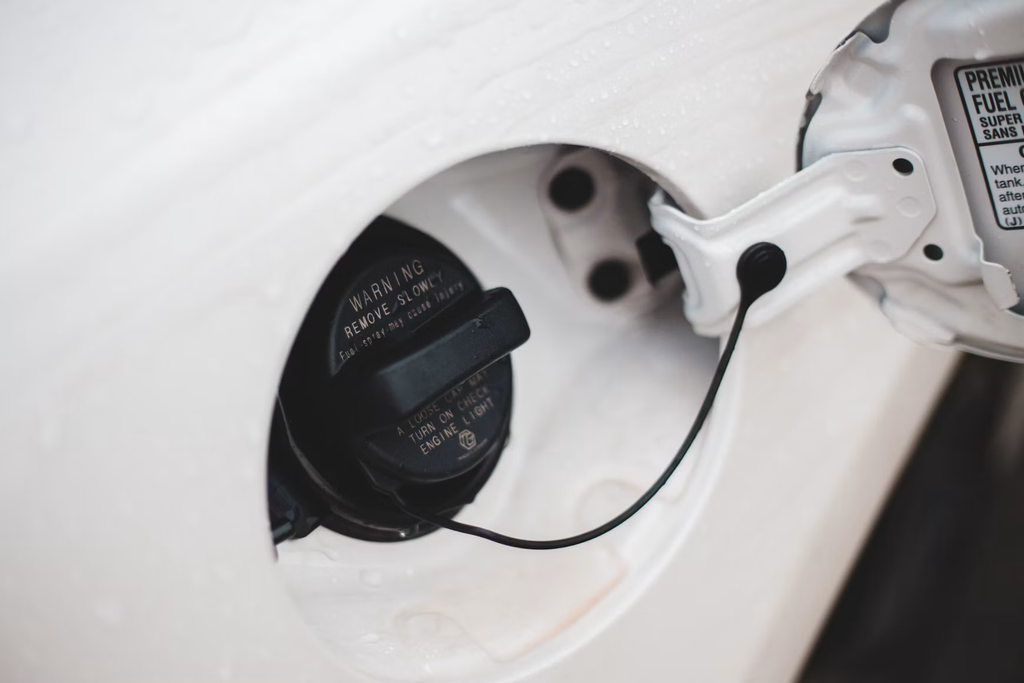
A molded hook inside the fuel door prevents paint scratches and contamination.
Letting the fuel cap dangle during refueling creates unnecessary problems. A swinging cap scratches paint, leaving permanent marks. It picks up road grime that can eventually affect fuel system components.
Most modern vehicles feature a molded hook, slot, or recess inside the fuel door designed to hold the cap while refueling. It keeps the tether and cap away from the paint and filler opening. Taking two seconds to use this holder protects both the vehicle’s finish and the fuel system, safeguarding critical components for any journey ahead.
4. Emergency Brake Assist
Pumping the brakes during a panic stop actually increases stopping distance.
When panic hits during an emergency, many drivers instinctively stab and release the brake pedal. This old-school technique can interrupt anti-lock braking system operation. Brake assist detects a rapid emergency-pedal application and can increase hydraulic braking force, working alongside ABS.
Manufacturer manuals warn that pumping can interrupt ABS operation and increase stopping distance. The correct action is to press the pedal as hard as possible and hold it, letting the system manage braking force. Mastering this “stomp and hold” technique is a life-saving reflex worth practicing mentally.
5. Adaptive Headlights

These systems pivot beams into curves and adjust intensity based on speed and traffic.
Automotive lighting has evolved beyond traditional fixed beams. Adaptive lighting systems can change beam direction, intensity, spread, or level according to steering input, speed, road conditions, and surrounding traffic. Some systems pivot into curves, illuminating the path ahead rather than just the road directly in front.
This precise light placement significantly enhances visibility on dark, winding roads, revealing unseen hazards before conventional headlights would. Adaptive high-beam systems can selectively shade areas around other vehicles while maintaining maximum illumination elsewhere. Performance and availability vary by vehicle and market.
6. Hidden Key Fob Functions

Button combinations can roll down windows, activate remote start, or open the sunroof.
Key fobs often support more than basic lock and unlock. Depending on make and model, fobs may offer remote window opening or closing, panic-alarm cancellation, remote start, and sunroof operation. Holding the unlock button for several seconds can roll down all windows simultaneously on some vehicles, purging stifling heat before entering.
Many fobs also feature remote engine start, typically activated by pressing lock twice and holding the third press. This preheats or precools the cabin before driving. Button combinations are not universal, so the vehicle’s manual is the authoritative source for available functions and proper sequences.
7. Adaptive Cruise Control

Forward sensors maintain speed and following distance, but performance has limits.
Conventional cruise control requires constant throttle adjustment in traffic. Adaptive cruise control uses forward sensors to maintain a selected speed and following gap from a vehicle ahead. The system controls speed and braking, reducing driver fatigue on long highway trips.
ACC has limitations. Performance can be restricted by traffic, road conditions, and stationary or slow-moving objects. Sensors can be blocked by heavy snow, ice, or rain. The system promotes smoother traffic flow and less tiring drives, but it does not replace attentive driving or necessarily steer the vehicle.
8. Road Condition Indicator
A snowflake symbol warns that temperatures are near freezing and icy conditions are possible.
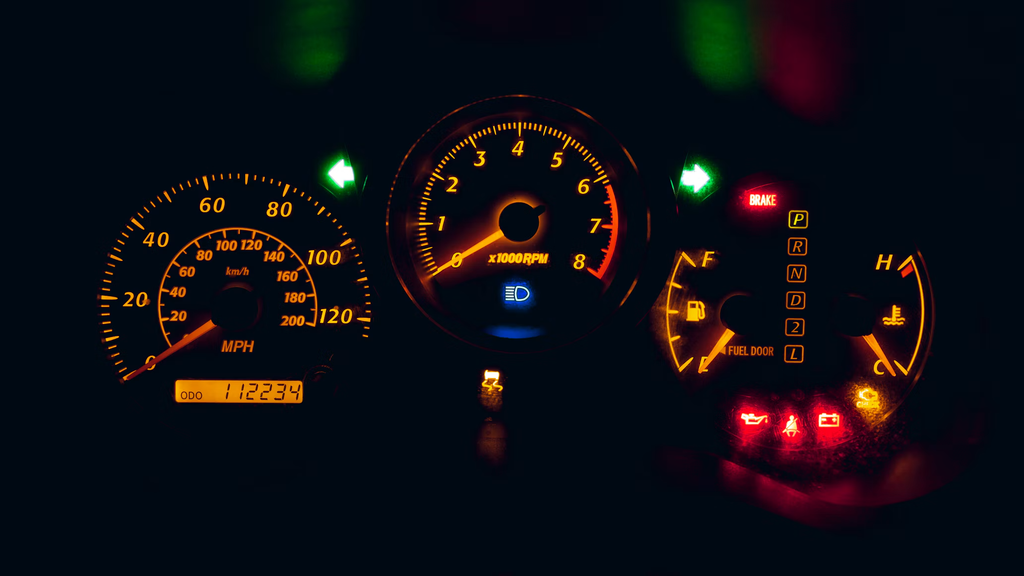
A snowflake or frost symbol commonly warns that outside temperatures are near freezing and that icy conditions may be possible. The activation temperature and warning color vary by manufacturer; the symbol is an advisory, not a direct measurement of road-surface grip.
This indicator is particularly important for bridges and overpasses, which freeze faster due to heat loss from above and below. When the warning appears, adjust driving with gentle steering inputs and increased following distance. The alert serves as an early warning system for potentially treacherous conditions, even when pavement appears dry.
9. Side Mirror Defrosters

Heated mirrors commonly activate with the rear-window defroster to clear frost and condensation.
Driving through a pre-dawn chill often turns side mirrors into frosted canvases, creating serious blind-spot risk. Heated exterior mirrors use electrical heating elements to clear frost, condensation, and moisture. They commonly activate with the rear-window defroster, although some vehicles use a separate control or automatic activation.
The system typically clears mirrors within one to two minutes, transforming opaque glass into a crystal-clear view without manual wiping. This provides immediate clarity crucial for safe lane changes. The feature works effectively during sudden summer downpours or against winter’s icy grip.
10. Fuel Cap Side Arrow
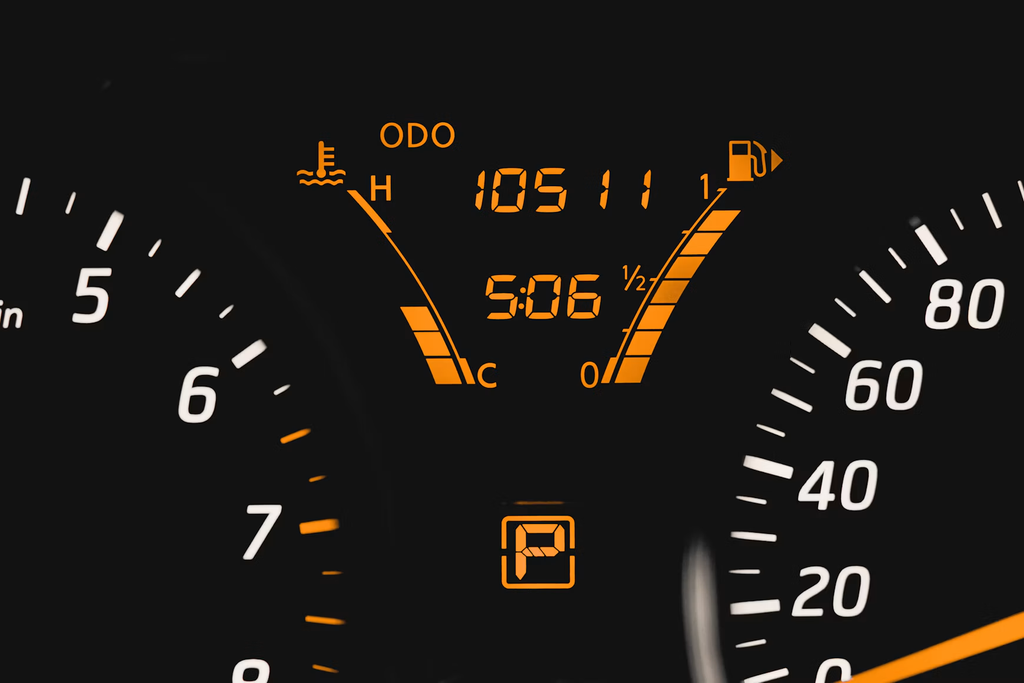
The small arrow beside the fuel-pump icon identifies which side holds the fuel door.
The diminutive arrow positioned next to the fuel gauge’s gas-pump icon resolves a common dilemma at unfamiliar gas stations. This simple visual cue eliminates guesswork about which side houses the fuel door, preventing awkward repositioning at the pump.
The indicator is especially useful in rental, borrowed, or unfamiliar vehicles. Exact gauge graphics vary by model, but the arrow consistently points left or right. Once noticed, this small design detail becomes an indispensable aid, saving moments of frustration and guaranteeing smooth refueling.
11. Hidden Storage Compartments
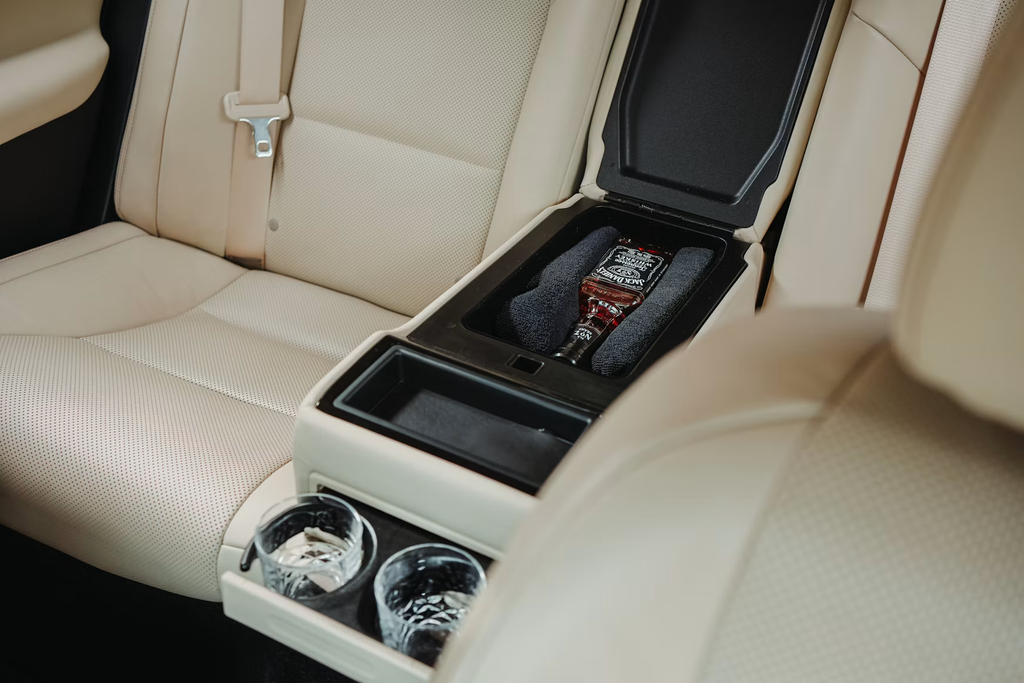
Compartments under cargo floors, beneath seats, or behind trim panels keep valuables out of sight.
Vehicle storage may be located under the cargo floor, beneath seats, inside armrests, or behind trim panels. These compartments are model-specific and often go unadvertised after the initial purchase. They offer practical utility and an effective theft deterrent.
Since most quick smash-and-grab incidents target obvious console and glovebox areas, items secured in these obscure locations are less visible to opportunistic thieves. These storage areas should not be used for objects that could interfere with pedals, seat mechanisms, airbags, electrical equipment, or emergency access.
12. Emergency Shift Lock Release

A manual override near the selector allows the transmission to move when electrical power is lost.
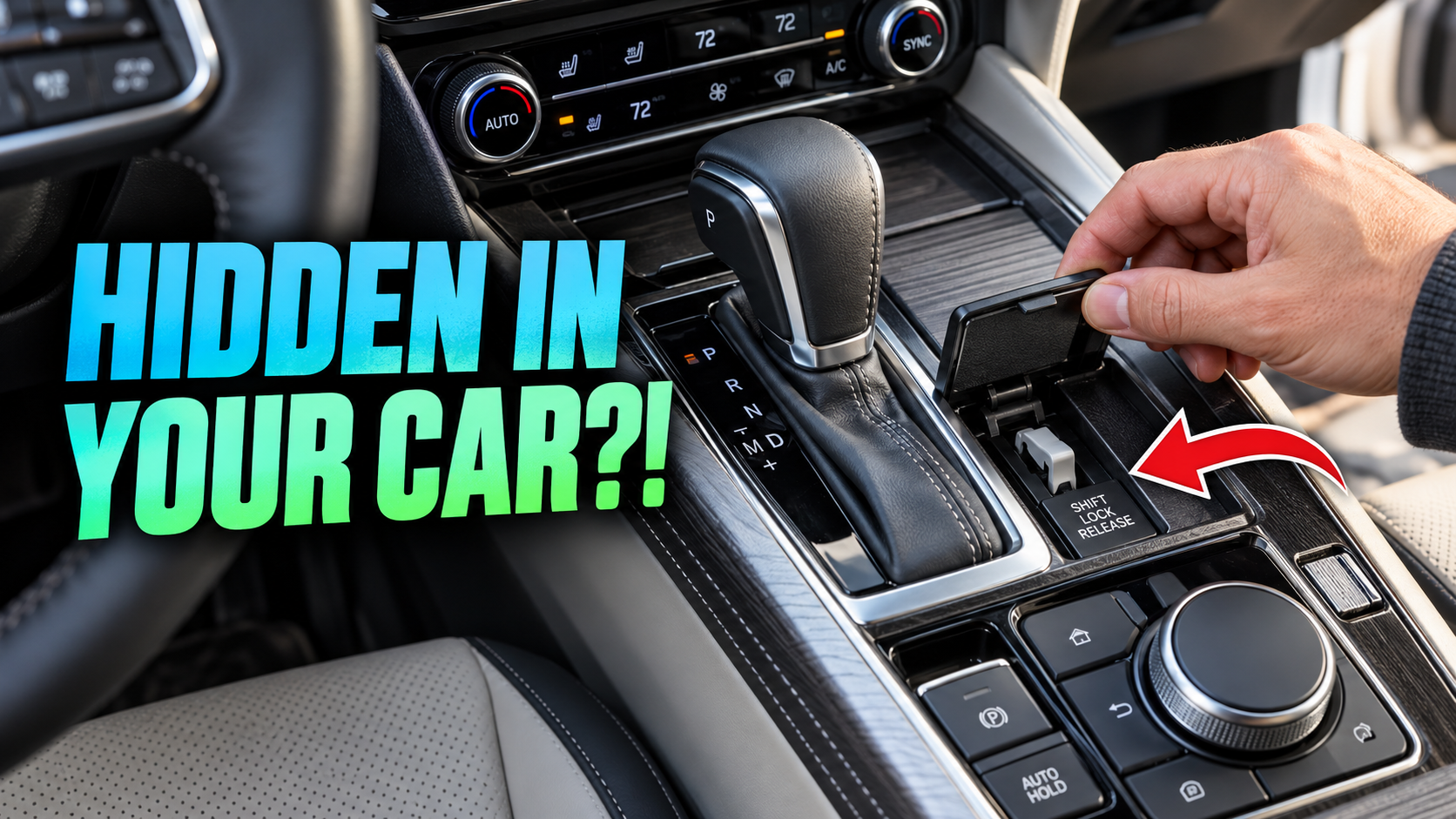
A dead battery can leave an automatic-transmission vehicle stuck in Park, unable to roll even onto a flatbed. Without electrical power to disengage the shift lock, the vehicle becomes immobile. Automatic-transmission vehicles commonly provide a manual shift-lock override near the selector.
This override allows the transmission to be moved out of Park when electrical power is unavailable. The process usually involves applying the brake, removing a small cover, and pressing an internal button or lever. The precise location and procedure vary by vehicle, so consult the owner’s manual to locate this feature before an emergency arises.
13. Backup Mechanical Key
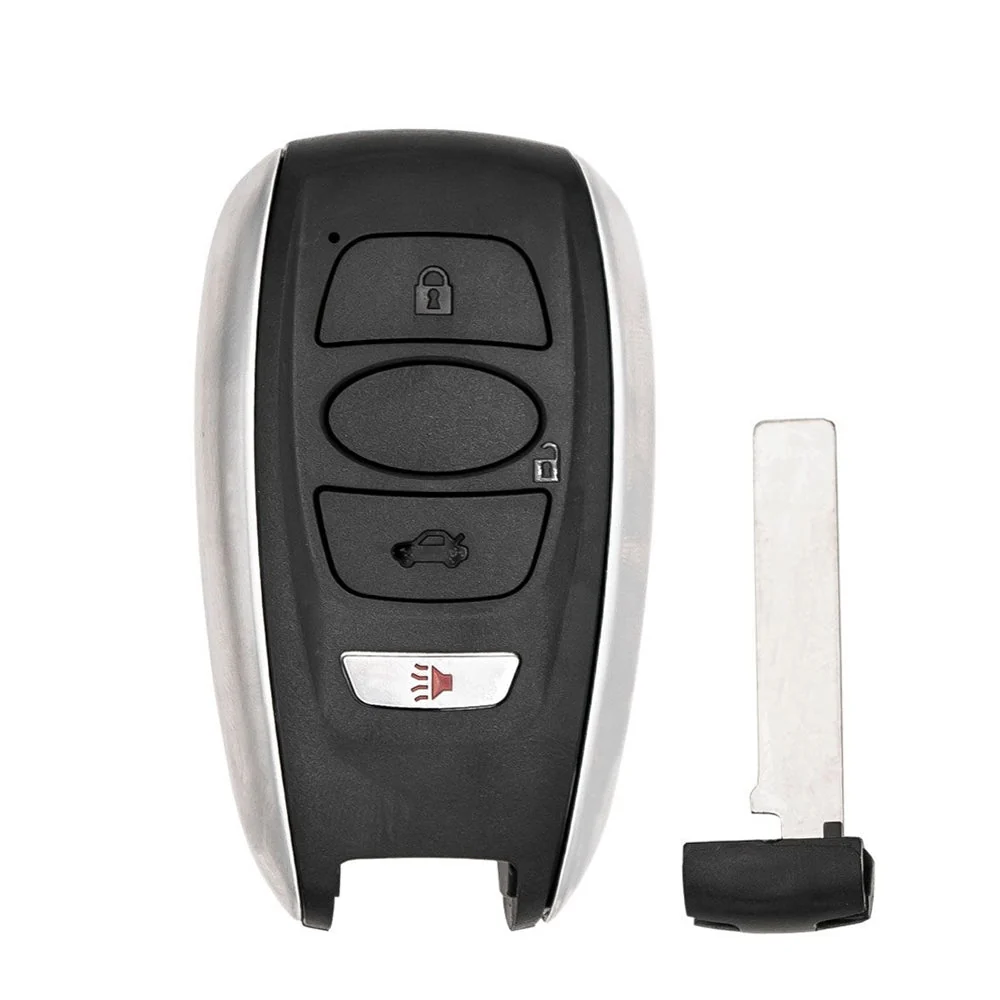
A removable metal emergency key inside the fob can unlock the driver’s door when batteries fail.
Many electronic key fobs contain a removable metal emergency key. This miniature lifeline, often released by a small button or latch, can unlock the driver’s door when the fob battery or vehicle battery is depleted.
The key cylinder may be concealed beneath a handle cap on some models. When the fob’s internal battery dies or the vehicle’s electrical system fails, this mechanical key provides manual access. Knowing this bypass transforms a potential roadside emergency into a minor inconvenience.
14. Auto Hold

This feature maintains brake pressure after stopping, freeing the driver to release the pedal temporarily.
Auto Hold maintains brake pressure after the vehicle stops, allowing the driver to release the brake pedal temporarily. Once the vehicle reaches a full stop, the feature automatically holds the brakes until the accelerator is pressed. A tap of the accelerator seamlessly releases the hold.
Auto Hold is intended for traffic stops, hills, and short pauses; it is distinct from the parking brake. The button is usually located near the gear shifter or parking brake switch, though the feature may be deactivated by default. Operating conditions and activation controls vary by model.
15. Blind Spot Monitoring

Radar or cameras detect vehicles in adjacent areas that mirrors can’t show.
Blind-spot warning systems use radar, cameras, or other sensors to detect vehicles in adjacent areas that may not be visible in the mirrors. Warnings commonly appear in the side-mirror housing or glass, usually as a small amber light.
Some systems add an audible or steering-related warning when the turn signal is used with a vehicle detected in the blind spot. The system acts as a digital copilot, constantly scanning adjacent lanes. While invaluable for preventing sideswipes, blind-spot monitoring is a supplemental aid; always perform a shoulder check before changing lanes.
16. Auto-Dimming Rearview Mirror
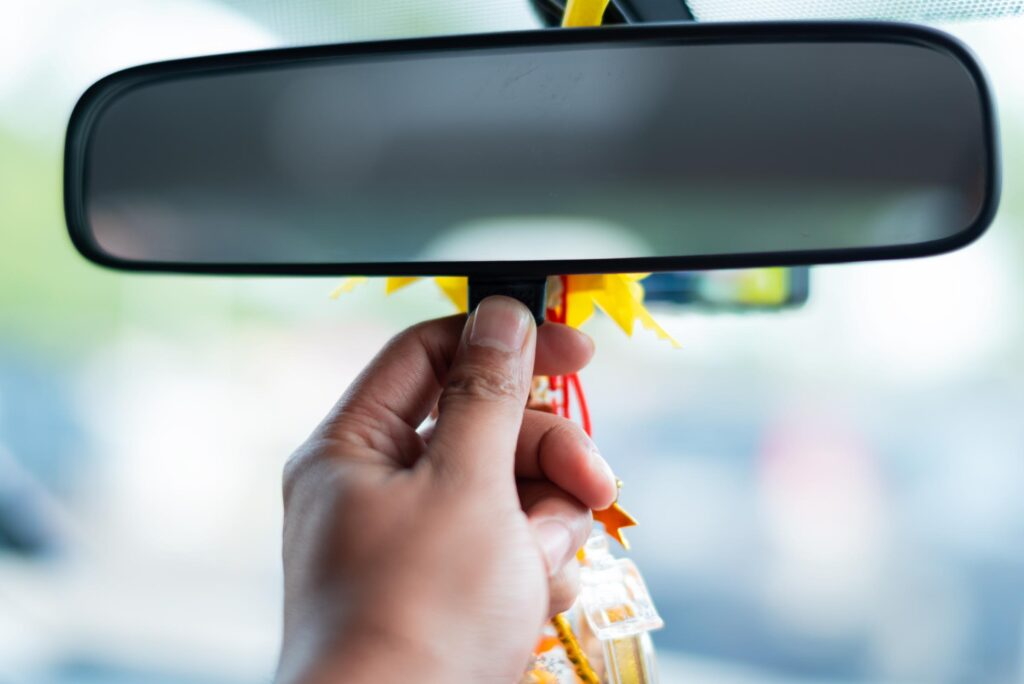
Electrochromic glass automatically darkens when bright headlights are detected behind the vehicle.
Blinding headlight glare from vehicles behind at night is a significant driving hazard. Older manual day/night mirrors required flipping a tab to adjust the reflective angle. Automatic versions use light sensors and electrochromic glass to darken when bright headlights are detected.
The glass dims automatically with the seamless precision of modern transmission technology. Some vehicles extend this capability to the side mirrors. This feature ensures clear night vision without manual adjustment, a fundamental safety enhancement that significantly boosts confidence for any cross-country run.
17. Drowsiness and Attention Detection
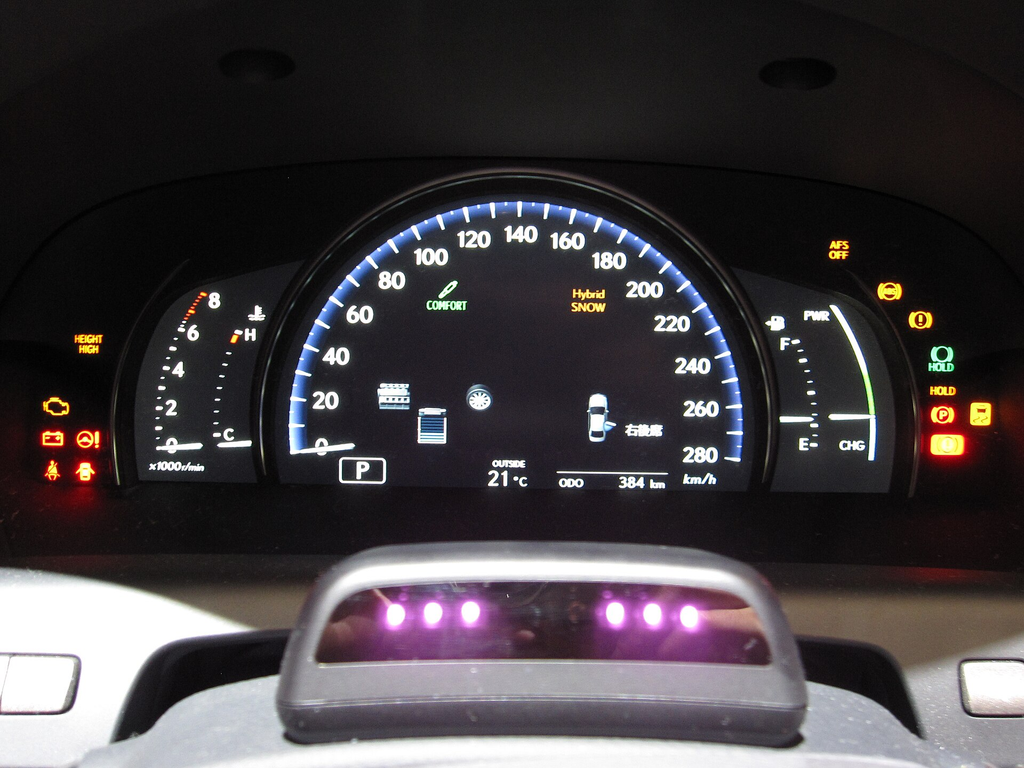
Cameras and sensors monitor alertness, issuing warnings when fatigue signs are detected.
Driver-monitoring systems may use cameras, steering inputs, or other sensors to identify fatigue, distraction, or reduced alertness and then issue a visual or audible warning. Small cameras and sensors monitor subtle cues such as drooping eyes, head nodding, or erratic steering patterns.
When the system detects flagging alertness, it issues a warning—often a beep or a coffee-cup icon—urging a break. Some manufacturers use driver-monitor cameras that track alertness, while others employ cameras and sensors that detect fatigue-related signs. This technology provides an objective assessment, acting as a vigilant spotter against the common self-deception that continuing to drive is safe.
18. Traffic Signal and Lead Car Alerts
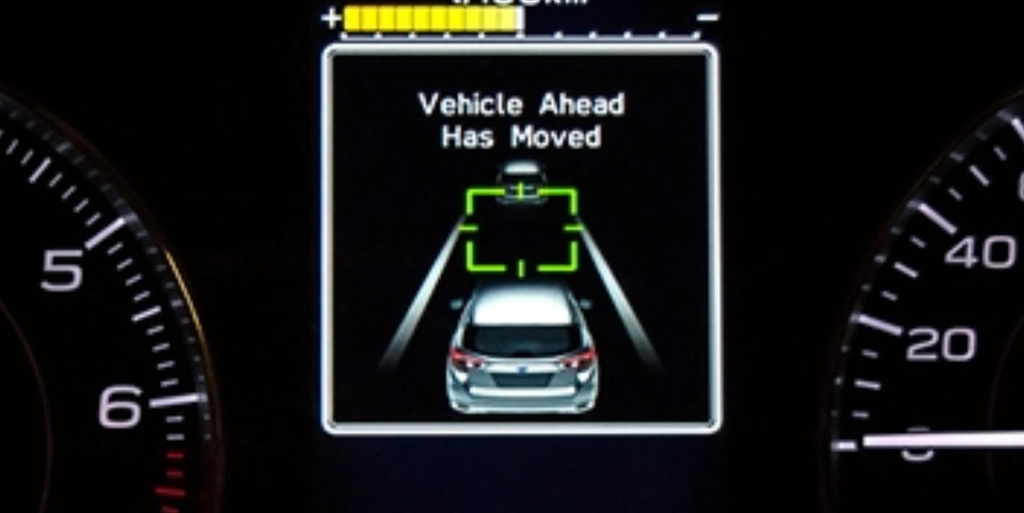
These systems notify drivers when lights change or when the vehicle ahead moves.
Traffic-light alerts can notify the driver when a detected signal changes, while lead-vehicle departure alerts notify a stopped driver that the vehicle ahead has moved. These systems often flash an icon or chime, preventing delayed reactions at intersections.
The functions depend on cameras, navigation data, market availability, and clear detection conditions. They smooth out commutes and help maintain city traffic flow. These are attention aids rather than substitutes for observing intersections; drivers remain responsible for monitoring traffic signals and surrounding vehicles.
19. Easy-Fill Tire Alert
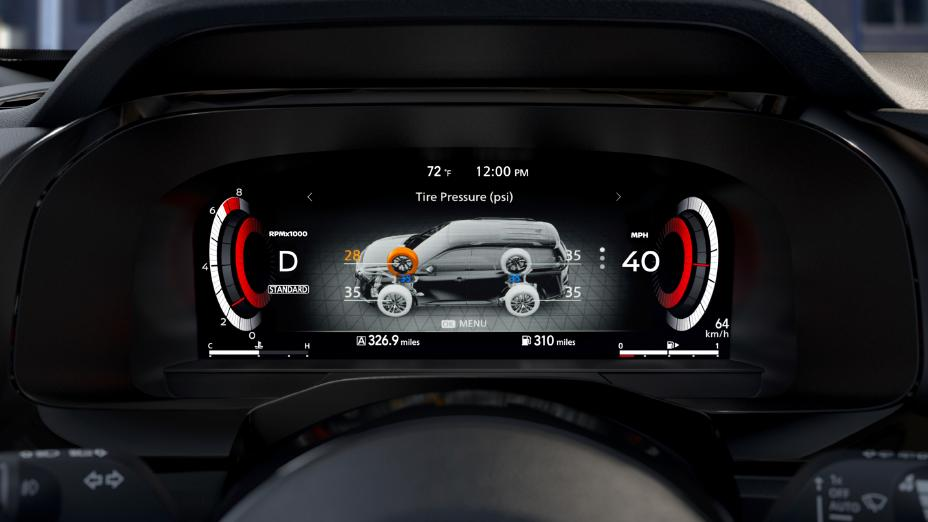
Audible or visual signals confirm that a tire has reached its recommended pressure.
Some vehicles provide an audible or visual signal while the driver adds air, confirming that the tire has reached its recommended pressure. With the car parked, engine off, ignition on, and parking brake set, exterior lights may flash as the tire fills. The system signals optimal pressure with a distinct alert.
The correct target is the vehicle manufacturer’s cold-inflation specification on the door-jamb label, not the maximum pressure molded into the tire sidewall. Proper pressure prevents underinflation hazards and protects fuel economy and tire longevity. Tire-pressure alerts and reset procedures vary by vehicle.
20. Emergency Trunk Release

Federal law requires an interior trunk release, commonly a glow-in-the-dark handle.
Passenger vehicles sold in the United States generally require an interior trunk-release mechanism under Federal Motor Vehicle Safety Standard No. 401. The standard became effective on September 1, 2001. The release is designed to be operated from inside the trunk and is intended to provide an escape route if someone becomes trapped.
The handle is commonly glow-in-the-dark and typically located near the trunk latch. The exact handle location and appearance vary by vehicle. Knowing its location and demonstrating its function to family members is a fundamental safety lesson, as crucial as teaching proper seatbelt use.