

Automotive history is full of vehicles that were revolutionary at launch and discontinued within a decade. The cars on this list took the opposite path — built on fundamentals so sound that they accumulated reputations across generations of owners rather than press cycles. The Mercedes-Benz W123 still operates as working taxis in Morocco and Lebanon decades after production ended. The Toyota Land Cruiser earned its reputation in environments where failure meant being stranded in the Australian outback or a UN peacekeeping zone. The Honda Accord solved emissions problems that Detroit was still bolting workarounds onto. Some cars refused to die while others became cautionary tales about prioritizing style over substance. These six chose substance.
6. Honda Accord (1976-Present) (Exterior)
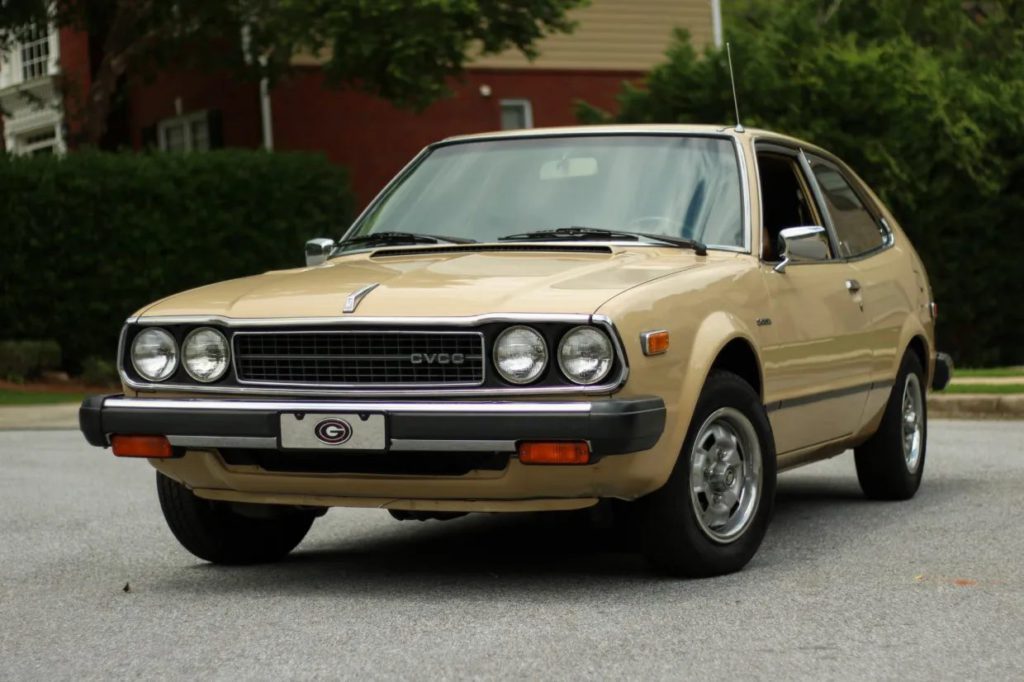
The Accord launched in 1976 on a straightforward premise: build every component to last longer than the buyer expects. The weather stripping is a specific example worth noting — remaining pliable and functional in vehicles decades old, while competitors’ seals crumbled within years. Honda’s CVCC engine technology solved the emissions problem through engineering rather than add-on equipment, while Detroit manufacturers were still bolting pollution control hardware onto engine designs that predated the regulations requiring it. The Accord succeeded because it addressed the buyer’s actual priorities — reliability, maintenance cost, and driving competence — rather than the priorities that photographed well in ads.
Honda Accord (1976-Present) (Interior)
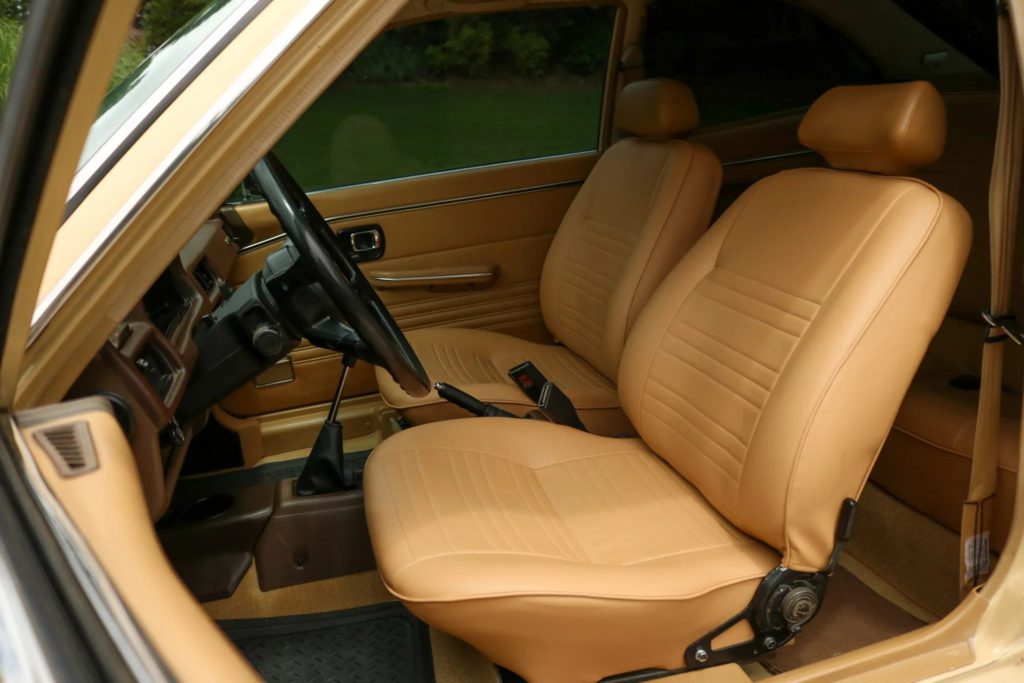
Precise handling and responsive engines satisfied drivers who cared about the experience. Maintenance schedules measured in years rather than months satisfied owners who cared about the cost. The interior quality held up across high-mileage ownership in a way that competitors charging similar prices could not match. Every subsequent generation maintained that balance rather than sacrificing one side of the equation for the other, which is the specific discipline that separates genuinely durable automotive reputations from ones that require constant marketing effort to sustain.
5. Ford Crown Victoria (1992-2011) (Exterior)
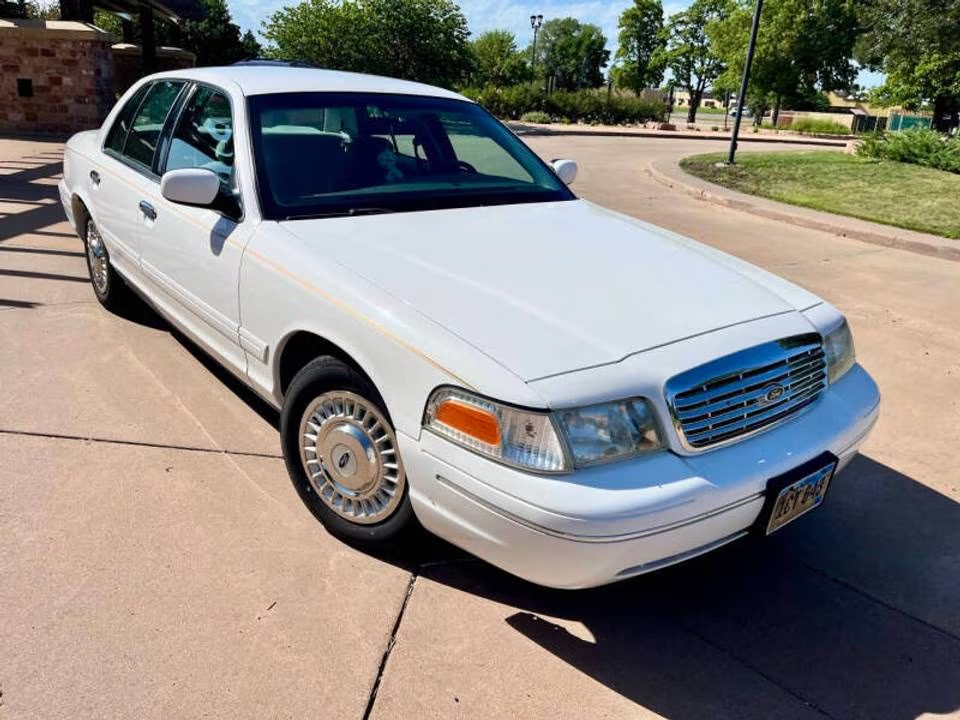
The Crown Victoria’s design formula was not a limitation — it was the product. Body-on-frame construction. V8 engine driving rear wheels. Parts shared across model years. The simplicity was intentional, and the result was a vehicle whose total cost of ownership over a working life made it the default choice for police departments, taxi fleets, and government agencies that ran large vehicle inventories and could not absorb unpredictable repair costs. When an organization buys thousands of the same vehicle for decades, that is not inertia — it is documented performance data making the purchasing decision.
Ford Crown Victoria (1992-2011) (Interior)
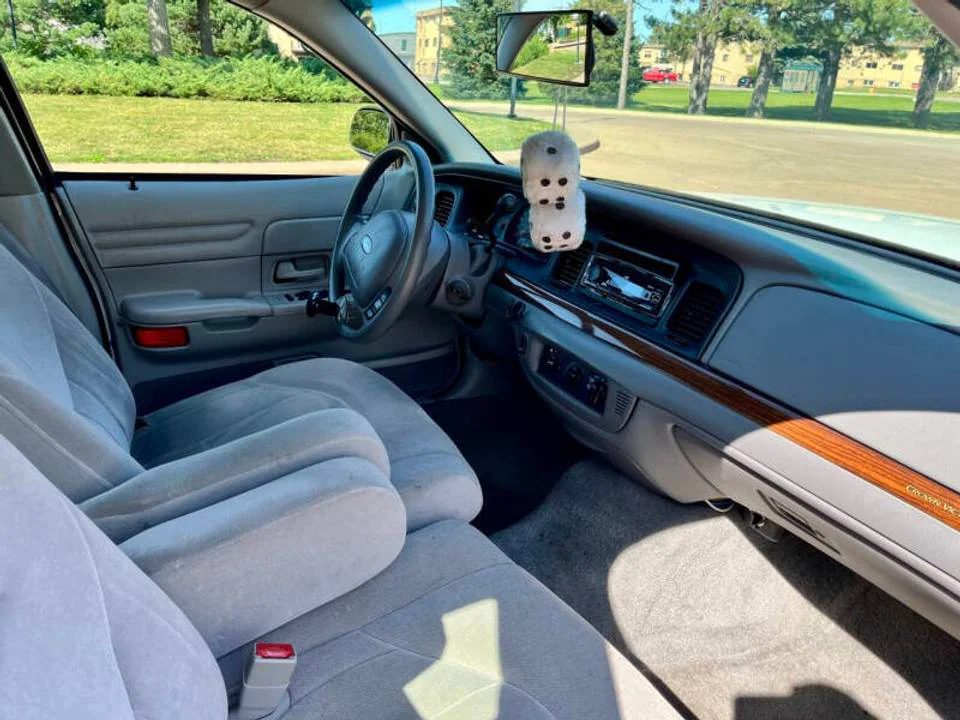
No adaptive suspension to fail. No turbos to rebuild. The Panther platform was engineered with enough structural margin that 300,000-mile examples still ride acceptably. Parts interchangeability across model years kept maintenance costs predictable — a specific advantage that owners of modern vehicles with multiple computer modules controlling basic functions understand most clearly when those modules fail outside warranty coverage.
4. Toyota Land Cruiser (1951-Present) (Exterior)
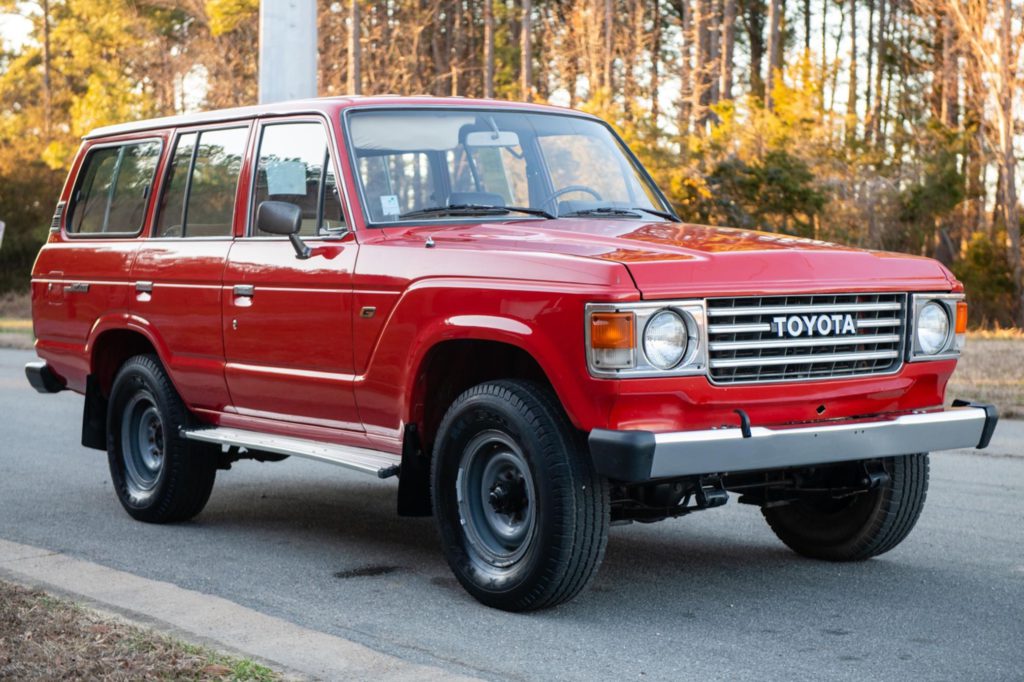
The Land Cruiser has been in continuous production for over 70 years — a record that reflects something more durable than brand loyalty. The J40 series (1960-1984) established the engineering template. Subsequent generations refined it rather than replacing it with something more fashionable, which is a manufacturing decision that requires resisting pressure most automakers eventually yield to. The Land Cruiser’s exterior communicates its purpose accurately from every angle: a vehicle designed for environments where failure is not a warranty inconvenience but a genuine survival problem.
Toyota Land Cruiser (1951-Present) (Interior)
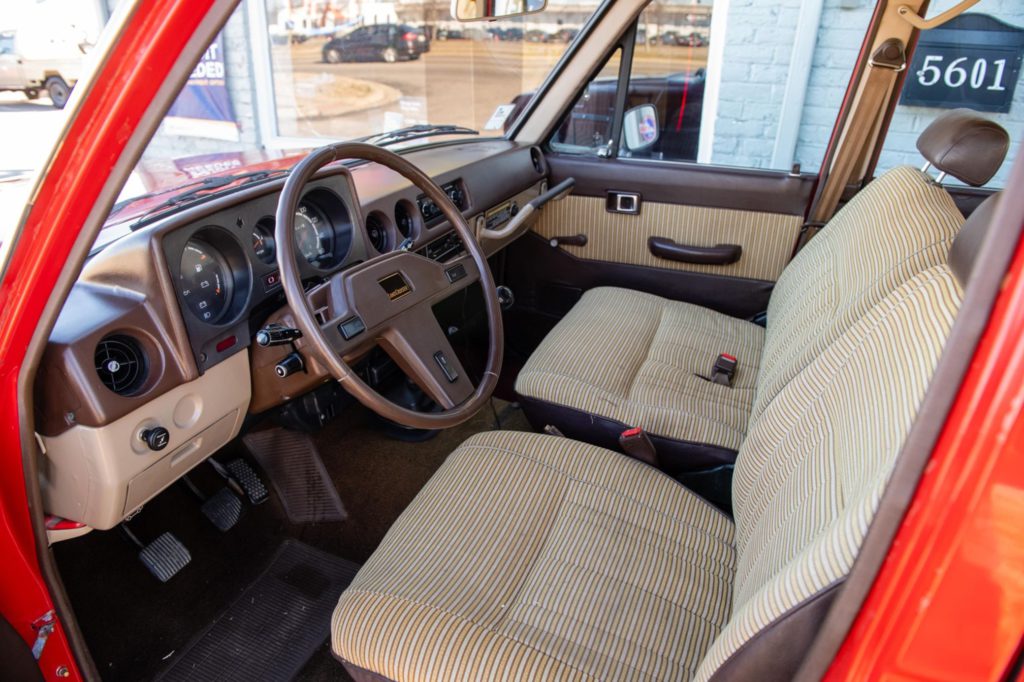
The Land Cruiser’s reputation was built in places where the alternative to a working vehicle was not inconvenience — Australian outback stations, UN peacekeeping missions, and remote operations where parts availability is measured in days of travel rather than hours. Mechanics in those environments can service these vehicles with basic tools. That specific capability — repairability without specialized equipment or diagnostic computers — is what earns a working reputation rather than a consumer reputation, and the two are not the same thing.
3. Volvo 240 (1974-1993) (Exterior)
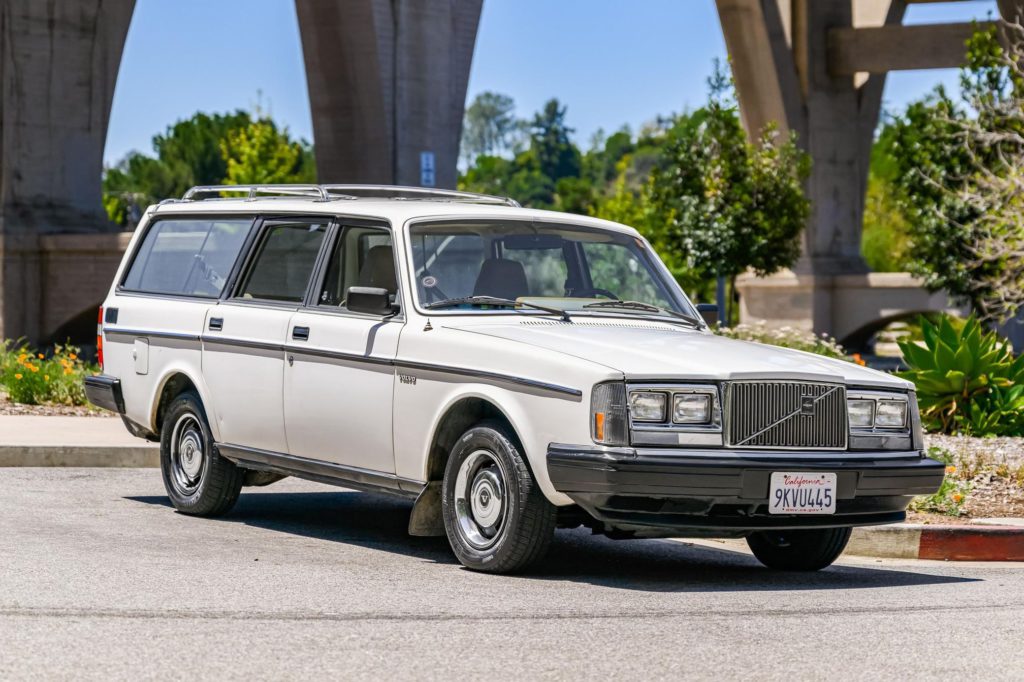
The Volvo 240’s exterior did not win styling awards, and the engineering team at Volvo was not trying to. The upright, squared-off body communicated exactly what the vehicle prioritized: structural integrity, visibility, and cargo capacity. When other manufacturers were chasing the design trends of the late 1970s and 1980s, Volvo was refining crumple zones and high-strength steel construction that was genuinely ahead of what competitors were building at the same price point.
Volvo 240 (1974-1993) (Interior)
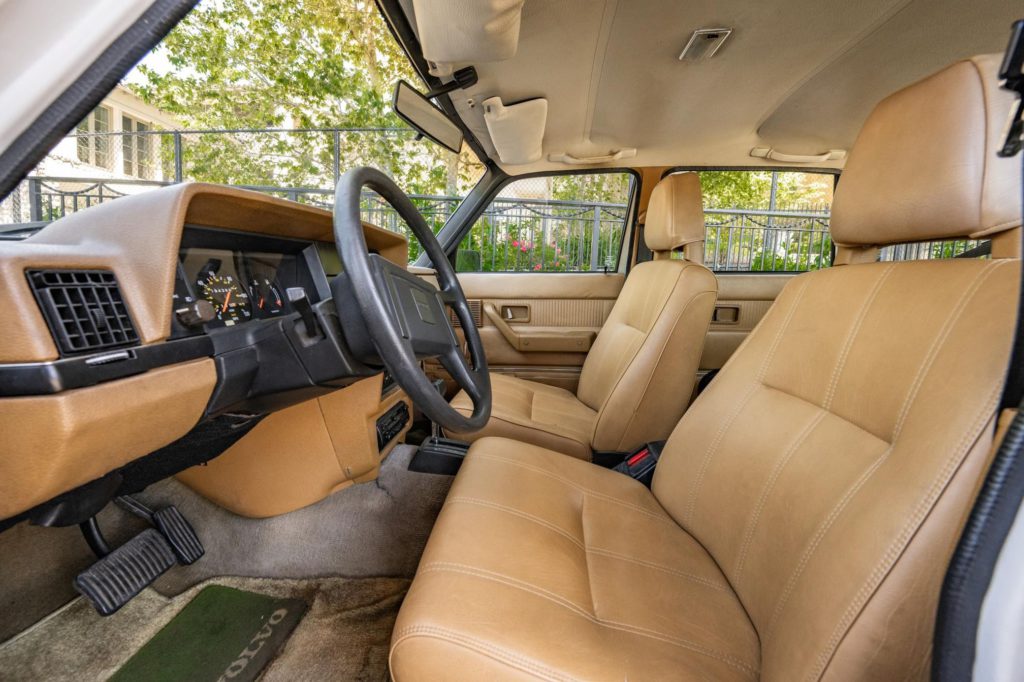
The 240 made no claims it did not deliver. Safety, practicality, and longevity were the stated priorities, and owners buying these vehicles decades later are still getting those outcomes. Heating systems function in Scandinavian winters. Cargo capacity exceeds most modern crossovers. Finding a 240 with less than 200,000 miles on the odometer is genuinely difficult — not because the vehicles were rare, but because owners kept driving them rather than replacing them, which is the most honest measure of satisfaction any vehicle can accumulate.
2. Jeep Cherokee XJ (1984-2001) (Exterior)
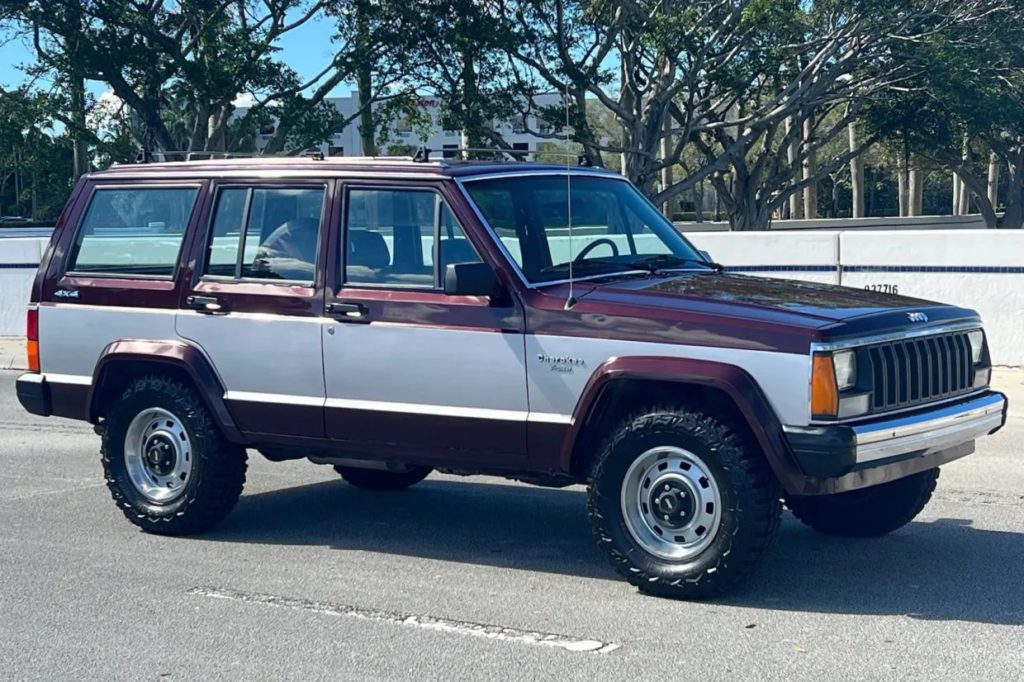
The XJ Cherokee solved a problem the industry considered unsolvable in 1984: combining unibody construction with genuine off-road capability. The result was car-like on-road handling and legitimate trail performance in the same platform — a combination that defined the modern crossover category before the category existed. The squared-off exterior prioritized function over fashion, with driver visibility that current production vehicles have largely abandoned in pursuit of lower rooflines.
Jeep Cherokee XJ (1984-2001) (Interior)
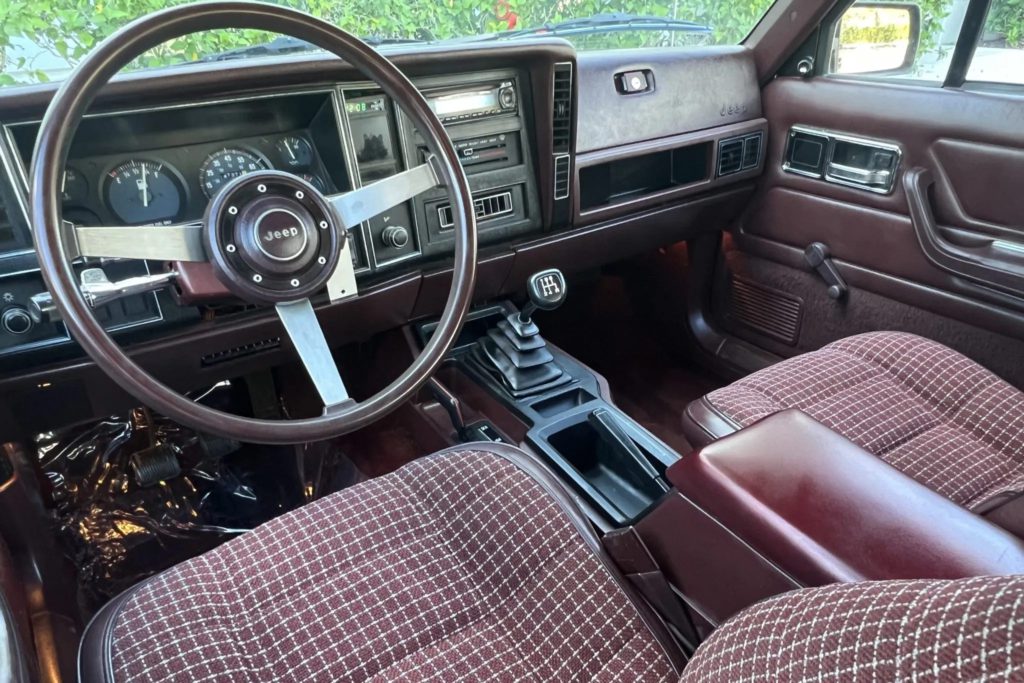
The 4.0-liter straight-six earned a durability reputation among mechanics that few engines of any era have matched — the kind of reputation that accumulates through years of high-mileage ownership rather than through manufacturer claims. Clean XJ examples now command prices that would surprise original owners, sustained by aftermarket support that resembles a vehicle still in active production. When a discontinued vehicle maintains that level of parts and community support two decades after the last one rolled off the line, the original engineering decisions are responsible for it.
1. Mercedes-Benz W123 (1976-1985) (Exterior)
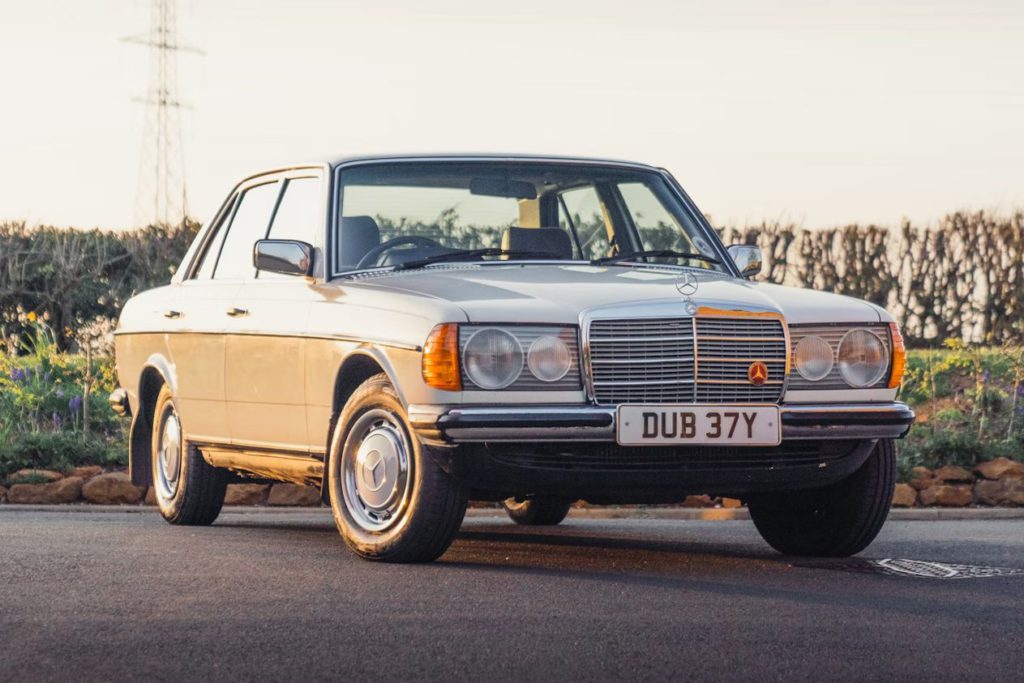
The W123 was engineered to a standard that Mercedes has not attempted to replicate since. Door hinges that function after 40 years. Climate controls that work after four decades. A timing chain that requires adjustment on a schedule that would make most modern service intervals look aggressive. The 500,000-mile examples are not anomalies — they are the predictable outcome of building every component to a specification that assumed the vehicle would be used for a very long time by people who could not afford for it to fail.
Mercedes-Benz W123 (1976-1985) (Interior)
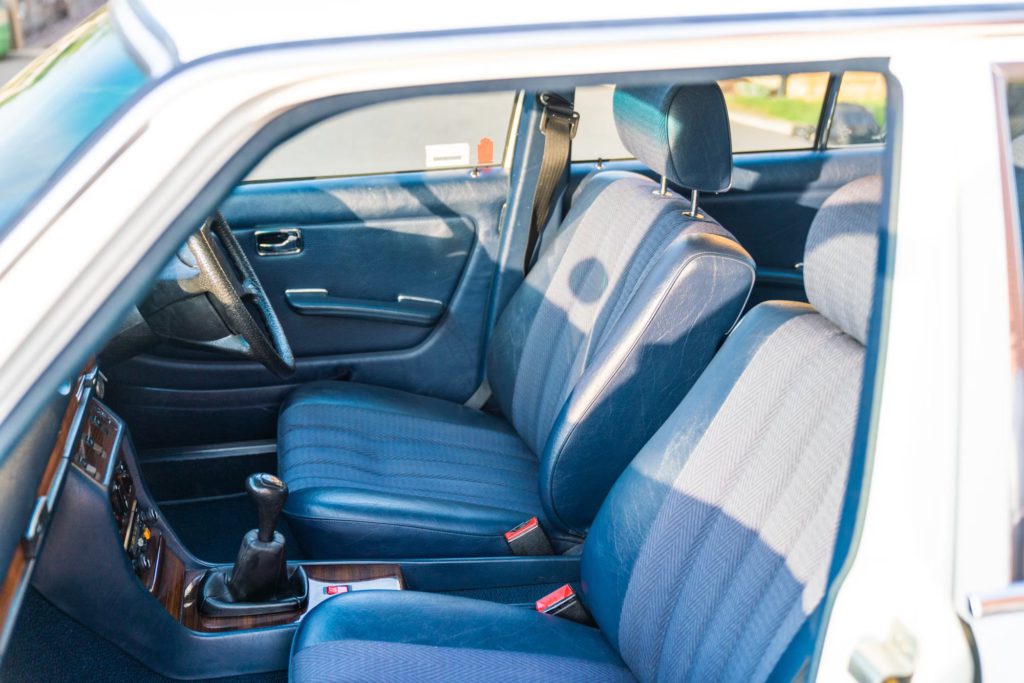
The vacuum-operated central locking system continues functioning in vehicles where modern key fobs fail after a single rain exposure. The inline-six diesel engines run with the persistence of machinery that was never asked to be exciting — only to keep working. W123 models still serve as working taxis in Morocco and Lebanon decades after the last one was assembled, which is the most straightforward possible evidence that the overbuilt engineering philosophy produced exactly the outcome it was designed to produce.