

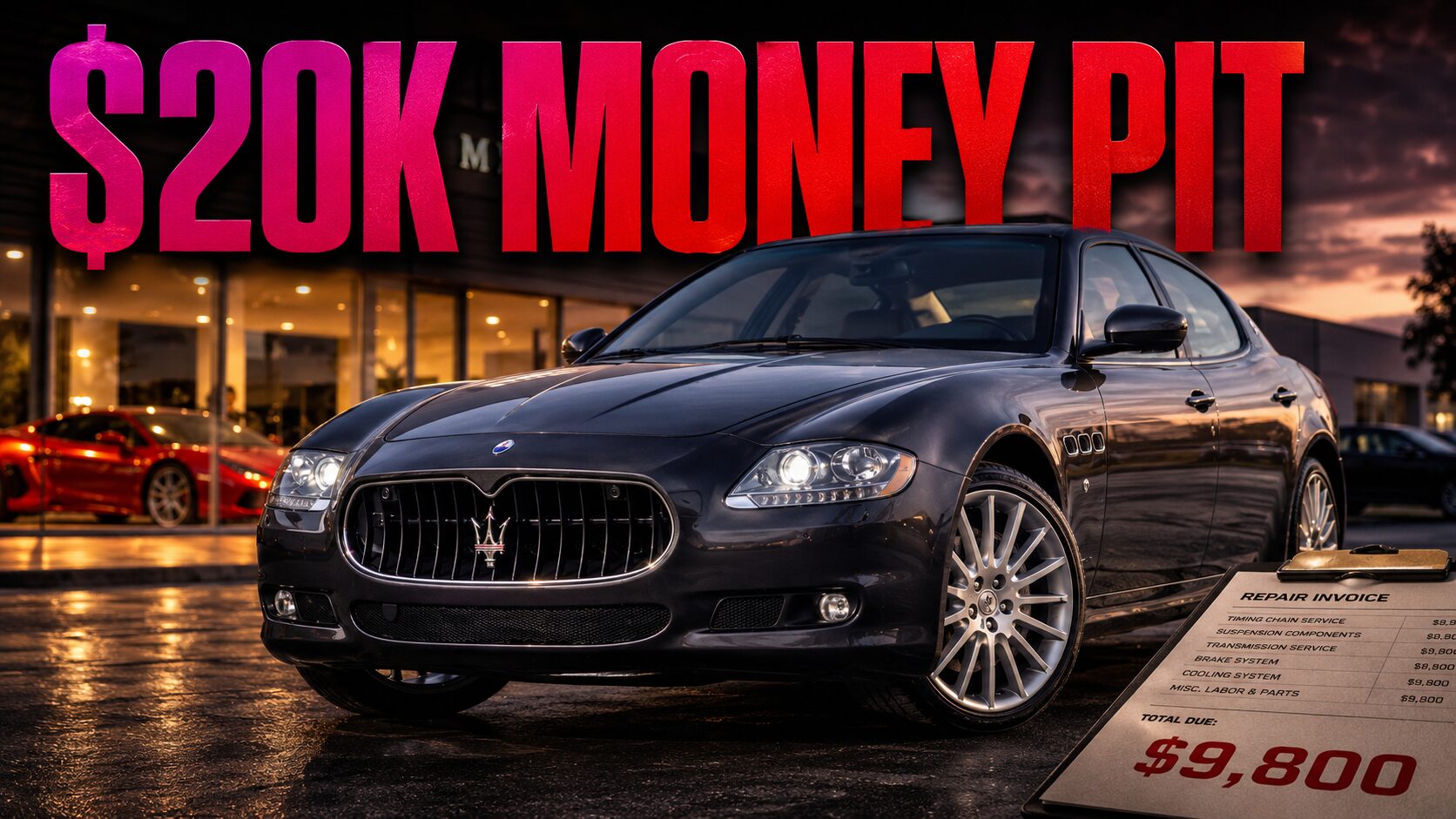
A used Maserati Quattroporte from the mid-2000s can tempt buyers for less than $20,000. This seems like a steal, yet it’s often just the down payment on a money pit. These high-performance machines, often built with specialized components and intricate engineering, quickly demand maintenance bills that scoff at their purchase price. Everything from exotic engine rebuilds to temperamental transmissions and air suspension failures awaits—challenges far removed from routine oil changes. This list covers 15 notorious examples, separating dream drives from financial nightmares. Before signing any exotic title, budget three times the purchase price for the first five years.
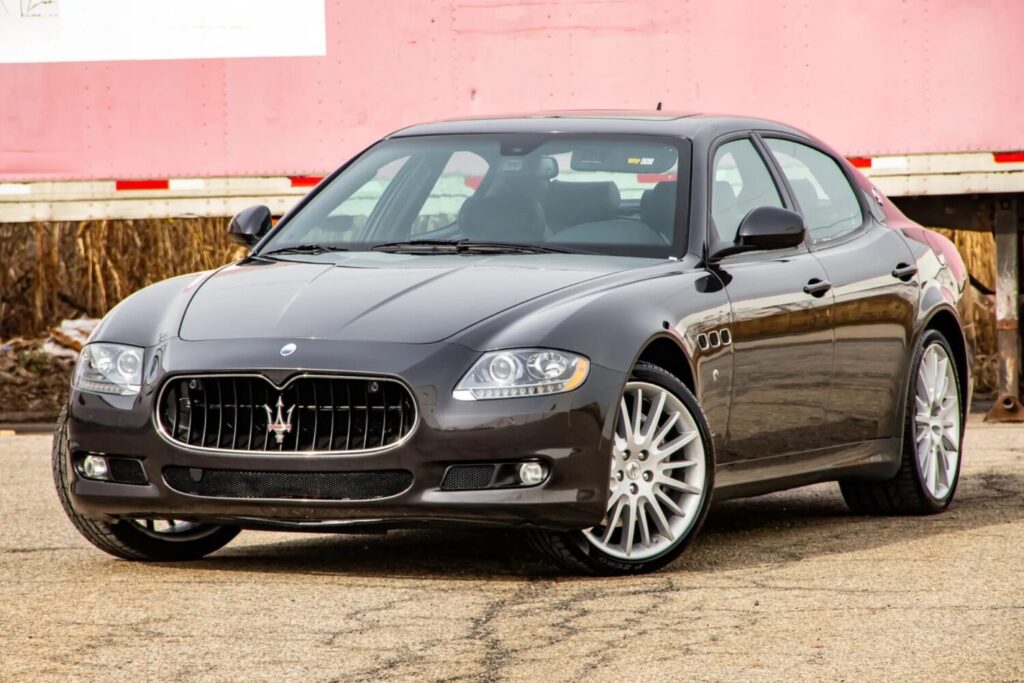
1. Maserati Quattroporte (2004–2012, M139)
The Ferrari-derived F1 gearbox is a fragile, expensive liability.
Buyers are often fooled into purchasing this model for around $14,000, chasing a supercar dream on a sedan budget. This allure quickly fades. The Ferrari-sourced F1 automated manual gearbox, known as Cambiocorsa or DuoSelect, is notoriously jerky and expensive to maintain. Its single-clutch shifts can feel like a beginner learning manual, lurching through traffic with all the grace of a budget economy rental.
When it inevitably fails, a rebuild typically costs between $5,000 and $10,000, often exceeding the car’s purchase price. Beyond the gearbox, annual maintenance typically runs between $1,000 and $3,000. RepairPal ranks Maserati’s reliability near the bottom. The sophisticated Skyhook adaptive damping suspension adds complexity and cost when components wear out. Engine and electrical faults appear frequently. Anyone who has bought the ticket knows the actual show costs more than imagined.
2. Bentley Continental GT (First Generation, ~2004–2012)
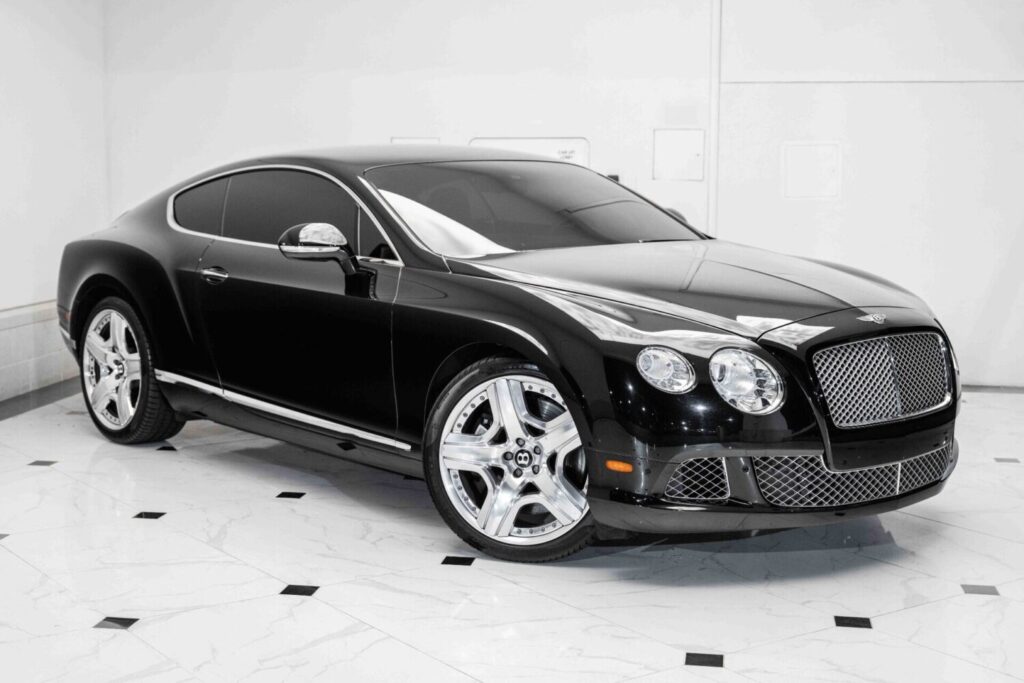
Depreciation doesn’t erase the six-figure maintenance appetite.
The first-generation Bentley Continental GT, introduced with a 6.0-liter twin-turbo W12 engine and all-wheel drive, delivered serious performance to the luxury grand touring segment. These vehicles originally commanded prices close to $200,000, embodying opulent speed. Today, used examples tempt buyers for as little as $30,000, a seemingly irresistible bargain.
Yet, this machine never received the memo about its reduced resale value. Expect atrocious fuel economy, around 10 mpg city and 17 mpg highway. A W12 timing chain service alone can exceed $10,000, and air suspension failures cost thousands per corner. CarEdge estimates $8,843 in maintenance over five years, a figure many owners find conservative. Real-world annual maintenance often lands around $1,500 to $3,200 or more, depending on age and repair needs. Single major jobs often run into the thousands of dollars. Specialized tires and brake services add to the mounting costs, turning bargain-bin stickers into lifetime subscriptions.
3. Jaguar XJ Supercharged (X351 Generation)
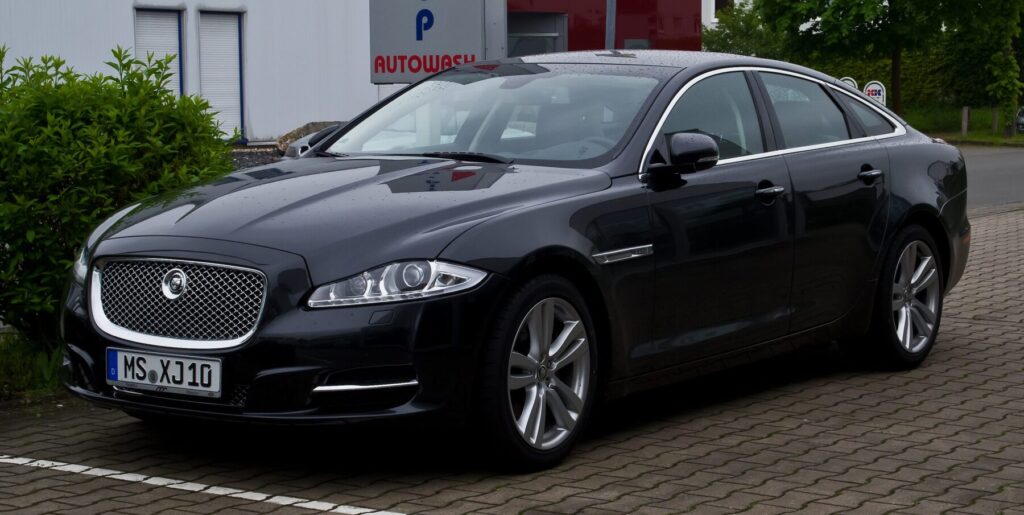
Timing chain failures and plastic coolant pipes turn power into a liability.
A used Jaguar XJ Supercharged (X351 generation), with its extensive aluminum body and a supercharged 5.0-liter V8 delivering 510 horsepower, often appears as an irresistible luxury sedan bargain. This promises high-performance far beyond its depreciated price, making a mundane trip feel like a segment on a motoring show.
This dream ride, however, quickly becomes a mechanical nightmare. RepairPal places Jaguar 29th out of 32 brands for reliability. The supercharged 5.0-liter V8 faces risk from timing chain tensioner failures; if not addressed promptly, chain slack can cause valve-to-piston contact and catastrophic engine damage. Early versions also used plastic coolant pipes in certain locations. These can crack or leak, leading to overheating and possible head-gasket damage if not repaired quickly. While annual maintenance might be $1,200 to $1,800, major failures easily triple that amount.
4. Audi S8 (D3 Generation, 5.2-liter V10)
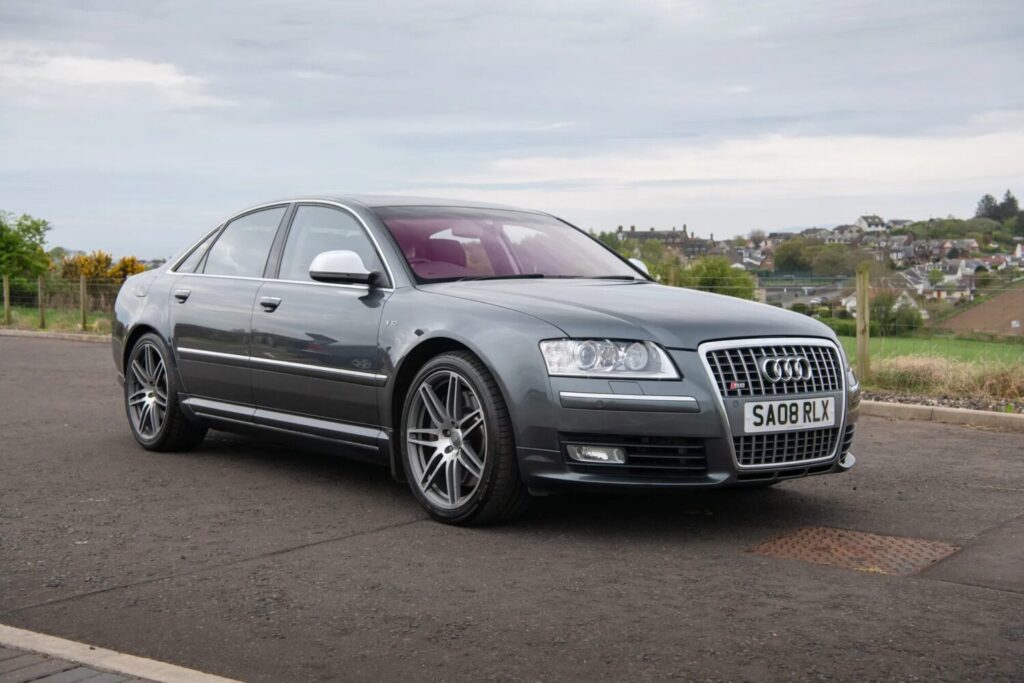
Direct injection and air suspension turn a Lambo-derived bargain into a money pit.
Pumping out 450 hp from its 5.2-liter V10, the Audi S8 D3 shared its core engine architecture with the Lamborghini Gallardo. This luxury sedan was a true sleeper, offering serious performance and Quattro all-wheel drive without much fanfare. Used examples can be found for around $18,000, a seemingly incredible deal for something with an engine more accustomed to Italian opera than autobahn cruising.
That low entry price, however, hides a financial ambush. The V10’s direct injection inevitably causes carbon buildup on intake valves because fuel does not wash the valves. Periodic walnut blasting or similar cleaning is often required and can be labor-intensive and costly, typically a multi-thousand-dollar service. Adaptive air suspension is prone to leaks, with each corner repair reaching up to $2,000. Replacement costs for air suspension components can reach several thousand dollars per axle. Keeping this Lambo-derived power running demands a matching budget, quickly turning your $18,000 bargain into a rolling repair invoice.
5. BMW 760Li (E65/E66 Generation, N73 V12)
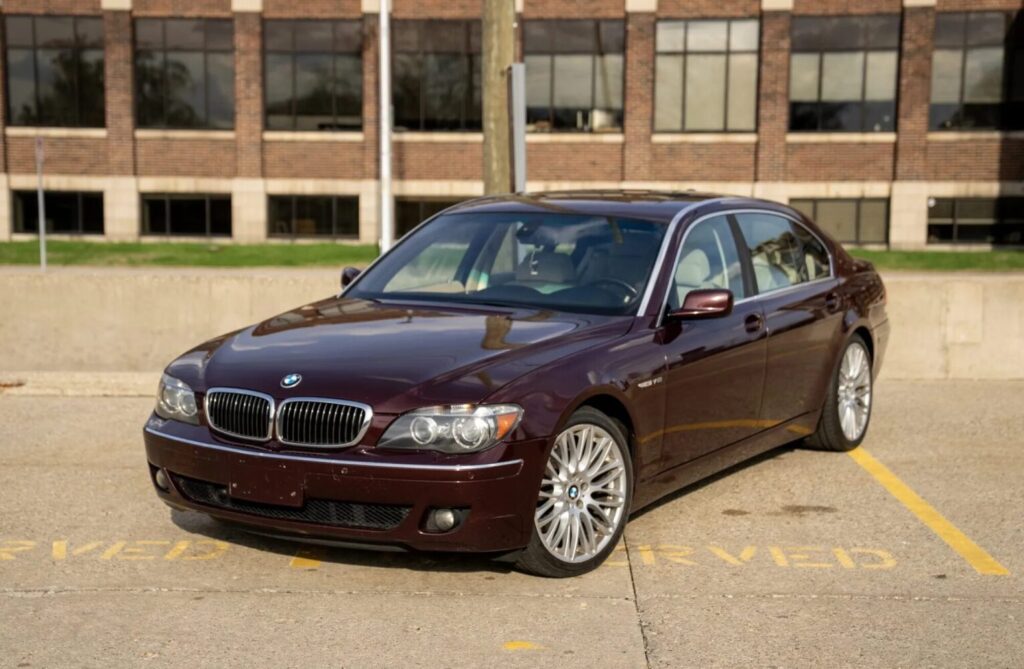
Over 70 electronic modules turn a $7,000 sedan into a diagnostic nightmare.
Over 70 individual electronic control modules and a fiber optic network defined the BMW 760Li (E65/E66 generation). This was a technological marvel, built to out-engineer its rivals. The 6.0-liter V12 luxury sedan, once priced at $125,000 new, now tempts buyers at just $7,000.
Yet, this digital complexity quickly becomes a liability. These cars were heavily loaded with technology, including iDrive, active suspension options, and numerous comfort and safety systems. E65/E66 7 Series vehicles use complex electrical architectures, including fiber-optic networks (MOST bus) to connect infotainment and other systems. Failure of a single module or wiring issue can produce widespread system errors or no-start conditions. Diagnosing electrical problems often requires BMW-specific diagnostic equipment and expertise, making independent repair more difficult and dealership service costly. The N73 V12 and related cooling and ignition systems involve high parts costs, and many components are packaged tightly in the engine bay, increasing labor hours for major repairs. Heavy depreciation means these cars can be bought cheaply, but maintenance and repair costs remain aligned with a $100,000-plus luxury V12 sedan.
6. BMW 750i (F01/F02 Generation, N63 Twin-Turbo V8)
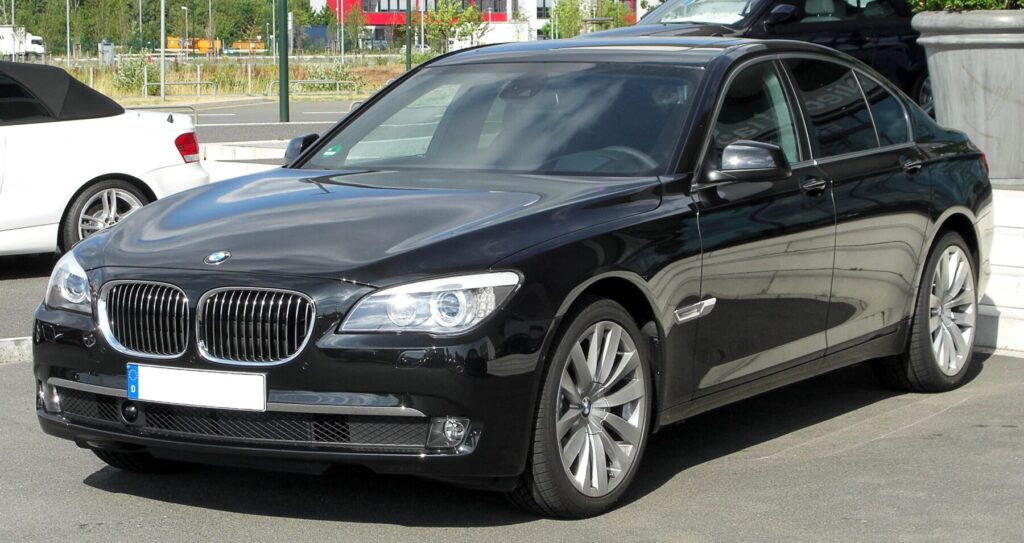
BMW’s own documentation acknowledges one quart of oil every 750 miles as “normal.”
A BMW technical service bulletin once stated that burning one quart of oil every 750 to 1,000 miles was within acceptable range for the N63 twin-turbo V8. This F01/F02 generation 750i, now often available for around $10,000, quickly transforms into a financial black hole. Its constant oil consumption fouls spark plugs and chokes catalytic converters. The “hot-V” turbo placement, with turbos mounted between the cylinder banks, contributes to high under-hood temperatures. This design is associated with premature failure of valve stem seals, turbocharger-related components, and plastic or rubber parts.
Replacing those valve stem seals alone can set buyers back $8,000. Other N63 ailments, like timing chain stretch and injector failures, solidify its reputation as a perpetual maintenance machine. BMW issued an N63 Customer Care Package and technical bulletins addressing excessive oil consumption, timing chain wear, and other concerns. Forget carefree road trips; constant anticipation of the next major repair becomes the new normal. This initial bargain price is a siren song, luring buyers into an endless pit where the true cost overshadows any joy on the open road.
7. Maserati GranTurismo (2007–2019)
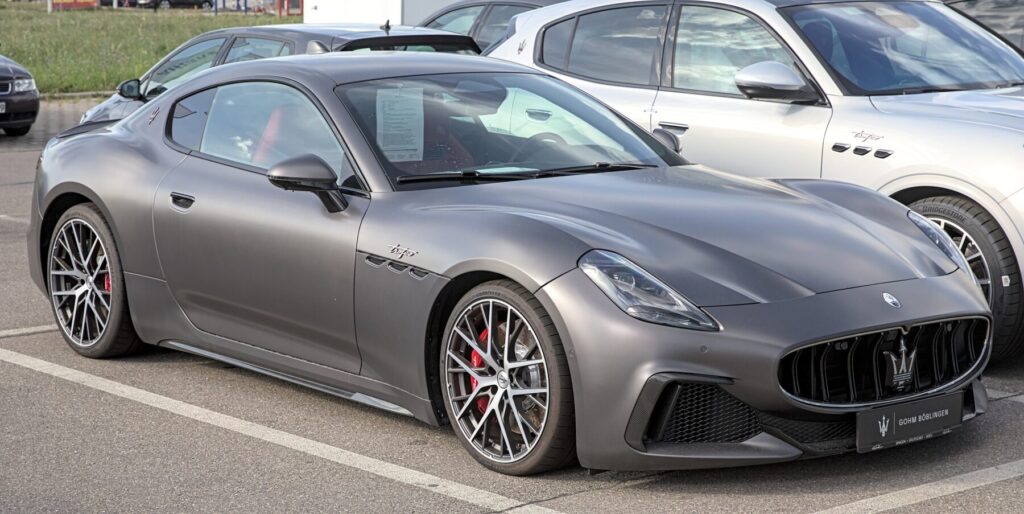
Ferrari-derived V8 rumble can’t mask five-figure maintenance bills.
The enticing rumble of a Ferrari-derived V8 often captures attention first, drawing buyers towards the Maserati GranTurismo’s undeniable beauty. Its long hood and sculpted lines hint at performance, delivering an Italian grand touring experience. These models can be found for $25,000 to $55,000, an accessible entry to a distinctly exotic drive. Whether sporting the initial 4.2-liter or later 4.7-liter engine, the V8 promises exhilaration.
That initial appeal frequently overshadows the financial reality. Maintaining a GranTurismo requires specialized parts and costly labor. Most mainstream GranTurismo models in the U.S. use a ZF 6-speed automatic, a robust but still expensive transmission when it comes to fluid changes or internal repairs. The car features adaptive suspension and large braking systems designed for high-speed touring, which means suspension arms, bushings, and brakes are costly when replacement is needed. Maserati’s dealer network is relatively limited in many regions, leading to higher labor rates at franchise dealers or long travel to qualified independents. Routine annual costs hit $1,500 to $4,000. Major repairs, though, easily climb to $5,000 to $12,000. Owners often underestimate these, learning stable values dissolve when bills match the exotic V8’s roar.
8. Aston Martin DB9
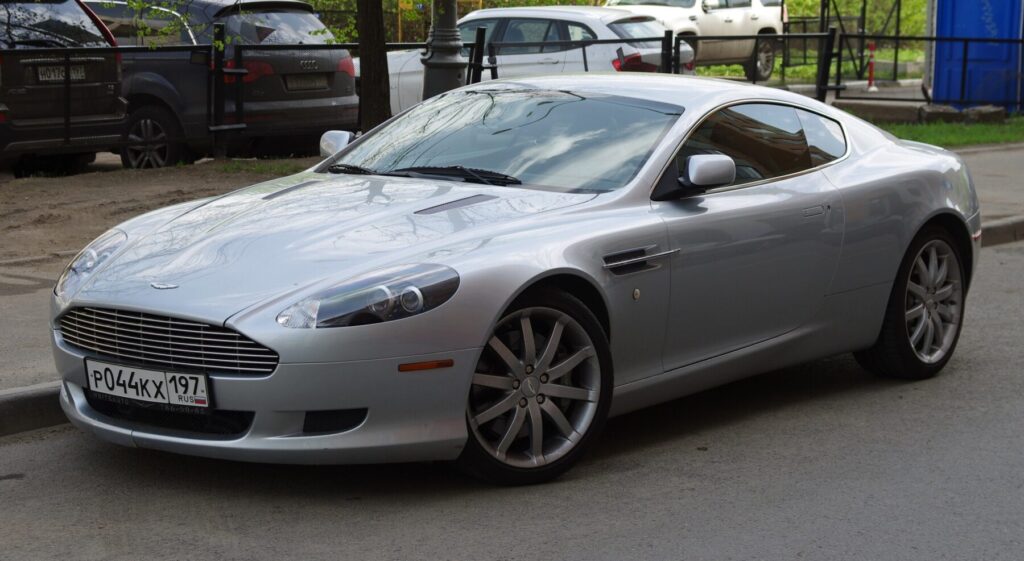
British elegance demands $10,000-plus bad years and specialist know-how.
What happens when stunning beauty blinds buyers to financial realities? The Aston Martin DB9 in British Racing Green captivates with its lines. This grand tourer, with its 5.9-liter (often called 6.0-liter) naturally aspirated V12 engine pumping out 450 to 470 hp, can often be snatched up for around $40,000. The low purchase price is the bait, obscuring the mechanical abyss lurking beneath the elegant hood.
Beneath that sophisticated shell, the DB9 can turn wallets into a black hole faster than a bad crypto investment. Common issues include coil pack failures, fuel pump problems, and assorted electrical quirks. Manual transmission cars face particularly expensive clutch replacements due to labor and parts costs. Cooling system maintenance—radiators, hoses, thermostats—is crucial; neglected cooling can lead to overheating and costly engine repairs. Because Aston Martin production volumes are low, OEM parts and qualified labor are expensive and sometimes slow to source. Typical annual maintenance often falls in the low-to-mid four-figure range, between $1,500 and $3,000. Particularly bad years easily exceed $10,000. This machine remains a gorgeous testament to British motoring, but it’s a financial undertaking that makes a cross-country drive without roadside assistance feel like a safer bet.
9. Ferrari 360 Modena / F430
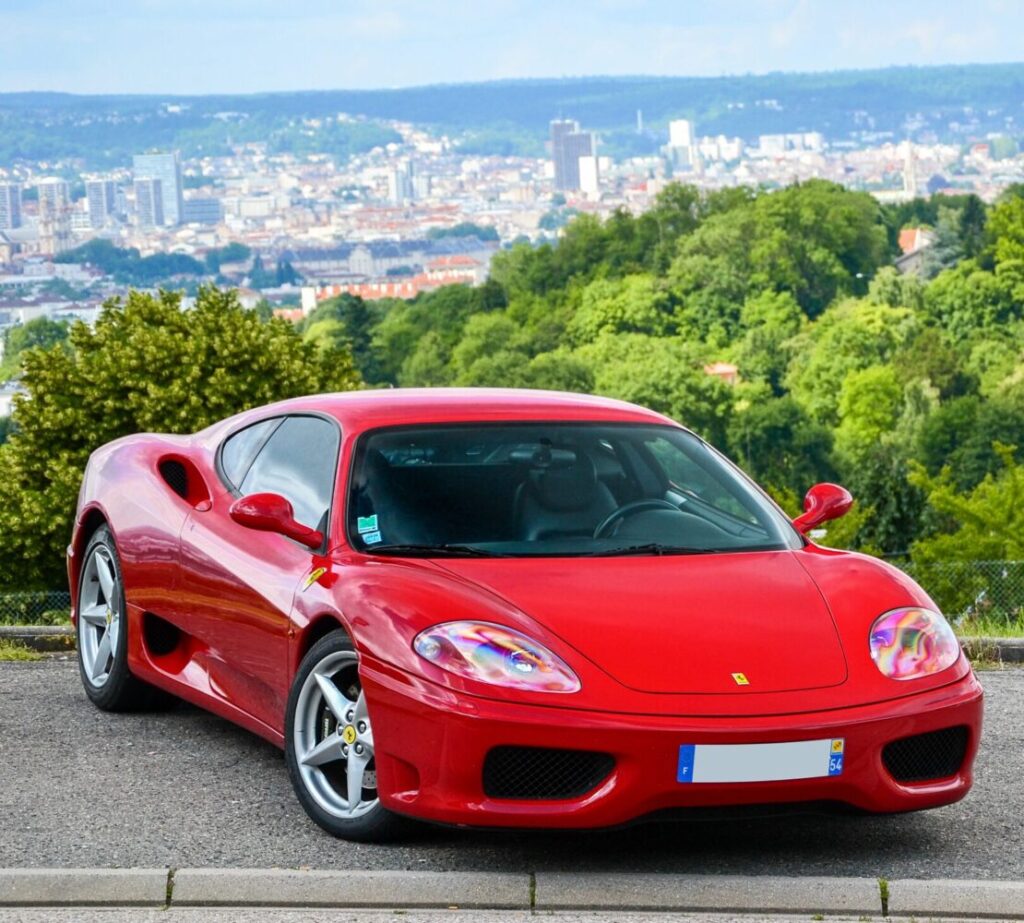
Timing belts and F1 clutches mean $3,000-$5,000 annual maintenance is the baseline.
While the Ferrari 360 Modena, with its 3.6-liter V8 making around 400 hp, and the F430, packing a 4.3-liter V8 delivering about 483 hp, represent undeniable automotive allure and often stable values, their purchase price is only the entry ticket. These mid-engine machines require a timing belt service often every three to five years on the 360, a job that can set buyers back between $5,000 and $8,000. It’s like buying a vintage mechanical watch, only to realize the annual service costs more than monthly rent.
Furthermore, F1 gearbox clutch replacements are substantial expenses, depending heavily on driving style and potentially necessary at relatively low mileage if used frequently in stop-and-go traffic. Real-world owners consistently report annual maintenance averaging $3,000 to $5,000. Values of well-kept 360 and F430s have been stable to appreciating in many markets, but the cost to maintain them properly remains high and largely independent of purchase price. Expecting a daily driver budget for a car that demands the meticulous care of a museum piece is like planning a cross-country road trip in a beat-up pickup with a champagne budget for gas; it simply won’t work. Proper Ferrari ownership demands a budget commensurate with the car, not its current market value.
10. McLaren 570S
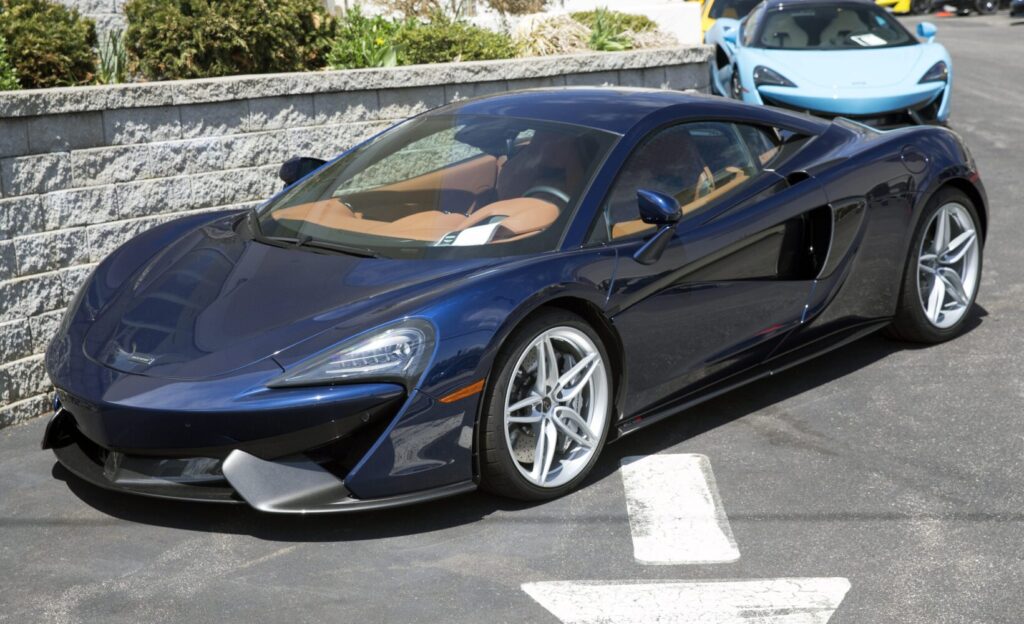
Carbon brakes alone cost $15,000-$20,000; total ownership hits $8,000-$15,000 yearly.
The McLaren 570S sprints from 0 to 60 mph in a blistering 3.1 seconds, marking it as the accessible entry point to a world of carbon fiber and twin-turbocharged ferocity. Its 3.8-liter twin-turbo V8 churns out 562 hp, all cradled within a rigid carbon fiber MonoCell II tub. These machines can be found on the used market for $130,000 to $190,000, a notable drop from their original pricing.
Beneath the sleek bodywork lies a financial black hole for the unprepared. Carbon ceramic brakes on many examples are extremely expensive; replacement rotors and pads can run into the $15,000 to $20,000 range for a full set at dealership rates. The sophisticated suspension uses a double-wishbone setup with adaptive dampers and hydraulic systems. While delivering outstanding handling, failures or leaks in hydraulic components are costly to repair. McLaren’s dealer network is limited, and labor rates are among the highest in the industry. Routine services involve specialized fluids and procedures. Annual routine maintenance might average $2,000 to $3,000, but real-world ownership, factoring in tires and inevitable bespoke component failures, often means $8,000 to $15,000 draining accounts each year.
11. Lamborghini Gallardo
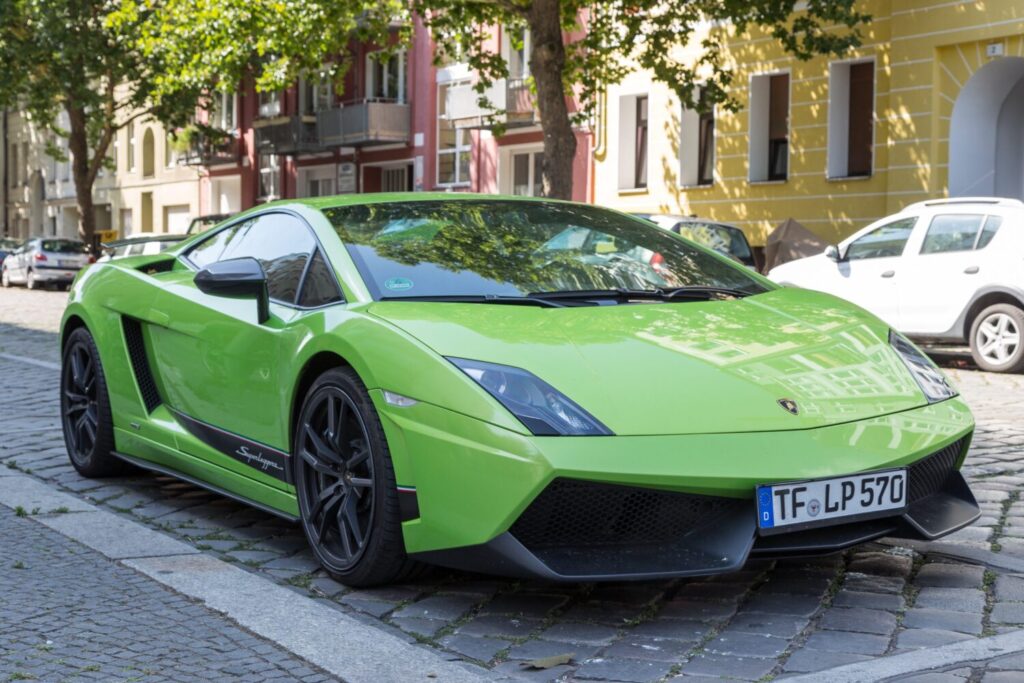
Over 14,000 built, but e-gear clutches still cost $8,000-plus to replace.
Over 14,000 units of the Lamborghini Gallardo rolled off the line, making it the most produced model in the company’s history. Its naturally aspirated 5.0-liter (later 5.2-liter) V10 engine, screaming to high revolutions per minute with 500 to 570-plus hp, initially offered a high-value entry into exotic car ownership. Used examples trade for $85,000 to $130,000, presenting a tempting, vibrant slice of Italian fury.
The “e-gear” single-clutch automated manual transmission uses electro-hydraulic actuation of the clutch and shifting. E-gear cars are known for relatively rapid clutch wear, especially in heavy traffic or improper use. Clutch replacement is expensive, often several thousand dollars in parts and labor, and may require engine or gearbox removal. Annual maintenance alone ranges $1,400 to $3,000, but any drivetrain issue, exacerbated by the mid-engine layout, rapidly escalates into five-figure territory. The Gallardo employs all-wheel drive in most variants (with some rear-drive special editions), and drivetrain repairs on these high-performance systems are complex and costly. This magnificent machine efficiently separates owners from their money, turning an exotic dream into a dedicated cash incinerator.
12. Rolls-Royce Ghost / Wraith (2010–2018)

$500-$700 oil changes and $3,900-$5,000 annual maintenance reveal the truth.
A Rolls-Royce doesn’t get cheaper to maintain just because its purchase price drops. The 2010 to 2018 Ghost and Wraith pack a 6.6-liter twin-turbo V12, with the Ghost at 563 hp and the Wraith at 624 hp. Originally costing over $250,000, these luxury cruisers now sell for $60,000 to $120,000. It’s like buying a luxury yacht for pocket change, only to find the docking fees are unchanged.
That steep depreciation is no accident. An oil change alone costs $500 to $700. Ghosts feature air suspension with adaptive dampers and active anti-roll systems to deliver the signature Rolls-Royce “magic carpet” ride. These systems are sophisticated and expensive when components fail. The car’s interior is highly bespoke, with luxury materials and custom options; replacement of interior components or trim is correspondingly costly and often requires ordering from Rolls-Royce. Expect annual maintenance from $3,900 to $5,000 for air suspension and bespoke components. Major electronic or mechanical failures easily hit five figures. Because these cars originally cost in the $250,000 to $300,000-plus range, parts pricing and labor rates remain aligned with ultra-luxury expectations even when vehicles are purchased used at much lower prices. The market’s deep drop is a clear warning.
13. Mercedes-Benz S600 (W220 Generation, M275 V12)
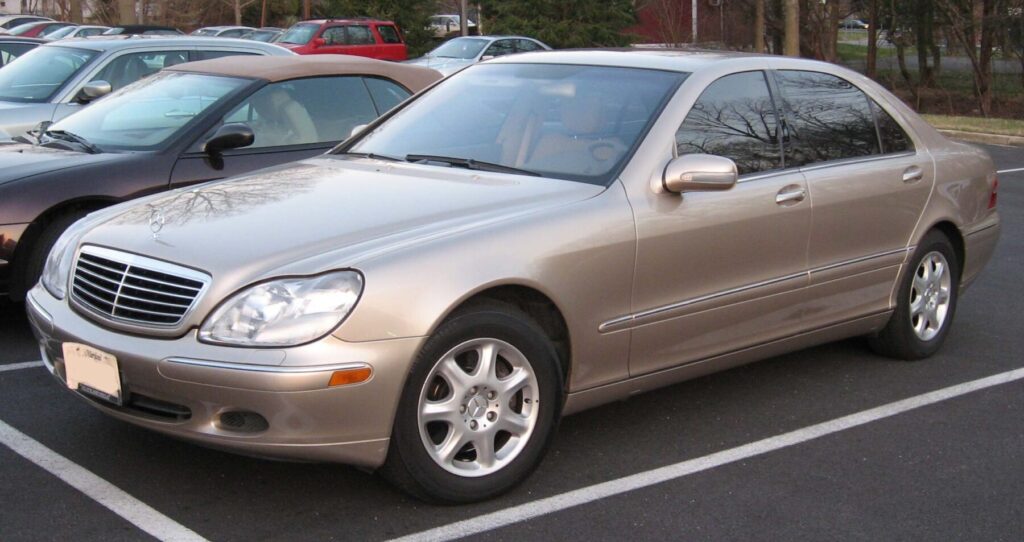
Active Body Control hydraulic leaks can spray flammable fluid onto hot exhaust.
For as little as $8,000, a Mercedes-Benz S600 from the W220 generation with its mighty twin-turbo V12 can feel like a steal. The 5.5-liter powerhouse, delivering 493 hp and 590 lb-ft of torque, initially promises executive thrills. Yet, the allure of cheap luxury quickly dissolves when confronting its critical design flaws.
The Active Body Control, or ABC, hydraulic suspension operates at very high hydraulic pressures, providing active roll control but adding significant complexity. ABC systems operate at very high pressures, and failures of hoses or components can result in leaks. If fluid contacts hot exhaust parts, there is a risk of fire, which has been documented in some cases. Factor in the W220 generation’s reputation for rust issues, especially in early production years, due in part to cost-cutting and changes in corrosion protection compared with prior S-Class generations. Electronics (COMAND system, instrument cluster, sensors) and comfort features in W220 S600s are numerous, and age-related failures contribute to high ownership costs. Because market values have dropped significantly, many repairs—suspension, rust remediation, V12 maintenance—can exceed the vehicle’s resale value. Some bargains are just expensive lessons on the open road.
14. Dodge Viper ACR
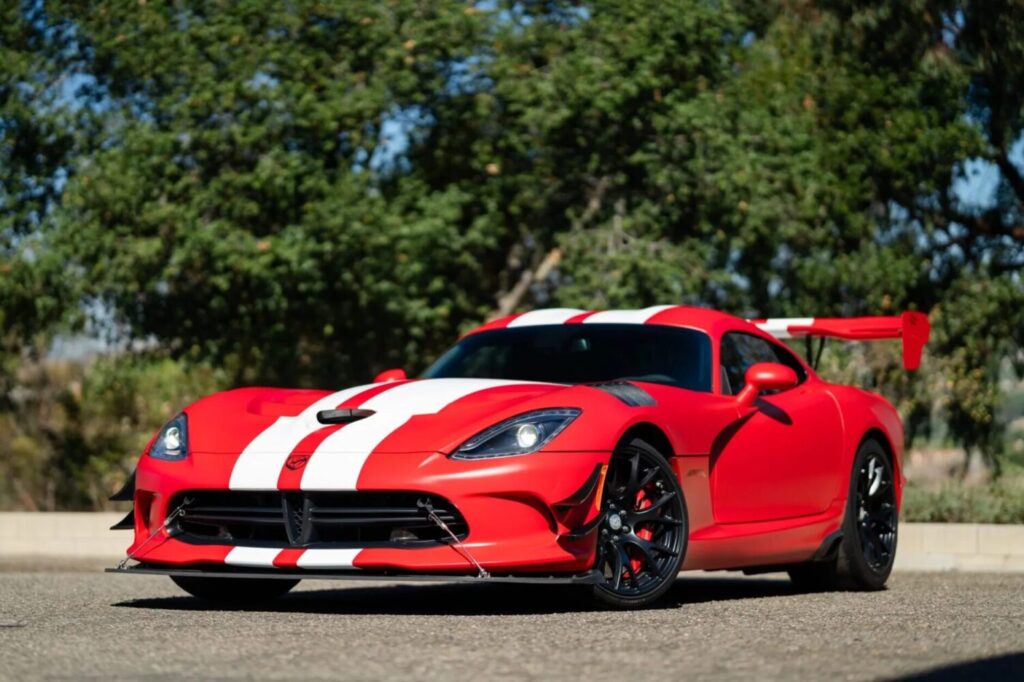
Track tires and carbon brakes mean $15,000-plus bills with zero driver aids.
The Dodge Viper ACR, America’s unapologetic, track-focused legend, offers exhilarating performance precisely because it eschews electronic nannies and demands constant respect—a trait that directly translates into extreme ownership costs. Later models use an 8.4-liter naturally aspirated V10, delivering a brutal 645 hp. This machine pulls no punches. Many Vipers, including ACRs, lack traditional electronic driver aids such as traction control and stability control, especially in earlier generations, making them demanding to drive at the limit.
Used examples might be found for $40,000 to $90,000, but this is merely the admission ticket. High-performance tires are essential and wear quickly under hard use. Replacing a full set of Viper-spec tires often costs $1,500 to $3,000, especially if using track-oriented compounds. Some ACR variants offer carbon ceramic brakes; replacement rotors and pads for these systems are extremely costly, potentially in the five-figure range for a complete set, exceeding $15,000. Insurance premiums are generally high due to the car’s accident statistics and performance capabilities, contributing to significant total cost of ownership beyond routine maintenance. This car is a magnificent, unfiltered weapon, but it demands respect, preparation, and a thick wallet for its relentless appetite.
15. Mercedes-Maybach S600 (W222 Generation)
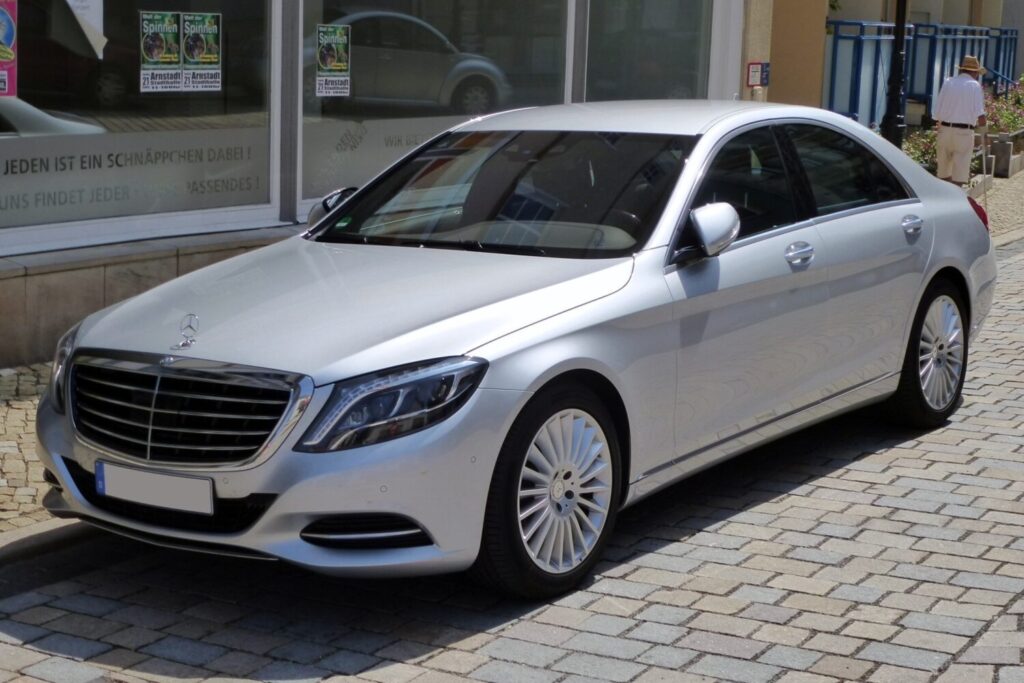
Magic Body Control costs $3,000-$5,000 per corner when it fails.
The Mercedes-Maybach S600 might seem like a glimpse into ultra-luxury for $45,000, but its ownership quickly reveals a past of quarter-million-dollar pricing. This sedan was launched around 2015 as an ultra-luxury variant of the S-Class, positioned between the standard S-Class and Rolls-Royce or Bentley rivals. It uses a 6.0-liter twin-turbo V12 producing about 523 hp, with extensive focus on rear-seat comfort, including reclining seats, footrests, and optional refrigerators and partition walls.
The car employs Magic Body Control in certain markets and variants, which uses cameras to read the road ahead and proactively adjust the suspension. This system relies on complex hydraulics and electronics. The S600 Maybach also utilizes Airmatic air suspension, and failures of air struts, valves, or compressors are expensive, often running into several thousand dollars per corner at dealership rates, reaching $3,000 to $5,000 per corner to repair. Known issues on similar twin-turbo Mercedes V12s include oil line leaks to turbochargers and other age-related problems in high-heat areas, requiring careful monitoring and timely repair.
The vehicle’s electronics suite is extensive (COMAND, advanced driver assistance, multi-zone climate, seat controls, ambient lighting), and diagnosing faults can be complex even for authorized Mercedes dealers. Despite significant depreciation on purchase price, parts and labor costs remain at ultra-luxury levels. Long-term ownership without a substantial maintenance budget can be financially challenging. This is the most expensive $45,000 anyone will ever spend.