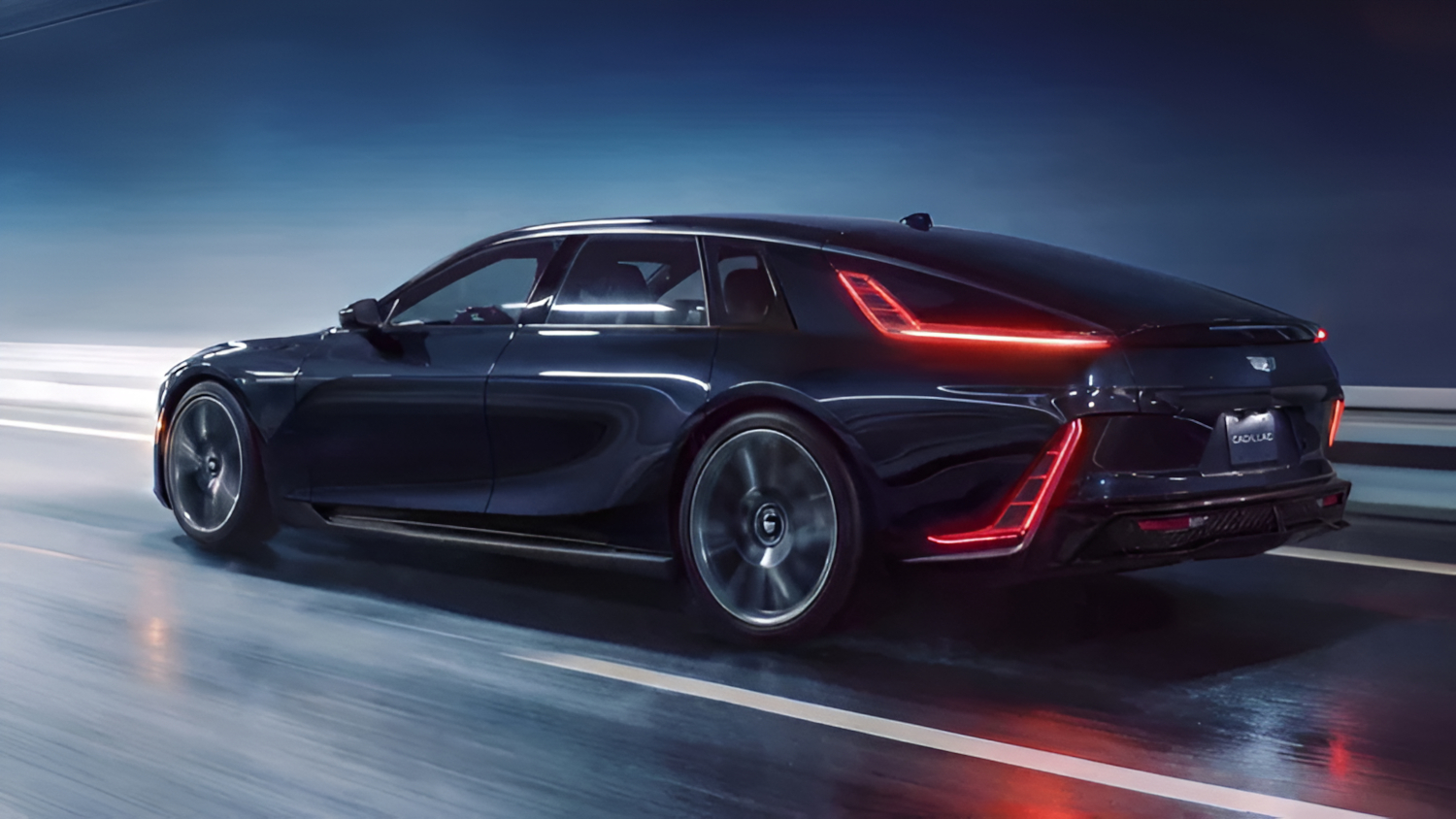
At low speed, driveway transition, light brake pressure — and for a moment, nothing. That is the scenario documented in NHTSA recall 26V717. General Motors has recalled 67,380 vehicles across four Cadillac and Chevrolet EV models after confirming a software defect in the brake-system control module — the software that manages how braking force is distributed — can cause a temporary loss of braking. GM’s field reports document 24 incidents tied to the condition, including 20 minor crashes and two reports involving allegations of minor injuries. The fix is free, but owners need to act.
Your Vehicle May Be on the List
Four models are affected — but not every trim or drivetrain qualifies.
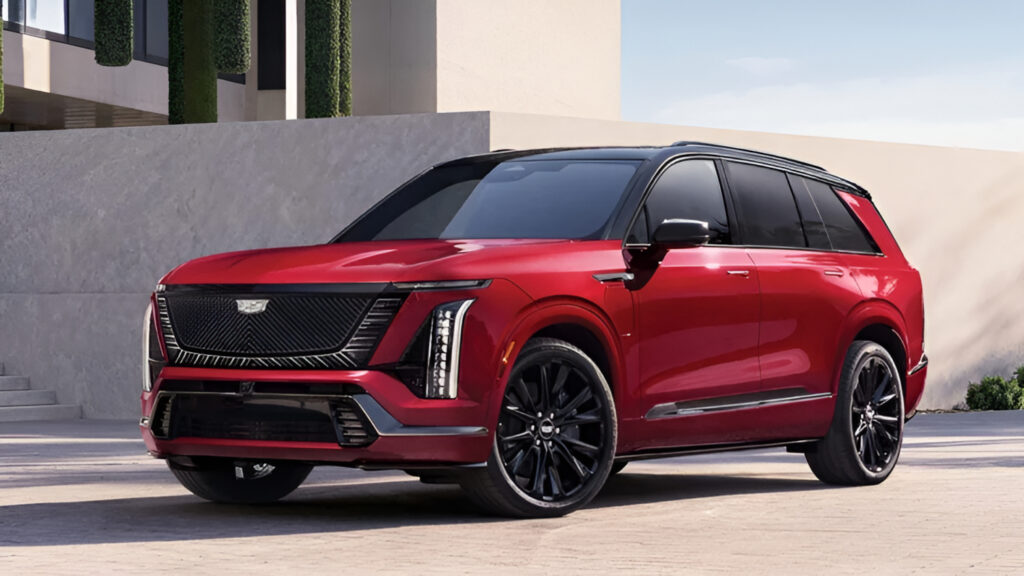
The bulk of this recall is Cadillac Lyriq: 44,585 units across model years 2023 through 2027. Only performance all-wheel-drive variants are included. Two-wheel-drive Lyriqs are not included in this recall. The Chevrolet Blazer EV is covered in SS and Police Pursuit Vehicle trims only — 3,911 units across 2024 through 2027. The Cadillac Celestiq (82 units, 2025–2026) and Vistiq (18,802 units, 2026–2027) round out the recall.
Affected vehicles and configurations:
- 2023–2027 Cadillac Lyriq (performance AWD only)
- 2024–2027 Chevrolet Blazer EV (SS and Police Pursuit Vehicle trims only)
- 2025–2026 Cadillac Celestiq
- 2026–2027 Cadillac Vistiq
- Owner notification letters were estimated to begin December 14, 2026; VINs can be verified at NHTSA‘s recall database
How the Defect Actually Works
A specific chain of events — not a random failure — triggers the problem.
The brake-system control module misreads wheel movement during a narrow but real sequence: light brake pressure, low speed, sharp turn, road bump or dip — such as a driveway transition. The system briefly releases braking force. Normal braking returns when the driver presses the pedal again. That detail matters, but it does not reduce the risk. The recall filing states plainly that temporary brake loss at low speed raises crash risk.
GM’s field reports document 24 incidents tied to the condition, including 20 minor crashes.
The remedy is a software update to the brake-system control module — free, and available over the air for eligible vehicles. Others require a dealership visit. GM has already implemented production corrections for later model years. Some 2023–2024 Lyriq owners may find the software initially unavailable; monitor GM and NHTSA communications directly for updates on availability.
Check Your VIN, Get the Fix
The repair costs nothing — and 20 documented crashes confirm the triggering conditions are real.
Run your VIN through NHTSA’s recall lookup tool now. If the defect occurs — brakes feel unresponsive mid-maneuver — reapply the pedal and get the vehicle to a dealer promptly. The triggering conditions may seem unlikely, but GM’s field reports show they are not theoretical. A software update is a small inconvenience. A moment without brakes is not.