

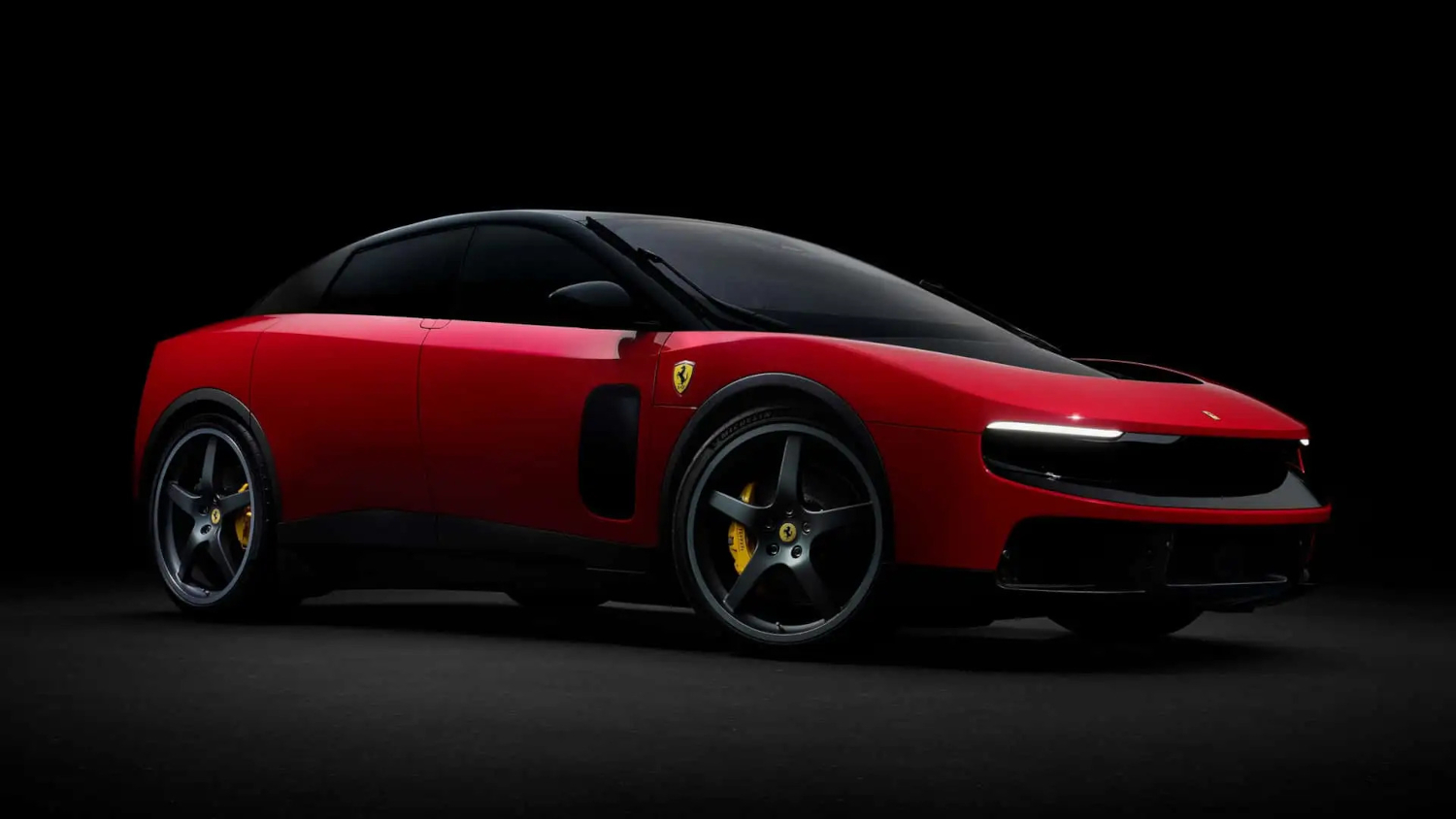
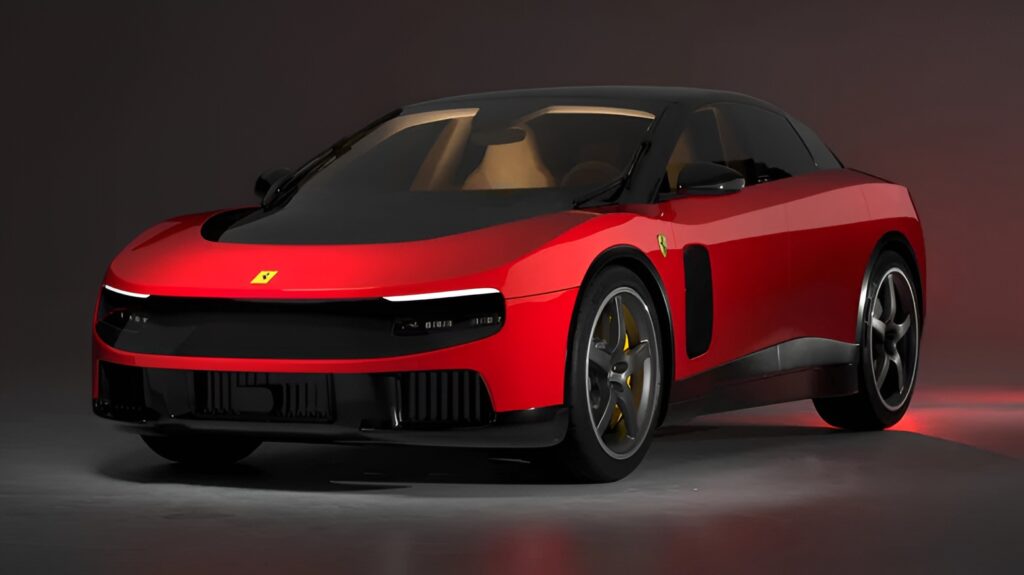
Ferrari’s first fully electric production car, the Luce, carries reported U.S. starting prices ranging from approximately $560,800 to $615,000 or more, depending on configuration and market — and buyers aren’t waiting to see if critics come around.”
The comment sections had already written the eulogy. Too sedan-like. Too quiet. A betrayal of everything Maranello stands for. Then Ferrari CEO Benedetto Vigna stepped onto a Q3 earnings call on November 3, 2026, and delivered the kind of news that makes internet outrage look decorative: the Luce’s entire 2027 production allocation is fully booked. New customers ordering today face roughly a year’s wait. The critics kept typing. The buyers kept signing checks.
The Numbers Behind “Sold Out”
At Ferrari’s volumes, “sold out” is a very different animal than a Beyoncé ticket window.
According to Financial Times reporting cited by secondary sources, Ferrari planned to sell slightly fewer than 500 Luce vehicles in 2026. The company’s longer-term target sits at approximately 2,500 total by 2030 — roughly 600 per year, per the same sourcing. Vigna did not disclose the specific 2027 allocation number on the call. What “sold out” actually means here: planned supply was fully committed before the year began. That distinction matters enormously before anyone declares this a cultural moment.
What We Know:
- The Luce is Ferrari’s first fully electric production vehicle, built around a quad-motor architecture and a five-seat grand-touring layout
- Reported U.S. starting prices range from approximately $560,800 to $615,000 or more, depending on market, configuration, and pricing basis
- First deliveries began in Q4 2026; broader customer test drives are planned for 2027
- Vigna’s exact words, per Reuters: “Everything we plan to sell next year is already fully allocated”
- Ferrari has not disclosed the 2027 production volume or any regional breakdown of orders
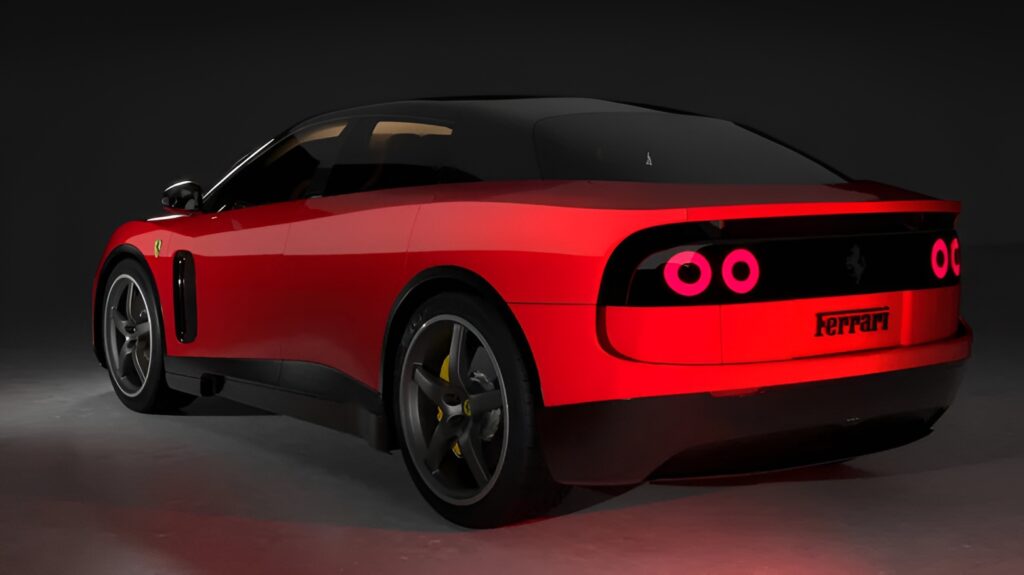
When Ferrari unveiled the Luce in May 2026, the enthusiast community’s reaction landed somewhere between grief and fury — Reuters described it as “fierce criticism” directed at the model’s styling, sedan body, and electric powertrain. Ferrari’s target customer, however, appears largely unmoved by the backlash. Buyers committed to the available allocation anyway.
Ultra-luxury automakers are navigating electrification carefully, using limited production to preserve exclusivity while testing real market appetite. Ferrari’s reported pace of roughly 600 cars per year through 2030 reflects a gradual, controlled approach rather than a volume strategy. The sellout gives Ferrari a useful early data point — but whether demand holds once customers spend meaningful time behind the wheel remains an open question.
What This Actually Proves
Strong demand relative to limited supply — and nothing more complicated than that.
A sellout at Ferrari’s production volumes confirms that buyers exist and want this car enough to commit serious money right now. It does not validate the design, guarantee satisfaction once deliveries are complete, or prove that electric Ferraris represent the brand’s future. Online criticism has never reliably predicted luxury demand. That was true before this announcement. It remains true now.
With initial deliveries underway in Q4 2026 and 2027 fully committed on paper, the critics remain loud — and entirely irrelevant to the order queue. Somewhere, a cohort of buyers is waiting, unbothered, for their car to arrive. The internet will have feelings about that too.