

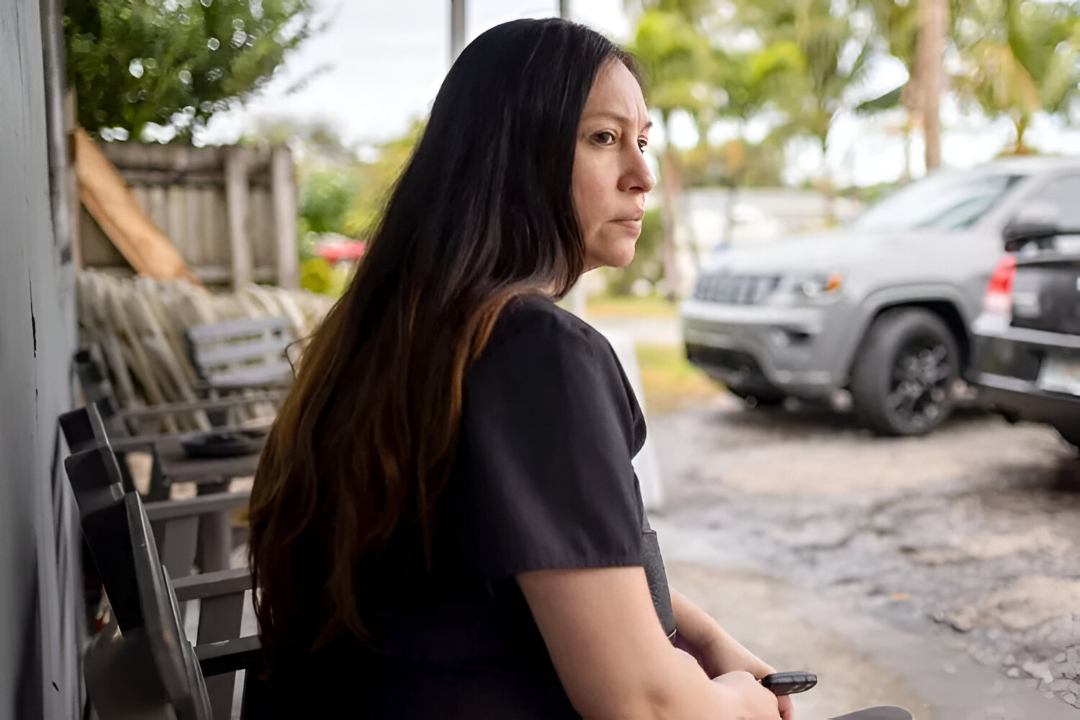
Sandy Martinez discovered the true cost of homeownership in Lantana, Florida: $165,000 in municipal fines for the crime of parking in her own driveway. The single working mother faces daily $250 penalties because her family’s four cars occasionally extend two tires onto the grass when squeezed into their corner-lot property. What started as basic parking logistics became a financial nightmare that destroyed her home equity faster than any market crash.
Martinez’s predicament isn’t laziness or defiance—it’s geometry. Her corner property sits at a four-way intersection where street parking risks sidewalk violations and swale collisions. Four family members work full-time jobs requiring vehicles, creating an impossible puzzle on a lot that can’t legally accommodate their transportation needs. The monthly car payment burden alone stretches family budgets before adding impossible municipal fines.
When Code Enforcement Becomes Cash Grab
Daily penalties compound into a six-figure debt despite homeowner compliance efforts.
The fines began accumulating in 2021 under Lantana’s strict no-parking-on-grass ordinance. Beyond the parking violations, Martinez faces:
- $47,375 for a storm-damaged fence
- $16,125 for driveway cracks
Both violations were reportedly fixed when financially feasible.
Town codes mandate precise driveway specifications, including four-inch swale depressions and maximum 30-foot widths, regulations designed for aesthetic preservation and stormwater management. Martinez attempted to contact code officers after the first citation but couldn’t arrange a meeting. The penalties continued mounting regardless, transforming a working family’s reasonable vehicle needs into financial devastation.
Courts Reject Constitutional Challenge
Florida Supreme Court declined the appeal, leaving federal options as a last resort.
The Institute for Justice represented Martinez, arguing the fines violate Florida’s Excessive Fines Clause. “Six-figure fines for parking on your own property are shocking,” stated IJ Senior Attorney Ari Bargil. “The court’s refusal to hear Sandy’s case is a disservice to all Floridians.”
A Palm Beach County judge ruled against Martinez, and the Florida Supreme Court declined her appeal in late 2024. The accumulated fines now exceed her home’s equity, making a sale impossible despite Florida’s homestead protection preventing foreclosure. Her next option involves federal court—if she can afford continued litigation.
Martinez calls the situation “ridiculous,” watching bureaucratic rigidity strip away years of mortgage payments. The case exposes how municipal code enforcement can transform property ownership into financial quicksand, particularly concerning families considering homes in Florida’s tourist-adjacent communities, where regulations often prioritize appearance over practicality.
With federal court proceedings potentially ahead, Martinez’s case may determine whether common-sense parking constitutes a constitutional violation worth bankrupting working families.