


The most reliable cars are not the most expensive ones. Consumer Reports’ 2025 rankings confirm what long-term owners already know — simple engineering and proven technology outlast fancy features every time. Toyota dominates the list, and for good reason. Many owners report passing 300,000 miles with nothing beyond routine maintenance to show for it.
These 13 models offer the best odds of avoiding a repair bill that hurts.
13. Buick Encore: Continued Reliability

An 88 out of 100 from J.D. Power is not a score most subcompact SUVs earn, and the 2022 Buick Encore earns it on the strength of straightforward engineering rather than complexity. The 1.4-liter turbocharged engine pairs with a six-speed automatic that delivers smooth, predictable performance suited to daily commuting and city driving without drama. Standard safety features include a Rear Vision Camera and ten airbags, with Forward Collision Alert and Lane Departure Warning available for drivers who want more coverage. Low maintenance costs and quality materials define the ownership experience across model years. Buick has kept the Encore largely consistent since launch, and that consistency is a significant part of why it belongs on this list.
Buick Encore – Interior

The Encore’s cabin delivers more usable space than its exterior dimensions suggest, with seating for five and soft-touch materials throughout that hold up better than most competitors at this price point. A 7-inch touchscreen handles Apple CarPlay, Android Auto, and a built-in Wi-Fi hotspot without the kind of overcomplicated interface that ages poorly. Cargo flexibility reaches 48.4 cubic feet with the rear seats folded, making it practical for grocery runs and road trips in equal measure. LED daytime running lights, deep-tinted glass, and 18-inch aluminum wheels give the exterior a refined look without demanding attention. Reliability built on consistency rather than reinvention makes this one of the more sensible buys in the subcompact SUV segment.
12. Toyota RAV4: A Decade of Dominance in Reliability

The Toyota RAV4 has dominated Consumer Reports’ reliability charts long enough that its 2025 predicted reliability rating surprises nobody who has owned one. The 2.5L engine anchors a powertrain built around proven components, paired with a robust transmission and an intelligent all-wheel drive system that handles commutes and weekend use without requiring special attention. Toyota’s engineering philosophy here prioritizes durability over novelty, and the RAV4 benefits from that consistency across every model year. Rust-resistant body construction adds another layer of long-term protection that cheaper crossovers skip. The result is a vehicle that competes on longevity rather than features, and wins.
Toyota RAV4 – Interior
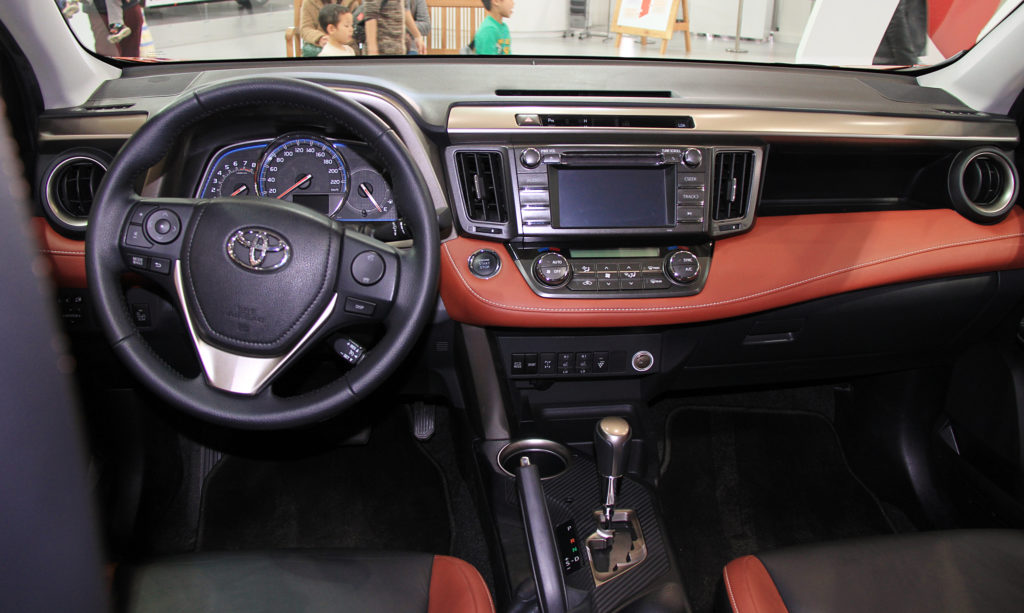
Many RAV4 owners pass 300,000 miles without major mechanical issues, which is the kind of real-world data point that Consumer Reports scores confirm rather than create. The cabin is functional and durable, built with materials selected for longevity rather than showroom appeal. Regular maintenance keeps these crossovers running for decades, and the RAV4’s straightforward mechanical layout means service costs stay predictable well past the point where other crossovers start generating expensive surprises. Interior components hold up to daily family use in a way that feels designed rather than accidental. This is what a decade of reliability dominance looks like from the inside.
11. Toyota Corolla: The Enduring Legacy of Simple Reliability

One million miles is not a myth with the Toyota Corolla — it has been done, on record, and the engineering philosophy that made it possible has not changed. The 2025 Corolla carries that tradition forward with high marks from Consumer Reports, built on the same foundation of simplicity that has defined the nameplate for decades. Rust-resistant coating and strong steel body construction provide structural integrity that outlasts most competitors, and well-designed suspension components add durability that holds up through years of daily driving. Proper maintenance is the owner’s side of the equation — follow the service schedule, prioritize oil changes and timing belt replacements, and the Corolla holds up its end without complaint. Simple engineering done right is harder than it looks, and the Corolla is the proof.
Toyota Corolla – Interior
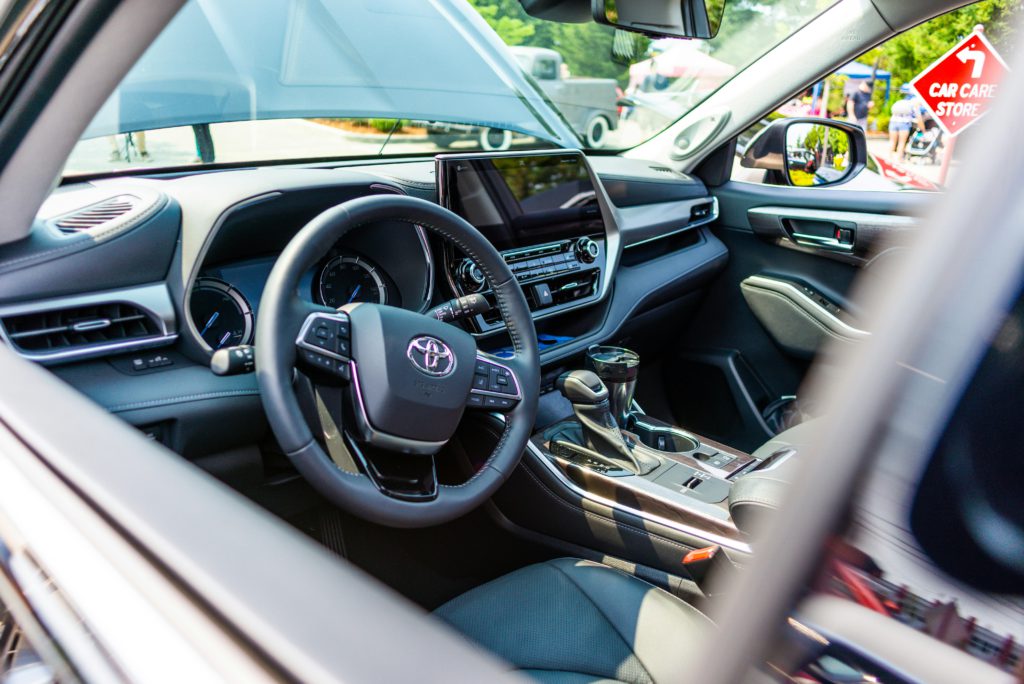
John Smith’s 1993 Corolla reached one million miles, and the interior decisions Toyota made in that car — durable materials, logical controls, nothing unnecessarily complex — are the same decisions they make today. The cabin is not luxurious, and it is not designed to be. Controls sit where they should, instruments communicate clearly, and the materials are chosen to last rather than to impress on a test drive. Buyers who prioritize longevity over luxury find the Corolla interior makes exactly the right trade-offs. A car that reaches seven figures on the odometer earns more respect than one that looks expensive on the showroom floor, and the Corolla has earned it repeatedly.
10. Toyota RAV4 Prime: Blending Hybrid Tech with Lasting Dependability

42 miles of electric-only range and 94 MPGe in electric mode put the RAV4 Prime in a category where plug-in hybrid complexity usually creates reliability concerns — Toyota’s powertrain management system addresses that directly. The 2025 model earns high reliability predictions from Consumer Reports, and the 302 horsepower combined output delivers performance that buyers in this segment don’t expect without compromising the dependability reputation Toyota has spent decades building. Early maintenance data shows these complex systems maintain integrity significantly longer than competitor plug-in hybrid offerings. Fuel costs drop substantially for owners who charge regularly, and long-term reliability data keeps trending in the right direction. The RAV4 Prime makes the case that efficiency and durability are not mutually exclusive.
Toyota RAV4 Prime – Interior
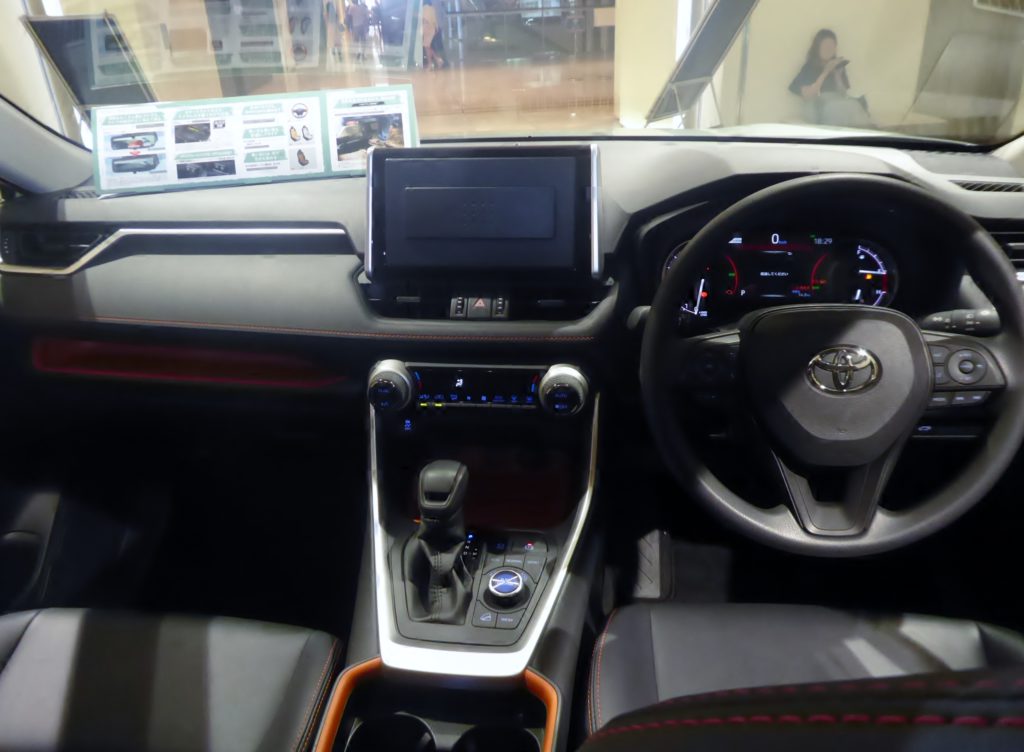
Scheduling hybrid system checks every 5,000 miles is the most important maintenance habit RAV4 Prime owners can build, and the cabin gives them the tools to stay on top of it. The interior carries the same functional durability found in the standard RAV4, with materials and controls that prioritize daily usability over luxury impression. Battery performance monitoring sits within the infotainment system, giving owners visibility into hybrid system health without requiring a dealer visit for basic status checks. The plug-in powertrain adds complexity that Toyota’s engineering handles well, and keeping the service intervals tight ensures that complexity stays in check over the long haul. A well-maintained RAV4 Prime cabin holds up through high mileage the same way the standard model does.
9. Mazda MX-5 Miata: A Sports Car That Defies Reliability Expectations

Sports cars and repair shops usually go together, and the Miata MX-5 has spent three decades proving that assumption wrong. Consumer Reports consistently awards it high reliability scores, and Mazda’s Jinba Ittai philosophy — horse and rider as one — produces a lightweight design that reduces mechanical stress rather than adding to it. Strategic engine placement enhances balance and limits component wear, while the strong yet lightweight frame contributes to longevity that heavier sports cars cannot match. Owners regularly exceed 200,000 miles with proper maintenance, which is a remarkable figure for a performance-oriented roadster. The Miata delivers driving enjoyment and long-term dependability in a combination no other sports car in this price range can claim.
Mazda MX-5 Miata – Interior

Changing oil every 5,000 miles using manufacturer-recommended weight is the single most important maintenance habit for Miata owners, and the high-revving engine rewards that discipline with longevity that defies sports car expectations. The cabin is driver-focused and deliberately minimal — everything present serves the driving experience, and nothing unnecessary adds weight or complexity. Controls fall exactly where hands reach naturally, instruments communicate clearly, and the tight two-seat environment creates the sense of connection between driver and machine that Mazda’s engineering philosophy demands. Interior materials hold up well through years of open-air use, which matters on a convertible that owners actually drive rather than preserve. The Miata interior makes the case that simplicity and sports car performance belong together.
8. Toyota RAV4 Hybrid: Eco-Friendly Crossover with Uncompromising Reliability
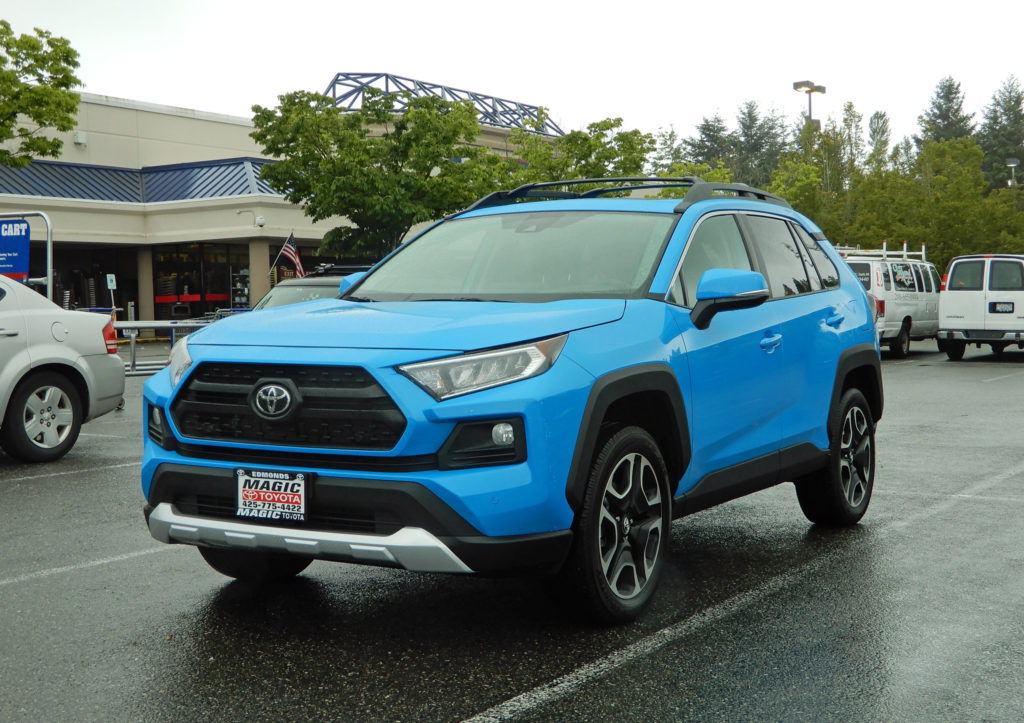
The RAV4 Hybrid‘s regenerative braking system captures energy on every deceleration and extends brake pad and rotor life significantly beyond what conventional braking systems deliver — a direct mechanical benefit that lowers long-term ownership costs. The 2025 model earns high reliability predictions from Consumer Reports while achieving approximately 40 MPG combined from its 219 horsepower hybrid powertrain. Toyota’s hybrid battery management technology has demonstrated remarkable durability across two decades of production, with many first-generation Prius batteries still functioning as evidence. Efficiency and durability reinforce each other here rather than trading off against each other. The RAV4 Hybrid is the clearest expression of that engineering principle in Toyota’s current lineup.
Toyota RAV4 Hybrid – Interior

Monitoring the 12V auxiliary battery annually is one of the most overlooked maintenance tasks in hybrid ownership — it typically needs replacement before the main hybrid battery shows any degradation, and catching it early prevents the kind of inconvenient roadside failure that undermines the reliability case. The RAV4 Hybrid’s interior presents hybrid system information clearly through the infotainment display, giving owners visibility into energy flow and battery status without requiring specialized knowledge to interpret. Cabin materials and controls match the standard RAV4’s durability standard, and the overall build quality holds up through high mileage without the interior aging faster than the powertrain. Practical functionality defines every decision inside this cabin, which is the right priority for a vehicle built to last.
7. Lexus NX: Luxury and Reliability Redefined

Luxury and long-term reliability are not usually found at the same address, and the Lexus NX earns top reliability marks from Consumer Reports in 2025 while delivering premium features and materials that justify the price without the repair bills that typically follow. The turbocharged 2.4L engine balances power delivery with mechanical integrity, and reinforced suspension components enhance long-term durability well beyond what competitors offer at similar price points. Sophisticated onboard diagnostics identify potential issues before they develop into serious problems, reducing both repair frequency and repair severity over time. Servicing at authorized Lexus centers every 10,000 miles preserves the complex systems that make the NX competitive at the luxury level. The trade-off between premium ownership and reliability concerns disappears here.
Lexus NX – Interior

Keeping service intervals at authorized Lexus centers every 10,000 miles is the key maintenance commitment the NX cabin rewards over time — the complex luxury and driver assistance systems require trained technicians to maintain properly, and that investment pays off in reduced repair frequency across high mileage. Premium materials throughout the interior age well, which matters in a luxury vehicle where cabin quality is part of the ownership proposition rather than a bonus. The infotainment system integrates onboard diagnostics alongside entertainment and navigation, giving owners a clear window into system health at any point. Seating comfort holds up through long-distance use without the kind of wear that cheaper materials show quickly. The NX interior delivers luxury that lasts rather than luxury that impresses once.
6. Lexus NX Hybrid: Elevating Luxury Hybrid Reliability

Combining luxury engineering with hybrid technology in a single package is where reliability usually gets sacrificed, and the NX Hybrid earns strong 2025 Consumer Reports reliability scores that prove it does not have to. Smart battery management optimizes both efficiency and battery longevity across varied driving conditions, and self-diagnostic systems detect potential issues early enough that minor problems stay minor. Regenerative braking improves fuel economy while extending brake component life significantly beyond conventional system wear rates. Toyota’s two-decade track record with hybrid battery durability underpins the Lexus-branded version of that same technology. The NX Hybrid makes the case that hybrid complexity and luxury reliability can coexist without compromise.
Lexus NX Hybrid – Interior

Scheduling comprehensive system diagnostics annually keeps both the luxury and hybrid components of the NX Hybrid performing at the level that justifies its price, and the cabin is built to reward that kind of disciplined ownership over time. Premium materials hold up through high mileage without the accelerated wear that cheaper luxury interiors show within a few years. The infotainment system presents hybrid energy flow and battery health information alongside the standard luxury technology suite, giving owners meaningful visibility into how the powertrain is performing. Long-distance comfort is genuine rather than performative, which matters for a vehicle that owners tend to keep well past the typical trade-in window. The NX Hybrid interior makes luxury and longevity feel like the same thing.
5. Toyota Corolla Hybrid: Affordable Efficiency and Dependability

The Corolla Hybrid‘s sophisticated battery cooling system is the standout engineering detail that separates it from cheaper hybrid competitors — it extends component lifespan in extreme heat and cold conditions where other systems degrade faster. Consumer Reports consistently awards it high reliability marks, and regenerative braking reduces mechanical wear on brake components while improving efficiency across everyday driving. Many owners reach 200,000 miles with minimal issues through routine maintenance, which puts the Corolla Hybrid in a category most affordable hybrids cannot claim. The combination of Corolla’s proven reliability track record and a mature hybrid system produces a vehicle that holds up under the kind of real-world use that reliability surveys eventually capture. Affordability and long-term dependability rarely share the same package this effectively.
Toyota Corolla Hybrid – Interior

Inspecting the hybrid cooling system thoroughly every 30,000 miles prevents the overheating that degrades battery efficiency over time and is the single maintenance task most owners overlook until it becomes expensive. The Corolla Hybrid’s cabin carries the same functional durability philosophy as the standard model — controls are logical, materials are chosen to last, and nothing adds complexity without a practical reason. Battery temperature and energy flow data appear through the infotainment display, giving owners useful information without requiring specialist interpretation. Daily use over high mileage reveals the quality of the decisions Toyota made here, and those decisions hold up in a way that cheaper hybrid interiors do not. The Corolla Hybrid interior proves that affordable and durable are not competing priorities.
4. Toyota Prius: The Benchmark for Reliable Hybrids
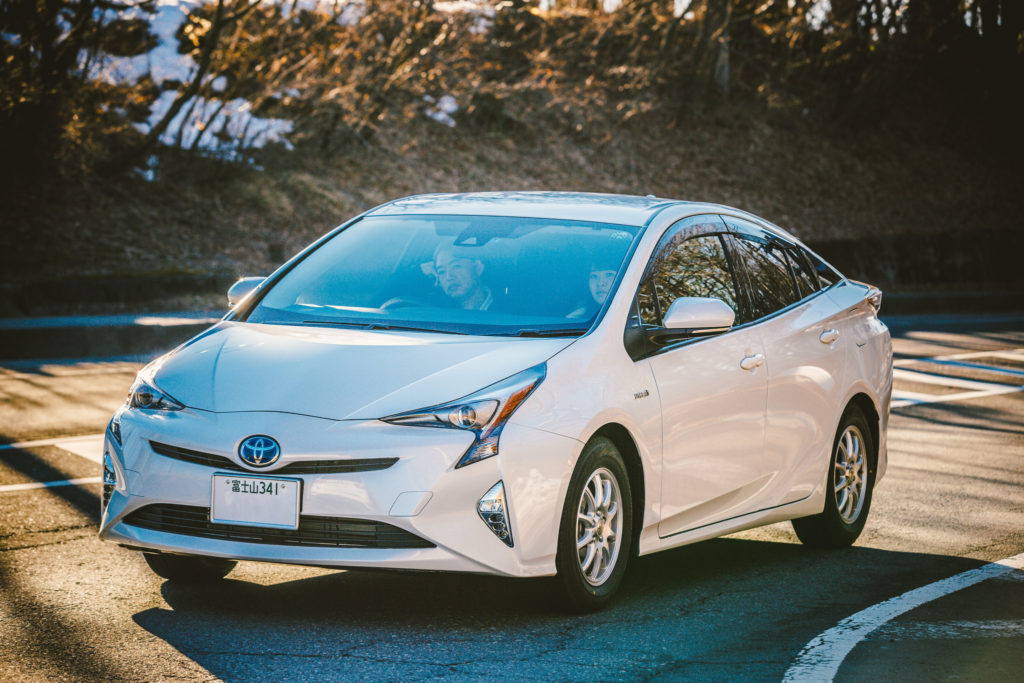
The Prius has been setting the hybrid reliability benchmark since 1997, and 200,000 to 300,000 miles of trouble-free operation is not a marketing claim — it is what owners report through Consumer Reports surveys year after year. Toyota’s unique transmission design eliminates many traditional failure points that conventional automatic transmissions carry, and advanced lithium-ion battery management combined with regenerative braking delivers exceptional efficiency while reducing mechanical wear simultaneously. The 2025 model continues earning top reliability scores from Consumer Reports, backed by nearly three decades of real-world durability data from millions of owners. Proper tire inflation and rotation every 5,000 miles maximizes fuel economy and reduces drivetrain stress in a vehicle already engineered to minimize both. No hybrid in production has a longer or stronger reliability track record.
Toyota Prius – Interior

Maintaining proper tire inflation and rotating every 5,000 miles is straightforward maintenance that pays outsized dividends in a Prius — fuel economy stays optimized and drivetrain stress stays low in a vehicle already engineered to minimize both. The interior presents hybrid energy information clearly through a display that owners learn to read quickly, turning real-time efficiency data into useful driving feedback rather than background noise. Materials and controls hold up through the kind of high mileage that Prius owners routinely accumulate, and the cabin does not age the way cheaper interiors do at 150,000 miles. Toyota’s unique transmission design removes traditional failure points from the equation, which shows up in the ownership experience as fewer unexpected repair visits. The Prius interior is functional, durable, and built for the long run in every sense.
3. Mazda CX-5: Stylish and Surprisingly Reliable

Most crossovers force a choice between style and reliability. The CX-5 skips that trade-off entirely, earning high reliability marks from Consumer Reports in 2025 while delivering Kodo design language that stands out in a segment full of anonymous sheet metal. Mazda’s Skyactiv technology optimizes both performance and mechanical longevity across the engine range, and the naturally-aspirated 2.5L and turbocharged variant both demonstrate excellent durability in long-term testing. Precisely-tuned suspension enhances driving dynamics while showing remarkable resilience against wear — a balance most competitors sacrifice in one direction or the other. Replacing transmission fluid every 30,000 miles rather than following lifetime fluid recommendations significantly extends transmission life. The CX-5 is the kind of reliable car that does not look like it is making compromises to get there.
Mazda CX-5 – Interior

Replacing transmission fluid every 30,000 miles instead of accepting lifetime fluid recommendations is the maintenance habit that extends CX-5 drivetrain life well beyond what most owners expect — and the cabin rewards that kind of ownership discipline with equally long-lived interior quality. Premium materials throughout the cabin punch above the CX-5’s price point, with soft-touch surfaces and a clean layout that holds up through years of daily use without looking neglected. The infotainment system operates through a rotary controller that keeps the interface simple and the driver’s eyes on the road rather than hunting through touchscreen menus. Seating comfort and outward visibility combine to make longer drives genuinely pleasant rather than tolerable. The CX-5 interior makes the case that Mazda’s reliability record and its design ambitions are working toward the same goal.
2. Honda CR-V: A Family Favorite Built to Last

Daily family use is the hardest test a vehicle faces, and the Honda CR-V has been passing that test for decades. The 2025 model continues Consumer Reports’ high predicted reliability tradition for the nameplate, available with either a 1.5L turbocharged engine or a hybrid powertrain that both maintain exceptionally low annual maintenance costs through their service lives. Many owners reach 200,000 to 300,000 miles with nothing beyond routine maintenance — a figure that reflects Honda’s engineering discipline rather than lucky ownership. Inspecting and cleaning the variable timing control system every 60,000 miles prevents sludge buildup that undermines engine performance over time. The CR-V earns its family favorite status not through marketing but through the kind of long-term reliability data that owners generate over hundreds of thousands of miles.
Honda CR-V – Interior

Inspecting and cleaning the variable timing control system every 60,000 miles is the maintenance task CR-V owners most commonly skip, and sludge buildup in neglected systems is the preventable cause behind most high-mileage engine problems in this platform. The cabin is designed for the realities of family use — durable materials that handle spills and daily wear, logical controls that do not require a manual to operate, and cargo flexibility that adapts to whatever the week demands. Seating comfort holds up through long trips without the kind of deterioration that cheaper interiors show at 80,000 miles. Honda’s build quality translates into a cabin that looks and feels cared-for well into six-figure mileage when owners keep up with maintenance. The CR-V interior delivers on the reliability promise the exterior makes.
1. Subaru Forester: Rugged Adventures with Unwavering Reliability

Snow, mud, and rough terrain accelerate wear on most vehicles — the Forester is built specifically to handle all three without the reliability penalty that other all-weather SUVs accumulate over time. Consumer Reports consistently awards it top reliability scores, backed by Symmetrical All-Wheel Drive that delivers superior traction without the complexity that undermines competing systems. The horizontally-opposed boxer engine provides excellent balance and demonstrated longevity, and advanced drive modes like X-Mode and SI-Drive optimize performance across varied conditions while maintaining mechanical integrity. Eight inches of ground clearance handles rough terrain without the suspension stress that forces expensive repairs in less capable crossovers. Subaru built the Forester to go where other reliable vehicles cannot, and it delivers on that promise without asking owners to sacrifice dependability for capability.
Subaru Forester – Interior
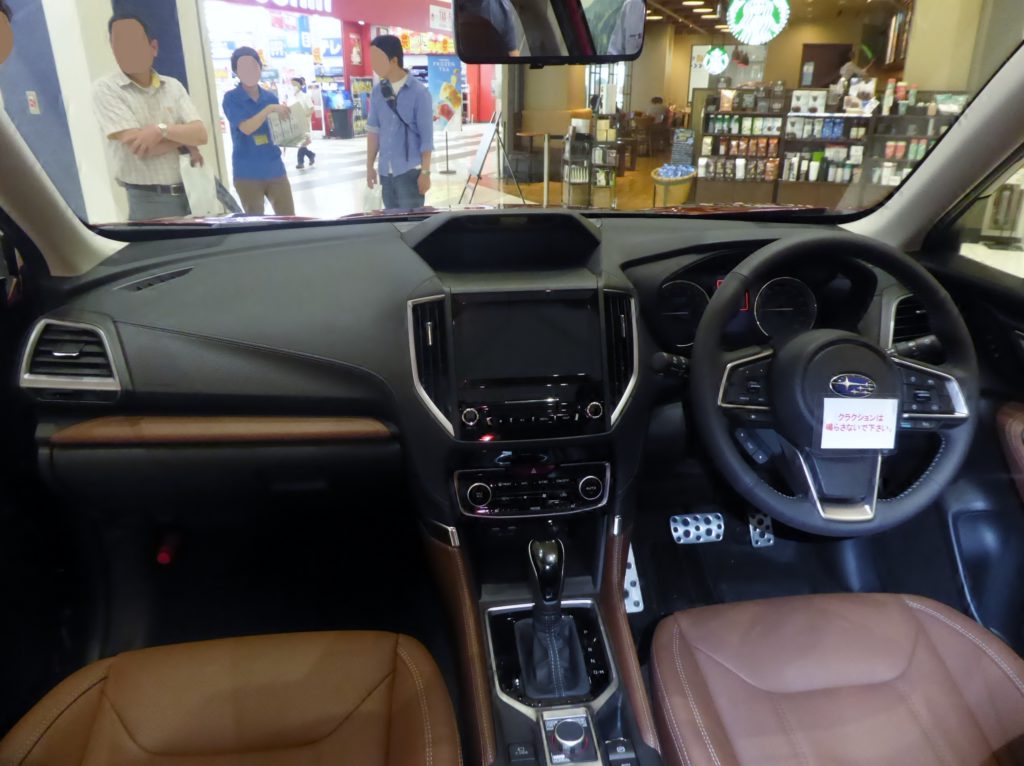
Changing differential fluids every 30,000 miles when driving regularly in demanding conditions is the maintenance habit that protects the Forester’s drivetrain longevity most directly, and owners who skip it are the ones who eventually generate the repair bills this list exists to help avoid. The cabin is built for practical outdoor use — durable materials that clean easily, controls that work with gloves on, and outward visibility through large windows that makes the Forester genuinely easier to place on narrow trails and tight parking structures than its size suggests. Cargo space is generous and flexible, which matters for the kind of active ownership the Forester attracts. Interior quality holds up through the kind of varied, demanding use that tests reliability claims more honestly than a Consumer Reports survey alone. For those interested in pushing further beyond pavement, some incredible water vehicles take exploration into territory even the Forester cannot follow.