

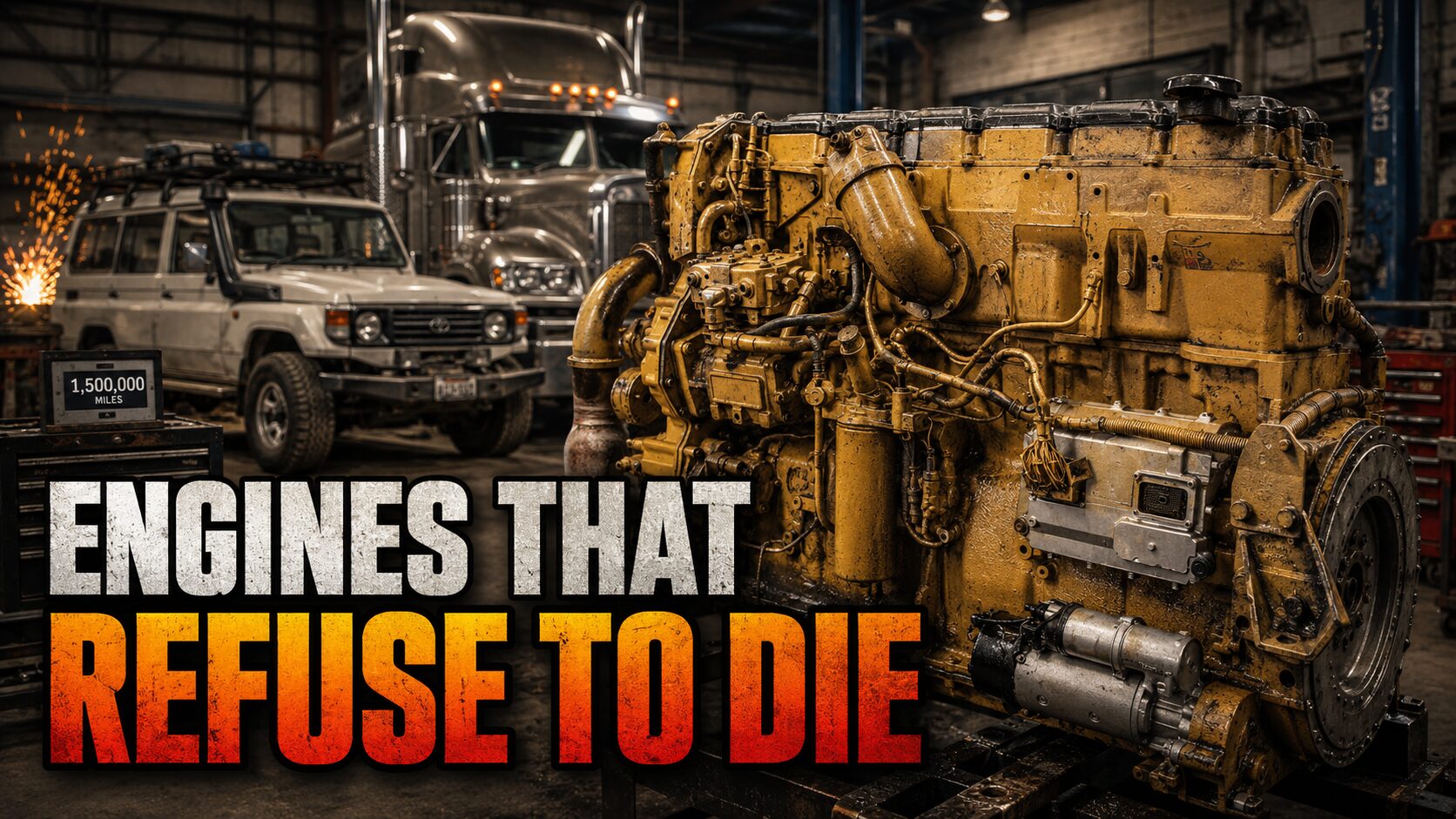
Twenty truck engines across seven decades of commercial diesel engineering — from mechanical workhorses to modern electronically managed powerplants, from engines that ran past 1.5 million miles to designs discontinued after three years because the reliability problems were too expensive to ignore. This ranking evaluates power, reliability, maintenance requirements, and real-world performance across heavy-duty commercial and off-road applications. The marketing claims are set aside. What remains is how each engine performed when fleet managers, owner-operators, and mechanics had to live with the consequences.
20. International DT466E (1994-2003)
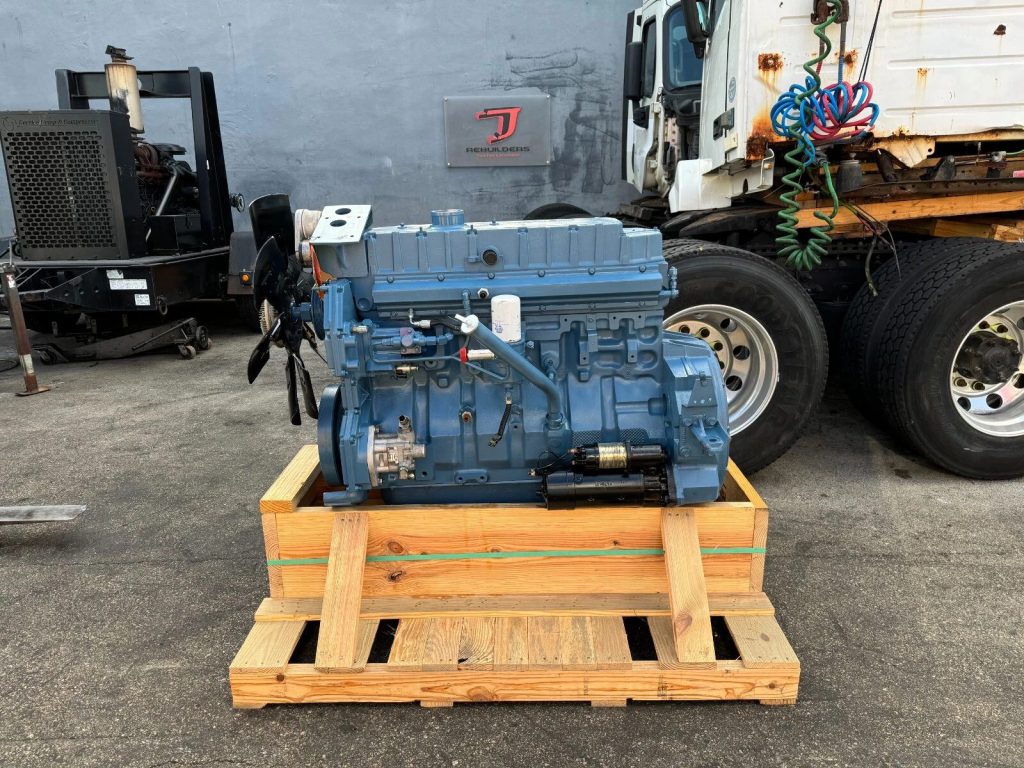
Electronic controls and promising specs that turned into injector failures and rebuild bills.
The DT466E arrived with electronic controls and 210-250 horsepower — a credible specification for fleet duty. Injector failures became the defining ownership experience, often requiring complete rebuilds before 150,000 miles. High-pressure oil pump issues added secondary maintenance costs that compounded the injector problems rather than occurring independently. International addressed many of these issues in later iterations, which is the most honest way to describe the DT466E’s position on this list: an engine that taught the industry what not to do with early electronic diesel controls.
19. Ford 6.4L Power Stroke (2008-2010)
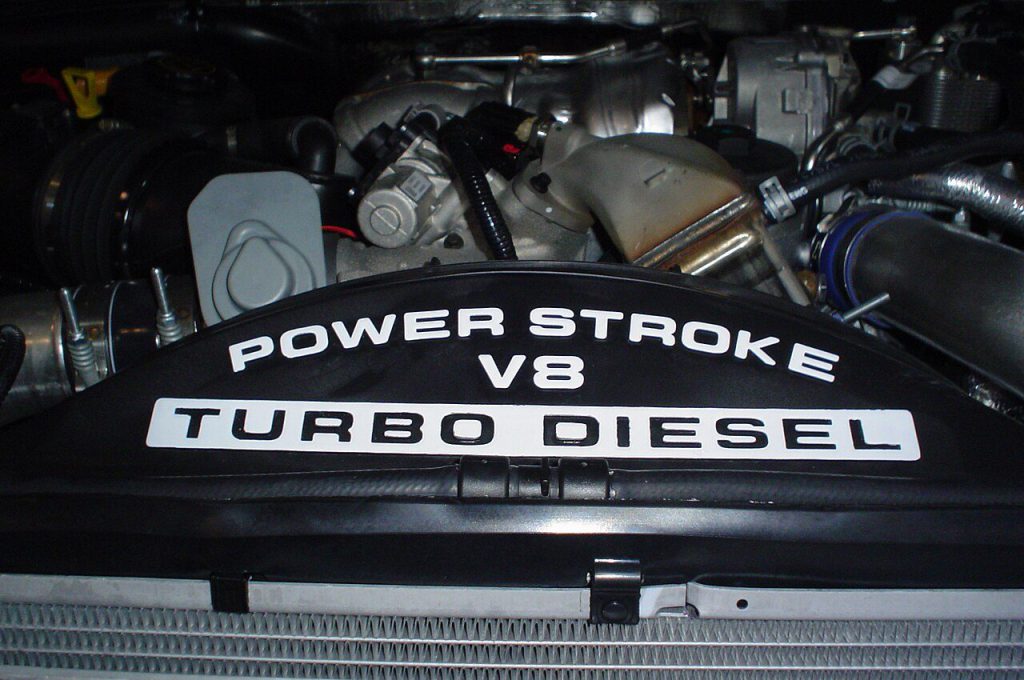
Three production years — enough time to establish a warranty nightmare and damage a diesel reputation.
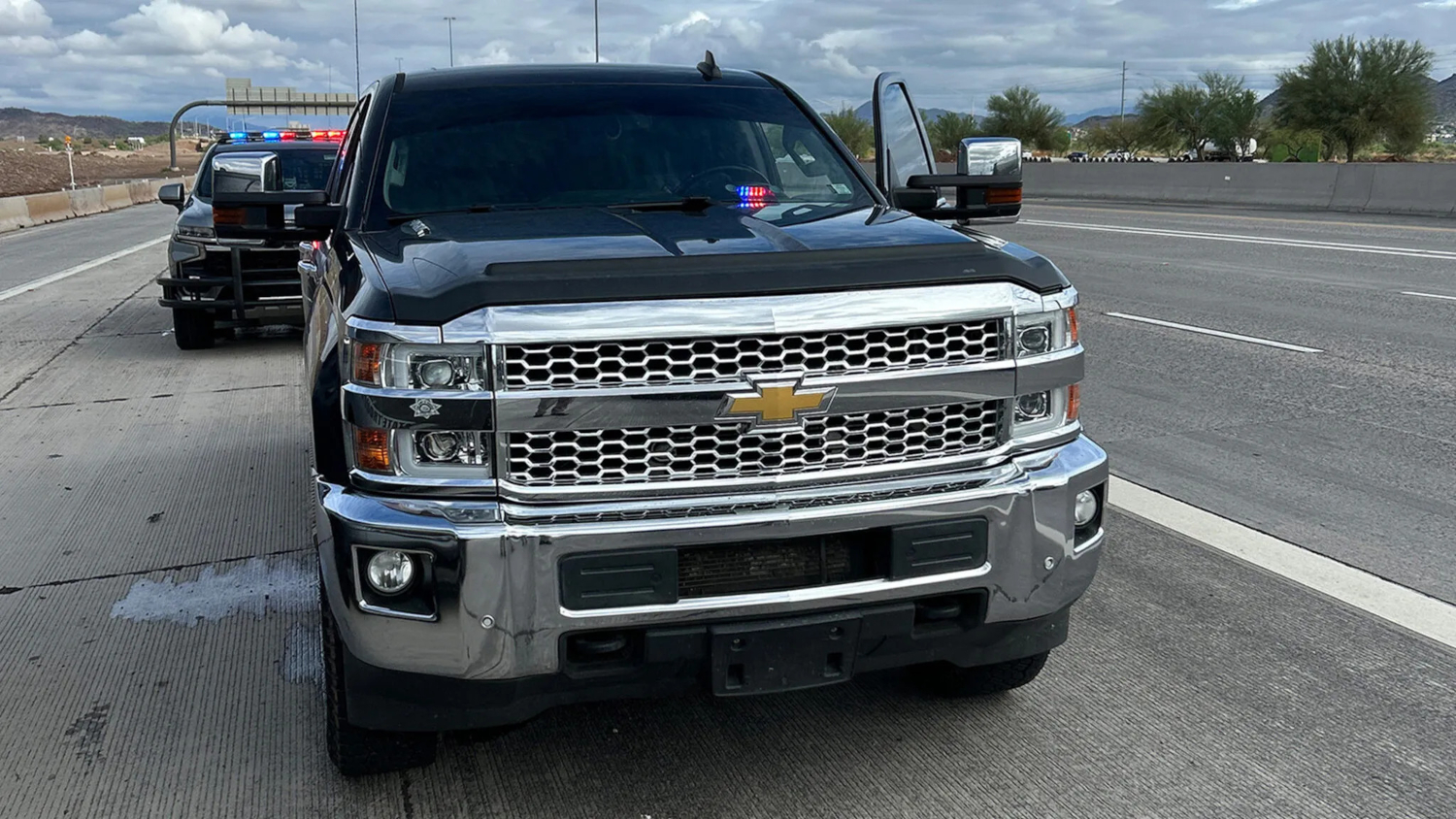
Ford’s 6.4L Power Stroke produced 350 horsepower from a dual-turbo setup that delivered genuine performance when the components were functioning. Catastrophic failures before 100,000 miles were common enough to define the engine’s reputation rather than serve as exceptions to it. Diesel particulate filter problems, turbocharger failures, and fuel system issues accumulated simultaneously rather than independently. Ford discontinued the engine after three years — a production window short enough to confirm that the reliability problems were recognized internally as unfixable within the existing design.
18. GMC 702 V12 (1960s-1970s)
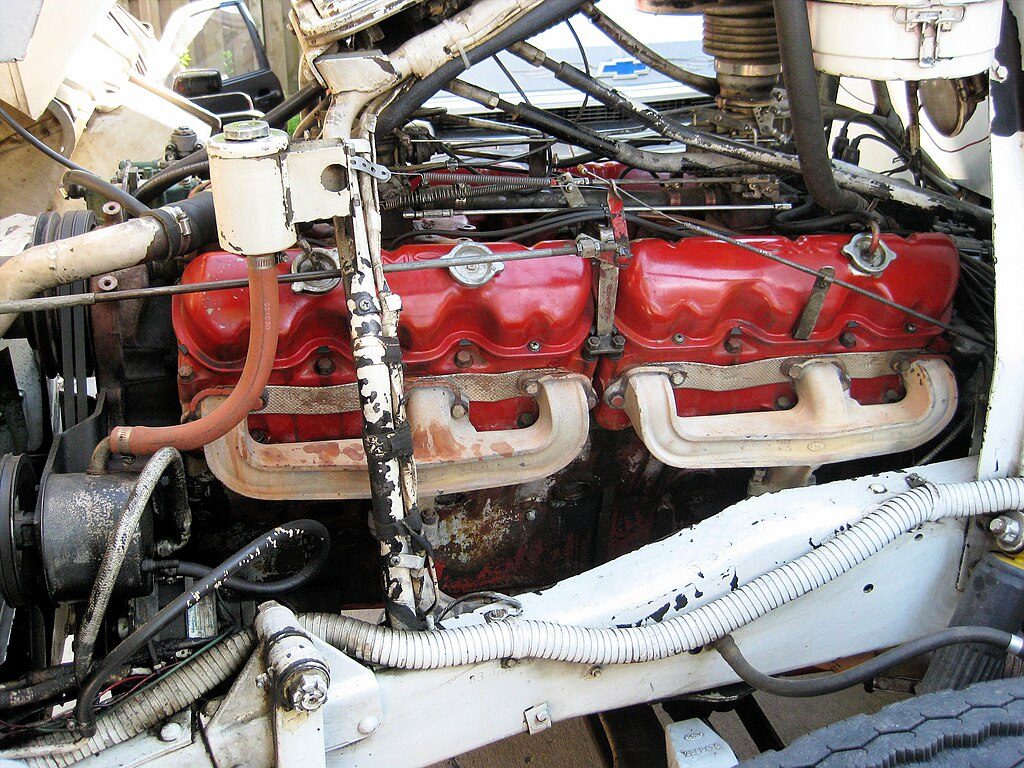
Maximum cylinder count as competitive strategy — an approach that fuel consumption and maintenance access undermined.
The 702 V12 represented GM’s displacement-as-dominance approach to heavy-duty trucking — impressive raw power output for its era, with fuel consumption and complexity that the commercial market ultimately could not justify. Complex valve trains required maintenance access that the engine’s packaging made difficult. The 702 is historically significant as an ambitious engineering exercise; it ranks here because ambition and commercial viability are different measurements, and the 702 optimized for the former.
17. Mercedes OM352 (1960s-1980s)
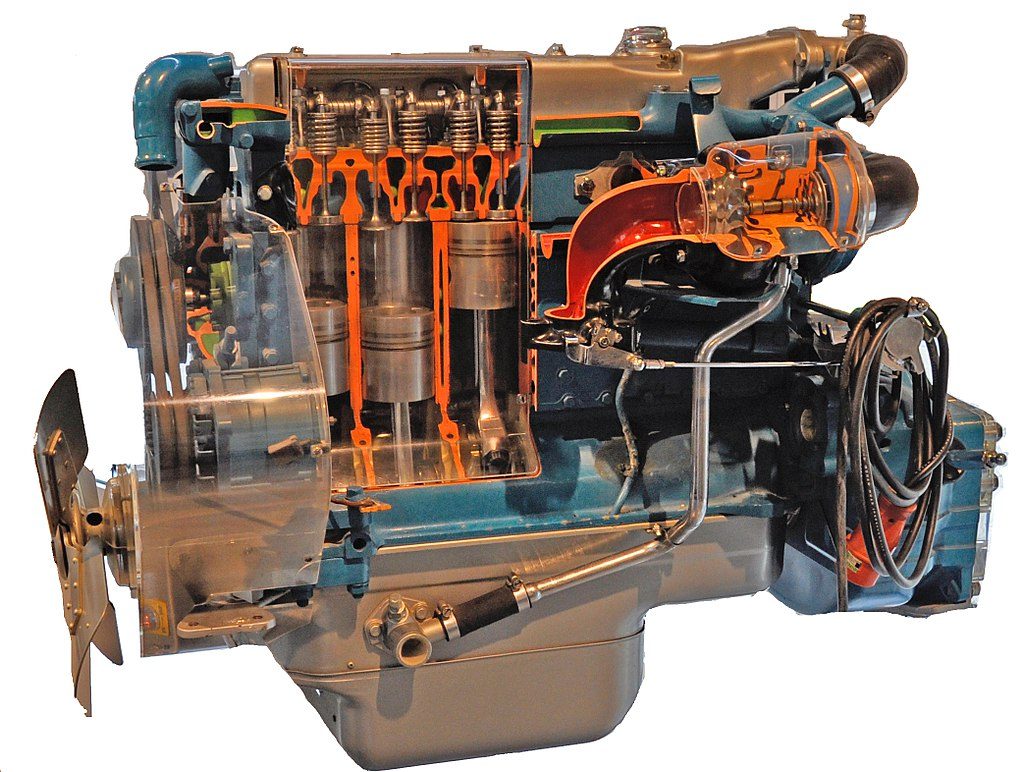
Solid European construction that parts availability and power output limited outside its home market.
The OM352 powered European trucks and buses with the build quality that Mercedes construction standards suggested it would. Naturally aspirated diesel output was reliable and the engine construction was robust — the limitations were external. Parts availability outside European markets created genuine operational risk for international operators, and performance felt sluggish against turbocharged competitors as the trucking industry’s expectations evolved. The OM352 earned respect within its operational context and struggled outside it.
16. Volvo D12 (1990s-2000s)
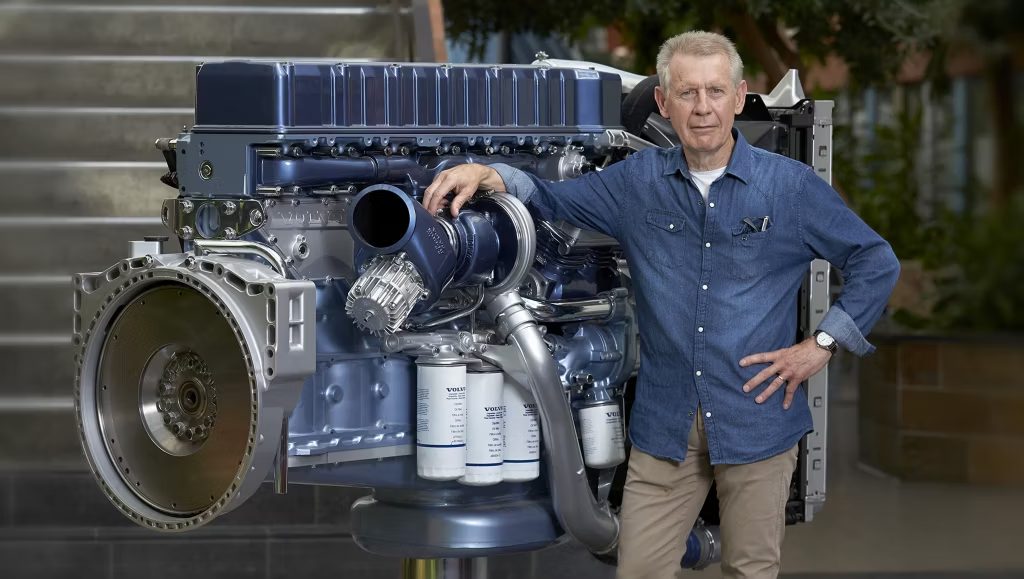
Sophisticated electronic controls and competitive fuel economy alongside parts costs that reflected European premium pricing.
The 12.1-liter D12 brought electronic controls and fuel economy credentials to long-haul trucking with the quality standards Volvo’s reputation suggested. Electronic issues occasionally created diagnostic challenges for technicians, and parts pricing reflected the premium European supply chain rather than the competitive North American aftermarket. The D12 established Volvo as a credible North American trucking contender — the ranking reflects that it was competitive rather than dominant in a field with strong established alternatives.
15. Mack E7 (1980s-2000s)
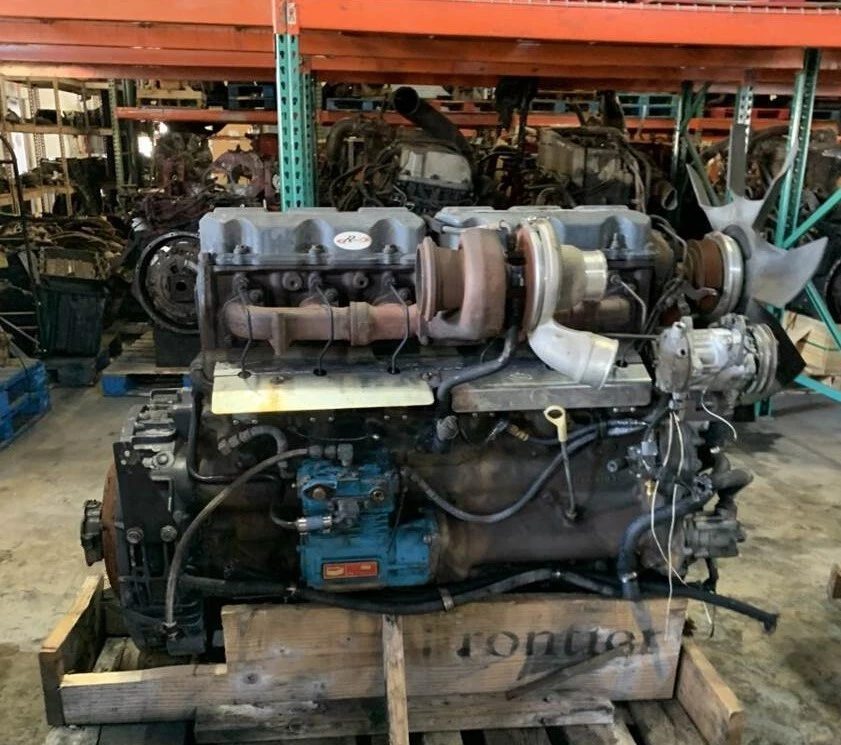
Mechanical injection, straightforward maintenance, and the durability the Mack bulldog badge carried seriously.
Mack’s E7 is the engine that owner-operators who valued simplicity over sophistication chose — mechanical injection controls that kept maintenance predictable and 300-400+ horsepower across configurations that handled everything from garbage trucks to long-haul duty. Fuel economy lagged behind electronically controlled competitors as those designs matured. The E7’s position here reflects that tradeoff honestly: exceptional mechanical reliability within an era that was evolving toward electronic management advantages the E7 did not share.
14. Detroit Diesel 8V92 (1970s-1990s)
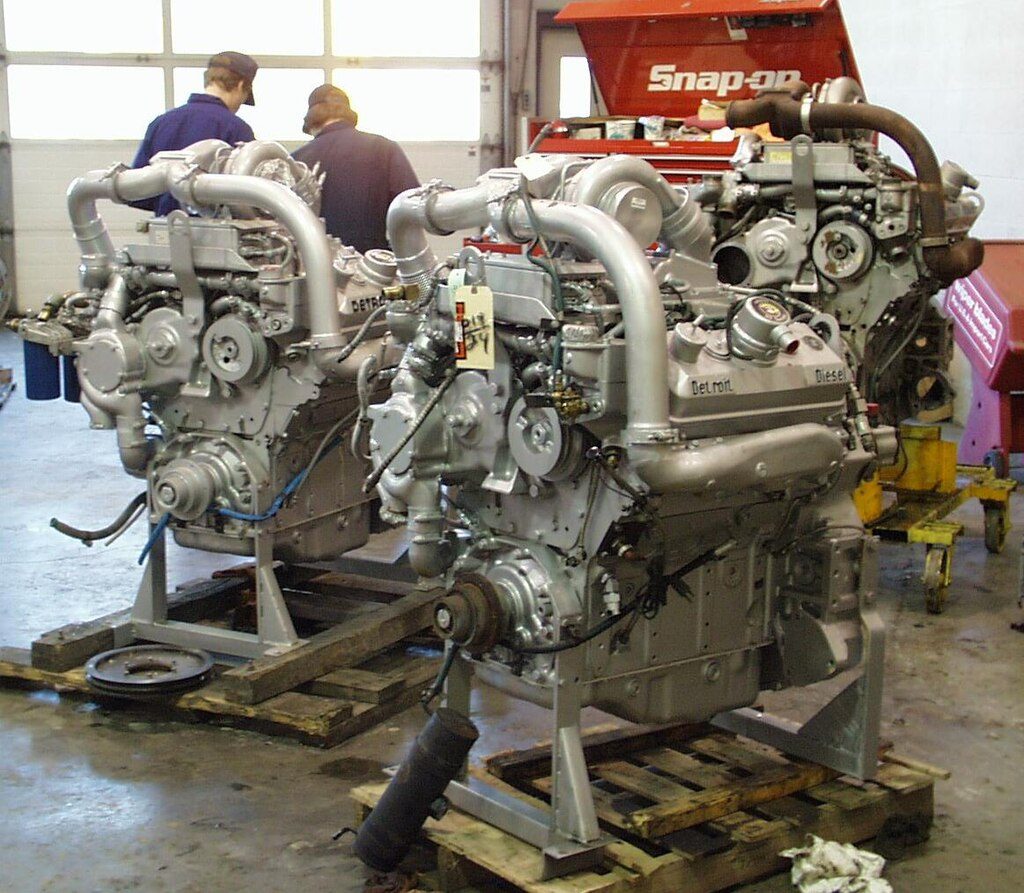
Two-stroke character, strong cold-weather performance, and fuel consumption that emissions regulations eventually made unsustainable.
The 8V92’s two-stroke exhaust note was distinctive enough that operators could identify it by sound — a V8 configuration with strong acceleration and excellent cold-weather starting that built genuine loyalty. Fuel consumption was substantial by any measure. Emissions regulations that targeted two-stroke diesel design ended the 8V92’s commercial viability rather than mechanical failure. Mechanics who worked on these engines formed strong opinions about the experience, with no neutral positions represented among those who spent time with them.
13. Isuzu 6HK1 (2000s-Present)
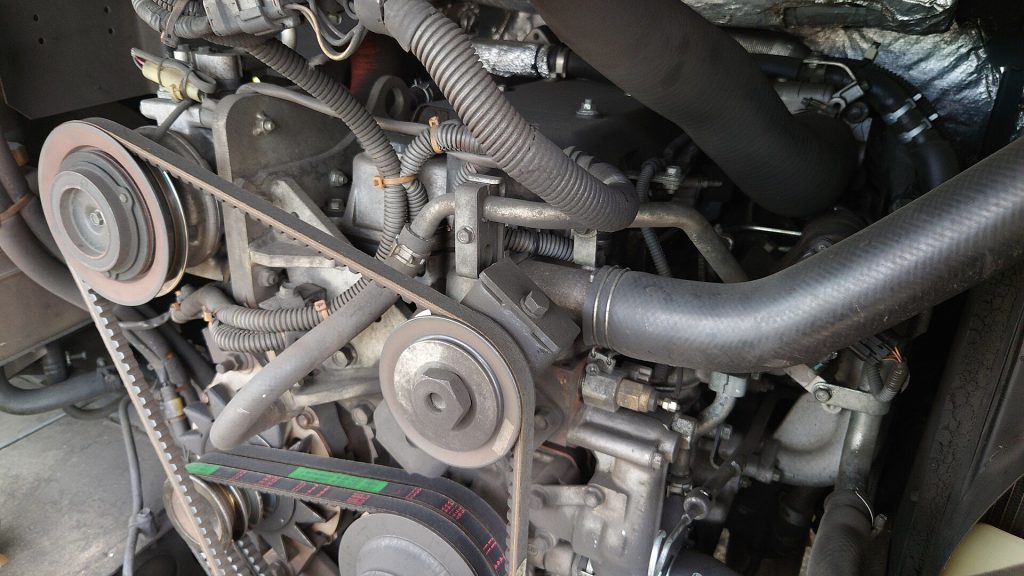
Japanese commercial vehicle reliability applied to medium-duty applications with improving North American parts infrastructure.
The 6HK1 brings Isuzu’s commercial reliability standards to medium-duty applications with 200-300 horsepower depending on configuration. The 7.8-liter turbodiesel includes modern emissions controls and competitive fuel economy for its class. North American parts availability has improved meaningfully since the engine’s introduction, though service network density still trails domestic manufacturers — a practical consideration for operators in areas where dealer proximity matters for maintenance scheduling.
12. International MaxxForce DT (2007-2016)
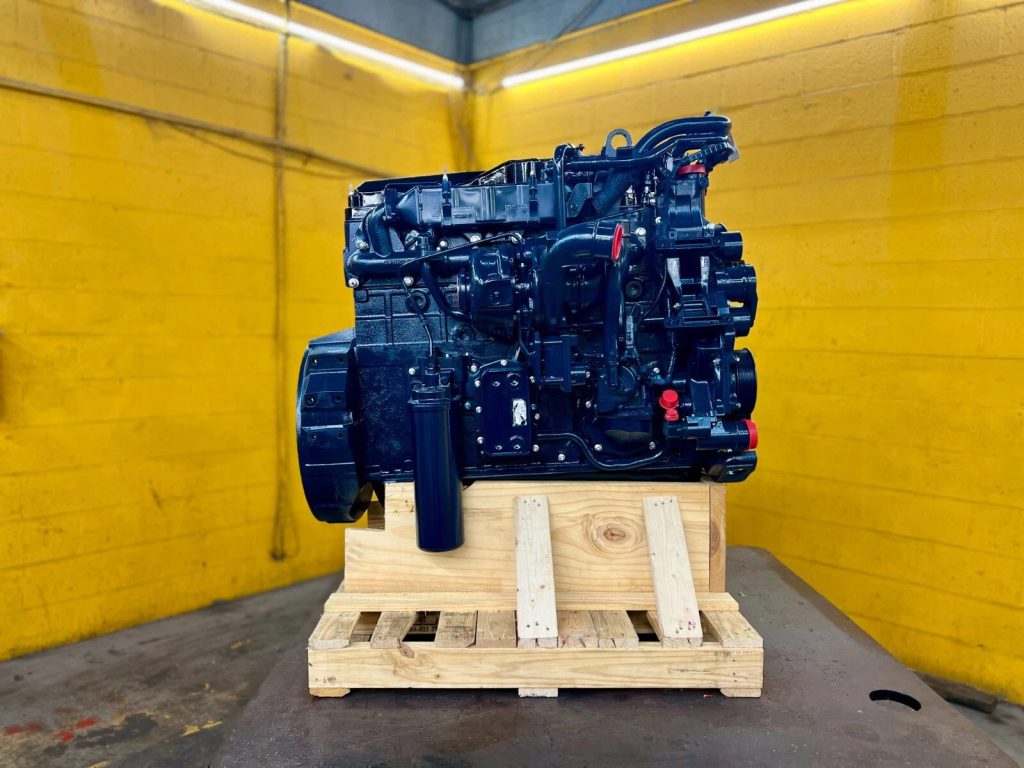
A genuine improvement over troubled predecessors that EGR and aftertreatment problems prevented from fully recovering market confidence.
The MaxxForce DT’s 9.3-liter design showed early promise in reliability testing and produced respectable power with modern emissions compliance. EGR system problems and aftertreatment issues that continued through the production run undermined the improvements. Software updates provided partial relief without addressing the underlying hardware concerns. The MaxxForce name carried forward the reputation damage from International’s earlier diesel problems — and the EGR issues gave that reputation continued justification rather than allowing the improved design to separate itself from its predecessors.
11. Scania DC16 (2000s-Present)
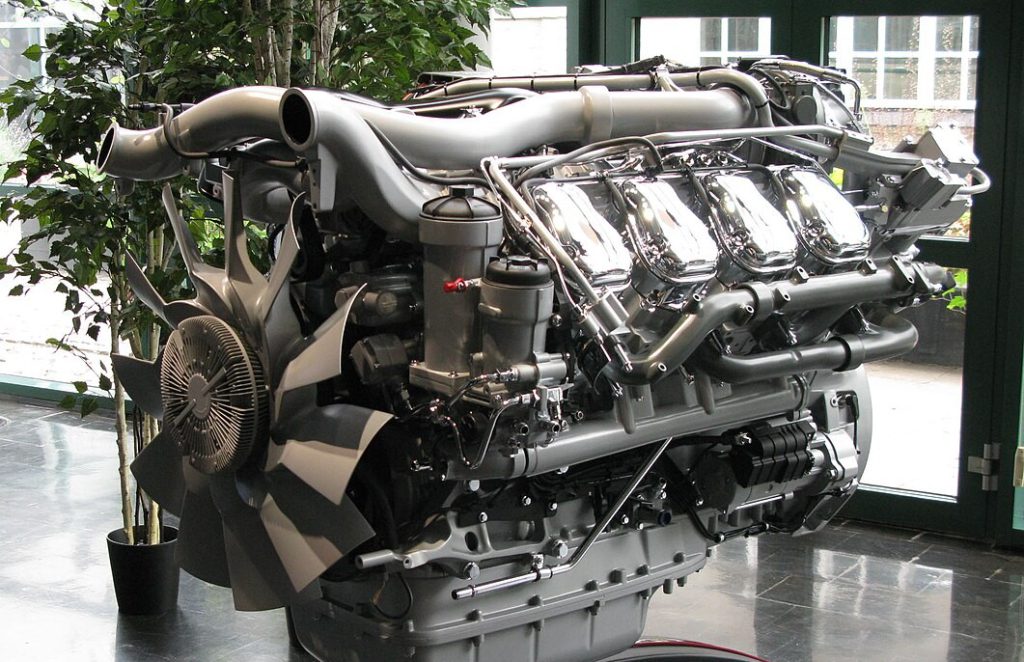
520 to 730 horsepower from a 16-liter V8 that combines performance with refined operation at large displacement.
Scania’s flagship V8 diesel delivers 520 to 730 horsepower from 16 liters of displacement — a specification that reads as aggressive and operates with more refinement than the numbers suggest. Limited North American availability and premium pricing restrict its market reach, which is a commercial reality rather than an engineering criticism. European operators with access to Scania’s support network appreciate the performance-to-efficiency ratio. The DC16 ranks here because geography and pricing limit who can realistically benefit from its engineering quality.
10. Caterpillar 3406E (1993-2003)
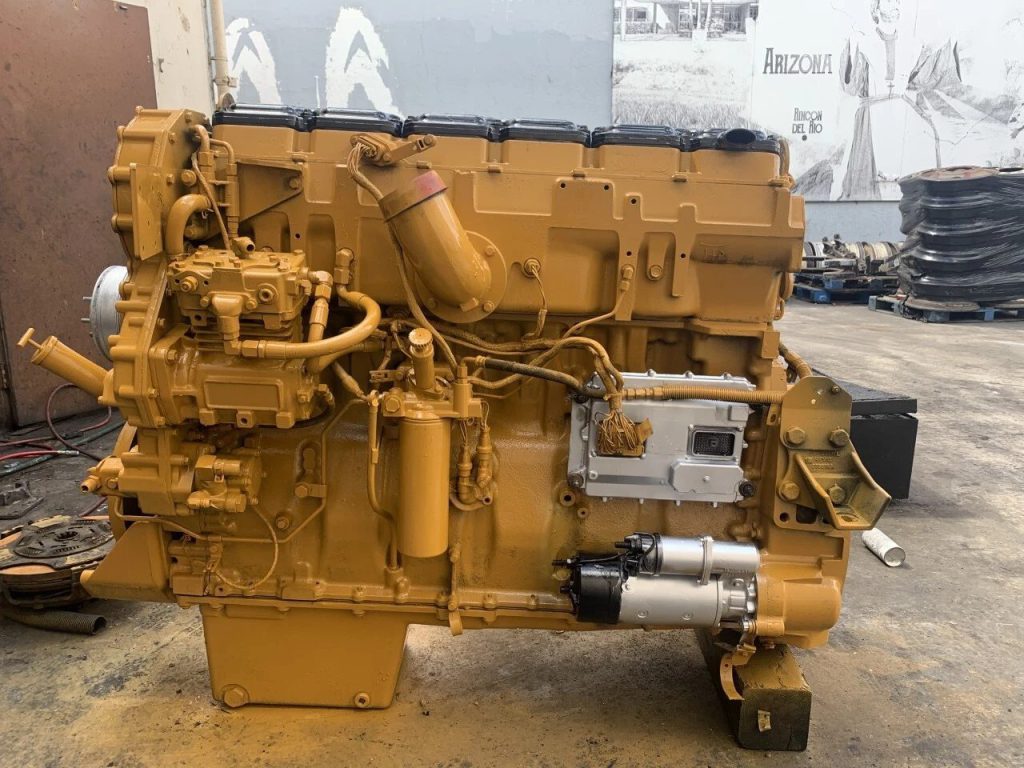
The engine that defined 1990s long-haul trucking — 14.6 liters, 350-425 horsepower, and a reputation for running indefinitely.
Caterpillar’s 3406E dominated 1990s long-haul trucking by delivering 350-425 horsepower from a 14.6-liter inline-six with electronic controls precise enough for modern highway demands and simple enough for roadside diagnosis. Fuel economy trailed newer designs that followed, which is the honest limitation that keeps the 3406E at ten rather than higher. Owner-operators ran these engines well past what the manufacturers predicted — the engine’s reputation for exceptional longevity is documented across the fleet maintenance records of a decade of North American trucking.
9. DAF MX-13 (2010s-Present)
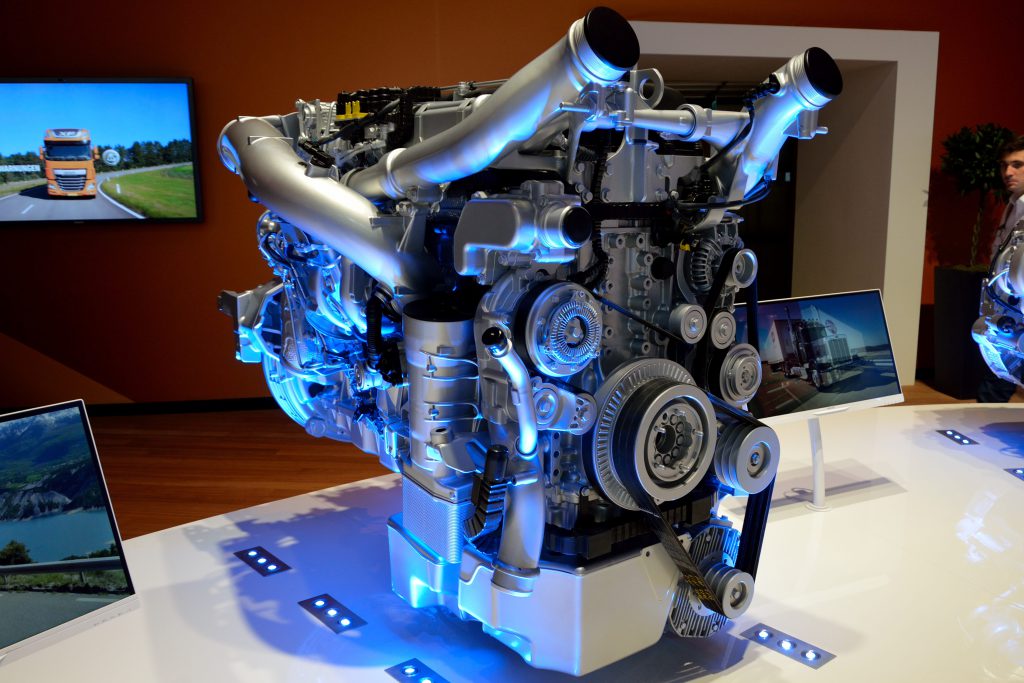
PACCAR European engineering producing 510 horsepower from 12.9 liters while meeting emissions standards without sacrificing durability.
The MX-13 brought PACCAR’s European diesel expertise to North American trucking through Kenworth and Peterbilt integration — a chassis pairing that creates seamless powertrain combinations rather than the mismatched feel of third-party engine installations. The 12.9-liter engine produces up to 510 horsepower while meeting strict emissions requirements without the reliability compromises that emissions compliance created in earlier diesel generations. The MX-13 demonstrates that modern environmental standards and commercial durability are compatible engineering goals when the development investment is sufficient.
8. Mercedes OM471 (2010s-Present)
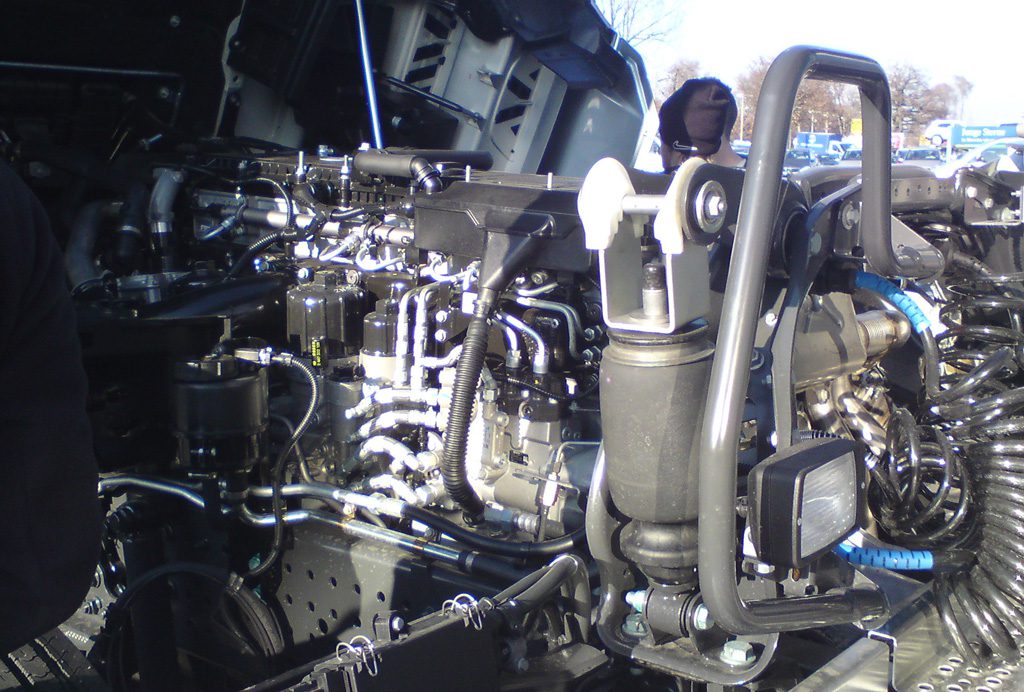
428 to 625 horsepower from 12.8 liters of advanced combustion engineering with strong European market performance.
The OM471 produces 428 to 625 horsepower from a 12.8-liter inline-six using advanced combustion technology and sophisticated electronics for efficiency and performance across configurations. European market results have been substantial — the engine’s commercial track record is well established where Daimler’s support network operates at full density. North American availability remains limited to specialty applications, which is the practical limitation that prevents a higher ranking despite the engineering quality. The OM471 represents what traditional diesel development looks like when applied to modern requirements without compromising either.
7. Volvo D13 (2000s-Present)
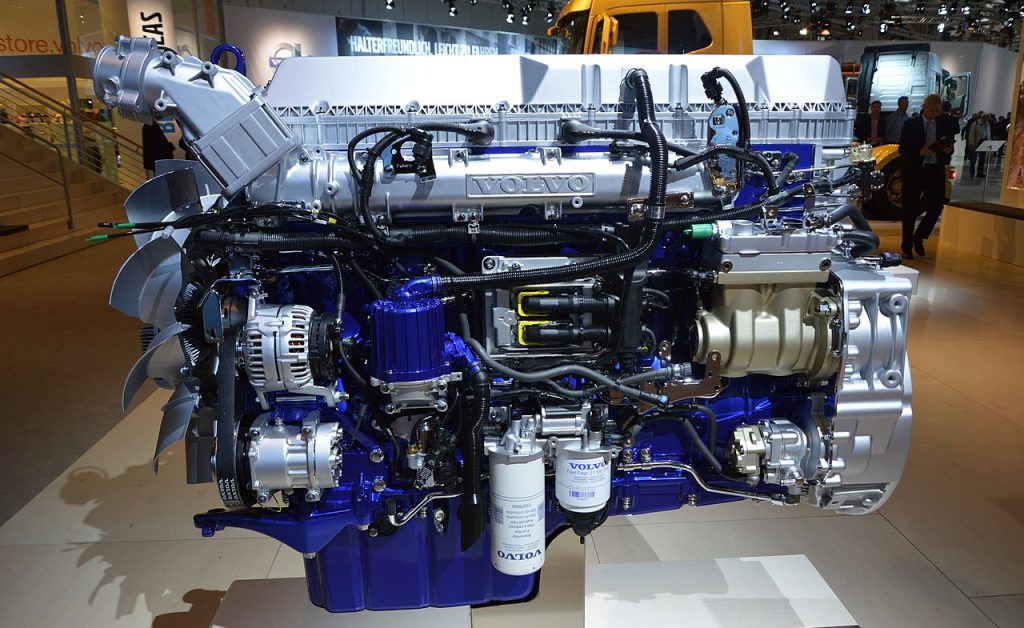
500 horsepower, seamless automated transmission integration, and efficiency optimization across varying load and terrain conditions.
The 12.8-liter D13 produces up to 500 horsepower and integrates with Volvo’s automated transmission systems to optimize performance across load and terrain variations rather than leaving that work to the driver. Sophisticated electronics that create driver-focused features and operational efficiency are backed by a support network that fleet operators can rely on for total cost of ownership calculations. The D13 earned its position through consistent long-haul performance and the ownership experience quality that comes from a manufacturer whose truck and engine development share the same engineering priorities.
6. Detroit Diesel DD15 (2007-Present)
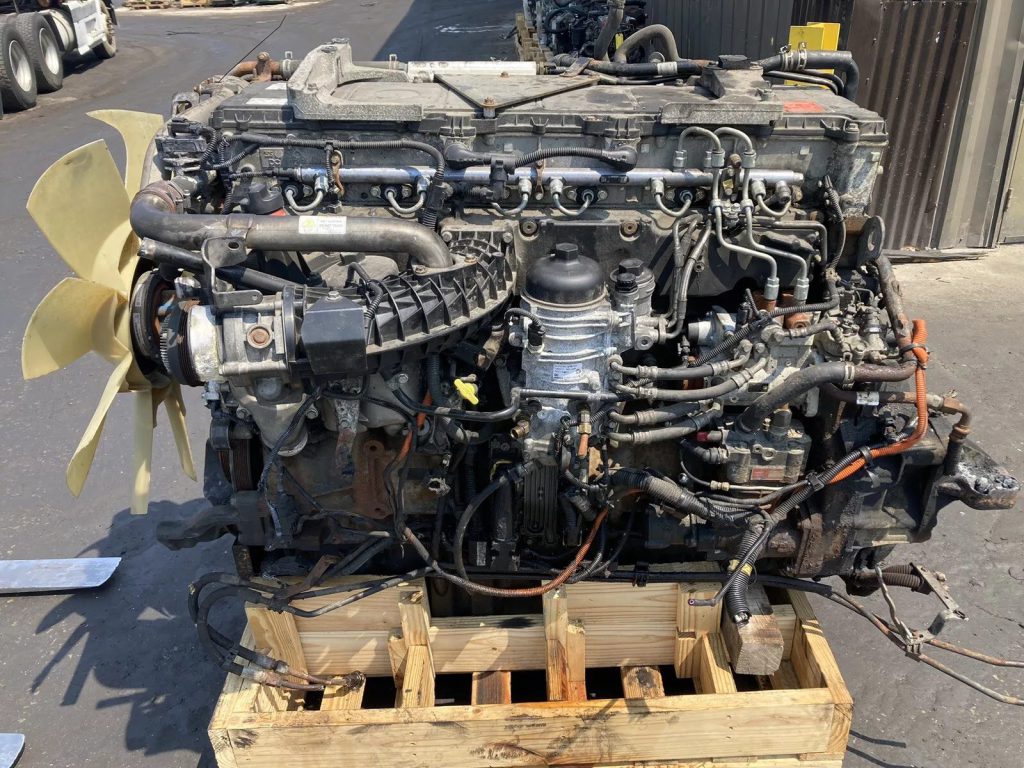
560 horsepower from 14.8 liters of two-valve simplicity that rebuilt Detroit’s reliability reputation.
The DD15 produces up to 560 horsepower from a 14.8-liter inline-six using two-valve cylinder heads that reduce complexity compared to four-valve competitors without the power output penalty that simpler designs typically accept. Strong aftermarket support and competitive parts pricing address the cost-of-ownership concerns that fleet operators weigh against initial purchase decisions. The DD15 rebuilt Detroit Diesel’s commercial reputation by returning to the straightforward design philosophy that made earlier Detroit engines the baseline against which North American competitors measured themselves.
5. International A26 (2017-Present)
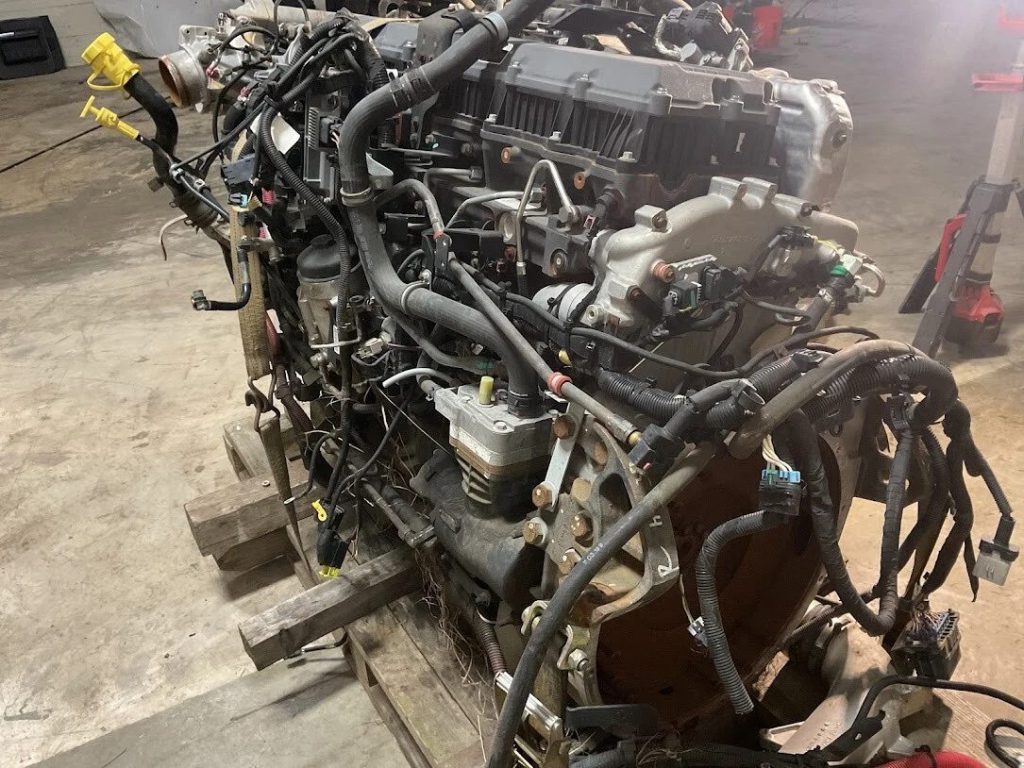
MAN engineering partnership delivering the emissions compliance and reliability that International’s previous in-house designs could not achieve.
The A26 represents International’s decision to partner with MAN rather than continue developing in-house diesel technology that had accumulated a negative reliability record. The 12.4-liter engine produces up to 475 horsepower with emissions compliance that International’s previous teams had struggled to achieve without introducing the EGR and aftertreatment problems that defined the MaxxForce era. Early reliability data supports a positive assessment — which is a careful statement because the A26 is recent enough that long-term fleet experience is still accumulating.
4. Caterpillar C15 ACERT (2003-2009)
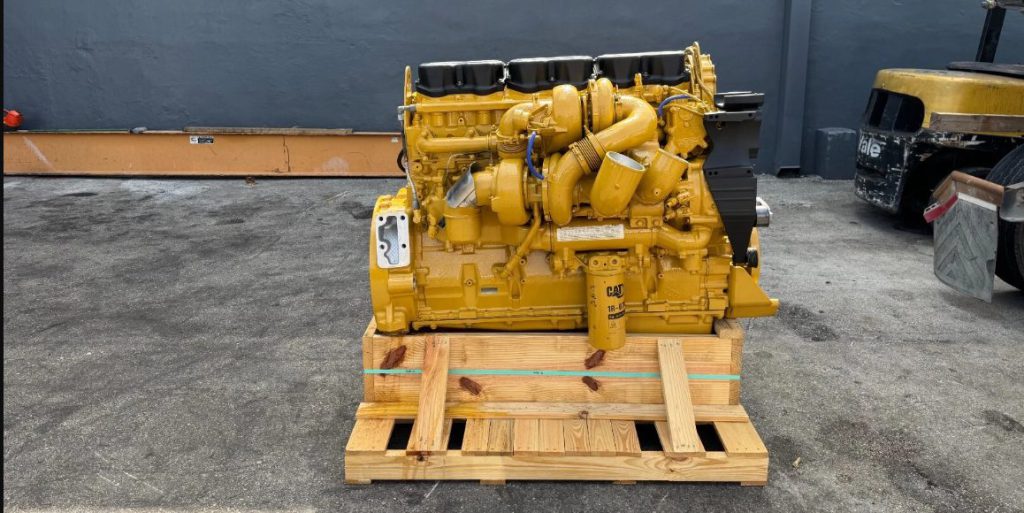
Advanced combustion and air handling that met stricter emissions standards without exhaust gas recirculation — preserving Cat durability through a regulatory transition.
The C15 ACERT addressed tighter emissions regulations through advanced combustion and air handling technology rather than exhaust gas recirculation — an engineering decision that preserved the reliability characteristics that made Caterpillar engines the standard against which competitors were measured. The 15.8-liter inline-six produced up to 550 horsepower. Owner-operators who had built their businesses around Caterpillar’s reliability record appreciated that the ACERT approach maintained traditional engine characteristics through a regulatory transition that damaged competitors’ reputations significantly.
3. Detroit Diesel DD16 (2014-Present)
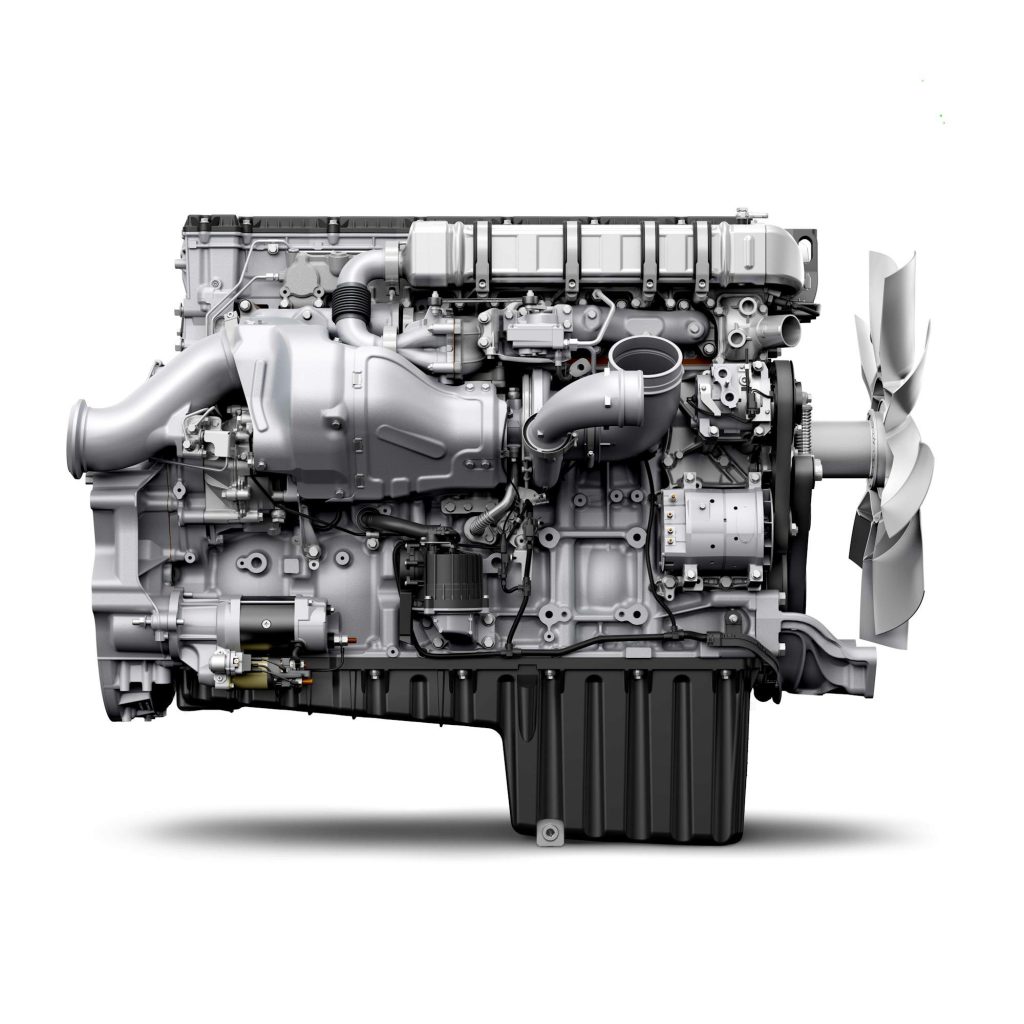
600 horsepower from 15.6 liters optimized for heavy-haul applications — maximum displacement with fuel economy competitive with smaller engines.
The DD16 delivers 600 horsepower from 15.6 liters — Detroit Diesel’s largest displacement in a package engineered specifically for heavy-haul and demanding applications where smaller engines operate at the limits of their thermal and mechanical capability. Advanced electronics optimize fuel consumption across varying loads, producing efficiency figures competitive with engines of smaller displacement. The DD16 occupies the specific market position where maximum capacity and sustained reliability intersect, which is a narrower application range than the DD15 but represents the top of what the DD platform delivers.
2. Caterpillar C12 (1992-2003)
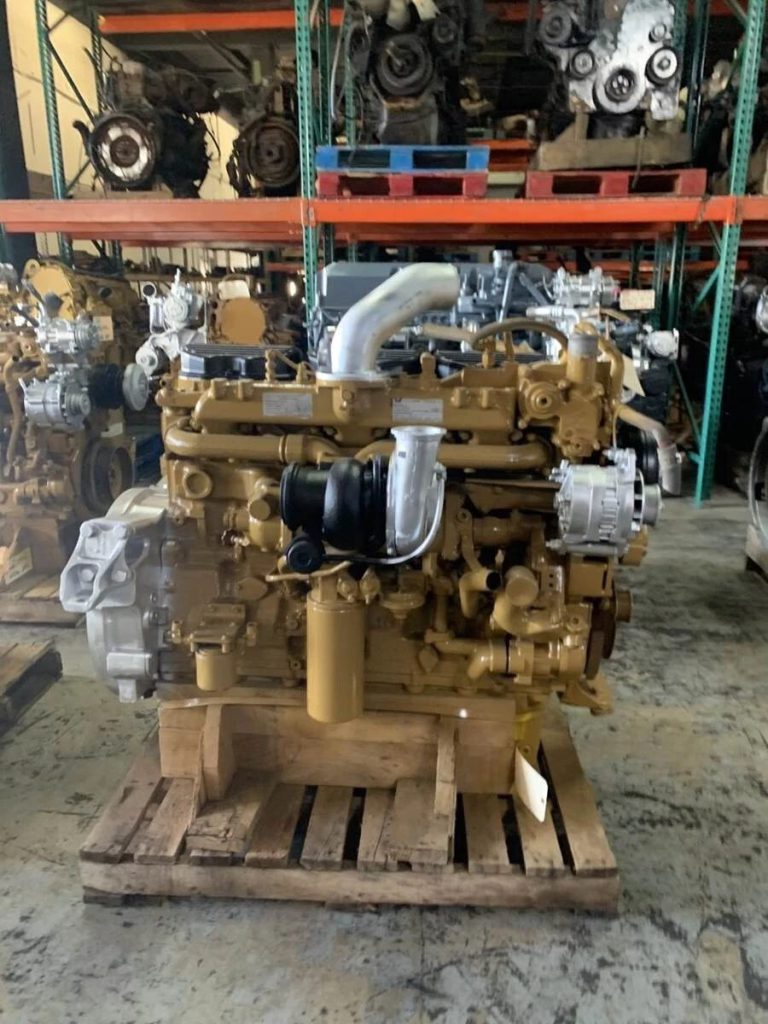
12 liters, 350-425 horsepower, documented examples past 1.5 million miles — the engine that hit every target simultaneously.
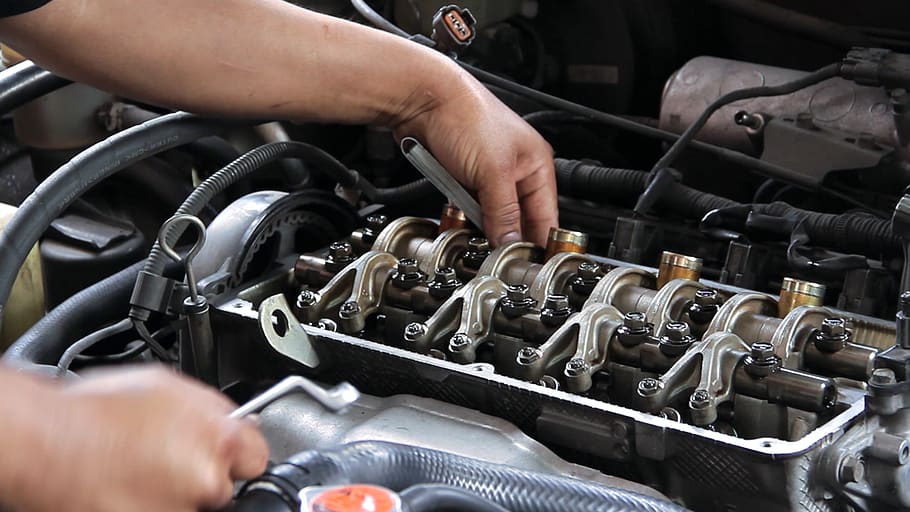
The C12 balanced power, reliability, and practicality at a level that made it legendary among owner-operators and fleet managers simultaneously — two audiences with different priorities who both reached the same conclusion. The 12-liter inline-six produced 350-425 horsepower with mechanical reliability simple enough for roadside diagnosis and sophisticated enough for modern highway demands. Documented examples past 1.5 million miles exist in sufficient number to represent an engineering outcome rather than an anomaly. Caterpillar discontinued the C12 before the market was ready to replace it, which is the most direct measure of how well it performed the job it was designed to do.
1. Toyota 1HD-T (1988-1995)
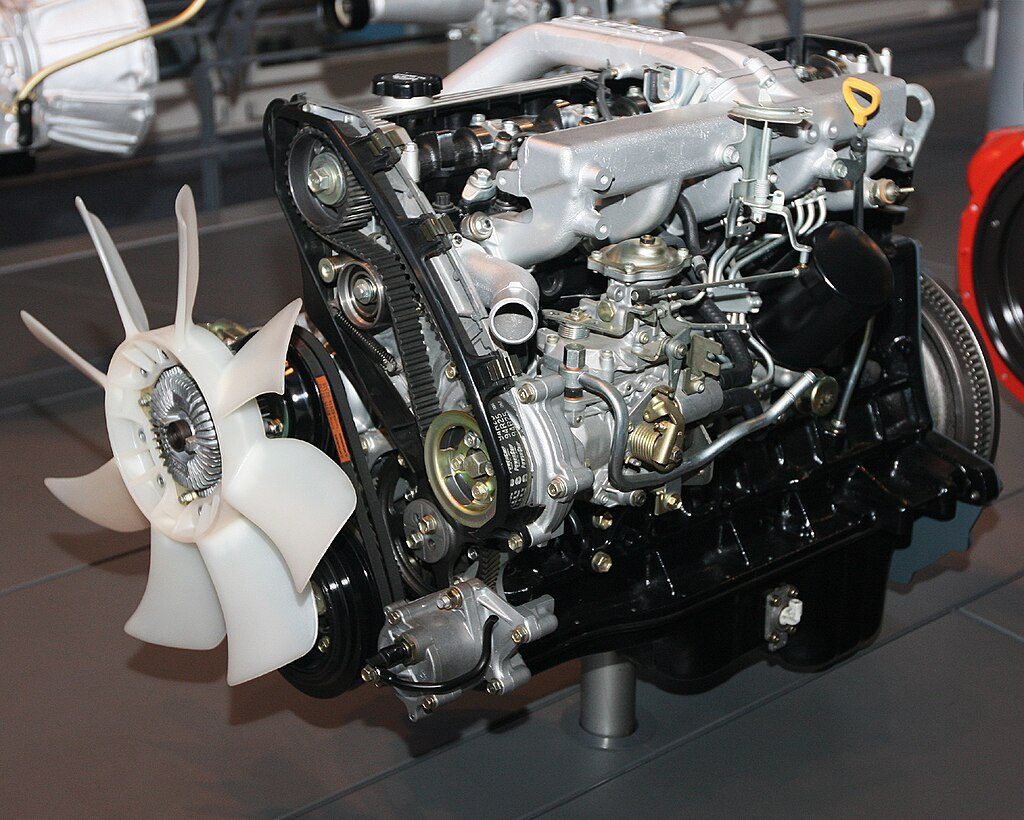
4.2 liters, 165 horsepower, cast iron construction, mechanical fuel injection — and a reputation earned in conditions that end other engines.
The 1HD-T’s 4.2-liter displacement and 165 horsepower are modest against modern specifications. The measurement that matters is different: the engine powered Land Cruiser HDJ80 and HDJ81 models across African, Australian, and Middle Eastern operating environments where poor fuel quality, extreme heat, and complete service infrastructure absence are routine rather than exceptional conditions. Cast iron construction and mechanical fuel injection removed the electronic dependencies that create failure modes in those environments.
The 1HD-T’s reputation accumulated through decades of field service in conditions where other engines failed and these kept running — not laboratory testing or controlled fleet operations, but the specific environments where reliability is measured by whether the vehicle starts and moves rather than by efficiency metrics. Simple maintenance requirements, parts support through Toyota’s global network, and engineering that treated durability as the primary objective rather than a secondary consideration produced the engine that earns the top position on a list evaluated by actual performance rather than specification sheets.