


Tens of millions of used cars change hands annually, each promising freedom but some delivering only headaches. Finding a reliable vehicle means learning to spot the models with undisclosed issues underneath polished paint and dealer talk. This guide reveals specific models like certain Nissan CVTs and Ford’s troublesome PowerShift transmissions that often become money pits. You will discover the critical inspection points that prevent buying a vehicle with more secrets than necessary. Anyone who has experienced a transmission deciding it prefers neutral to third gear on a backroad knows the value of checking under the hood before buying.
15. Nissan CVT Vehicles (Altima, Rogue, Sentra, Pathfinder)

Common failures occur between 40,000 and 90,000 miles, turning smooth commuters into financial anchors.
Many Nissan models, including the Altima, Rogue, Sentra, and Pathfinder, suffer from premature CVT transmission failure. Owner reports commonly document problems between 60,000 and 90,000 miles. The shuddering under acceleration, slipping, and delayed responses feel like a rhythm section suddenly losing the beat.
Some units fail even earlier, between 40,000 and 70,000 miles according to repair shop data. This stems from overheating and fluid breakdown, transforming smooth drives into series of uncertain lurches. While timely fluid changes every 30,000 to 60,000 miles help, they don’t eliminate the risk entirely.
Nissan extended warranties on certain CVT-equipped models, acknowledging widespread issues. The repair bill often dwarfs the car’s market value. Imagine the car dying on a long trip, two states away, leaving a dead transmission and a tow truck bill that exceeds what the vehicle is worth.
14. Ford PowerShift (DPS6) Transmission (Fiesta, Focus)
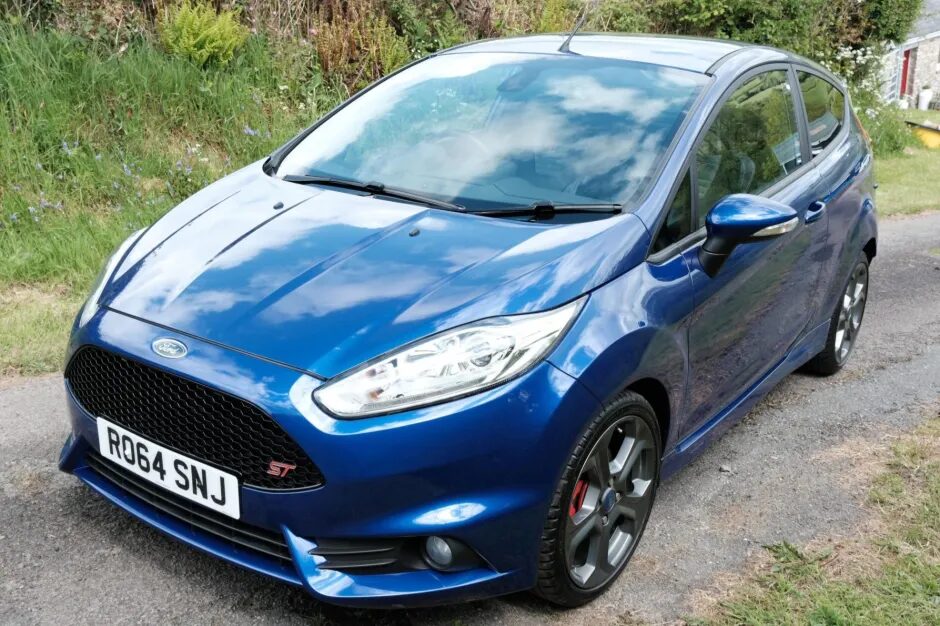
Dry dual-clutch design causes shuddering, slipping, and premature wear that turns city driving into a frustrating experience.
The Ford PowerShift (DPS6) dual-clutch transmission, fitted in 2011–2016 Fiesta and 2012–2016 Focus models, quickly earned a reputation for defects. This dry dual-clutch design causes shuddering, slipping, and harsh engagement. Owners reported bucking, jerking, hesitation, and delayed acceleration.
These issues stemmed from the dry clutch design and inadequate control software. This led to premature internal wear and frequent failures compared to conventional automatics. Navigating city traffic became a frustrating experience of lurches and slips.
For used car buyers, these models represent significant risk unless documentation shows successful long-term fixes. Repair costs for clutch and transmission components run high relative to vehicle value, making affected Fiestas and Focuses high-risk purchases.
13. Ford Fusion Automatic Transmission (1.5L/1.6L EcoBoost)
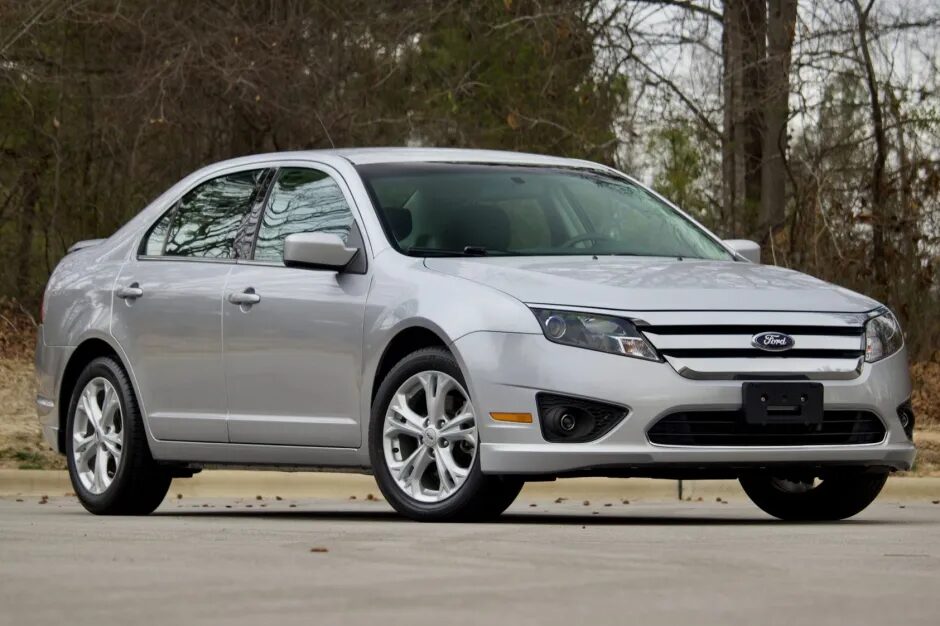
Transmission failures around 50,000 miles turn “lifetime fluid” claims into expensive lessons about maintenance reality.
Many Ford Fusion owners, particularly those with 1.5L and 1.6L EcoBoost engines, discover automatic transmissions begin harsh shifting or slipping at alarmingly low mileage. Some owners report needing full replacement around 50,000 miles, according to warranty claim data.
While Ford describes transmission fluid as lasting the vehicle’s entire life in marketing materials, technical sources and independent shops recommend regular fluid changes every 60,000 miles to significantly extend lifespan. This mismatch between manufacturer claims and real-world experience leaves buyers vulnerable.
A used Fusion buyer could face estimated replacement costs approaching $4,000, dramatically reducing the car’s value. Diligent service records become crucial; without them, the purchase represents a gamble on costly repairs.
12. Chevrolet Equinox (FWD Powertrain)

GM 2.4L engines develop notorious oil consumption issues that turn low purchase prices into expensive engine work.
The Chevrolet Equinox carved out a significant niche in the compact SUV market with its accessible price point. However, earlier model years with front-wheel-drive powertrains often masked underlying mechanical vulnerabilities. Many vehicles equipped with GM 2.4L engines developed notorious reputations for excessive oil consumption and internal wear.
Owners frequently reported needing to add oil between changes. Some faced complete transmission failures. The initial low purchase price can quickly evaporate when engine work looms.
The cost to repair often approaches or exceeds the vehicle’s meager resale value. Without comprehensive service history detailing meticulous maintenance, especially fluid changes, high-mileage examples are best approached with extreme caution.
11. Chevrolet Traverse (FWD Powertrain)
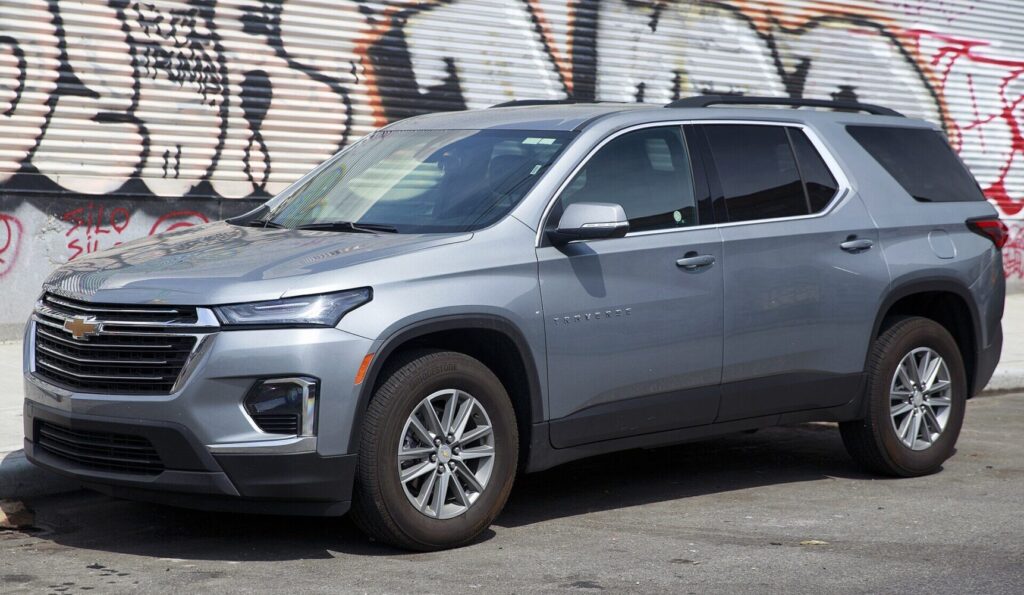
Transmission failures at moderate mileage lead to repair bills that frequently exceed high-mileage vehicle values.
A sudden lurch and distinct shudder often signal trouble for Chevrolet Traverse owners. Older front-wheel-drive models, sharing GM V6 engine and automatic transmission families, have accumulated concerning owner complaints. Minor issues like harsh shifting or slight slipping often escalate.
This leads to complete transmission failure at moderate mileage. Such mechanical failure can derail family road trips, turning open roads into stranded ordeals. The financial burden is significant.
Estimated replacements frequently cost between $3,500 and $5,000. For high-mileage vehicles, this often surpasses market value. Verifying diligent service records and consistent fluid changes is critical before purchase.
10. Chevrolet Cruze (FWD Powertrain)

Coolant leaks, chronic overheating, and transmission problems create repair bills that outweigh rapidly depreciating values.
The Chevrolet Cruze frequently presents itself as an affordable entry into the used car market. It promises dependable transportation for pennies on the dollar. However, certain model years of the front-wheel-drive Cruze can quickly become fiscal sinkholes.
Hidden issues like coolant leaks and chronic overheating plague some examples. The automatic transmission, notorious for shuddering, slipping, or rough shifting when fluid changes are neglected, performs unpredictably. A major powertrain repair, such as engine or transmission replacement, can easily outweigh the car’s rapidly depreciating market value.
Buyers might pick up a used Cruze for a few thousand dollars, only to face repair bills for $3,000 to $5,000 for a new transmission. Poorly maintained examples are high-risk purchases best avoided.
9. Toyota RAV4 (2.5L 4-Cylinder)

The 2.5L four-cylinder often cruises past 200,000 miles, delivering reliability that maintains strong resale value.
Engines that regularly outlast their initial loans are rare. The Toyota RAV4’s 2.5L four-cylinder often cruises past 200,000 miles with proper maintenance, according to reliability data. This engine delivers consistent, dependable performance.
Overall transmission reliability is markedly better than many competitors. This dependability directly translates to strong resale value. Repair costs rarely exceed the vehicle’s worth, unlike some competitors.
Buyers can confidently plan cross-country road trips knowing the RAV4 will reliably cover the miles. For used-car buyers, this solid track record ensures peace of mind, making the RAV4 a top recommendation that holds its value.
8. 2011 Honda Pilot (3.5L V6)

Piston ring fouling in certain J35 V6 engines causes oil consumption issues that require careful pre-purchase inspection.
Even Honda, a brand celebrated for engineering, encountered a critical flaw in some 2009-2012 J35 V6 engines. Infrequent oil changes allowed piston rings to gum up. This let oil seep into combustion chambers, fouling spark plugs and causing persistent misfires.
Buyers might find a pristine Pilot, only for pre-purchase inspection to reveal it’s burning oil excessively. Honda issued technical communications and class settlements addressing these oil-consumption issues. This problem turns an otherwise capable family hauler into a potential money pit.
For these Pilots, rigorous engine condition checks and comprehensive service records are essential. Documentation helps buyers steer clear of engines with hidden consumption problems.
7. GM 4L60/4L60E Automatic Transmission (Chevrolet Trucks/SUVs)

Dark, burnt-smelling fluid signals severe internal wear that leads to rebuild or replacement costs up to $4,000.
Pulling the transmission dipstick on a used Chevrolet truck or SUV offers an immediate health report. Dark, burnt-smelling fluid indicates severe internal wear. This condition signals burnt clutches, causing slipping, harsh shifting, or complete loss of gears.
The GM 4L60 and 4L60E have a history of premature failure. This occurs especially under heavy towing or with neglected fluid. Healthy fluid must always be red, not brown or black.
When a buyer inspecting a used truck catches that acrid odor, it’s a critical warning. This problem often means substantial rebuild or replacement costs, potentially reaching $2,500 to $4,000 based on typical shop estimates.
6. Toyota and Honda (General Reliability)
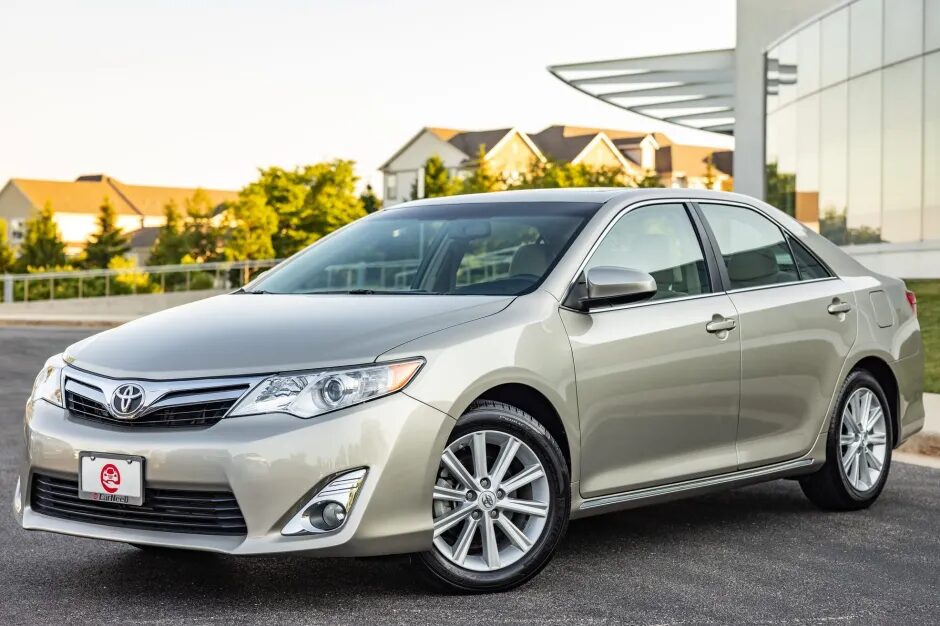
Mainstream 4-cylinder engines and conventional automatics often exceed 200,000 miles with proper maintenance.
Toyota and Honda are consistently rated among the most reliable mainstream automakers, according to Consumer Reports. Their common 2.5L 4-cylinder engines from Toyota and Honda’s naturally aspirated 4-cylinders, paired with conventional automatic transmissions, deliver dependable performance. These powertrains often exceed 200,000 miles with proper maintenance.
Overall powertrain failure rates are significantly lower than brands with widespread CVT or dual-clutch transmission issues. A pragmatic buyer knows that consistent dependability beats fleeting trends. For used-car buyers seeking low risk and long-term value, these brands remain strong candidates.
5. Vehicle History & Maintenance Records
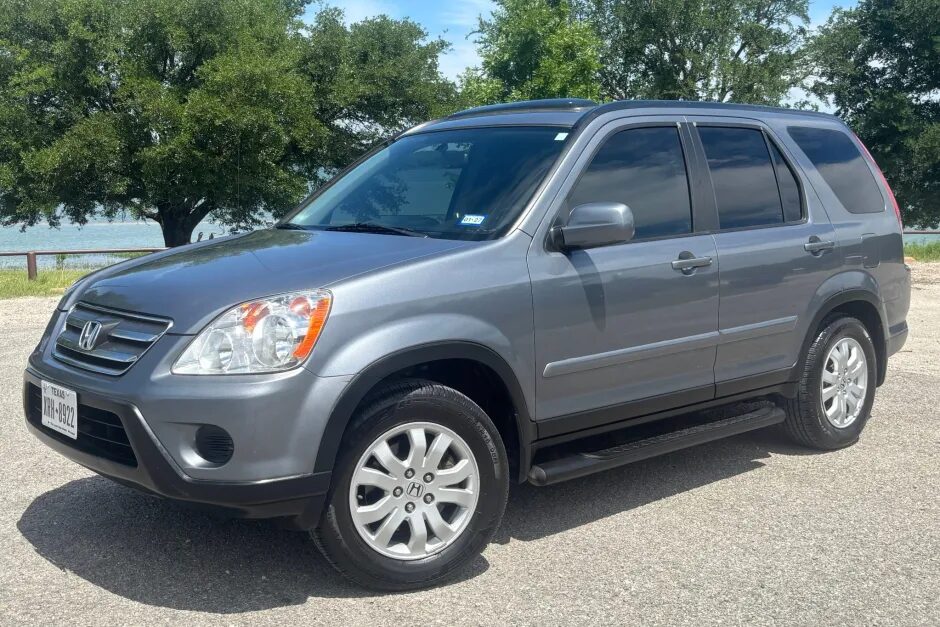
Documented service history provides concrete evidence of care; its absence signals hidden risks worth avoiding.
The most revealing secret a used car holds isn’t in the paint or even under the hood. It’s hidden in documentation—or more accurately, in its absence. A glossy finish can’t hide neglected maintenance.
Take a Honda Pilot, for example: its 3.5L V6 J35 series engine, while robust, is known for piston ring fouling if oil changes are infrequent. This leads to persistent oil consumption. Without service records, buyers navigate blind, unaware of hidden dangers.
A car that initially seems like a steal can quickly become an anchor if vital service has been skipped. Buyers might get charmed by a smooth test drive and spotless interior, only to open the glovebox and find no paperwork, no receipts, just empty space. A clear, documented history isn’t just a preference—it’s concrete evidence of care.
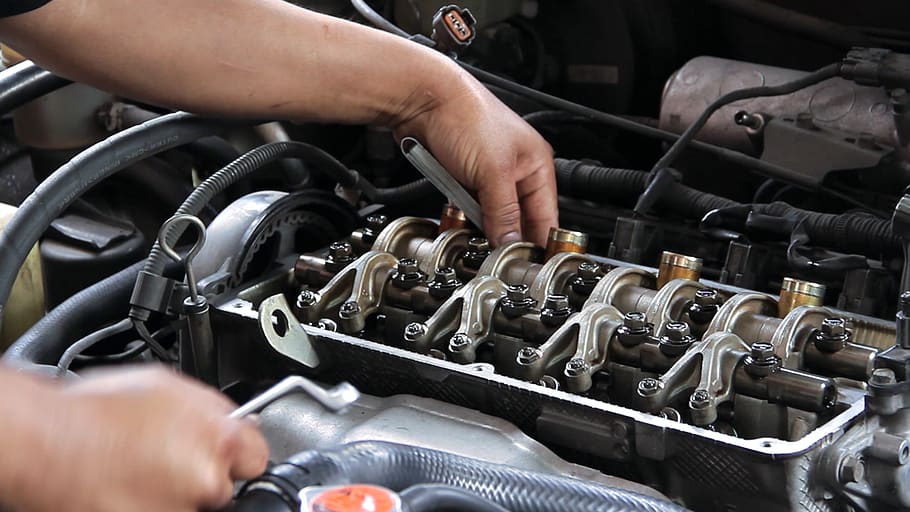
4. Under-Hood Inspection (Dirty Engine Bay, Battery, Leaks)
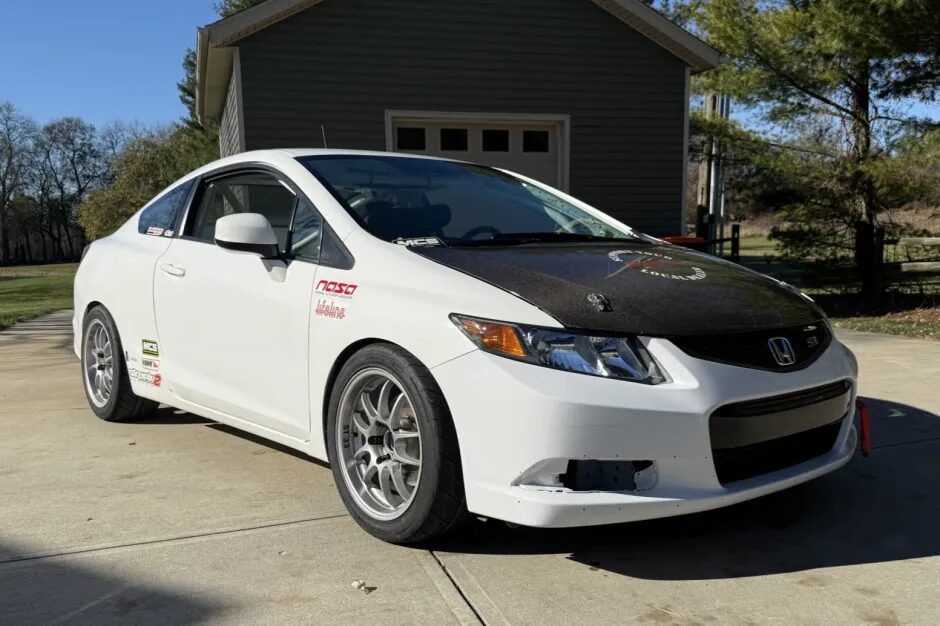
Grime, water residue, and amateur wiring reveal lax maintenance and dubious repairs that signal deeper problems.
The engine bay tells a compelling story of a vehicle’s past. Buyers might find a pristine-looking car whose engine bay is coated in grime—an immediate red flag signaling lax maintenance.
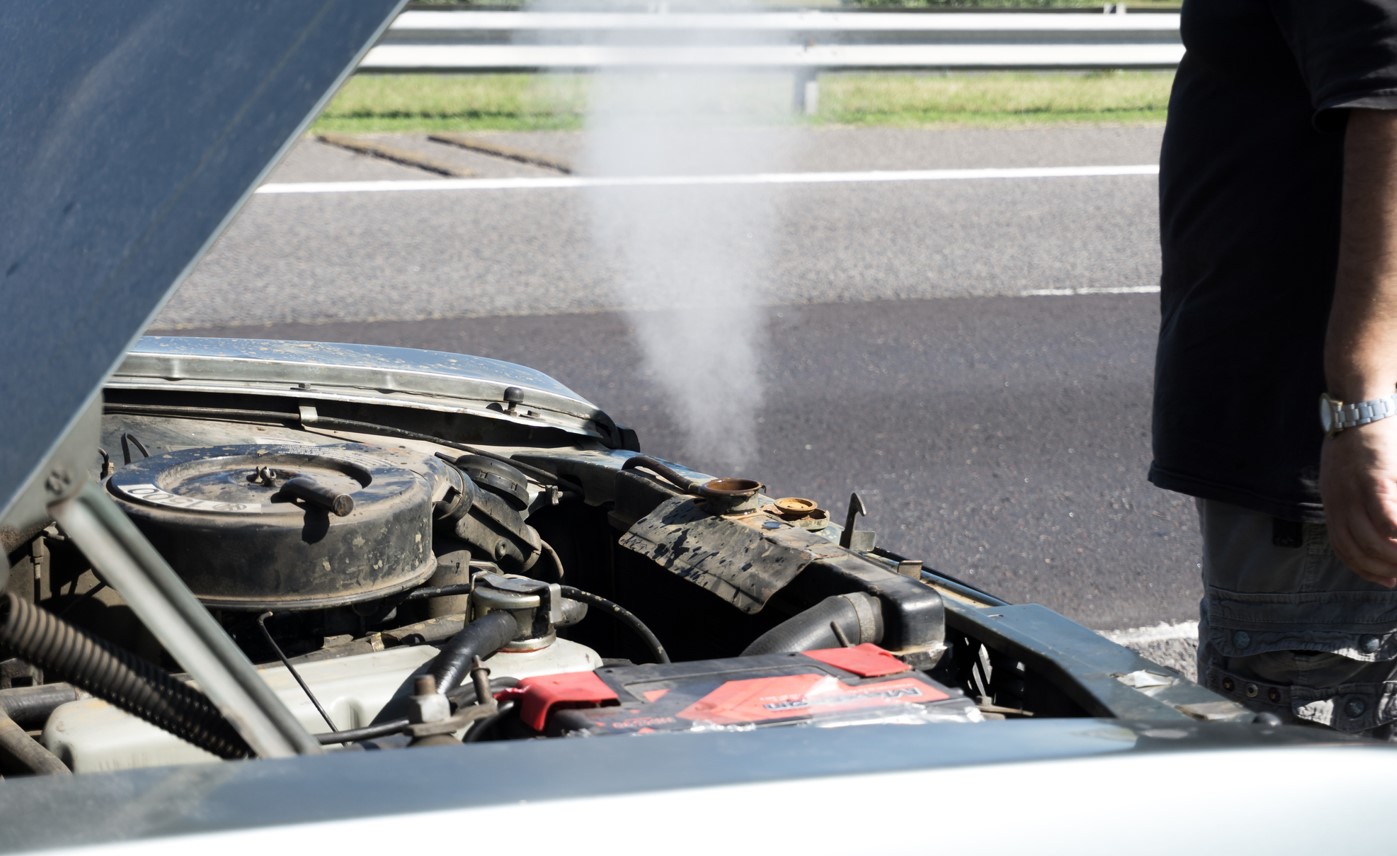
Scrutinize specific indicators. Water residue resembling old milk near hose connections suggests past coolant leaks. A new battery in an old bay could point to recent electrical woes. Exposed, amateur-looking wiring on a newer car signals dubious repairs.
Fresh wrench marks on critical bolts also warrant inspection. These visual clues offer invaluable insight into a car’s true condition and potential hidden issues.
3. Under-Car Inspection (Leaks, Rust, Accident Damage)
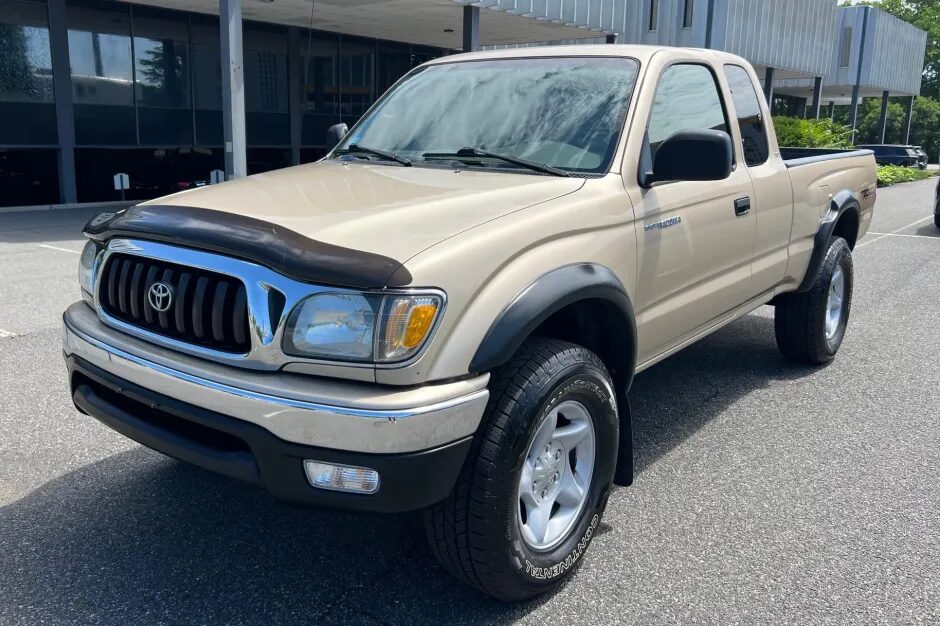
Structural rust and bent components reveal past accidents or corrosion that can effectively total unibody vehicles.
Every seasoned mechanic understands that a vehicle’s true condition often hides beneath its surface. Engine oil and transmission pan leaks appear as dark, spreading patterns signaling internal distress. Rust presents a more insidious threat.
On body-on-frame trucks, main frame rust can compromise structural integrity. Unibody vehicles, such as certain Nissan Altima models, demand closer inspection. Extensive floor pan rust can effectively total the vehicle, even if the exterior appears pristine.
Buyers might spot a clean crossover, only to find its underside riddled with perforated rust. Bent components, like crushed frame rails, clearly indicate past accidents. Structural corrosion remains one of the biggest red flags.
2. Fluid Checks (Oil, Transmission Fluid, Coolant)

Milky oil, burnt transmission fluid, and low coolant reveal internal problems before dashboard lights flicker.
The condition of vital fluids offers a direct window into internal health. When inspecting engine oil, note its texture, color, and smell. A milky appearance indicates water contamination, a tell-tale sign of a potentially blown head gasket.
Any metallic flakes suggest severe internal wear. A gas smell points to fuel system issues. Pull the transmission fluid dipstick next, checking for a vibrant red hue. If it appears dark brown or black with a distinct burnt odor, it signals burnt clutches within the transmission.
That burnt transmission fluid is a clear sign of trouble brewing. Next, examine the coolant reservoir: its level should be consistent and the fluid clear. A low level could signify a leak or, worse, an internal engine problem. When buyers find these red flags—milky oil, burnt transmission fluid, or a dry coolant tank—they represent vital signs screaming for attention.
1. Engine Running Condition & Test Drive
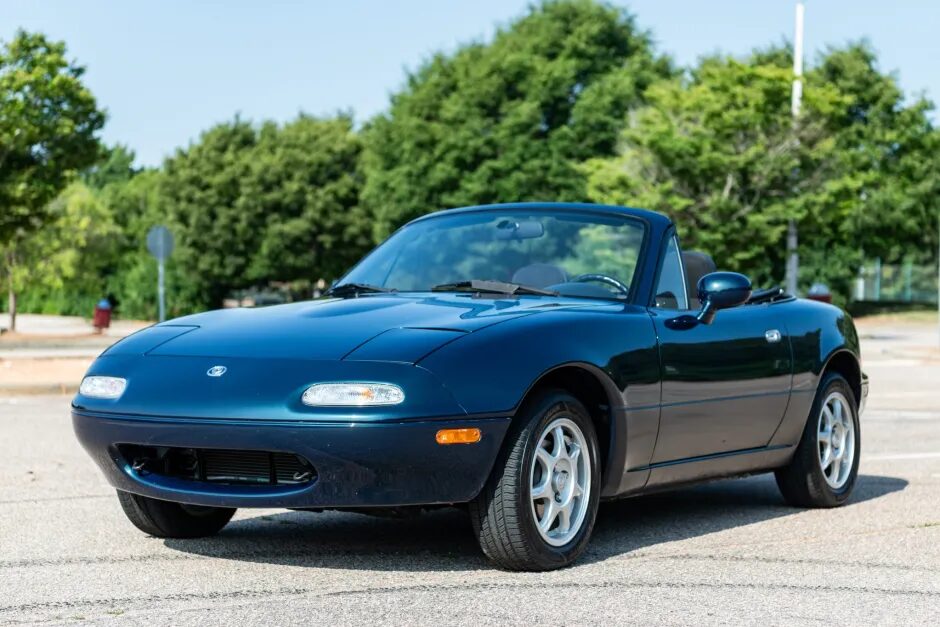
Cold starts, city crawls, highway merges, and winding roads reveal hidden problems that static inspections miss.
A rhythmic knock from a cold engine serves as an immediate red flag, signaling significant internal wear. Always start the car cold, letting it idle to check for irregular rhythms. Engines that run smoother when warm often mask deeper problems.
Hit the city streets for 10 to 15 minutes of stop-and-go, observing how the transmission shifts and the brakes respond. Next, find an open stretch for 5 to 10 minutes of highway driving, pushing through the gears to ensure smooth acceleration without hesitation or weird smells.
Then, take it onto winding roads. This varied terrain reveals everything: a subtle suspension clunk or a brake shudder that only appears under hard deceleration. It confirms a vehicle’s true character, far beyond any static inspection.