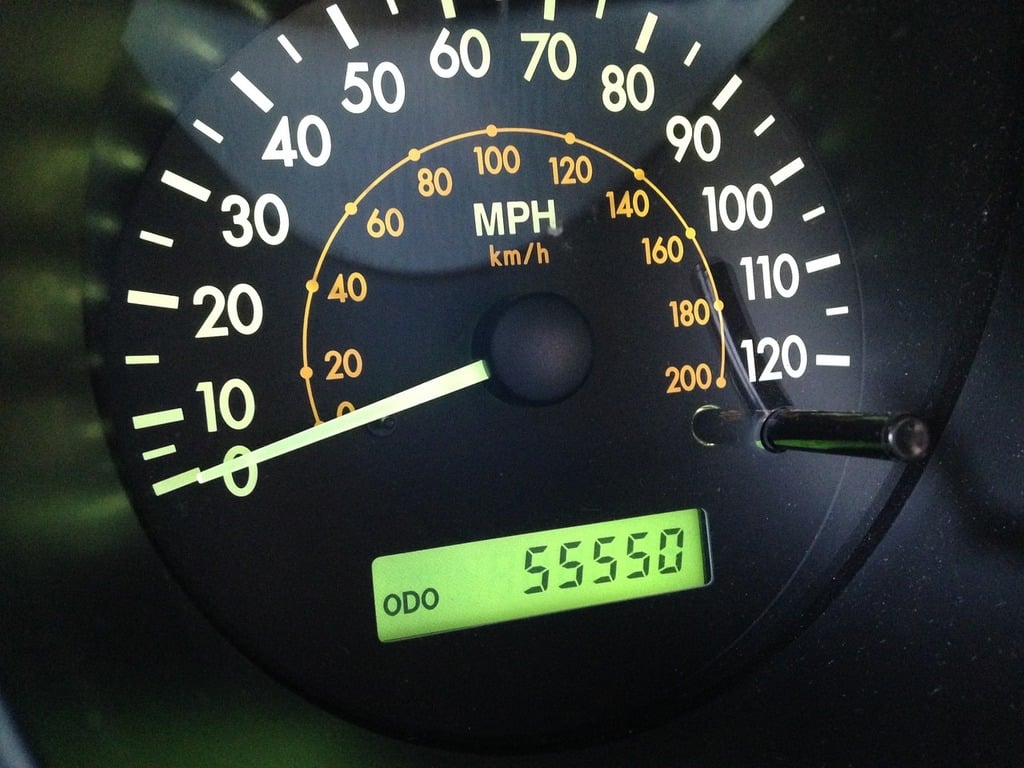


Reliability data accumulates slowly and honestly — it shows up in Consumer Reports surveys, in taxi fleet procurement decisions, in the used car market where high-mileage examples hold value, and in the odometer readings that owners document and share. The thirteen vehicles below earned their positions through that kind of evidence rather than manufacturer claims. Several of them have documented cases exceeding 300,000 miles on original major components. The Toyota Prius, which skeptics spent years predicting would fail at high mileage, has accumulated a taxi fleet record that is now difficult to argue with. Consumer Reports rankings, owner satisfaction surveys, and real-world high-mileage testimonials inform every entry on this list.
13. Toyota Corolla (Exterior)
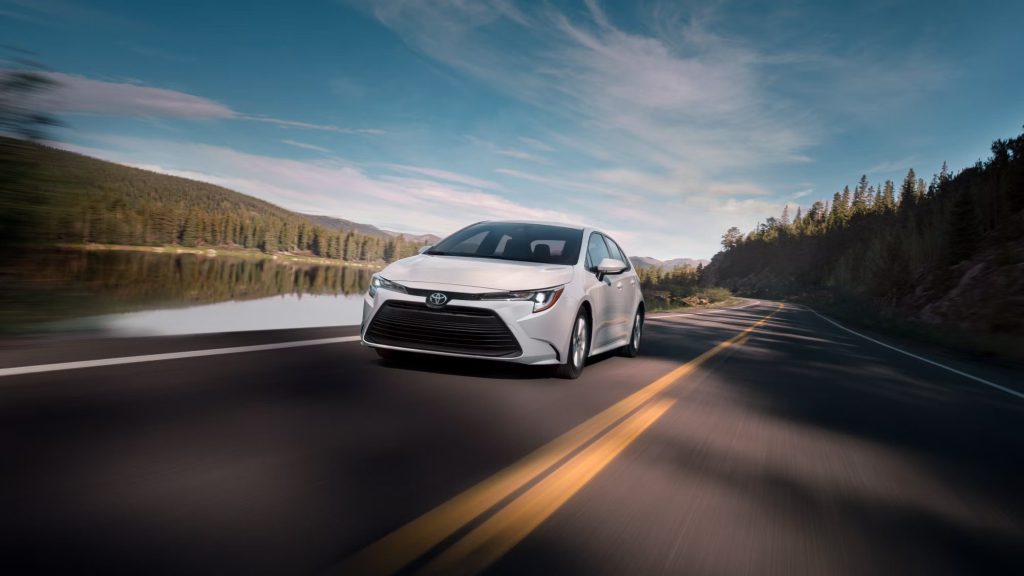
The model that built its reputation by being consistently unremarkable to own.
The Corolla’s reliability record comes from a specific engineering philosophy: keep systems simple, refine problems out of each generation, and avoid adding complexity that creates new failure modes. The result is a vehicle whose owners routinely cross 200,000 miles on nothing beyond routine maintenance, with documented cases well past 300,000 miles. The Corolla does not generate enthusiasm from automotive press, which is an accurate reflection of what it is trying to do.
Toyota Corolla (Interior)
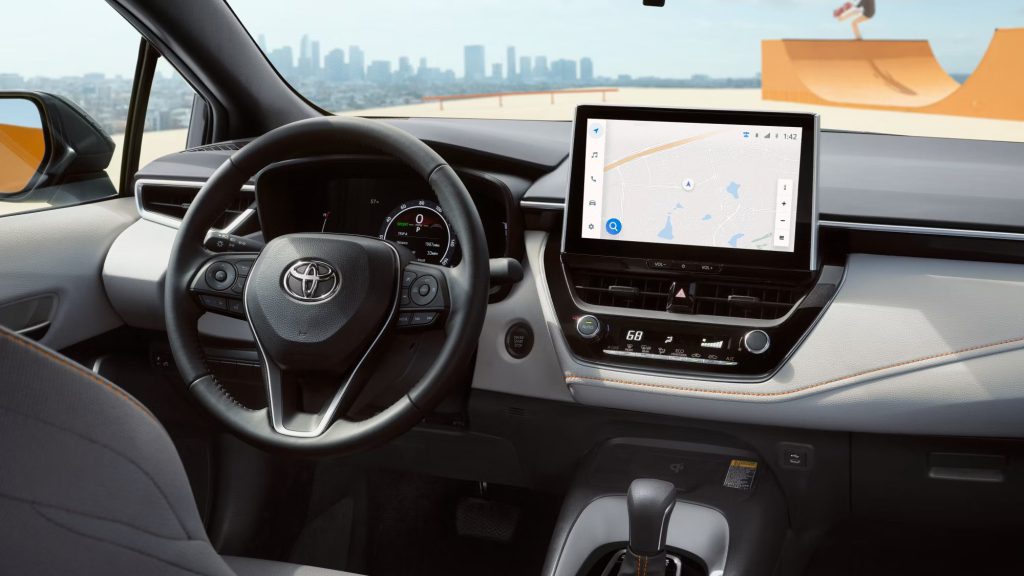
Current generations maintain the reliability baseline while adding modern safety technology and improved fuel economy — improvements applied without disrupting the mechanical fundamentals that produced the long-term track record. For budget-conscious buyers whose primary requirement is low total cost of ownership over many years, the Corolla’s value proposition has not changed in decades.
12. Honda Civic (Exterior)
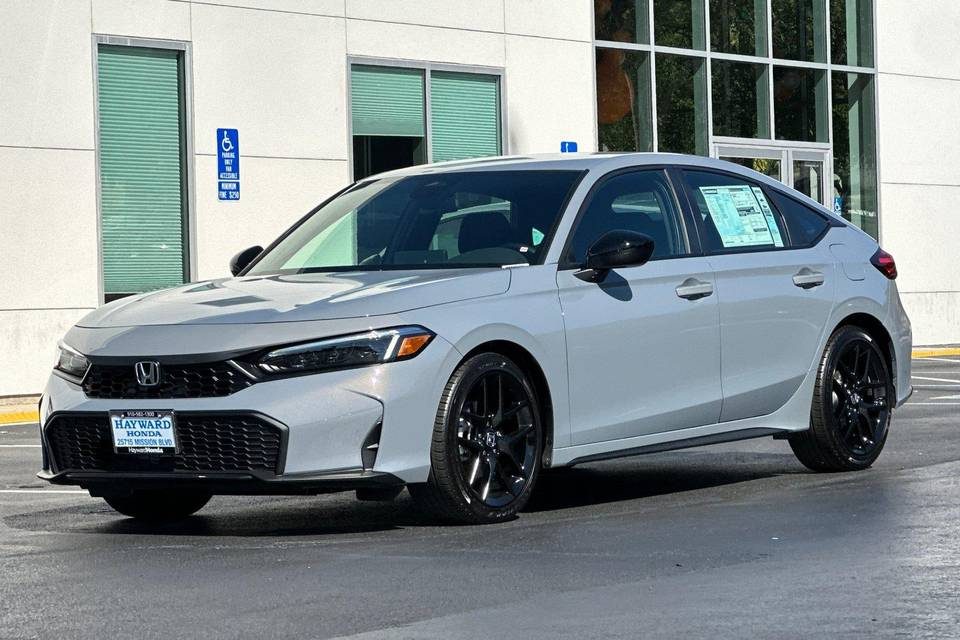
Dependable engineering that does not require sacrificing driving character.
The Civic’s reliability stems from robust powertrain design and Honda’s systematic approach to resolving issues across generations rather than carrying problems forward. The driving experience is more engaging than the Corolla — a specific advantage for buyers who will spend significant daily time behind the wheel and want the ownership to feel like a choice rather than a concession.
Honda Civic (Interior)
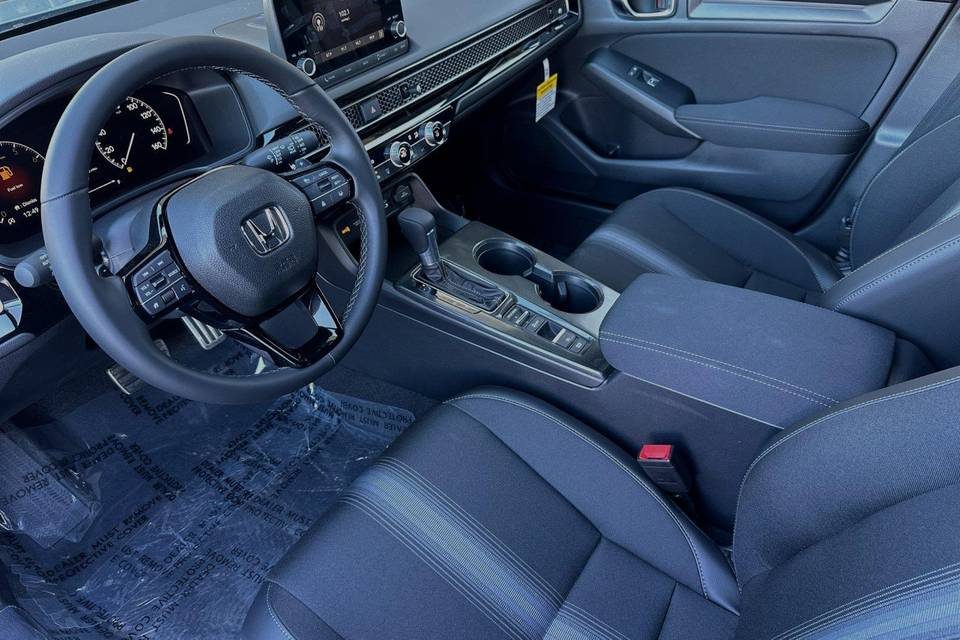
High-mileage Civic ownership is common enough to be unremarkable among Honda owners — 300,000-mile examples with minimal major repairs are well documented. Current generation body styles and trim levels give buyers configuration options while maintaining the mechanical reliability that previous generations established. The Civic earns its position by consistently delivering on both the ownership cost and driving quality sides of the equation.
11. Honda Accord (Exterior)
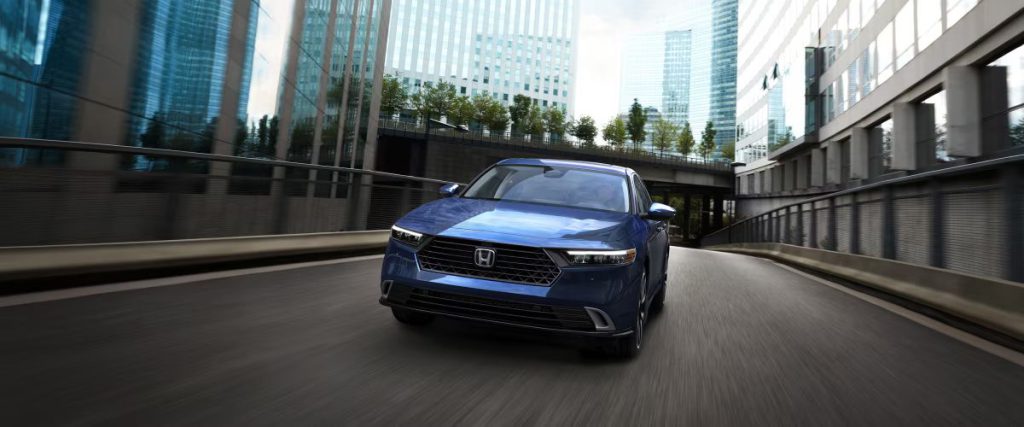
Mid-size reliability with enough space and refinement to justify long-term commitment.
The Accord balances comfort, features, and reliability through conservative powertrain engineering and extensive real-world testing before production changes are made. The philosophy is consistent across generations: refine what works, avoid adopting new technology before it is proven, and maintain the mechanical simplicity that produces low long-term ownership costs.
Honda Accord (Interior)
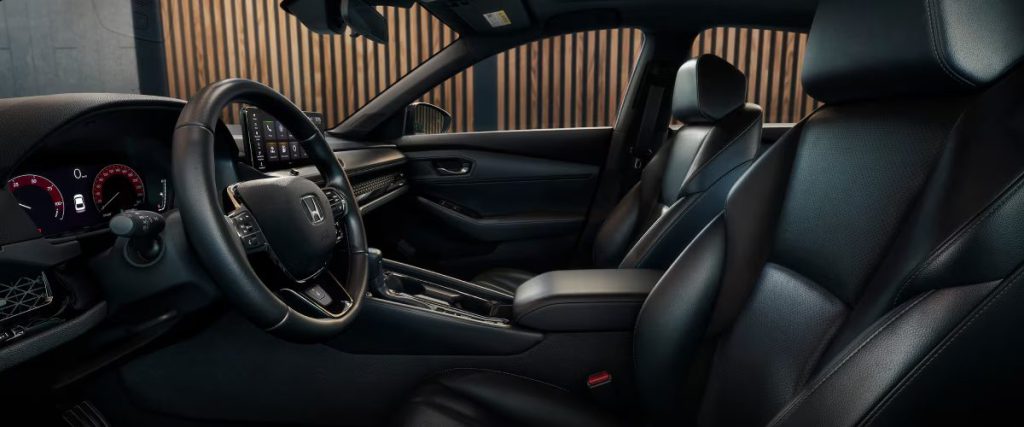
Consumer Reports consistently places recent Accord models among the most reliable mid-size sedans. Owners who follow basic maintenance schedules report exceptional longevity, and the spacious interior and available manual transmission give the Accord practical and driver-focused appeal that most mid-size sedan competitors do not offer simultaneously.
10. Toyota Camry (Exterior)
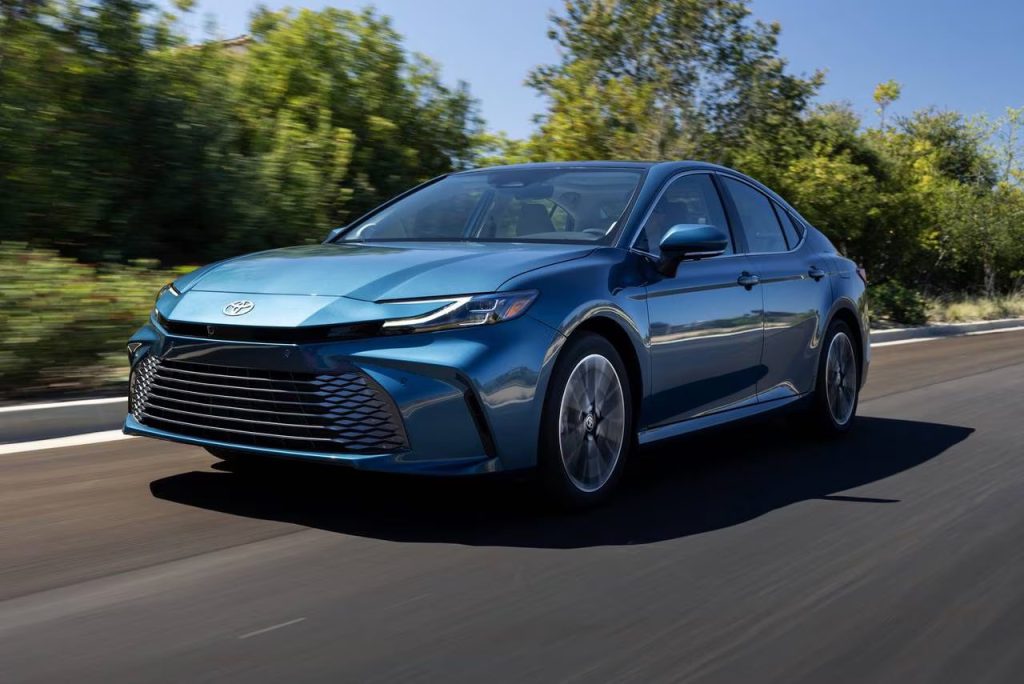
America’s best-selling sedan built its position through accumulated ownership evidence.
The Camry’s sales volume reflects Toyota’s specific engineering approach: improve what exists rather than reinvent, and avoid introducing new problems while solving old ones. Many examples exceed 200,000 miles, and documented cases reaching 400,000 miles with original major components exist in sufficient number to be cited as data points rather than anomalies.
Toyota Camry (Interior)
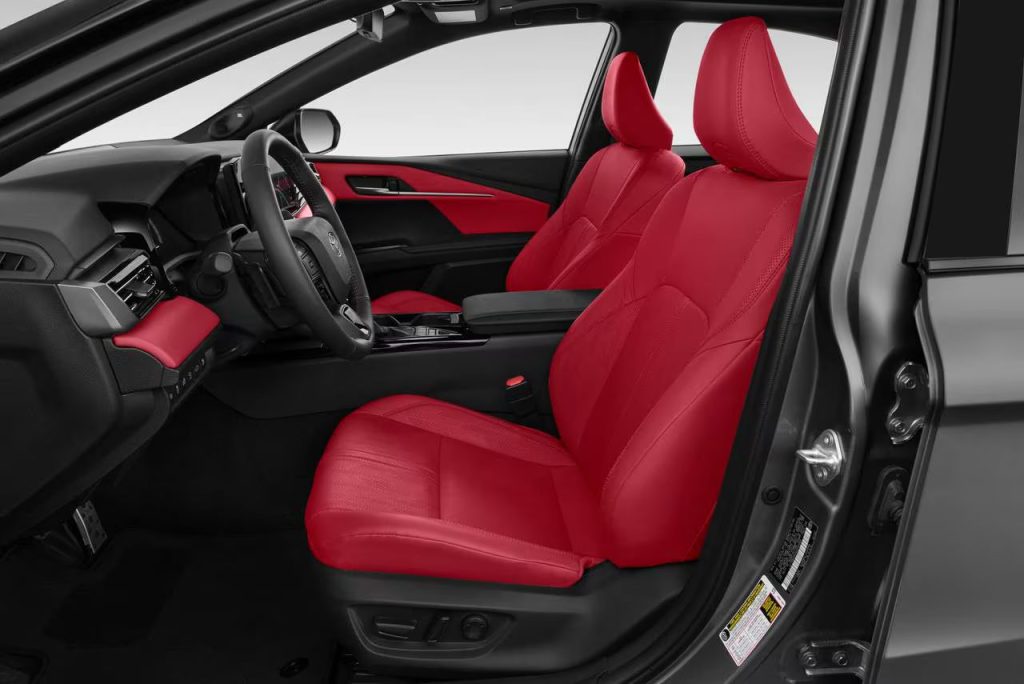
Toyota’s national dealer network ensures parts availability and service expertise across markets, which reduces the ownership friction that plagues less common vehicles at high mileage. The hybrid variant extends the reliability record into electrified territory, and fleet buyers’ continued preference for the Camry reflects the same ownership cost calculation that individual buyers make when they choose it over alternatives.
9. Toyota RAV4 (Exterior)
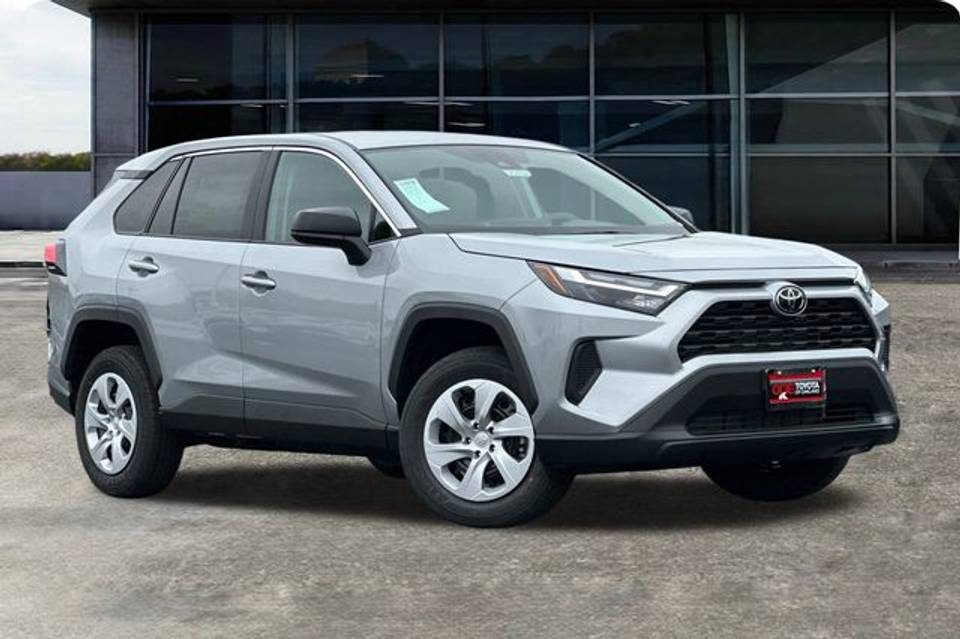
Toyota’s sedan reliability formula applied to the compact SUV segment.
The RAV4’s all-wheel-drive system and proven powertrains are designed to deliver what most buyers actually need from an SUV without the mechanical complexity that generates the reliability problems that plague competitors in the segment. Toyota applied the same conservative engineering approach to the RAV4 that produced the Camry and Corolla’s track records, and the results over time have been consistent.
Toyota RAV4 (Interior)
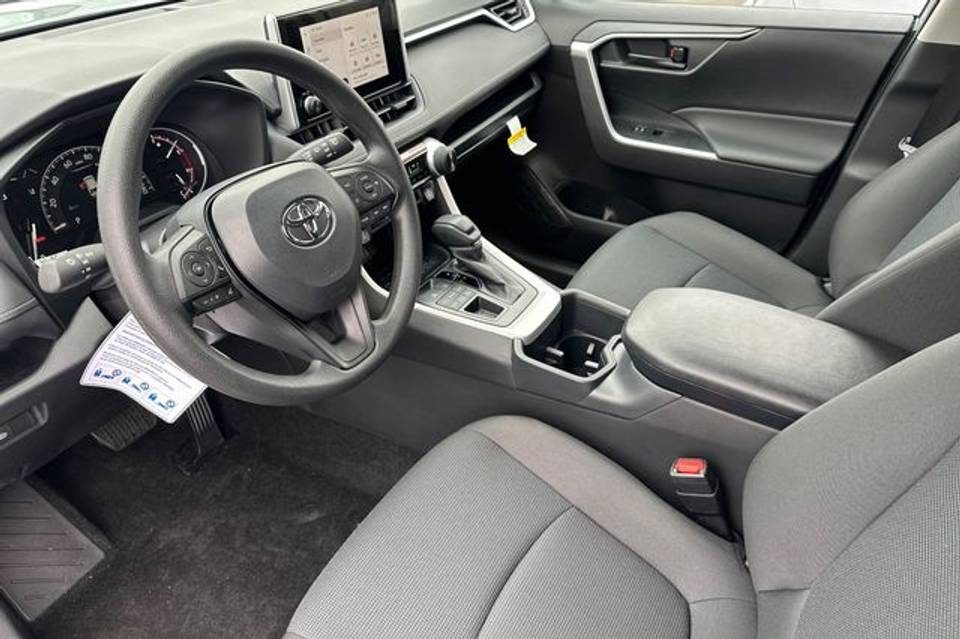
High-mileage RAV4 ownership is increasingly well documented, with many examples reporting trouble-free operation beyond 200,000 miles. Current generations add advanced safety features and expanded interior space without disrupting the mechanical fundamentals. The RAV4 is the compact SUV that buyers choose when the priority is long-term ownership cost rather than the most current specification sheet.
8. Subaru Outback (Exterior)
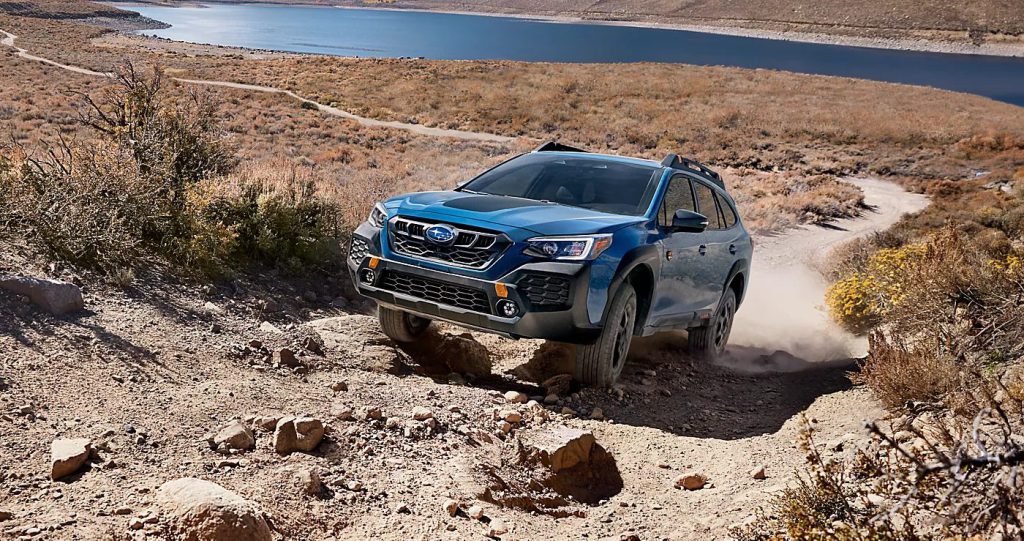
Boxer engine, symmetrical AWD, and a reliability record built in climates that test both.
The Subaru Outback earns its reliability reputation specifically in the harsh climate use cases where all-wheel drive is essential rather than optional. The boxer engine layout and symmetrical AWD system were designed for durability rather than maximum performance output — an engineering priority that reflects the Outback’s actual buyer profile and usage environment.
Subaru Outback (Interior)
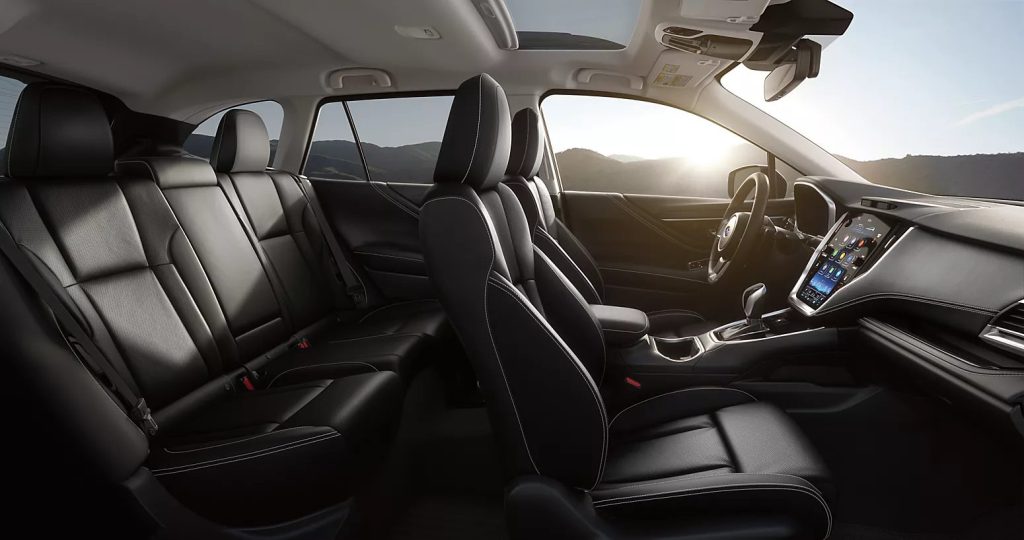
Many Outback examples surpass 250,000 miles with proper maintenance, earning particular loyalty from owners in snow-prone regions who depend on year-round capability without seasonal compromises. Consumer Reports consistently ranks Subaru among the most reliable brands, with the Outback as the specific model that demonstrates the company’s engineering philosophy most completely.
7. Lexus ES (Exterior)
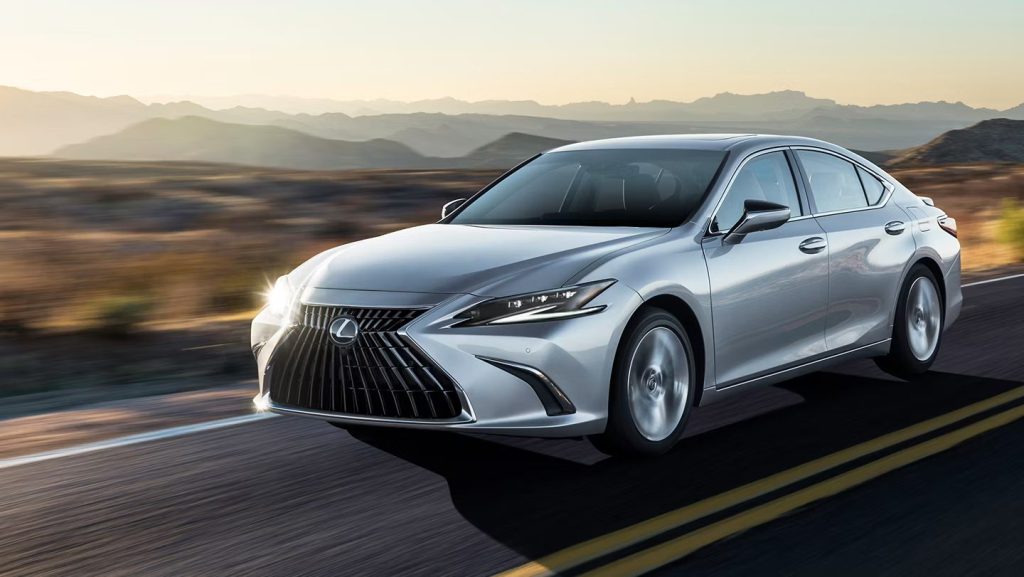
Camry mechanicals with premium materials and refinement added without disrupting the reliability foundation.
The ES shares fundamental architecture with the Toyota Camry, which means its reliability baseline is the Camry’s — a well-established standard — with premium materials, additional sound deadening, and increased feature content added on top. The Lexus positioning adds maintenance cost relative to the Camry, but the underlying mechanical longevity is the same proven platform.
Lexus ES (Interior)
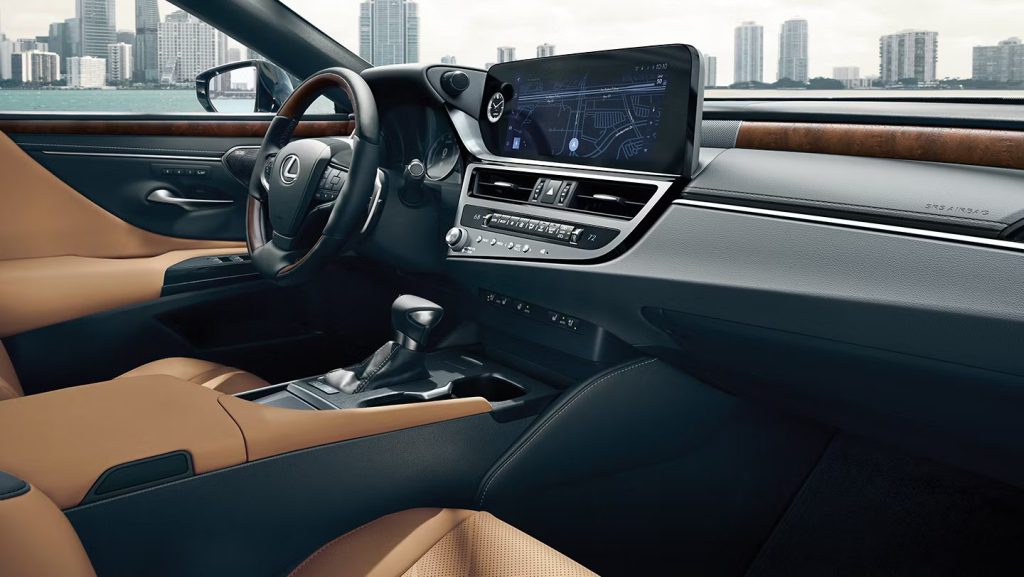
Owners routinely report crossing 200,000 miles with minimal major repairs. The Lexus dealer network ensures service availability for hybrid-specific components, and the hybrid variants extend the reliability tradition while delivering fuel economy that compounds the ownership cost advantage over time. The ES is the vehicle for buyers who want luxury car quality without the luxury car repair bill pattern at high mileage.
6. Honda CR-V (Exterior)
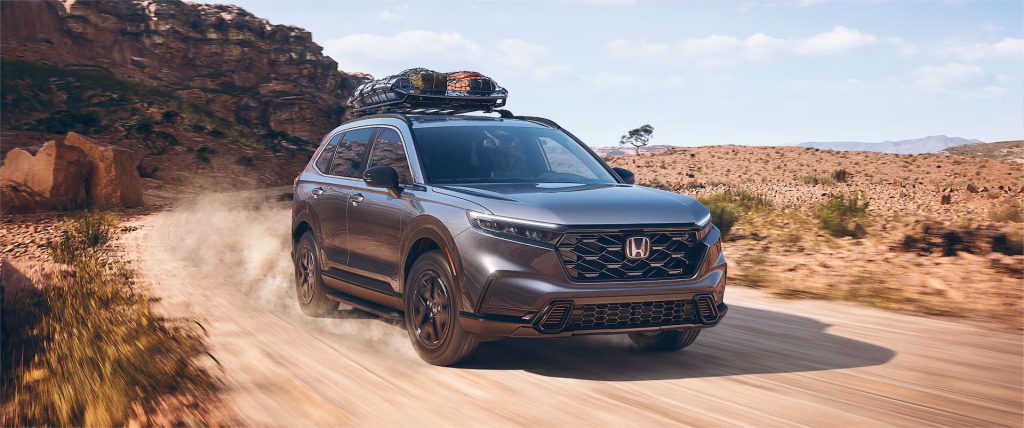
Honda’s compact SUV built on the same philosophy as the Civic — proven components over cutting-edge technology.
The CR-V’s mechanical simplicity and Honda’s quality control processes produce a compact SUV that consistently earns high reliability ratings from Consumer Reports and strong owner satisfaction scores. Honda’s approach to the segment prioritizes proven components rather than the latest technology — a decision that pays off at high mileage when the vehicles that adopted complex systems early are generating expensive repair bills.
Honda CR-V (Interior)
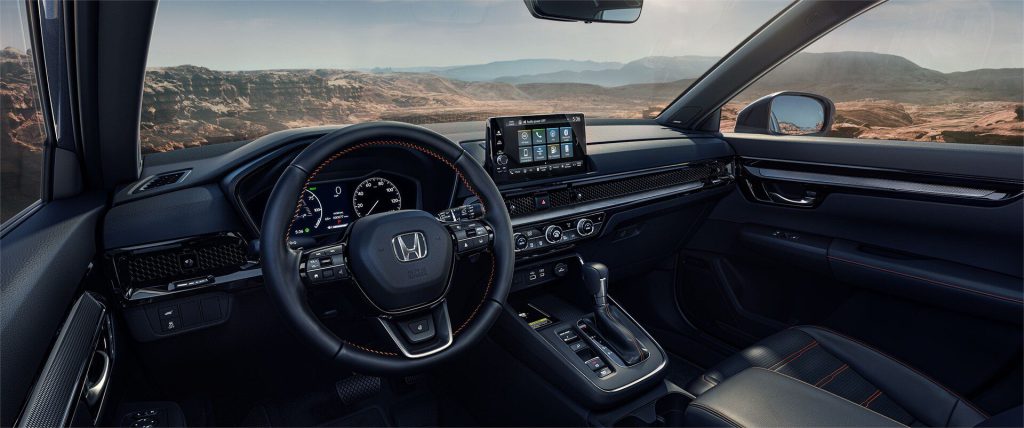
Many CR-V examples exceed 200,000 miles on routine maintenance. The spacious interior and cargo area make it practical for families at any point in a long ownership timeline, and current generations add modern connectivity without compromising the mechanical reliability that defines the model across its production history.
5. Toyota 4Runner (Exterior)
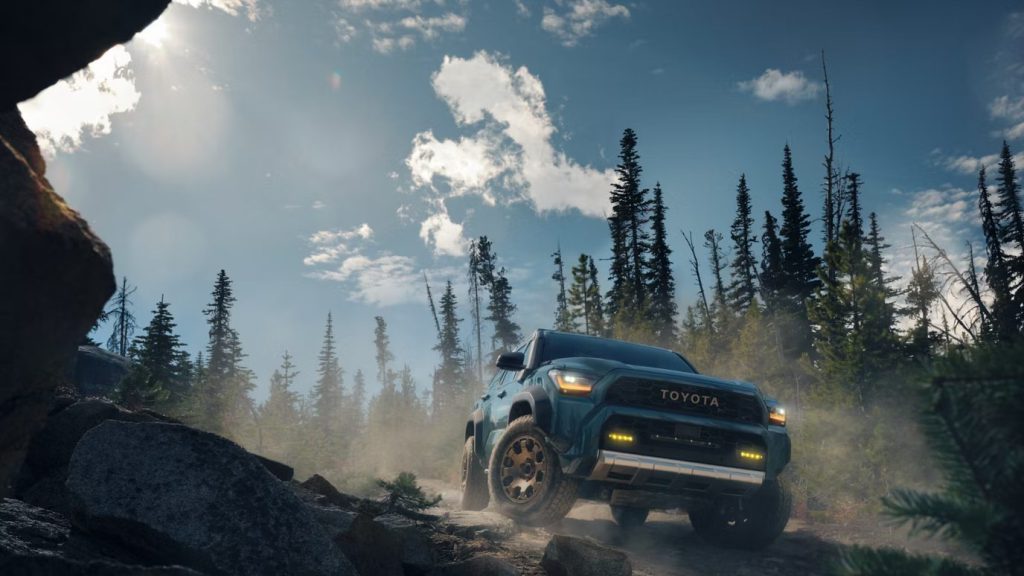
Body-on-frame construction while the rest of the SUV segment moved to car platforms.
The 4Runner maintained traditional truck-based construction when most SUV manufacturers shifted to unibody platforms for fuel economy and handling improvements. That choice costs fuel economy and on-road refinement, and it produces a vehicle capable of extreme longevity — many examples surpass 300,000 miles with original major components, particularly when used for the serious off-road capability the platform was built to handle.
Toyota 4Runner (Interior)
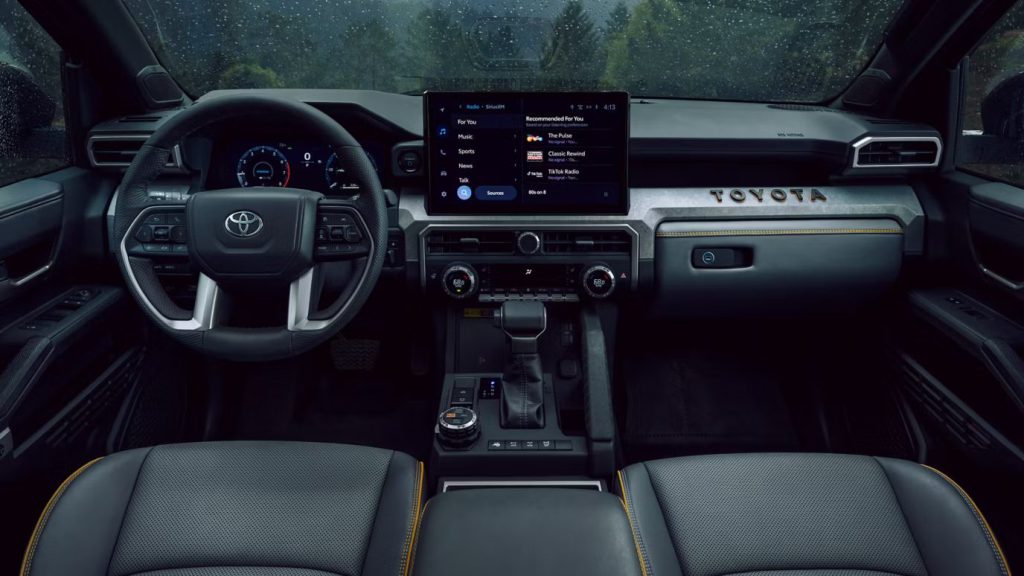
Simple mechanical systems mean repairs are typically straightforward and parts remain available for decades after production. Fleet buyers and outdoor enthusiasts value the 4Runner’s ability to absorb abuse across demanding use cases while remaining reliable for daily transportation — a combination that the unibody alternatives optimized for urban use cannot replicate.
4. Toyota Tacoma (Exterior)
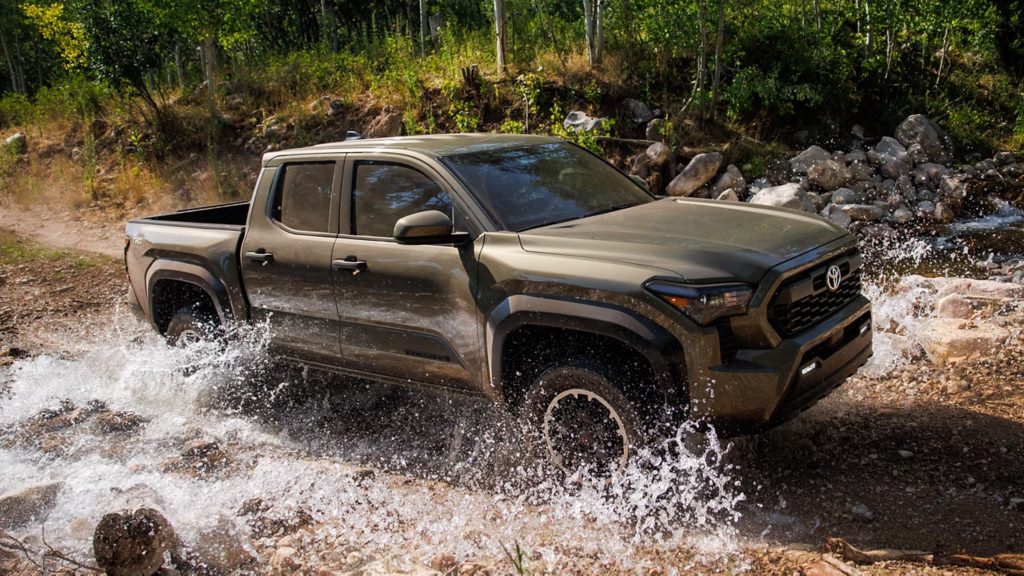
Mid-size truck capability with car-based reliability — a combination the resale market consistently rewards.
Toyota’s mid-size pickup applies the same conservative engineering approach to truck duty that produced the Camry and Corolla’s passenger car reliability records. The Tacoma handles both weekend recreational use and daily commuting without the specification compromises that full-size trucks require in urban environments. Real-world testing in demanding conditions informs each generation’s engineering decisions.
Toyota Tacoma (Interior)
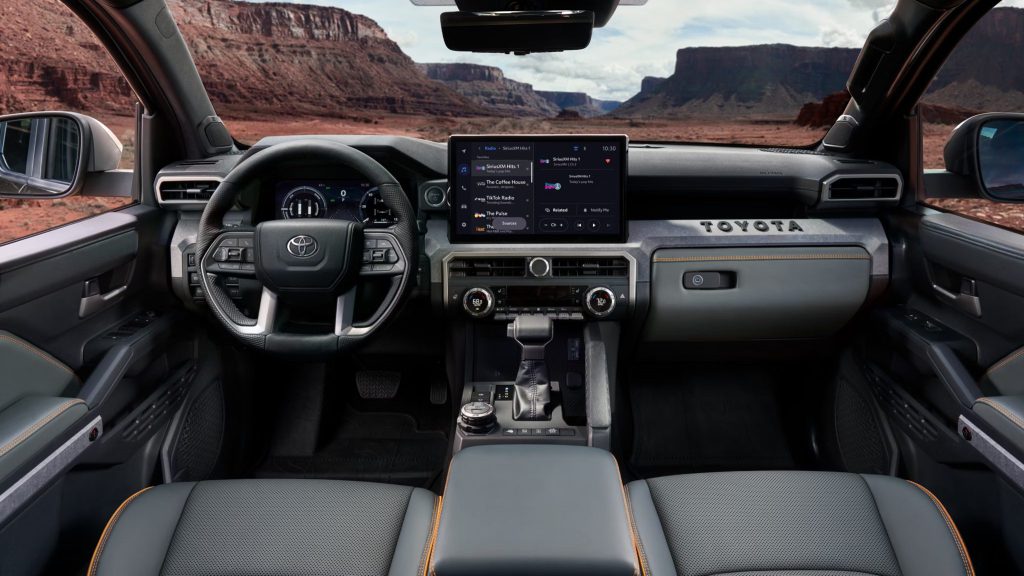
Many Tacoma examples routinely surpass 200,000 miles, with documented cases reaching 300,000+ miles under proper maintenance. The strong resale value — which consistently exceeds competing mid-size trucks — reflects the used market’s direct assessment of long-term durability. The manageable size adds daily practicality in urban environments where full-size trucks create parking and maneuvering challenges.
3. Mazda CX-5 (Exterior)
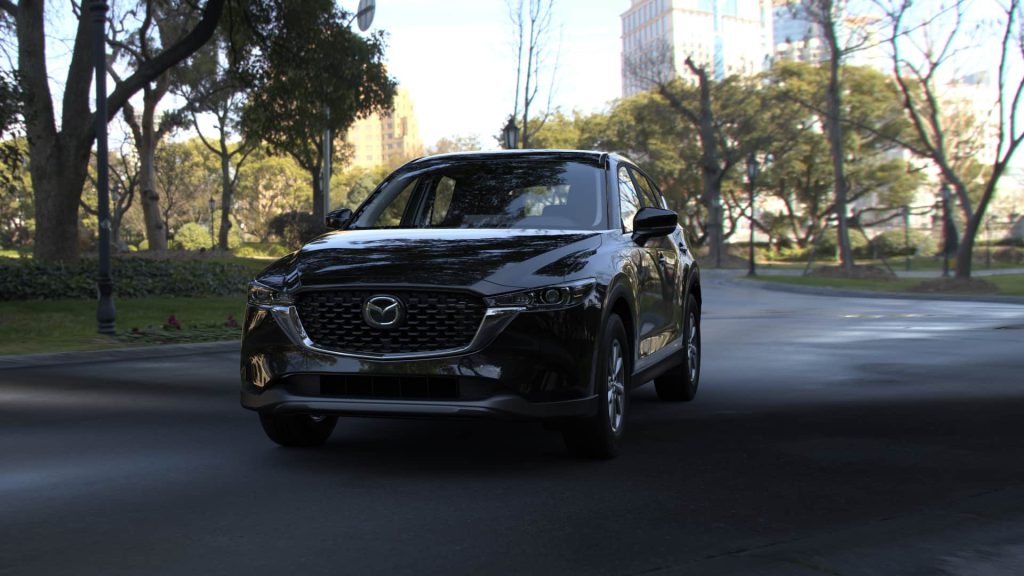
Compact SUV reliability with build quality and driving dynamics that distinguish it from the segment average.
The CX-5 earns consistent praise from reliability surveys through Mazda’s focus on driving dynamics and build quality rather than cutting component costs to compete on price. The result is a compact SUV that remains engaging at high mileage — a specific advantage for buyers who will drive this vehicle as a daily driver for many years and want the experience to hold up alongside the mechanical reliability.
Mazda CX-5 (Interior)
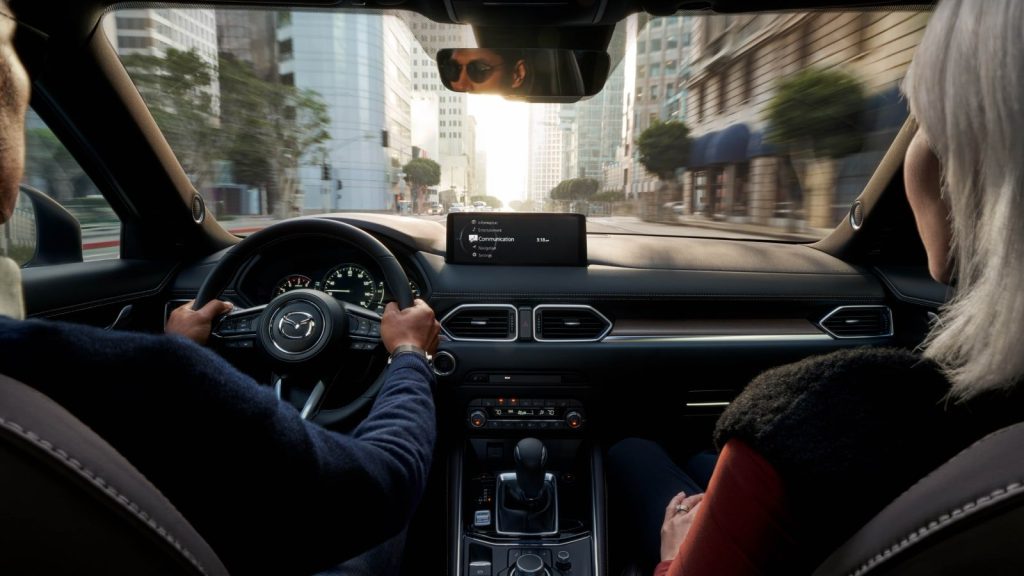
Straightforward mechanical systems and attention to manufacturing detail produce fewer warranty claims and higher owner satisfaction scores than most compact SUV competitors. Recent generations add premium interior materials and advanced safety features while maintaining the reliability traits that make long-term CX-5 ownership a documented positive outcome rather than an optimistic assumption.
2. Subaru Forester (Exterior)
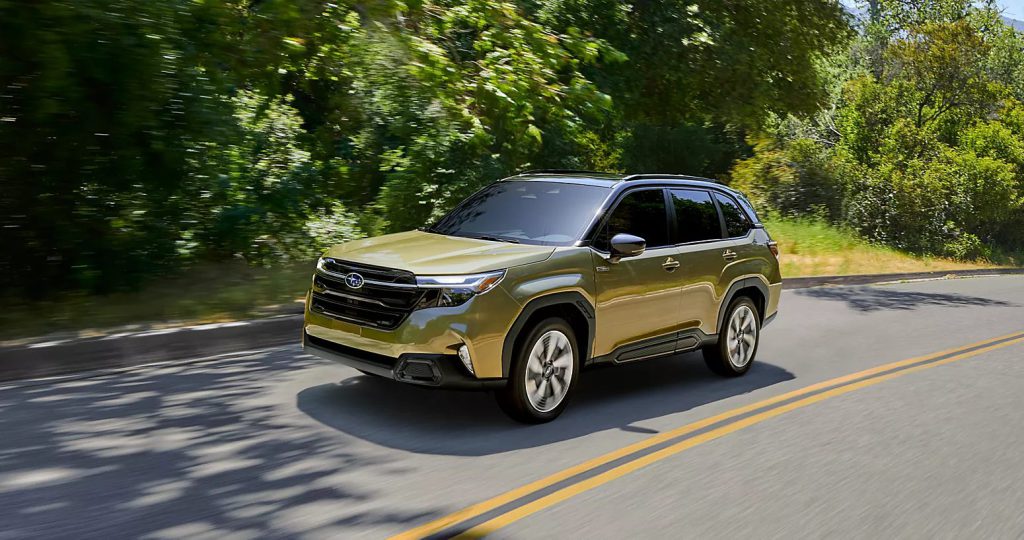
Standard AWD, generous ground clearance, and a reliability record built in conditions that test both.
The Forester applies Subaru’s all-wheel-drive expertise to a practical SUV package that handles adverse conditions consistently rather than just technically. Standard AWD and generous ground clearance address the use cases that sideline other vehicles, while Subaru’s mechanical reliability ensures the Forester is available for those conditions rather than in the shop before they arrive.
Subaru Forester (Interior)
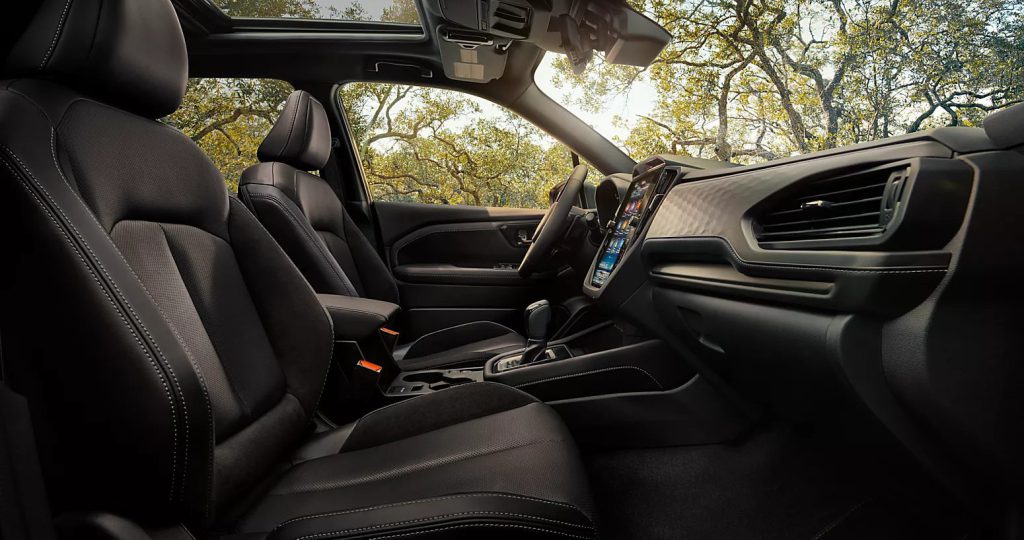
Many Forester examples surpass 200,000 miles with routine maintenance, generating the specific loyalty that comes from year-round capability dependability rather than just ownership cost calculations. The boxy exterior maximizes cargo space and passenger room — a functional design decision that the Forester’s buyers consistently prioritize over styling trends that reduce usable interior volume.
1. Toyota Prius (Exterior)
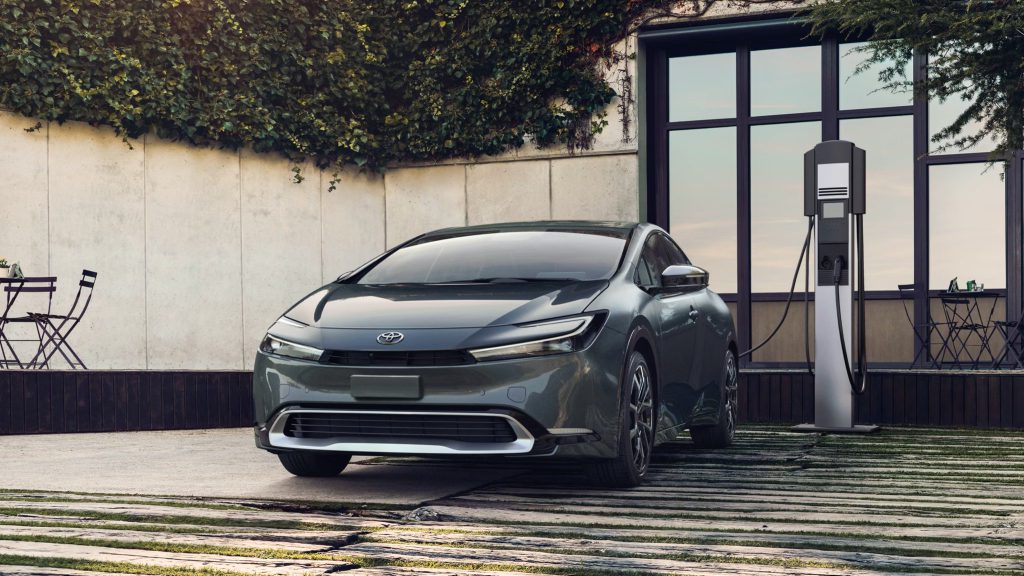
The hybrid that accumulated a taxi fleet reliability record that silenced two decades of skepticism.
The Prius entered production with widespread predictions that its hybrid system would generate expensive failures at high mileage — a prediction that the actual ownership data does not support. Many Prius examples exceed 300,000 miles with original hybrid battery packs functioning, particularly among taxi fleets that accumulate mileage at a rate that reveals reliability problems quickly. The dual powertrain reduces stress on individual components rather than adding failure points.
Toyota Prius (Interior)
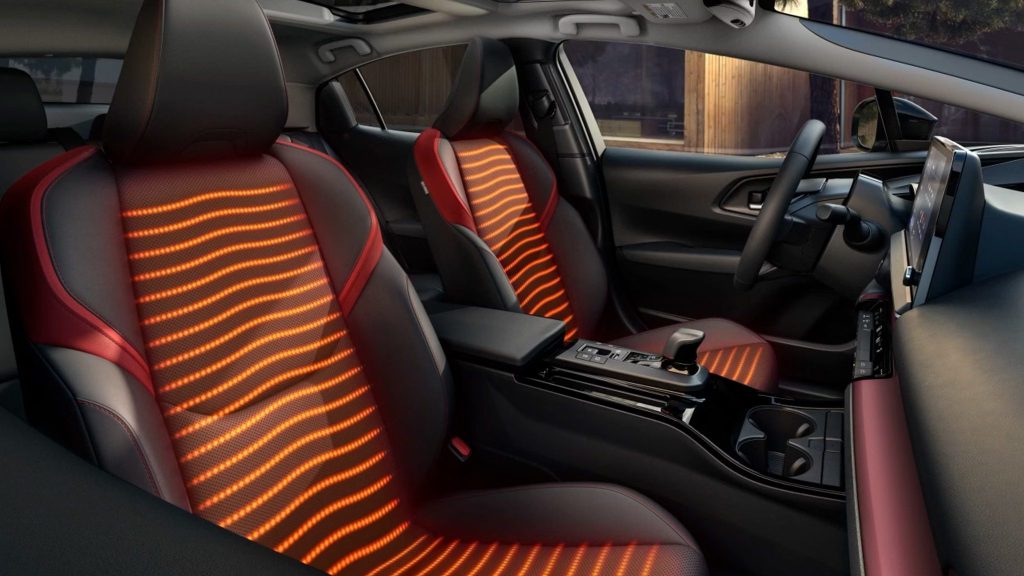
Consumer Reports consistently ranks the Prius among the most reliable vehicles across all propulsion types — not just within the hybrid category. The extensive Toyota dealer network ensures service expertise and parts availability for hybrid-specific components, which addresses the practical ownership concern that justified early skepticism before the reliability record existed to answer it.