

Title washing poses a real threat to your wallet. This illegal practice involves scammers concealing a vehicle’s damaged history—floods, accidents, salvage status—by exploiting gaps between state titling laws. The result? You pay full price for a lemon with hidden problems that could surface months later.
“Victims of title washing usually end up paying much more for a car than it’s worth,” according to Carfax data. With used car prices still elevated and online sales booming, these fraudsters have found their moment. They’re betting you won’t dig deep enough to uncover their tracks.
How Scammers Wash Away Vehicle Damage History
Cross-state transfers and forged documents turn salvage cars into “clean” titles.
The scheme works like a shell game across state lines. Fraudsters buy damaged vehicles—often flood cars from hurricane zones like Florida or Texas—then transport them to states with looser branding requirements. Vermont might not recognize Florida’s flood damage codes, creating a legal loophole that erases the vehicle’s troubled past.
Some scammers skip the geographic shuffle entirely, physically altering title documents by erasing damage brands or forging new paperwork. Not all states uniformly apply the American Association of Motor Vehicle Administrators’ nearly 100 title brand codes, leaving gaps that criminals exploit ruthlessly.
Red Flags That Expose Washed Titles
Multiple warning signs can reveal a vehicle’s hidden damage history before you buy.
Your detective work starts with the title trail. Look for rapid transfers between multiple states, especially if the vehicle originated in flood-prone areas after major weather events. Salvage auction records followed immediately by clean titles should trigger immediate suspicion.
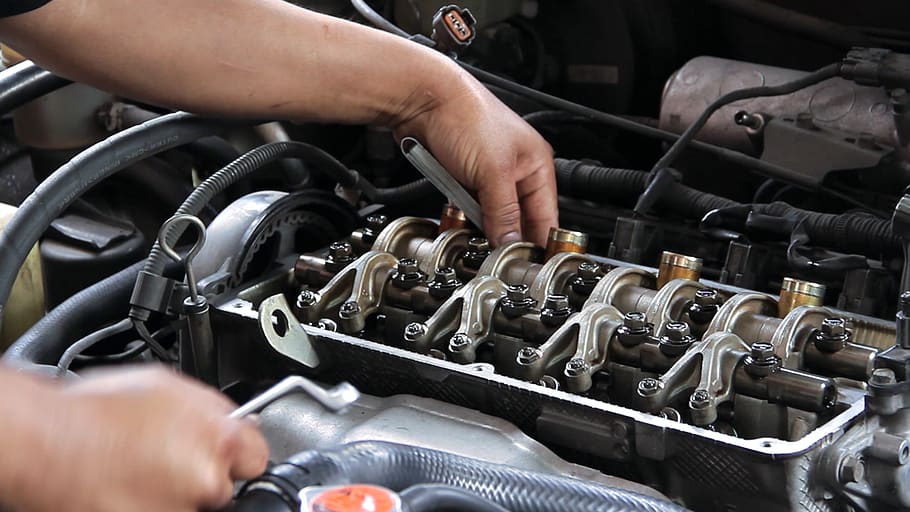
Physical inspection reveals additional clues:
- Fresh paint over rust
- Water damage in unexpected places
- Electrical issues
- Musty odors that suggest flood exposure
Check the actual title document for security features—legitimate titles use specific paper weight and anti-counterfeiting measures that forged versions often miss.
Professional pre-purchase inspections catch problems your untrained eye might miss, while VIN reports from multiple sources like the National Motor Vehicle Title Information System (NMVTIS), Carfax, and AutoCheck cross-reference the vehicle’s true history across databases.