

Some imported tires cost $10 to $12 to manufacture. Goodyear’s cost base runs $85 to $89. That gap isn’t a rounding error — it’s a chasm, and CEO Mark Stewart told The Drive there’s no bridging it through hustle alone. So Goodyear stopped trying. What’s unfolding under its “Goodyear Forward” restructuring is less a turnaround plan and more a disciplined retreat from a price war the company cannot win — toward territory where a century of brand equity actually means something.
The Math Doesn’t Lie
Goodyear is cutting its way to relevance — fewer plants, fewer products, smarter buying.
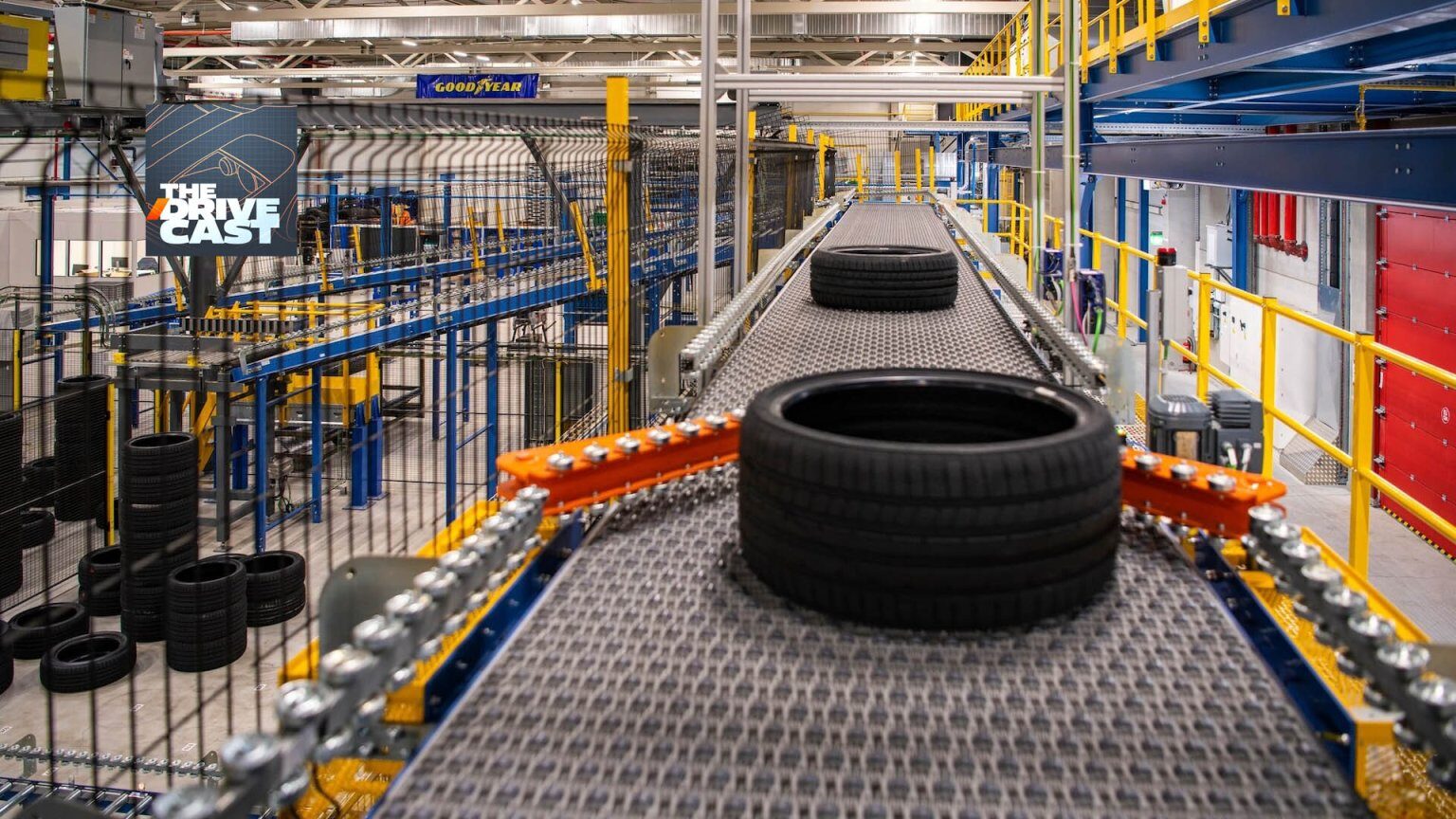
Goodyear Forward means closing or optimizing factories, slashing SKUs (the full range of tire sizes and models a company sells — think trimming a bloated menu down to the dishes that actually make money), automating production lines, and renegotiating raw-material contracts. Tariffs on imported tires offer some breathing room for domestic manufacturing, but Stewart was direct: that relief doesn’t come close to closing the cost gap. A speed bump, not a solution. Separately, federal scrutiny of auto-parts imports has intensified, with regulators moving to ban Chinese airbags linked to safety failures — a reminder that the import cost advantage carries its own risks.
What Goodyear Is Actually Doing
These are the five concrete moves Goodyear is executing right now.
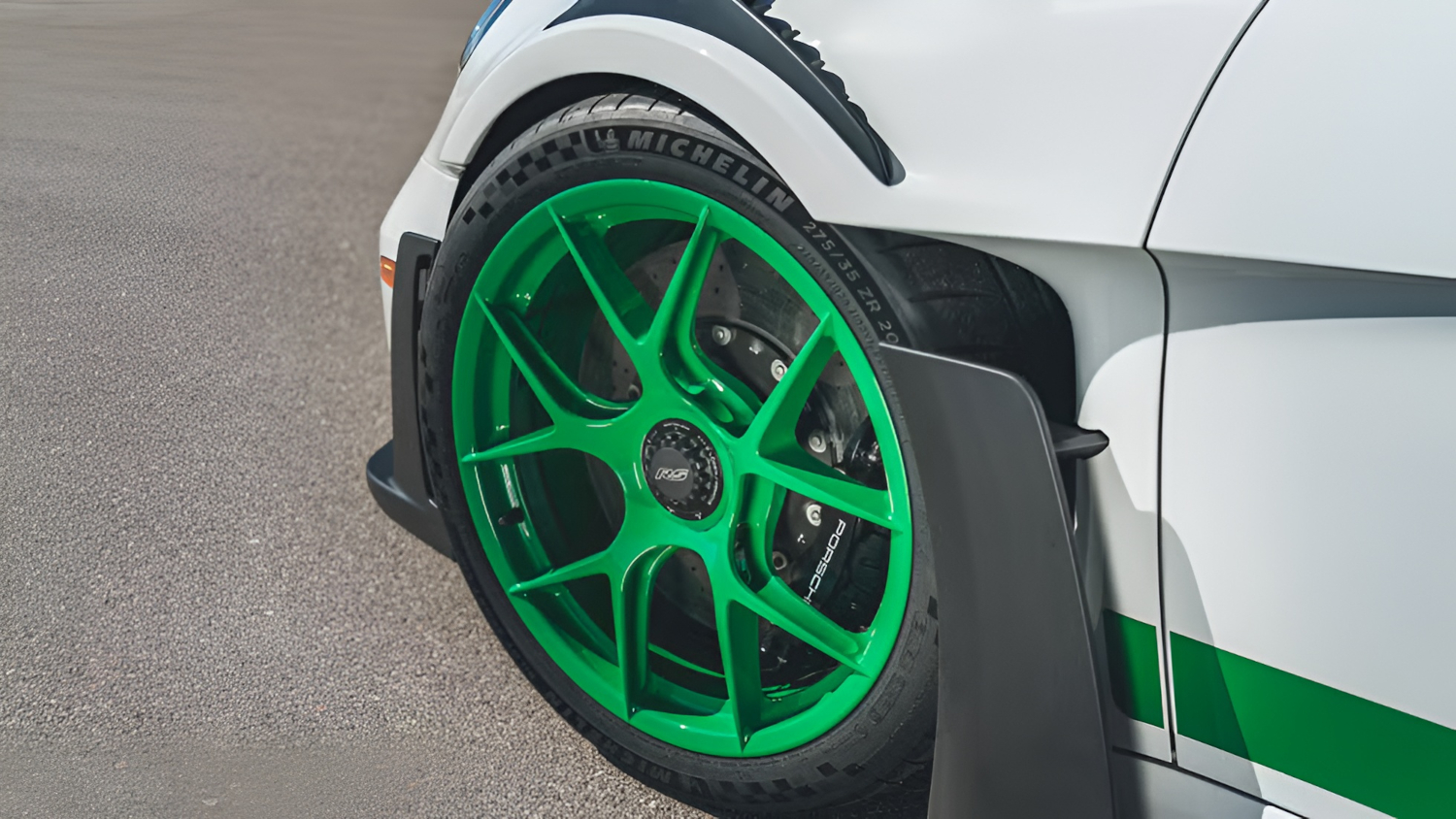
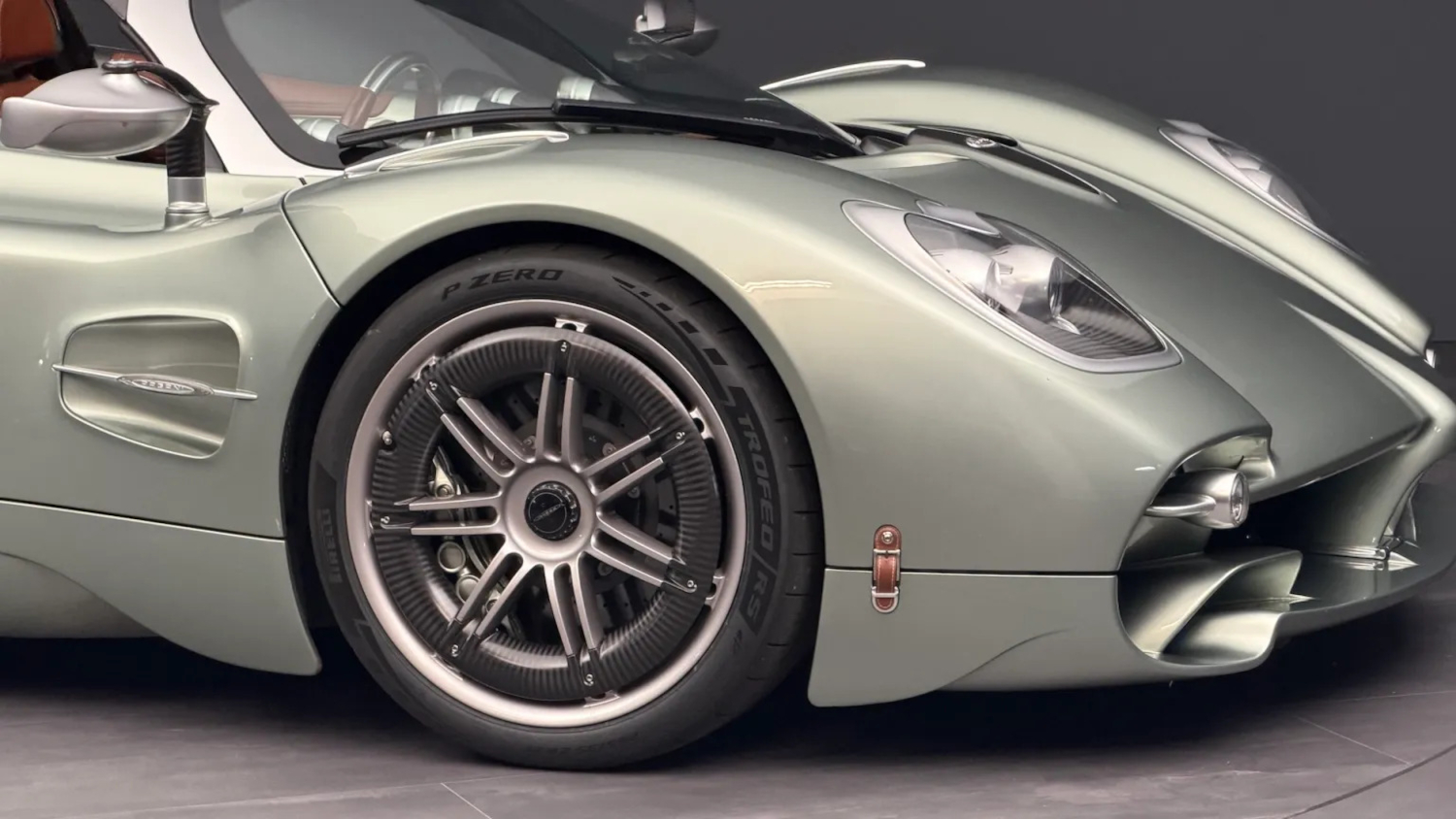
- Shifting focus to premium 18-inch-and-above tire fitments where profit margins are meaningfully better
- Growing its OEM mix — tires supplied directly to automakers for new vehicles — by 3% to 5% over the last year through new bids and partnerships
- Cutting low-margin products from its portfolio to stop subsidizing volume with profit
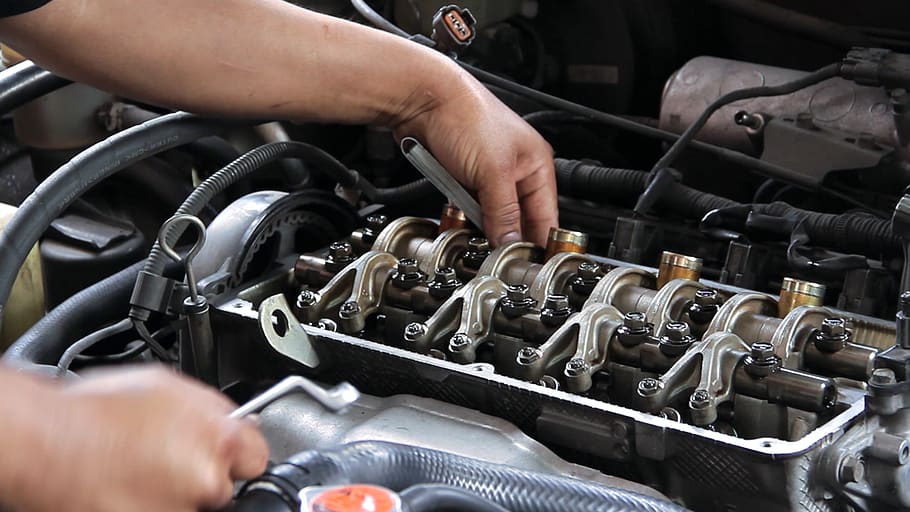
- Pursuing automation, logistics efficiency, and raw-material cost reductions across its manufacturing network
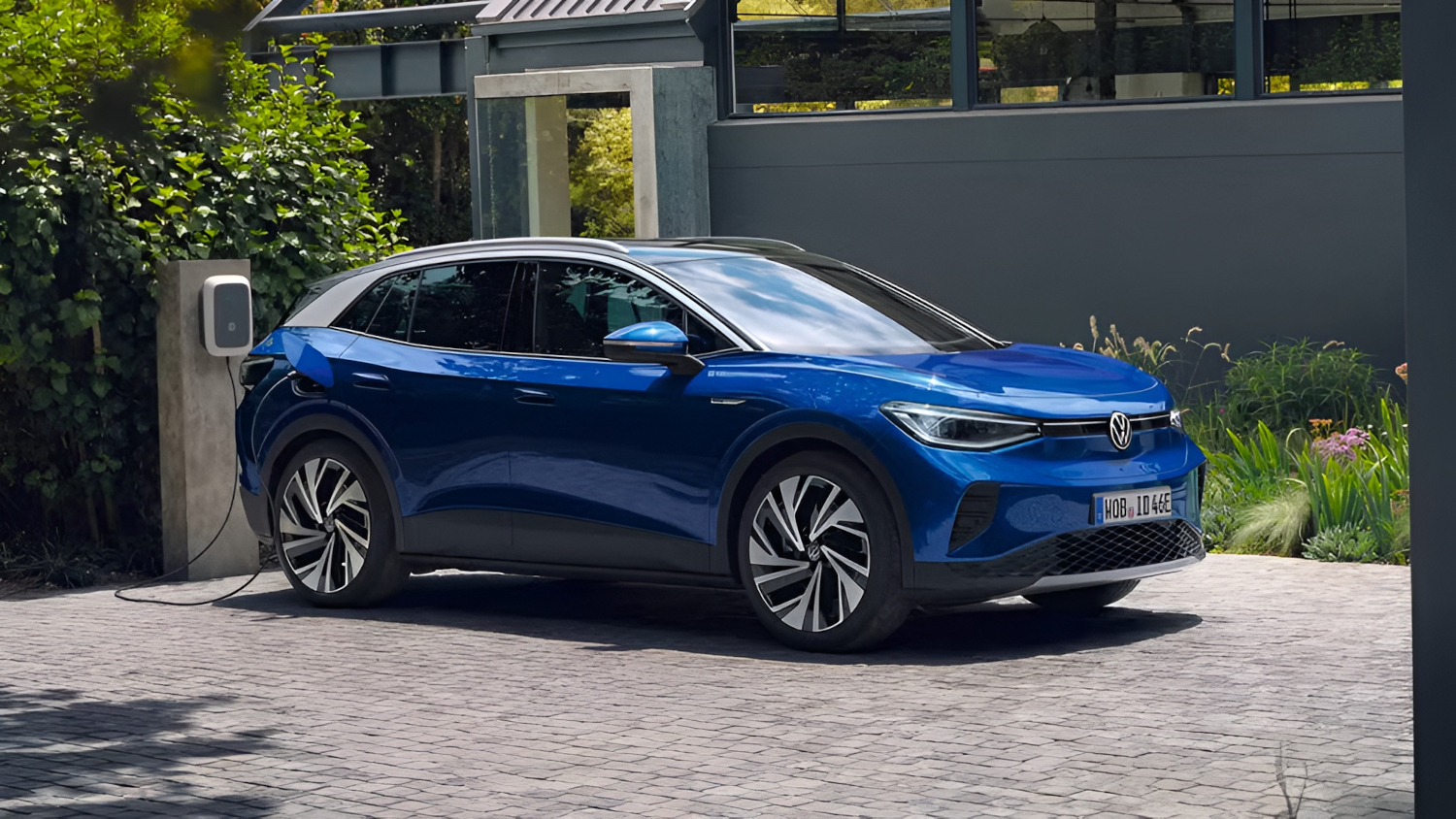
- Embedding with EV and hybrid automaker engineering teams early, where tire specs directly affect vehicle range and handling
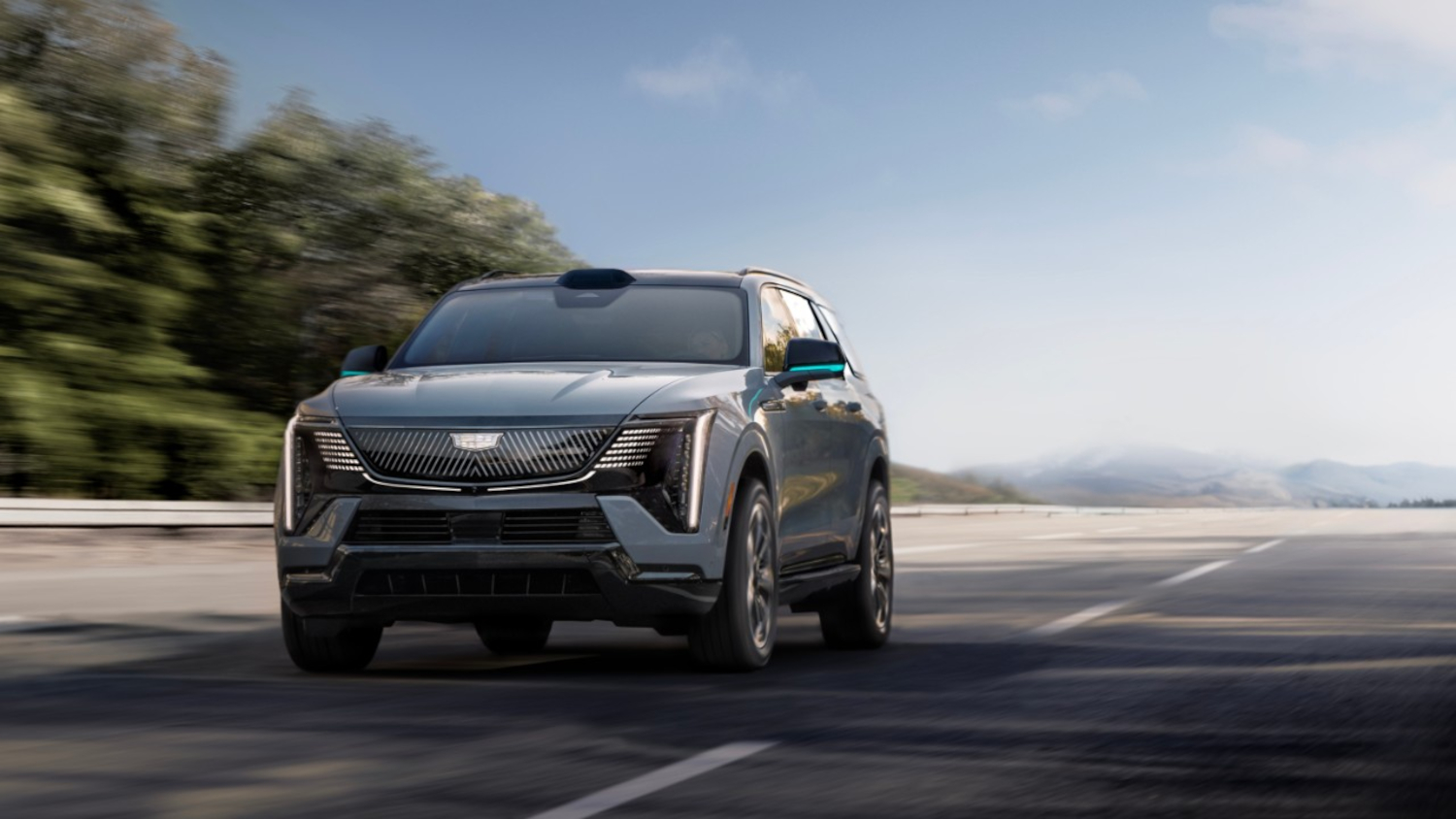
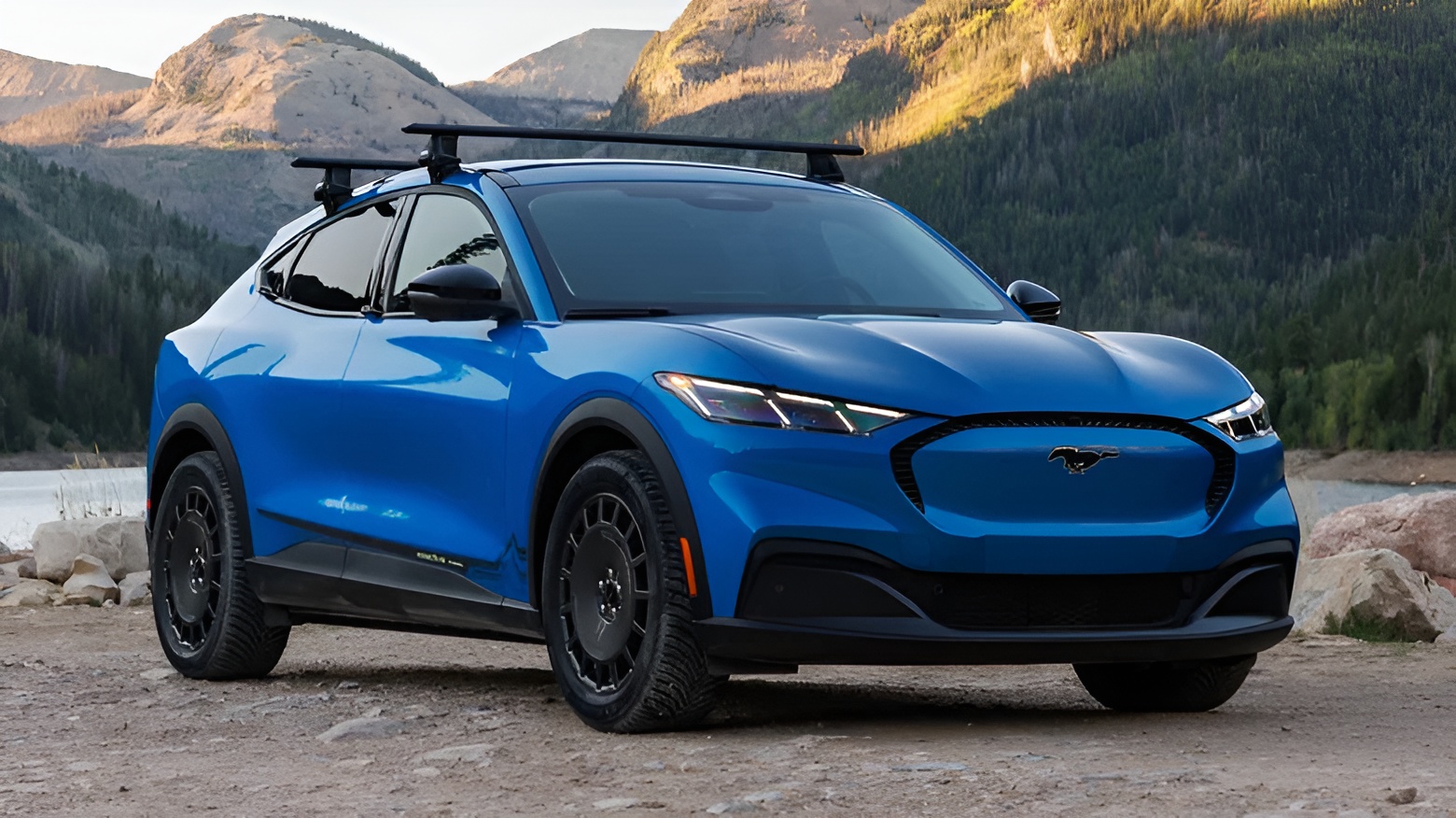
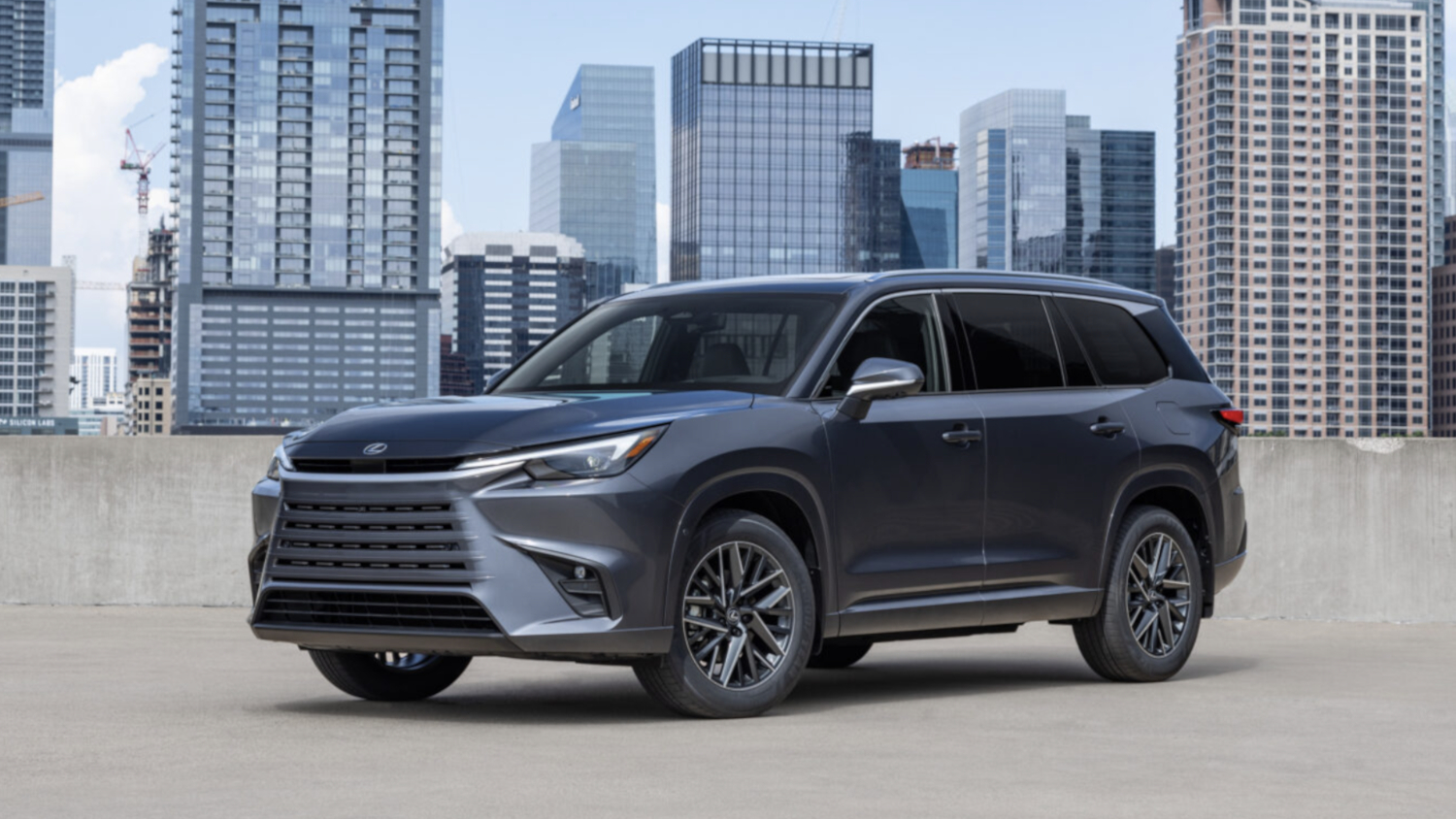
Larger rim sizes mean newer vehicles, wealthier buyers, and far less price sensitivity. That’s where the profit pool sits. Consumers already stretched by a four-figure car payment are exactly the segment gravitating toward the newer, larger-fitment vehicles Goodyear is targeting. On the EV side, Goodyear is positioning itself as a co-developer rather than a parts supplier — getting into automakers’ engineering conversations before a vehicle launches, because a tire’s rolling resistance affects an EV’s range claim on the window sticker.
That’s leverage a low-cost import cannot offer.
Think of it like what happened to American denim brands when fast fashion crushed the volume play. Survival meant $200 selvedge jeans, not fighting H&M on price. Goodyear is making the same strategic call — one made easier by the fact that the affordable new car segment is shrinking, concentrating growth among exactly the wealthier buyers Goodyear now courts.
“Some of these imported tires cost about $10 to $12 to make. Our cost base is $85 to $89. You can’t win that race.” — Mark Stewart, CEO, via The Drive
The Blimp Is Not a Joke
Brand equity is Goodyear’s second weapon — and no offshore factory can replicate it.
Cost discipline alone doesn’t rebuild a company. Stewart’s other lever is cultural visibility: motorsport credibility, heritage associations, and yes, the blimp. There’s a real tension here — a company simultaneously closing plants and doubling down on sponsorships — but the logic holds. No budget import carries decades of racing history or a recognizable airship drifting above major sporting events.
“The blimp is one of our most powerful marketing tools. We’re working to reinsert Goodyear into cultural moments.” — Mark Stewart, via The Drive
The honest question isn’t whether Goodyear’s strategy is sound. It is. The real question is whether premium fitments, EV partnerships, and hard-won brand recognition can generate enough margin — fast enough — to outlast a flood of cheap imports while the restructuring bill comes due. The runway is shorter than the blimp makes it look.