

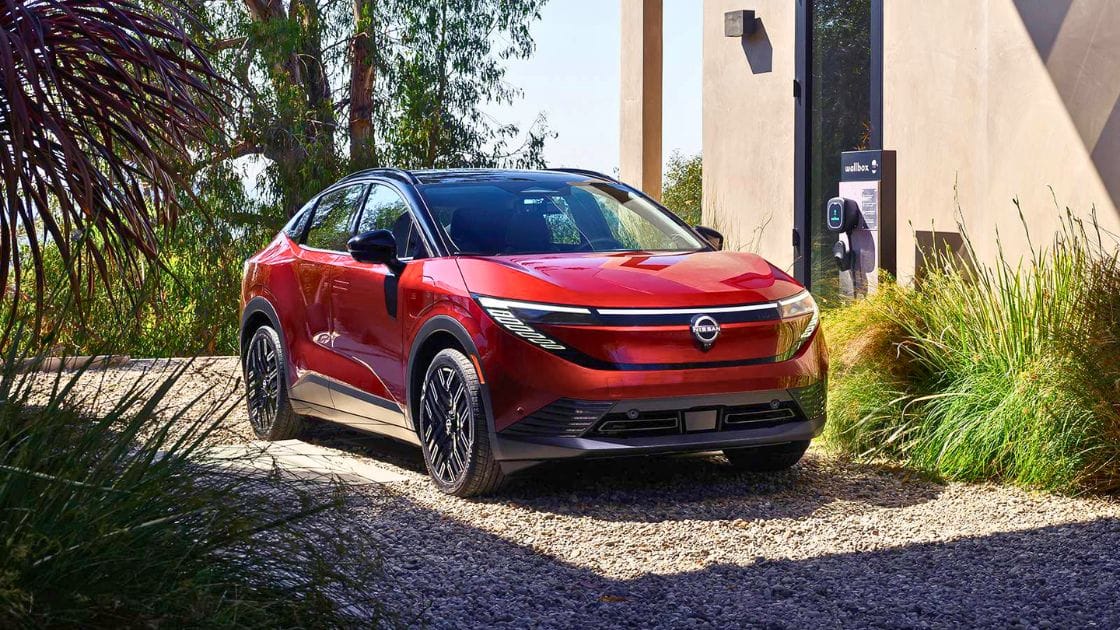
Battery fires in parked, unplugged electric vehicles shouldn’t happen—yet Nissan discovered exactly that scenario with 51 model-year 2026 Leaf EVs. The automaker issued a voluntary recall March 31 after two dealership incidents revealed manufacturing defects that could cause spontaneous combustion even when vehicles sit dormant. No injuries occurred, but the unusual nature of the defect prompted immediate action from both Nissan and federal safety regulators.
Manufacturing Flaw Creates Unexpected Fire Risk
Battery supplier’s cathode damage leads to internal short circuits during production.
The culprit lies within the 78-kWh lithium-ion battery packs. During manufacturing, cathode edges suffered damage that caused them to fold, creating internal short circuits. These shorts generate heat that can escalate into thermal events or fires—a process that occurs independently of charging status.
Two incidents exposed the problem: February 19 at an Osaka dealership where a Leaf caught fire while parked outside, and March 2 at a US Nissan dealer under similar conditions. Nissan’s telematics system detected anomalous electrical patterns, allowing engineers to trace the defect to specific vehicle identification numbers through one-to-one battery matching.
Key Details:
- NHTSA recall No. 26V188 filed March 31, 2026
- Affects both standard and heat pump battery pack versions
- Owners instructed to park outdoors away from structures
- Dealer notifications sent March 27; owner letters begin April 17
- Free loaner vehicles provided during repairs
Swift Response Minimizes Owner Risk
Nissan halted shipments and offers comprehensive repair program before widespread distribution.
Nissan stopped shipping suspect vehicles March 17—two weeks before the official recall filing. The company will replace entire battery modules or complete packs at no cost to owners. Dealers received instructions March 27 to immediately contact affected customers.
The recall’s small scope reflects Nissan’s ability to identify the defect before widespread distribution. Using telematics data to pinpoint affected vehicles represents an increasingly sophisticated approach to quality control.
Owners should avoid driving or charging their vehicles until repairs complete. Dealer fixes begin following the April 17 notification timeline, with the battery supplier updating manufacturing processes to prevent recurrence.