

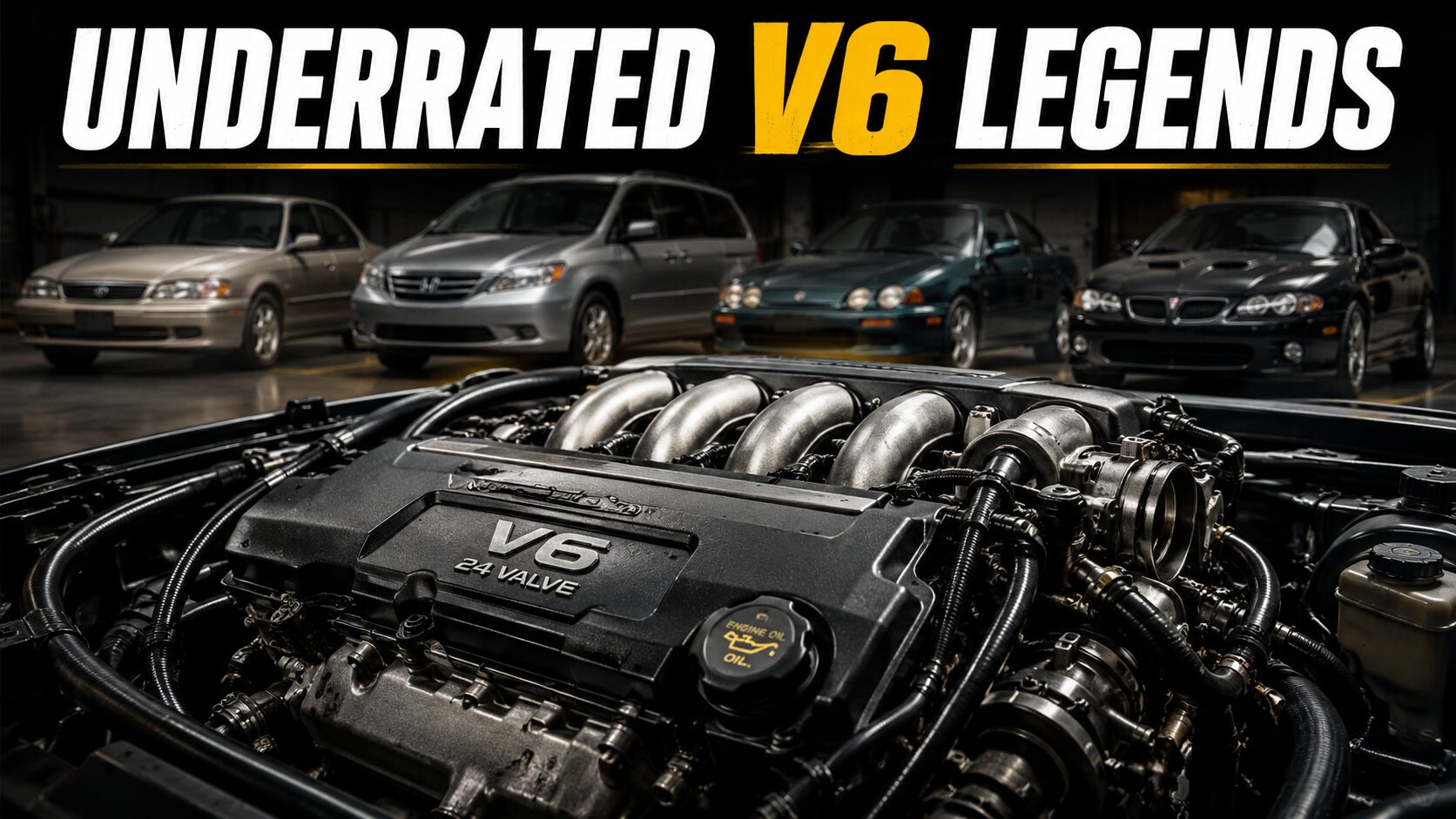
V6 engines rarely got the attention that high-strung inline-4s and V8s commanded, but a specific group of them quietly outperformed their reputations for decades. These ten engines came out of Mazda, Honda, Nissan, Volkswagen, and other manufacturers between the 1990s and 2010s, and they ended up in minivans, commuter sedans, and the occasional sleeper sports car rather than anything that generated enthusiast attention at launch. What they share is a track record: consistent performance and a documented ability to reach 300,000 miles without major intervention.
1. Mazda KL-DE
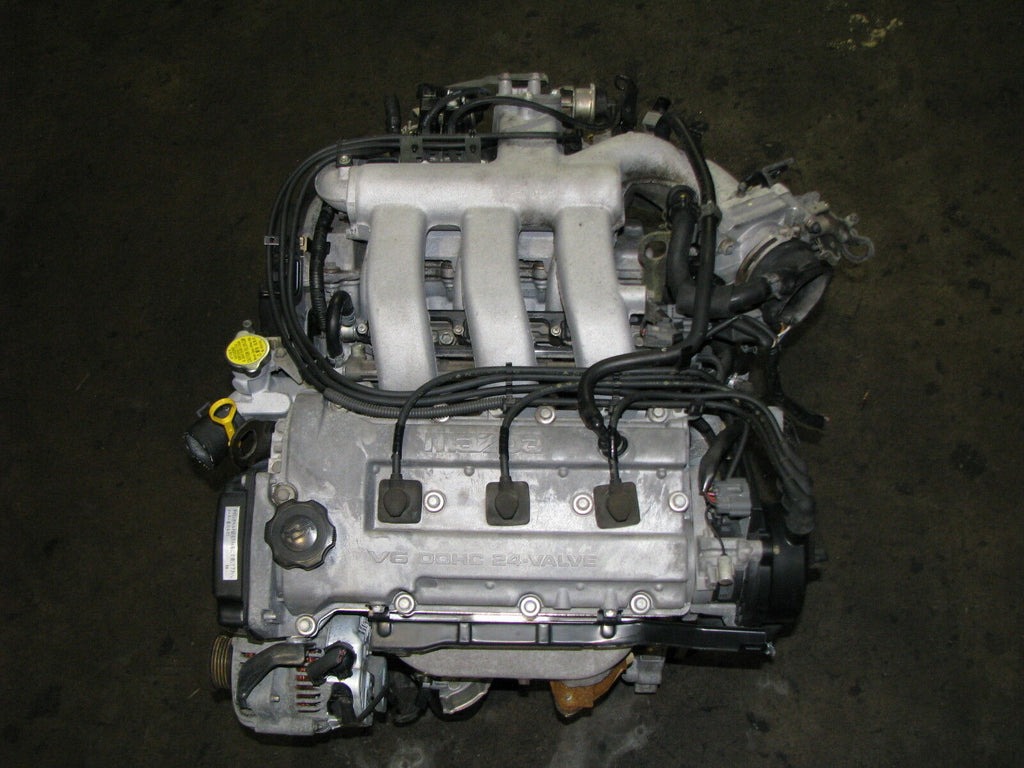
A 7,000 RPM redline buried inside the MX-6 and Ford Probe GT — cars nobody associated with high-revving engineering.
The Mazda KL-DE powered the MX-6 and Ford Probe GT to a 7,000 RPM redline — a figure that exceeded Honda’s high-revving reputation during the same era, in vehicles that received none of the attention Honda’s engines got for the same capability. The lightweight design made the KL-DE a genuinely rev-happy performer. It simply ended up in cars that the market never treated as performance vehicles, which kept the engine itself from building the reputation its specifications justified.
2. Volkswagen VR6
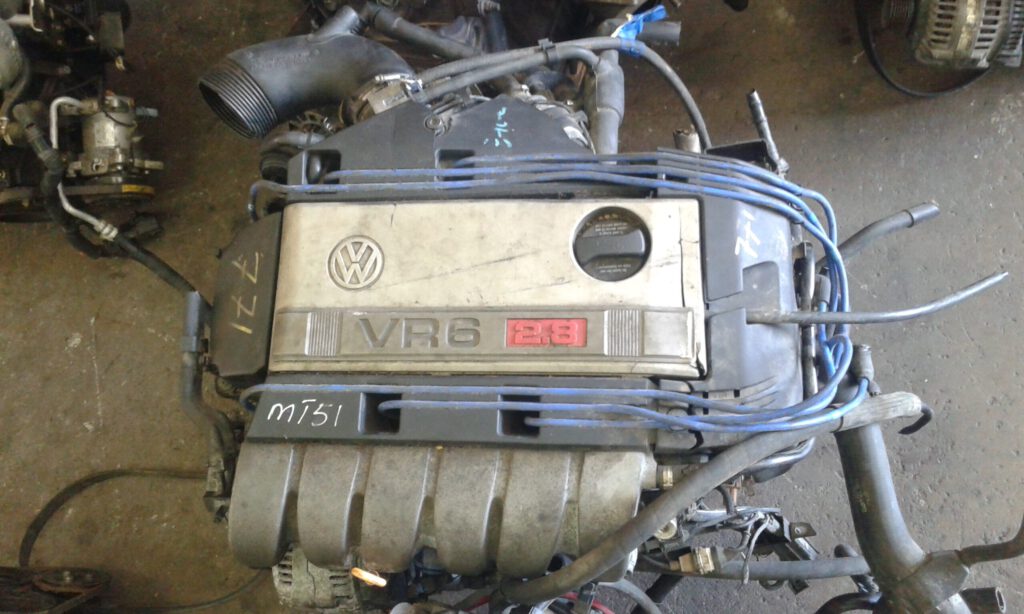
A narrow-angle six-cylinder design that fit in an inline-4 engine bay without sacrificing torque.
Volkswagen’s VR6 solved a packaging problem that conventional V6 architecture could not: fitting six cylinders into an engine bay designed for a four-cylinder. The narrow-angle approach delivered 179 hp with substantial torque in a footprint that did not require a larger engine bay, as demonstrated in the 1992 Corrado. The design’s strength shows up most clearly in the aftermarket: tuners have pushed this engine past 600 hp while the bottom-end character that made it distinctive in stock form remains intact.
3. Alfa Romeo Busso 3.0 V6
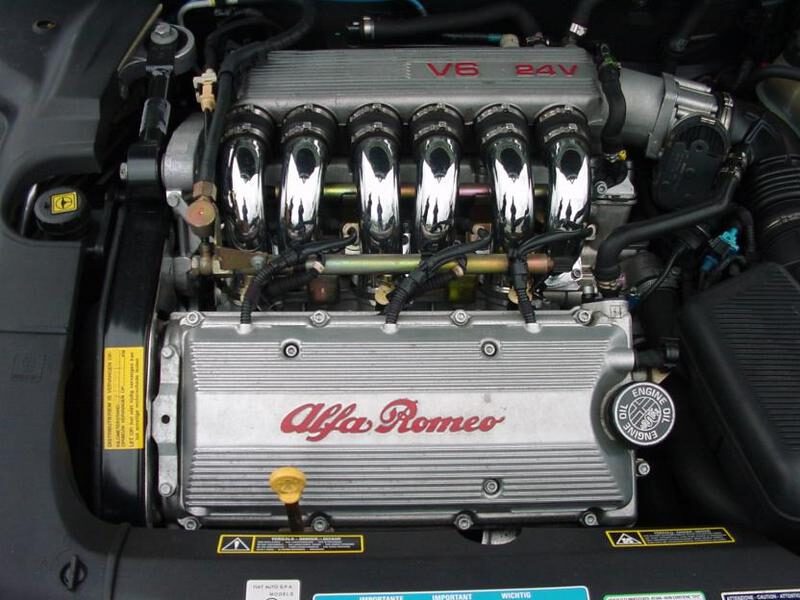
Smooth power delivery defined by feel rather than raw output numbers.
The Busso V6’s reputation rests on power delivery character rather than peak output figures. The engine builds smoothly through the rev range rather than arriving in a sudden torque surge, with a top-end punch that rewards drivers who take it there. This is the specific quality that separates the Busso from engines that simply produce competitive numbers on a spec sheet — it is an engine that drivers describe in terms of how it feels rather than what it measures, which is a distinction that matters more in Alfa Romeo’s lineup than almost anywhere else.
4. Chrysler 3.5L
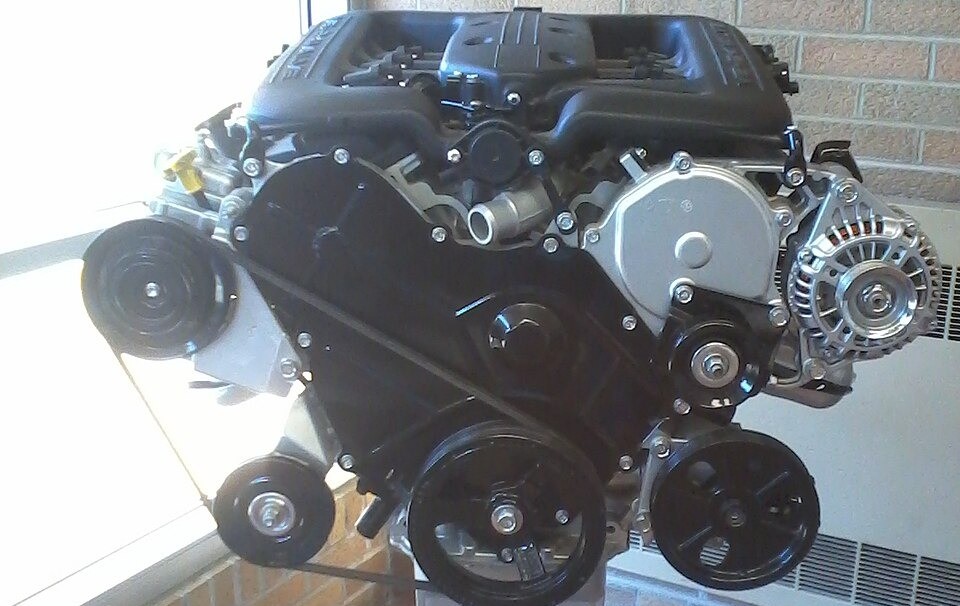
214 horsepower and smooth mid-range pull buried in the LH platform sedans nobody remembers for their engines.
Chrysler’s 214 hp 3.5L V6 landed in LH platform cars like the Intrepid and 300M starting in 1993 — sedans that did not generate enthusiast attention but housed an engine with genuinely smooth, near-world-class character. The engine delivered strong mid-range pull through to 6,000 RPM, performance that exceeded what the cars around it suggested. Chrysler built a competent engine inside forgettable sedans, which is precisely why this engine never built the reputation its actual performance earned.
5. Honda J35
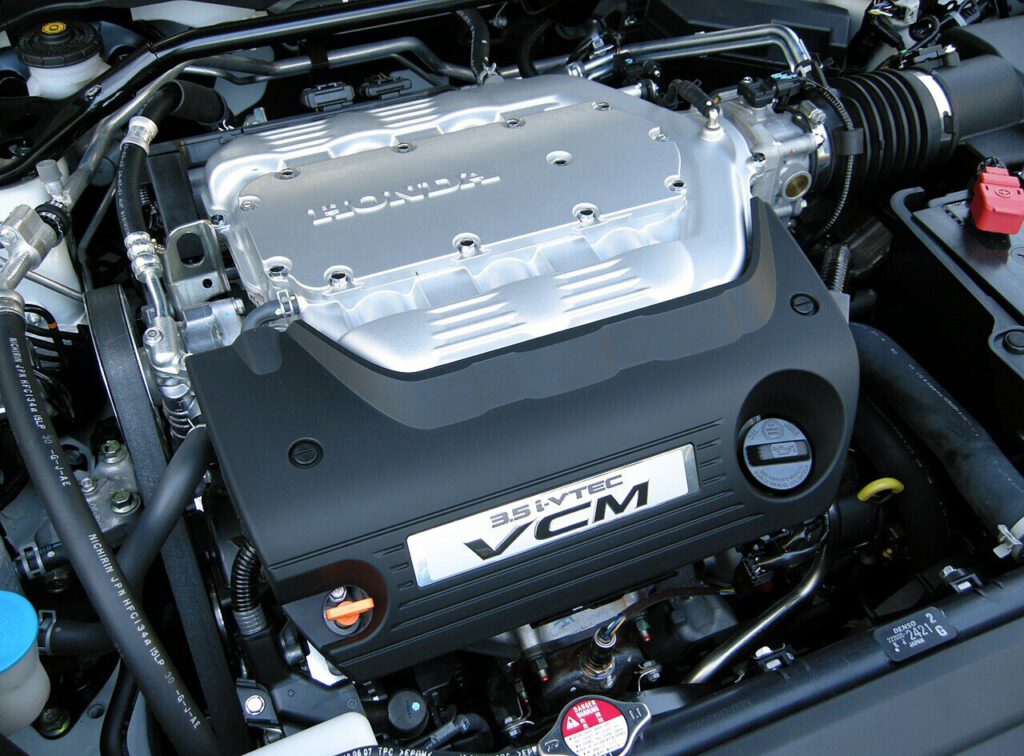
200 horsepower across the Accord, MDX, and most of Honda’s lineup, with reliability backed by production volume.
The Honda J35 produces a respectable 200 hp in base form across applications ranging from the Accord V6 to the Acura MDX — and its reliability reputation among mechanics is built on a specific practical advantage: millions of units produced means parts availability that few other V6 engines can match. The J35’s ubiquity is the result of refinement across years of production rather than any single dramatic engineering breakthrough, which is exactly the kind of incremental excellence that goes unnoticed while still defining the engine’s actual ownership experience.
6. Ford 3.5L EcoBoost
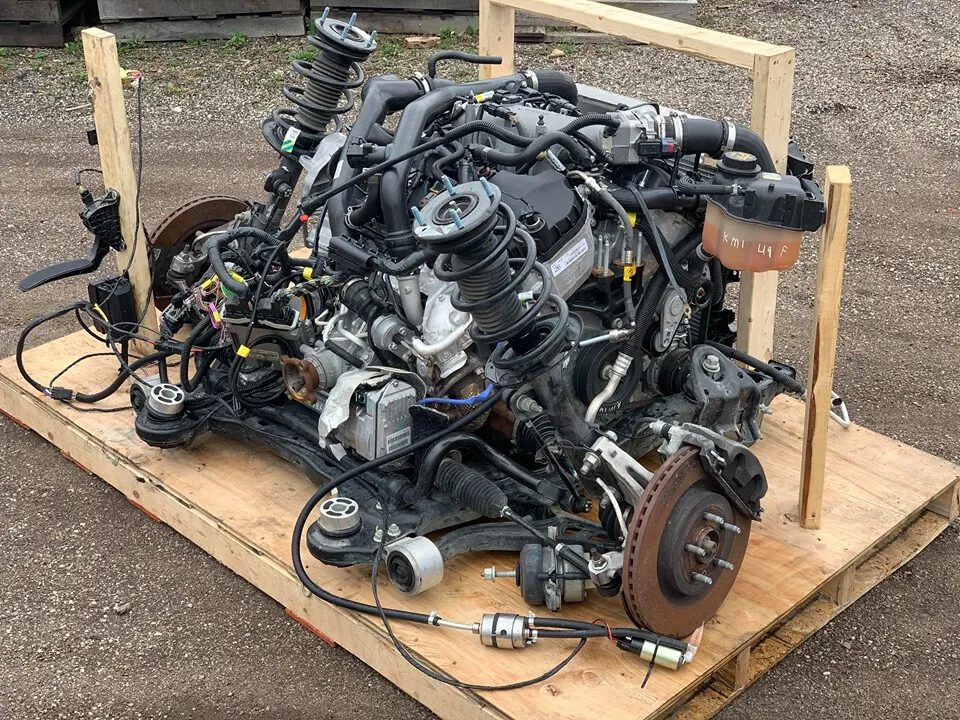
A turbocharged V6 in a truck market that assumed V8 was the only credible answer.
Ford’s decision to put a turbocharged V6 in trucks during an era when V8 power was the unquestioned standard for the segment drew significant skepticism initially. The EcoBoost’s track record since has answered most of that skepticism directly — the engine is now standard equipment across a substantial share of Ford’s truck lineup, proving that turbocharged six-cylinder power can match V8 capability in the applications that matter for work and towing. What started as a contested engineering bet became the standard approach for efficient power in a segment that initially rejected the premise.
7. Nissan VQ35DE
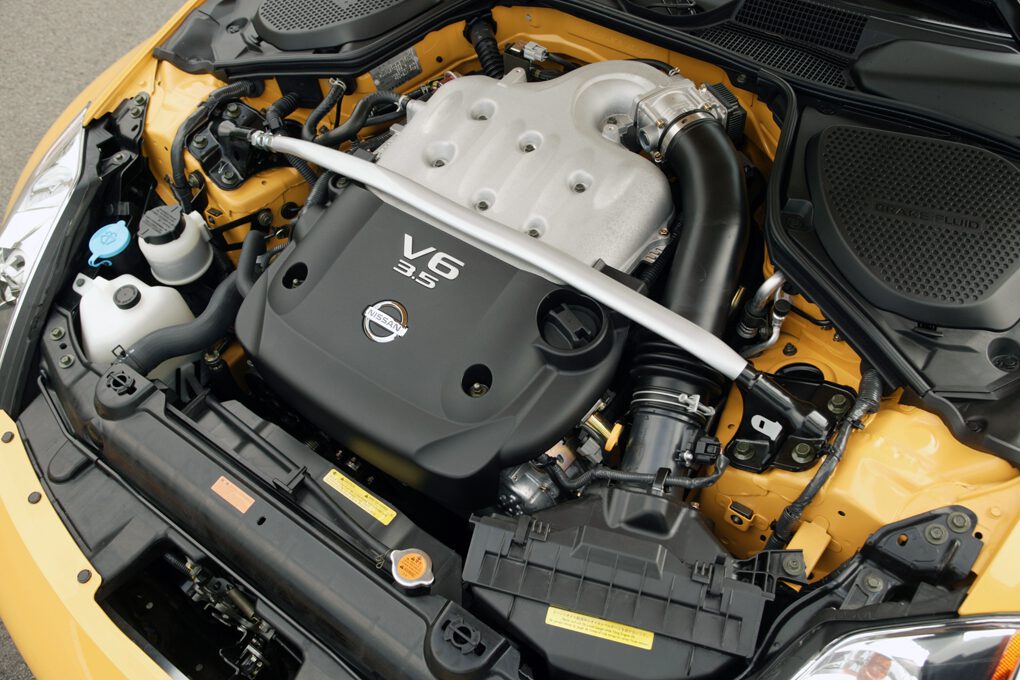
300,000-mile examples documented even among engines that were tracked and driven hard.
The Nissan VQ35DE built its reputation in the 350Z and Maxima, where it accumulated a genuine performance enthusiast following. The documentation that matters most: examples clocking over 300,000 miles, including units that were tracked or driven hard throughout their service life rather than babied. Early VQ35DE units had documented oil consumption issues that required attention, but the engine’s underlying design proved robust enough to absorb significant abuse without the catastrophic failures that typically follow track use on engines not built for that stress.
8. Buick 3.8L
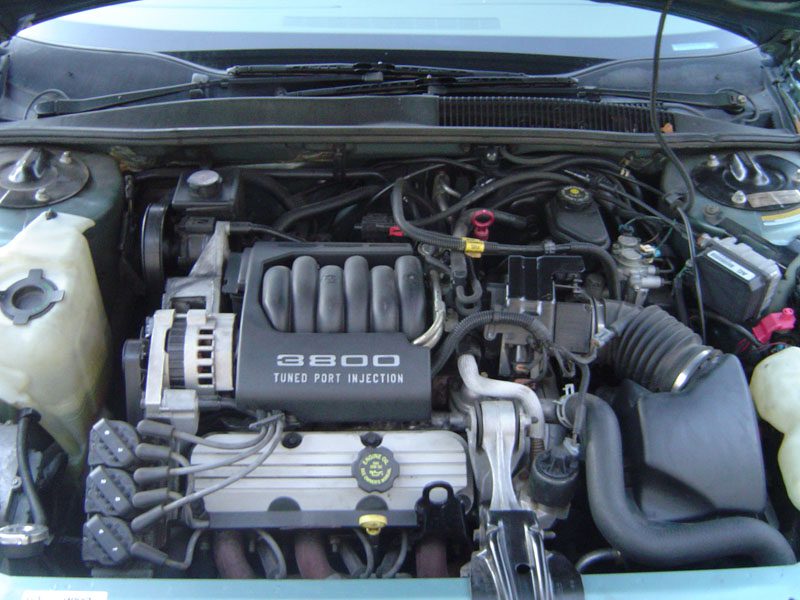
245-276 horsepower from a turbocharged V6 that outran V8 rivals in the Grand National and GNX.
The turbocharged versions of Buick’s 3.8L engine produced 245-276 hp — output that was genuinely exceptional for the 1980s and that the Grand National and GNX used to outperform V8-powered rivals with twice the cylinder count. Buick’s reputation at the time was built almost entirely around comfort-oriented sedans, which makes the Grand National’s performance pedigree a specific contradiction of brand expectations that the engine itself was directly responsible for. This is the clearest example on this list of an engine whose actual capability ran far ahead of what its badge suggested.
9. Toyota 3.5L 2GR-FE
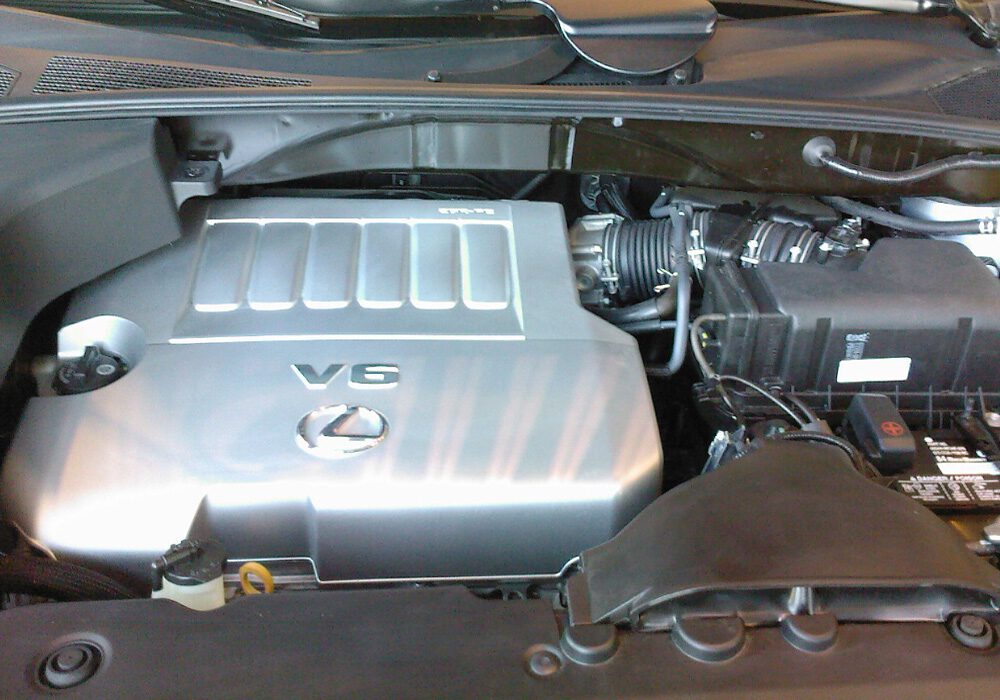
The engine that powers a Camry and a Lotus Evora, with a 4.8-second 0-60 mph time in the latter.
Toyota’s 3.5L 2GR-FE is unusual in spanning the full range from a Camry’s daily-driver reliability requirements to a Lotus Evora’s performance demands — the same fundamental engine architecture tuned to hit 0-60 mph in 4.8 seconds in the Lotus application. The engine’s reputation for reaching 300,000-plus miles before major work is well documented in its mainstream Toyota applications, and that durability carried through to a sports car context that asks considerably more of an engine on a regular basis. Few V6 engines have demonstrated this range of application without compromising either end of the spectrum.
10. Mitsubishi 6G72
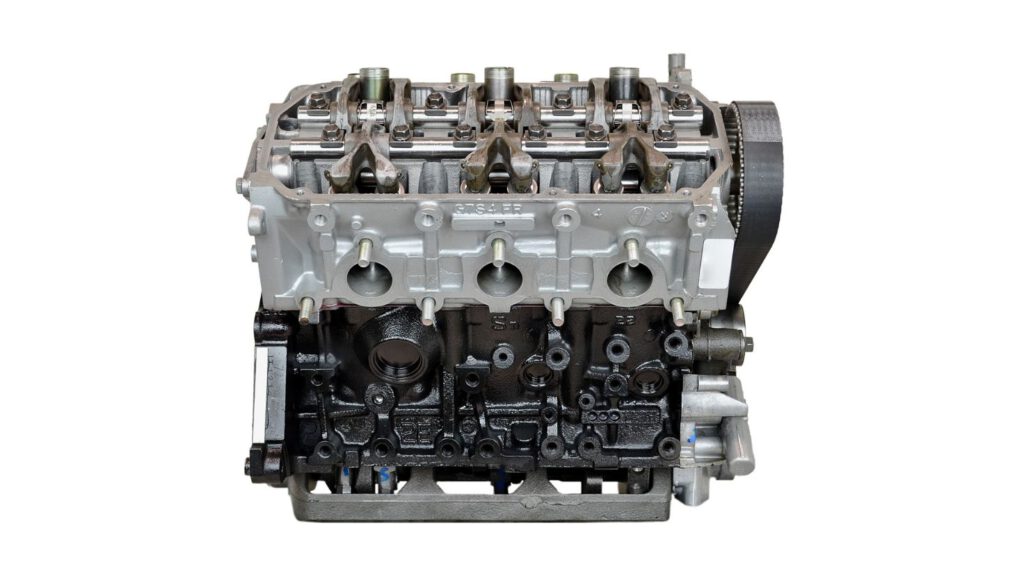
A platform spanning the 3000GT VR4 and family haulers alike, with 300,000-mile durability across variants.
The Mitsubishi 6G72 appeared in applications ranging from the performance-oriented 3000GT VR4 to the Dodge Stealth and conventional family vehicles, with variants tuned across a spectrum from smooth and revvy to genuinely torquey depending on the application. Routine maintenance keeps the 6G72 running past 300,000 miles without major intervention — a durability record that holds consistently regardless of which variant or application is in question, which is the specific trait that defines an engine as broadly underrated rather than simply good in one narrow context.