

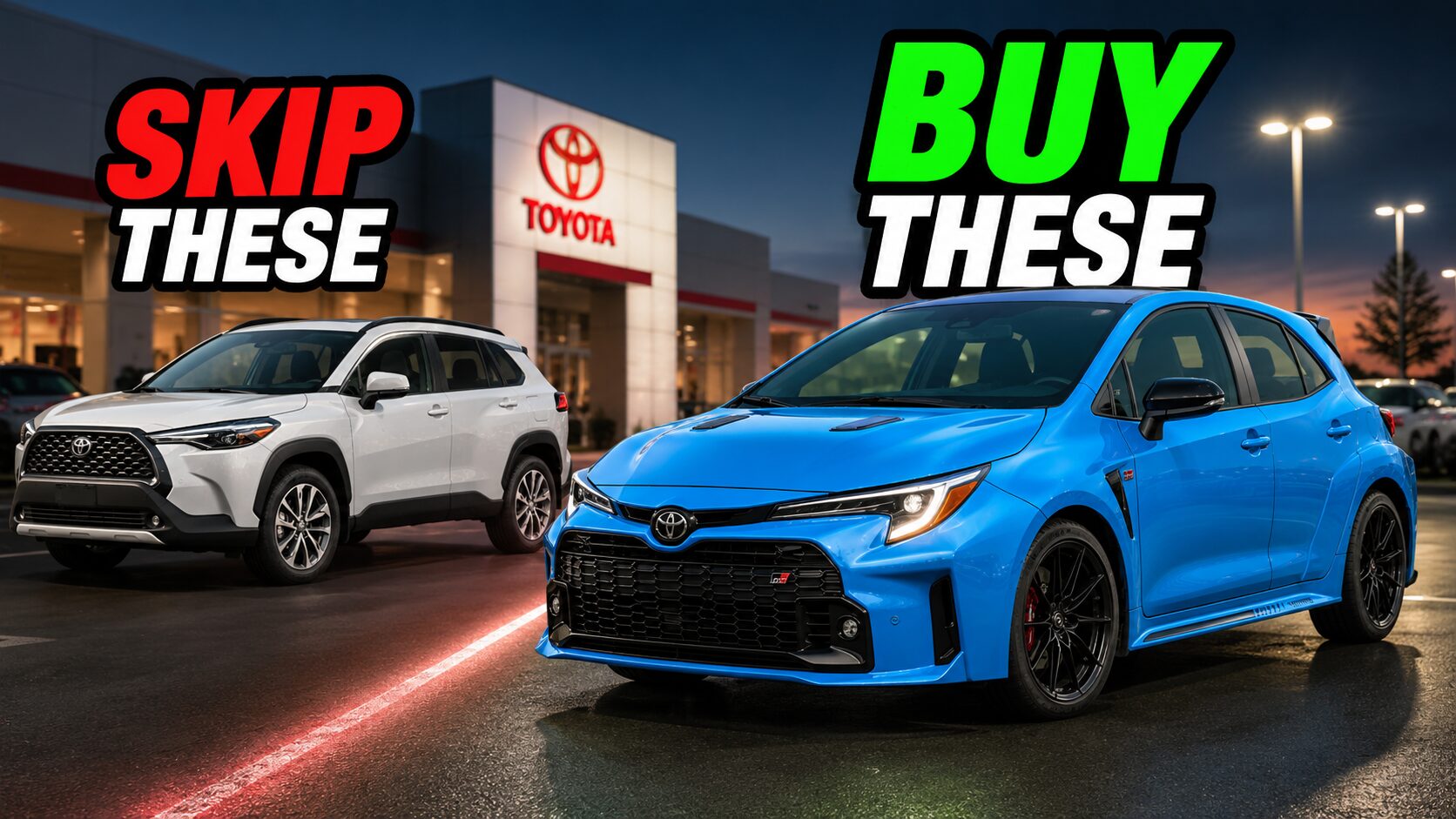
Toyota’s 2025 lineup is not uniformly excellent. The brand’s reliability reputation is real and consistently supported by J.D. Power data, but that reputation does not apply equally across every model in the catalog. The Camry’s 2025 redesign is genuinely better than its predecessor. The Corolla Cross is genuinely worse than what buyers at its price point can find elsewhere. The Sienna continues to dominate its segment on every metric that family hauler buyers actually care about. Five models worth buying and five worth skipping — here is where the 2025 Toyota lineup earns its reputation and where it does not.
10. Avoid: Toyota Corolla Cross (Exterior)
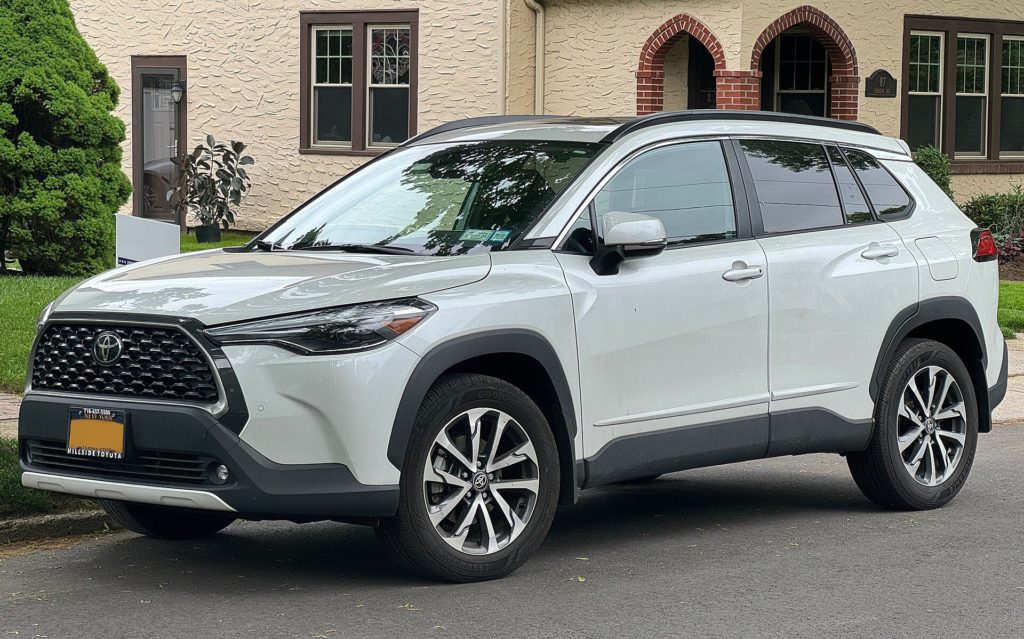
The Corolla Cross pairs a 169-hp engine with a CVT that generates more noise than it generates enthusiasm, while the interior materials communicate budget priorities clearly. The dashboard hard plastics and overall cabin quality read as entry-level in a segment where competitors have raised their baseline. Road noise intrusion is notable on highways, and the cargo floor configuration limits practical utility.
Toyota Corolla Cross (Interior)
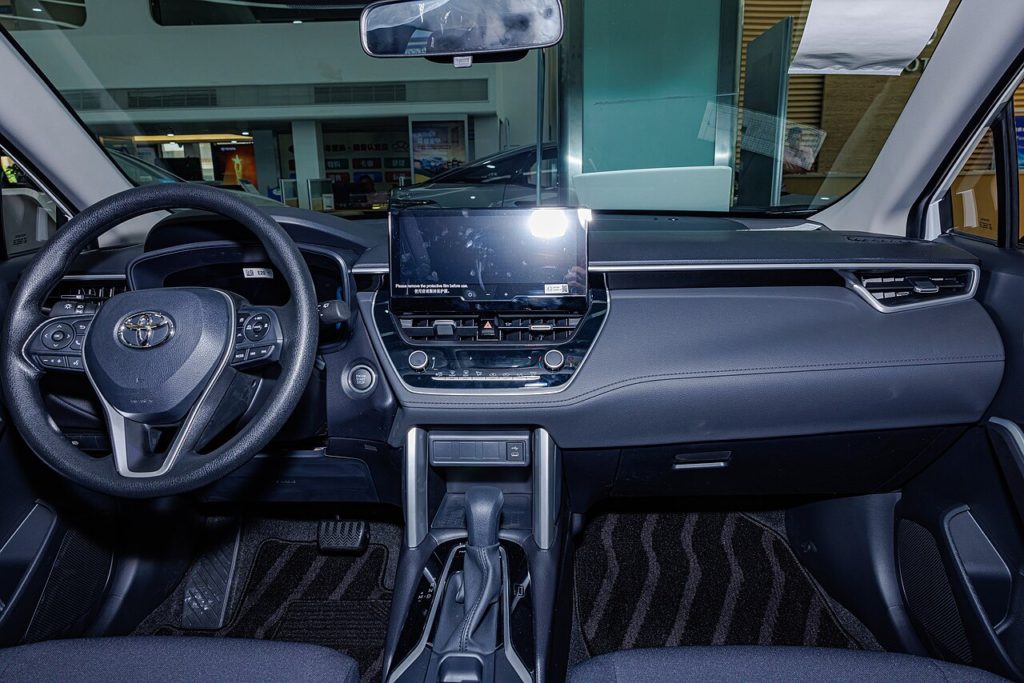
Rear seats do not fold flat, rear legroom is limited for adult passengers, and the cargo floor creates loading complications that comparable vehicles avoid. The hybrid variant improves efficiency and refinement enough to be a meaningfully different ownership experience — but the standard Corolla Cross asks buyers to accept significant compromises against what the same money buys from competitors in 2025.
9. Avoid: Toyota Sequoia (Exterior)
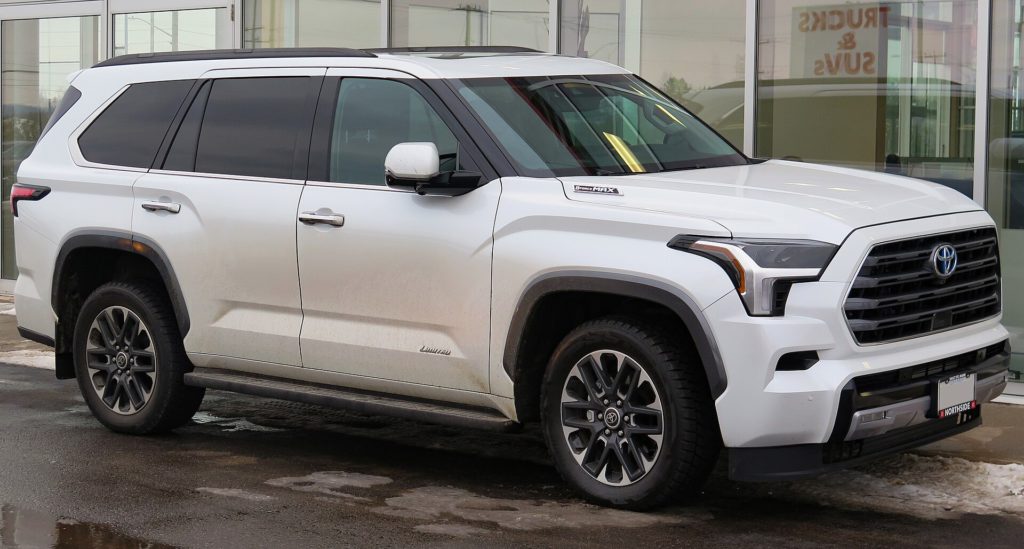
The current Sequoia’s hybrid-only powertrain replaced the previous generation’s V8 — an engine whose reliability was the primary reason buyers chose the Sequoia over competitors. The new system has received mixed owner feedback on the refinement and driving character that the V8 delivered consistently. Cargo space shrunk versus the previous generation, which is a meaningful regression in a vehicle class where space is the central purchase justification.
Toyota Sequoia (Interior)
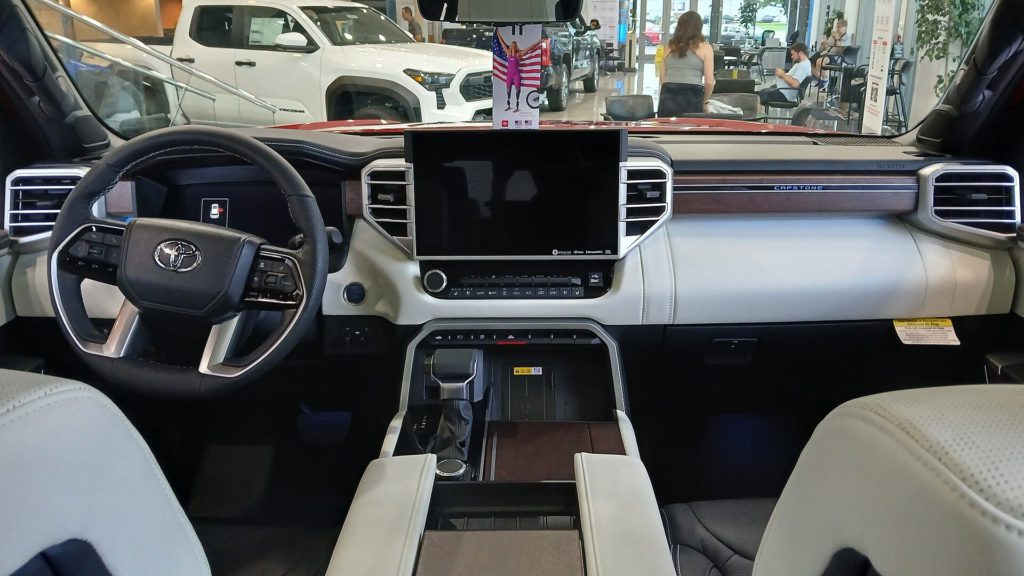
The Sequoia’s current pricing positions it against luxury full-size SUV alternatives while the interior experience does not match that competitive set. Families who need maximum space and the reliability record that previous Sequoia generations built should look closely at whether the current model delivers those priorities at the current price — or whether alternatives do it better.
8. Avoid: Toyota RAV4 (Exterior)
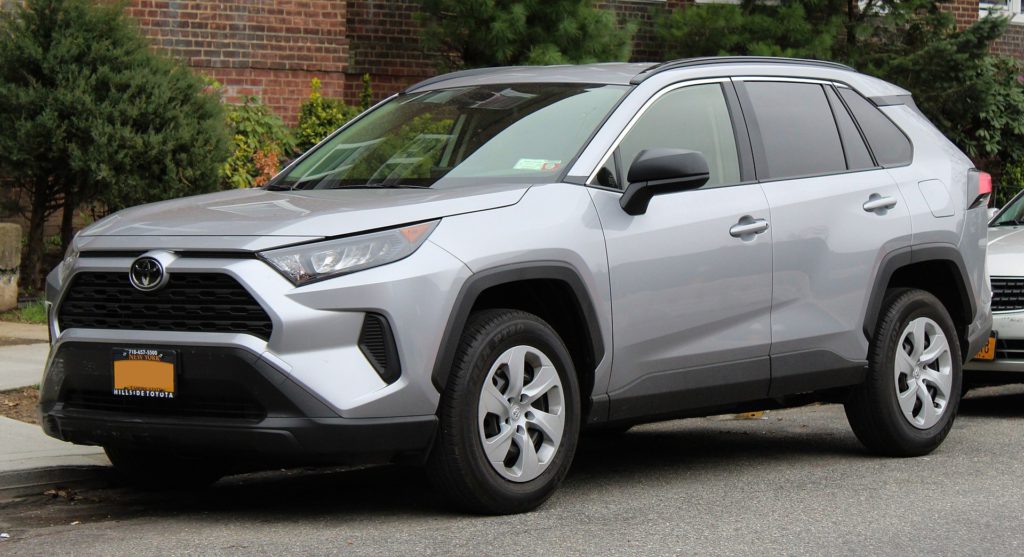
The RAV4’s fuel economy and mechanical reliability remain genuine strengths. The limitation is competitive positioning: newer rivals have moved ahead on cabin quality, technology integration, and interior refinement in ways that the RAV4’s current generation does not match. Interior noise levels are higher than most 2025 compact SUV competitors, which is a specific quality gap that buyers who cross-shop will notice.
Toyota RAV4 (Interior)
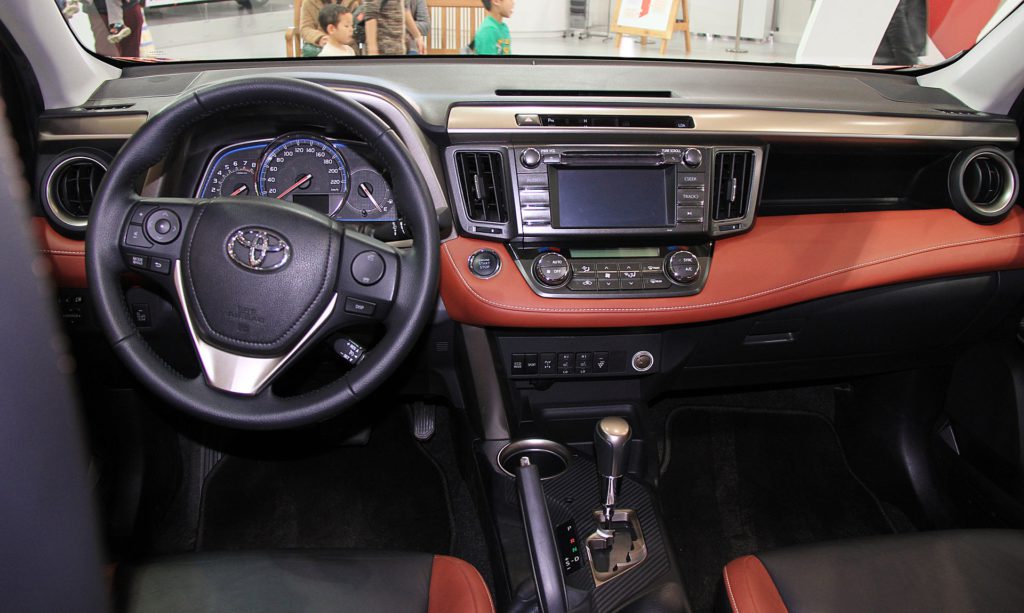
Starting prices have increased while the interior quality and technology specification have not kept pace with the segment’s current standard. The RAV4 is not a bad vehicle — the reliability record is real. The concern for 2025 buyers is value: the same budget now buys better-equipped alternatives in a segment that has improved significantly around a vehicle that has not been updated to match.
7. Avoid: Toyota Highlander (Exterior)
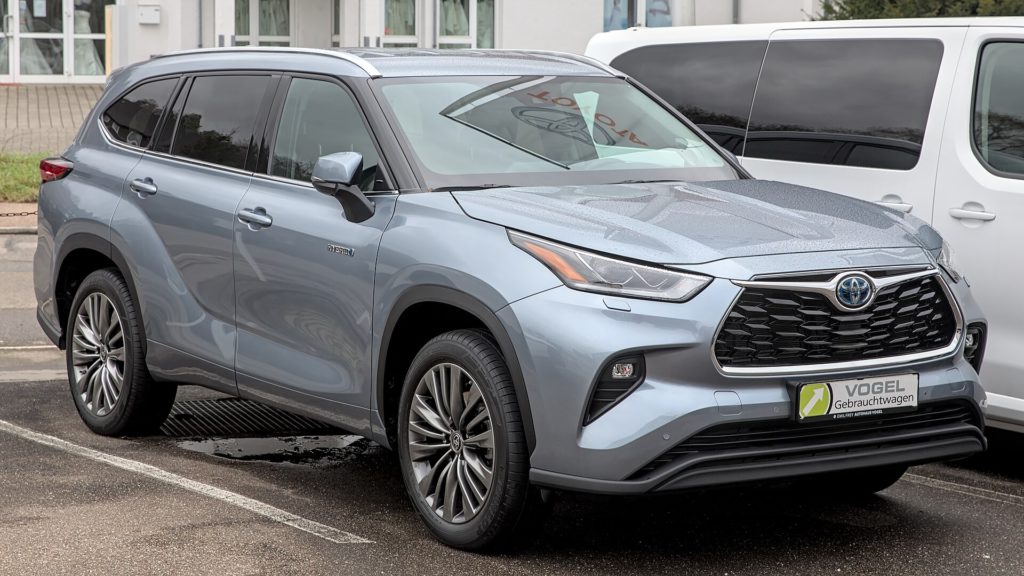
The Highlander’s third row is the central problem: it is nominally present and practically inadequate for adult passengers, which makes the three-row SUV positioning a difficult sell against vehicles where the third row is genuinely usable. Cargo space is average for the segment rather than competitive. The turbo four-cylinder that replaced the V6 brought less refinement alongside its improved fuel economy.
Toyota Highlander (Interior)
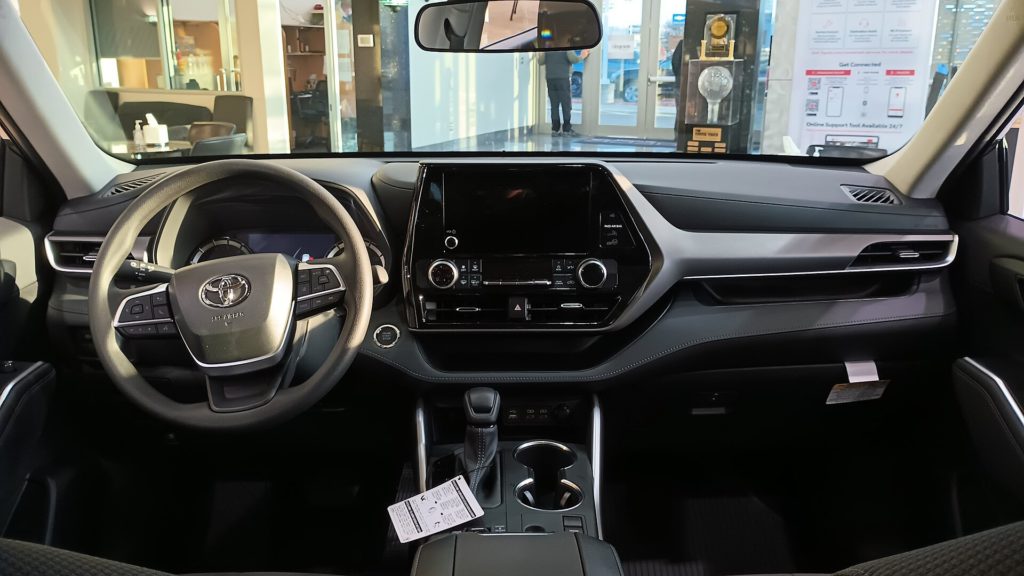
The hybrid version delivers 35 mpg and represents the more defensible purchase within the Highlander lineup — better efficiency partly compensates for the refinement reduction from the V6 replacement. Non-hybrid buyers are accepting less comfortable powertrain character without the fuel economy benefit that justifies it. Three-row SUV buyers with genuine third-row seating requirements should cross-shop the alternatives carefully before choosing the Highlander.
6. Avoid: Toyota Crown (Exterior)
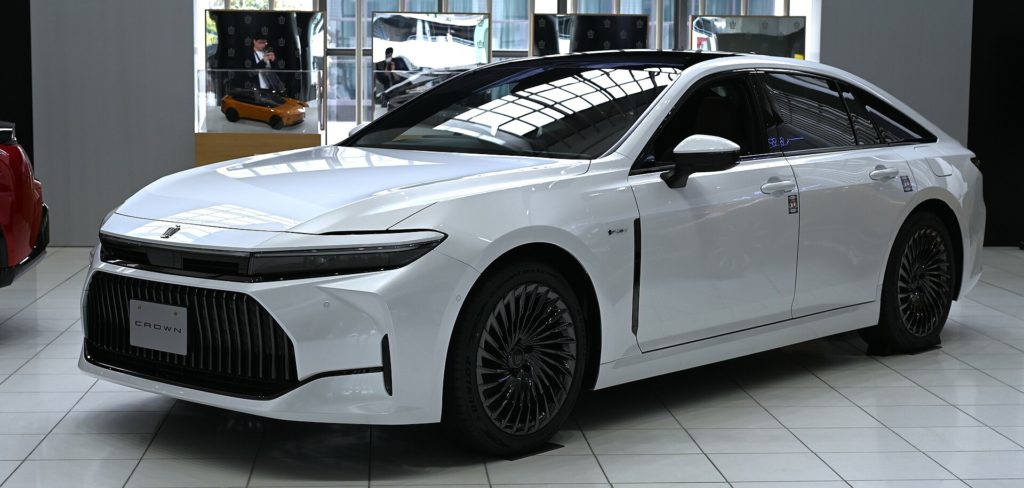
The Crown sits in a positioning gap between the Camry and Lexus that is difficult to justify. Rear seat and cargo space trail the Camry despite the Crown’s higher price. The luxury amenities that would justify the Lexus-adjacent pricing are not present at the level buyers expect when they pay that premium. The overlap with the Camry Hybrid’s capabilities makes the Crown difficult to recommend when the Camry does most of what it does for less money.
Toyota Crown (Interior)

The Crown’s interior quality is better than the Camry’s baseline but does not reach Lexus ES standards — a middle position that serves neither buyer well. For buyers who want Camry reliability at higher content levels, the Camry XLE or the Lexus ES are cleaner choices at either end of the Crown’s price range.
5. Best: Toyota Camry (Exterior)
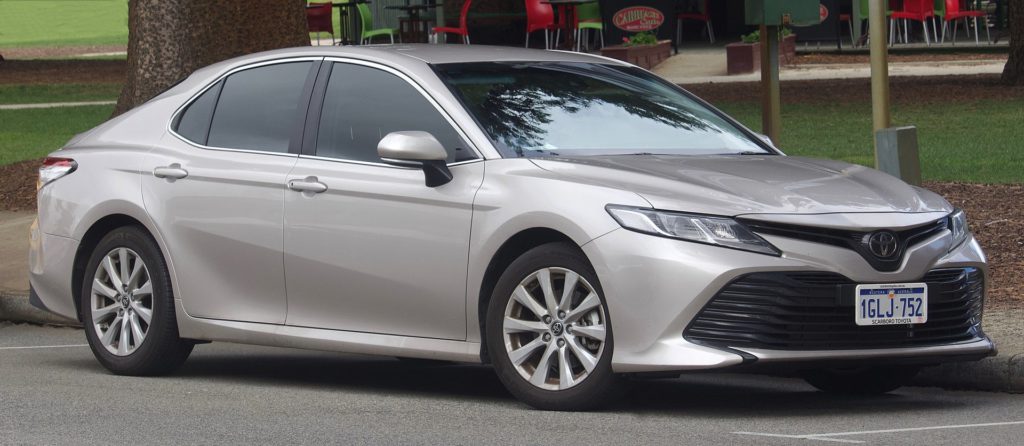
The 2025 Camry is a genuinely improved vehicle. The exterior redesign is the most significant visual update in years, the upgraded interior materials are a meaningful step above the previous generation’s cabin, and the safety and connectivity features are current rather than the dated specification that previous Camrys carried too long. The exterior and powertrain changes were made simultaneously, which is the right sequence for a vehicle that needed both.
Toyota Camry (Interior)
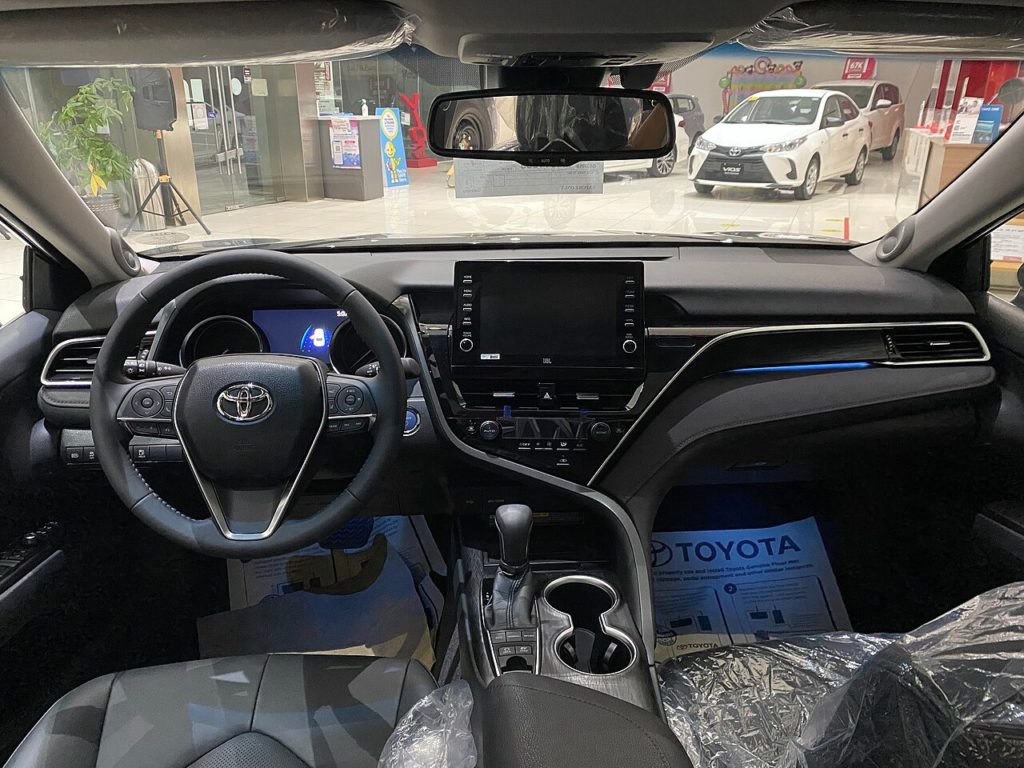
Passenger and cargo space remain class-competitive. The hybrid system delivers over 50 mpg at a $28,400 starting price — a combination that makes the total cost of ownership argument straightforward. J.D. Power consistently ranks the Camry highest for dependability in the mid-size sedan segment. The 2025 update gives the Camry’s interior quality and exterior design a credibility that matches the reliability record it has always carried.
4. Best: Toyota Land Cruiser (Exterior)
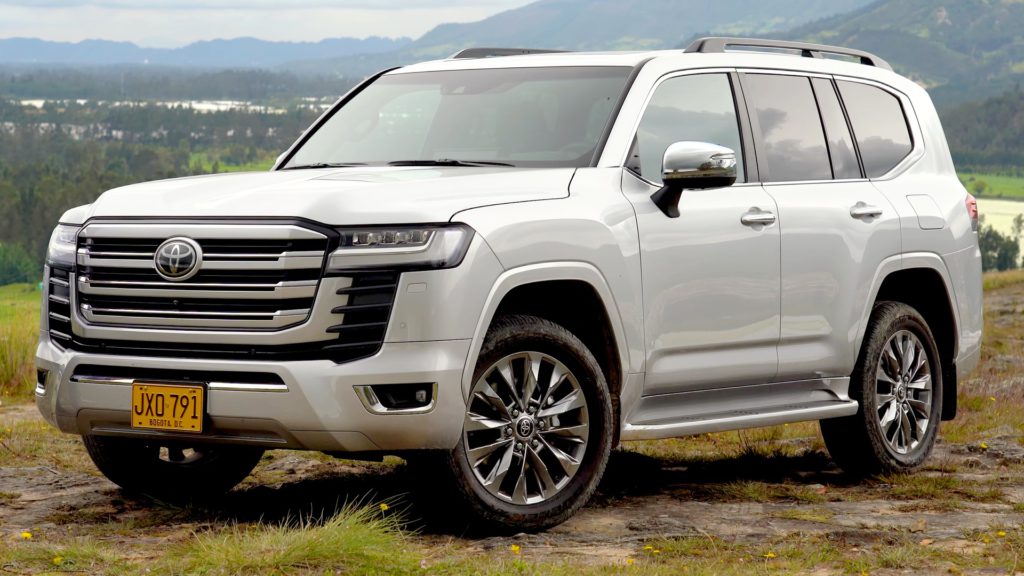
The Land Cruiser’s return with the 250 series redesign addresses the two concerns that limited the previous generation’s reach: price and off-road capability relative to modern competitors. The new platform balances the off-road engineering that built the Land Cruiser’s global reputation with hybrid efficiency and updated interior quality that previous generations could not offer simultaneously. The pricing is more accessible than the outgoing model’s elevated final years.
Toyota Land Cruiser (Interior)

The cabin quality matches the exterior’s premium positioning, and the electronics integration makes sense rather than layering complexity onto hardware that was not designed to accommodate it. Buyers who need genuine off-road capability with refinement that makes daily use comfortable will find the Land Cruiser delivers on both sides of that requirement in 2025 in a way that the previous generation’s pricing made difficult to justify.
3. Best: Toyota Tacoma (Exterior)
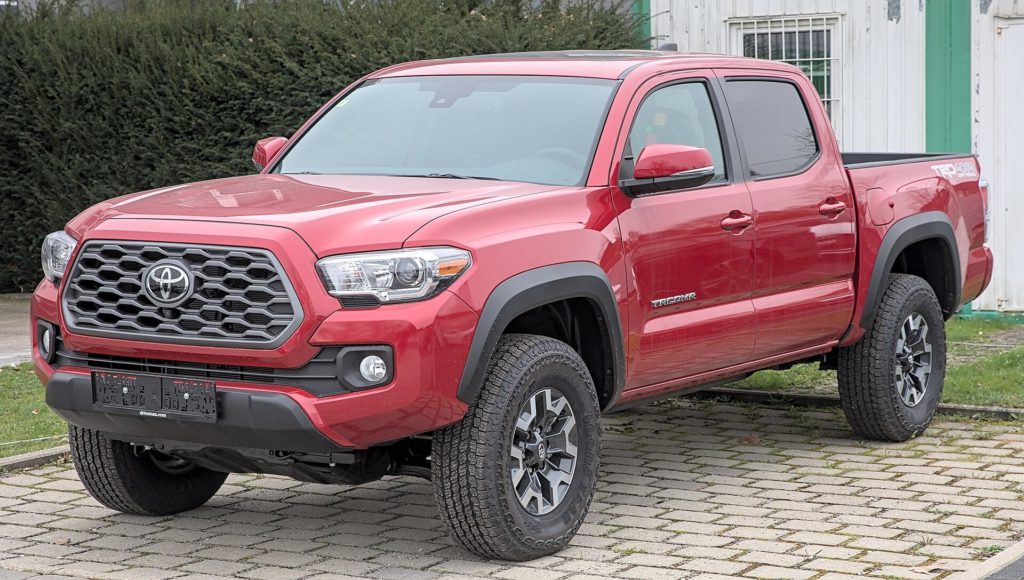
The new-generation Tacoma updates the powertrain, interior, and technology without eliminating the off-road capability and truck character that made it the mid-size segment’s benchmark. The hybrid option improves efficiency while maintaining the truck’s functional capability — a combination that previous Tacoma generations could not offer. The modernized cabin addresses the previous generation’s dated interior specification directly.
Toyota Tacoma (Interior)
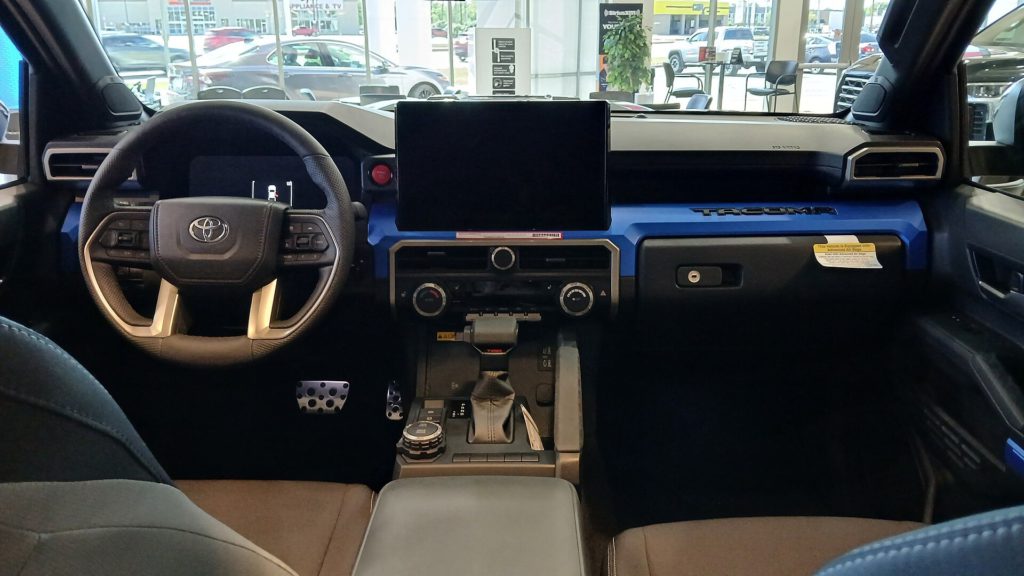
The infotainment display is current rather than a carryover from an earlier design era, and the specialized off-road trims provide capability that serious buyers require rather than aesthetic differentiation without substance. J.D. Power ranks the Tacoma first for dependability in the mid-size truck class — critical for owners who use their truck for work and recreation simultaneously and cannot afford unplanned downtime in either context.
2. Best: Toyota GR Corolla (Exterior)
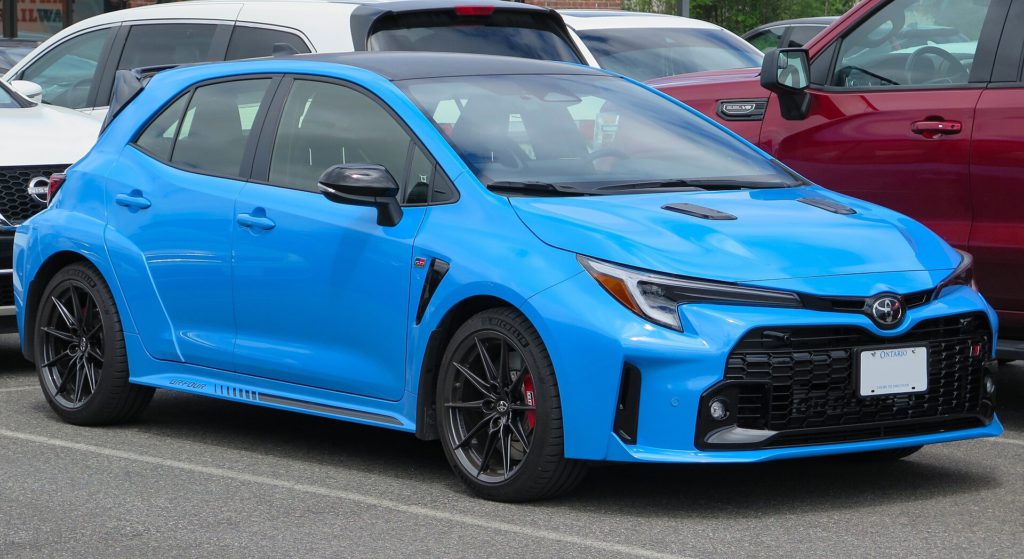
The GR Corolla occupies a segment that most manufacturers have abandoned: accessible performance with genuine engineering substance. The 300-hp turbocharged three-cylinder with a purpose-built all-wheel-drive system delivers WRC-derived driving dynamics at a price that does not require that level of financial commitment. The affordable performance segment has contracted significantly — the GR Corolla is one of the few remaining options that delivers this combination without significant compromise.
Toyota GR Corolla (Interior)
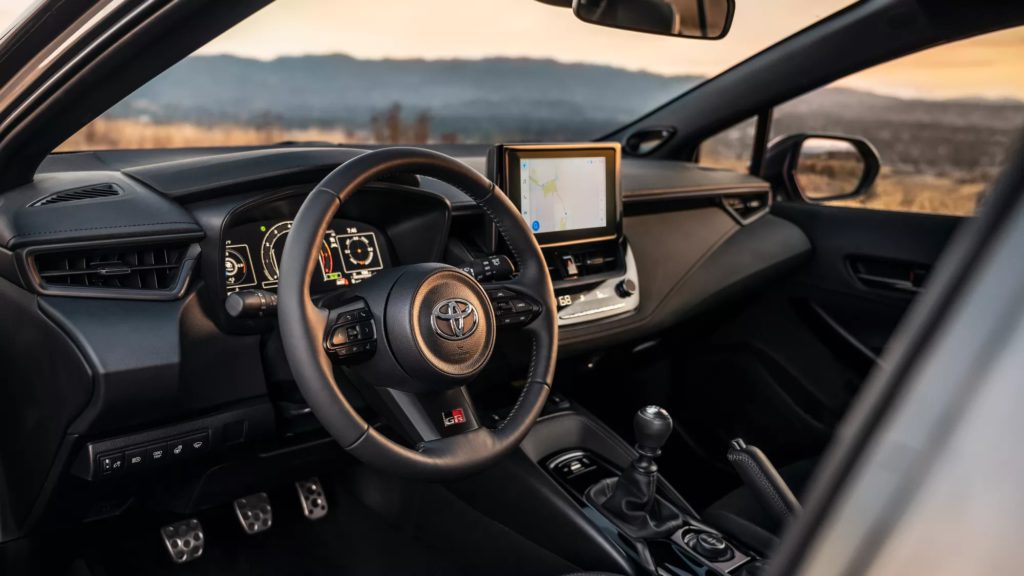
The interior reflects performance priorities — driver-focused layout, manual transmission standard, controls positioned for engagement rather than comfort. Critics consistently cite the handling dynamics and driving character as class-leading at its price point. The GR Corolla represents Toyota committing engineering resources to a vehicle type that the market’s move toward crossovers and electrification has made increasingly rare.
1. Best: Toyota Sienna (Exterior)

The Sienna provides over 100 cubic feet of cargo volume, genuine comfort across all three rows, standard hybrid power producing 36 mpg combined, and available all-wheel drive — a specification combination that no other minivan in the 2025 market matches simultaneously. The all-wheel drive availability is specifically differentiated: it is the only hybrid minivan currently sold in the US with that option, which matters for buyers in climates where winter capability is a requirement.
Toyota Sienna (Interior)
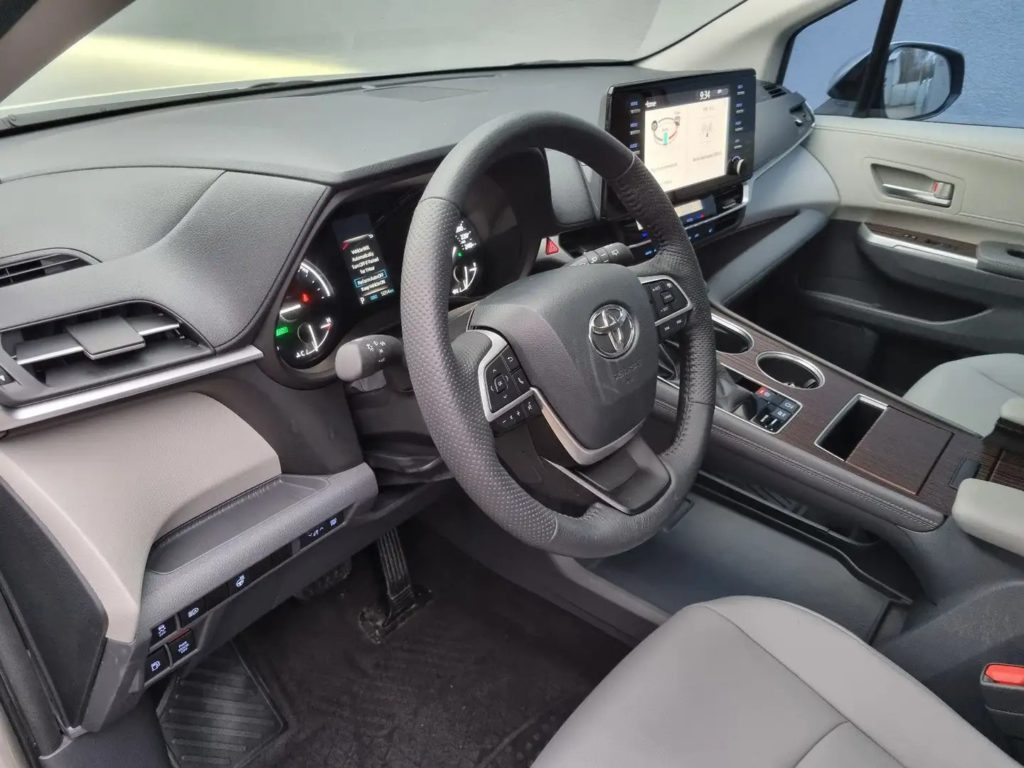
J.D. Power ranks the Sienna first for dependability among minivans. For family transportation where reliability is not optional — where the vehicle needs to be available for school runs, sports schedules, and road trips without introducing uncertainty into those plans — the Sienna’s combination of cargo capacity, passenger comfort, fuel economy, and reliability data makes it the strongest value in Toyota’s 2025 catalog.