

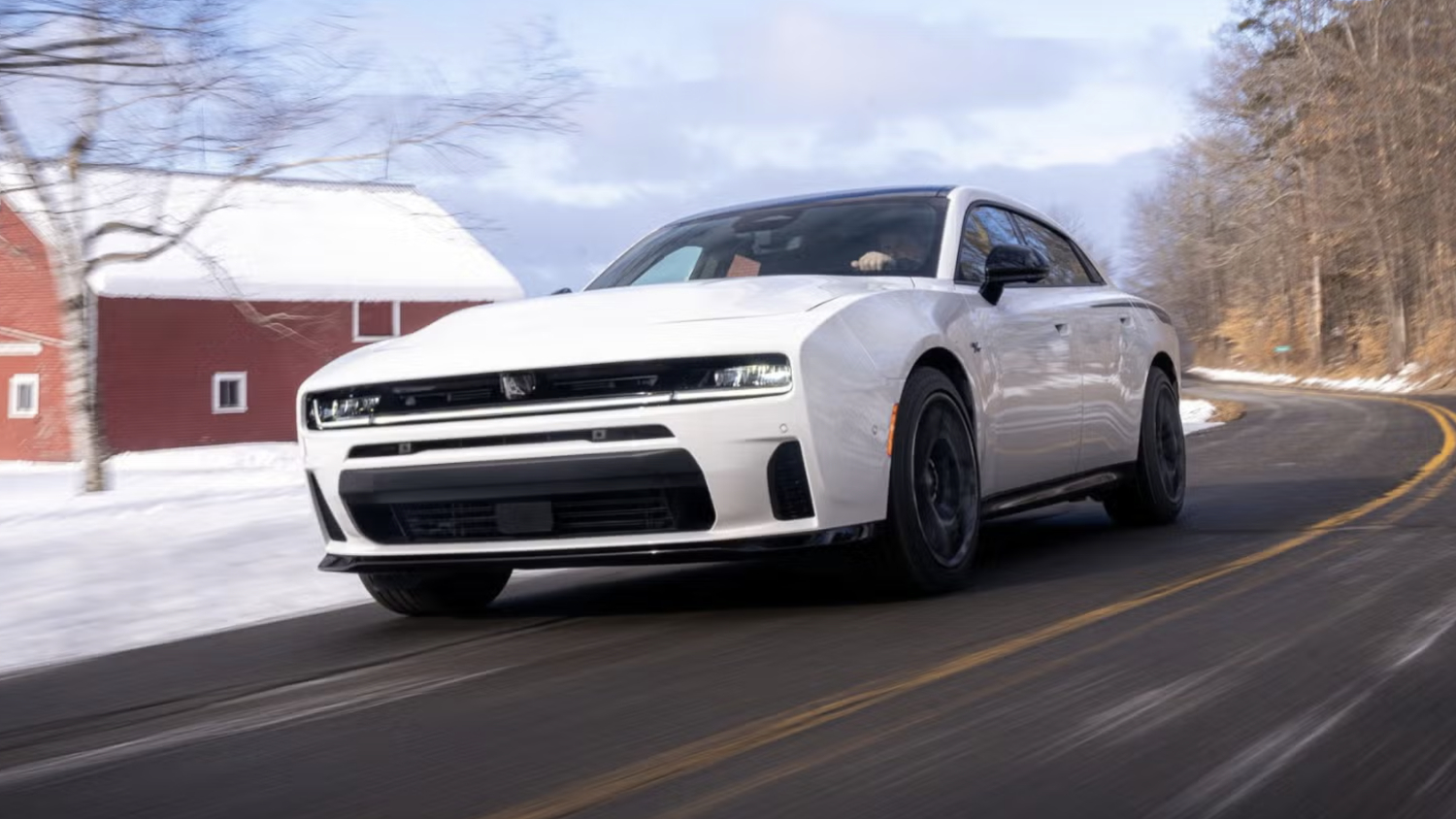
Nearly 15 gasoline-powered Dodge Chargers sold for every one electric Daytona in the third quarter of 2026. According to Stellantis’ Q3 2026 sales release, Dodge moved 3,446 internal-combustion Chargers against just 233 Daytona EVs — 14.8 to 1, if you want the decimal. The headline is striking. The context, though, involves mismatched launch timelines, a prior-year EV demand spike, and a $10,000 price gap that does considerable quiet work on affordable new car buyers.
Year-to-date through September, the scoreboard reads 8,029 gasoline Chargers versus 767 Daytonas — a lopsided split that keeps most of Dodge’s current story firmly on the combustion side.
The Comparison Is Built on Unstable Ground
Both the gas Charger’s dramatic sales surge and the Daytona EV’s steep decline are heavily distorted by timing factors that make a straightforward reading unreliable.
The 1,348% year-over-year gasoline Charger sales increase sounds like a cultural reckoning for muscle cars. It is not — at least not entirely. The 238 gasoline Chargers sold in Q3 2025 largely consisted of previous-generation vehicles, not the current SIXPACK lineup. Dodge did not open orders for the current SIXPACK — a 3.0-liter twin-turbocharged inline-six that replaced the previous V8 — until December 2025. Comparing Q3 2026 to Q3 2025 for the gasoline Charger is effectively comparing a product at full launch momentum against a period when the new model had barely begun reaching buyers.
The Daytona EV’s 92% year-over-year sales drop carries its own asterisk. The 2,776 units sold in Q3 2025 were reportedly driven in part by buyers accelerating purchases ahead of the federal $7,500 EV tax credit expiration on September 30, 2025. That kind of deadline-driven demand does not repeat. The 233 units sold in Q3 2026 likely reflect that prior-year spike fading — though Stellantis’ sales release reports the decline without attributing a specific cause.
Current U.S. MSRP and specs for Dodge’s 2026 Charger lineup:
- Charger R/T (420 horsepower, SIXPACK inline-six): starts at $49,995
- Charger Scat Pack (550 horsepower, SIXPACK inline-six): starts at $54,995
- Charger Daytona Scat Pack EV (670 horsepower): starts at $59,995
The electric model actually produces the most power. It also costs $5,000 to $10,000 more than its gasoline counterparts — a price gap that the sales figures suggest carries real weight with buyers, though the data alone cannot confirm what drove individual purchase decisions.
What the Numbers Do Not Tell You
The Q3 results reveal a clear short-term sales outcome, but they fall well short of a verdict on the Daytona EV’s longer-term prospects.
Drawing broad conclusions from this quarter would mean ignoring how differently each model entered it. The gasoline Charger arrived with a recently launched lineup and a lower starting price. The Daytona EV was measured against an unusually strong prior-year comparison, with no equivalent demand catalyst in place.
Dodge’s overall Q3 2026 sales rose 2% to 26,546 units, with the Durango accounting for the bulk of volume at 22,755 units — up 14% year over year. The Hornet, now discontinued, contributed just 85 units, down 97%. The gasoline Charger’s growth helped offset that collapse in volume; the Daytona EV, at 233 units, did not.
The next several quarters — with a full year of SIXPACK availability on the books and the prior-year EV incentive distortion fading — will offer a cleaner read. Right now, the gasoline Charger is outselling the electric one by a wide margin. Whether that reflects a durable market preference or a product-launch advantage remains an open question — context that the fastest-selling cars in America right now help illuminate.