

James Garner looked at the redesigned 1979 Pontiac Firebird and reportedly said no. The show kept running 1978-body-style cars until it wrapped in 1980 — a decision widely repeated in enthusiast accounts, though no formal studio document has surfaced to confirm it. That a lead actor reportedly carried that kind of aesthetic influence over his show’s signature vehicle tells you everything about how deliberately the Rockford Firebird was constructed, and why authentic examples still command serious collector money today.
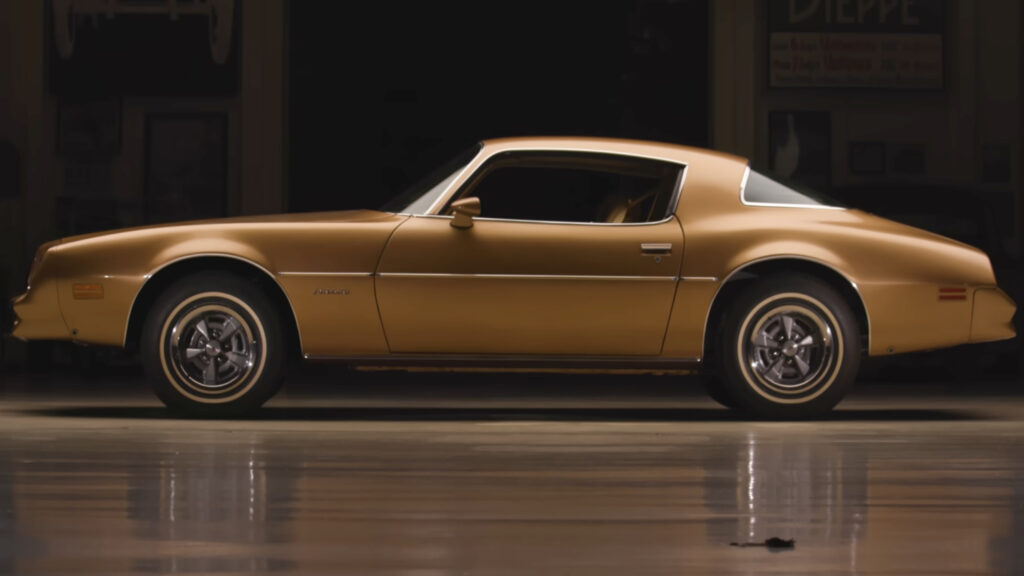
The Car That Wasn’t What It Looked Like
Rockford’s modest Firebird hid a performance secret underneath its unassuming gold paint.
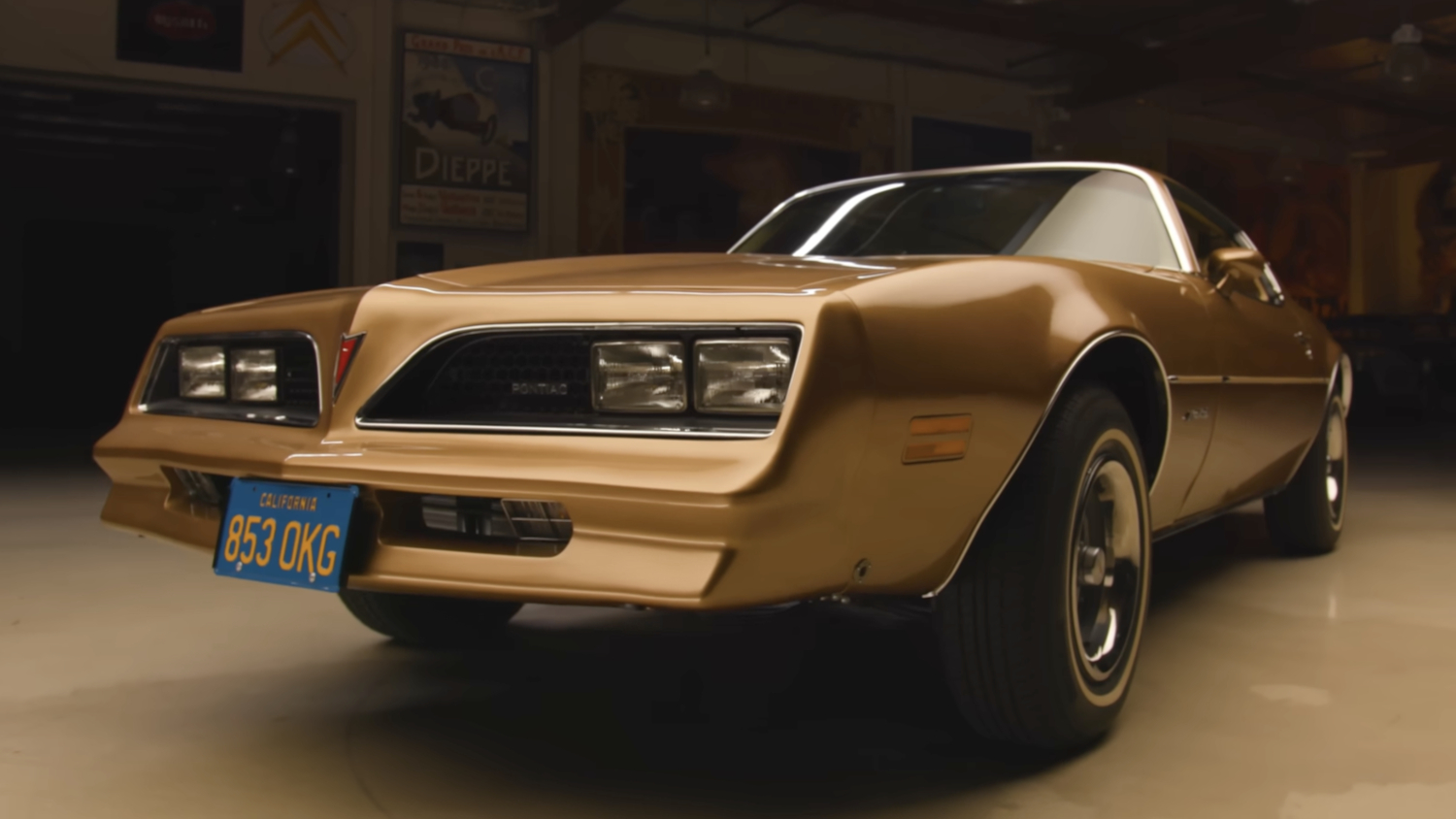
Garner wanted the car to read as a base-trim Esprit — appropriate for a PI whose office was a trailer in a Malibu parking lot. Pontiac’s PR team reportedly supplied Formula 400 models instead, stripped of performance exterior cues but retaining the stronger drivetrain and suspension underneath. Character logic drove every decision. Garner reportedly selected the distinctive Sierra Gold finish specifically to avoid the Trans Am’s muscle-car associations. The car projected restraint while hiding real capability — which, if you think about it, describes Rockford himself perfectly.
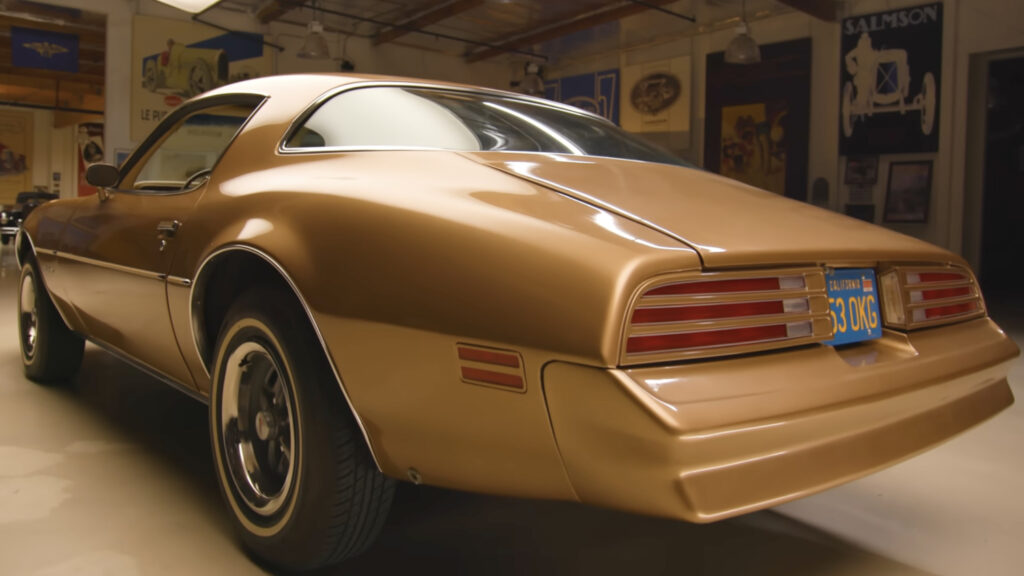
A few production details worth knowing:
- The Esprit designation was deliberate — Garner felt Rockford’s finances and personality ruled out anything flashier
- Formula 400 mechanicals were used for chase and stunt sequences; exterior badges and trim were modified to maintain the Esprit appearance
- Garner was known for performing substantial driving work on set, including the show’s signature J-turn maneuver
- A 1977 production car, acquired and restored by Pat McKinney, was found to contain microphone connections drilled into the bodywork — equipment used to capture dialogue and vehicle sounds, including the Firebird’s engine noise, while filming
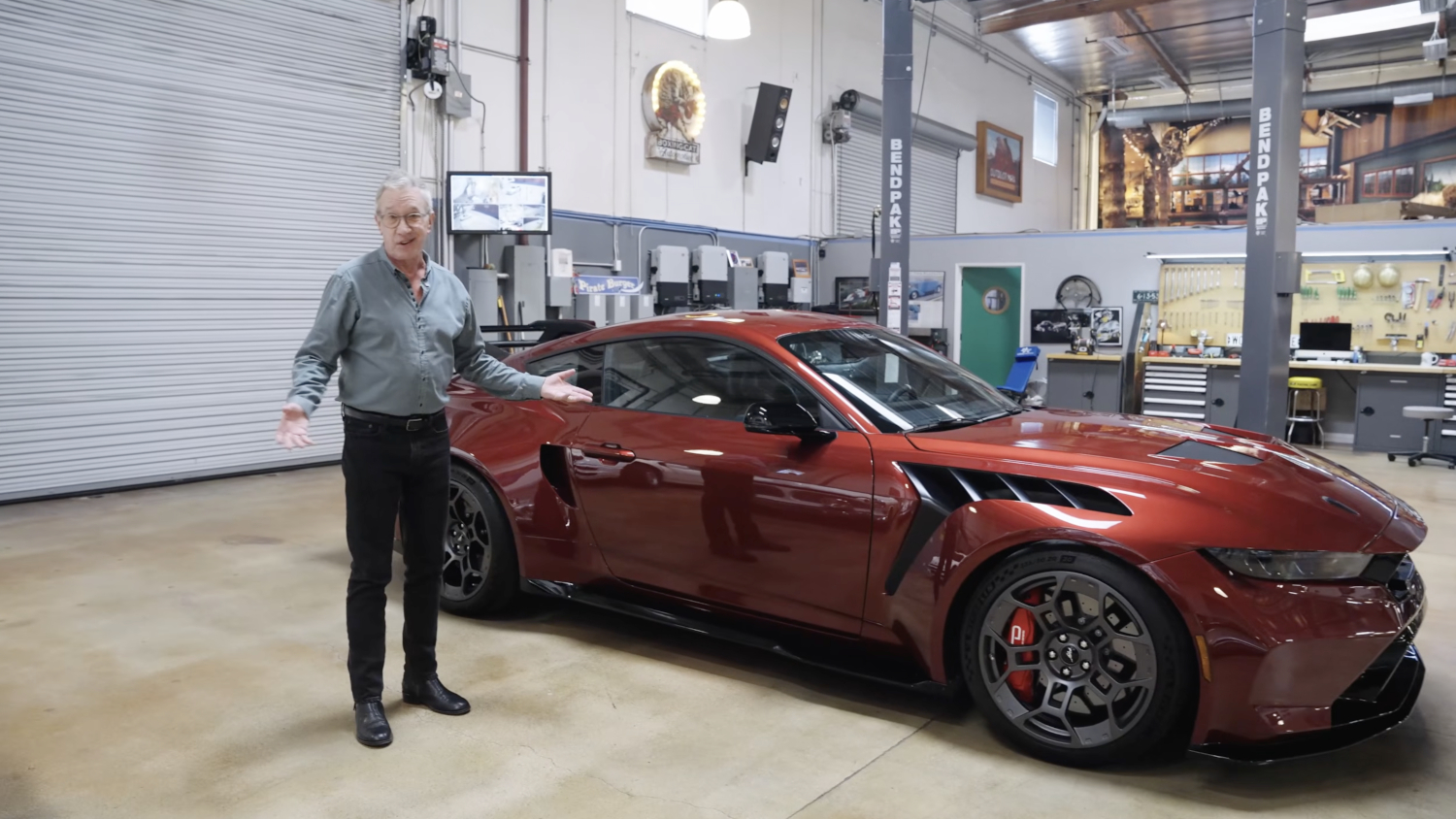
- That restored car was later featured on Jay Leno’s Garage
The 1979 Rejection and What It Reveals
One actor’s reported objection to a headlight redesign ended up defining a television era.
Enthusiast accounts describe Garner finding the 1979 Firebird’s restyled front end — particularly its new headlights — unattractive enough to exclude from the series entirely. Treat it as production-history lore rather than documented corporate policy; no formal studio record has emerged to confirm the decision formally. But the outcome is well-supported: 1978-style cars remained on screen through the show’s cancellation.
A star with that kind of aesthetic influence over a network prop department is unusual. The Firebird wasn’t simply assigned to The Rockford Files. It was curated — much like the Fastest Muscle Cars of the era that were overlooked in their own time.
What the Surviving Cars Are Worth Now
Documented screen history turns a Pontiac into a six-figure collector piece.
A 1978 Firebird associated with the production sold at a May 2026 RR Auctions event for AU$189,000 — approximately US$132,000 — described as a possible record for the model. Provenance matters here. Screen-used Firebirds served different production functions: close-ups, stunt work, sound recording. Value tracks with documented individual history, not appearance alone.
That auction result reflects something more than nostalgia. Every deliberate choice Garner reportedly made — color, trim level, headlight shape, model year — added up to a coherent on-screen character. The 1979 rejection, whether or not the full story is ever formally documented, was entirely consistent with that logic. It wasn’t stubbornness. It was casting.