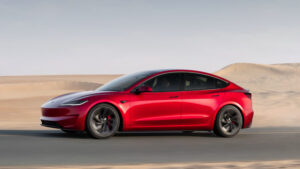


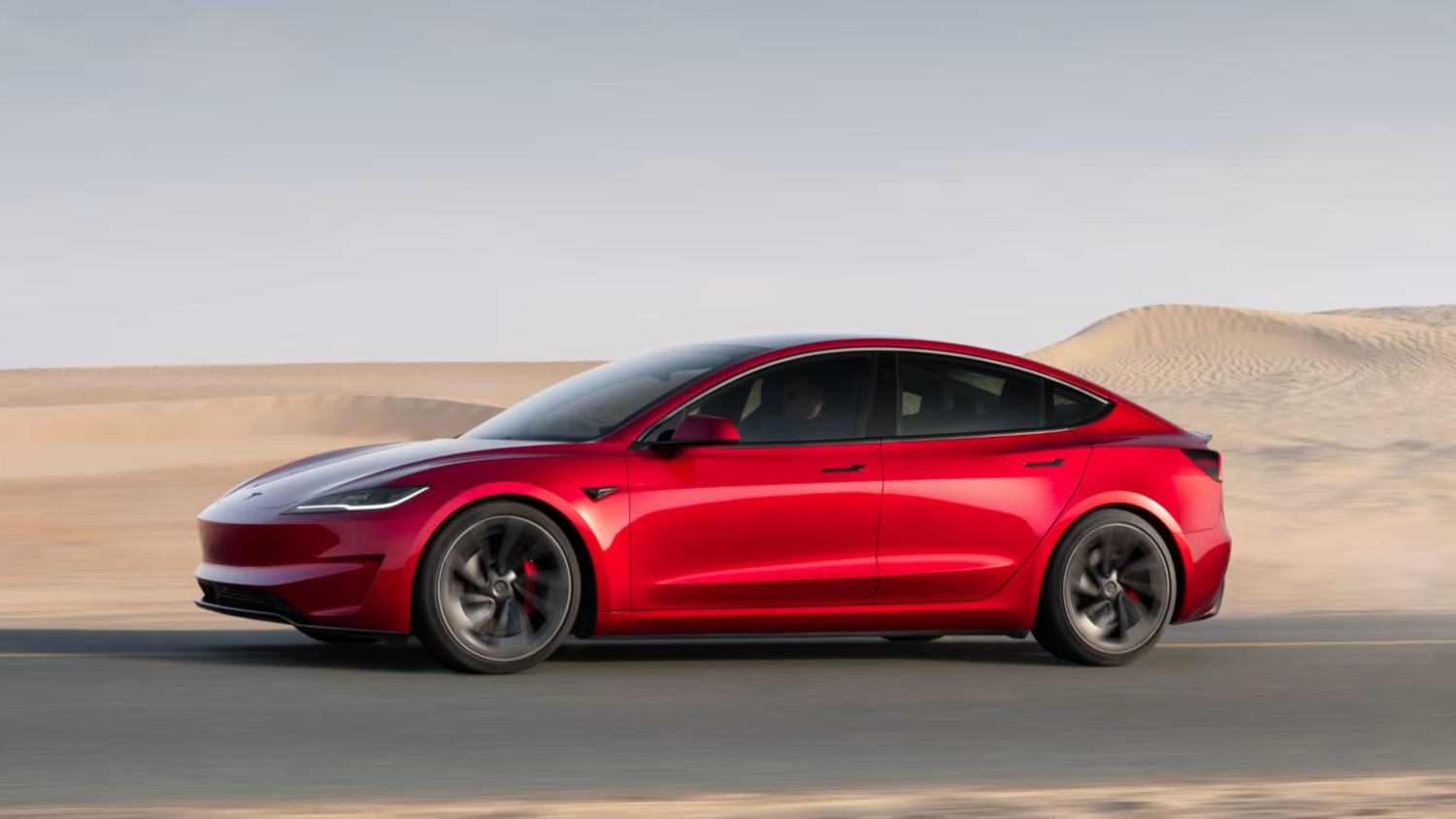
While overseas buyers unwrap a meaningfully upgraded Model 3, American customers are holding onto the same hardware they had yesterday. Starting with October 2026 deliveries, Tesla’s Shanghai-built Model 3 gains a larger display, new interior options, and V2L (vehicle-to-load) power — the ability to use the car’s battery to power external devices — a feature already available on select U.S. Model Y configurations and the Cybertruck. The U.S. Model 3, assembled at Tesla’s Fremont factory, has not received these announced updates. For a car that moved roughly 66,616 units in the first half of 2026 alone — second only to the Model Y among U.S. EVs, per Cox Automotive data cited by Car and Driver — that gap is worth understanding before signing anything. Tesla owners face a growing list of considerations when evaluating which configuration is right for them.
What Changed, and Where
The refresh delivers a sharper screen, new interior finishes, and meaningful new capability — but only for Shanghai-built cars.
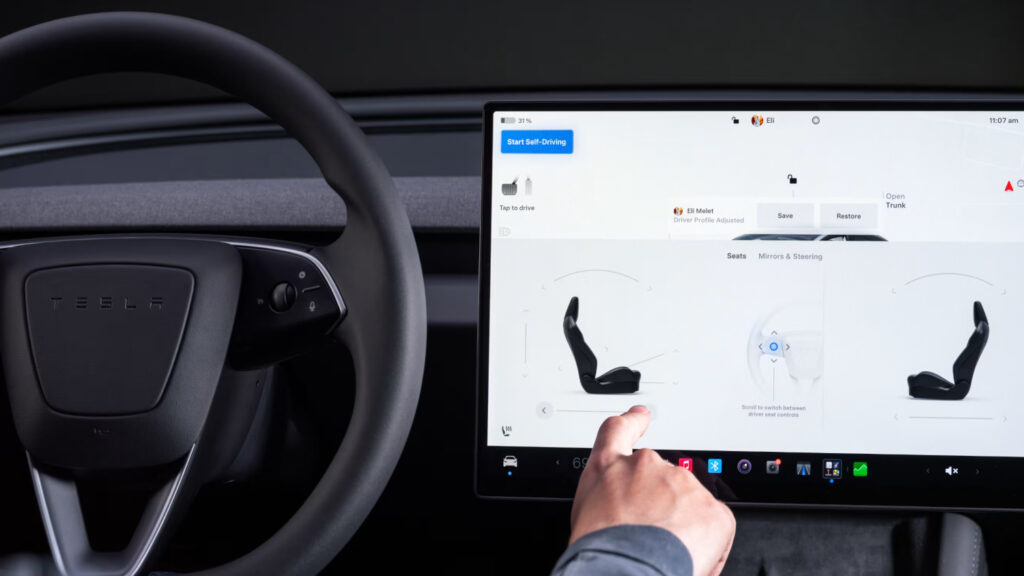
Announced by Tesla Korea on October 1, 2026, the refresh targets Shanghai-built Model 3s sold across South Korea, China, Australia, and New Zealand. The center display grows from 15.4 inches to 16 inches, with reportedly improved pixel density and resolution — modest in raw size but potentially meaningful for navigation clarity and in-car media. Inside, buyers reportedly gain a black headliner, a new Zen Grey seat color, and 19-inch Dark Nova wheels, according to reporting from Carscoops and Teslanorth, though wheel availability may vary by trim.
Key spec changes at a glance:
- Display: 15.4 inches → 16 inches, higher pixel density and resolution
- V2L output: approximately 2.2 kW AC via charging port adapter
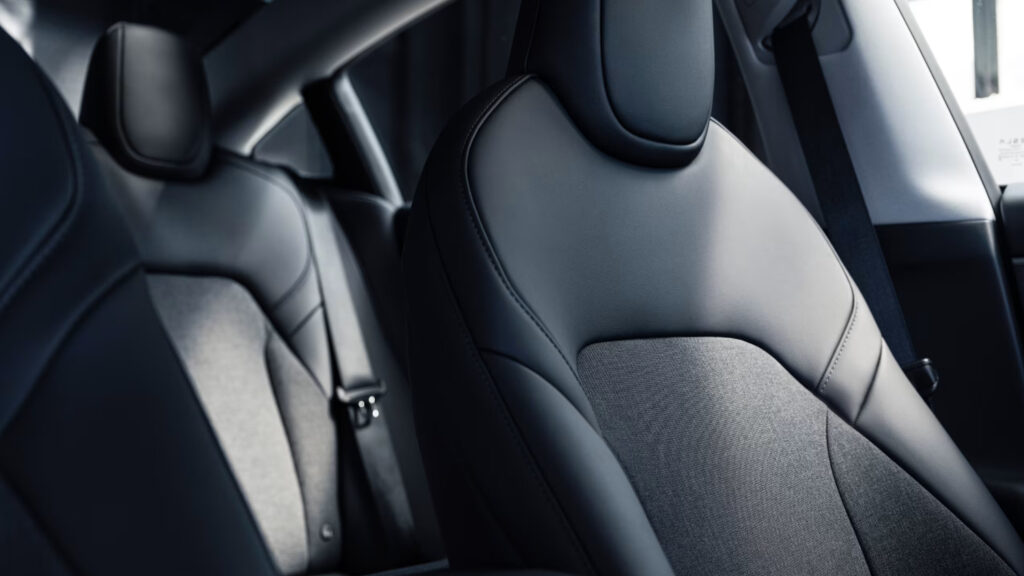
- Interior: black headliner, Zen Grey seat color option
- Wheels: 19-inch Dark Nova (availability may vary by trim)
- Markets receiving update: South Korea, China, Australia, New Zealand
Why U.S. Buyers Can’t Just Wait for a Software Update
V2L is a hardware-dependent upgrade, and Tesla has confirmed no timetable for bringing these changes to Fremont-built cars.
V2L means the car’s battery can power external devices — laptops, camping lights, a kettle, small appliances — through the charging port using a compatible adapter. At roughly 2.2 kW of AC output, it handles weekend-trip gear comfortably, though high-demand appliances with significant startup surges may exceed that limit. Tesla Korea stated that Model 3 specifications would change beginning with October 2026 deliveries and directed customers to Tesla stores for details.
Here is the hard part for U.S. buyers: this is not a software feature Tesla can push over Wi-Fi. V2L requires physical electrical hardware — including bidirectional power electronics integrated at the factory level. Previously produced U.S. Model 3s may not be retrofit-compatible because the required onboard charging hardware is absent. Fremont’s production line has not been confirmed for these changes, and Tesla has announced no U.S. timetable in available reporting. Notably, Teslas are engineered to reach 250,000 miles at twice the rate of some competitors, making it worth considering whether to wait for a better-equipped model rather than settling for the current Fremont build.
Before committing to a purchase, verify the actual window sticker in front of you. Overseas announcements do not automatically apply to Fremont-built vehicles, no confirmed U.S. rollout date exists, and the timeline for when — or whether — these features reach American buyers remains genuinely unknown. There are also other EVs worth waiting for if V2L or an updated display is a priority for your next vehicle purchase.