

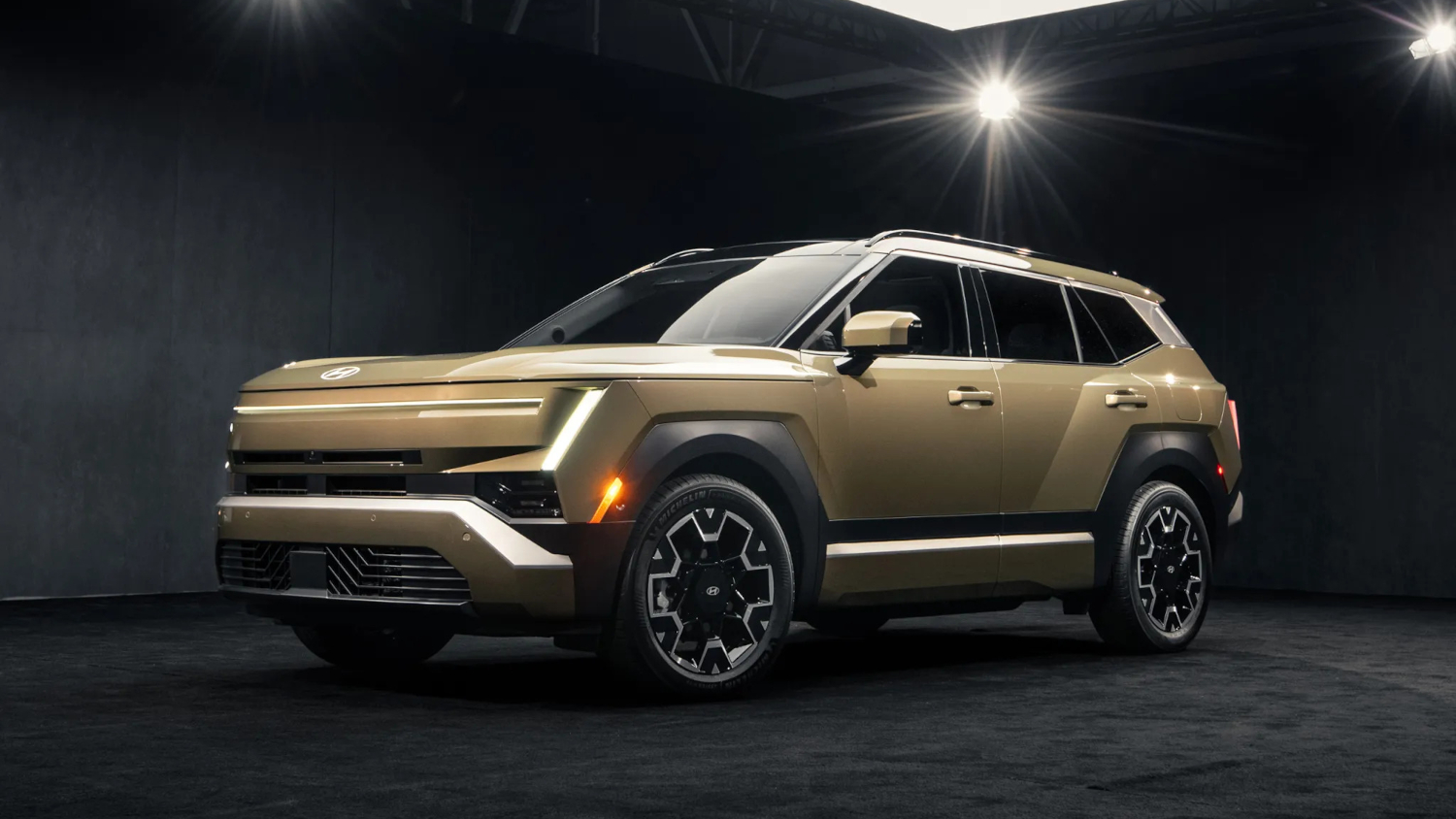
The school parking lot on a Tuesday morning: minivans, beige crossovers, the occasional dusty RAV4. Then a 2027 Tucson pulls in wearing H-shaped LED lighting that looks borrowed from a science-fiction film set. That’s Hyundai’s calculated gamble. With roughly 235,000 Tucsons reportedly sold in the U.S. last year, this isn’t a niche experiment — it’s a high-volume redesign that has to work for real families running real errands, dressed up in the most attention-commanding lighting in the segment. Hybrids are among the fastest-selling cars in America right now, and the Tucson’s hybrid variant is positioned squarely at the center of that trend.
Bigger, Bolder, and Actually More Practical
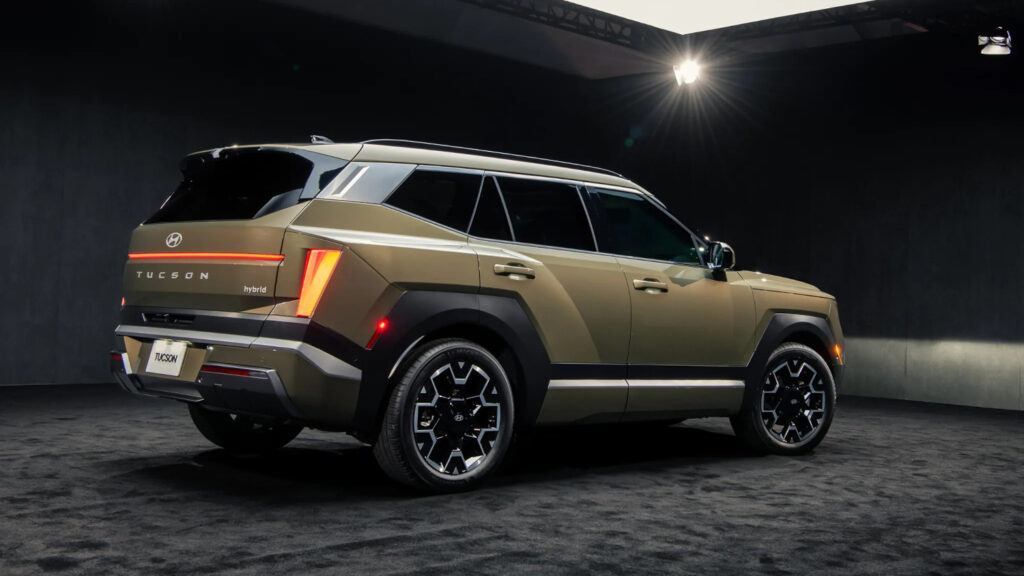
The new Tucson grows to roughly 185 inches long with a 109.6-inch wheelbase — and the extra space shows up where it counts.
Each door opens 10 degrees wider than before, which matters every time you’re wrestling a car seat into the back row — a genuine improvement for easy entry and exit in daily use. The drag coefficient reportedly drops from 0.33 to 0.30, trimming highway wind resistance without requiring any driver effort. Outside, three-dimensional projecting brake lights and a wide indirect LED strip form an unmistakable H-shaped signature at both ends. It’s bold, polarizing, and engineered to be noticed — but if you’re wondering whether it’s worth waiting for versus other upcoming models, the broader new-car landscape is worth a look.
Here’s what’s under the skin for U.S.-market buyers:
- Gasoline: turbocharged 1.6-liter four-cylinder, 184 hp; the hybrid pairs the same engine with electric assist for 233 hp and 280 lb-ft of torque
- Preliminary fuel targets: approximately 42 mpg combined (FWD hybrid) and 28 mpg combined (FWD gasoline) — final EPA ratings are still pending
- Plug-in hybrid: reportedly not offered in the U.S. for this generation, according to current reports, due to low consumer demand; a PHEV variant may continue in select other markets
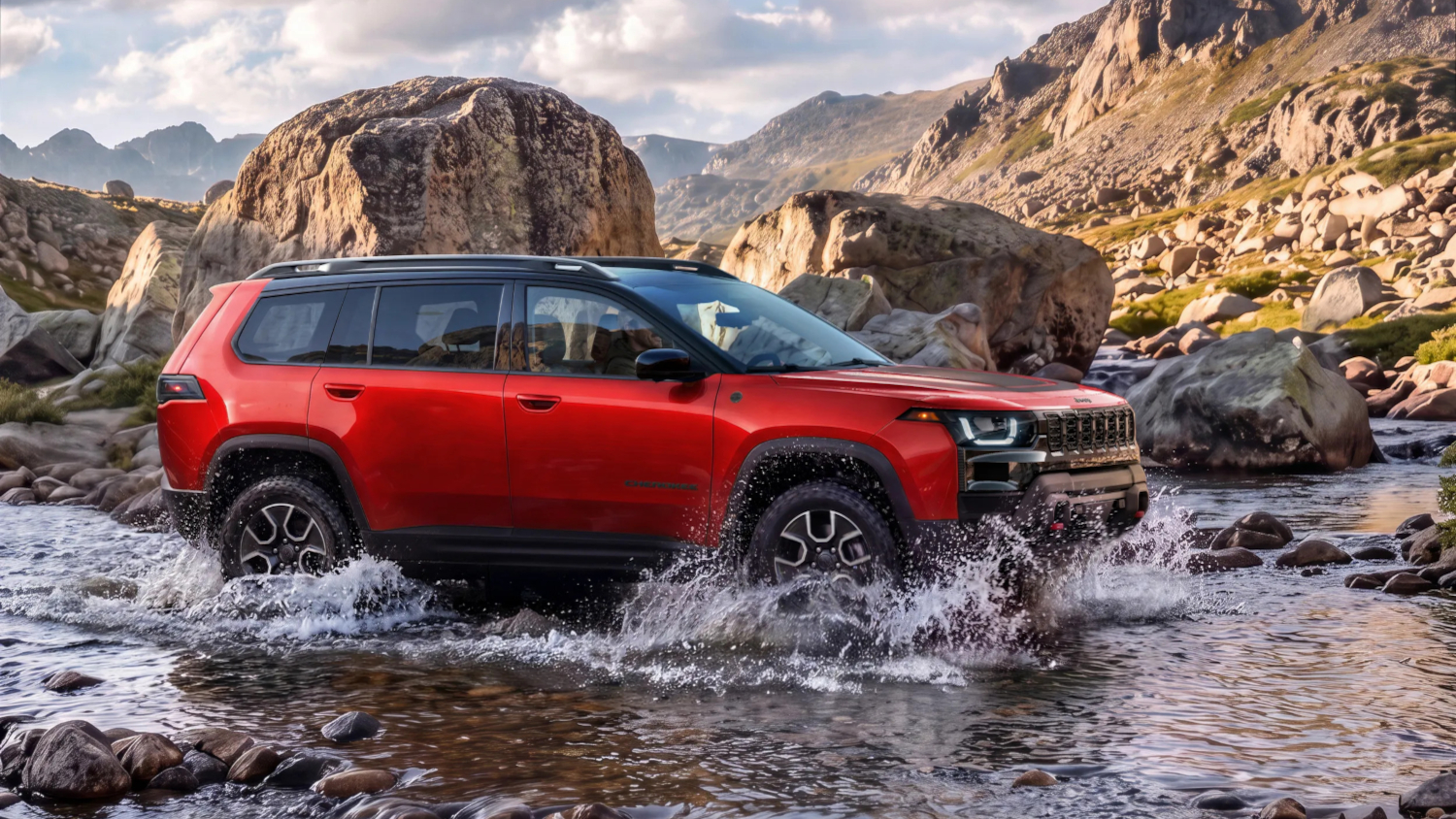
- XRT Pro: adds approximately 8.3 inches of ground clearance (roughly 1.2 inches more than standard), all-terrain tires, front recovery hooks, and hybrid AWD as standard
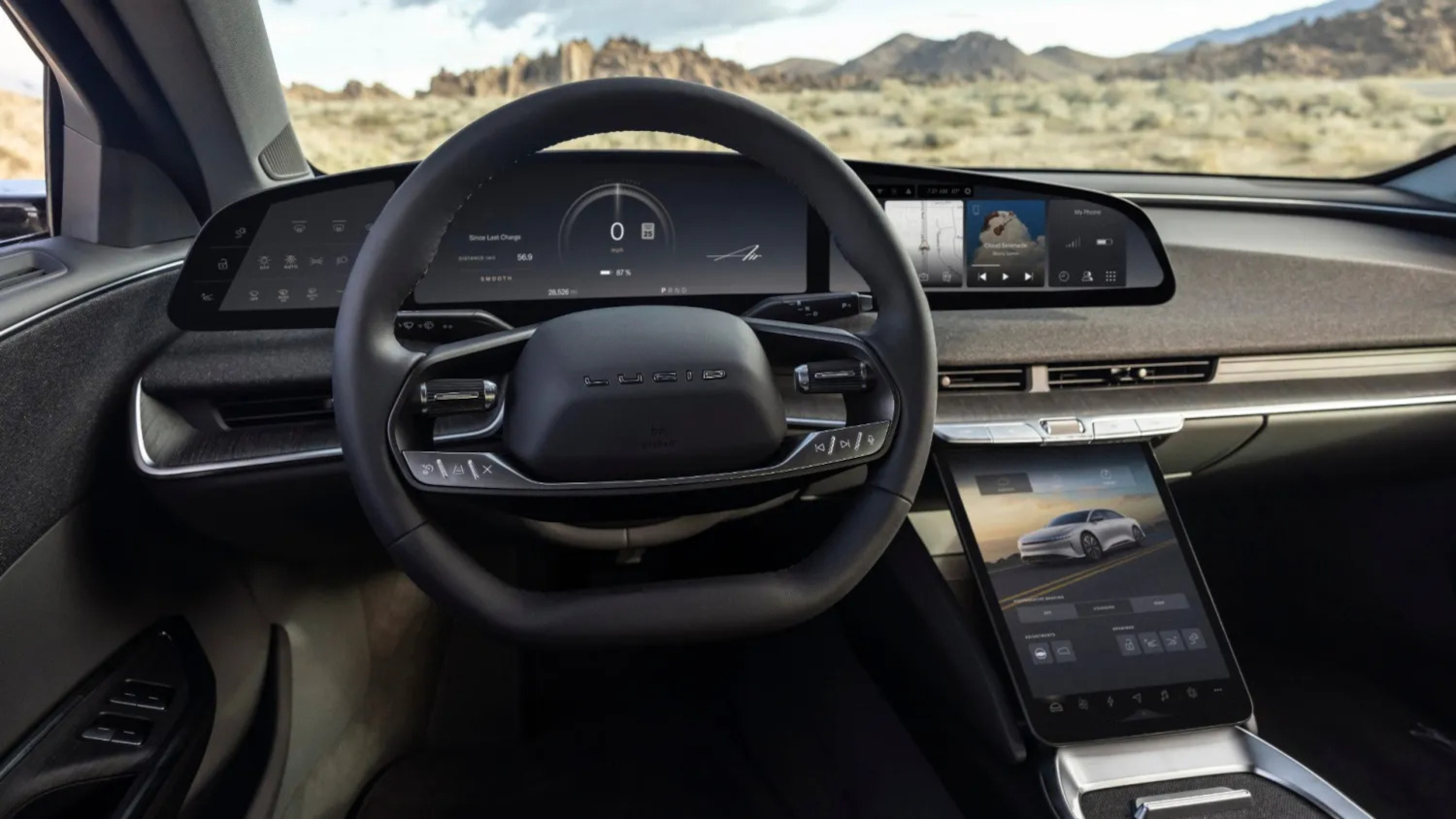
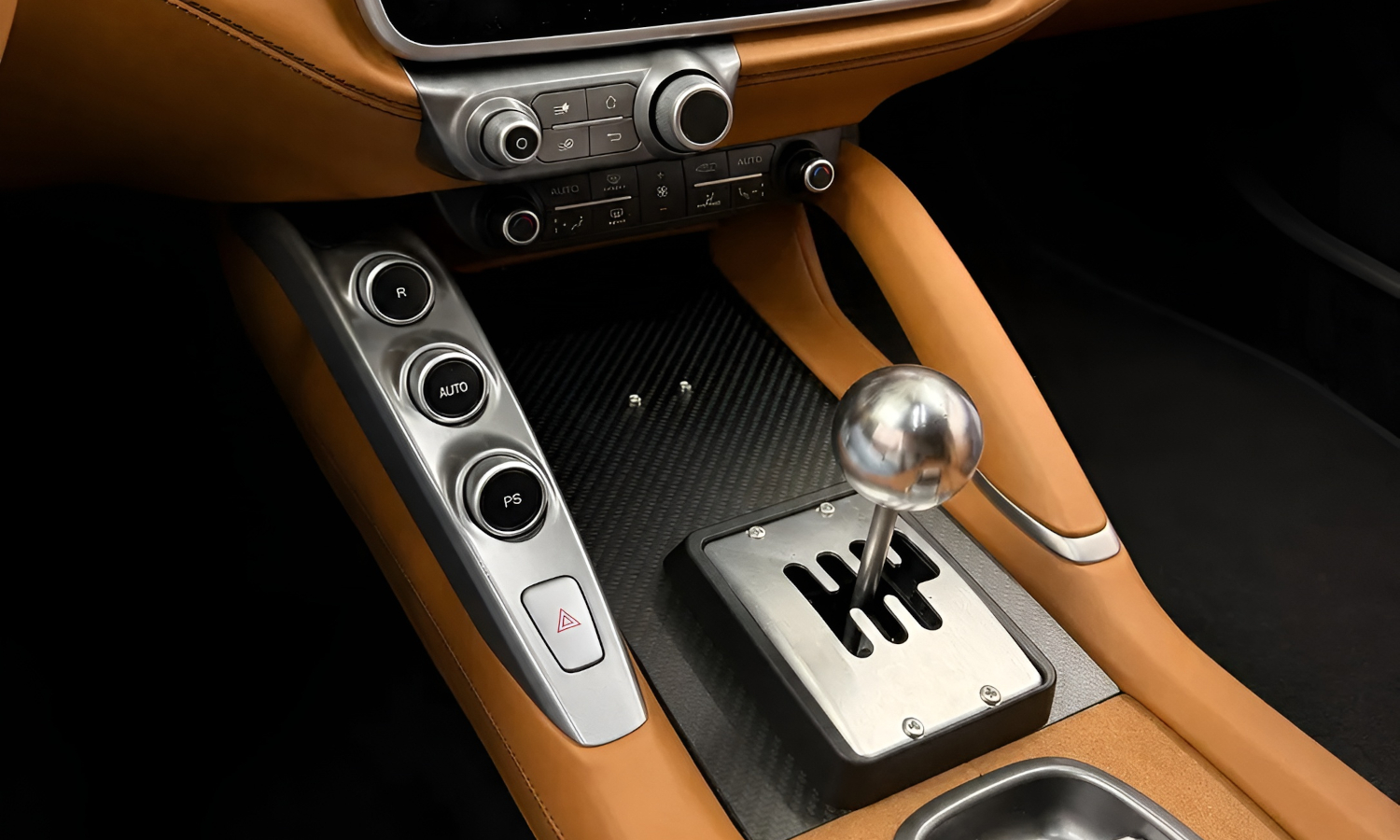
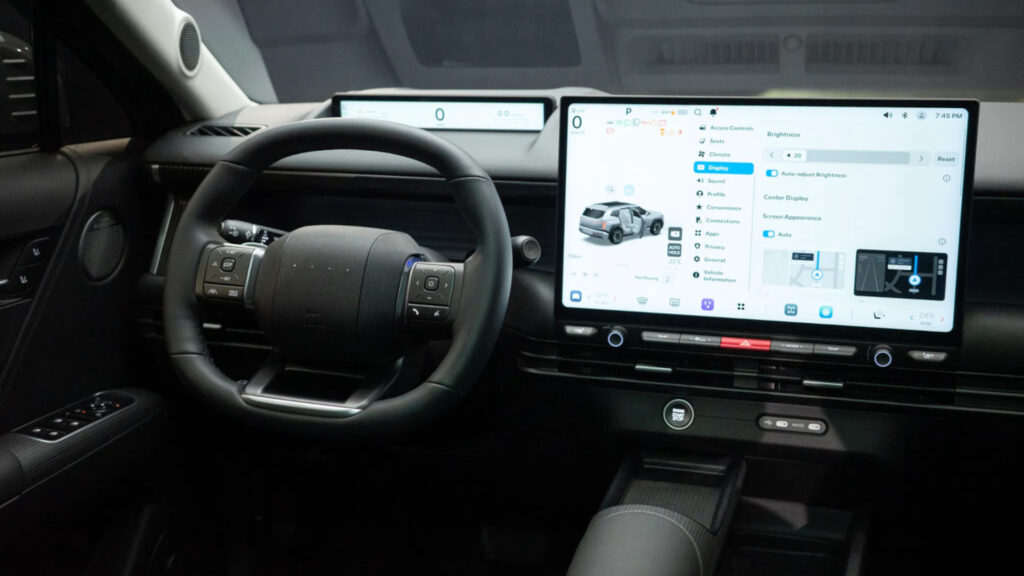
- Interior: a 12.9-inch or 17-inch touchscreen runs Hyundai’s Pleos Connect interface with split-screen capability and the Gleo natural-language AI assistant — physical knobs are retained for climate, volume, and seat heat
That last point deserves emphasis. The 17-inch screen sounds impressive until you’re adjusting the fan speed on a rain-slicked on-ramp. Retaining physical controls for the functions drivers actually reach for while moving is the most quietly important design decision in the entire cabin. A single USB-C port offers 100-watt power delivery, which can fast-charge compatible laptops depending on the device and cable.
The Hybrid Case Is Already Made
Forty-two projected mpg from a 233-horsepower SUV makes the math straightforward for most buyers who cover serious annual mileage.
The hybrid adds 49 horsepower over the gasoline model while potentially cutting fuel costs for high-mileage drivers — though actual savings depend on driving conditions, fuel prices, and financing. The XRT Pro runs hybrid AWD as standard, so the rugged trim doesn’t ask buyers to trade efficiency for attitude. If you’re the buyer who wanted short electric-only range without committing to a full EV, the reported U.S. PHEV removal leaves a real gap — one fewer option where that flexibility once existed.
Hyundai built the 2027 Tucson to disappear into everyday life — commutes, carpools, weekend hardware runs — then dressed it in the most theatrical lighting in the compact SUV segment. Whether you embrace the look or merely tolerate it, the fundamentals still make sense. For most buyers, that’s enough.