

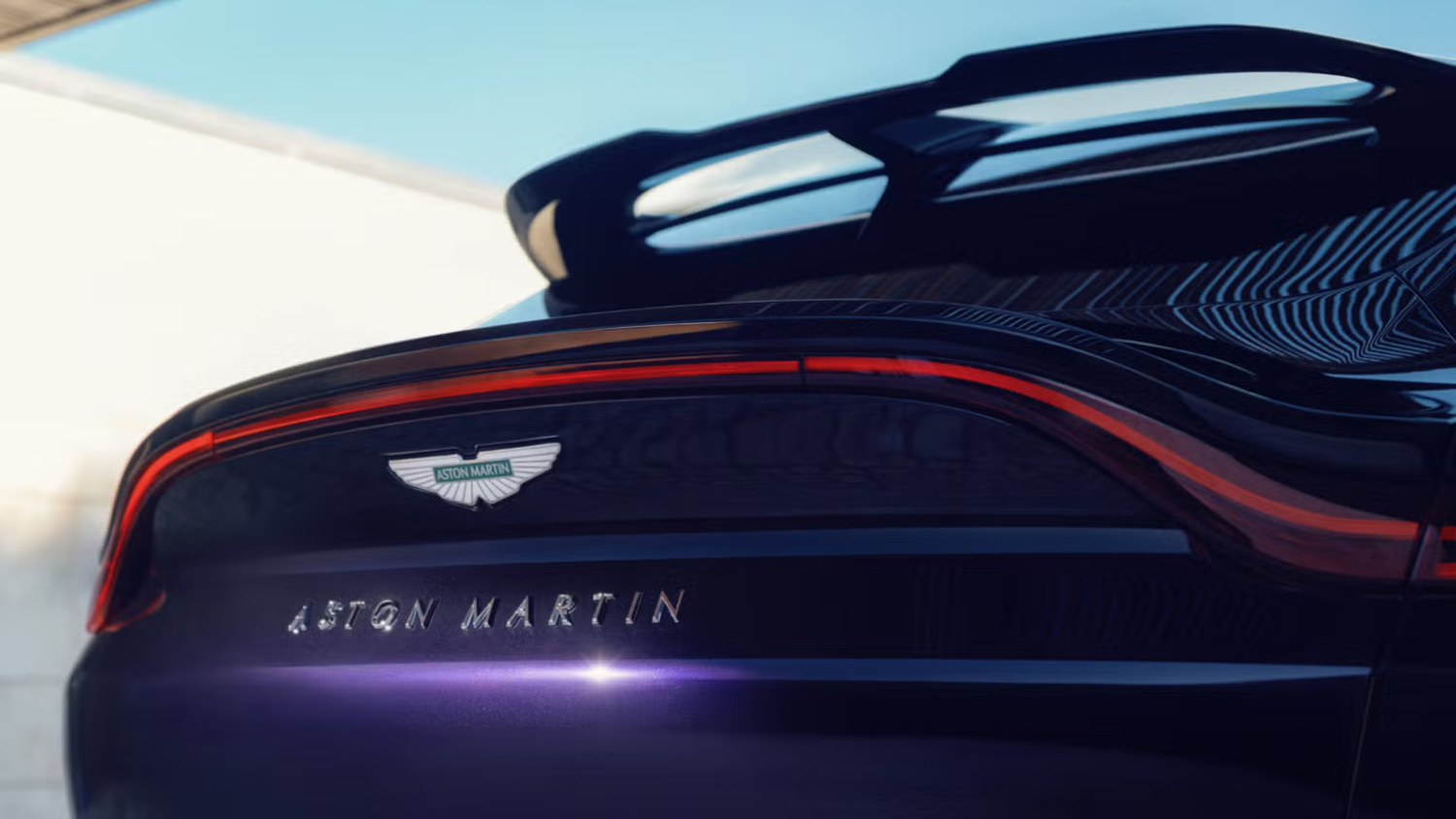
While much of the automotive industry sprinted toward electric lineups — and some manufacturers later quietly scaled those plans back — Aston Martin held its position. Speaking at the opening of the brand’s Q showroom in London in October 2026, CEO Adrian Hallmark confirmed the company’s first battery-electric vehicle won’t arrive before 2033 and could slip to 2035, as reported by Autocar. V8 and V12 engines remain on the compliance roadmap through at least that same year. For a brand that previously carried a 2030 EV target, this is either disciplined patience or a studied lesson in watching competitors overstep. Probably both.
The Combustion Engine Isn’t Going Anywhere – For Now
Aston Martin’s V8 and V12 engines are planned for regulatory compliance through at least 2035, though availability will vary by market.
The fine print matters here. Hallmark’s commitment to combustion isn’t a blank check. Aston Martin is planning to keep those engines technically compliant for as long as regional regulations allow — market by market, not as a universal guarantee. Some markets will phase out combustion before others, and the company is navigating that reality methodically. The strategy keeps Aston Martin ICE-first for its core audience while building the regulatory runway it needs in each territory.
What that looks like in practice:
- a structured compliance plan
- no sudden market exits
- continued production of the combustion models its buyers are still purchasing
Where the EV timeline stands:
- First BEV debut: no earlier than 2033, potentially as late as 2035; Hallmark has ruled out a 2031 launch
- Previous target: 2030, which the company has now moved past
- Lucid Motors partnership: covers electric powertrain and battery technology access and supply for Aston Martin’s initial EV, confirmed through Aston Martin’s official 2023 announcement and shareholder circular
- Mercedes-Benz relationship: a separate arrangement supplying both combustion and electrical technology, giving Aston Martin dual development paths
- Hallmark’s framing: the BEV addresses legislative requirements in specific markets, rather than responding to immediate consumer demand
Letting Lucid and Mercedes Carry the Technology Risk
Aston Martin is leaning on established partners for EV development while it waits for demand and legislation to stabilize.
“It could be 2035, it might be 2033 — it’s not 2031.” — Adrian Hallmark, CEO, Aston Martin, as reported by Autocar.
That quote captures the strategy plainly. Aston Martin isn’t abandoning electrification; it is accessing powertrain and battery technology through Lucid while Mercedes-Benz provides a parallel technology hedge covering both combustion and electrical systems. The Lucid agreement, confirmed in Aston Martin’s 2023 shareholder circular, describes technology access, integration, and component supply — a structure that lets Aston Martin continue developing its combustion lineup without losing ground on electric powertrain expertise.
The broader industry parallel is difficult to ignore. Brands that accelerated EV plans aggressively after 2020 found themselves managing inventory pressures and softening demand by 2023. Aston Martin’s slower, partnership-led approach looks increasingly considered in that context — less a failure to commit and more a deliberate read of where the market actually was, versus where some predicted it would be.
The Question Nobody Can Answer Yet
A reported launch window exists, but a confirmed vehicle, specifications, and production details do not.
No fixed date. No confirmed format. No production numbers. When Aston Martin’s first EV eventually arrives, it will need to do more than satisfy a regulatory checkbox — it will need to justify the badge against everything a DB12 or Vantage already delivers. That is the standard no legislative calendar sets, and the one Aston Martin cannot afford to miss.