

Touch-sensitive surfaces sparked widespread user complaints across VW’s electric lineup in Europe. The ID.3 Neo represents the German automaker’s admission that drivers want actual buttons they can feel, marking a complete reversal from the touch-everything philosophy that frustrated early adopters.
Chief Designer Andreas Mindt’s “Pure Positive” design language prioritizes usability over sleek minimalism. The result feels like VW finally listened to customers who complained about hunting for invisible controls while navigating roundabouts.
Physical Controls Return After Haptic Backlash
VW abandons touch-sensitive interfaces for tactile feedback that drivers can operate without looking.
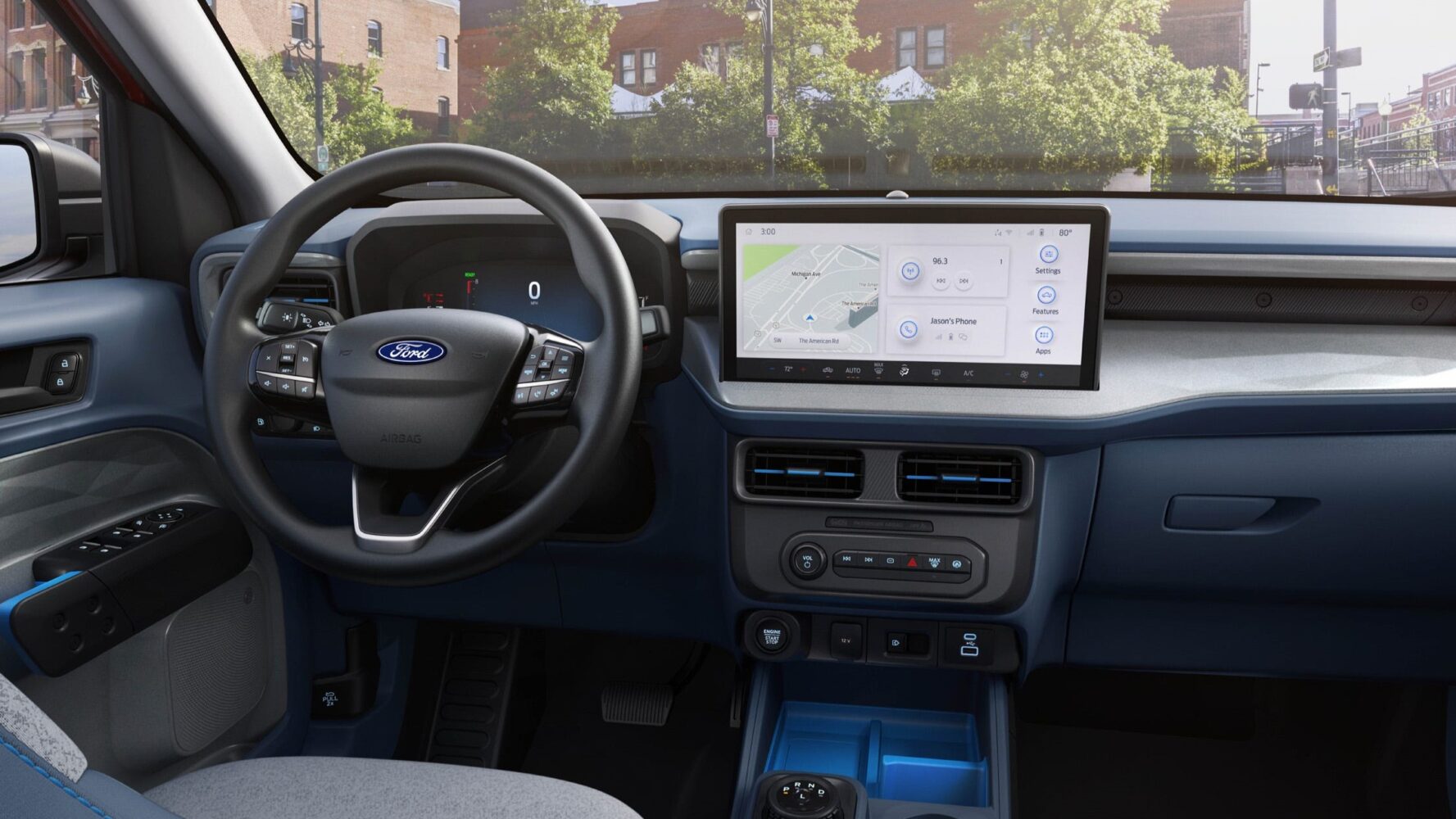
The Neo’s squared-off steering wheel brings back physical buttons where touch-sensitive surfaces once frustrated drivers. Each door gets dedicated window switches instead of centralized controls that confused passengers.
Climate functions return to actual buttons you can find without looking. The volume knob—remember those?—sits where your fingers expect it. Premium soft-touch materials replace the plasticky feel that made the original ID.3 feel cheaper than its price suggested.
The 12.9-inch Innovision infotainment screen handles navigation and apps, while the 10.25-inch digital cockpit keeps essential driving information visible. This division of labor makes more sense than cramming everything into one overwhelming display.
Key Technical Improvements:
- Three powertrain options: 168 hp/50 kWh, 187 hp/58 kWh, 228 hp/79 kWh
- WLTP range spans 391-630 km with improved efficiency
- DC charging peaks at 183 kW for the largest battery pack
- Vehicle-to-load capability provides 3.6 kW of power
- Enhanced Connected Travel Assist now recognizes traffic lights
Design Evolution Signals Broader ID Lineup Changes
Exterior redesign and software improvements preview updates coming to VW’s entire electric portfolio.
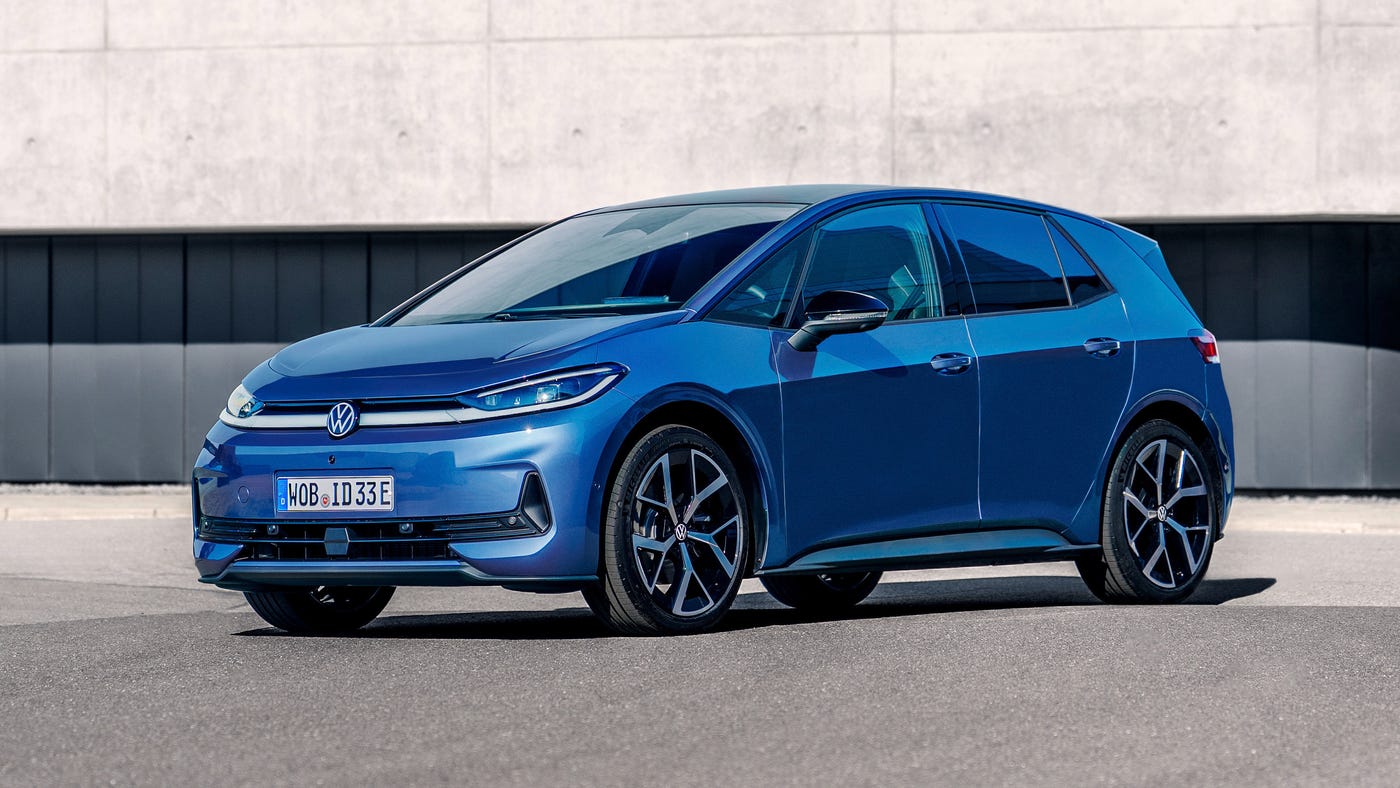
The exterior redesign smooths away the original’s awkward proportions. A continuous LED light bar connects slim headlights across a horizontal front end, while the illuminated VW badge adds premium theater. Body-colored roof and spoiler elements create visual cohesion the old car lacked.
Production continues in Zwickau, Germany, serving European markets where VW’s ID lineup thrives. The Neo won’t reach U.S. shores—compact hatchbacks remain tough sells here—but its design maturity could influence larger models like a refreshed ID.4.
Software improvements developed for the Neo will roll out to existing ID.4, ID.5, and ID.7 owners first, according to Volkswagen. This suggests the company learned that fixing current customers builds more loyalty than chasing new ones with gimmicky interfaces.
The ID.3 Neo proves that admitting mistakes beats doubling down on bad design choices. Sometimes the best innovation is bringing back what actually worked.