

The Model S Plaid launches to 60 mph in a claimed 1.99 seconds, a figure that once belonged only to hypercars and track specialists. Raw performance stems from relentless engineering, particularly in advanced motor technology. These aren’t minor tweaks; they represent fundamental shifts shaking up the entire automotive sector. This analysis dissects the components that truly make Tesla’s latest innovations stand apart in a crowded EV landscape, from critical hardware to strategic market plays. Engineering triumphs merge with industry disruption, reshaping expectations from a car.
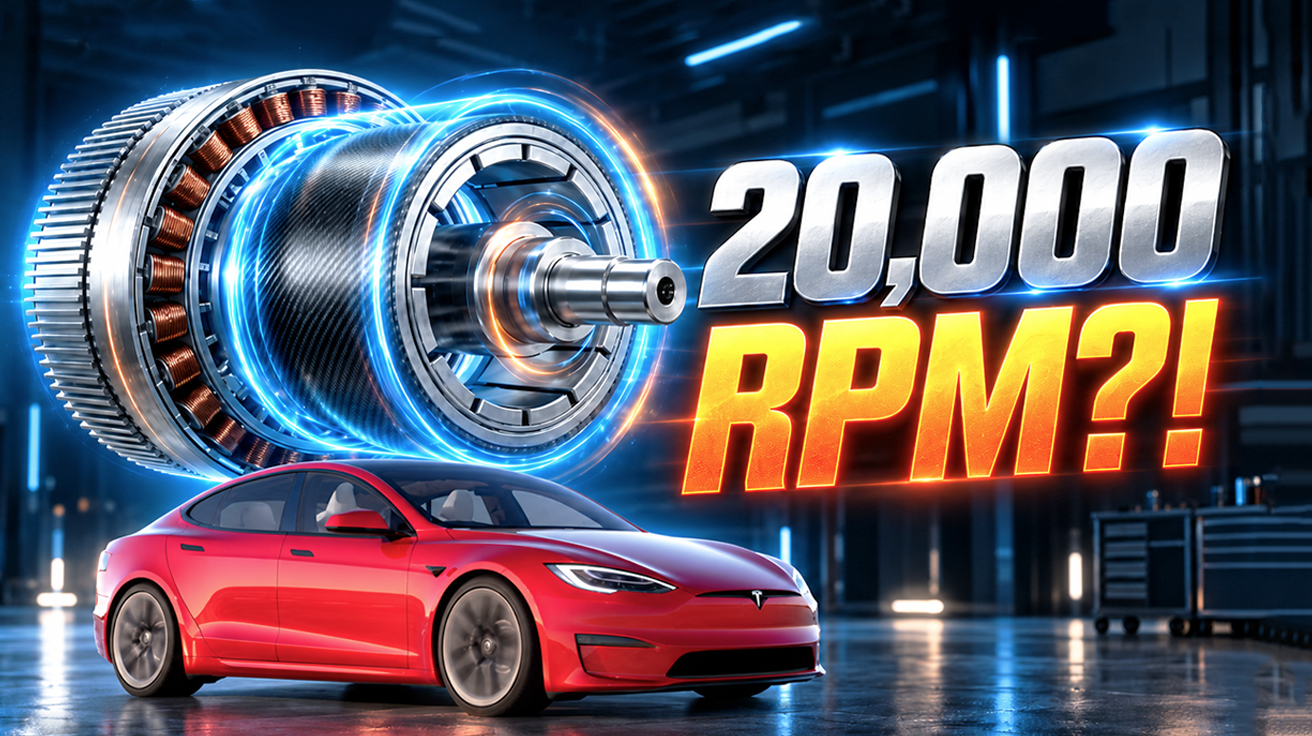
1. Tesla Model S Plaid Carbon-Fiber-Wrapped Rotor Motor

Operating up to 20,000 rpm fundamentally redefines power delivery in a production EV.
The carbon-fiber-wrapped rotor requires a custom winding process, developed by Tesla, to handle the vast thermal expansion differences between carbon fiber and copper. This precision engineering maintains structural integrity under extreme centrifugal forces, ensuring a tight air gap for peak efficiency.
Weighing around 99 lb (≈45 kg) for the complete assembly, this motor’s stability sharpens the magnetic field, delivering immediate, consistent power. Drop the hammer, and it feels like a slingshot, an unrelenting push that pins anyone back. This instant, gut-punch torque makes passing that semi on a two-lane road feel less like a maneuver and more like teleportation. This motor’s precision transforms performance, reshaping the limits of vehicle design and the sheer brutality of acceleration.
2. Tesla Model S Plaid (Vehicle)
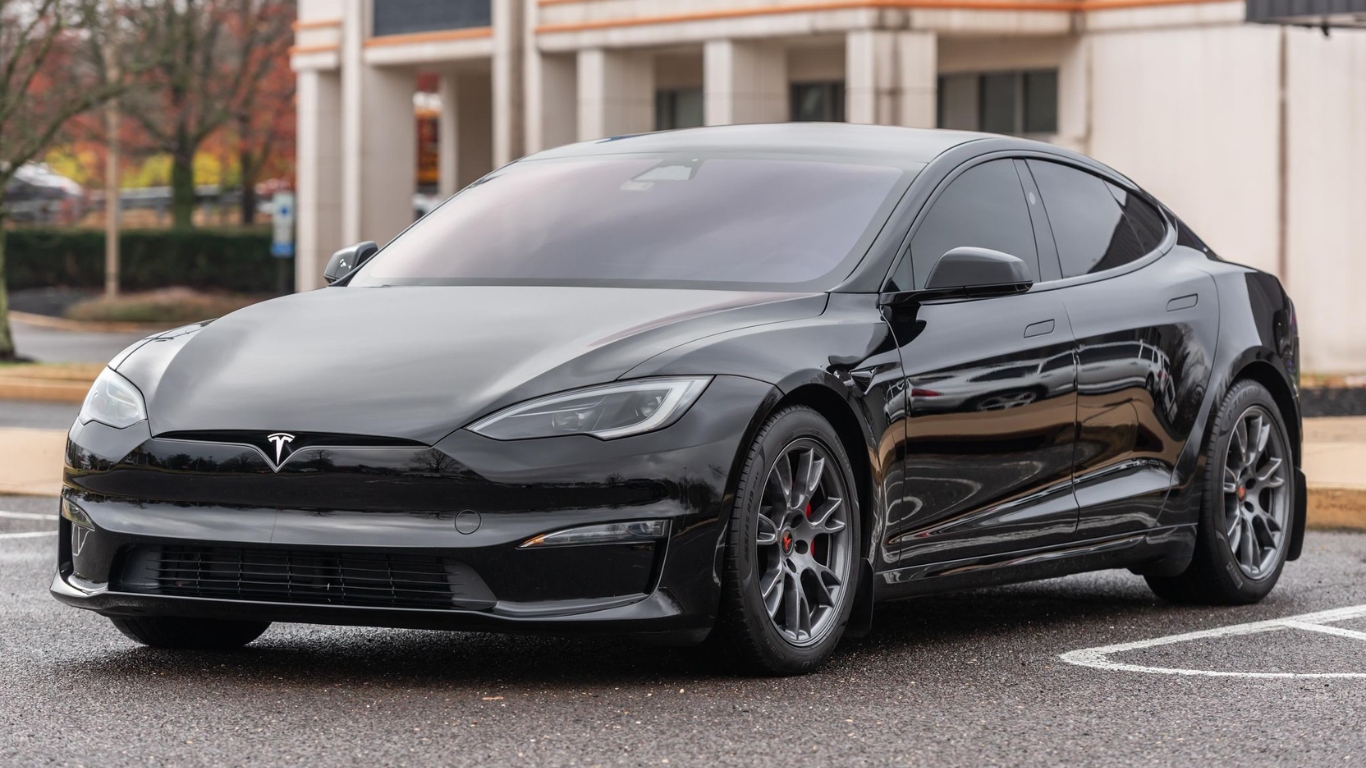
Achieving 0–60 mph in just 1.99 seconds drops a full-size sedan into supercar territory.
This vehicle delivers a combined output of approximately 1,020 hp from its three electric motors, allowing a top speed of 200 mph (322 km/h). Silently eyeing a multi-million dollar hypercar next to anyone at the lights proves warranted; the Plaid will likely embarrass it, launching with a silent, relentless surge that feels like a mainline injection of rocket fuel. Those videos of Teslas gapping everything on the internet? This is that car.
This machine redefines what a practical family car can be, running a quarter-mile in roughly 9.2 seconds. It manages this brutal speed while still offering over 300 miles of EPA-rated range, making it perfectly capable of long-distance road trips. After a cross-country drive visiting relatives, anyone can still line up for a quick blast, barely touching the battery reserves. It’s a Swiss Army knife that happens to have a railgun built-in, proving that daily usability doesn’t have to sacrifice raw, unadulterated speed.
3. Tesla Vertical Integration (Batteries, Silicon, Software, Manufacturing)

Producing everything from 4680 battery cells to proprietary silicon chips creates a competitive edge legacy automakers can’t easily replicate.
Conventional wisdom in the automotive industry dictates outsourcing major components, a strategy that often leaves engineers scrambling for budget and reliable delivery, much like a pit crew waiting on parts from a dozen different vendors. Tesla bucks this trend with profound vertical integration. They produce their own 4680 battery cells and engineer proprietary silicon chips for Full Self-Driving and AI (Artificial Intelligence), including Dojo.
This complete ownership extends to their vehicle software stack, allowing cohesive optimization from the ground up; an approach that lets them target a bill of materials of roughly $1,000 for next-generation drive units. This total control creates an ecosystem as tightly packed as a supercar’s engine bay, a distinct competitive edge that legacy automakers, still beholden to vast supplier networks, find nearly impossible to replicate quickly. Building an entire tech stack from scratch isn’t just a project. It’s a decade-long commitment few are ready to make.
4. Tesla Supercharger Network & North American Charging Standard (NACS)
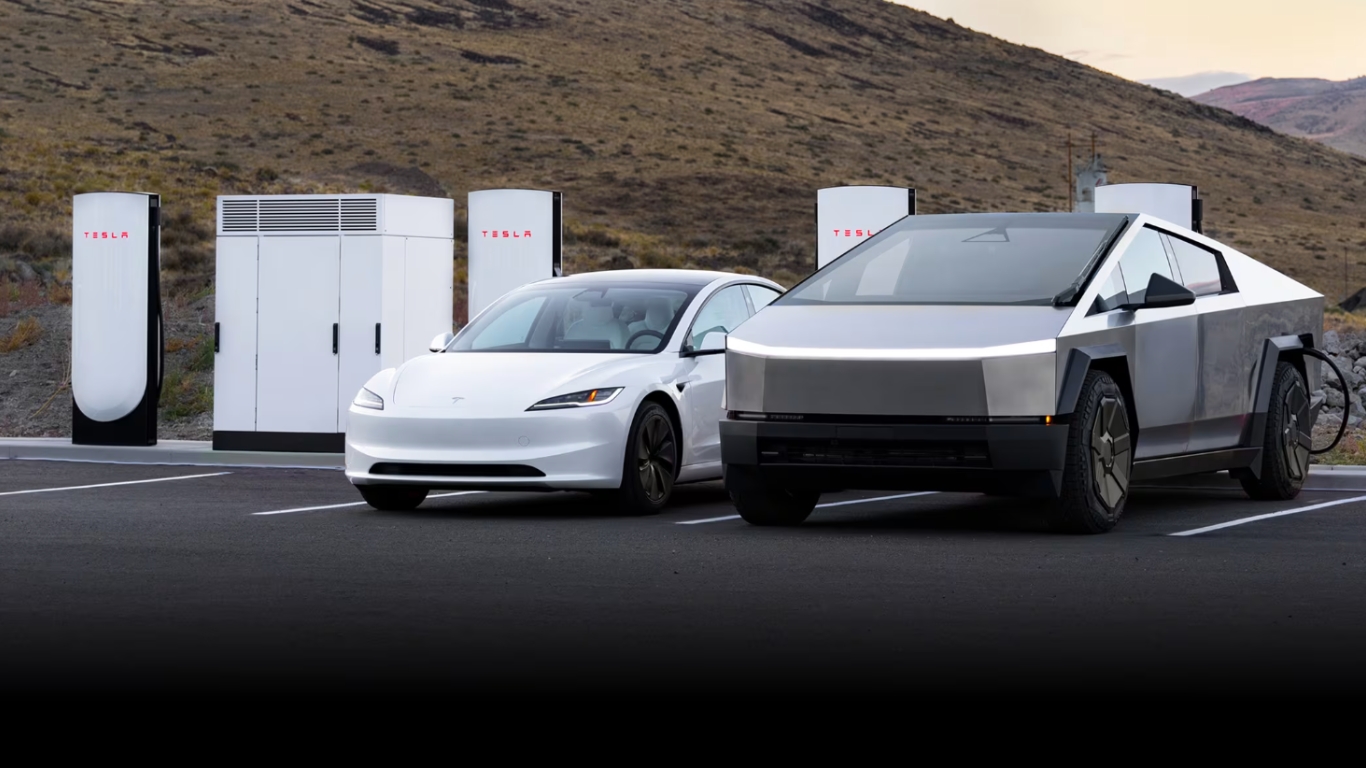
By mid-2020s, all major North American automakers committed to adopting Tesla’s NACS connector.
While public charging stations often resemble a scavenger hunt for a working plug, Tesla’s Supercharger network carved a reputation for relentless reliability. Cross-country journeys no longer require mapping every charger like a rally stage, ensuring consistent power for the long haul.
The transition for manufacturers and charge-point operators to NACS is projected around 2025, solidifying Tesla’s connector as the de facto standard. What began as a proprietary advantage, much like a dominant F1 team’s engine, is now a shared resource. Tesla transformed its private gas station into a public utility, ensuring every EV owner benefits. That cross-country adventure feels less like a gamble, more like an open invitation.
5. Tesla Autopilot / Full Self-Driving Data Flywheel
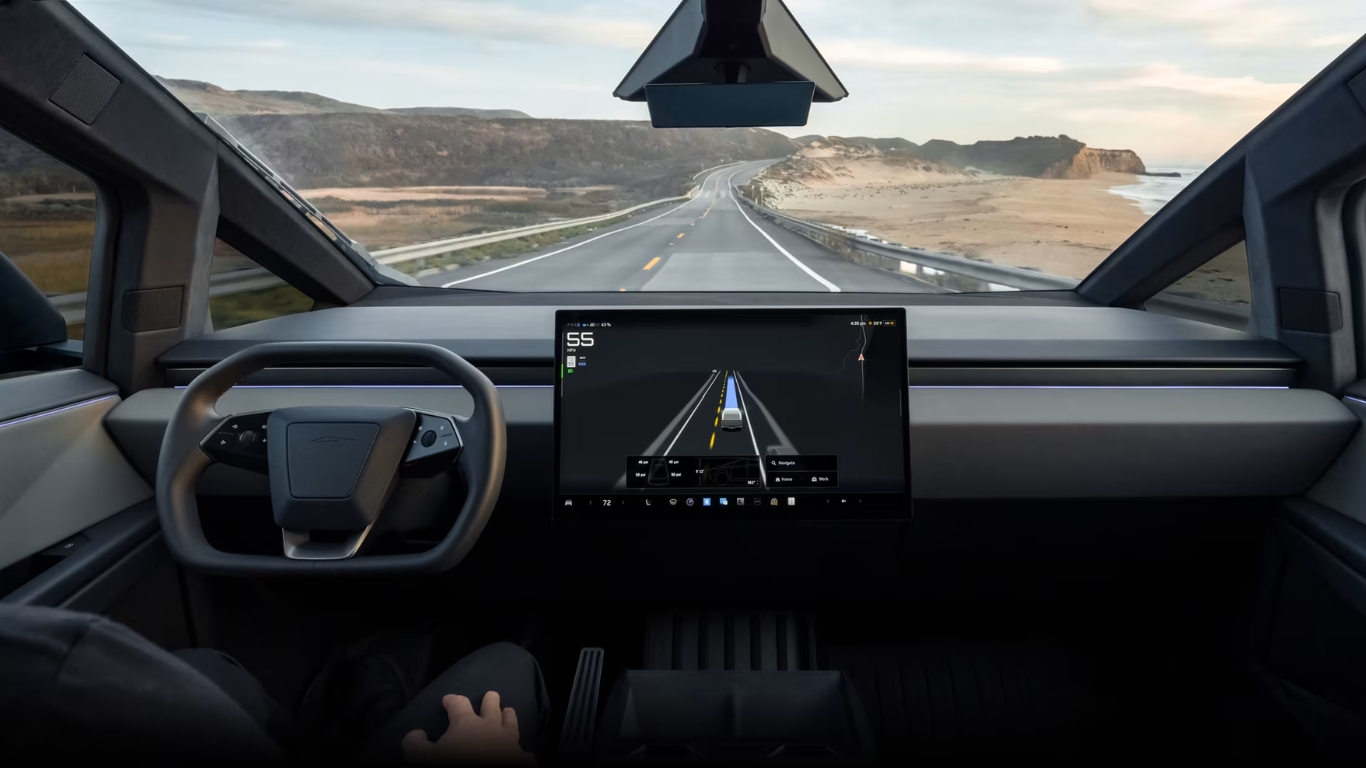
Millions of connected vehicles act like rolling data harvesters, continuously refining neural networks.
Vehicles constantly collect real-world driving telemetry via on-board cameras and sensors. This continuous stream gets uploaded to refine the neural networks that power Autopilot and Full Self-Driving. Data from diverse proving grounds, like the snow and ice of Nordic roads or the high heat of desert highways, helps tune perception and planning algorithms for conditions difficult to replicate in controlled environments. Drivers essentially beta-test the future every time they drive.
This data pipeline creates a compounding advantage, acting like a continuously tightening wrench on the system’s performance. A fresh FSD software update, informed by countless logged miles, might seamlessly improve daily commutes through enhanced object recognition. This evolutionary leap, fueled by real-world input, moves the needle. Tesla’s real differentiator isn’t bought off a shelf; it’s this proprietary, earned data, impossible to purchase or easily replicate. No one can just download a million miles of experience.
6. Tesla Cybertruck
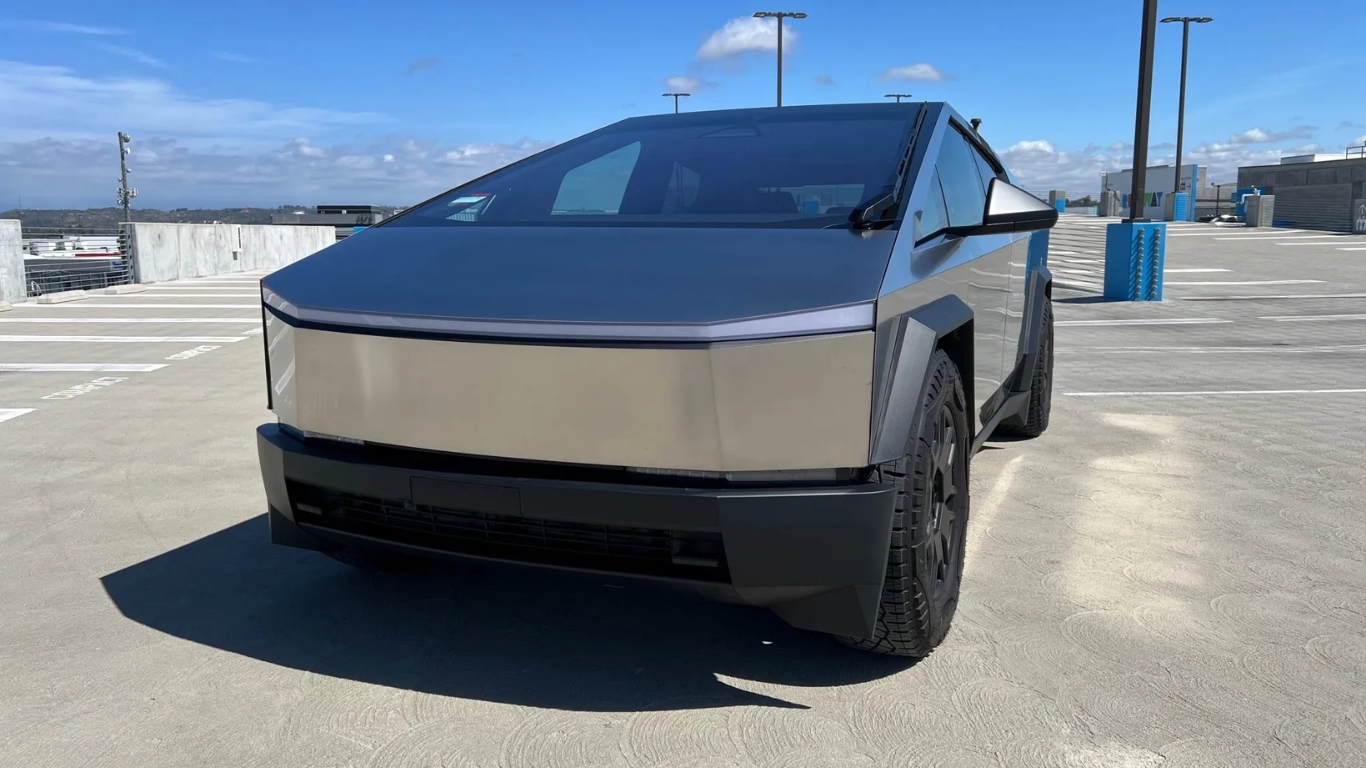
A radical stainless-steel, exoskeleton-style design demanded entirely new manufacturing approaches.
The debut of the Cybertruck sparked a fervor rarely seen outside a new album drop, yet its journey from concept to driveway proved a brutal slog. Initial renderings promised a sharp pickup, a vehicle unlike anything else on the road, built in Giga Texas. Some trims even boast structural battery packs with 4680 cells, a significant engineering feat that integrates the battery into the vehicle’s frame.
This radical design, however, demanded entirely new manufacturing approaches, a departure from traditional auto assembly that proved more challenging than a flat-head rebuild in a blizzard. Early production volumes remained modest, leading to widespread discussions of “production hell” among those tracking its rollout. Waiting for years, seeing other vehicles ship, only to find the production ramp slower than anticipated feels like watching paint dry on a meticulously prepped body panel. This distinct design required novel stamping, forming, and joining techniques, fundamentally altering the production line. This isn’t a traditional truck plant; it’s a high-stakes bet on manufacturing innovation.
7. Sandy Munro / Munro & Associates (Tesla Plaid Drive Unit Teardown)

The carbon-wrapped rotor emerged as a standout in Munro’s teardown, enabling safe operation up to 20,000 rpm.
Sandy Munro, a well-known automotive manufacturing consultant, demands attention for his brutal assessments. His firm, Munro & Associates, famously dissected the Tesla Model S Plaid drive unit. Its structural and thermal benefits under extreme stress are evident, like finding a fighter jet engine in a daily driver.
Industry watchdogs typically seek flaws, but with the Plaid drive unit, criticism didn’t arrive. The analysis revealed the carbon wrap maintains dynamic balance and concentricity, controlling thermal expansion. This boosts efficiency, allowing a single-speed drive up to 200 mph, showcasing Tesla’s manufacturing know-how. Rivals took notice, witnessing a surprise upset at the Grand Prix.
8. Tesla 4680 Battery Cell
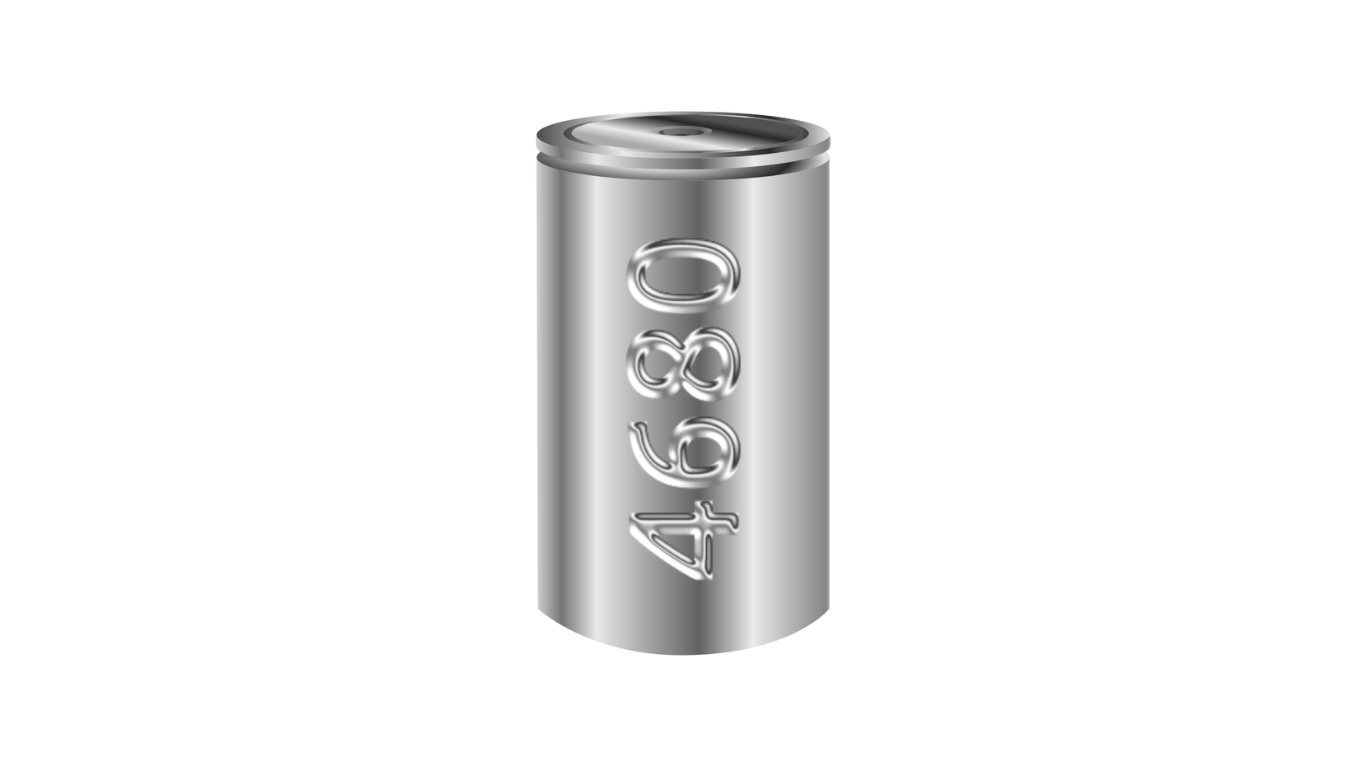
Defined by its 46 mm diameter and 80 mm height, this cell represents a significant shift in battery architecture.
This larger cylindrical cell packs around 86–89 Wh per cell and weighs near 0.355 kg (0.78 lbs), offering a denser energy package compared to its predecessors. Its tabless electrode design is a genuine manufacturing flex, simplifying current pathways internally and streamlining power delivery like a meticulously tuned fuel system.
Building these cells involves a complex assembly line. The process starts with dry powder mixing and adhesive pre-coating, then current collector foils receive a dry coating for both anode and cathode. Precise laser cutting creates the tabless pattern, winding the prepared foils into a “jelly roll.” After insertion into a steel can, electrolyte filling, and sealing, the crucial phase culminates in a 10-day formation and curing period, much like breaking in a new engine before truly opening it up on a cross-country road trip. This internal battery production is a cornerstone of Tesla’s vertical integration, reflecting deep control over every aspect, from chemistry to the final drive.
9. Tesla Carbon-Fiber-Sleeved Rotor Concept (General Technology)

Tesla brought a specialized high-speed motor technique into mass production for a mainstream road car.
Jet engines and high-speed industrial motors have long relied on carbon-fiber retaining sleeves. This high-end technique prevents rotors from exploding at extreme rotational speeds, delivering immense hoop stress with minimal mass past 20,000 rpm. Tesla wrapped the rotor of their Model S Plaid motors with a high-tension carbon overwrap.
Overcoming significant manufacturing challenges was key, as carbon fiber and copper have vastly different thermal expansion rates, a major engineering hurdle. Tesla developed custom winding machinery for this precise process. This supports motors weighing around 99 lb (45 kg). The rotor’s stability allows the Model S Plaid to hit 200 mph (322 km/h) using only a single-speed gearbox, a feat making a cross-country dash feel effortless, like an old muscle car on a deserted highway.
10. Tesla North American Charging Standard Adoption by Ford
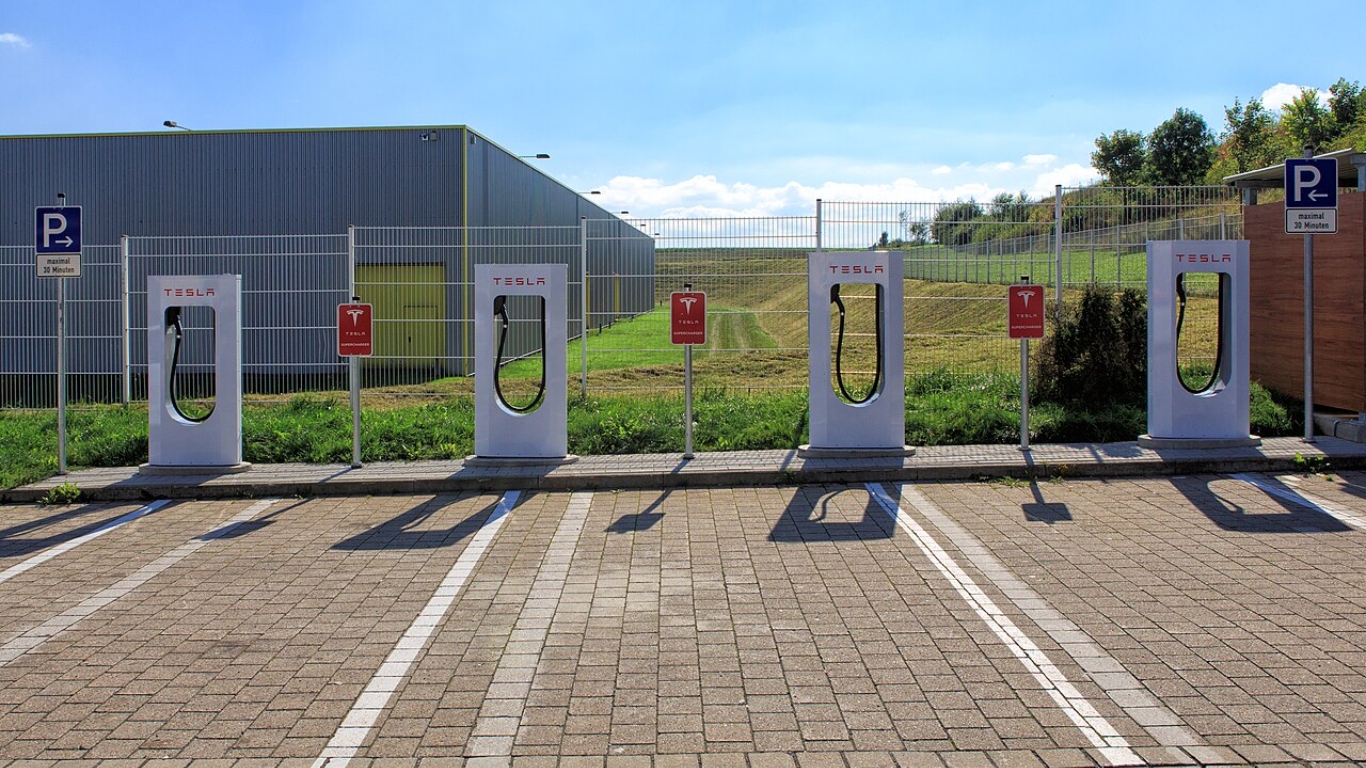
Ford’s adoption of NACS grants F-150 Lightning and Mustang Mach-E owners Supercharger access via adapter starting in 2024.
Ford Motor Company announced its adoption of the Tesla North American Charging Standard (NACS), a genuine win for EV road warriors. Existing Ford EV owners will access Superchargers via an adapter starting in 2024. Cross-country trips can now be confidently planned, eliminating the stress of unreliable charging stops. It feels like finally hitting a clear stretch of open highway after miles of traffic.
From around 2025, Ford plans to ship new EVs with native NACS ports instead of the older CCS standard. This strategic move eliminates the need for an adapter, streamlining the charging experience on every journey. By leveraging Tesla’s reliable Supercharger network, Ford ensures drivers spend less time at the plug and more time driving. This practical decision cuts through the typical industry noise, prioritizing real-world usability.
11. Tesla North American Charging Standard Adoption by General Motors (GM)
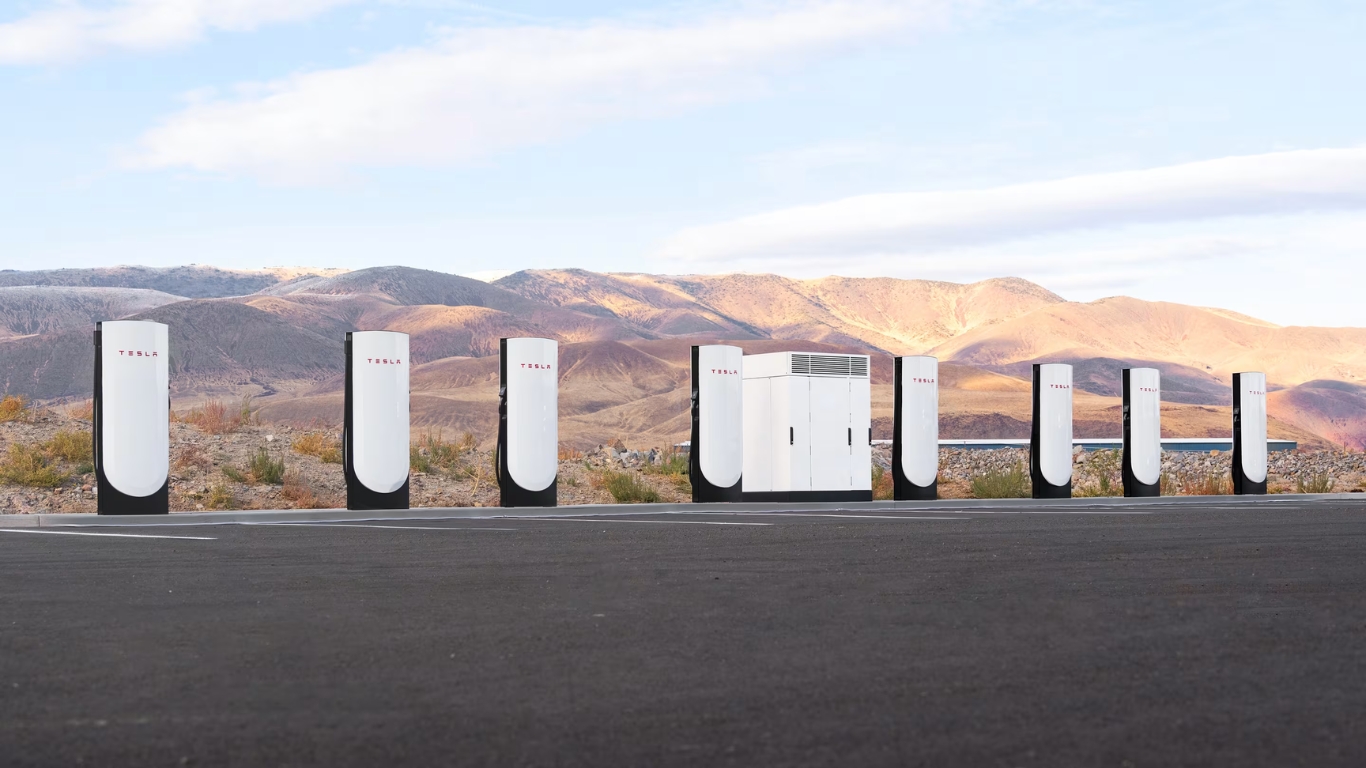
Beginning in 2024, GM owners utilize adapters to connect with approximately 12,000 Tesla Supercharger stalls across North America.
What compels a titan like General Motors to embrace a rival’s charging infrastructure? GM is aligning its electric future with Tesla, granting Chevrolet, Cadillac, and GMC drivers access to thousands of Superchargers. This move is akin to a veteran touring band, after years with their own tech, suddenly opting for a rival’s legendary front-of-house engineer because the sound is that much tighter.
From 2025, new GM EVs will integrate native NACS ports directly. The frustration of rolling into a gas station only to find the pump out of order, multiplied by the scarcity of EV chargers? GM aims to minimize this for its drivers, a stark nod to the perceived robustness of Tesla’s network as a key motivator for this industry-wide shift.
12. BYD (Build Your Dreams) as a Tesla Competitor
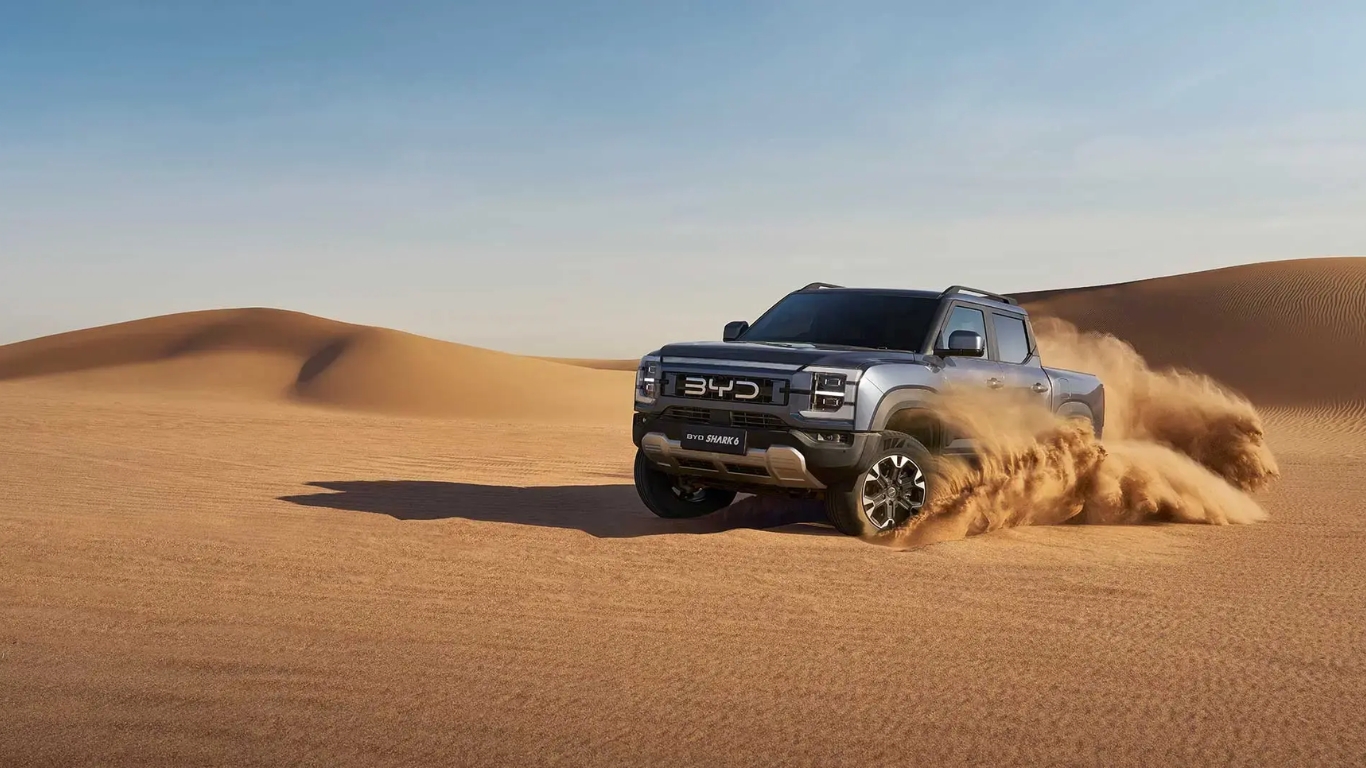
BYD overtook Tesla as the world’s largest seller of battery-electric vehicles in 2025, moving roughly 2.25–2.26 million BEVs compared to Tesla’s 1.64 million units.
This Chinese automotive giant also pushed its total “new energy vehicle” sales (including plug-in hybrids, or PHEVs) past 4.5 million vehicles in the same year. BYD operates its manufacturing like a finely tuned pit crew, handling every component in-house from battery production to software.
This extensive vertical integration allows BYD to deliver cost-effective EVs, aggressively undercutting rivals on price while expanding rapidly across global markets. Many manufacturers are still looking for the right wrench, while BYD is already swapping out entire powertrains, thanks to its deep internal control and inherent cost advantages. BYD avoids the delays that frustrate anyone waiting on back-ordered parts, ensuring a diverse range of vehicles, from city cars to larger crossovers, hits the market with impressive speed.
13. Ford Electric Vehicle Business (F-150 Lightning, Mustang Mach-E)
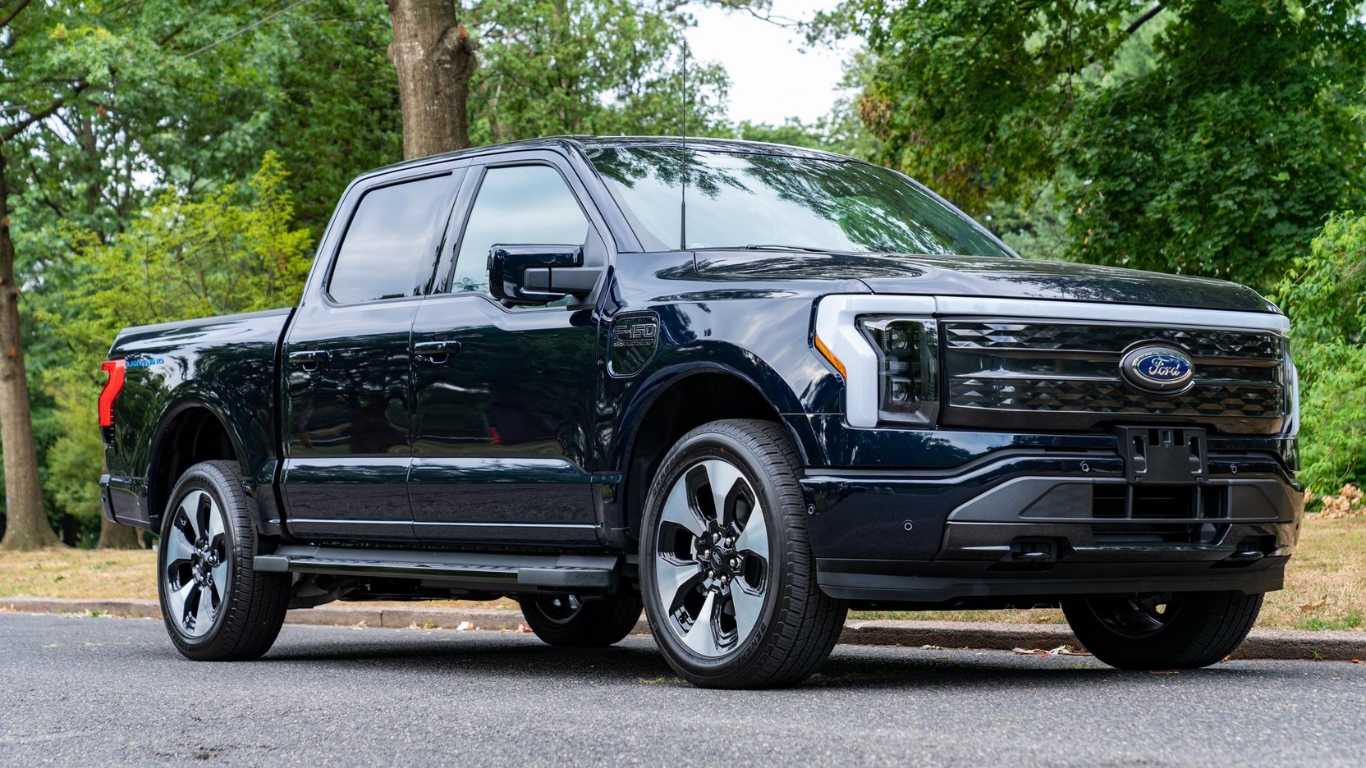
Ford’s dedicated electric vehicle division reported staggering losses of around $4.8 billion in 2025.
For legacy automakers, the EV transition proves harder than tuning a carbureted engine with a laptop. Sales confirmed this: the F-150 Lightning moved only 27,307 units (down 18.5%), and the Mustang Mach-E sold around 51,620 units (flat year-on-year) in 2025. Ford CEO Jim Farley acknowledged, “the customer has spoken,” a harsh truth for a market shifting faster than a TikTok trend.
These financial realities forced Ford to adjust its EV strategy, delaying capacity expansions to prioritize profitability. While models like the F-150 Lightning deliver competent performance, making money feels like trying to win Le Mans with a stock Corolla. The quality exists, but securing profits is like finding an empty gas station on a rural road trip. Ford’s EVs are solid, yet the road to consistent financial success remains stubbornly unpaved.
14. Tesla 4680 Cathode and Cell Production at Giga Texas
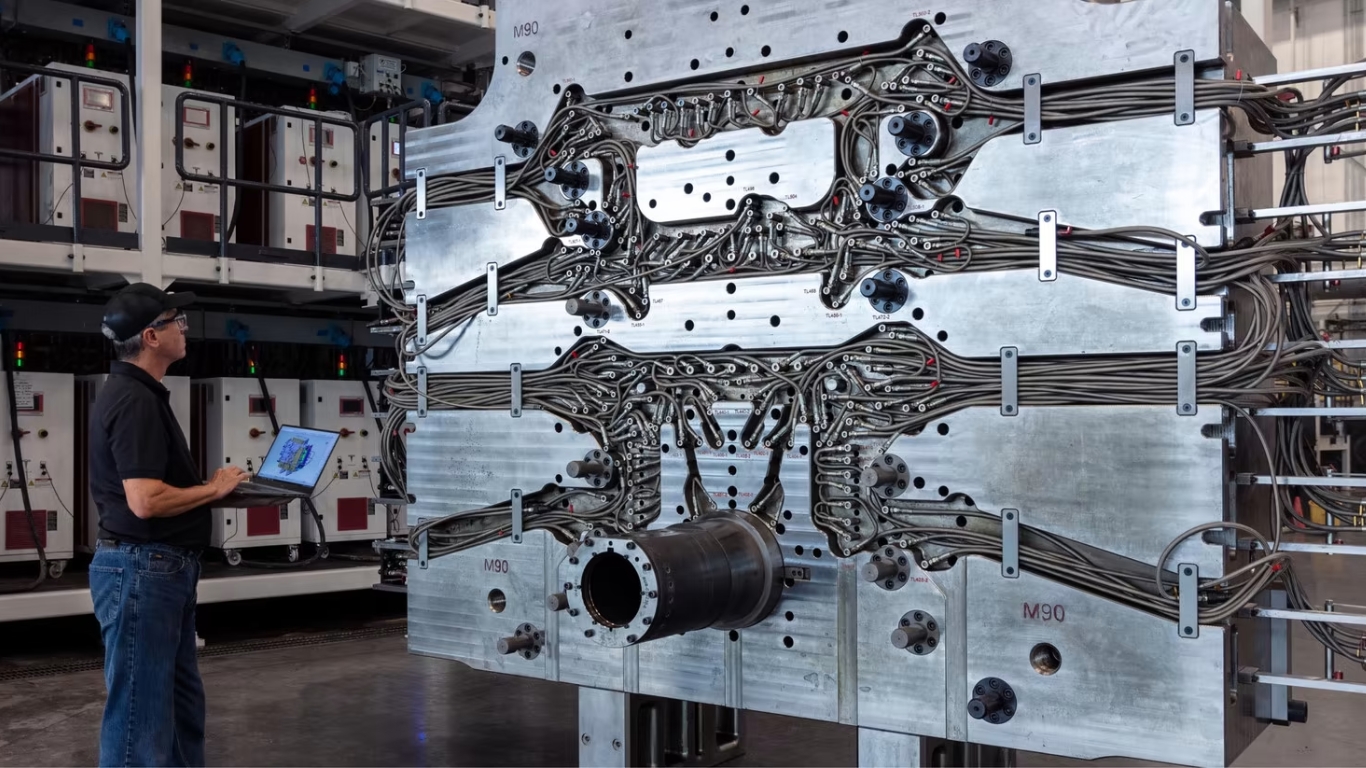
Tesla operates the first large-scale cathode production facility of its kind in North America, right there at Giga Texas.
This signals deep vertical integration, much like a meticulous gearhead fabricating custom engine parts rather than buying off-the-shelf. The broader Giga Texas expansion is valued at roughly $716 million. The cathode plant itself represents about $216 million in investment. This approach ensures complete control; raw materials enter one end, and finished battery cells roll out the other.
Initial cathode capacity at the facility targets around 10 GWh per year. By late 2024, Tesla had already produced over 100 million 4680 cells at Giga Texas. This co-location of cathode production and cell manufacturing reduces logistics costs and enhances supply security. It’s a strategy as crucial as a well-tuned engine for a long haul. Certainty on the open road matters. This minimizes reliance on external suppliers, ensuring vital EV components are always available. Such self-sufficiency underpins the entire operation.