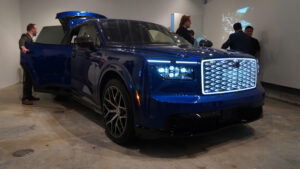


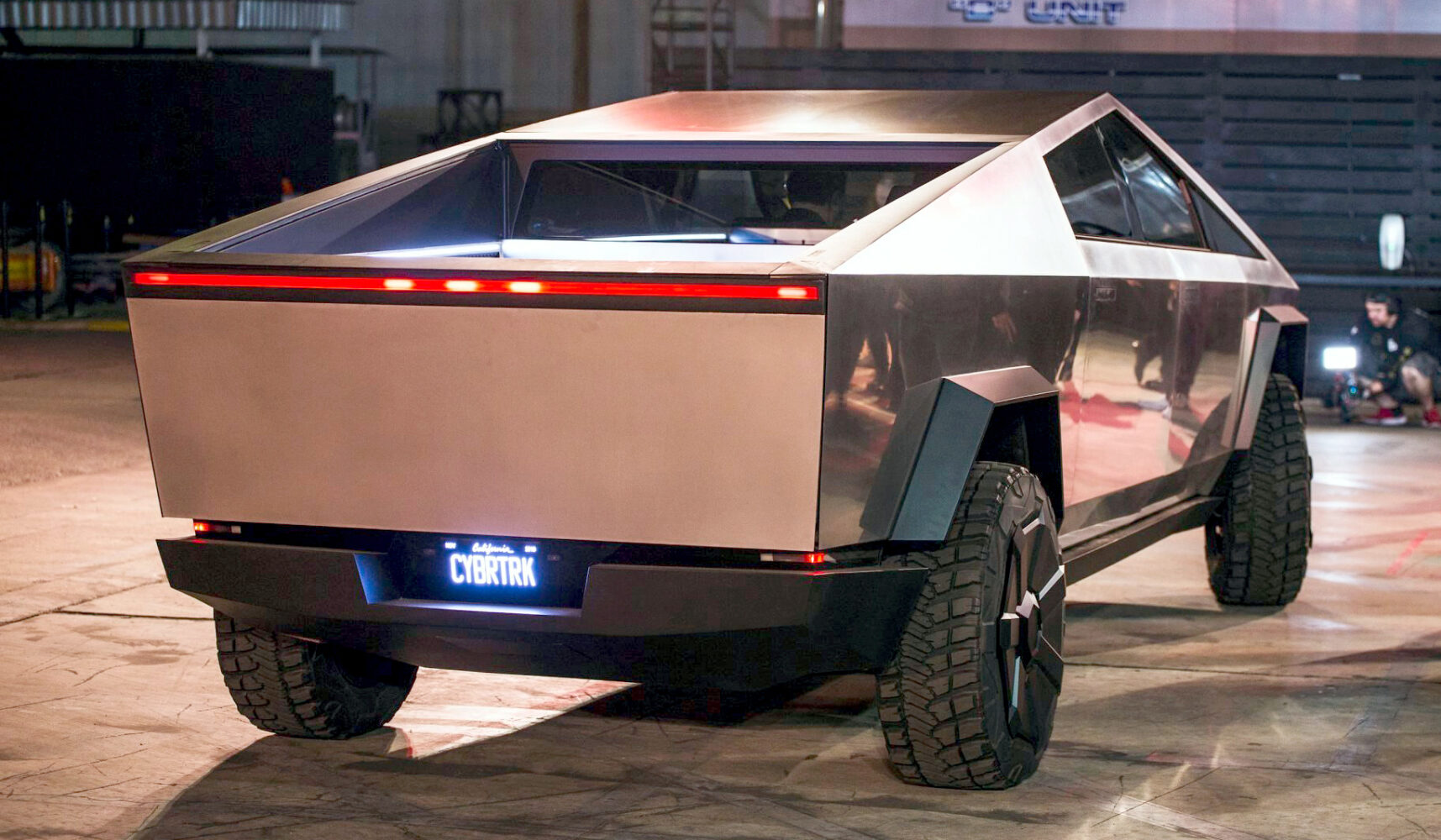
Sales down 45%. Price up $5,000. No new features. No explanation. On the night of August 24–25, 2026, Tesla quietly updated its U.S. configurator and raised the price on two Cybertruck trims without changing a single spec. The Dual Motor AWD climbed from $69,990 to $74,990. The Premium AWD moved from $79,990 to $84,990. The Cyberbeast stayed at $99,990. This marks the third major price adjustment in roughly six months. Back in February 2026, Tesla briefly offered the Dual Motor AWD at a promotional $59,990 — framed at the time as a short-term demand test — before lifting it to $69,990 by month’s end. The latest hike puts the entry price $15,000 higher than that February figure, a roughly 25% increase with nothing added to justify it.
A Six-Month Price Whiplash
Tesla’s Cybertruck pricing moves more like ride-share surge rates than traditional model-year sticker prices — fast, unexplained, and non-negotiable.
February’s $59,990 promo evaporated by month’s end, replaced by $69,990 and then, in August, $74,990. Each adjustment arrived without a press release or public rationale — just a configurator change that buyers discovered themselves. That pattern matters because the broader market context makes the price increases harder to justify on conventional terms. Cox Automotive’s Q1 2026 EV Sales Report shows U.S. Cybertruck sales hit 3,519 units in the first quarter — down 45.1% year-over-year from 6,406. Broader U.S. EV sales fell 27% over the same period, but the Cybertruck’s decline ran steeper than the market average. It remains the top-selling electric pickup in America, which sounds impressive until the buyer breakdown comes into focus.
Here is what the numbers show:
- Dual Motor AWD climbed from $69,990 to $74,990. Premium AWD: $79,990 to $84,990. No spec changes on either trim.
- Q1 2026 U.S. Cybertruck sales: 3,519 units, down 45.1% year-over-year, per Cox Automotive’s Q1 2026 EV Sales Report.
- Despite the drop, the Cybertruck remained the top-selling electric pickup in the U.S. and ranked within the top ten EVs overall by volume in early 2026.
- In Q4 2025, SpaceX alone registered 1,279 Cybertrucks — over 18% of all 7,071 U.S. Cybertruck registrations that quarter. Add xAI, Neuralink, and The Boring Company, and nearly one in five Cybertrucks registered went to Musk-affiliated entities.
- SpaceX and other Musk-linked companies registered an additional 220-plus Cybertrucks in January and February 2026, per S&P Global Mobility data.
- Tesla issued no public explanation for the August price hike.
Luxury Positioning, or Just Hoping for the Best?
Strip out the internal purchases and the Cybertruck’s retail demand looks considerably thinner than its headline ranking suggests.
Those SpaceX and related-company purchases represent more than $100 million in truck value moving between Musk-affiliated entities — and without them, retail demand metrics look significantly weaker. Analysts cited by Yahoo Finance characterize Tesla’s move as “setting up a fresh test of demand after sales declined sharply from their 2024 peak.” In plain terms: Tesla is raising prices to find out whether anyone will pay them.
Two strategic explanations are most consistent with the available evidence. Either Tesla is consciously repositioning the Cybertruck as a low-volume, high-margin status object — the logic being that raising prices reinforces exclusivity among affluent, brand-driven buyers who are less sensitive to sticker shock — or it is protecting per-unit margins on a stainless-steel truck that carries high manufacturing costs regardless of how many units move. Both interpretations carry the same practical implication for prospective buyers: the window for anything resembling an affordable new car keeps sliding further away, even as competing electric pickups from legacy automakers cut prices to chase volume.
Some outlets have reached for the Edsel comparison — Ford’s legendary 1950s market catastrophe. The analogy is colorful but not precise. The Cybertruck still ranks among the top ten EVs in the U.S. by volume and leads all electric pickups in sales. The comparison functions more as a pointed critique of missed expectations and image trouble than as a literal economic parallel. But when nearly one in five registered Cybertrucks in a given quarter went to the CEO’s own rocket company, “best-selling” carries a significant asterisk. At $74,990, that asterisk does not come cheap.