

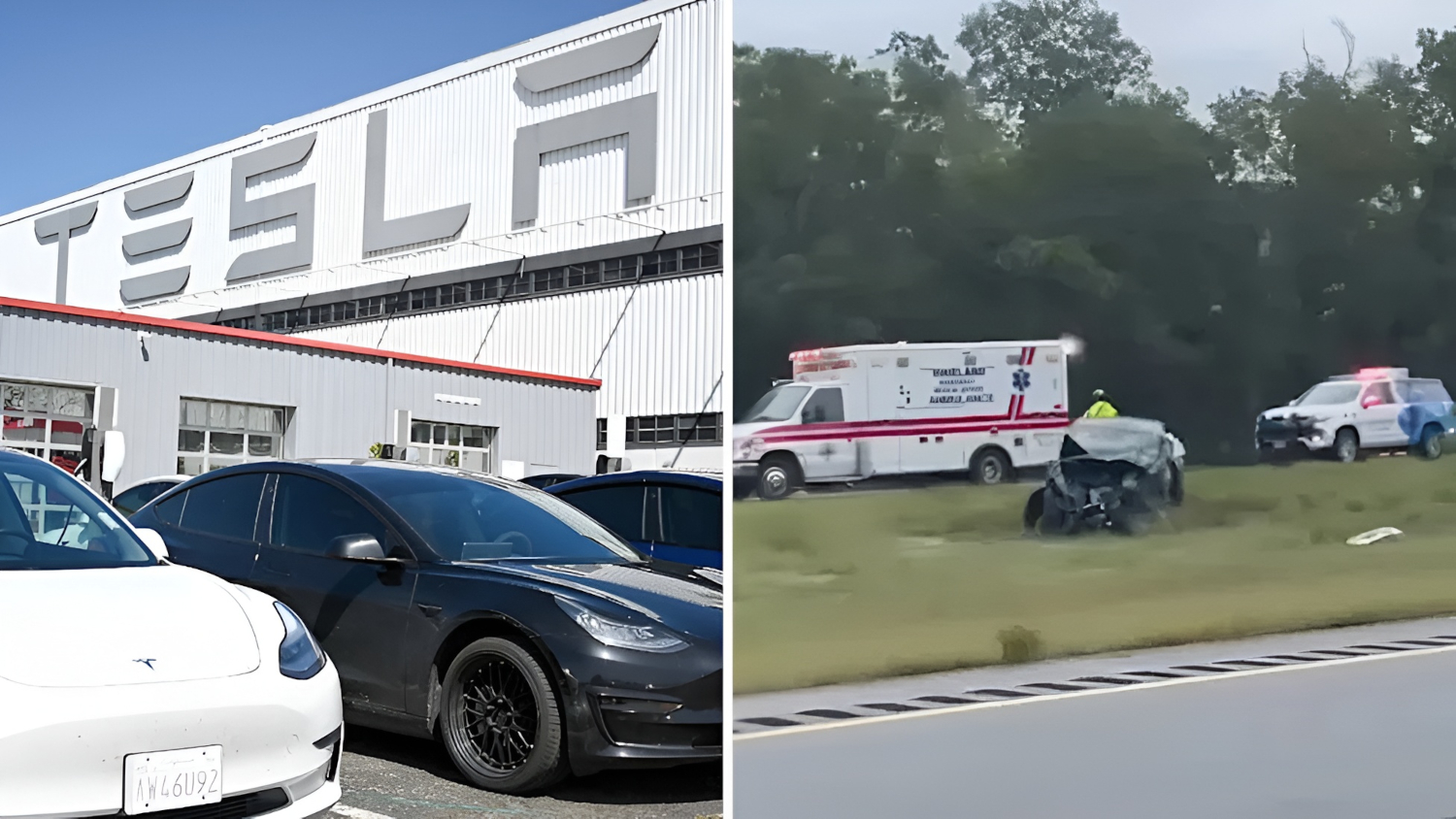
On Aug. 22, 2026, at approximately 8:31 a.m., a Tesla traveling south on Route 55 in Vineland, New Jersey, crossed the grass median, struck a tree, and entered northbound traffic. It collided with a Chevrolet SUV. Phillip Eastman, 68, of Springfield, Pennsylvania, was pronounced dead. The Tesla driver and a passenger in the Chevrolet were hospitalized with moderate injuries, according to New Jersey State Police. Reporting on Tesla’s related Federal regulators‘ filing did not surface until roughly seven and a half weeks later.
What the Federal Filing Reportedly Says
Tesla’s own telematics reportedly confirmed a driver-assistance system was running — but confirmation is not causation.
Under NHTSA’s Standing General Order, automakers must report crashes in which a Level 2 driver-assistance system was engaged within 30 seconds before impact and a fatality occurred. According to Electrek’s October 15 reporting, Tesla’s filing identified the vehicle as a 2021 Model Y and listed the automation engagement status as “Verified Engaged,” based on Tesla telematics. The filing reportedly lists a pre-crash speed of 37 mph — a figure that may represent a telematics snapshot rather than the vehicle’s speed at the moment it left the roadway, per the nature of the available filing. Several details were not publicly available in the cited accounts: the crash narrative, the software version active at the time, and whether Route 55 fell within the system’s approved operating area. Statistics on driver death rates from safety researchers provide broader context for how crashes like this fit into the national picture.
- Crash occurred at approximately 8:31 a.m. near milepost 34.6 on Route 55 in Vineland, NJ
- Vehicle: 2021 Tesla Model Y; engagement status reportedly listed as “Verified Engaged” in federal filing
- Pre-crash speed reportedly listed as 37 mph — likely a telematics snapshot, not necessarily the speed at roadway departure
- Crash narrative, software version, and operational-design-domain status were not publicly available in cited accounts
- New Jersey State Police listed as investigating agency; investigation remained ongoing per cited reports
What “Verified Engaged” Actually Means
The label sounds definitive — and that is precisely the problem.
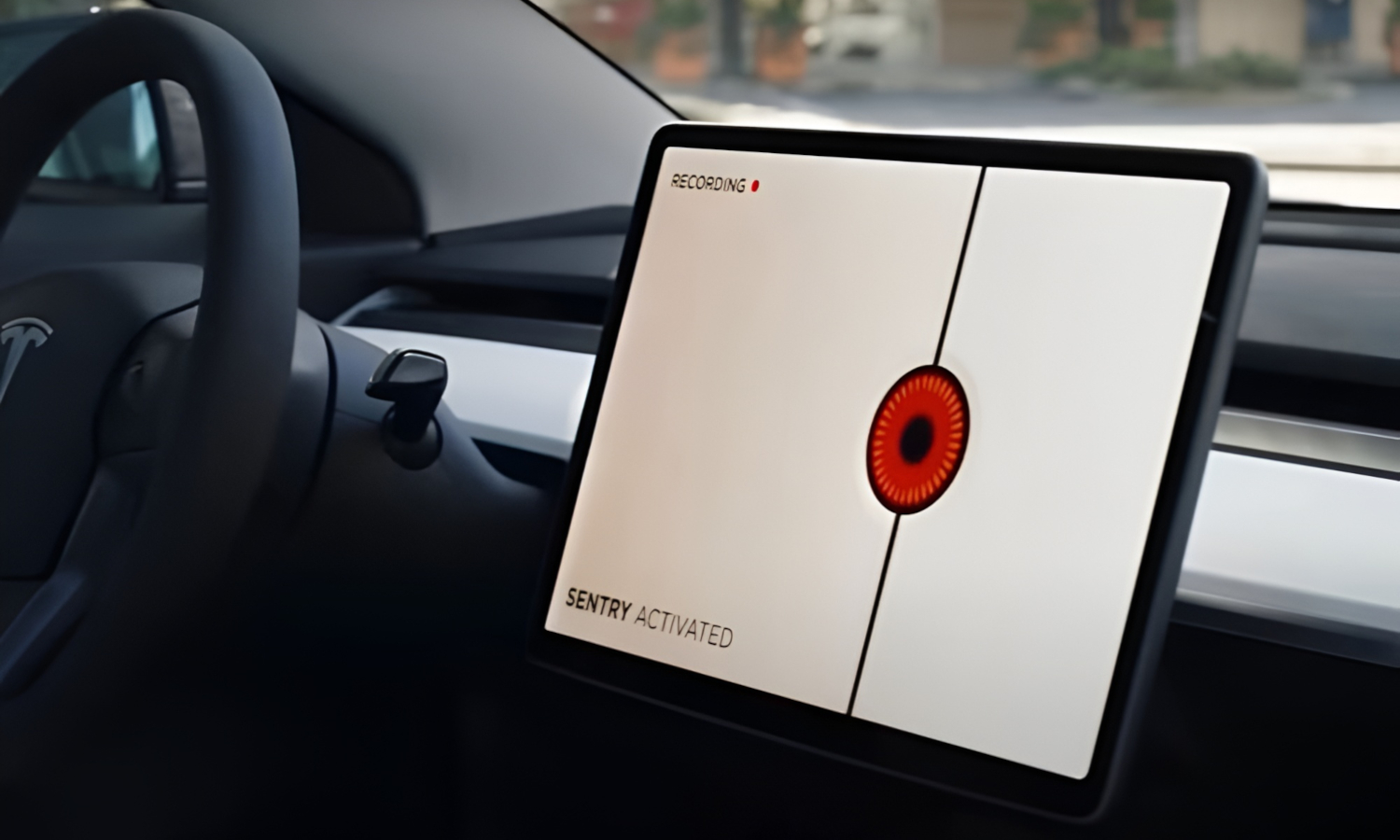
Autopilot and FSD are Level 2 driver-assistance systems. They help with steering, acceleration, and braking, but legally and technically require an attentive human driver at all times. Calling FSD “Full Self-Driving” is a bit like calling a GPS a chauffeur: both assist, neither takes responsibility. “Verified Engaged” confirms the system was running within the applicable reporting window. It does not establish whether the system was actively steering when the Tesla crossed the median, whether the driver overrode it, or whether any manual inputs occurred before impact. The filing reportedly relied on transmitted telematics data and not necessarily event-data-recorder information or camera footage, according to cited reports.
What Investigators Still Need to Answer
The unresolved questions carry more weight than the filing label alone.
Which system was active — standard Autopilot or FSD? Did investigators obtain the vehicle’s full data stack, including event-data-recorder or camera evidence? Did the driver provide steering inputs before the Tesla departed the roadway? The cited initial police accounts did not mention driver assistance. Tesla’s federal filing, surfaced weeks later, added information absent from those early public accounts — and the gap between what the branding implies and what a federal filing quietly discloses remains a legitimate question for regulators and investigators alike. Broader debates around Self-Driving Taxis and data disclosure underscore why transparency in automation reporting matters. The New Jersey State Police investigation was ongoing per cited reports, and until it concludes, the full record remains incomplete.