

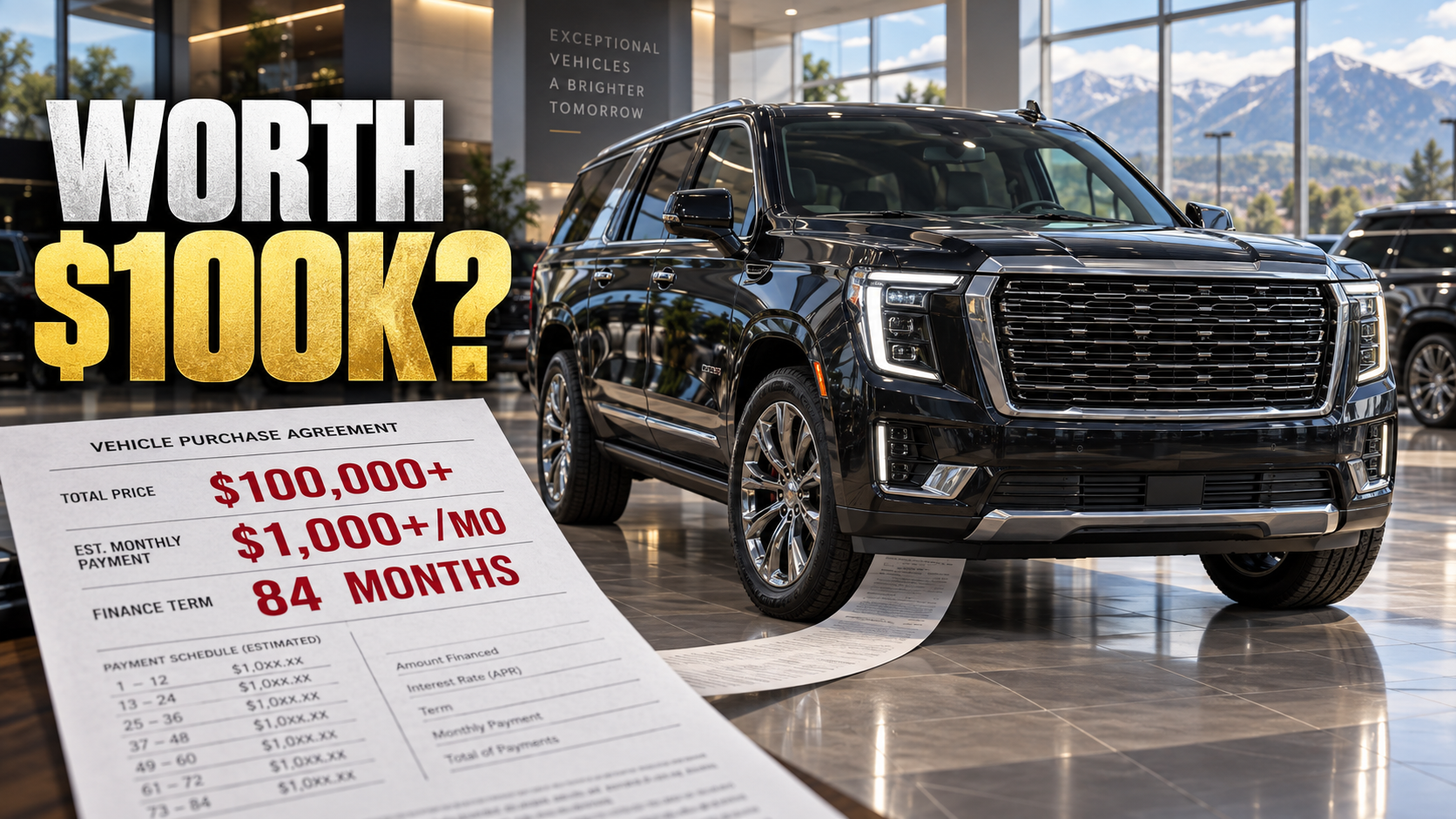
There was a time when spending six figures on a vehicle meant buying something genuinely exotic. Today, that same money can disappear into a three-row SUV parked outside a suburban grocery store.
A 2026 GMC Yukon Denali Ultimate starts above $100,000. A Chevrolet Suburban High Country starts north of $80,000 before options. Porsche will sell you SUVs ranging from roughly $65,000 to well into six figures.
The SUV itself may be good. The deal attached to it can still be terrible.
According to Edmunds’ Q2 2026 vehicle-financing analysis, the average monthly payment on a financed new vehicle reached a record $777. More strikingly, 20.3% of financed new-vehicle buyers had payments of $1,000 or more.
So, buyers are financing record amounts, stretching loans across seven years, putting less money down, and increasingly accepting four-figure monthly payments. Big sticker prices, expensive trim ladders, significant running costs, and an easy sales pitch built around safety, family, capability, and status have mixed together into a perfect storm of hideously expensive SUVs that aren’t terrible on the road, but they are terrible for your wallet.
2026 GMC Yukon Denali Ultimate: An Excellent SUV With a $100,000 Question
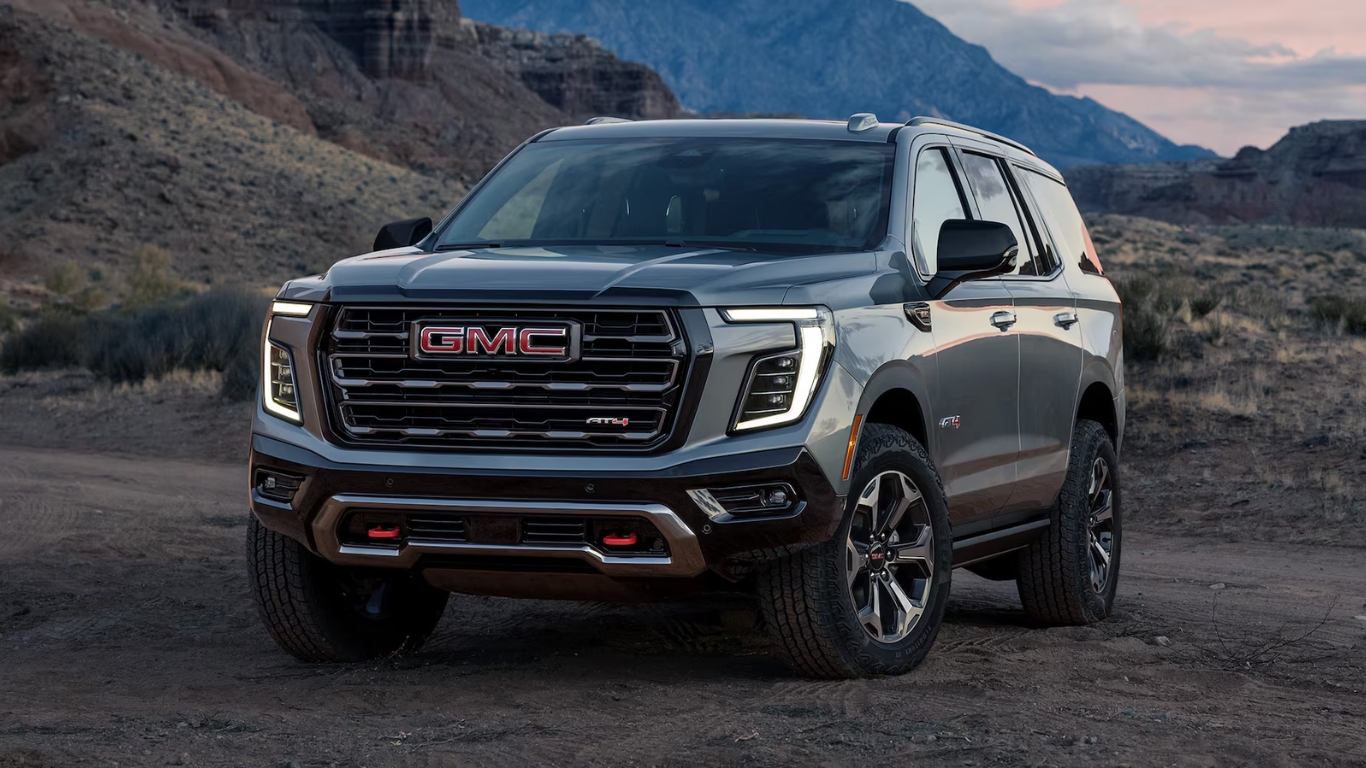
The Yukon is perhaps the cleanest example of where capability ends and luxury escalation begins.
GMC lists the 2026 Yukon Denali Ultimate from $103,900. For the money, buyers get legitimate upgrades: a 6.2-liter V8, Air Ride Adaptive Suspension, Super Cruise, 24-inch wheels, 16-way massaging front seats and an 18-speaker Bose system. Available equipment pushes the luxury experience further still.
It is also a capable full-size SUV. The Denali Ultimate can tow up to approximately 8,000 pounds, and the 6.2-liter V8 produces 420 horsepower and 460 lb-ft of torque.
The value problem appears when you move down the same showroom.
A 2026 Yukon Elevation starts at $69,600. It still seats up to eight. It still has a V8. It still offers modern driver-assistance equipment, heated seating and a large infotainment system, and properly configured Yukons can tow up to 8,400 pounds.
That means the roughly $34,000 gap between an entry Yukon and a Denali Ultimate is not buying an entirely different transportation mission. Both can carry a family. Both can haul luggage. Both can tow serious weight. The extra money buys a better version of the experience, but is that worth such a huge jump in cost?
And then there’s fuel. A 6.2-liter four-wheel-drive Yukon Denali Ultimate is rated around 16 mpg combined. That’s a cost that’s never going away.
Chevrolet Suburban High Country: How Much Is the Top Trim Really Adding?
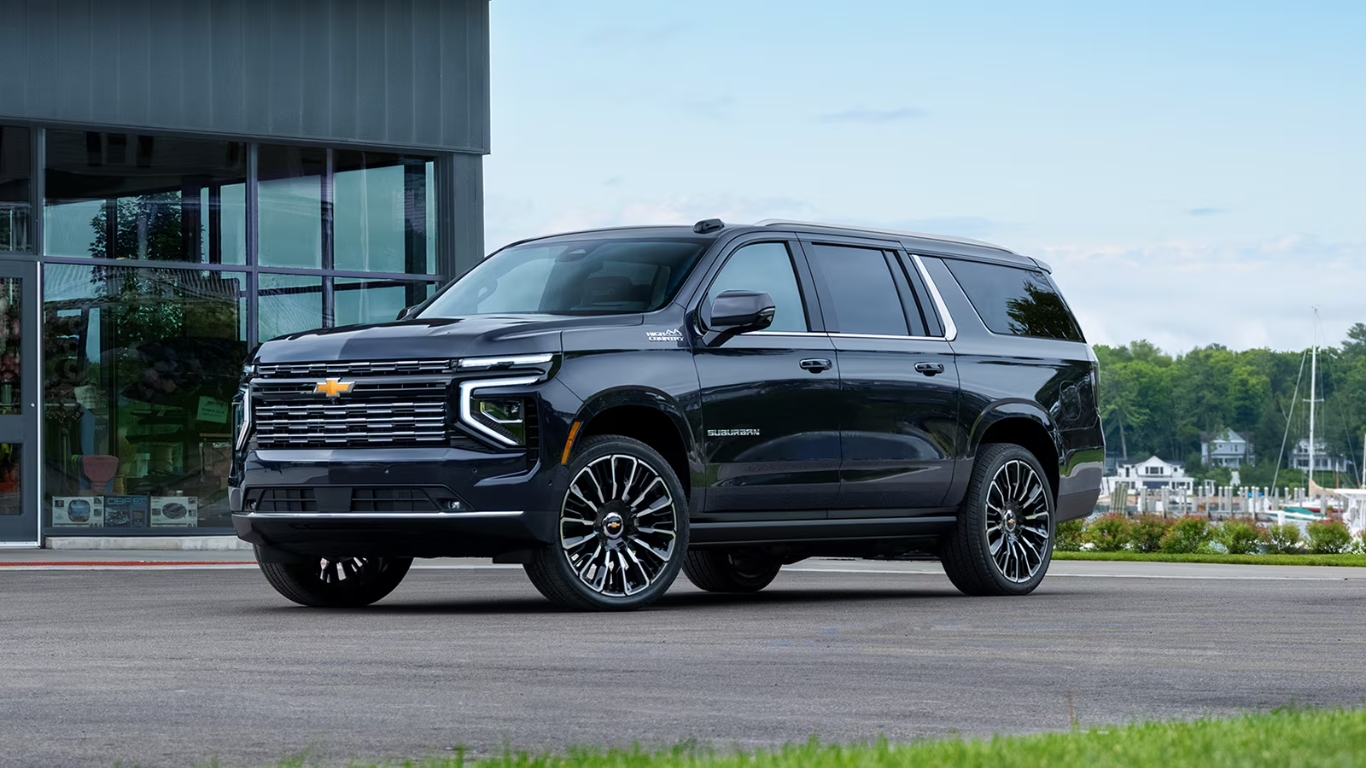
The 2026 Suburban High Country starts at $83,700. It brings the 6.2-liter V8, Magnetic Ride Control, premium interior materials, a head-up display and available air suspension and Super Cruise.
But the Suburban’s fundamental advantage—being enormous—does not begin at $83,700.
The same model line starts with the $63,700 Suburban LS, which already gets the vehicle’s giant body, three-row configuration, 17.7-inch center display and available capacity for a large family. Chevrolet lists up to 144.5 cubic feet of maximum cargo volume for the 2026 Suburban.
High Country buyers are therefore spending approximately $20,000 more than the base vehicle largely to improve power, ride quality, materials, technology and prestige.
If your household needs Suburban-level cargo capacity because it regularly carries six people, luggage and a trailer, the underlying vehicle can make perfect sense. If you’re commuting alone and want the High Country because the lesser trim just doesn’t look as good, it might be worth it to swallow your pride and not buy something just to show off.
Oh, and the 6.2-liter High Country is also rated around 16 mpg combined, so remember that you’re going to be paying for it at the pump.
Porsche SUVs: At Least the Extra Money Buys Something Different
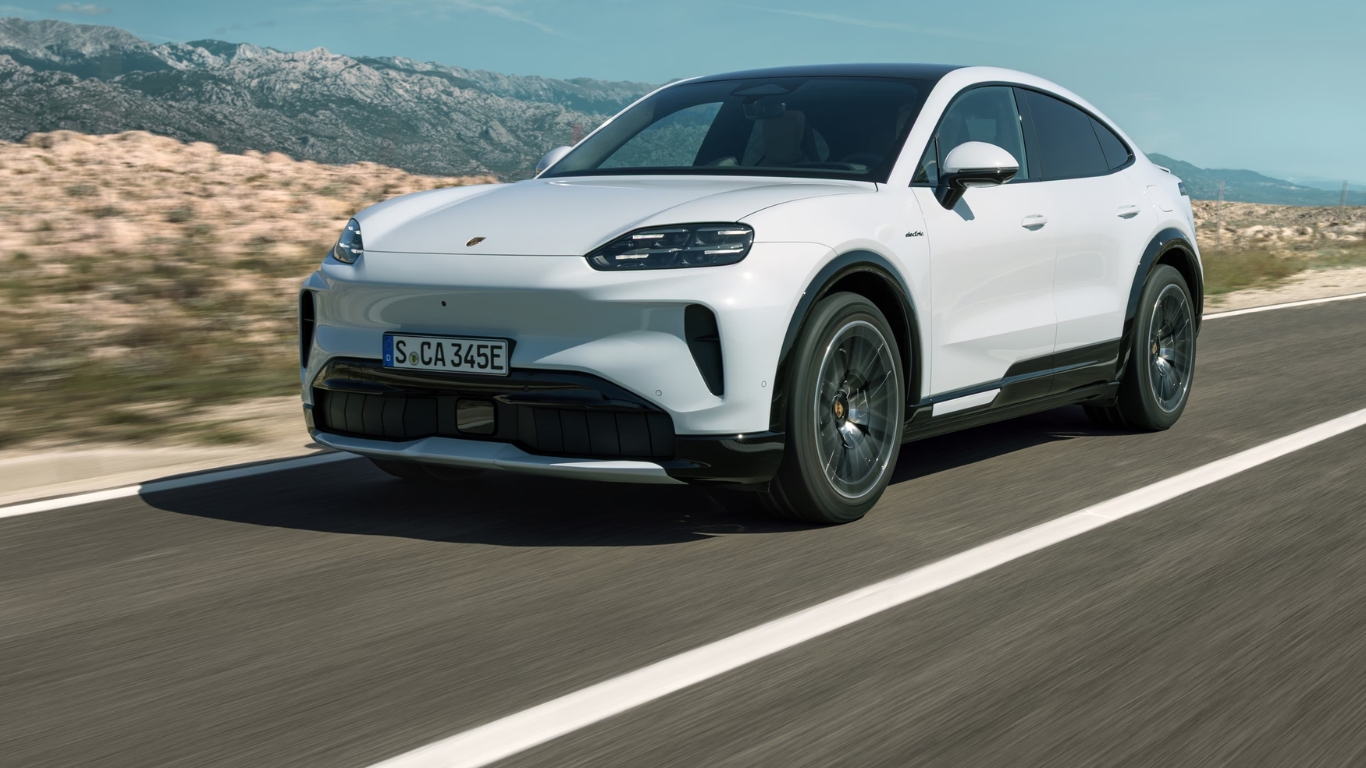
Porsche presents a more complicated case because its expensive SUVs can make a stronger mechanical argument for themselves.
A 2026 Porsche Macan starts at $65,400 with 261 horsepower. Move to a $94,200 Macan GTS and output climbs to 434 horsepower, while Porsche quotes a 4.3-second 0-60 mph time.
So you’re putting more cash down for something that’s not just nicer leather stitched onto the same experience.
The Cayenne takes the formula further. Porsche’s 2026 technical information lists Cayenne variants from around $89,900 through versions costing well beyond $150,000, with the Cayenne Turbo GT listed above $200,000.
And they’re moving too: according to Porsche’s 2025 business report, the company delivered 84,328 Macans and 80,886 Cayennes during 2025, compared with 51,583 911s.
But even real performance and actual inventory velocity don’t hold a candle to the fact the car’s still six figures once you go above entry-level trims.
If owning a Porsche is your dream, it might be worth it to ask yourself: should your dream require an 84-month loan stuffed to the gills with interest?
The Toyota Highlander Shows Why the SUV Isn’t Always the Problem
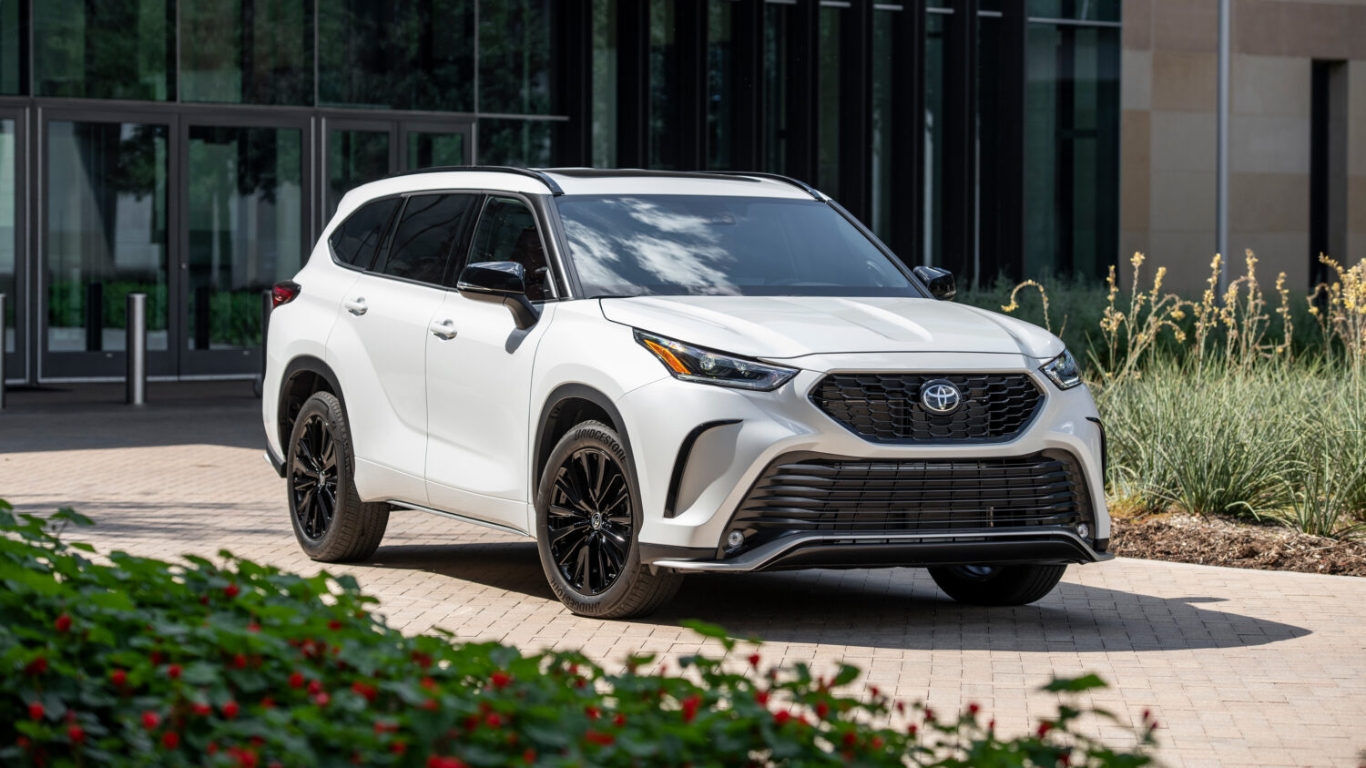
The Toyota Highlander is useful precisely because it does not belong in the same pricing category.
Toyota listed the 2025 Highlander from $40,320, with even the gas Platinum starting at $52,725. Its turbocharged 2.4-liter four-cylinder produces 265 horsepower and 310 lb-ft of torque, while offering seating for seven or eight and up to 5,000 pounds of towing capacity.
In other words, it is a normal, useful family SUV.
A $40,000 SUV can still become a financial disaster through a weak down payment, negative equity rolled in from another vehicle, a high interest rate, dealer add-ons or an excessively long loan. Shop the total amount financed, APR and loan duration—not merely the monthly payment.