

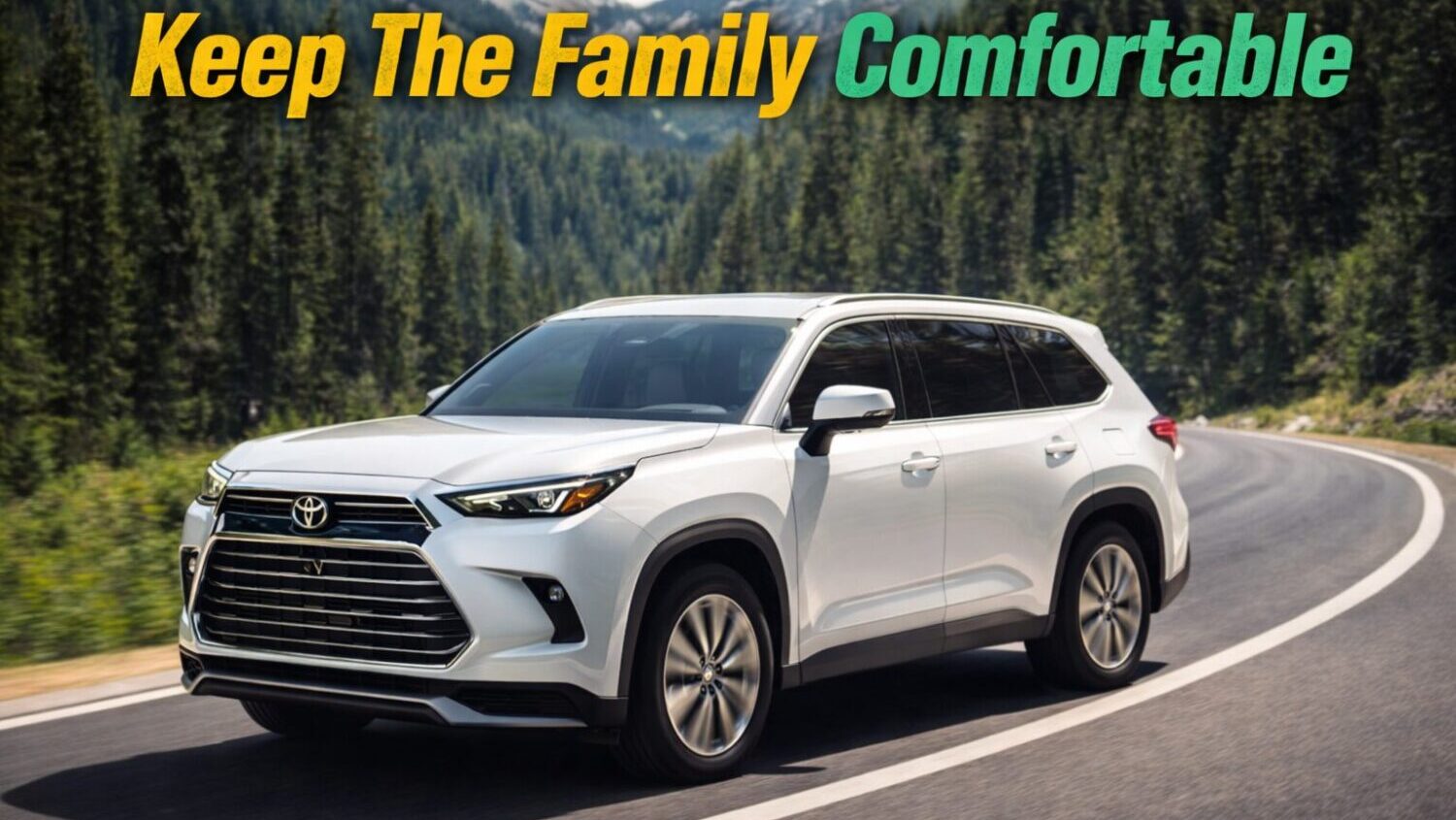
The 2025-2026 family SUV market spans from a $24,000 Honda HR-V to a $75,700 Audi Q8, and the genuine differences between them matter more than the marketing suggests. This selection draws on analysis from Car and Driver and Edmunds and covers 12 vehicles across the full range — compact crossovers with clever packaging, three-row haulers with adult-usable third rows, and performance-oriented luxury options for buyers whose family and driving priorities overlap. The right choice depends on what your family actually does rather than what any particular SUV’s advertising implies it can do.
12. Honda HR-V (2026) (Exterior)
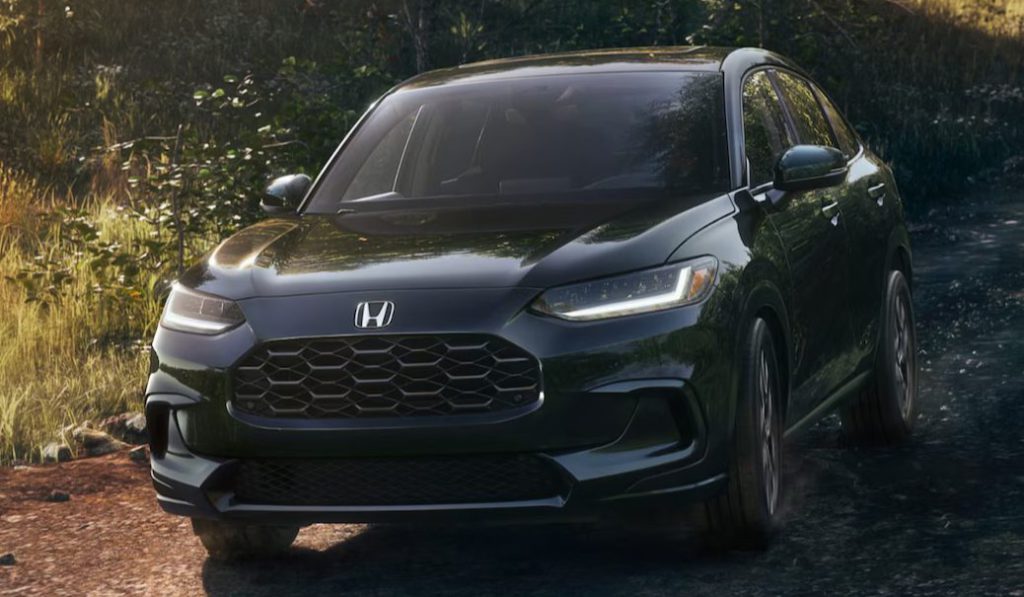
The 2026 Honda HR-V uses clean proportions that prioritize packaging efficiency over visual drama. Plastic cladding communicates the crossover’s purpose without overpromising capability. Honda’s design approach here is conservative in the best sense — this will look reasonable in five years in a segment where dated styling is common. The exterior reads as honest about what the vehicle is rather than aspirational about what it is not.
Honda HR-V (2026) (Interior)

The cabin maximizes interior space through Honda’s packaging competency — a skill the company has applied to small vehicles for decades. Materials are basic, which is appropriate for the $24,000 starting price. Honda Sensing safety technology comes standard across the lineup, meaning the entry price includes the active safety features that matter rather than reserving them for upper trims. Controls are straightforward enough that new drivers in the household will not need to learn the interface before they are comfortable using it.
11. Land Rover Range Rover (2025) (Exterior)
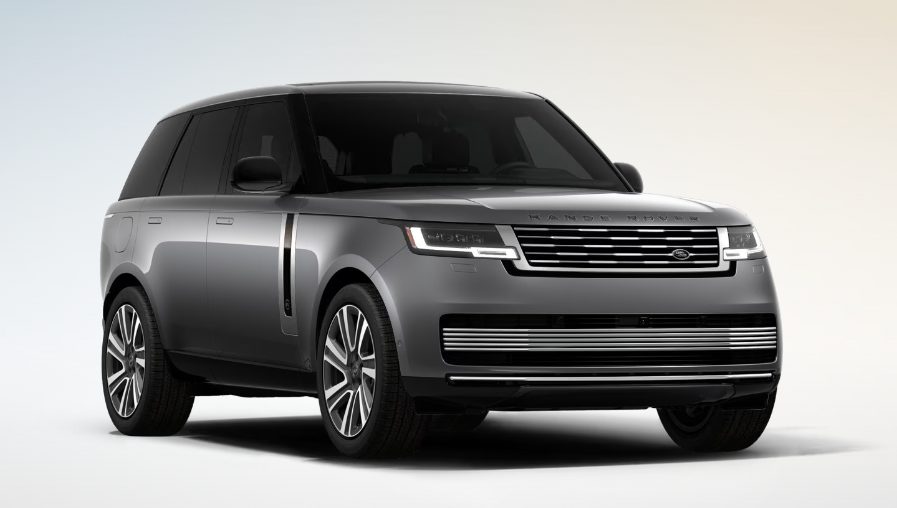
The floating roofline and flush door handles create a visual presence that is immediately identifiable without aggressive styling. Air suspension that adjusts ride height for different terrain conditions is visible in the vehicle’s proportions — this is not a crossover pretending to be an off-roader. Approach and departure angles are engineered for genuine capability, and the exterior design reflects that engineering reality rather than decorating over it.
Land Rover Range Rover (2025) (Interior)
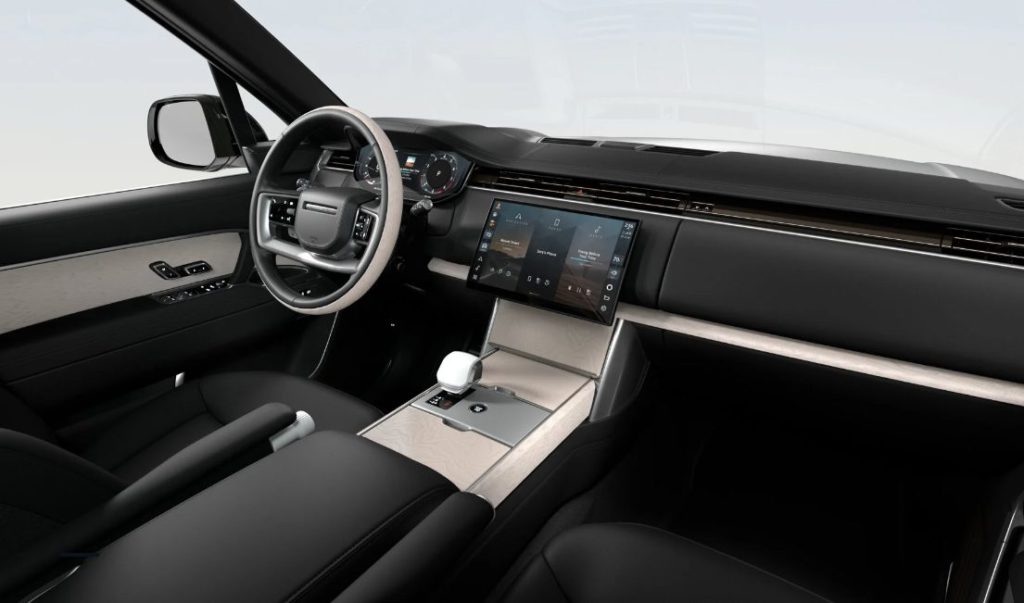
A 13.1-inch touchscreen anchors a dashboard built from premium materials throughout. Heated and cooled massage seats, wireless device charging, and a cabin that shifts between executive comfort and genuine all-terrain capability define what the Range Rover’s price buys. The interior quality at this specification level is not in question — the ownership consideration is the long-term maintenance cost that the luxury specification brings with it.
10. Toyota Corolla Cross (2026) (Exterior)
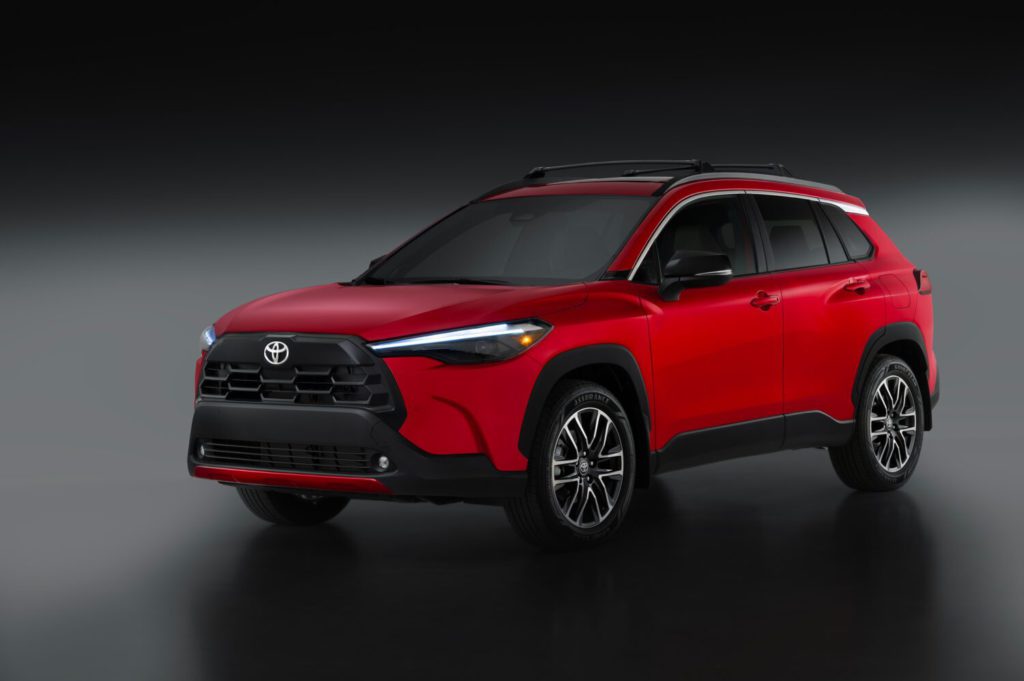
Compact dimensions hide the Corolla Cross’s interior efficiency. Plastic cladding and roof rails communicate the vehicle’s utility positioning without inflating the vehicle’s size to justify them visually. Toyota’s design approach is confident without being assertive — this is honest urban-duty crossover packaging that matches what buyers in this segment actually need.
Toyota Corolla Cross (2026) (Interior)
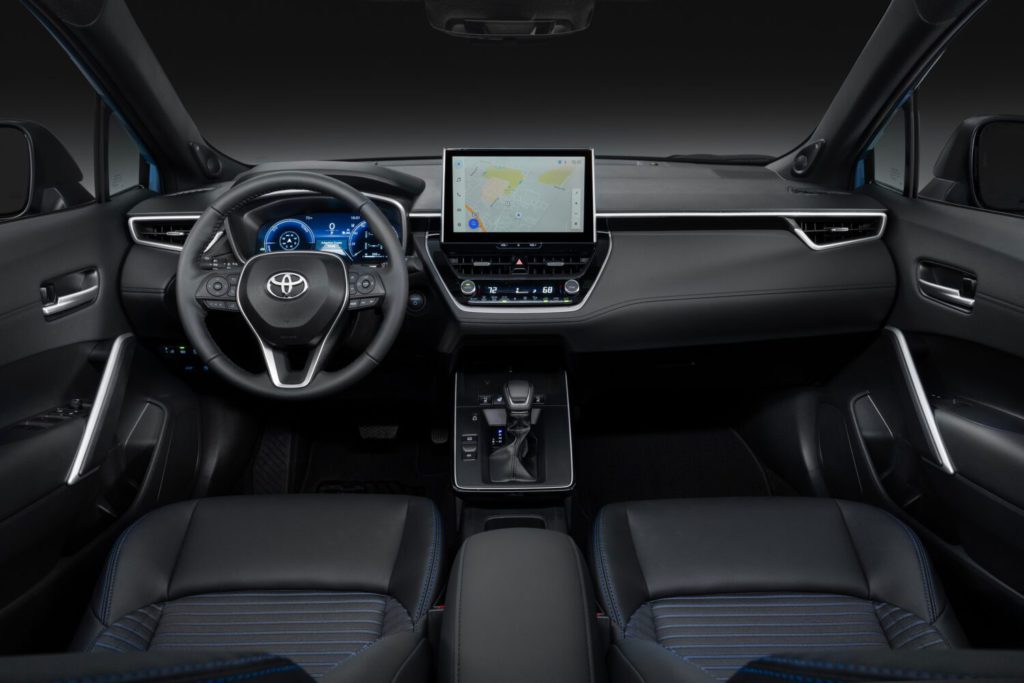
The 10.1-inch touchscreen is generously sized for the cabin class. The hybrid battery placement does not compromise interior volume — an engineering priority Toyota has managed effectively across its hybrid lineup. Hard plastics in the lower cabin acknowledge the price point. The seating position delivers a commanding road view relative to the vehicle’s footprint, and the control layout prioritizes simplicity over feature demonstration.
9. Hyundai Palisade (2026) (Exterior)

The redesigned Hyundai Palisade uses a longer wheelbase and bold proportions to establish genuine three-row SUV presence. The clean exterior avoids the visual complexity that makes some competitors look busy rather than substantial. Hyundai’s design team delivered a sophisticated exterior that communicates the vehicle’s family-hauling mission without the luxury badge price premium — which is the specific value argument the Palisade makes most effectively.
Hyundai Palisade (2026) (Interior)

Nine-passenger seating and a curved digital display combining instruments and infotainment are the Palisade’s interior headliners. Premium materials throughout the cabin deliver an interior experience that reads as more expensive than the $39,000 starting price — a consistent Hyundai achievement in recent model years. Third-row access has improved with the redesign, which addresses one of the practical complaints that affected the previous generation’s real-world usability.
8. Volvo XC90 (2026) (Exterior)
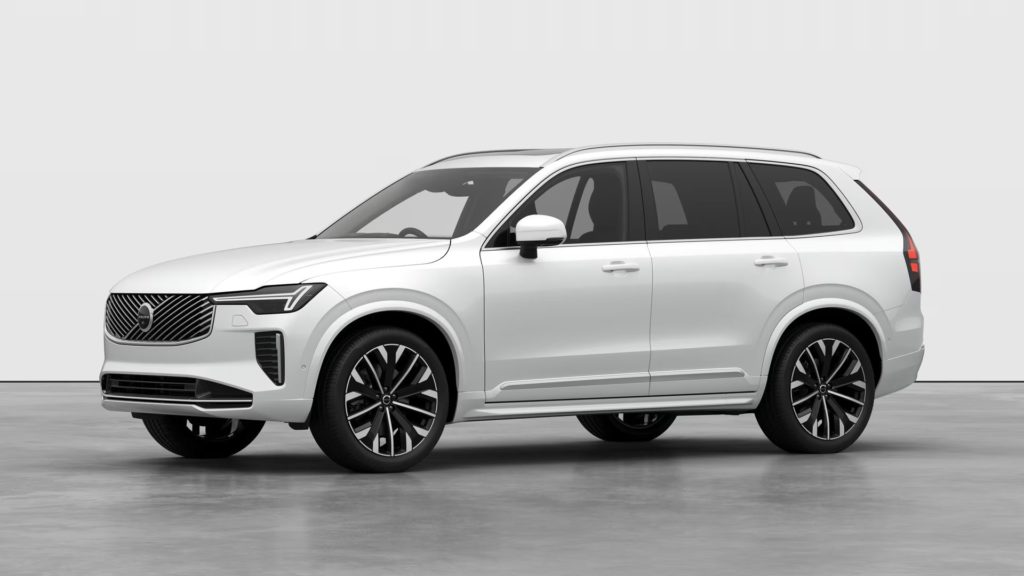
Scandinavian minimalism defines the XC90’s exterior — the signature Thor’s Hammer headlights create a distinctive nighttime identity without visual aggression in daylight. Clean lines and restrained details age well, which matters in a vehicle that families typically keep for extended periods. Hybrid badging communicates the electrified powertrain without making it the vehicle’s defining visual statement.
Volvo XC90 (2026) (Interior)

Natural materials and uncluttered Swedish design philosophy define the XC90 cabin. The crystal gear shifter is an unexpected luxury detail specific to Volvo’s brand identity. The touchscreen manages most functions while climate controls remain separately accessible — a usability decision that reflects genuine driver feedback. Seven seats accommodate growing families, and Volvo’s safety technology integration — including air-filled seat belts and run-off road protection — reflects the brand’s foundational priority across every model in its lineup.
7. Mercedes-AMG GLE Class (2025) (Exterior)

The Panamericana grille and quad exhausts communicate the GLE’s AMG performance specification directly. Muscular fender flares accommodate the wider tires that genuine track capability requires. The side vents manage heat from the hardware underneath them — the aggressive exterior styling on the AMG GLE reflects engineering content rather than serving as decoration applied over a standard vehicle.
Mercedes-AMG GLE Class (2025) (Interior)
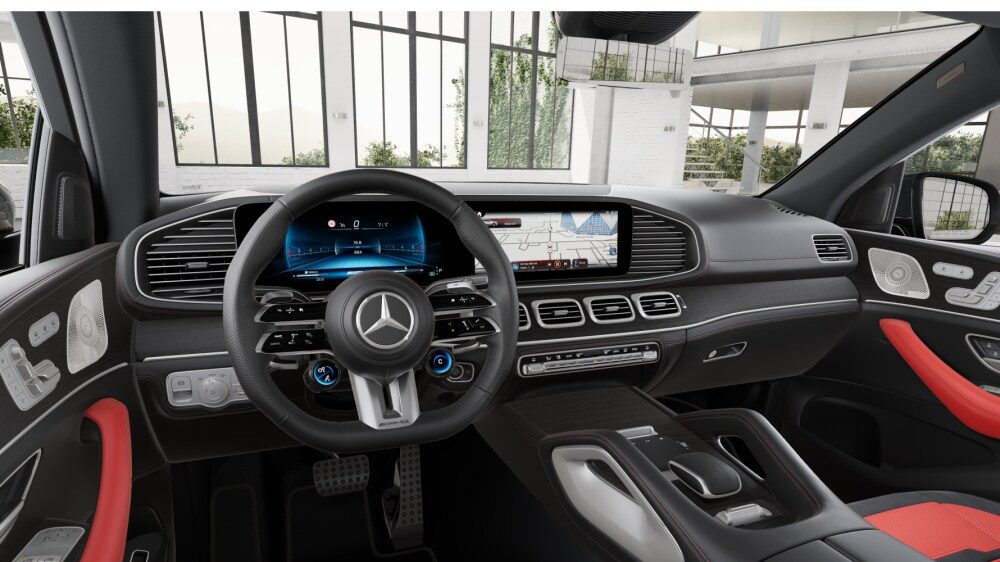
Napa leather and carbon fiber throughout the cabin justify the six-figure price at the materials level. AMG sport seats provide the lateral support that spirited driving actually requires rather than simply looking the part. The MBUX voice-command system is capable but has a learning curve that requires investment from new owners. Performance details like aluminum pedals remind occupants that the AMG GLE is engineered differently from standard GLE variants, not merely badged differently.
6. Toyota RAV4 (2026) (Exterior)
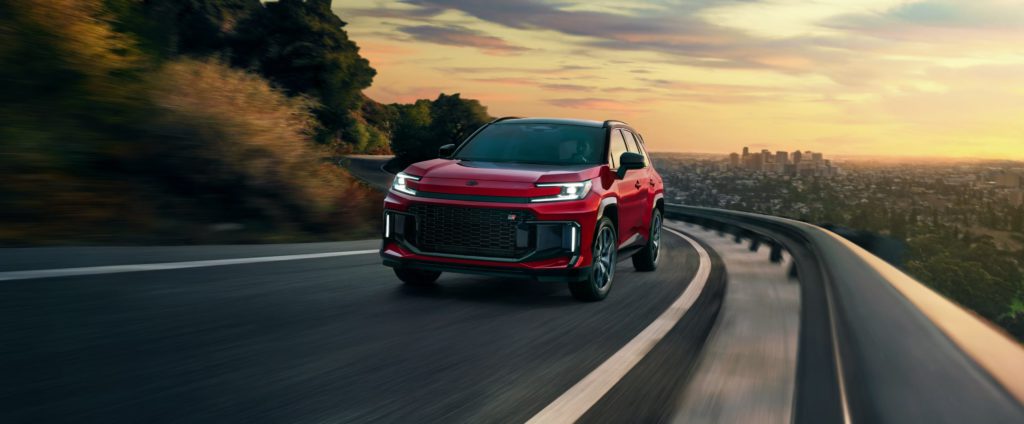
The squared-off redesign gives the 2026 RAV4 a more assertive exterior than its predecessors — bolder wheel arches and increased ground clearance communicate genuine capability rather than crossover-as-lifestyle styling. The hybrid-only powertrain strategy for 2026 is reflected in how Toyota has positioned the vehicle’s identity. Rugged cladding and skid plates on applicable trims serve a functional purpose proportional to what the platform can actually do off-road.
Toyota RAV4 (2026) (Interior)

The cabin prioritizes practical durability — hard-wearing materials in a vehicle configuration that reflects active daily use. The hybrid system integration is seamless rather than intrusive, with no driving behavior that constantly reminds you of the powertrain’s complexity. Physical climate control buttons remain in place rather than routing through the touchscreen, which is a usability decision that benefits daily drivers who operate these controls frequently and automatically.
5. Hyundai Tucson (2025) (Exterior)
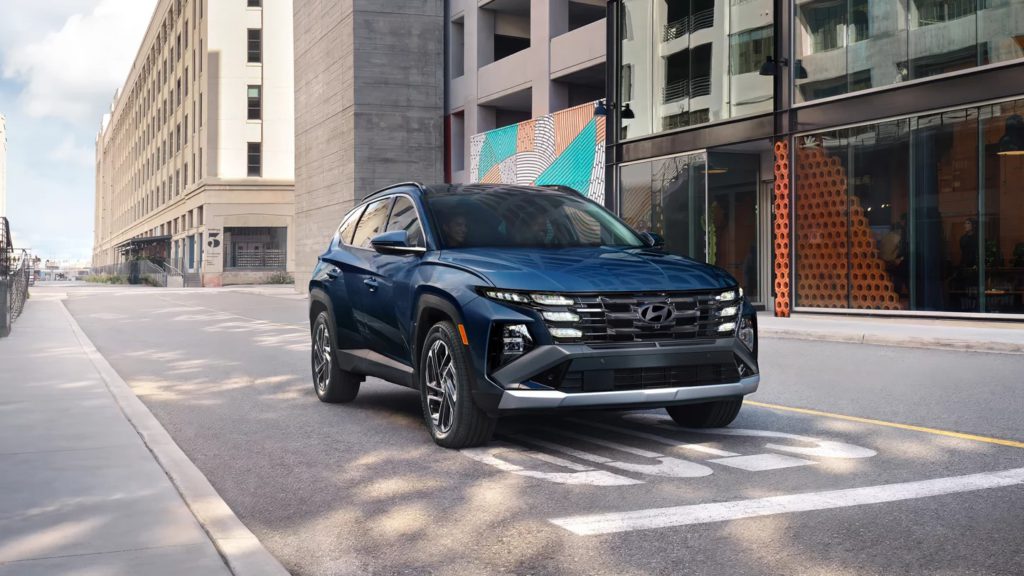
The Tucson’s angular design language breaks from the conservative crossover conventions that most competitors use. LED daytime running lights create a distinctive front identity. The bold exterior will not appeal to every buyer — it is a deliberate stylistic position rather than a broadly appealing compromise, which is exactly the kind of design courage that differentiates the Tucson from the majority of the compact crossover segment.
Hyundai Tucson (2025) (Interior)
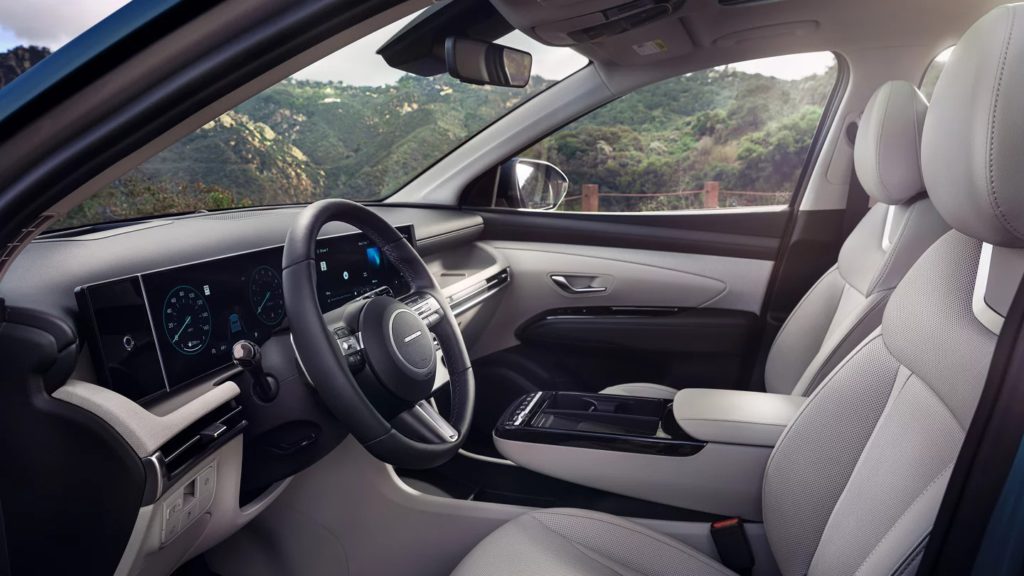
A 12.3-inch touchscreen and digital gauge cluster anchor a technology-forward dashboard. Climate controls are integrated into the display system rather than remaining as physical buttons — a design choice that delivers visual cleanliness at some usability cost compared to Toyota’s approach in the RAV4. Premium materials throughout the cabin deliver an interior that reads above the $29,750 starting price, consistent with Hyundai’s recent pattern of overdelivering on interior quality relative to transaction price.
4. Toyota Grand Highlander (2025) (Exterior)

The Grand Highlander’s stretched proportions — those extra four inches over the standard Highlander — create meaningful interior volume without crossing into full-size truck-based territory. The exterior design is conservative and purposeful. Three-row buyers in this segment consistently prioritize interior function over exterior excitement, and Toyota’s designers understood the brief rather than fighting it.
Toyota Grand Highlander (2025) (Interior)

Third-row passengers get adult-usable accommodations — the extended wheelbase delivers genuine legroom rather than the token space that most three-row midsize SUVs provide. Second-row captain’s chairs enhance the premium positioning and improve third-row access simultaneously. The dashboard layout is functional rather than visually striking, with storage solutions positioned where families actually need them rather than where they photograph well.
3. Subaru Outback (2026) (Exterior)

The Subaru Outback carries rugged cladding and increased ride height that reflect the wagon platform’s genuine all-weather and light off-road capability. Standard roof rails and skid plates serve functional purposes proportional to how Outback buyers actually use their vehicles. Subaru’s design prioritizes function and durability over visual novelty — the exterior communicates what the vehicle does rather than what owning it implies about the driver.
Subaru Outback (2026) (Interior)
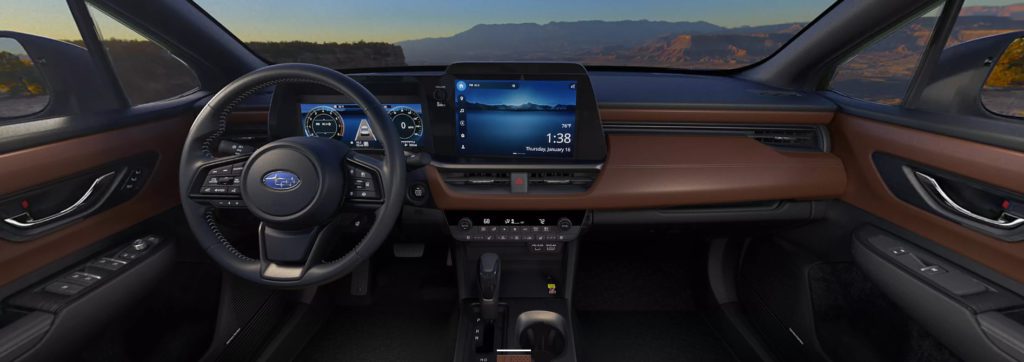
Water-resistant materials throughout the cabin address the reality of active-use ownership — the Outback’s buyers bring outdoor gear, wet dogs, and muddy gear inside regularly. EyeSight safety technology monitors the road ahead while StarLink handles connectivity. Cargo space is genuinely generous, and the driving position offers excellent visibility in both trail navigation and urban parking situations — a combination the wagon platform enables more effectively than taller SUV configurations.
2. Honda CR-V (2025) (Exterior)
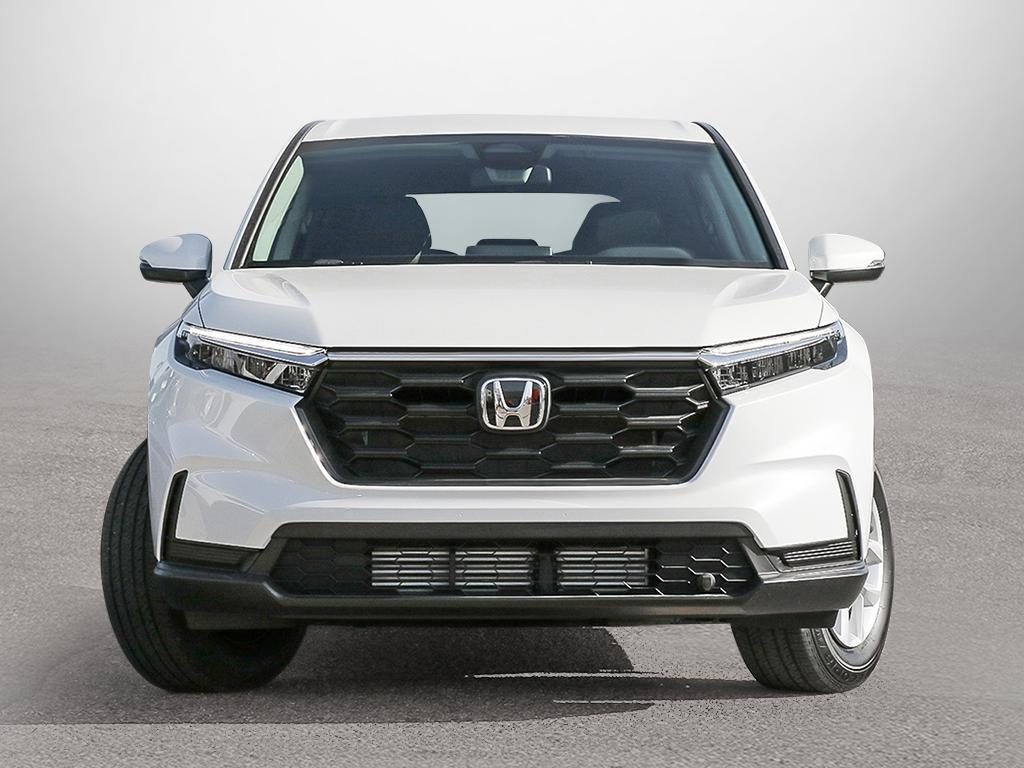
The CR-V uses conservative proportions with refined lighting elements and subtle surface detail that will age well without requiring design trends to maintain their appeal. Honda’s designers focused on timeless execution rather than moment-specific styling, which produces an exterior that remains appropriate across the vehicle’s full ownership period. This is a deliberate functional choice rather than a design limitation.
Honda CR-V (2025) (Interior)
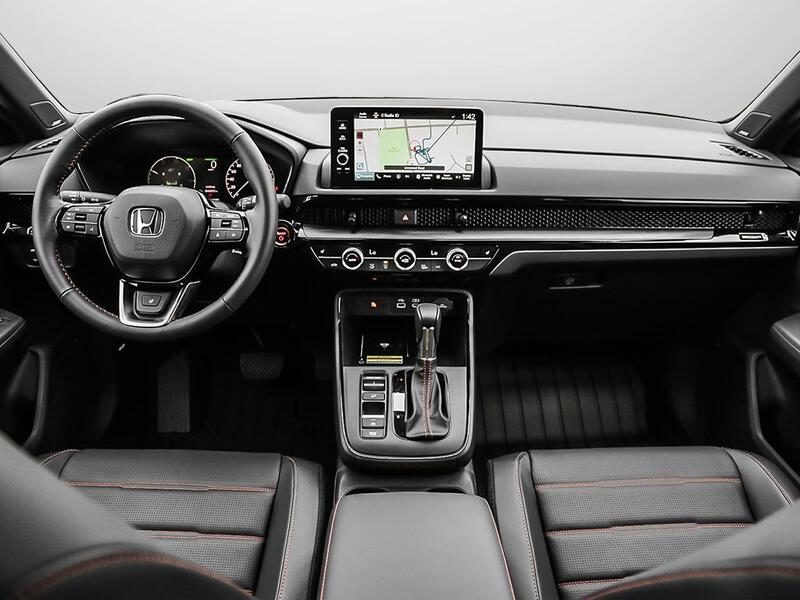
Honda’s packaging competency produces a cabin that maximizes interior volume from the CR-V’s footprint. The 7-inch infotainment display handles connectivity without dominating the dashboard. Physical climate controls remain accessible for the functions drivers adjust most frequently. The 39 cubic feet of cargo space leads most compact crossover competitors — a measurement that reflects how families actually use the vehicle rather than what the specification sheet emphasizes in marketing.
1. Audi Q8 (2025) (Exterior)
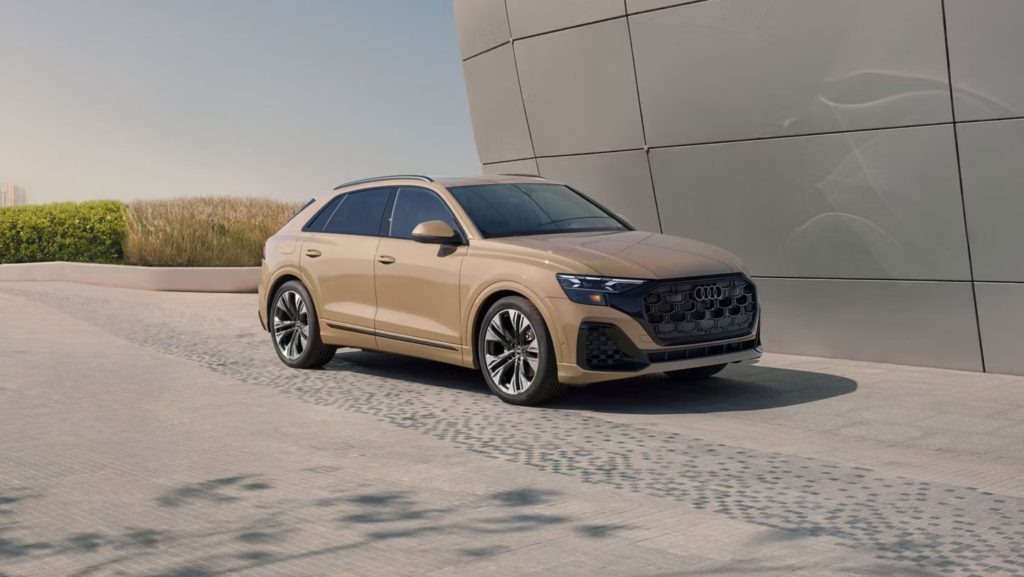
The Q8’s coupe roofline is the exterior’s defining design decision — it creates a visual presence that distinguishes this vehicle from conventional SUV proportions at the cost of rear headroom and cargo volume. Massive 21-inch wheels and an aggressive front grille communicate the vehicle’s performance-oriented positioning. LED light signatures are immediately identifiable at night. The sloping rear window is a deliberate aesthetic priority that buyers at this price point choose explicitly, not a compromise they accept.
Audi Q8 (2025) (Interior)

Dual touchscreens, premium leather, and aluminum trim justify the $75,700 starting price at the materials and technology level. The virtual cockpit instrument display provides comprehensive information in a format that rewards the learning investment. The cabin feels more spacious than the exterior roofline implies — Audi’s interior packaging manages the coupe body style’s constraints effectively. The complexity of the dual-screen interface is a real long-term ownership consideration for buyers transitioning from simpler systems.