The early 2000s saw car designers raiding their own history books, kickstarting an era of pronounced retro styling. This trend mirrored a societal yearning for stability as much as it was about aesthetics. Vehicles from the playful Plymouth Prowler to the sleek BMW Z8 emerged, each a throwback with modern guts. Some designs struck gold, merging vintage lines with exhilarating performance. Others delivered glorified cosplay, missing the mark entirely. Which of these throwback rides provided a genuine connection to the tarmac and the freedom of the open road, and which ones were just showroom floor filler?
1. Chrysler PT Cruiser
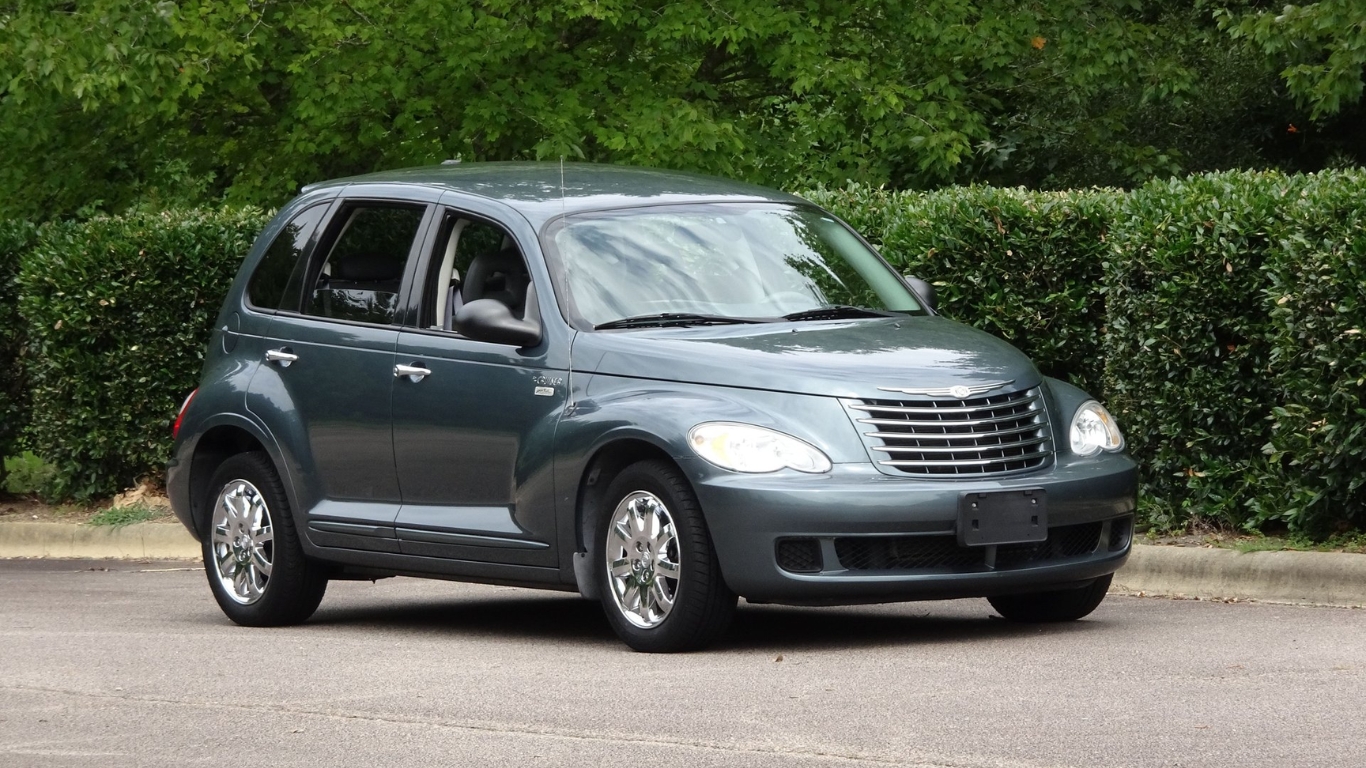
A front-wheel-drive compact wagon that brought retro styling to the everyman’s garage.
Launched in 2001, this compact wagon presented a bold solution to bland design. Its retro styling, drawing cues from pre-war hot rods and 1930s aesthetics, defied typical compact constraints with a tall roofline and versatile interior. The standard 2.4-liter four-cylinder engine, while not a tire-shredding beast, offered adequate momentum.
Inside, it felt like a mobile diner booth on a cross-country drive, with enough space to make you forget the segment limitations. Produced until 2010, the PT Cruiser found surprising success beyond North America, influencing later crossover designs and solidifying its place as one of the era’s most recognizable retro experiments. Whether beautiful or bizarre depends on who’s looking, but its impact on compact car design remains undeniable.
2. 2002 Ford Thunderbird

A two-seat convertible that borrowed heavily from the 1950s but struggled to capture the soul.
Over 30,000 customers bought the 2002 Ford Thunderbird in its first year, a modest return for a legend’s revival. Rushed to production within roughly two years of its concept reveal, this two-seat convertible directly mirrored the 1950s Thunderbird with its prominent grille, round headlights, and long hood. The Thunderbird targeted the luxury market, a segment where an unfinished feel stalls out before the checkered flag.
Under the hood sat a 3.9-liter DOHC V8 engine, delivering 252 horsepower and 267 lb-ft of torque through a 5-speed automatic transmission on Ford’s DEW98 rear-wheel-drive platform. Its numbers were solid, but the driving experience lacked soul. The looks were there, but ordering one felt like expecting a gourmet meal and watching it arrive suspiciously fast. Ford learned that genuine heritage demands more than aesthetic mimicry, lessons that would guide later, more successful retro-inspired projects.
3. Chevrolet SSR
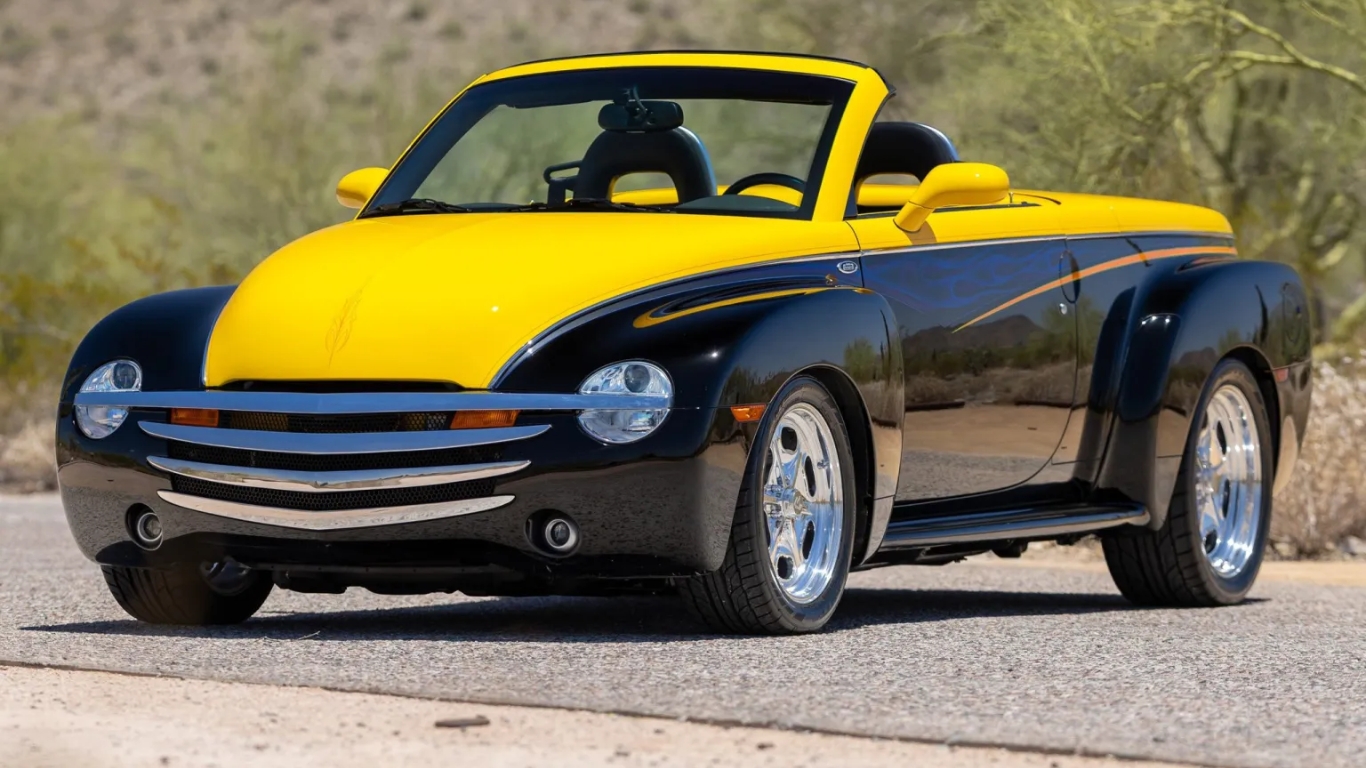
A retro pickup with a power-retractable hardtop that defied every expectation.
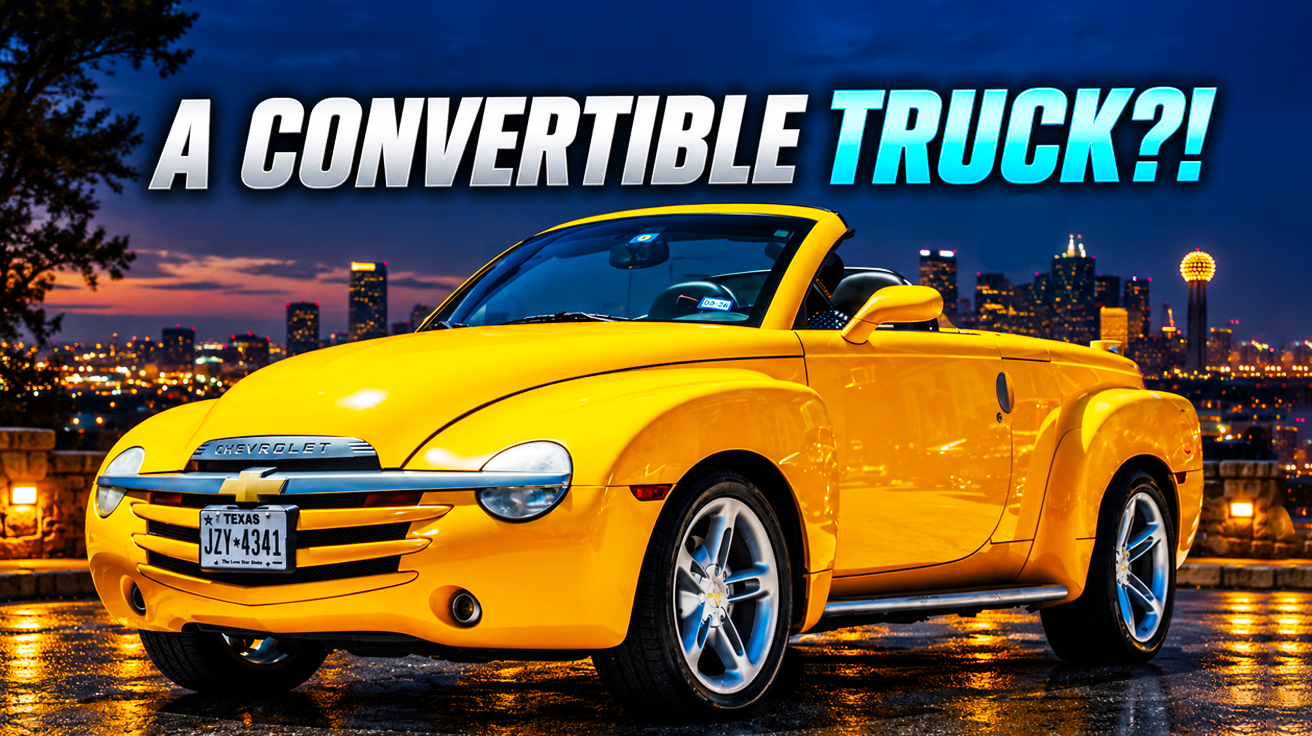
The Chevrolet SSR, launched in 2003, fused retro design with modern convertible technology. This Super Sport Roadster transformed from an open-air roadster into a covered cargo bed via a power-retractable hardtop. Driving one felt like bringing a vintage hot rod to a modern drag strip—utterly out of place, yet undeniably cool.
Its styling referenced classic Chevy Advanced Design trucks of the late 1940s and early 1950s, visible in its prominent grille and rounded fenders. Early models ran a 5.3-liter V8, pushing around 300 horsepower. Later models received a 6.0-liter LS2 V8, delivering 390–400 horsepower, paired with manual or automatic transmissions. Production ceased in 2006 after roughly 24,000 units. The SSR remains a polarizing high-performance truck, an automotive wild card that defied easy labels—like finding a perfectly obscure B-side on a forgotten classic rock album.
4. Plymouth Prowler
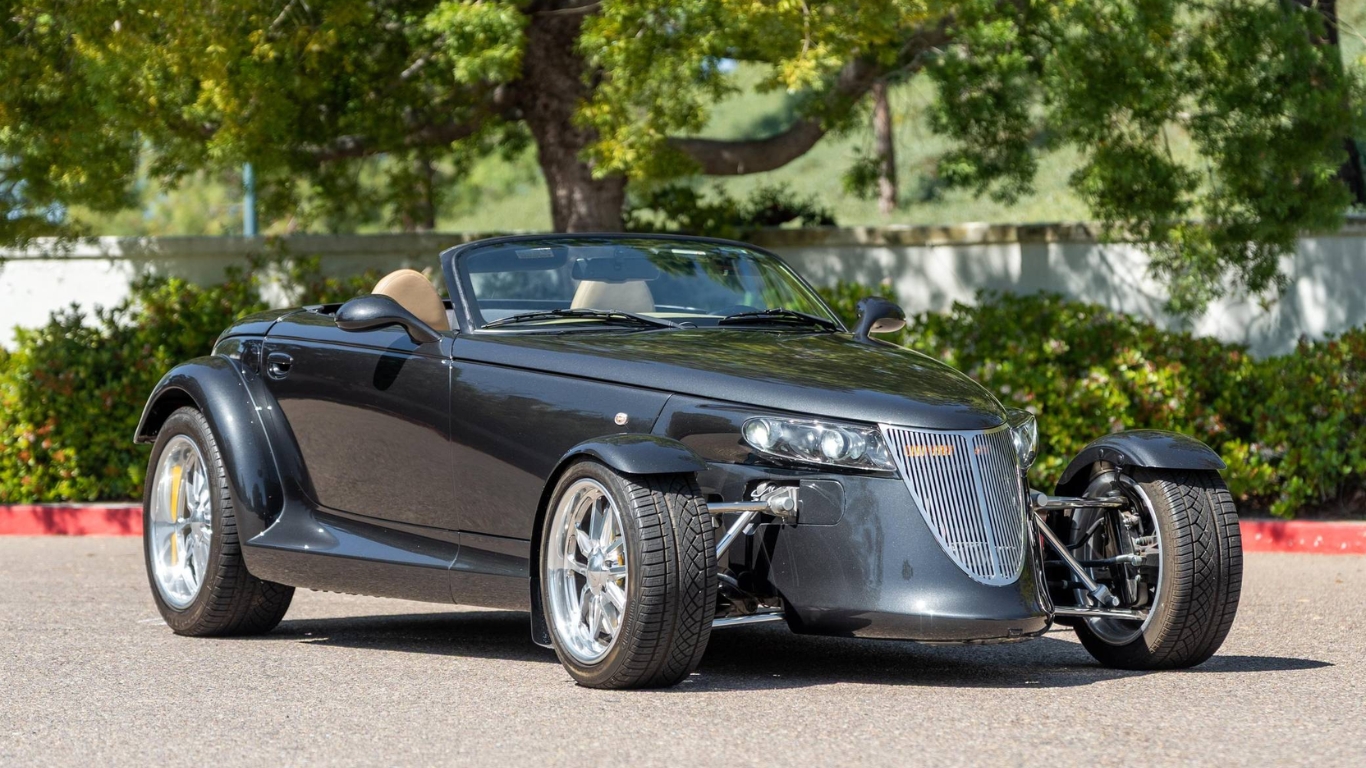
A factory hot rod that dared to put concept-car wildness into production.
Unveiled as a concept in the mid-1990s, the Plymouth Prowler reached production as a genuine factory hot rod. Its design, a daring homage to classic hot rods, sported exposed styling and open front wheels, resembling a skeletal dragster. This audacious vision emerged from Chrysler’s design-forward period, influencing subsequent retro-themed production vehicles.
The Prowler navigated a bumpy market. Its oversized front bumper often marred an otherwise pure aesthetic, and it felt overpriced for what it delivered. Driving could feel like merging onto a busy highway in a go-kart. Mainstream sales eluded it; only about 11,702 units were built between 1997 and 2002. Despite struggles, its influence on automotive design remains undeniable, cementing its place as a retro icon that proved concept cars could become reality.
5. BMW Z8
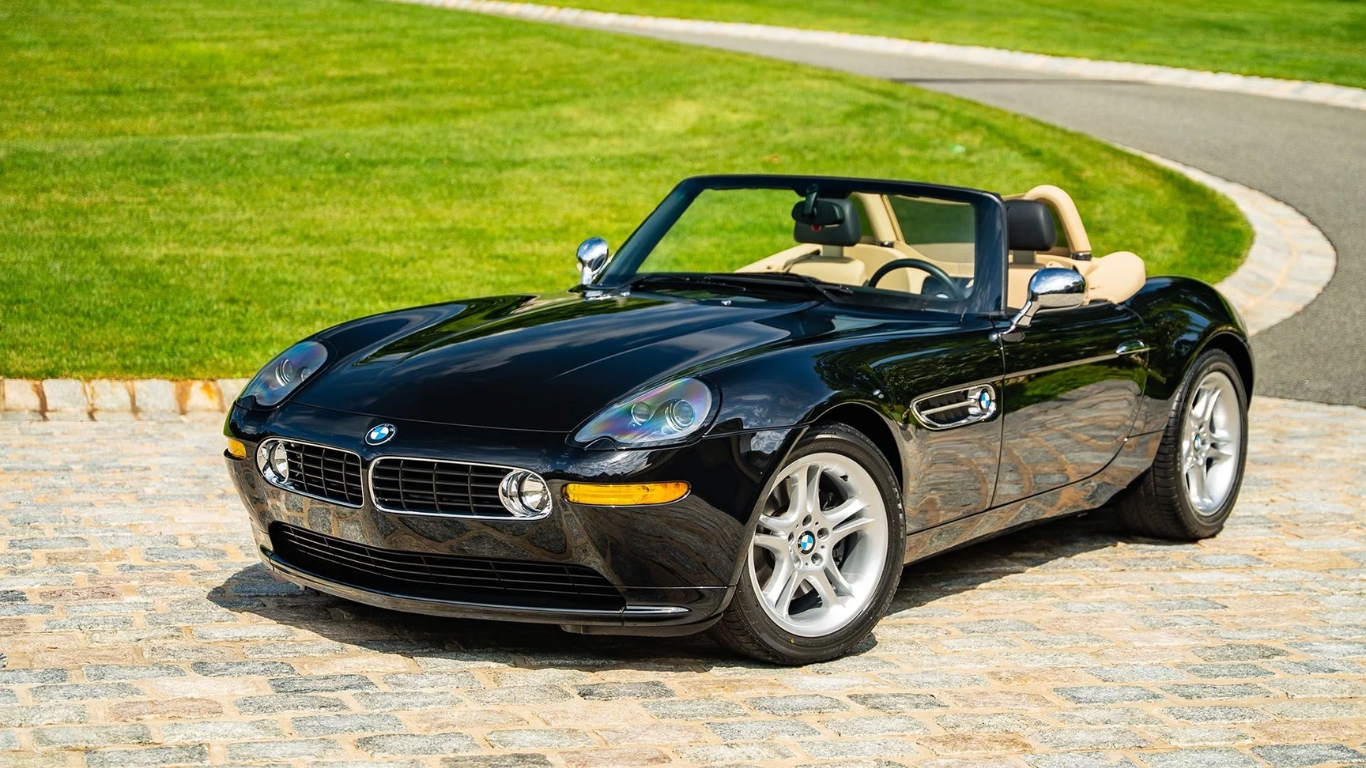
A modern roadster that paid homage to the 507 without feeling like a museum piece.
The BMW Z8 arrived as a stark counterpoint to design by committee. Launched in the early 2000s for model years 2000–2003, it presented a modern roadster body that paid clear homage to BMW’s iconic 507 sports car. The long hood and unmistakable minimalist profile created a silhouette as sleek as a freshly polished jazz album cover.
This design represented a careful blend of evocative lines with thoroughly contemporary engineering, ensuring it stood apart from mere retro pastiches. The Z8’s presence on the road felt like Bavaria playing its cards perfectly. It navigated the tricky waters of nostalgia with grace, delivering genuine performance without feeling like a museum piece. The precision in every corner created an experience akin to a perfectly timed downshift on an empty canyon road. Its sophisticated retro application in the luxury segment cemented its place as a benchmark, proving backwards-looking design could still drive forward.
6. Mazda MX-5 Miata
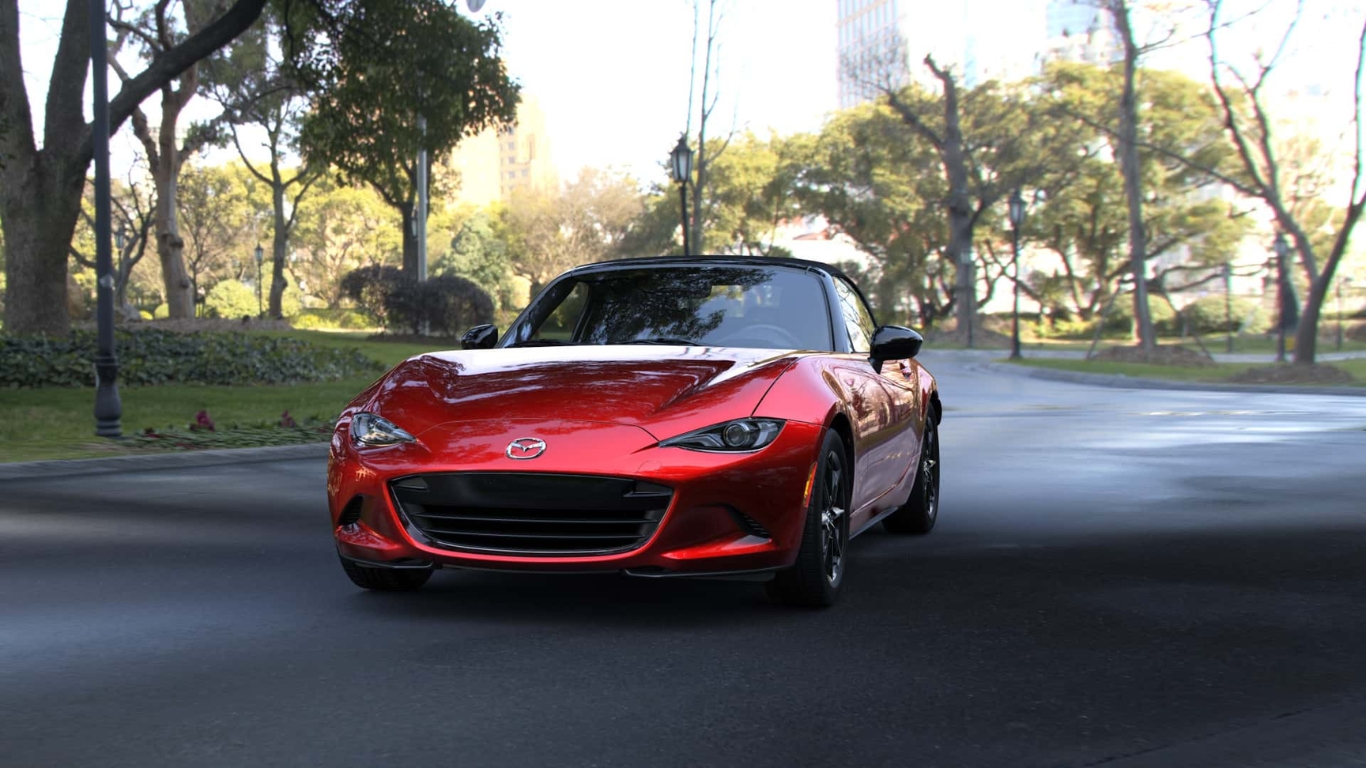
A lightweight roadster that revived the spirit of 1960s British sports cars with Japanese reliability.
The Mazda MX-5 Miata channeled the pure, unvarnished spirit of 1960s British sports cars like the MGB. Its design deliberately echoed the delicate proportions of a Lotus Elan, but with Japanese reliability. This car wasn’t built on a foundation of raw numbers; it prioritized simplicity, light weight, and a precise rear-wheel-drive layout.
The driving dynamics connect the driver to the road like a conductor to their orchestra. Every subtle shift, every minute change in grip, comes through clearly. The Miata swiftly became the benchmark for affordable modern roadsters, a prime example of how nostalgic design, executed with careful attention to engineering, can transcend mere retro styling. It offered a pure, unfiltered driving experience that many thought was lost to history, proving that fun behind the wheel doesn’t require a six-figure price tag. For drivers seeking an honest, engaging connection, it still delivers, making every backroad feel like a perfectly tuned arcade game.
7. Fifth-generation Chevrolet Camaro
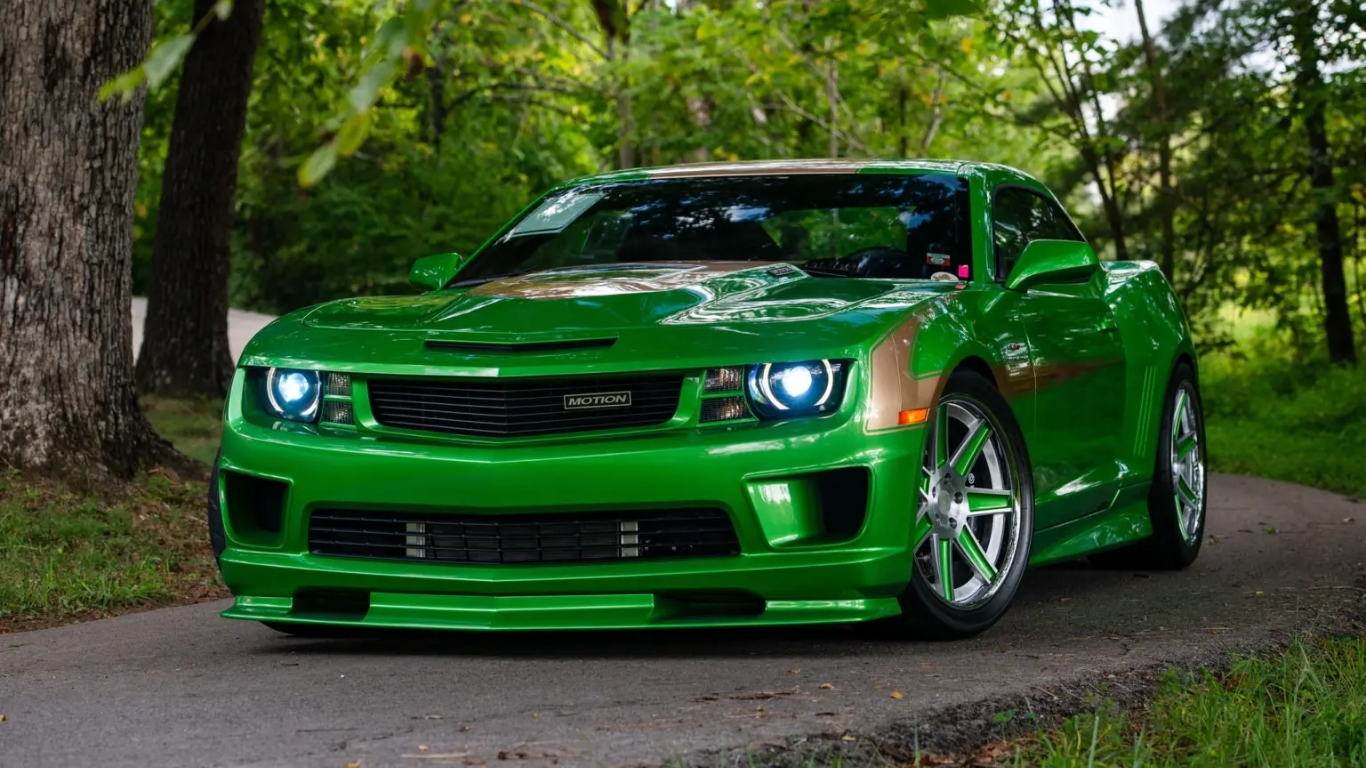
A modern muscle car that balanced nostalgic styling with genuine performance capability.
First revealed as a concept in 2006, this modern muscle car took its design cues directly from the iconic 1967–1969 first-generation Camaro. It hit full production as a 2010 model in 2009, completing development that ensured it wasn’t just a nostalgic glance backward. The lengthy maturation process gave it character, much like a perfectly aged bourbon.
The result was one of the most successful retro muscle-car revivals of the 2000s, managing to balance its retro styling with a capable modern performance platform. This was no flimsy costume party on wheels; it was a legitimate contender that connected with enthusiasts and proved that good design endures. Push it hard on a winding backroad, or simply cruise it for a cross-country run—either way, every bit of that robust, affordable performance comes through. The Fifth-generation Camaro proved that heritage, when done right, still fuels the drive.
8. Ford Bronco Revival

A 2021 reboot that combined rugged capability with nostalgic styling to challenge Jeep’s dominance.
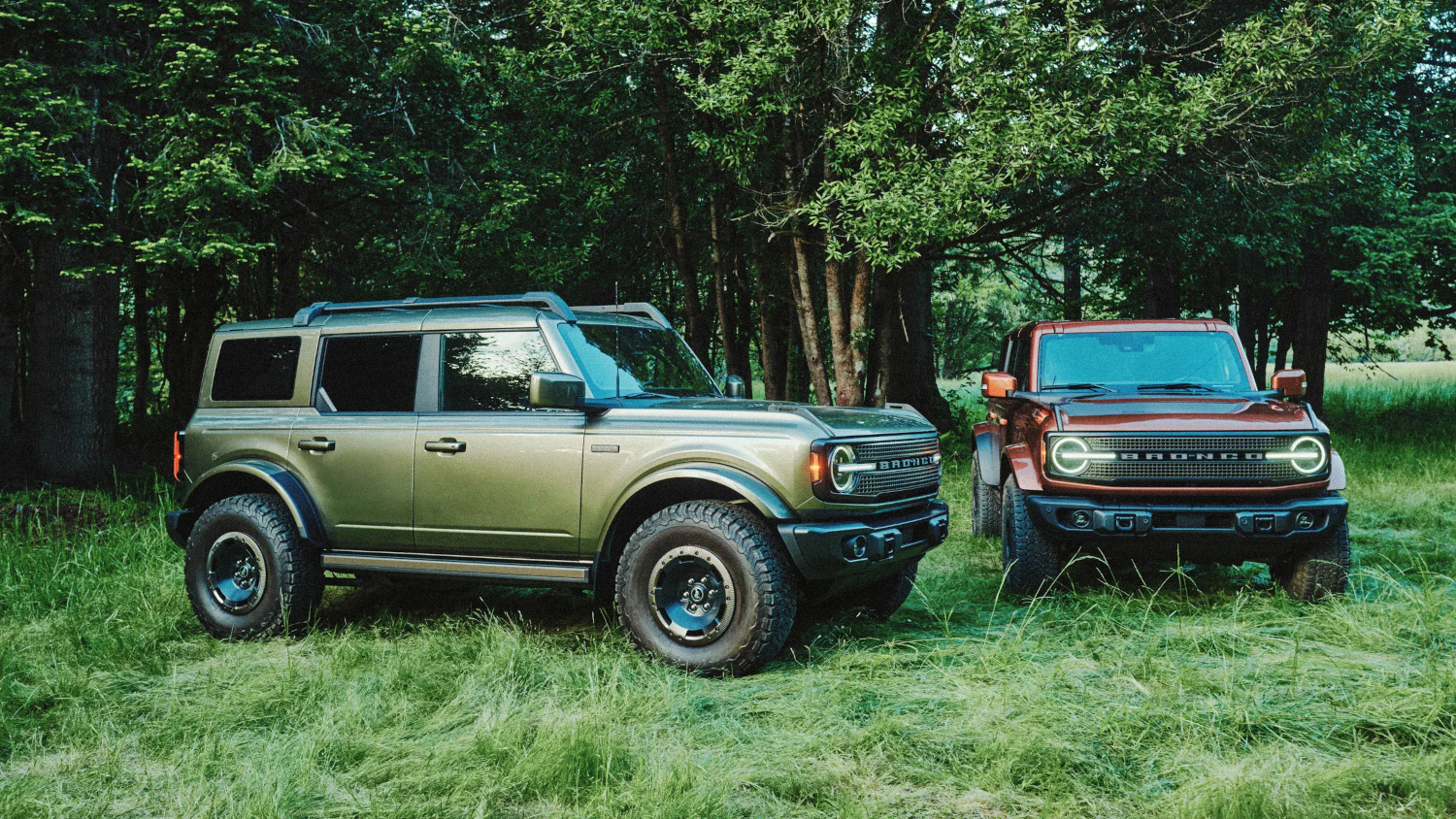
Rebooting an automotive icon often feels like trying to win the Daytona 500 with a golf cart, but the 2021 model year Ford Bronco defied those odds. Ford learned from past missteps, such as the 2002 Thunderbird, which offered nostalgia without genuine capability. The new Bronco connected to its rugged off-road identity and unmistakable boxy style, functioning as a blank canvas for adventure.
This machine targeted Jeep’s off-road lineup directly, offering capability that felt earned rather than marketed. Its market reception was a major sales success, quickly becoming one of the hottest vehicles in Ford’s lineup. The Bronco proved successful retro vehicles demand a complete package: distinctive style, genuine capability, and market relevance for modern adventurers. Anyone familiar with a muddy trail knows the value of proper hardware, and the Bronco delivered exactly that.