

During the 1970s US oil crisis, an average American car managed a mere 11 miles per gallon, making bold promises about efficiency or performance particularly enticing. A slick marketing campaign can easily spin a grand narrative, but engineering ambitions often collide with cold, hard reality—from technical roadblocks to brutal historical contexts.
Tesla Cybertruck
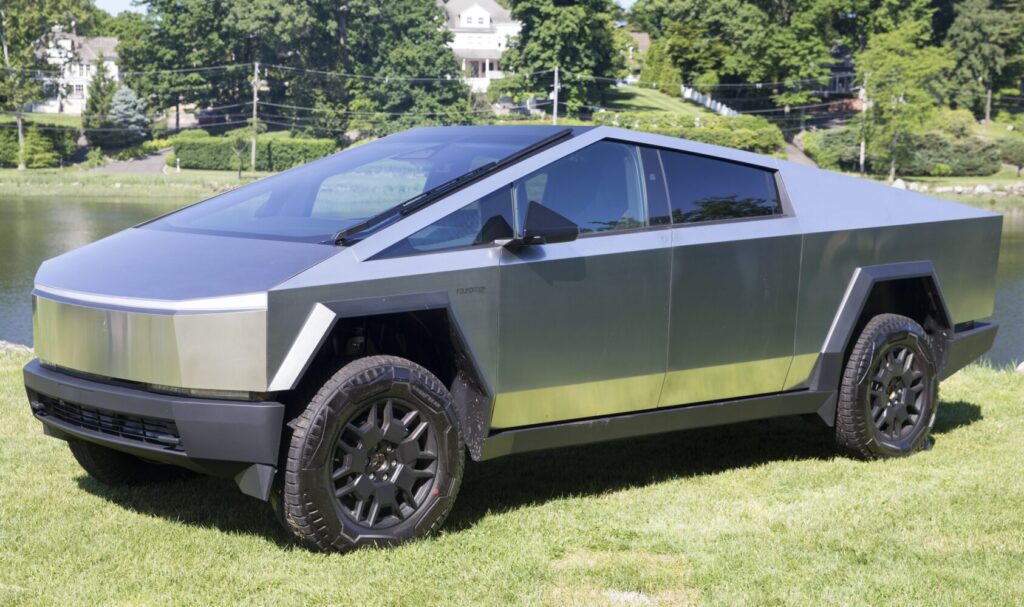
The stainless-steel pickup that swapped promised versatility for acceleration theatrics.
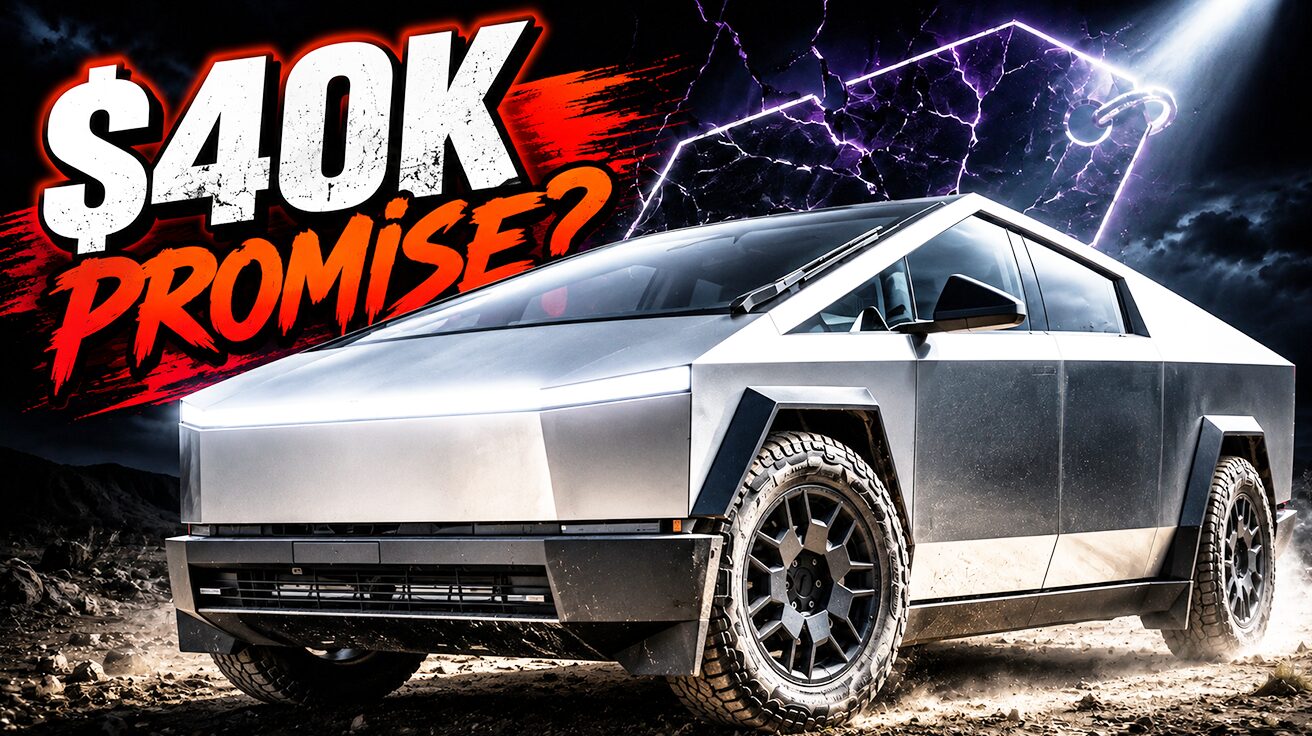
Tesla touted the Cybertruck as an armored beast, a revolutionary workhorse ready for anything. The reality delivered a payload capacity of 2,500 lb, a significant step down from early boasts. Its bed length settled at roughly 6.5 ft, though initial promotional material suggested more generous dimensions. These figures matter when hauling drywall or lumber—not just dodging asteroid fields in promotional videos.
Initial claims for range boasted 500+ miles, but achieving even 400 miles meant a bed-mounted extender that consumed cargo space. Advertised as an “exoskeleton,” the stainless steel unibody structure developed rust spots under certain conditions, proving it’s no impenetrable tank. Initial price estimates ($39,900 for the base model) gave way to significantly higher sticker prices, making those practical compromises harder to swallow.
For all its sci-fi looks and the impressive 2.6-second 0–60 mph sprint in the Cyberbeast trim, typical truck buyers found their workday scenarios challenging. The 11,000 lb towing capacity is solid, yet anyone who’s ever wrestled a sheet of plywood knows an extra few inches of bed space can save a trip, or a chiropractor bill. This isn’t a race car; it’s supposed to be a tool. When a tool falls short on basic measurements, even a warp-speed launch can’t outrun a short bed.
Bugatti Tourbillon
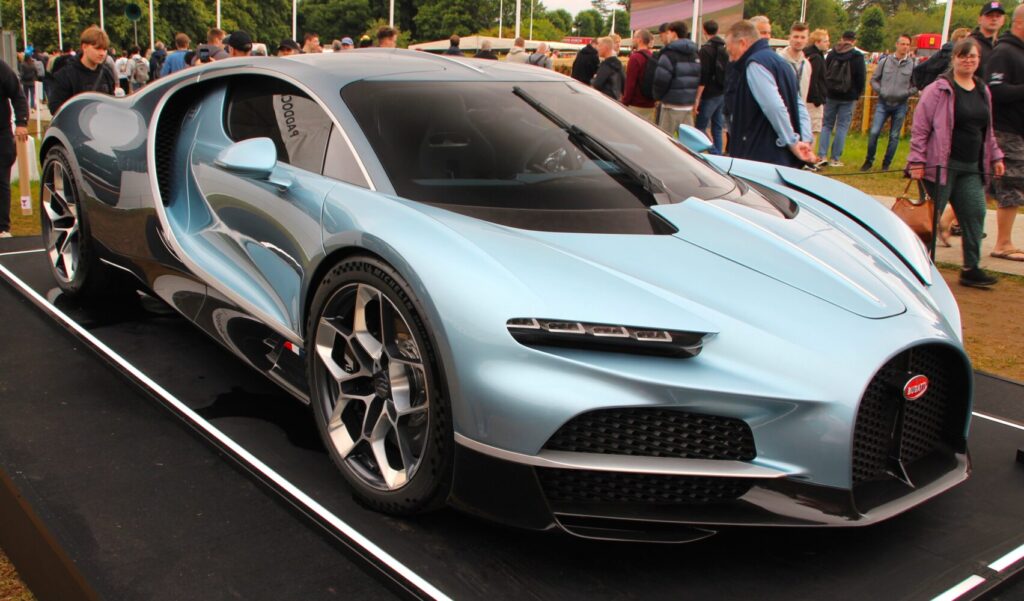
A €3.8 million hypercar that recycles Chiron styling while packing an 8.3-liter V16 hybrid powertrain.
The Bugatti Tourbillon arrives promising an all-new hypercar platform, yet its visual language feels like a greatest hits album. The familiar horseshoe grille and iconic C-shaped side line directly inherited from the Chiron create a sense of déjà vu rather than groundbreaking design. This styling, almost a form of self-plagiarism, contrasts sharply with its revolutionary powertrain.
Underneath, a new 8.3-liter naturally aspirated V16 hybrid system unleashes 1,775–1,800 hp, supported by a structural T-shaped 24–25 kWh battery pack offering 60 km of pure-electric range. The V16 alone produces about 1,000 hp, while three electric motors (two at the front axle, one integrated with the rear eight-speed dual-clutch transmission) complete the package. The watch-inspired analog instrument cluster might recall intricate gears of a grand complication timepiece, a deliberate echo in an otherwise digital age.
This machine, priced at €3.8–$4.1 million and limited to 250 units, targets a top speed near 248 mph—not the 277 mph that early speculation suggested. Acceleration from 0–60 mph happens in approximately 2.3 seconds (official metric conversion), a proper hypercar benchmark. For an enthusiast dissecting its lines, it’s a technological marvel built like a Swiss watch mechanism. The Tourbillon needs a bolder aesthetic punch to match its powertrain’s ambition, not just recycled design cues with fresh badges.
Volkswagen Concept BlueSport

The diesel-powered mid-engine roadster that vanished despite 180 hp, 55 mpg, and genuine driving promise.
Finding a genuinely compelling, lightweight, and affordable mid-engined roadster feels like searching for a well-cooked steak in a chain restaurant. Volkswagen teased enthusiasts with just such a machine at the 2009 NAIAS Detroit: the Concept BlueSport. This rear-wheel-drive concept promised a more substantial alternative to the Mazda MX-5 Miata.
Under its compact skin, a 2.0-liter TDI four-cylinder diesel engine delivered 180 hp and 260 lb-ft of torque, mounted mid-ship behind the seats. Paired with a quick six-speed DSG dual-clutch transmission, the BlueSport projected a 0–60 mph sprint in just 6.2 seconds. Its combined fuel consumption of 4.3 L/100 km (roughly 55 mpg US) was remarkable for any sports car, aligning the concept with Bluemotion-style efficiency targets while still delivering genuine performance.
Volkswagen even envisioned a scalable platform for future Audi and Porsche versions, a golden opportunity. A functional, road-legal car weighing around 1,200–1,300 kg that might have changed the sports car landscape. The BlueSport vanished into automotive limbo after the mid-2010s, however, leaving a void like a favorite shortcut that suddenly gets paved over. Despite multiple “on-off” reports, the project was never green-lit for production—a perfectly crafted concept that never went viral.
Devel Sixteen

The Dubai hypercar project claiming 5,000 hp and 348 mph that’s spent a decade stuck in prototype purgatory.
Anyone who’s followed hypercar development knows that truly extreme numbers often reside in the realm of theory, not tarmac. The Devel Sixteen project, first shown at the 2013 Dubai International Motor Show, claimed a track-only version would unleash 5,007 hp from its massive 12.3–12.6 liter quad-turbo V16 engine. The headline engine is a bespoke unit developed by Steve Morris Engines, featuring four 81 mm turbochargers, billet aluminum block, custom heads, and 32 titanium valves.
Steve Morris Engines independently dyno-tested it at 4,515 hp at 36 psi boost, with projected capability beyond 5,000 hp on suitable equipment. Dyno data shows about 3,006 hp at lower boost on pump gas and over 4,500 hp on race fuel. That’s brutal engineering, but transmitting that force to the road is like trying to harness a hurricane with a kite string.
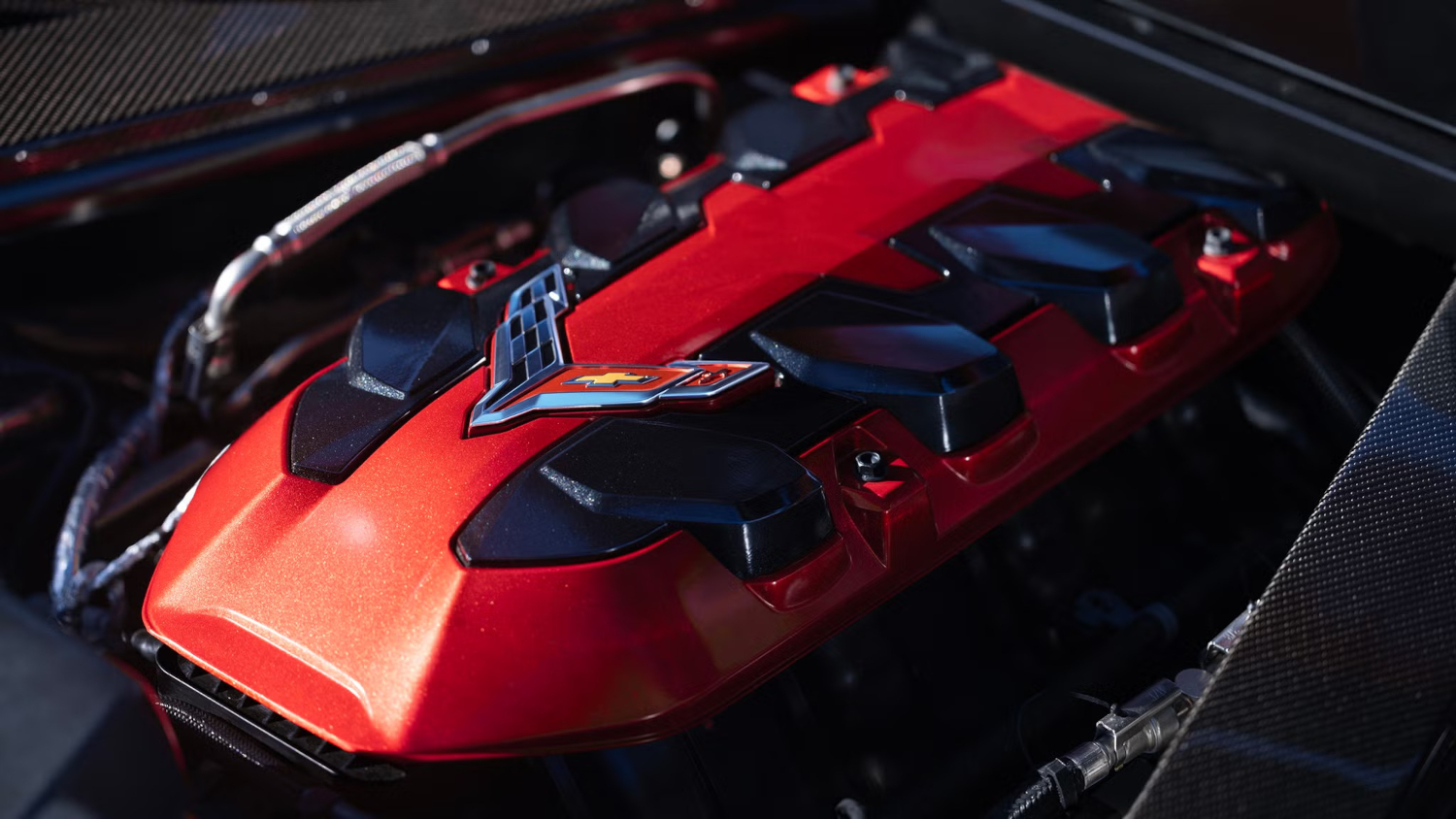
No production-spec gearbox or tire package currently exists to reliably transmit and sustain 5,000 hp at the claimed speeds. Theoretical claims of 0–60 mph in roughly 1.8 seconds and a top speed around 348 mph remain digital fantasy, not asphalt reality. The early running “production” prototype seen driving uses a V8 on a heavily modified Corvette (C8) chassis and interior, rather than the full V16 setup. Deploying such power reliably in a road-legal car presents colossal engineering hurdles, from cooling systems to tires that would vaporize like a burnout at a drag strip. The road ahead for such extreme builds is paved with skepticism, not verifiable records.
Vector W8
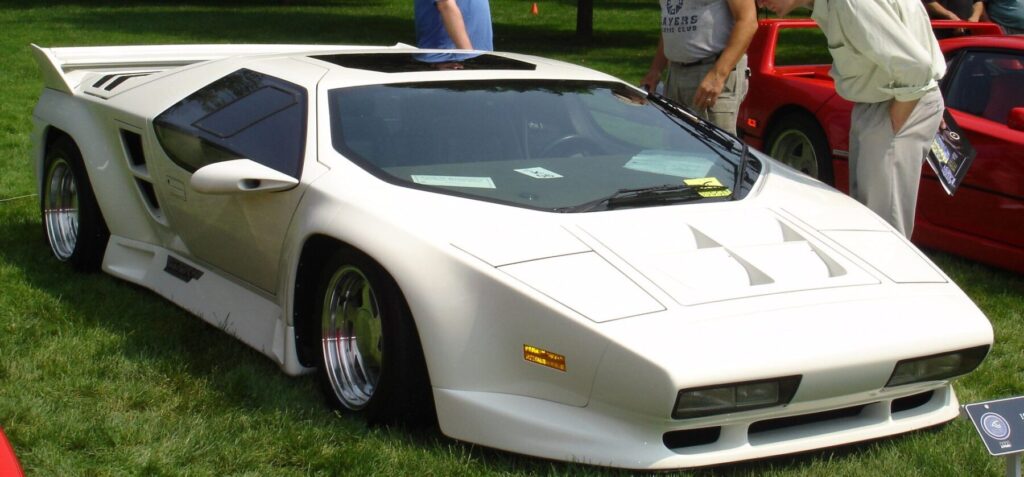
The aluminum honeycomb American supercar with 625 hp that overheated faster than it accelerated.
The Vector W8, constructed with an aircraft-inspired aluminum honeycomb monocoque and carbon fiber body, promised supersonic performance. Produced in limited numbers (roughly 17–22 cars) between 1989 and 1993, it weighed around 1,500 kg. The car housed a 6.0-liter twin-turbocharged Rodeck aluminum V8 delivering an advertised 625 hp, with factory dyno testing reportedly achieving outputs up to approximately 1,200 hp in high-boost configurations.
Vector claimed a top speed of 242 mph and 0–60 mph around 3.9–4.2 seconds, but independent testing by outlets such as Car and Driver and Road & Track recorded 0–60 in about 3.8–4.2 seconds. The 242-mph figure remained theoretical—calculated from gearing and redline rather than verified in public runs. Verified tests reached lower speeds, undermining the headline-grabbing claims.
Integrating that raw power proved brutal. The car used a three-speed GM Turbo-Hydramatic 425 automatic transaxle adapted from front-drive Oldsmobile applications (Toronado/Riviera), which, along with cooling limitations, contributed to overheating and transmission issues in road tests. Multiple press cars reportedly suffered mechanical failures during evaluation. Notable incidents include tennis star Andre Agassi’s W8 reportedly experiencing exhaust-related overheating and interior scorching shortly after delivery, prompting a refund. The W8 stands as a powerful, iconic American dream, undone by audacious engineering that couldn’t handle real-world conditions.
KdF-Wagen
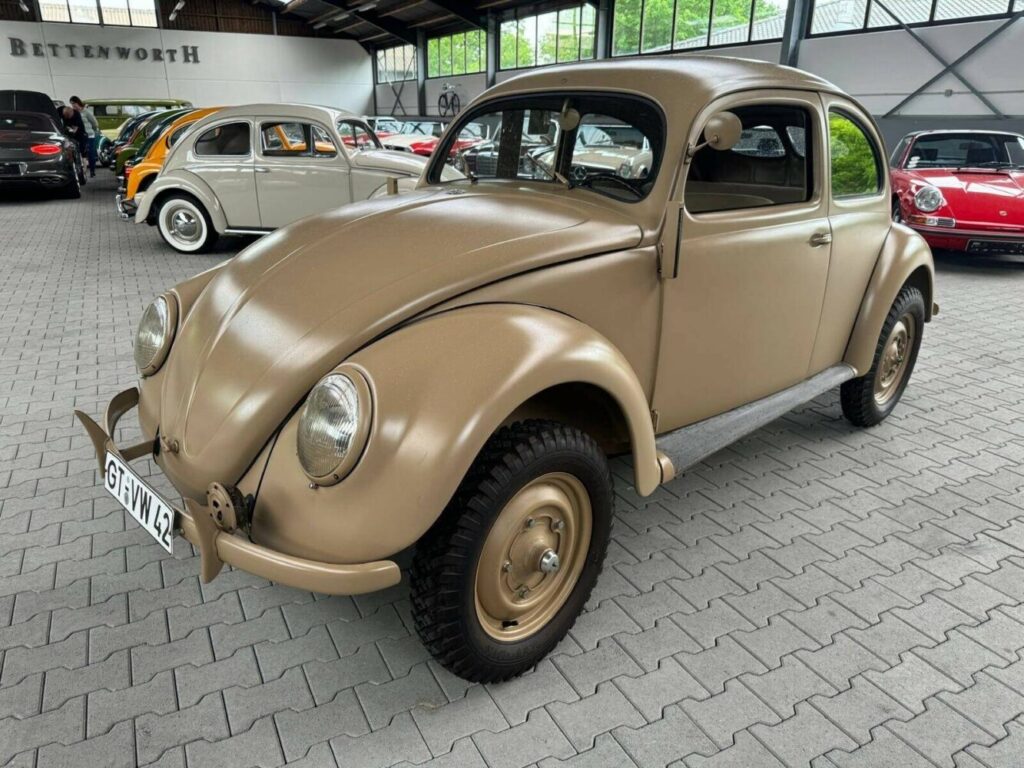
The Nazi-era “people’s car” savings scheme that collected millions from 336,000 Germans and delivered zero civilian vehicles.
The original vision for the Volkswagen Beetle was born under the chilling guise of the “Kraft durch Freude Car” (Strength Through Joy Car). Conceived in the early 1930s by Ferdinand Porsche under Adolf Hitler’s commission, this vehicle promised mobility for the German working family. The car was officially branded KdF-Wagen in the late 1930s, with a target price of 990 Reichsmarks, roughly 31 weeks of average German wages at the time.
To fund this dream, a unique savings booklet scheme launched in 1938. Prospective buyers purchased a Sparkarte (savings booklet) and stamps of 5 RM each. At one stamp per week and 198 stamps total, a family could theoretically pay off the car in about 3 years and 9 months. An estimated 336,000 savers faithfully contributed their hard-earned money, diligently filling their booklets with dreams of future road trips.
Not a single civilian ever received a KdF-Wagen. Funds were diverted into Nazi rearmament and war production as World War II unfolded, while the Wolfsburg plant produced military vehicles such as the Kübelwagen instead. Their forced contributions fueled the Nazi war machine, a stark reminder that some journeys never truly begin for the person behind the wheel. After the war, under British and then West German oversight, the Beetle entered mass production as the Volkswagen Type 1, carrying forward the basic KdF-Wagen design but now marketed as a democratic “Volkswagen” rather than a Kraft durch Freude project. The KdF-Wagen remains a grim lesson in automotive dreams exploited for nefarious political ends.