

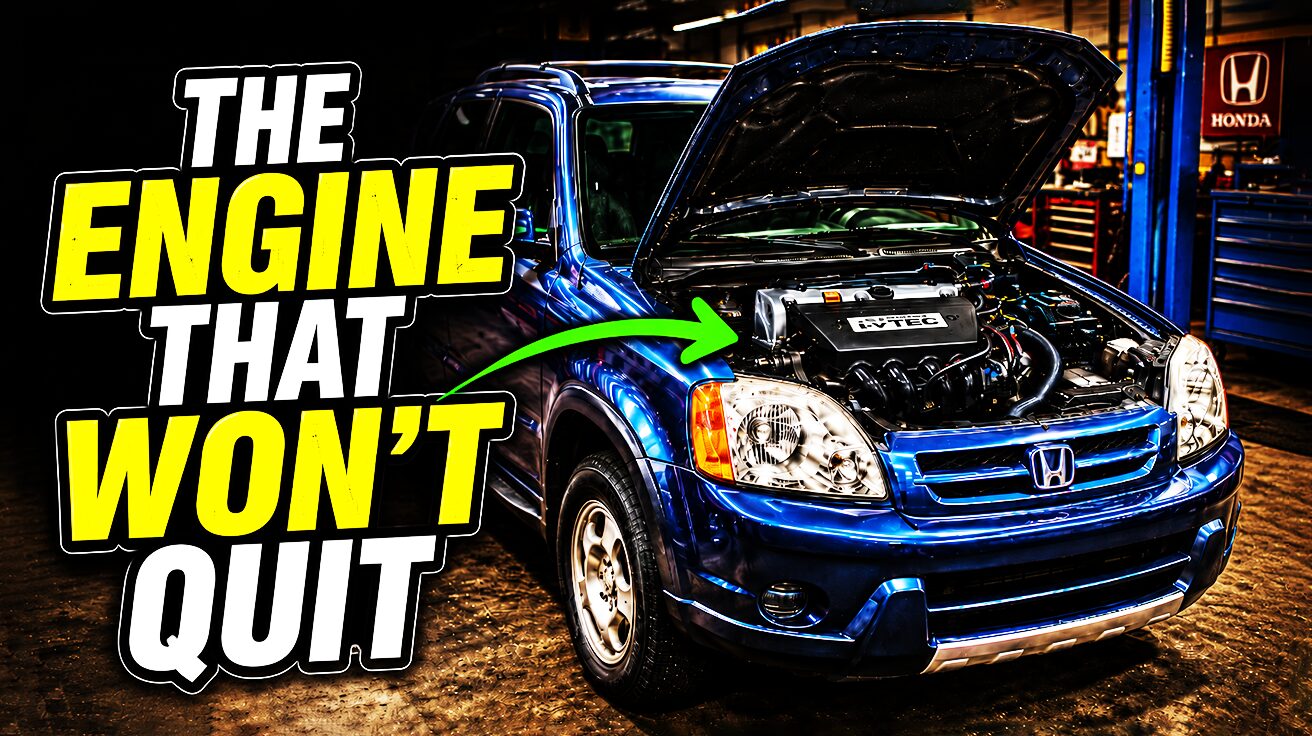
The average new car payment hit $736 a month in early 2024, a figure that forces anyone to question modern automotive value. Today’s vehicles often pack layers of tech, sometimes at the expense of pure durability. Pre-2015 models, with simpler, battle-tested engineering, offer solid financial sense. When a friend’s brand-new infotainment system reboots mid-drive, the appeal of a car that just works becomes clear. These older designs deliver reliability—less like a gamble and more like a guaranteed sunrise on a long road trip. Discover engines still pulling hard after 200,000 miles (320,000 km) and learn buying strategies that ensure years of trouble-free driving.
1. Toyota 2AR-FE 2.5L Engine
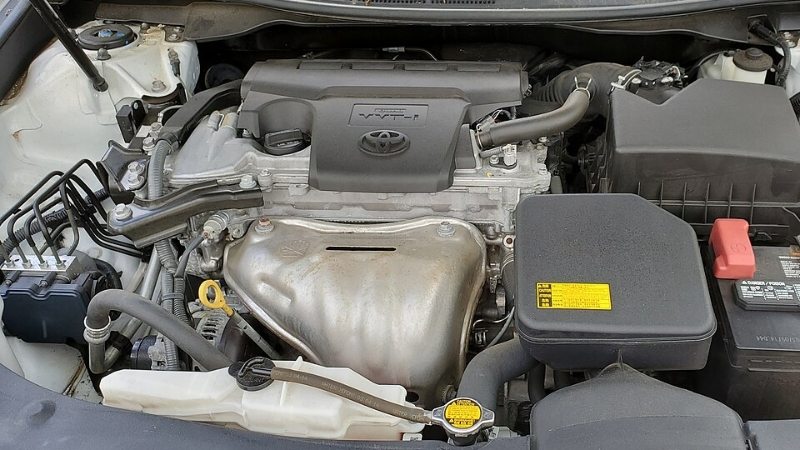
This naturally aspirated workhorse quietly racks up hundreds of thousands of miles in the toughest conditions.
Few engines build a reputation for reaching 200,000 miles (or 320,000 km) and still running strong without major overhaul. The Toyota 2AR-FE delivers that relentless longevity. This 2.5-liter inline-4 features a port-injected design with Dual VVT-i, reliably producing 169–184 hp. Its architecture prioritizes consistent performance, acting like a faithful pit crew always ready for the next shift.
For a taxi driver, consistent uptime is currency. A powertrain that shrugs off relentless urban cycles, mile after mile, is essential. This unit quietly racks up 200,000 to 300,000 kilometers in demanding roles like taxi fleets. It isn’t built for viral burnout videos; it’s the mechanical workhorse ensuring commutes remain as dependable as daybreak.
2. Honda K24 Engine

Mechanics actively seek out K24-powered vehicles for their legendary durability and straightforward maintenance.
The Honda K24 engine stands as a proven legend in the automotive community. This 2.4-liter inline-4 uses a robust port-injected design with a timing chain, built for the long haul unlike many modern units. These engines reliably churn out anywhere from the mid-150s to 206 hp, depending on the model.
Mechanics actively seek out K24-powered CR-V models made before 2015, seeing them as reliable daily drivers. A discerning wrench-turner picks a K24-powered vehicle for sheer dependability. With proper maintenance, these powertrains routinely exceed 200,000–300,000 miles on the odometer, making the K24 a choice that never requires second-guessing.
3. Ford 3.5L Naturally Aspirated Duratec V6
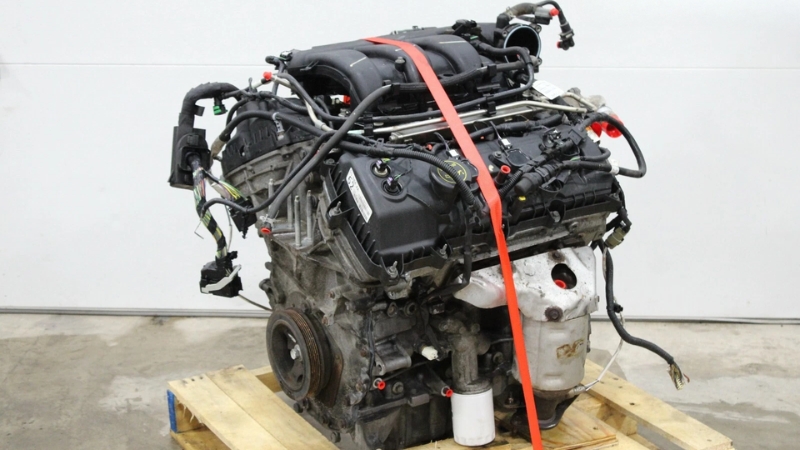
This straightforward V6 sidesteps modern turbo headaches while delivering robust power and simplified maintenance.
Ford’s aggressive pivot towards EcoBoost engines marked a significant shift, yet the 3.5-liter Duratec V6 stands as a testament to simpler times. This naturally aspirated powerhouse, found in models from 2011 to 2014 such as the F-150 non-EcoBoost, Edge, and Explorer, offered robust power without the added complexity of forced induction. Unlike turbocharged counterparts, which bring concerns about carbon buildup and turbocharger longevity, the Duratec sidesteps these common pitfalls.
This design translates directly into simplified maintenance and an extended lifespan. Truck owners evaluating the total cost of ownership over a decade find value in an engine known to effortlessly reach 200,000+ miles without demanding expensive carbon cleaning or turbocharger replacements. It runs like a well-oiled machine, delivering a direct connection to the road over elaborate engineering.
4. Chrysler 5.7L Hemi V8 (Pre-MDS)

This V8 earned its reputation as a mechanical bulldog, starting reliably every morning for decades.
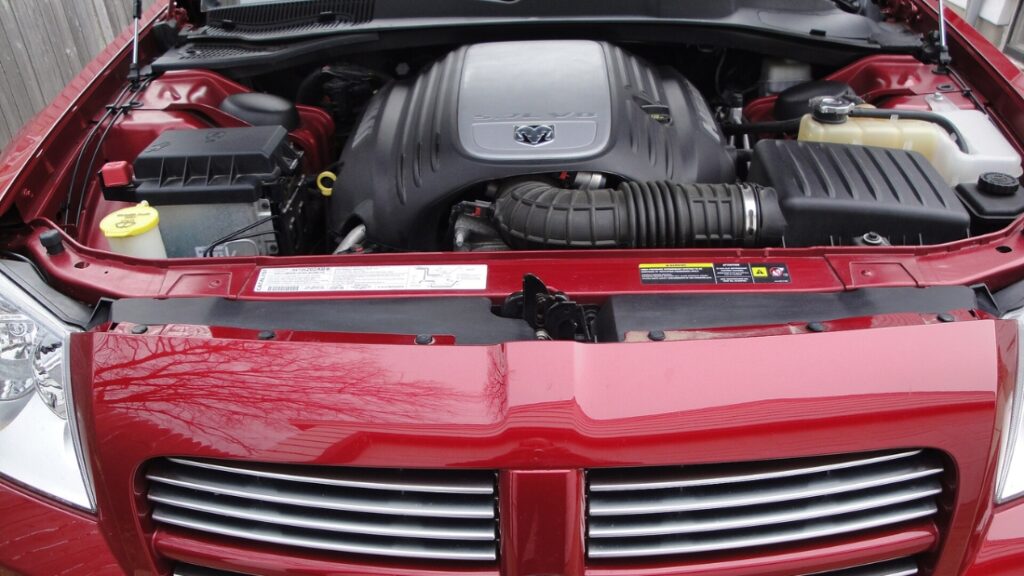
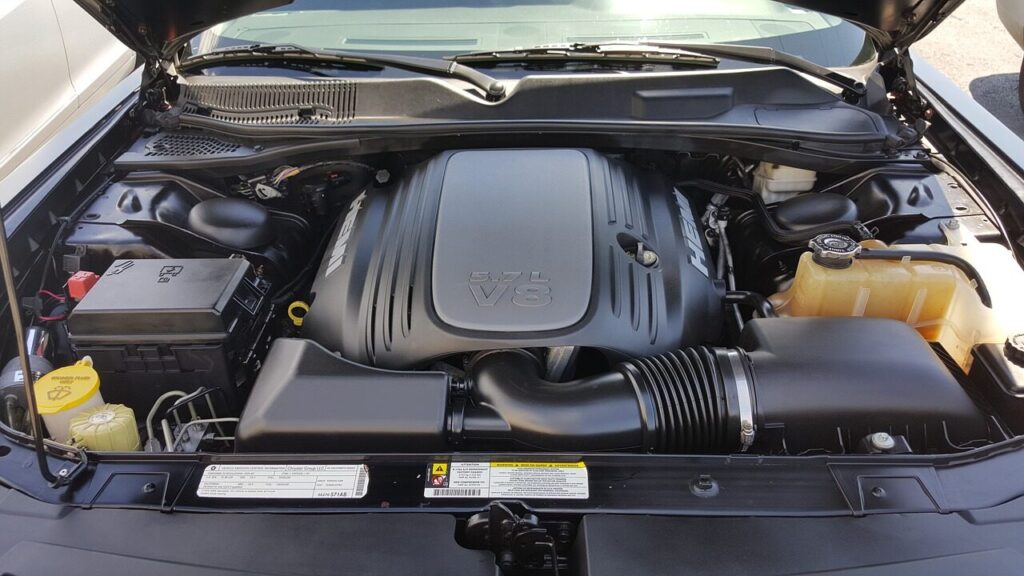
The Chrysler 5.7L Hemi V8, specifically the pre-Multi-Displacement System (MDS) versions, defined durability standards. Found in Ram, Charger, and Grand Cherokee, this V8 earned its reputation through consistent performance. It starts every morning for years on end, a cast-iron design built for unwavering service.
This Hemi isn’t sipping fuel—efficiency wasn’t the priority. But for long-haul drivers, its consistent power and reliability on endless interstate stretches are paramount. Hundreds of miles from anywhere, a truck that won’t quit provides reliable grunt, always ready for the next shift, for those who value rugged performance over refinement.
5. Pre-2015 Vehicle Technology
Simpler engineering meant fewer failure points and lower long-term ownership costs.
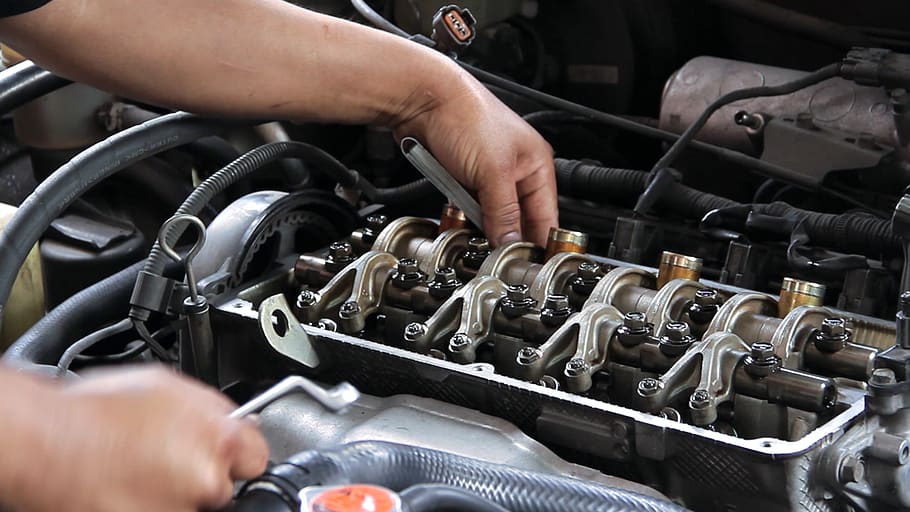
Many manufacturers designed engines before 2015 to run for 200,000 to 300,000 miles with proper maintenance. These vehicles prioritized endurance over the latest gadgets. Many relied on naturally aspirated, port-injected engines, a setup where the intake system helped keep valves clean with every fuel cycle. Simpler designs meant fewer potential failure points.
Consider engines like the naturally aspirated Ford 3.5L Duratec V6 or pre-MDS Chrysler 5.7L Hemi; these powertrains were workhorses. An enthusiast popping the hood would see fewer layers of complexity than modern direct-injected turbo units. This foundational design philosophy translated directly into lower long-term ownership costs and peace of mind, letting drivers focus on the road ahead.
6. Modern Engine Failure Points
Contemporary powertrains often bring recurring maintenance costs that older designs simply avoided.
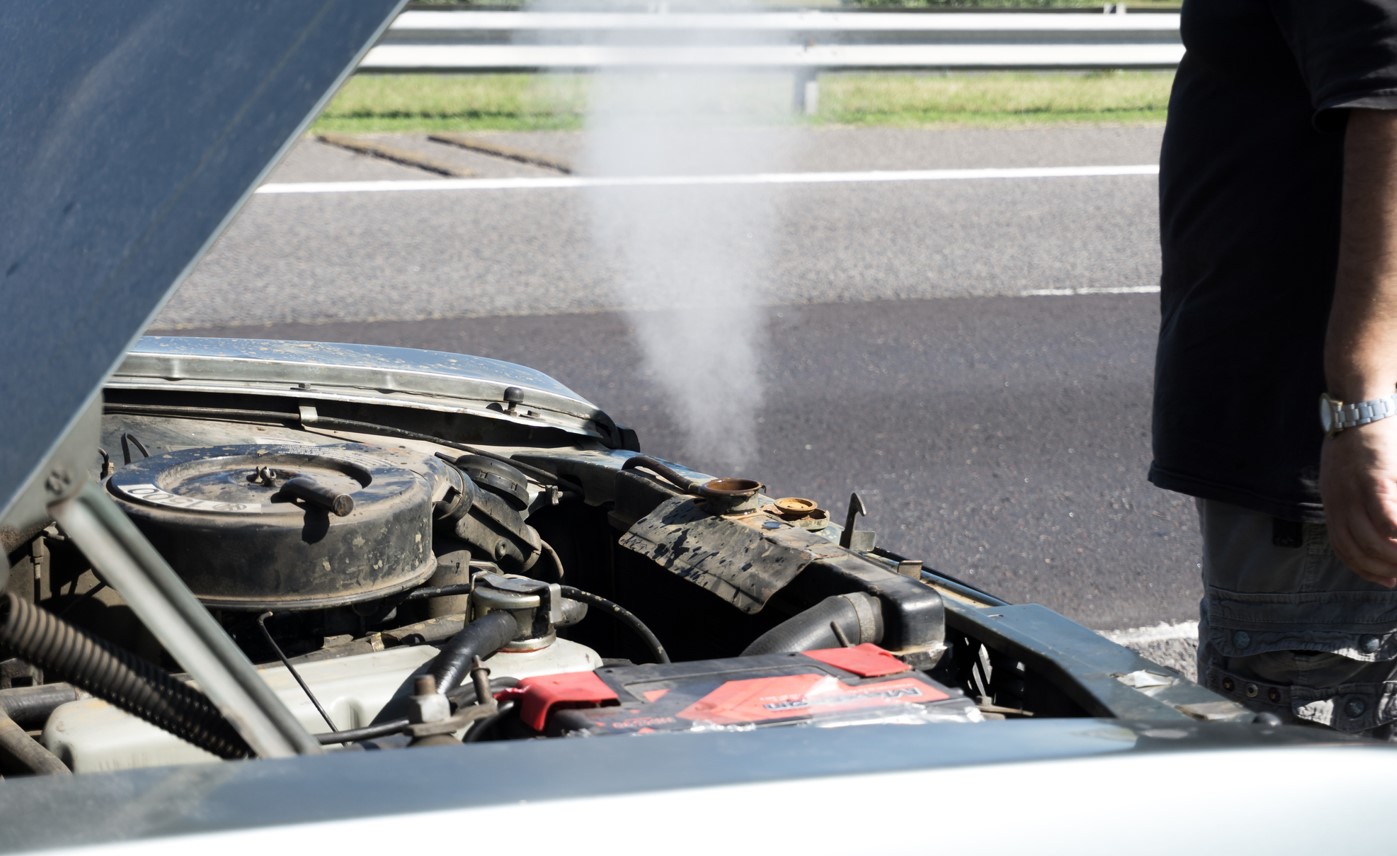
Many modern engines conceal costly maintenance requirements. Turbocharged powerplants can suffer from heat-related wear, with independent shops reporting turbocharger repairs ranging from $1,500-$3,000 after several years of service. Direct injection, while efficient, can lead to carbon buildup on intake valves. Shops typically charge $400-$800 for walnut blasting service to address this issue—a recurring expense often excluded from warranty coverage.
General Motors’ Active Fuel Management (AFM) systems have been widely reported by independent mechanics to experience lifter collapse issues, resulting in repair bills of $3,000-$5,000. When a new owner discovers their warranty offers limited recourse for these documented concerns, the reality of contemporary automotive engineering becomes clear. These recurring maintenance items erode the trust placed in modern design.
7. New Car vs. Pre-2015 Car Cost of Ownership

The financial math strongly favors well-maintained older vehicles over new ones.
The numbers tell a compelling story. A new vehicle might average $49,000, ballooning to approximately $59,000 over a typical 72-month loan, with total 10-year ownership costs potentially reaching $75,000-$90,000. That’s a significant financial commitment compared to how a truly reliable older vehicle performs.
Consider a pre-2015 model, like a 2013 Toyota Camry with 80,000 miles (128,748 km). One could sell for $12,000-$15,000 cash. Over a decade, total ownership cost for this vehicle drops dramatically to approximately $25,000-$35,000. That choice puts $45,000-$60,000 back into savings, enough to fund memorable road trips and then some. Invested wisely in an index fund, that difference could grow to $150,000-$250,000 by retirement—a quarter-million dollar impact from one sensible decision.
8. Pre-Purchase Inspection (PPI)

For $100-$200, an expert evaluation protects against thousands in hidden repairs.
A pre-purchase inspection is an independent mechanic’s comprehensive evaluation of a used car, critical for mitigating financial risk. For $100-$200, an expert meticulously checks engine compression, fluid leaks, suspension, brakes, and runs a diagnostic scan. This $150 investment is cheap insurance against a potential $5,000 surprise.
A shiny vehicle online might hide serious issues. One savvy buyer dodged a bullet when an inspection found a ’90s Civic’s frame tweaked, indicating a glossed-over collision. Walking away from that purchase meant those shop hours saved thousands. That clarity ensures any journey starts on solid ground, ready for thousands of miles of trouble-free driving.
9. Service History

Documented maintenance over 100,000 miles is the strongest predictor of future reliability.
A freshly detailed engine bay often hides neglect. Don’t let a gleaming surface distract from what truly matters under the hood; a car without verifiable service history is like buying vintage equipment without knowing its repair past. A suspiciously clean engine bay, especially when paired with a complete lack of maintenance records, signals hidden neglect.
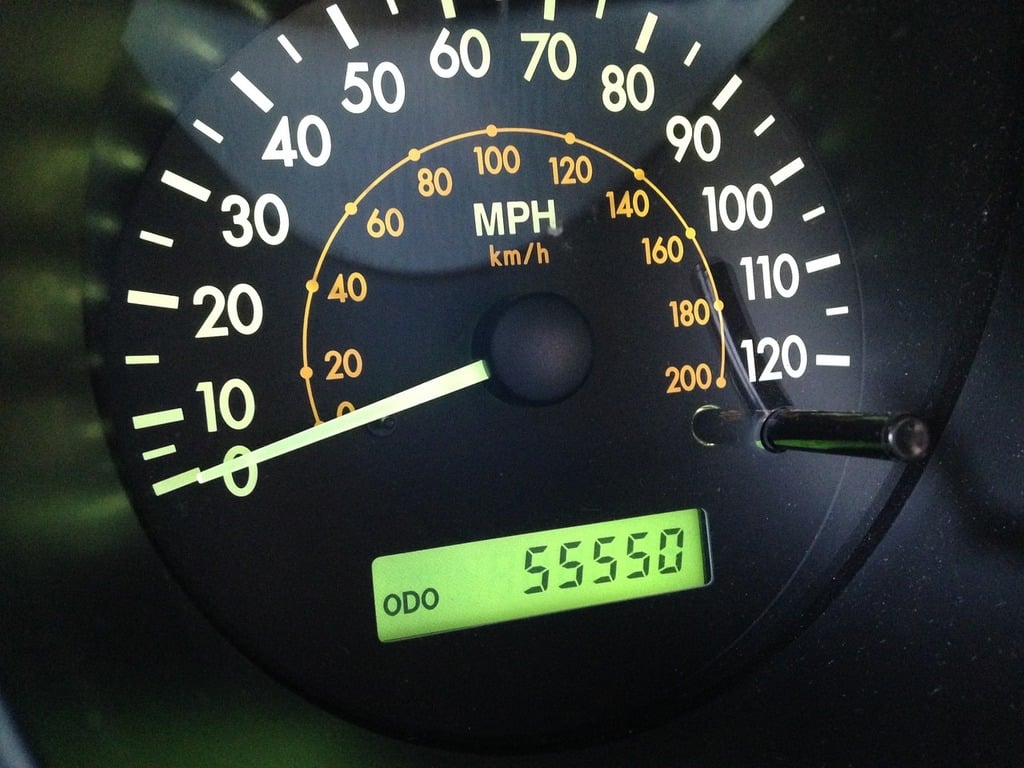
True reliability comes from consistent, documented care. Regular oil changes over 100,000 miles (160,934 kilometers) strongly predict a vehicle’s future health. A savvy buyer always requests full service documentation. Cross-reference Carfax reports with physical receipts to confirm work was genuinely performed. Prioritize documented maintenance—it’s the most reliable roadmap for avoiding unexpected breakdowns.
10. Rust Inspection
Structural corrosion compromises safety and is often hidden beneath clean paint.
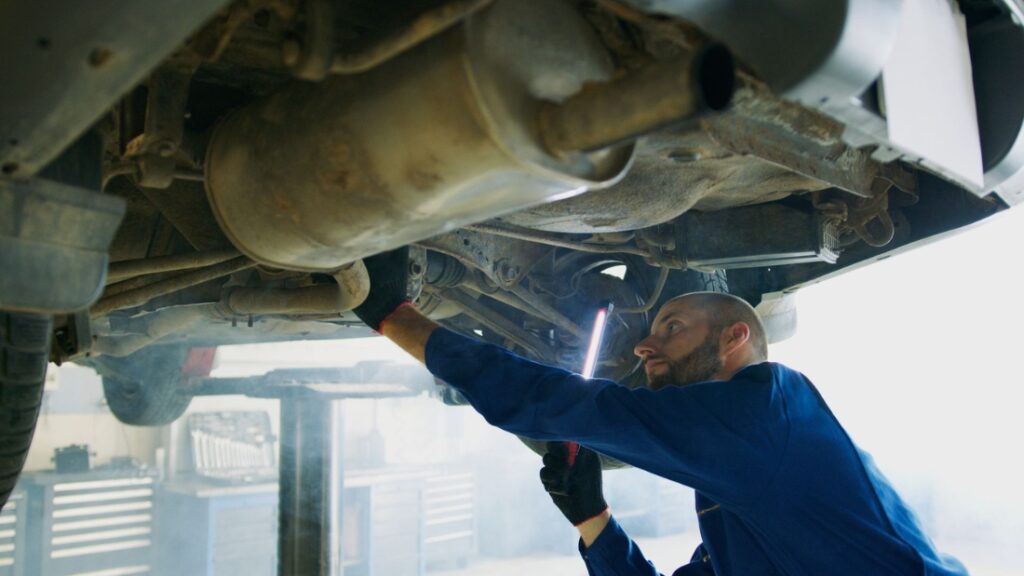
Corrosion attacks metal relentlessly, especially in regions battling harsh winters. This insidious enemy lurks beneath vehicles from the Northeast and Midwest, where road salt acts as a chassis destroyer. Always put a prospective buy on a lift to scrutinize frame rails, subframe, brake lines, and fuel lines. Penetrating rust on structure is a safety failure.
A buyer from Michigan, tired of cars crumbling prematurely, eyeing a clean Southern California vehicle isn’t just being picky—it’s about structural integrity. A truly low-rust vehicle, even one requiring a 1,500-mile (2,414 km) journey, is worth shipping. It’s an investment in safety and peace of mind, keeping any driver cruising longer without structural concerns.
11. Timing Components
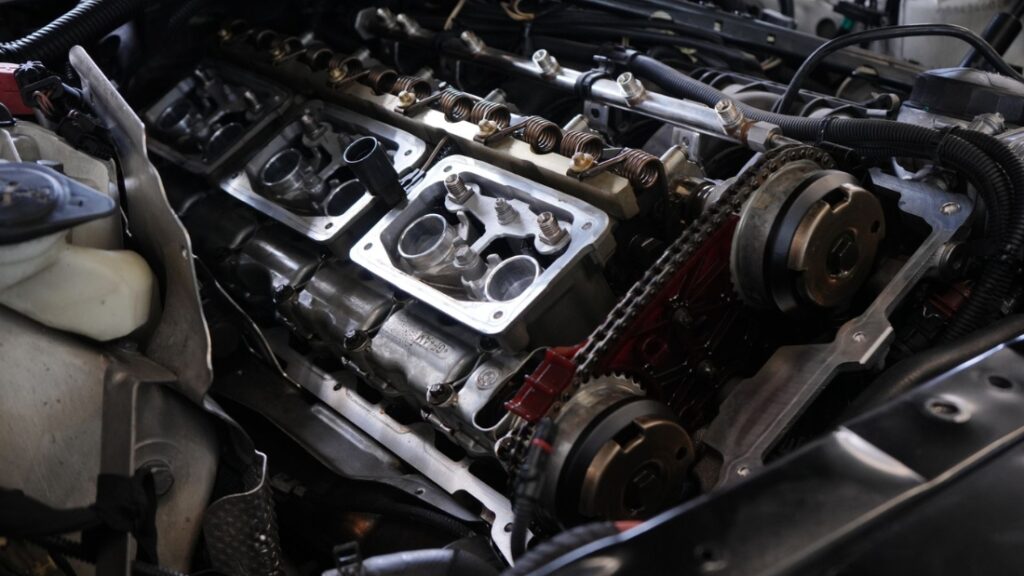
Chain-driven engines avoid the costly timing belt replacement cycle that belt-driven units demand.
Precise valve timing is the critical difference between a running engine and a roadside breakdown. Belt-driven engines demand vigilance, typically requiring replacement between 60,000 to 105,000 miles. Neglect this on an interference engine, and valves will collide with pistons. This catastrophic damage, often costing $2,000-$4,000, can instantly sour any used-car ownership experience.
Chain-driven engines, found in powerhouses like the Toyota 2AR-FE, Honda K24, Ford Duratec, and GM 5.3, generally avoid this costly surprise. These robust systems are designed for the engine’s lifetime. As a buyer eyeing a cross-state run, verify the timing components. Negotiate accordingly, because the joy of the open road shouldn’t vanish with a surprise repair bill.
12. Owner Profile for Purchase Confidence

Original owners with complete service receipts offer the highest purchase confidence.
Every used car carries a hidden story. Understanding this history through the owner’s profile is paramount to driving away with confidence. The highest level of assurance comes from a private party sale with the original owner, especially when they can provide comprehensive service receipts. It’s like reviewing a vehicle’s full medical chart before signing paperwork.
Conversely, auction vehicles arrive with opaque histories, their past unknown and potentially problematic. No one would buy pre-owned electronics without knowing if they survived abuse, so why gamble on a car with no traceable past? A truly transparent owner profile provides crucial insight beyond mechanical inspection, laying the groundwork for a worry-free purchase where history equals reliability.
13. The “Sweet Spot” Criteria for Pre-2015 Vehicles
Naturally aspirated, port-injected engines without cylinder deactivation offer the best longevity prospects.
The used car market distinguishes between mere transportation and enduring value. For vehicles aiming at 200,000 miles, many experienced mechanics recommend port-injected, naturally aspirated engines without cylinder deactivation. This points to proven examples like the Toyota 2AR-FE 2.5L in a Camry or the Honda K24 2.4L in an Accord, known for 169–206 hp and relentless reliability.
These pre-2015 machines have already shed their steepest depreciation, offering modern safety without excessive tech. They are “maintainable anywhere”—no laptop required for a roadside fix. Clean examples of naturally aspirated Ford 3.5L Duratec V6s or pre-AFM GM 5.3L V8s represent solid value. As the market recognizes this reliability gap, these models may see increased demand. This opportune window won’t last indefinitely.
14. Fleet Manager’s Perspective

Professional fleet operators prioritize naturally aspirated engines based purely on total cost of ownership.
Professional fleet managers are extending vehicle cycles and increasingly purchasing pre-owned, naturally aspirated vehicles. These managers make decisions based purely on total cost of ownership with zero emotion. Justifying a fleet to upper management demands hard data, not glossy brochures; for them, a vehicle is a carefully managed asset where every mile registers a cost.
The prospect of unexpected repairs, like turbocharger failure or direct injection carbon buildup, keeps their budgets constrained. That ‘service engine soon’ light turns a productive vehicle into a future expense report. When the people whose job is minimizing vehicle cost over hundreds of thousands of miles prioritize older naturally aspirated engines, their data-driven strategy points directly to long-term reliability over initial showroom appeal.