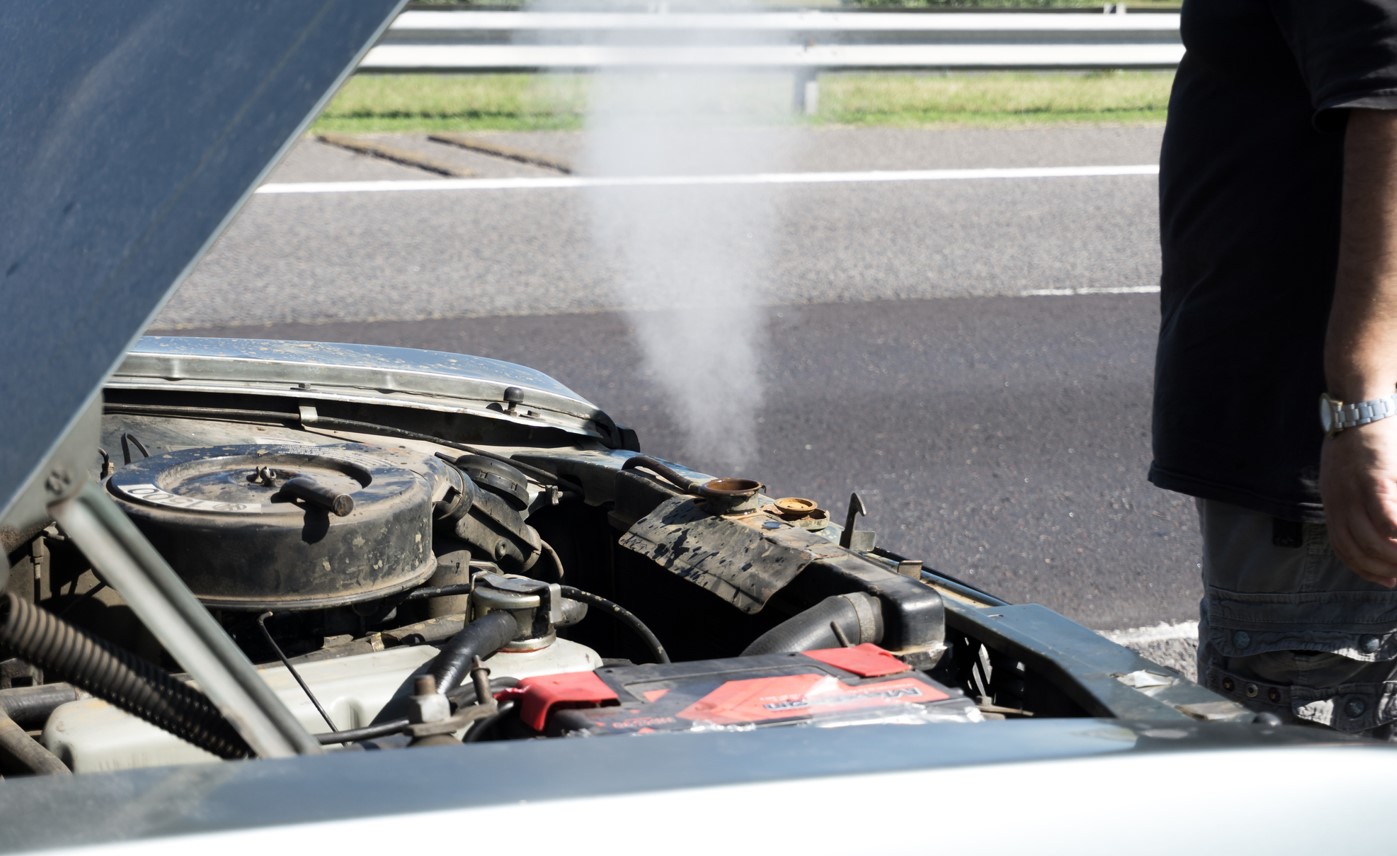


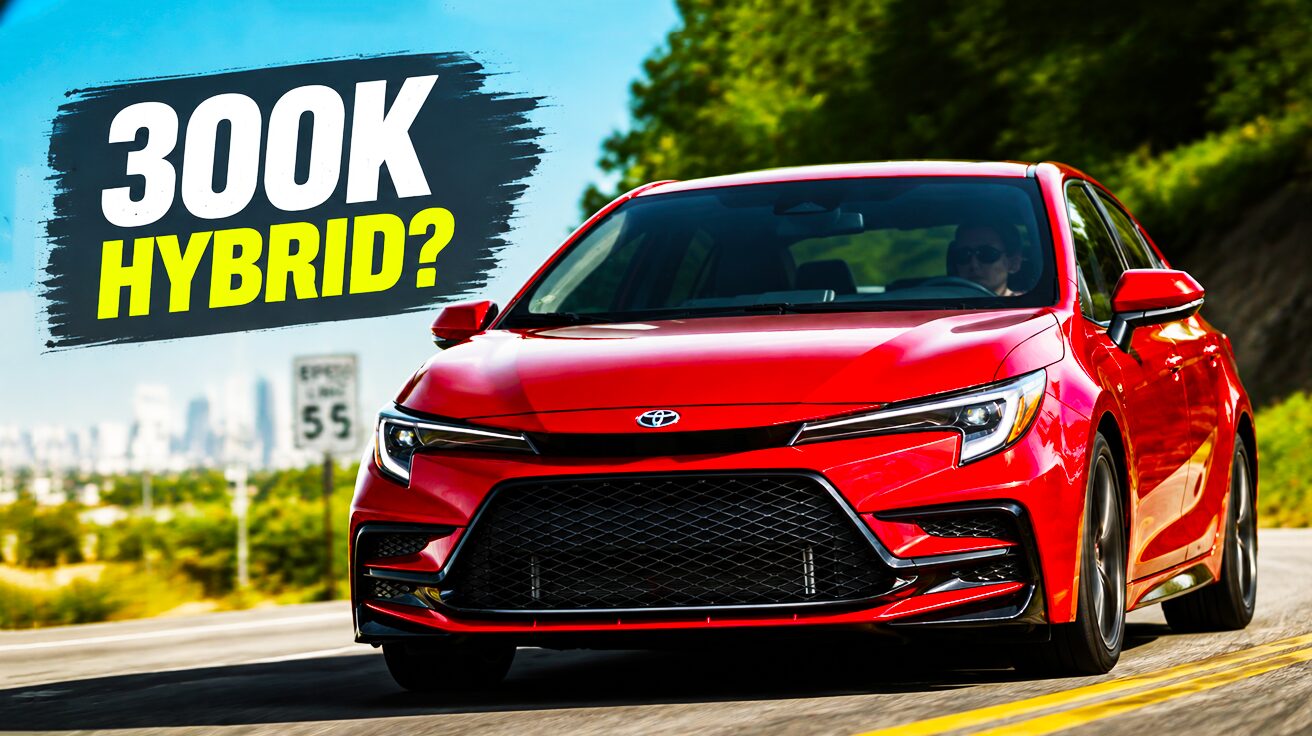
Two hundred thousand miles used to be a badge of honor for a car, a testament to its engineering and your commitment to maintenance. Finding new vehicles built to reliably surpass 15 years or that mileage mark now feels like searching for a manual transmission in a sea of CVTs. Yet, some automakers still craft powertrains as trusted road companions, engineered for the long haul.
1. Nissan VQ V6 with 9-speed Automatic (Pathfinder, Frontier)
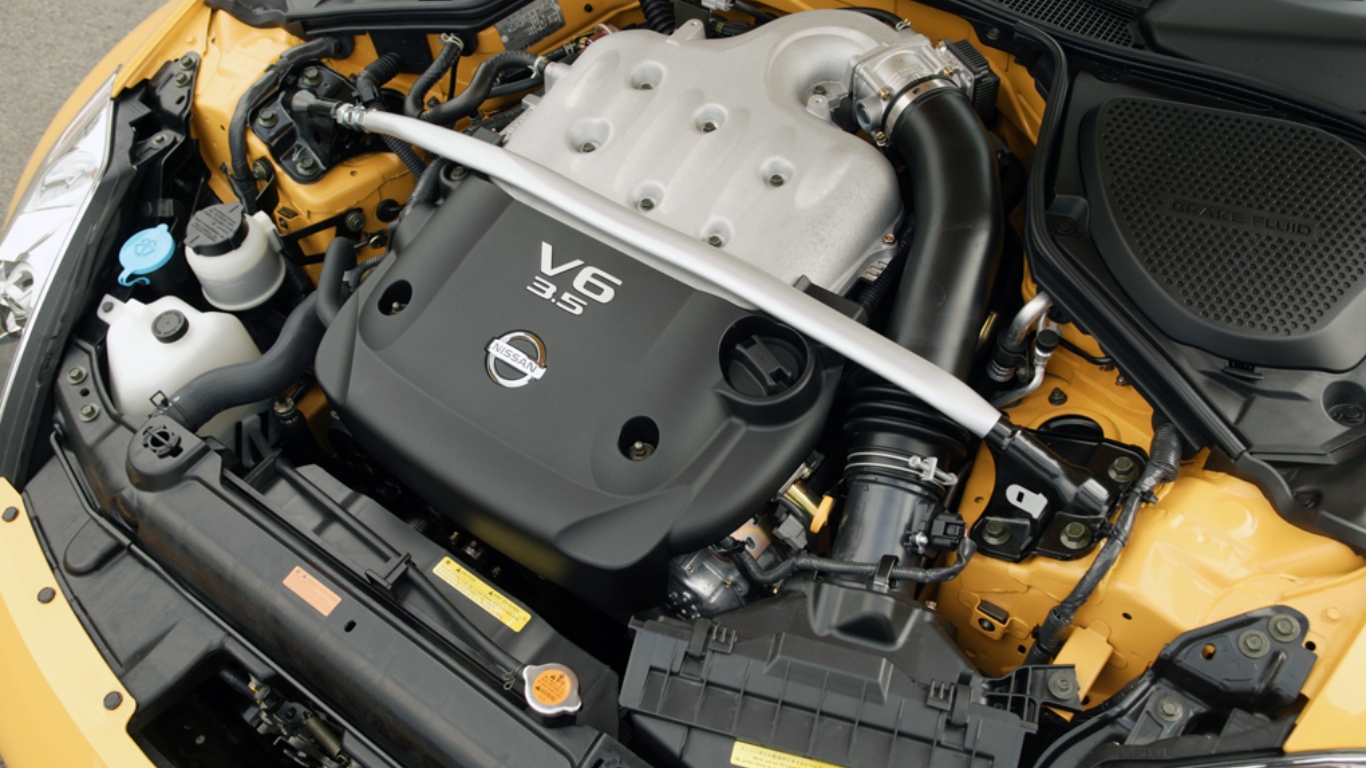
The VQ family has proven itself across two decades of service, delivering power without turbo complexity.
The VQ V6 engine family boasts a heritage spanning more than 20 years in service, proving some robust engineering endures. Nissan pairs the naturally aspirated VQ35DD 3.5L V6 (Pathfinder) and 3.8L VQ-series V6 (Frontier) with a conventional 9-speed automatic.
The Frontier’s 3.8L V6 provides 310 hp and 281 lb-ft of torque. Immediate, usable grunt arrives on demand, a reliable surge ready for the open road.
This powertrain consistently exceeds 200,000 miles (over 300,000 km) with proper maintenance. Haul a camper from the Rockies to the Pacific, relying on consistent power delivery without a second thought. Unwavering performance when loaded down and far from home separates real workhorses from show ponies. Dealer and reliability guides characterize the 3.8L V6 plus 9-speed automatic combo as the Frontier’s strongest reliability point, a true road warrior worthy of any classic truck anthem.
2. Honda/Acura J35 3.5L V6 with 10-speed Automatic (Odyssey, Pilot, Passport, Ridgeline, Acura MDX)

Over two decades of continuous refinement make the J35 3.5L V6 a benchmark for lasting performance across Honda and Acura lineups.
More than 25 years of evolution define Honda’s J35 3.5L V6, a benchmark for lasting performance across models from Odyssey to Acura MDX. This naturally aspirated 3,471 cc engine, with Variable Cylinder Management (VCM), manages output with predictable composure. A reliable partner for any demanding road trip, handling every mile without fuss.
Paired with Honda’s in-house 10-speed automatic, the powertrain delivers approximately 30% quicker shift times via its 10.1:1 overall ratio spread. Non-sequential “skip” downshifts (10th to 6th, 7th to 3rd) provide immediate response when you need it.
Schedule timing belt replacement around 105,000 miles or 7–8 years, costing $900–$1,500. Common long-term concerns include VCM-related oil consumption and front engine mount failures around 70–110k miles; these are predictable maintenance rather than catastrophic flaws. The J35 has two decades of documented reliability for demanding long hauls.
3. Subaru FB20/FB25 Boxer Engines with CVT (Impreza, Crosstrek, Forester, Outback)

Subaru’s modern flat-four family addresses older boxer-engine weaknesses while maintaining the brand’s signature layout.
Technical guides estimate engine life for Subaru’s FB family engines at around 250,000 km (155,000 miles) or more with proper care. A stark contrast to some older boxer engine reputations.
This naturally aspirated flat-four, available as the FB20 at 1,995 cc or the FB25 at 2,498 cc, features robust chain drive and dual AVCS. While the Lineartronic CVT is often seen as a drivetrain’s weakest link, Subaru’s version proves generally reliable with frequent fluid changes and diligent oil service.
A wilderness guide deep in the backcountry relies on their Forester with this powertrain as a lifeline. Reliability becomes crucial when your cell signal drops and the nearest mechanic is a day’s drive away. The FB20 and FB25, paired with a diligently serviced CVT, reach well over 300,000 km (200,000 miles) with disciplined maintenance. Solid engineering beats fleeting trends every time you turn the key for another adventure.
4. Honda K20C 2.0L Four-Cylinder Family (Civic, HR-V)
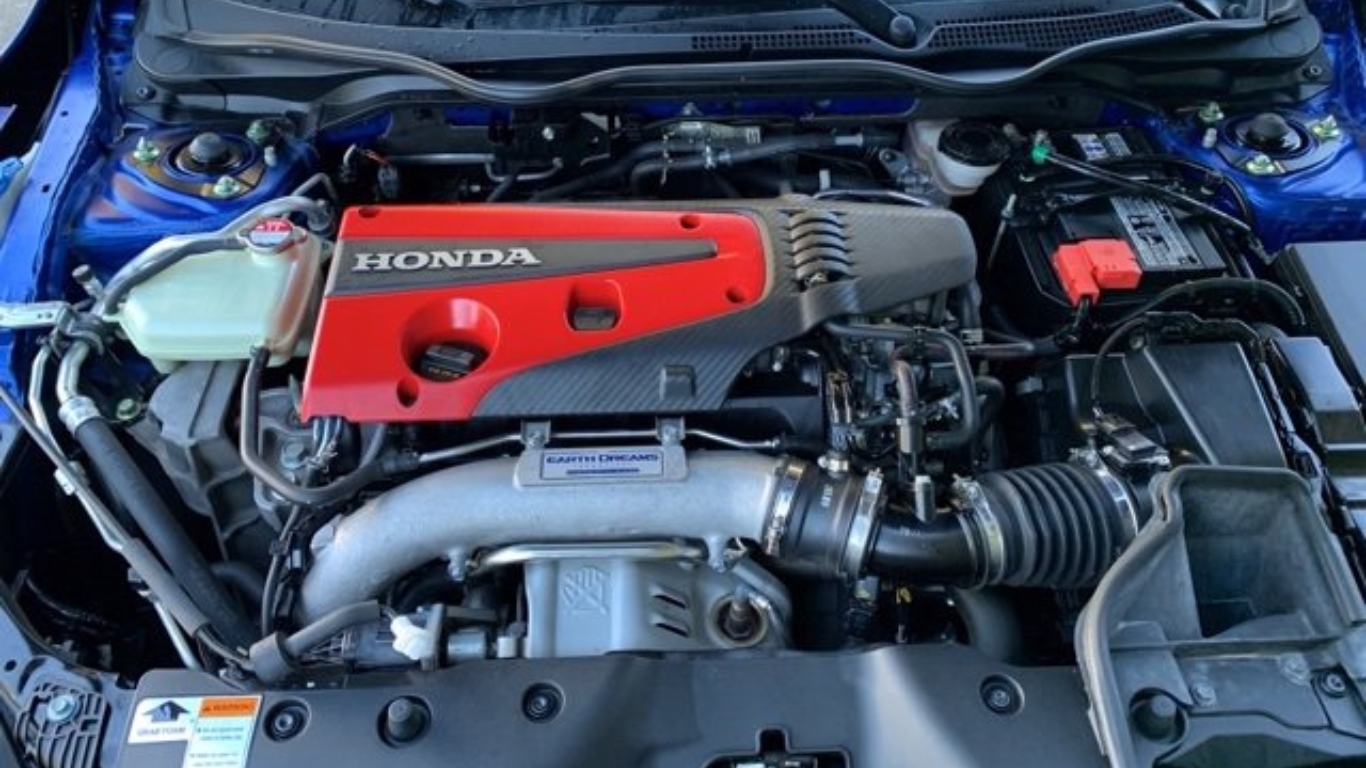
Honda’s K20C series covers serious ground, from high-performance track duty to ultra-reliable daily transportation.
Honda’s K20C series, displacing 1,996–1,998 cc, functions as a versatile 2.0L DOHC inline-four family used in both performance and mainstream applications. The screaming K20C1 from the Civic Type R pushes 306–320 hp from its turbocharger and 295 lb-ft of torque, a proper track warrior. The K20C9, a naturally aspirated direct-injection unit, makes around 150 hp in base Civic models, prioritizing efficiency.
For drivers needing unwavering dependability, the K20C2 engine proves its mettle. This port-injected 158 hp variant runs easily to 250,000 miles with basic maintenance, especially in the HR-V. An HR-V with the K20C2 handles campus runs and road trips to Coachella, unfazed by the miles.
The K20C2’s port injection, naturally aspirated design, and chain-driven valvetrain create a mechanically simple setup. Solid engineering that keeps going, letting you focus on the road ahead.
5. Honda 2.0L Atkinson-Cycle Hybrid System (Accord, CR-V, Civic)
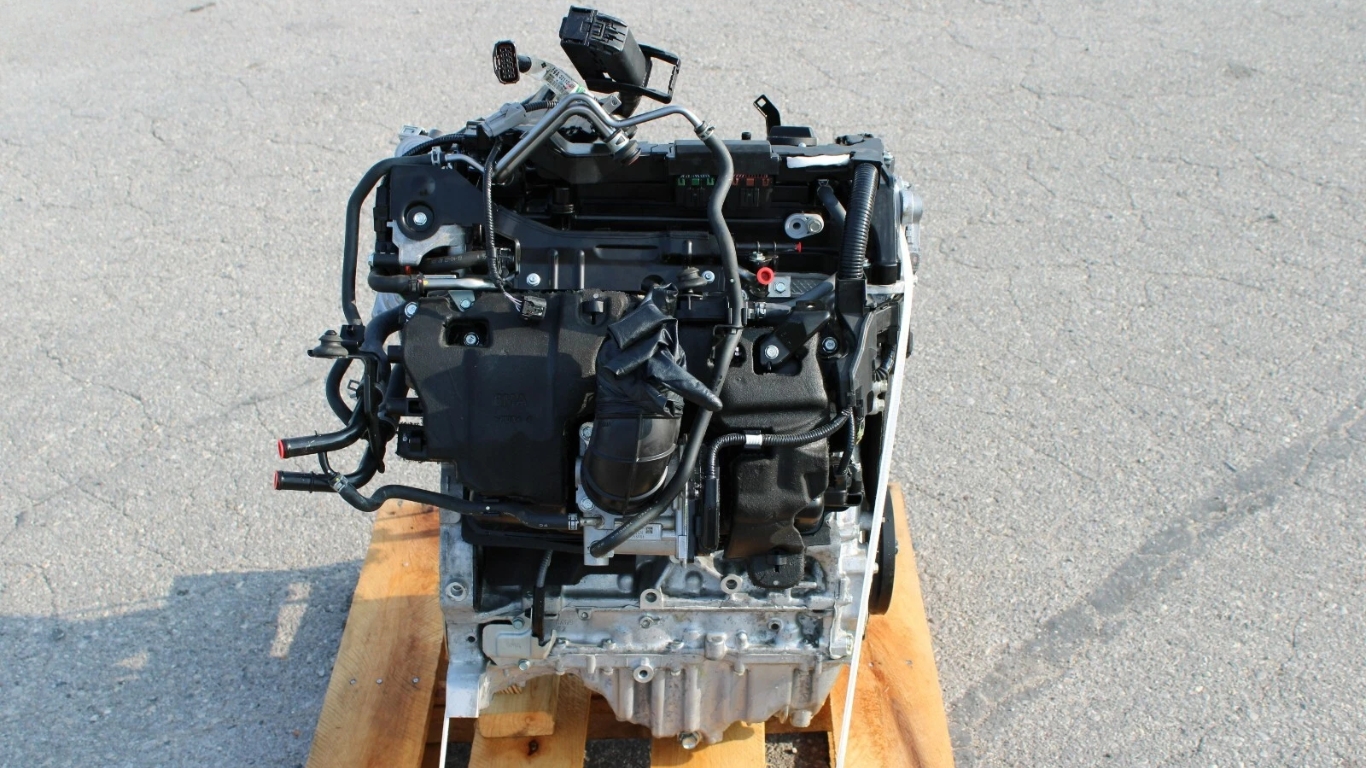
Honda’s two-motor hybrid eliminates the conventional multi-gear transmission entirely, simplifying the drivetrain for improved long-term durability.
Honda’s two-motor hybrid system (SPORT HYBRID i-MMD) pairs a 2.0L Atkinson-cycle DOHC i-VTEC inline-four with two electric motors and a fixed-gear drive. The 2.0L Atkinson-cycle engine, delivering 141–146 hp in CR-V and Accord applications, primarily functions as a generator.
This direct-drive setup orchestrates three modes seamlessly:
- EV Drive uses the motor only.
- Hybrid Drive has the engine powering the generator while the motor drives the wheels.
- Engine Drive connects the engine directly to the wheels via clutch and gearset while the motor assists as needed, primarily at steady higher speeds.
This design inherently boosts long-term durability by removing the traditional stepped automatic transmission, a major point of failure. A city dweller enjoys silent EV mode for errands, then seamless, efficient hybrid cruising for weekend road trips. Real-world reports and fleet use show strong durability due to fewer mechanical wear components and the absence of a conventional transmission. The system has proven itself for well over a decade, easily accumulating high mileage.
6. Mazda Skyactiv-G 2.0L/2.5L NA with 6-speed Automatic (MX-5, Mazda3, CX-30, CX-50, CX-5)

Mazda has spent more than a decade refining its Skyactiv-G engines, forging a reputation for outstanding reliability.
Mazda has spent well over a decade meticulously refining its Skyactiv-G engines. The Skyactiv-G 2.0L in the MX-5 Miata delivers 181 hp at 7,000 rpm from its 1,998 cc engine, eagerly hitting a 7,500 rpm redline. This high-compression (13.0:1), naturally aspirated setup features direct fuel injection and creates a pure connection on every open road.
Paired with these engines, the Skyactiv-Drive 6-speed automatic eschews dual-clutch or CVT complexities. A conventional torque-converter automatic optimized for efficiency and quick shifts, avoiding unnecessary complications.
Reliability surveys and independent reports characterize the Skyactiv-G 2.5L as one of Mazda’s most dependable engines. Early cylinder-deactivation-related recalls affected some years, but these were minor issues. Direct fuel injection and cylinder deactivation (on some 2.5L variants) have shown above-average reliability when maintained. This powertrain offers consistent power without drama, a dependable co-pilot for any Mazda3 commuter.
7. Toyota Dynamic Force M20A/A25A Hybrid System with eCVT (Corolla, Corolla Cross, Prius, Camry, RAV4, Sienna, Grand Highlander, Crown, Crown Signia)
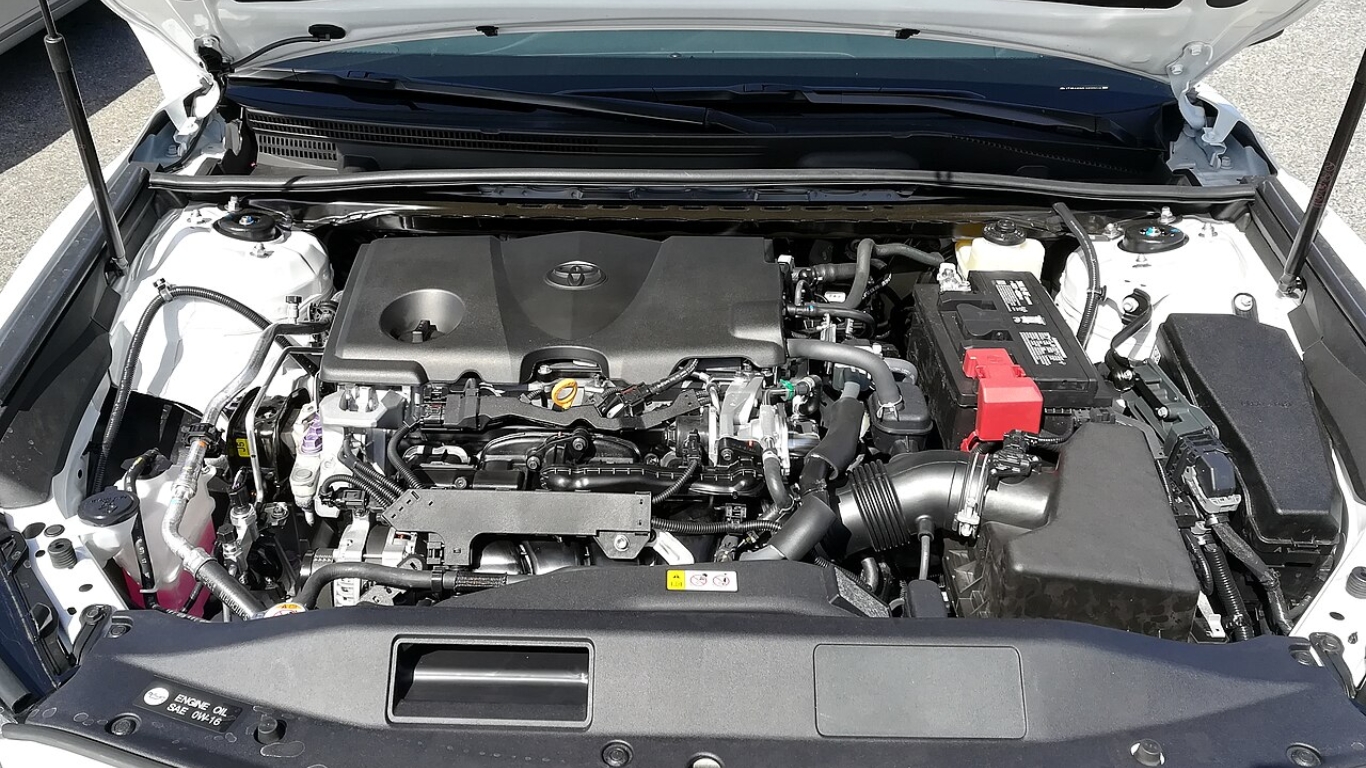
Achieving thermal efficiency around 40%, Toyota’s Dynamic Force engines deliver a masterclass in durable, efficient power.
Toyota Dynamic Force engines are a modern family of high-efficiency inline-fours using long stroke, high compression and advanced port/direct injection strategies. Thermal efficiency reaches around 40%.
The M20A-FKS 2.0L delivers 168–178 hp and roughly 200–210 Nm of torque. The larger A25A-FXS 2.5L hybrid, with 2,487 cc displacement and compression ratio around 14:1, serves as the backbone of Toyota’s large hybrid lineup (Camry Hybrid, RAV4 Hybrid, Highlander/Grand Highlander Hybrid, Sienna, Crown, Crown Signia, various Lexus hybrids).
System output reaches up to 225 hp in the 2.5L hybrid, combining the modest engine power with one or two electric motor-generators through a planetary-gearset eCVT. This transmission design is extremely robust due to few wear components.
Experience that dependability on a Grand Highlander road trip, cruising comfortably for hundreds of miles. Reliability guides and dealership material note the A25A-FXS plus eCVT hybrid powertrain frequently exceeding high mileages in taxi and fleet service with minimal major failures when maintained.
8. Toyota Corolla Hybrid 1.8L 2ZR-FXE with Fifth-Gen Hybrid System (Corolla Hybrid, Prius, Corolla Cross Hybrid)
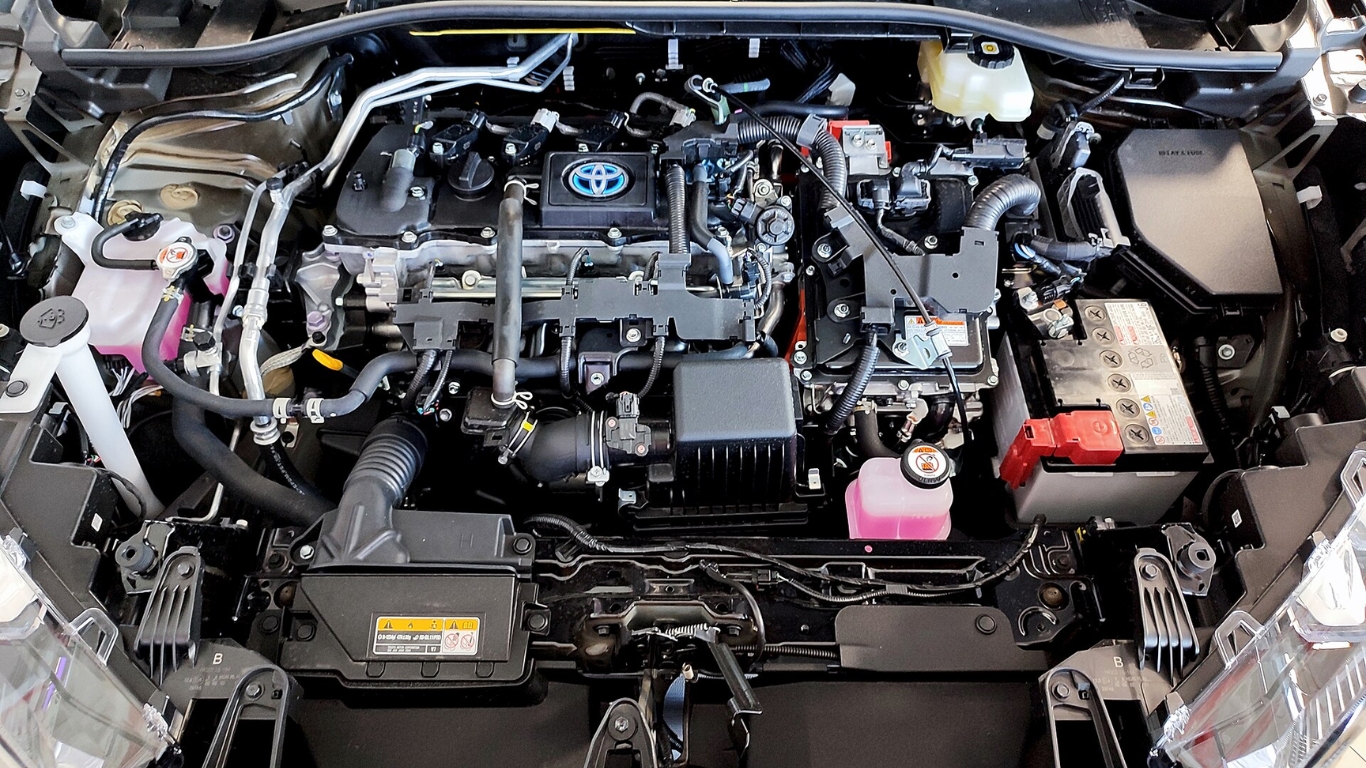
Taxi fleets globally rely on a powertrain often surpassing 500,000 km (300,000 miles), testament to the 2ZR-FXE’s extreme longevity.
The 2ZR-FXE is Toyota’s long-running 1.8L Atkinson-cycle inline-four used in Corolla Hybrid, Prius and Corolla Cross Hybrid. This 1,798 cc engine, with 13.0:1 compression, generates 97–98 hp at 3,600–4,000 rpm. Built for endurance, consistently delivering combined fuel economy around 4.1 L/100 km (approximately 57–58 mpg).
In the latest Corolla Hybrid, the 2ZR-FXE pairs with Toyota’s fifth-generation hybrid system. Refined motor design, inverter efficiency and control software all build on the proven planetary-gearset eCVT architecture. Maximum system outputs reach around 138–140 hp for recent Corolla Hybrid and Corolla Cross Hybrid.
The 2ZR-FXE’s mechanical simplicity underpins its reputation for extreme longevity. No turbocharging. Chain-driven valvetrain. Conservative stresses. Fleet cars and taxis commonly exceed 300,000 miles/500,000 km when serviced properly. A delivery driver logging hundreds of thousands of kilometers finds the hybrid system a silent, efficient partner. This offers proven reliability in a brand new vehicle, cementing it as one of the most robust powertrains available.
9. Lexus IS 350 3.5L V6 2GR-FKS with 6-speed/8-speed Automatic (Lexus IS 350, Camry, Sienna, Highlander, Tacoma, Lexus ES/RX)
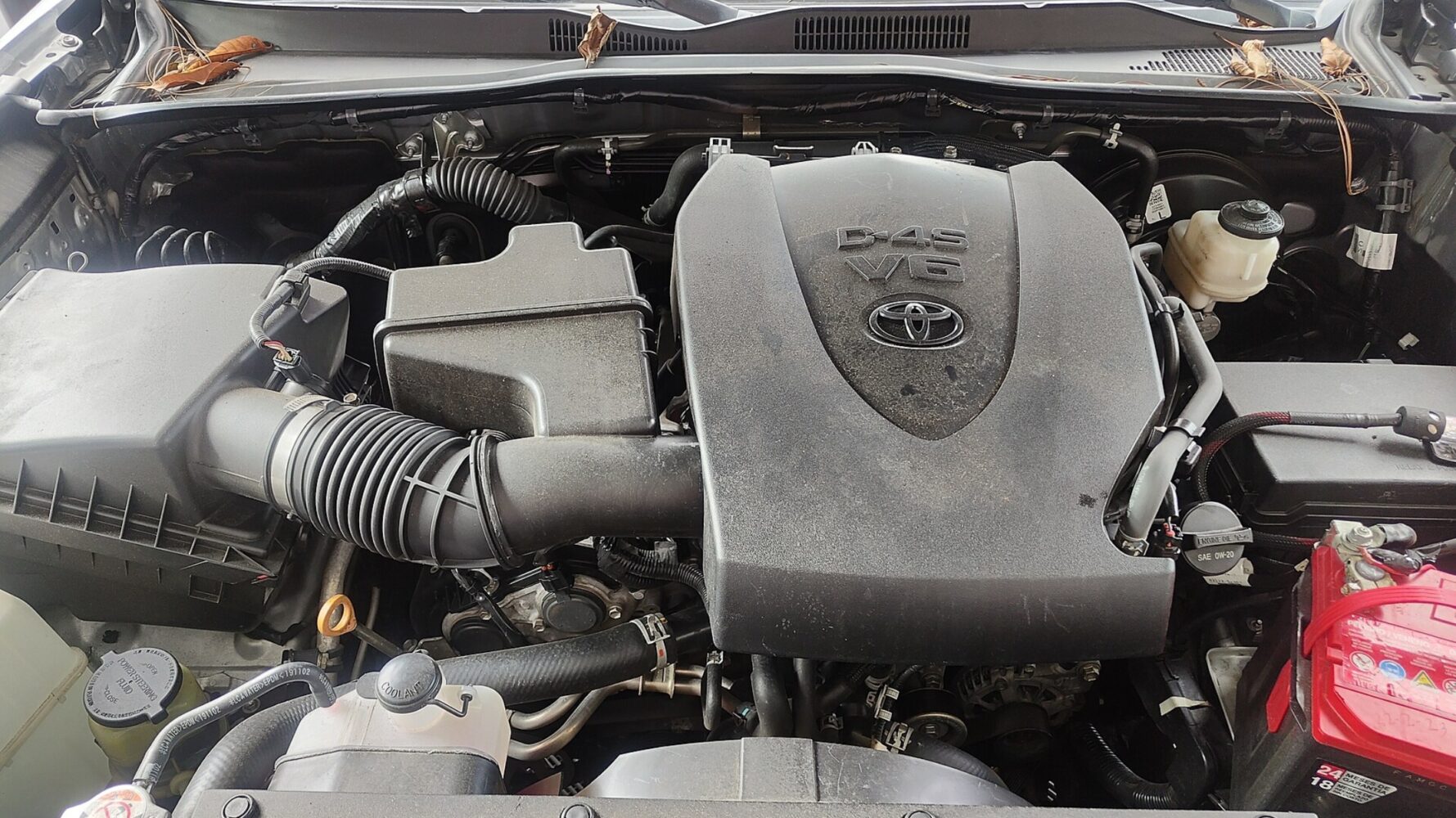
The 2GR-FKS 3.5L V6 is documented as reaching 200,000–300,000 miles across various Toyota and Lexus vehicles.
The Lexus IS 350 uses Toyota’s 2GR-FKS 3.5L V6, a naturally aspirated petrol engine of 3,456 cc with DOHC, 24 valves, Dual VVT-iW, and D-4S dual injection (combined port and direct fuel injection). Typical outputs reach around 311 hp at 6,600 rpm and 280 lb-ft at 4,800 rpm.
Built without turbochargers, engine start-stop, or cylinder deactivation in the IS 350 application. D-4S dual injection (port and direct) and Dual VVT-iW help mitigate carbon buildup on intake valves, addressing a common direct-injection concern.
The IS 350’s drivetrain options pair the 3.5L V6 with either an 8-speed automatic (RWD) or a 6-speed automatic (AWD). Both are conventional torque-converter automatics rather than dual-clutch or CVT systems.
Reliability analyses and owner-report aggregations describe the 2GR-FKS as highly reliable, with many examples reaching 200,000–300,000 miles when maintained. The absence of turbocharging and the use of port injection alongside direct injection contribute to above-average mechanical durability. The engine is widely used beyond IS 350 in models like Camry, Sienna, Highlander, Tacoma, Lexus ES/RX, giving it an extensive real-world reliability record across sedans, SUVs and trucks. For exceptional longevity in a new vehicle, this V6 powertrain delivers pure, unadulterated driving pleasure.