

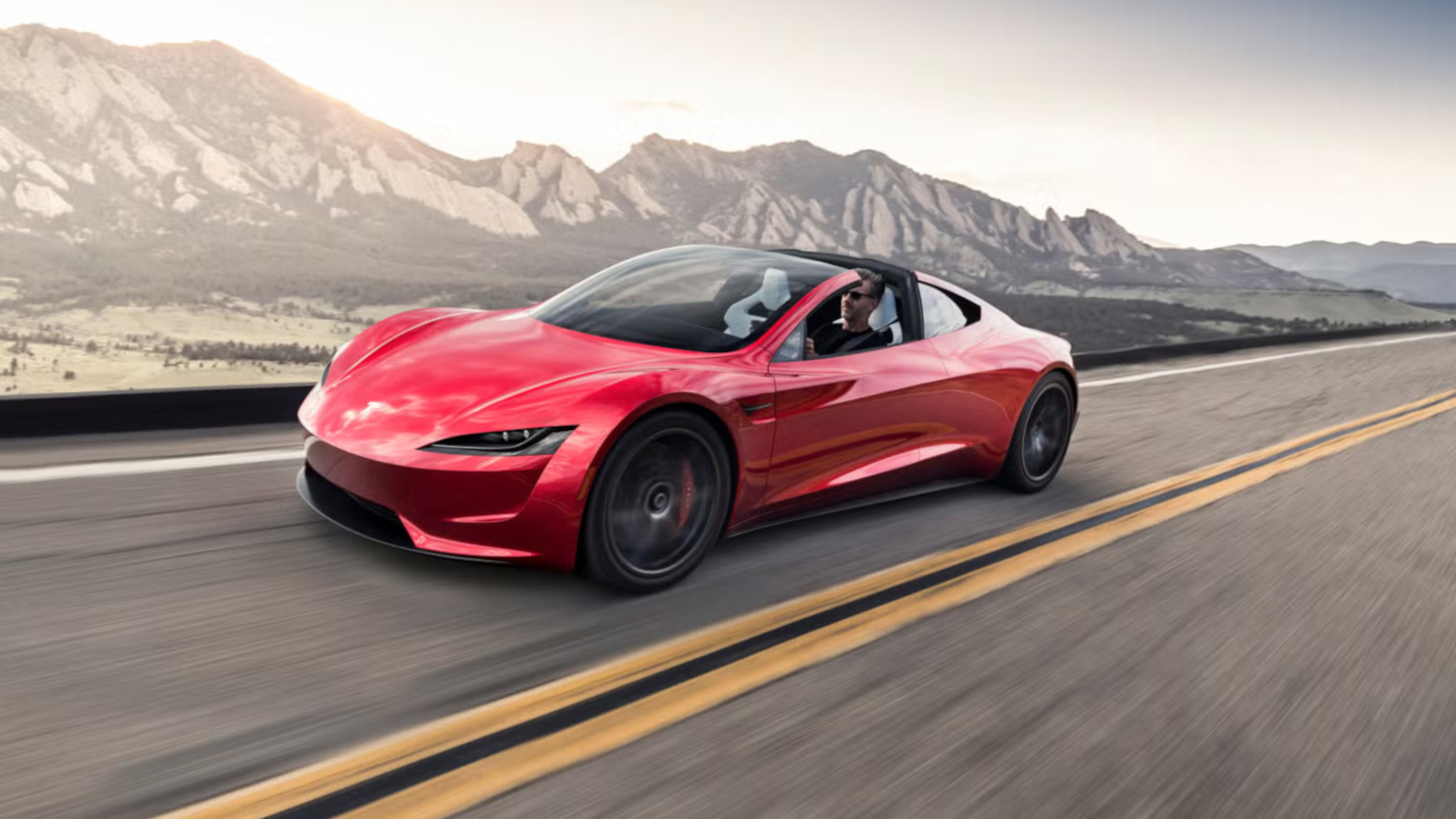
Want a spot in line for Tesla’s fastest-ever car? That’ll be $50,000 — before Tesla tells you the price, the production date, or whether the car will actually hover. Tesla reopened Roadster reservations in mid-September 2026, ahead of an October 1 reveal event near Waco, Texas. That event promises pricing, specs, and production targets — not deliveries, and not a firm timeline. Just answers, finally, to questions accumulating since 2017. The Flying Roadster concept, complete with SpaceX-derived thrusters, remains one of the most talked-about elements heading into that reveal.
What $50,000 Actually Buys You
The deposit is real, the refund policy is generous, and the price tag remains anyone’s best guess.
The structure is a two-step commitment. Five thousand dollars hits your credit card immediately, labeled fully refundable. Then Tesla expects a $45,000 wire transfer within ten days. Per Tesla’s own reservation terms: “Reservations are not final until the wire transfer payment is received.” The full $50,000 stays refundable until a formal purchase agreement is signed.
Tesla hasn’t published a confirmed retail price on the reservation page. Prior communications and independent automotive analysis have consistently placed the base Roadster around $200,000, with a Founders Series closer to $250,000 — roughly double the Cybertruck Cyberbeast’s reported $99,990 starting price.
The claimed specs, for context:
- Top speed: over 250 mph
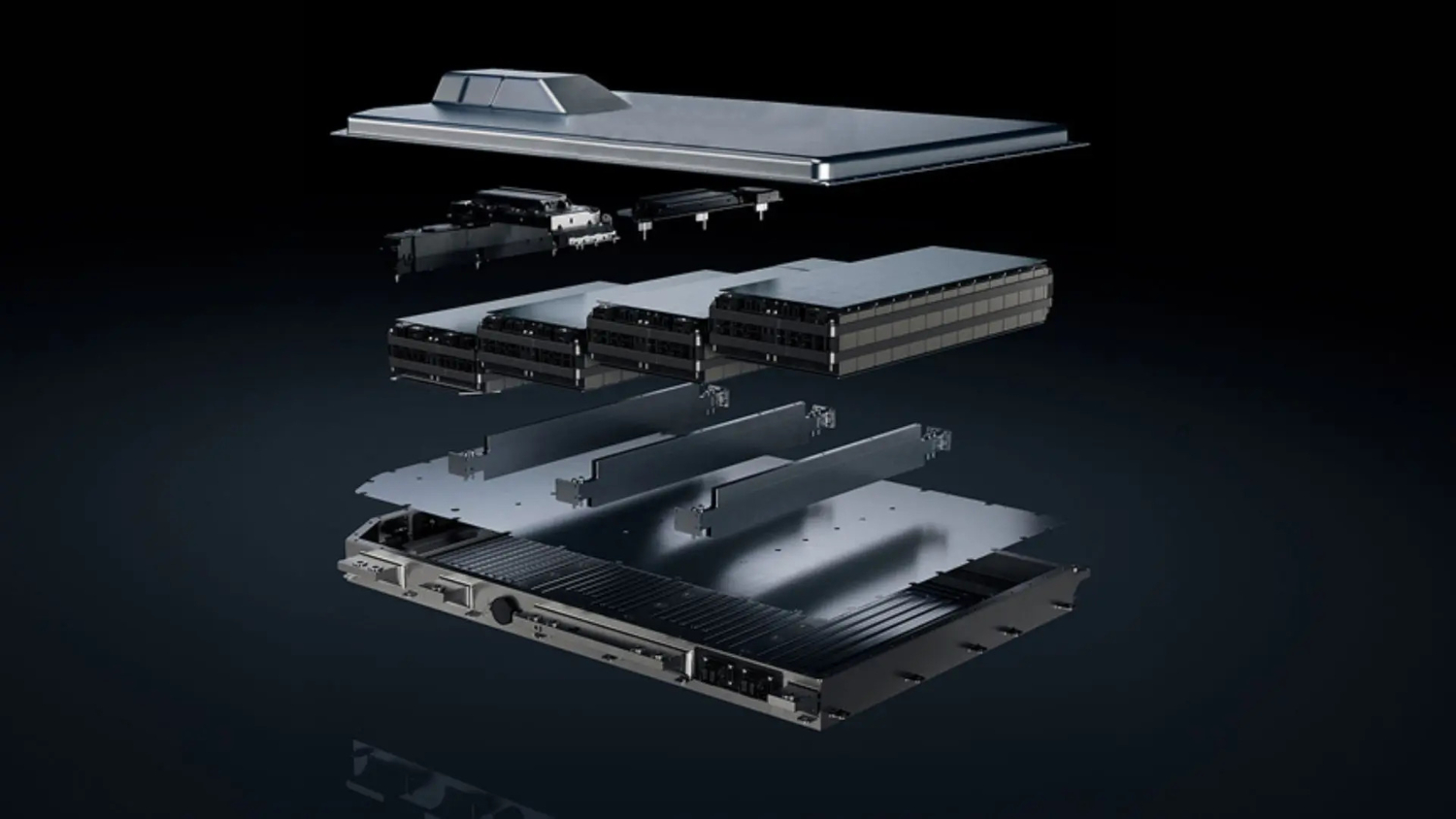
- Estimated range: approximately 620 miles via a roughly 200 kWh battery pack
- 0–60 mph: under two seconds (1.9 seconds for standard versions; a speculative “Space Package” using SpaceX-derived cold-gas thrusters has reportedly been cited at 1.1 seconds — unconfirmed production hardware)
October 1 is a reveal event, not a delivery milestone.
Nine Years and Counting
A pattern of missed windows raises legitimate questions about whether the hype can survive another wait.
The Roadster concept debuted in 2017. Public timelines slipped repeatedly through 2024, with a subsequent “2025–2026” window also passing without series-production cars. At a late-2025 shareholder meeting, Musk reportedly suggested production wouldn’t start until “2027 or 2028.” That’s a decade from concept to maybe-driveway.
The Cybertruck offers a cautionary parallel: by the time that truck shipped, the cultural moment had cooled considerably. Opinion pieces are already asking whether the Roadster has become too delayed to care about — a question shared by anyone weighing cars worth waiting for. That’s not cynicism — it’s a real question the market is asking.
A $50,000 Filter – and a Float
The deposit does double duty — screening serious buyers while giving Tesla working capital before a single car rolls out.
At this price bracket, the deposit functions as both a demand gauge and a working-capital mechanism during pre-production. Tesla owners have seen this playbook before — from the Model 3 to the Cybertruck — but never at this deposit scale. The size screens out everyone except buyers who are genuinely committed — or wealthy enough that $50,000 parked with Tesla barely registers.
The October 1 Waco event will tell reservation holders what they’re actually paying to wait for. Until then, the Roadster remains the most expensive placeholder in the EV industry — a stark contrast to the vanishing affordable new car options that once defined the mass-market EV promise. Whether that reads as visionary confidence or just Tesla being Tesla depends entirely on what shows up on that stage.