

The personal mobility category now spans everything from $699 electric unicycles to $190,000 VTOL aircraft, with pedal-powered submarines, hoverboards with six-minute flight times, and a Ducati V4 that produces 168 horsepower somewhere in between. These 23 devices represent the full range of where micromobility is going — some are practical commuter solutions, some are niche tools for specific environments, and a few are genuinely difficult to classify. The common thread is a shift away from conventional transportation toward purpose-built machines that trade generality for specific capability.
23. Veemo SE
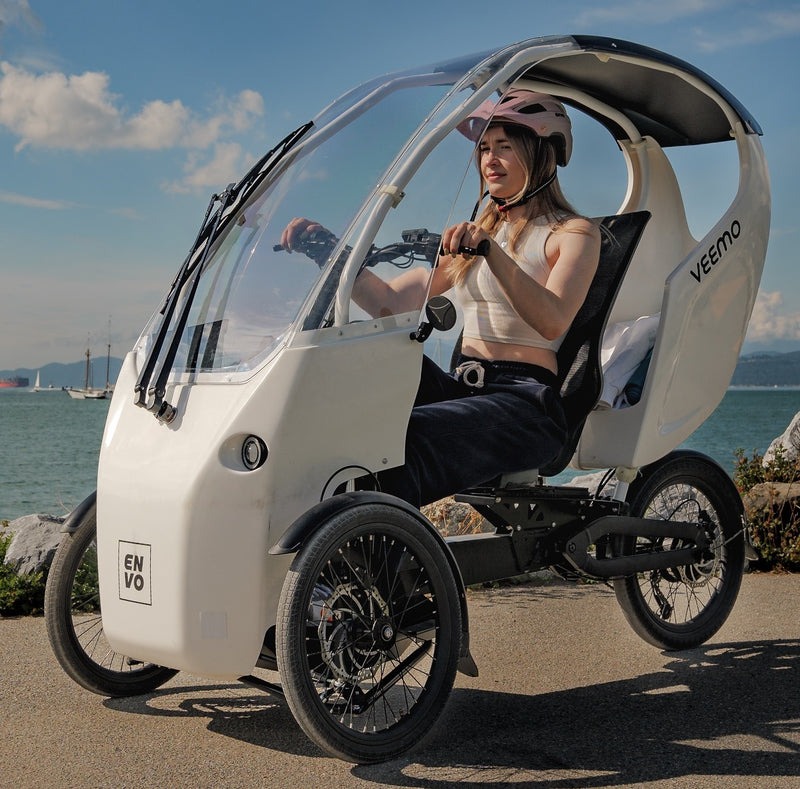
The Veemo SE combines pedal power with electric assist, letting riders choose effort level based on conditions and schedule rather than committing to one mode. Built-in storage handles daily essentials without a backpack. The step-through design and adjustable assist make hills manageable regardless of fitness level. It functions simultaneously as transportation and moderate daily exercise — whether that counts as a feature or a consolation prize depends on how much you enjoy arriving at work sweaty.
22. City Transformer CT1

The City Transformer CT1 addresses one of urban driving’s persistent problems with a mechanically direct solution: the wheelbase contracts from 1.4 meters to 1 meter, reducing the vehicle’s footprint to fit spaces standard cars cannot use. According to City Transformer’s official specifications, the 15 kW motor reaches 90 km/h with a 120-180 km range. The shape-shifting mechanism delivers car-like weather protection in a package that adapts to parking constraints rather than demanding larger spaces wherever it goes.
21. Toyota i-Road

The Toyota i-Road is a three-wheeled EV that leans into corners like a motorcycle while providing the weather protection a car offers. Official specs show a 28 mph top speed and approximately 300 kg total weight. The footprint is small enough to navigate urban traffic efficiently without the parking space requirement of a full vehicle — Toyota’s specific answer to the question of what urban personal mobility looks like when you prioritize space efficiency and agility over passenger capacity.
20. Inmotion V14

The Inmotion V14 puts 4,000W nominal (9,000W peak) into a single wheel, producing a 70 km/h top speed with 120 km of range. It supports riders up to 140 kg and carries a £3,149 price with a 2-year guarantee. This is not an entry-level device — the power concentration in one wheel creates an experience that sits between transportation and extreme sport, and the learning curve before that power is manageable is significant. The warranty is worth noting given the consequences of the alternative.
19. Inmotion SCV V8

The Inmotion SCV V8 electric unicycle uses a 16-inch wheel to deliver 28-31 miles of range at speeds up to 19 mph, currently priced around $699. The learning curve is real and involves direct contact with pavement during the first week of ownership. Once mastered, the platform is compact, efficient, and genuinely capable for urban distances — a combination that justifies the entry cost and the bruises, for buyers willing to invest the time the learning curve requires.
18. Inmotion RS

The Inmotion RS runs 8,400W from dual motors, reaching up to 68 mph with approximately 100 miles of range, priced around $3,999. Racing and off-road modes adjust the power delivery for different environments. At 68 mph on a scooter platform, the question of appropriate protective gear and licensing requirements is not rhetorical — this exceeds e-bike classification in virtually every jurisdiction and requires the same pre-ride research as any high-speed motorized vehicle regardless of how it is marketed.
17. Skoozy Sterling S800

The Sterling S800 mobility scooter prioritizes navigation capability and ride quality over the utilitarian aesthetic that defines most mobility aid design. The compact footprint moves through city streets without requiring traffic accommodation, and premium wheels with suspension deliver a noticeably smoother ride than standard mobility scooters. The investment cost reflects component quality that translates directly into restored independence for riders who need reliable urban mobility rather than a device that works adequately on smooth surfaces and fails on everything else.
16. DB Blazy R30

The DB Blazy R30 solves the specific problem that stationary mobility aids create: getting the device to locations beyond walking distance from home. Lightweight construction and a quick-fold mechanism produce dimensions that fit most car trunks without mechanical complexity to defeat the purpose of the folding. For riders whose mobility needs extend beyond their immediate neighborhood, portability is not a convenience feature — it is the feature that determines whether a device enables independence or merely relocates its limitations.
15. Metro Mobility Max Plus

The Metro Mobility Max Plus provides extended range for longer outings with front spring suspension that absorbs sidewalk irregularities rather than transmitting them directly to the rider. Ergonomic seating and straightforward controls keep operation intuitive without requiring a manual consultation every time settings need adjustment. The design philosophy prioritizes reliable daily function over features that add complexity without improving the core task of getting somewhere independently and comfortably.
14. Jet Surf Cruiser

The Jet Surf Cruiser is a motorized surfboard that operates on flat water without waves or surfing skill. Engine power delivers meaningful speed with sufficient run time for genuine use rather than a demonstration. Noise reduction technology keeps the sound profile below the level that terminates peaceful beach experiences immediately. The use case is recreational water mobility rather than practical transportation — it accomplishes that specific objective effectively.
13. Scubster

The Scubster is a pedal-powered personal submersible — the rider provides the propulsion through a pedaling mechanism that drives the underwater movement. It brings the mechanical simplicity and zero-fuel-cost advantages of human-powered transport into underwater exploration. The absence of a motor eliminates noise and fuel costs, leaving the rider and whatever marine life decides to investigate the situation. The experience sits firmly in the recreational category rather than the practical transportation one, which does not diminish what it does well.
12. Manta5 Hydrofoiler SL3

The Manta5 Hydrofoiler SL3 uses hydrofoil technology to lift the rider above the water surface while pedaling, delivering 4.5 hours of ride time at 20 km/h. Priced around $9,800, it transports to any suitable body of water and operates on lakes, bays, and flat ocean conditions. The combination of cycling mechanics with hydrofoil lift removes road and trail dependency from the cycling experience entirely — a specific appeal for riders who want the pedaling mechanics without conventional surface limitations.
11. Electric Hunting Bike

The electric hunting bike is built around one specific advantage over combustion alternatives: silence. The motor operates without the noise signature that announces position to wildlife across a wide radius. Substantial motor torque and a lithium battery with field-reliable charge retention handle the terrain and operational duration that hunting use requires. Integrated torque sensors and front suspension address the technical terrain demands, and the total cost stays below traditional ATV alternatives while removing the noise problem those platforms cannot solve.
10. Electric Fat Tire Bike

Electric fat tire bikes use hub motor torque and wide-profile tires to handle terrain that standard e-bikes cannot access — loose sand, snow, mud, and rocky surfaces where narrower tires lose traction and forward momentum simultaneously. Suspension absorbs the impact loads that rough terrain generates at speed, and payload capacity covers rider plus substantial gear weight. The platform reaches adventure locations without requiring a truck for transport, which changes the calculus for riders whose destinations are the terrain rather than destinations accessible from it.
9. Electric ATV

Electric ATVs deliver off-road capability with the specific operational advantage that combustion ATVs cannot offer: silence. Hub motor power handles challenging terrain and towing loads with performance that competes with gas alternatives on technical metrics. The lithium-ion battery range supports meaningful off-road sessions. The absence of engine noise produces a fundamentally different outdoor experience — the environment stays audible rather than being displaced by the vehicle’s own sound signature, which matters considerably for riders who chose off-road settings specifically for what those settings sound like.
8. Arca Board

The Arca Board uses multiple electric ducted fans to hover above surfaces, reaching 20 km/h with a 6-minute flight time. Priced around $14,900, it is controlled via remote and smartphone app. The six-minute operational window limits practical application considerably — this is a demonstration of hovering technology rather than a transportation solution, and the price reflects the engineering required to make that demonstration repeatable. For buyers whose interest is the experience of hovering rather than getting somewhere, it delivers exactly what it describes.
7. GM Chevrolet EN-V 2.0

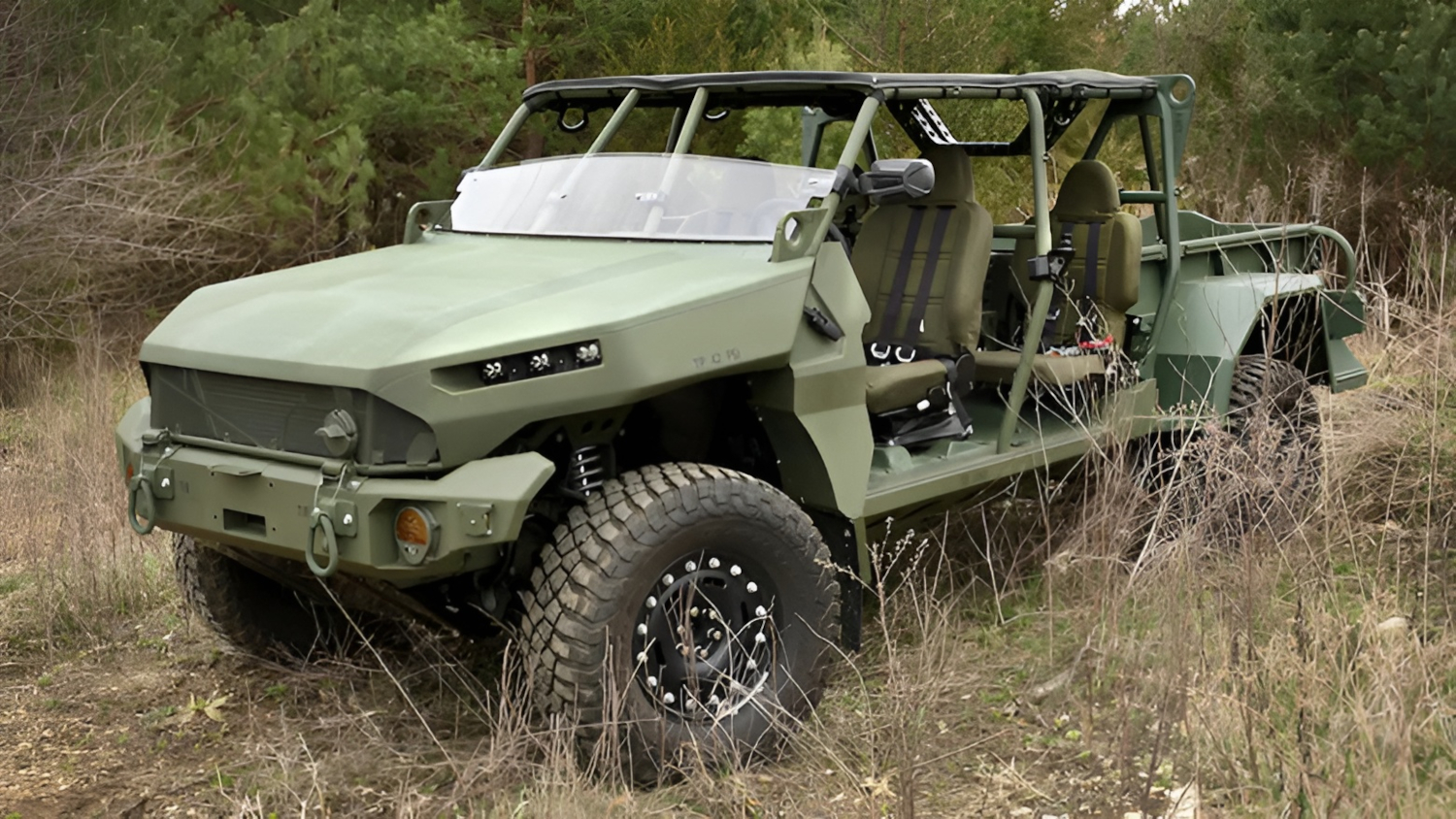
The GM Chevrolet EN-V 2.0 is a concept vehicle — not a production product — demonstrating autonomous navigation through urban environments without driver input. It tops at 25 mph with a 25-mile range, appropriate for the dense urban commuting scenario it addresses. Obstacle detection and navigation through constrained spaces represent GM’s design response to urban congestion, packaged in a footprint that fits where conventional vehicles cannot. The concept illustrates a direction rather than a purchasable product.
6. Pivotal Helix

The Pivotal Helix is an electric VTOL aircraft with tilt mechanisms for vertical takeoff, reaching 62 mph with a 20-mile range. It requires no runway — only open space. Starting around $190,000, it is positioned for aviation enthusiasts and early adopters rather than general consumers. The notable regulatory detail is that it is flyable with a standard driver’s license rather than a pilot’s certificate, which lowers the barrier to personal aviation considerably relative to conventional aircraft — the primary argument for the platform beyond the performance specifications themselves.
5. Rowbike
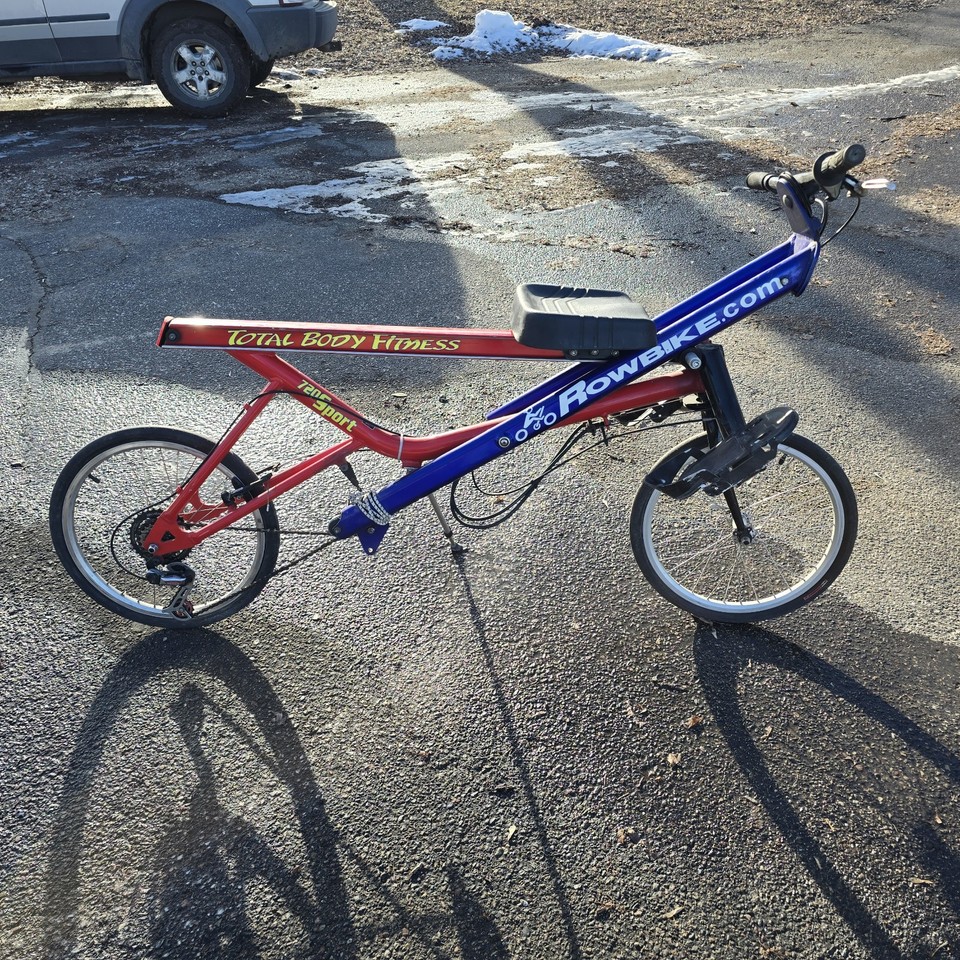
The Rowbike combines cycling and rowing motions into a single commute, engaging upper and lower body muscle groups simultaneously. The aluminum frame keeps weight manageable relative to the structural demands of the dual-motion drive system. The calorie burn per hour exceeds conventional cycling by a meaningful margin. Whether this makes the commute more efficient or simply more exhausting depends entirely on whether the rider’s priority is fitness or arriving at work prepared to work rather than recover from the ride.
4. Electric Tricycle

The electric tricycle provides the stability that two-wheel platforms cannot — a genuine capability difference rather than a cosmetic one for riders with balance concerns or those carrying significant cargo. The one-second folding mechanism addresses storage and transport without a complex collapse procedure. Slope climbing capability, hydraulic disc brakes, and an LCD display cover the functional requirements, and optional additional seating extends the platform’s utility. Stability as the primary design priority produces a different machine than performance or portability-first designs — the right tradeoff for the specific use case it addresses.
3. Citroën Concept

The Citroën concept is a compact electric quadricycle with battery power delivering modest speeds and practical range — fast enough to be useful, calibrated to avoid the regulatory thresholds that would require licensing in most markets. Chunky black accents, skid plates, and extended wheel arches communicate off-road intent that the platform’s real-world capability does not fully back up. It is a well-executed urban errand vehicle dressed in adventure aesthetics — a legitimate product category for buyers who value the design language alongside the practical specification.
2. Wave Flyer

The Wave Flyer uses a wave drive system to deliver speed and range across water surfaces, controlled by a fly-by-wire joystick that keeps operation intuitive despite the performance capabilities. An emergency lanyard provides a safety cutoff — standard on watercraft operating at meaningful speeds where separation from the device creates a retrieval problem. The design prioritizes recreational performance over practicality, which is the correct hierarchy for watercraft whose primary purpose is the enjoyment of operating them rather than reaching a specific destination efficiently.
1. Ducati XDiavel V4

The Ducati XDiavel V4 is a full-size combustion motorcycle rather than a micromobility device — it earns the top position as the category’s most performance-oriented personal vehicle rather than its most urban or efficient one. The 1,158cc V4 Gran Turismo engine produces 168 horsepower and 126 Nm of torque through a six-speed transmission with quick-shift capability. Color displays provide performance data throughout the ride. This is the machine on this list for buyers whose priority is riding experience over transportation efficiency — a different definition of personal mobility, but a legitimate one.