

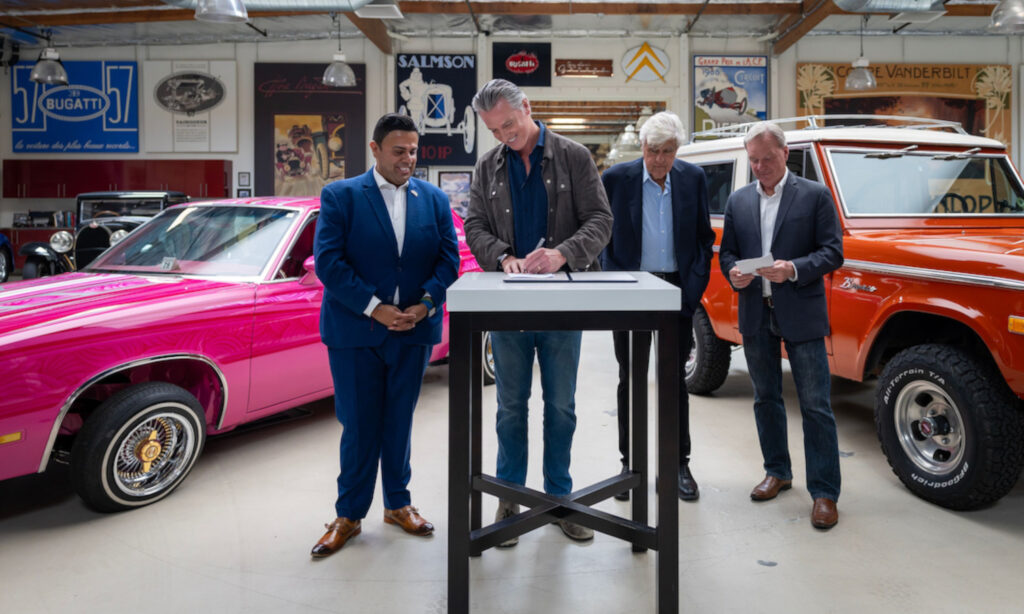
You own a 1979 Trans Am. California just signed “Leno’s Law.” You’re already imagining life without biennial smog appointments — the bureaucratic equivalent of a dental cleaning nobody asked for. Not so fast. California’s SB 1392, co-authored by Senators Dave Cortese and Shannon Grove and signed into law in August 2026, does create a smog-check exemption for qualifying 1976–1985 collector vehicles. But nothing changes until January 1, 2028, and even then, strict conditions apply. This is targeted relief for owners of muscle cars and other classics. Not amnesty.
What the Law Actually Does (and When)
The exemption phases in slowly, one model year at a time, and stops expanding entirely by 2033.
Starting January 1, 2028, qualifying collector vehicles manufactured before 1981 become exempt from smog checks. The cutoff rolls forward one model year annually until pre-1986 cars are covered by 2033 — then it stops. Pay close attention to the “before” language: “manufactured before 1981” means 1980 and older, not 1981. That detail will sting if you miss it. Pre-1976 vehicles remain fully exempt under existing California law — SB 1392 doesn’t touch that.
Key eligibility facts:
- The car must be at least 35 model years old and fall within the 1976–1985 model-year band
- It must be used primarily for shows, parades, charitable functions, and historical exhibitions — not as a daily driver
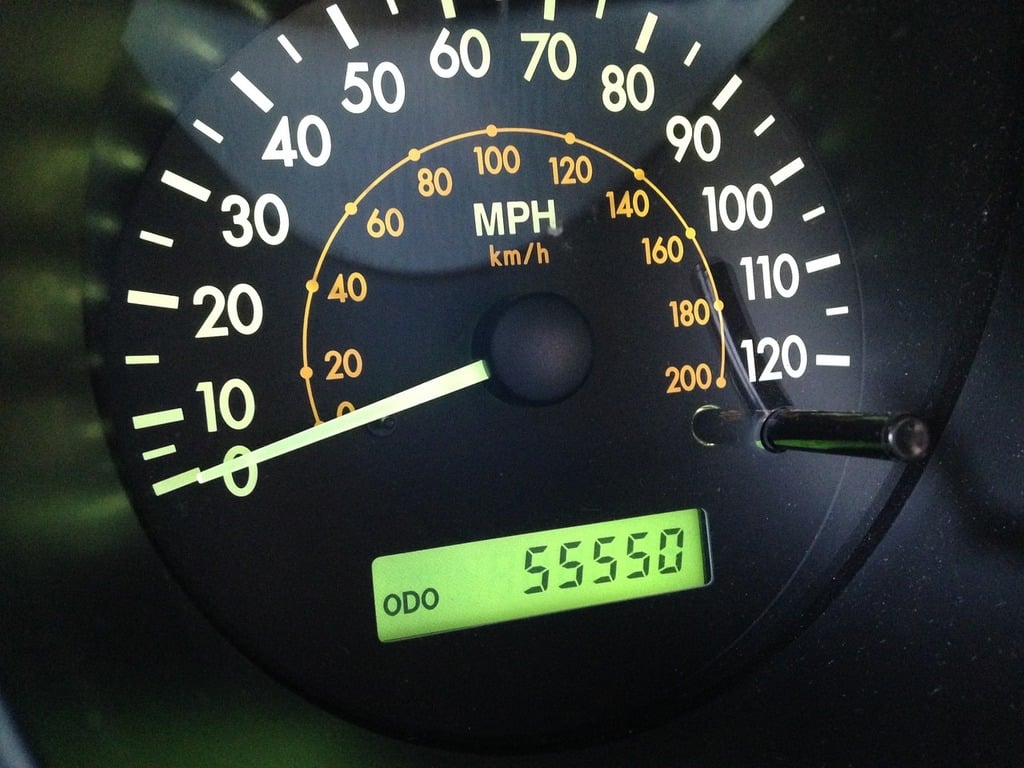
- The owner must carry collector-car insurance or drive fewer than 1,000 miles per calendar year
- Cars must still meet their original-era emissions standards and pass a fuel-cap and liquid fuel-leak visual inspection — no rolling-coal loopholes
- The Bureau of Automotive Repair (BAR) will set mileage verification rules; per SEMA’s legislative summary, that pathway is unlikely to be operational until around 2030
The Strings Attached Are Real
Collector insurance is the practical path into the program, but it comes with conditions that won’t suit every owner.
Collector insurance — Hagerty or Grundy-style policies — is the accessible short-term route once the exemption opens in 2028. These policies are relatively affordable, but they typically require private or secured garage storage. Street parking frequently disqualifies owners outright, and not every living situation makes this workable.
The 1,000-mile annual cap for the mileage-based alternative path is roughly Los Angeles to San Francisco and back — one round trip per year, total. That supports garage queens and show cars. It does not support weekend canyon runs, coastal cruises, or anything resembling serious road-trip use. Senator Cortese’s office framed the law’s intent plainly: relief for owners who “carefully maintain their vehicles and primarily operate them in parades, car shows, exhibitions, and charitable events.” There is no road-trip warrior exemption buried in the fine print.
BAR can also charge an enrollment fee capped at roughly $40 per year. Californians with clean-running cars may find that staying in the standard smog system is simply less complicated.
Who This Actually Helps – And Who It Doesn’t
Eight years of grassroots advocacy produced a win that is genuine but carefully bounded.
Eight years of pressure from Mike Frankovich and Californians for Classic Car Smog Exemptions, backed by SEMA’s sustained industry advocacy, produced a compromise that’s real but narrow. If your car predates 1976, nothing changes — you’re already fully exempt. Post-1985 cars remain completely subject to standard smog rules. This law was built for the show-circuit crowd and the garage-keeper whose 1979 Trans Am rarely leaves for anything other than a Saturday morning car meet.
If your 1976–1985 car lives in a proper garage and mostly attends shows, start researching collector insurance now and mark January 2028 on the calendar. Everyone else: keep the smog station on your contacts list.