

Dead phone batteries during emergencies are dangerous, but imagine spending four days crafting cardboard templates only to discover your custom headlight cover is still a quarter-inch off. Tucci Hot Rods in Marcy, New York, used to face this frustration regularly. Now they scan the same area in 15 minutes and get precise fits on the first try.
This isn’t your grandfather’s hot rod shop anymore—though the craftsmanship remains just as meticulous.
From SEMA Stages to Scanning Stations
Family-run shops are embracing digital precision without losing their soul.
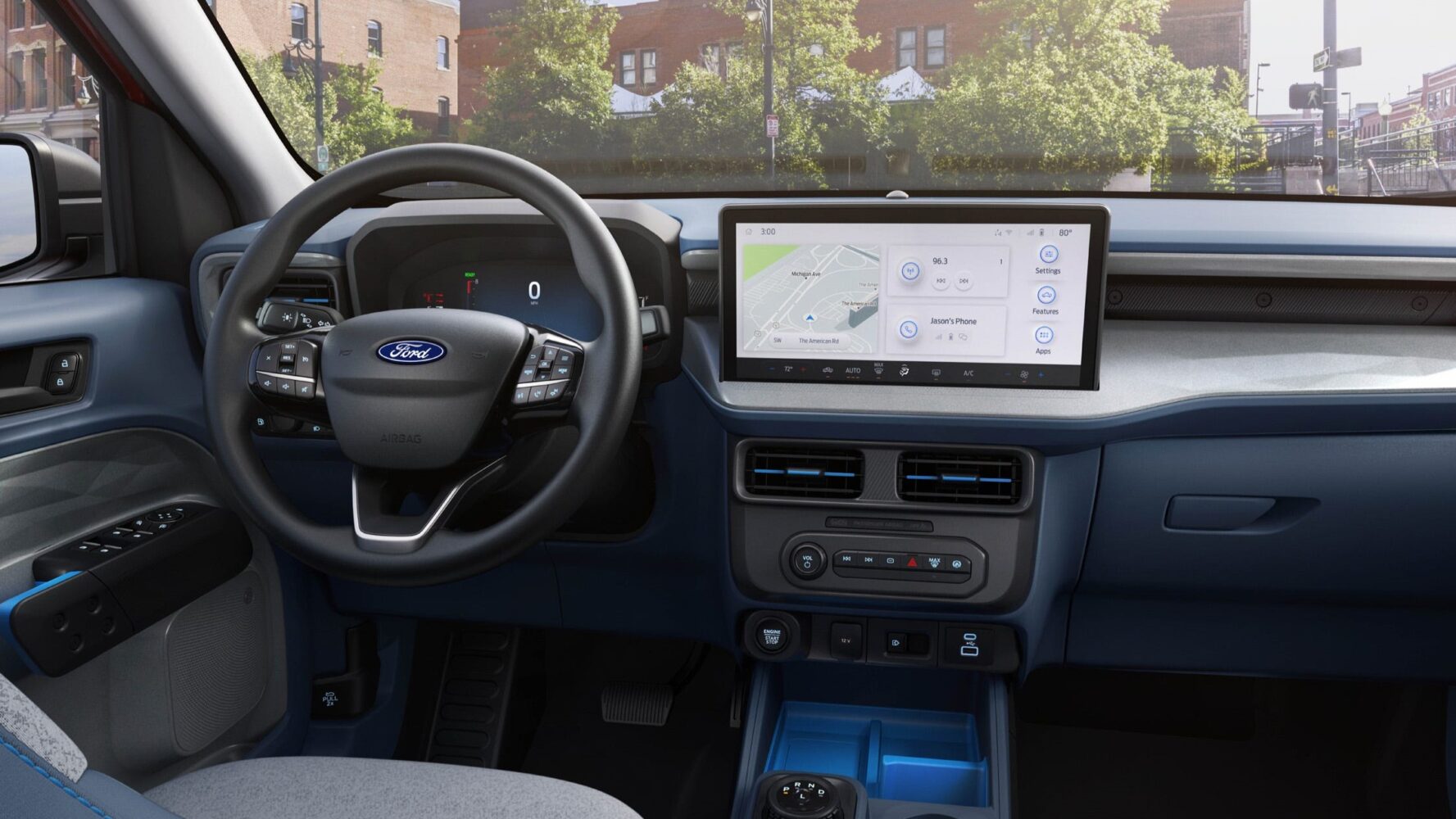
Tucci Hot Rods built their reputation the traditional way, hand-crafting show stoppers like the slammed Ford Maverick that turned heads at SEMA. Run by the Tucci family, this upstate New York shop handles everything from 1930s Ford Model As to modern truck concepts. But even master craftsmen get tired of measuring twice and cutting wrong.
“We used to do a lot of cardboard,” explains designer Dominick Tucci about their old templating process. Multiple prototype prints, constant adjustments, days of iteration. The Artec Leo handheld scanner changed that equation entirely.
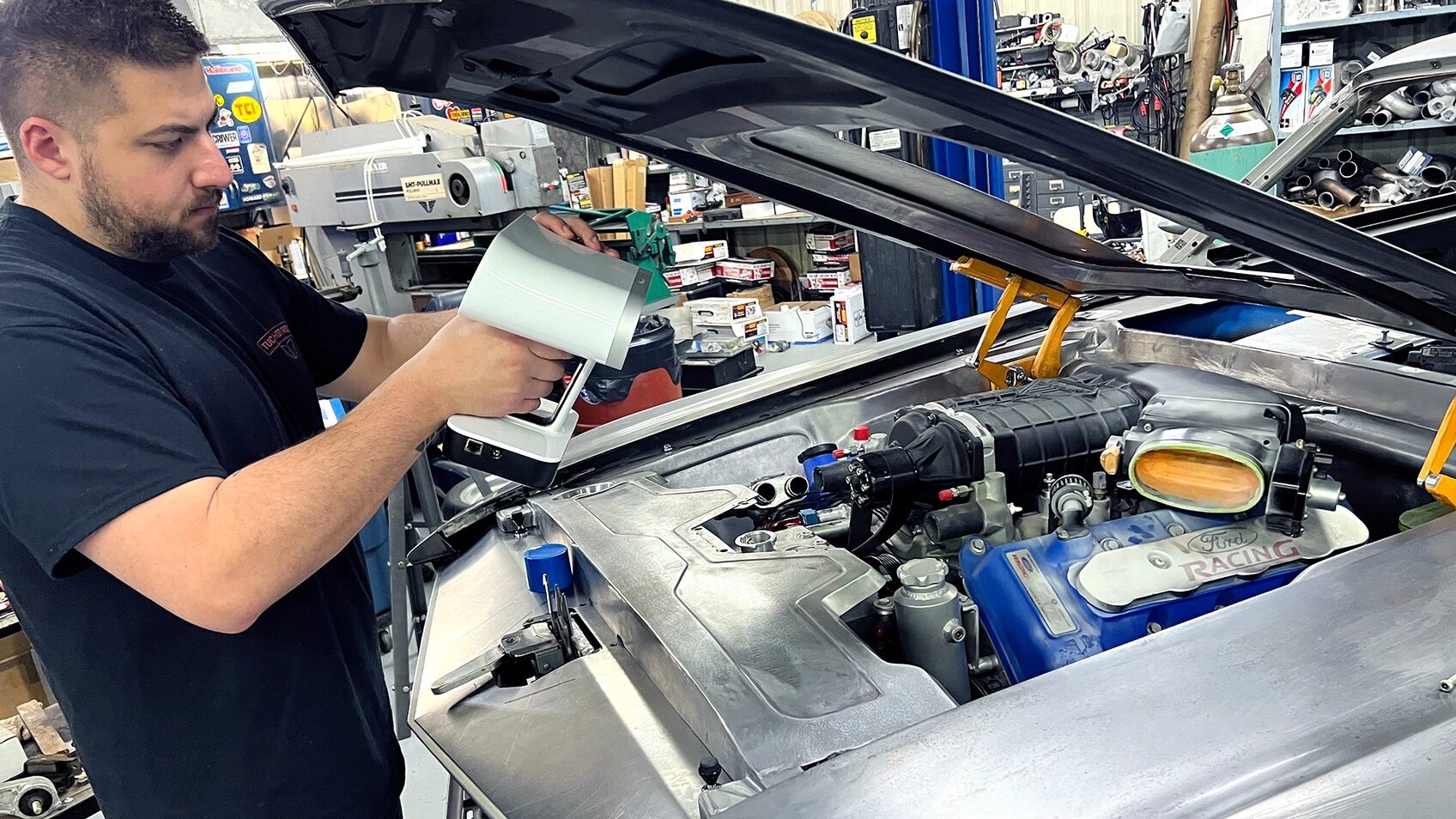
The device captures 35 million points per second with 0.1mm accuracy, turning complex curves into precise digital models. For their 1931 Model A engine swap, they positioned the motor between frame rails and scanned the entire bay. The resulting custom motor mounts fit perfectly on the first try—no more guesswork about clearances and angles.
Quarter-Inch Problems Get Digital Solutions
Precision scanning eliminates the endless prototype cycle that plagued custom builds.
The breakthrough became obvious during a 1936 Dodge pickup restoration. Traditional measuring left their headlight covers consistently off by a quarter-inch, front or rear. The scanner captured the grille’s true curvature, feeding exact geometry into CAD software where covers could be designed digitally around real-world shapes.
This scan-to-fabrication workflow now handles their regular output of custom builds, vents, and trim pieces. What used to consume three or four days of templating and reprinting now takes minutes of scanning plus digital modeling time.
The trend extends far beyond Tucci’s shop. Bracq Heritage uses similar technology for classic Mercedes restoration, while services like BluMak3D offer OEM-level accuracy for vintage parts reproduction. Professional-grade scanners have democratized precision that was once exclusive to major manufacturers.
Traditional hot rod culture isn’t disappearing—it’s getting sharper tools. These shops still shape metal by hand and weld with decades of experience. But when you can eliminate measurement errors and speed up custom work without sacrificing quality, even old-school builders embrace the future.
The cardboard templates are heading for the recycling bin.