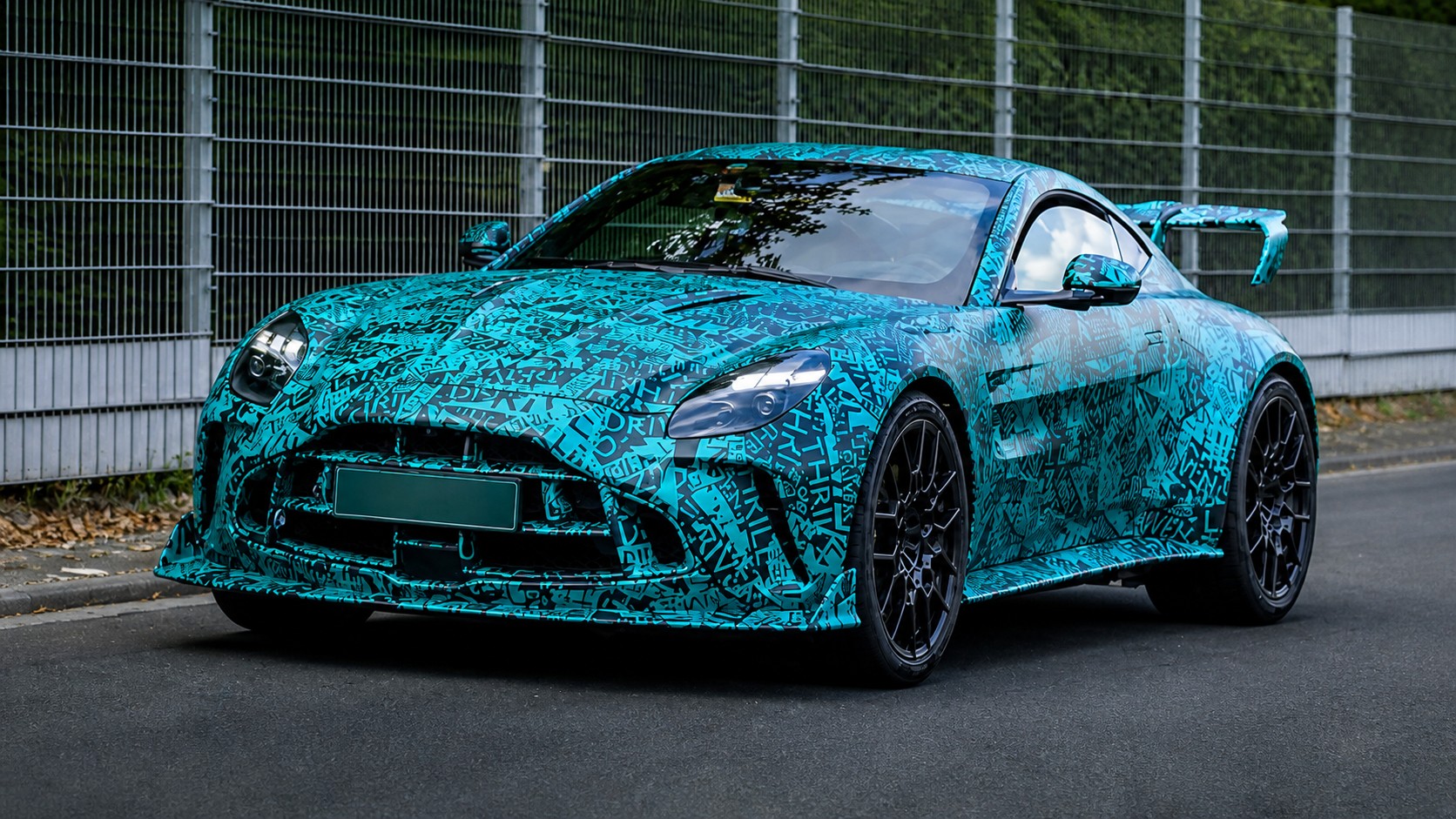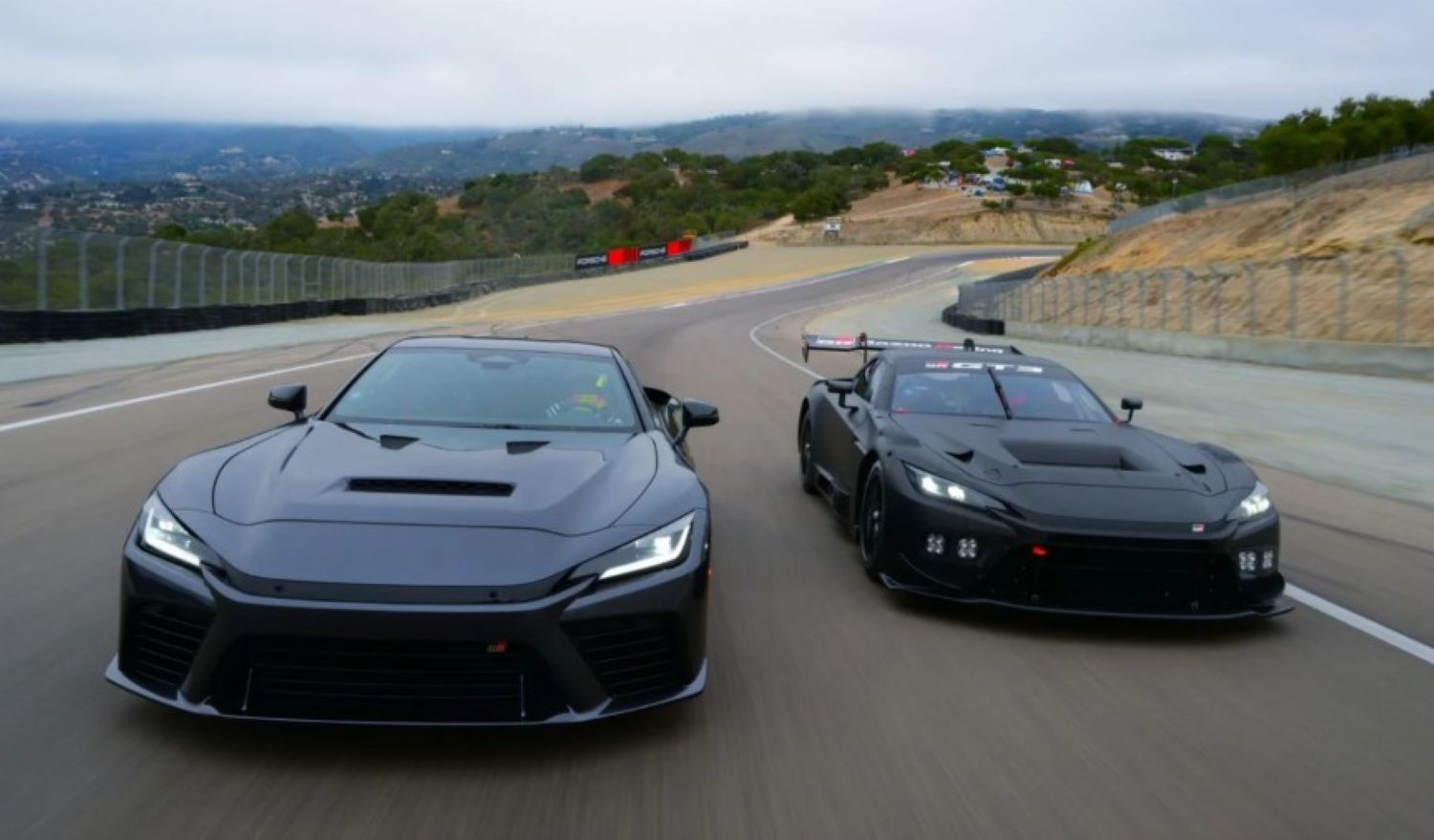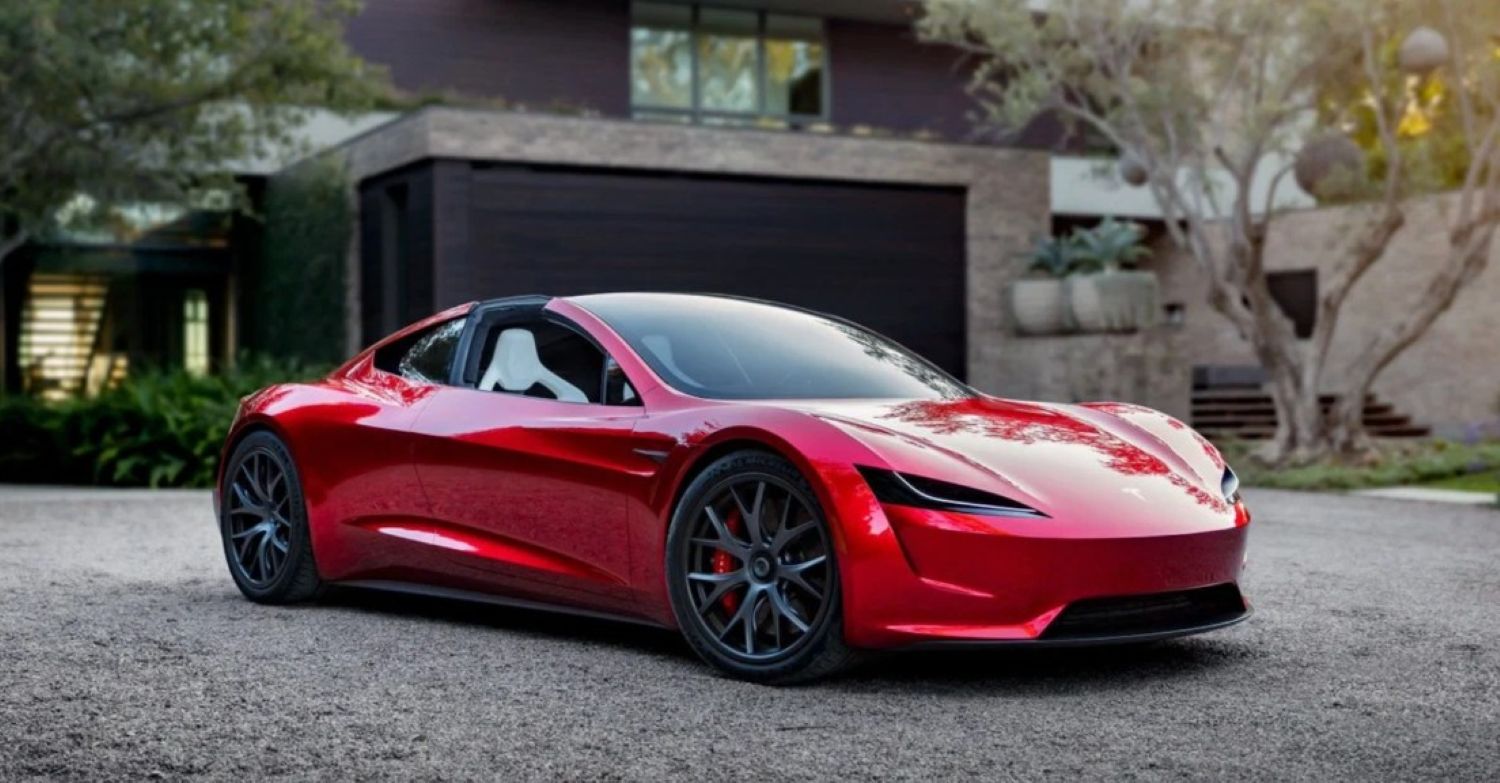


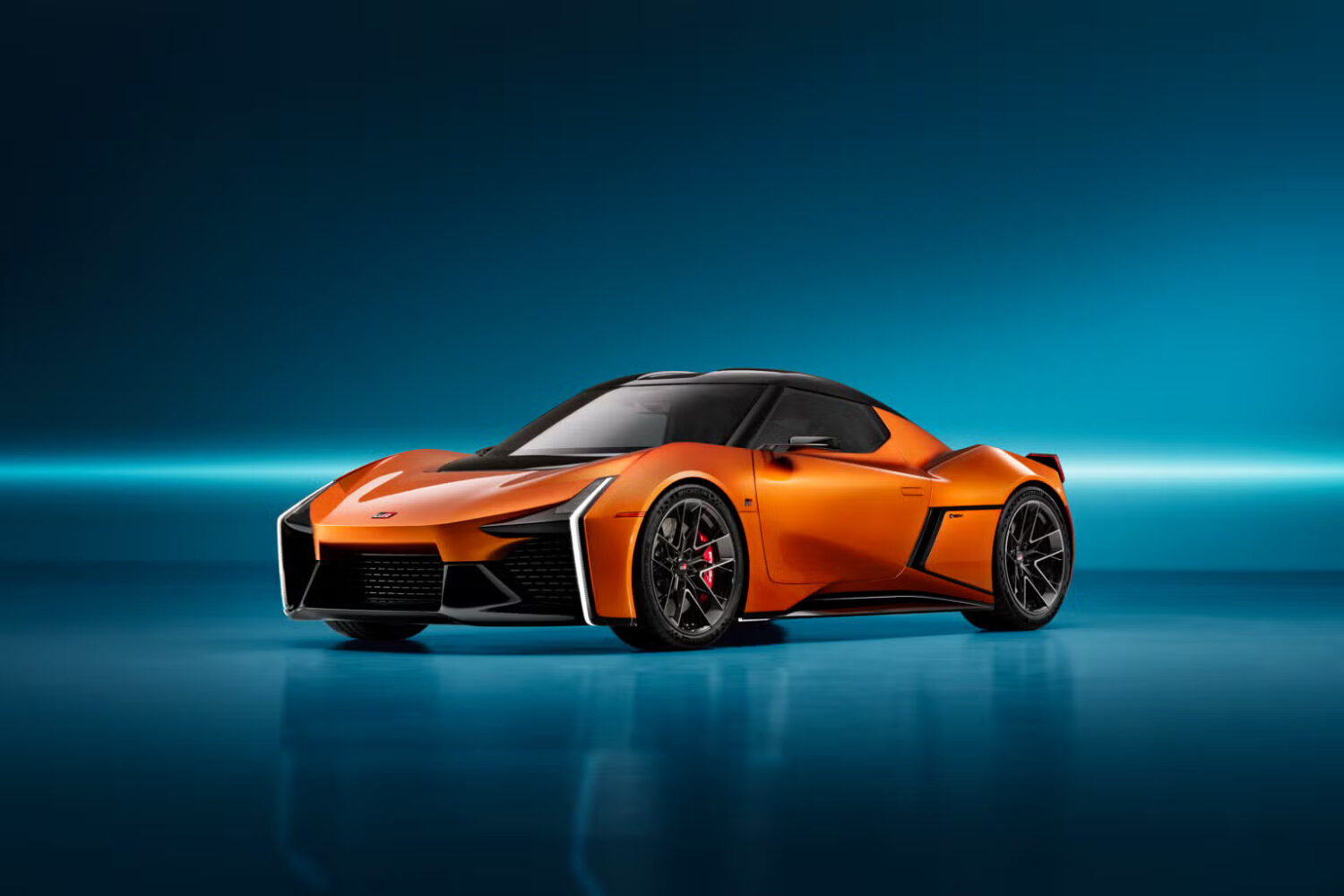
Mid-engine. All-wheel drive. Four hundred horsepower from a turbocharged four-cylinder that Toyota engineers say can “easily” reach 600 hp with a bigger turbo. And it might not even wear a Toyota badge. According to multiple outlets Toyota Gazoo Racing is targeting a 2028 launch for a compact sports car widely tipped as a GR MR2 revival, though Toyota has not officially confirmed that name. The hardware is real. The prototypes exist. This isn’t concept-car theater. For broader context on JDM cars worth watching, the performance landscape around this segment has rarely been more compelling.
The Engine That Changes the Argument
Toyota’s G20E four-cylinder rewrites what’s possible from two liters and a single turbo.
The G20E is a 2.0-liter turbocharged four-cylinder evolved from the G16E-GTS — the 300 hp unit that made the GR Yaris the most technically interesting hot hatch of the past decade. The jump in displacement sounds modest; the jump in output is anything but. Road trim reportedly targets 400–450 hp, which lands squarely alongside the Mercedes-AMG M139 — the 416–421 hp benchmark currently found in the A45 S and widely regarded as the high-water mark for series-production four-cylinder performance. This territory is also where the 400-HP Barrier has become the defining threshold for serious sports car credibility. The G20E’s ceiling, according to Toyota engineers speaking to Auto Motor und Sport, sits at around 600 hp in motorsport configuration with a larger turbocharger. Worth noting: some sources cite closer to 500 hp in racing applications, so that upper figure reflects the engine’s reported potential rather than a locked production spec.
What’s confirmed or consistently reported so far:
- Mid-engine layout with AWD expected — designed to eliminate the original MR2’s notorious snap-oversteer without neutering handling feel
- G20E engine: 400–450 hp in road trim, reportedly easily reach 600 hp in motorsport tune with a larger turbocharger
- A hybrid system is likely included, primarily to satisfy European emissions regulations rather than replace combustion character
- Design reference is the FT-SE concept — originally presented as an EV preview, now widely cited as the production car’s styling template
- Toyota has not officially confirmed the MR2 name; some reporting suggests a Celica badge remains a possibility
Toyota Gazoo Racing boss Tomoya Takahashi has been candid about what the original MR2 got right — and what made it punishing for drivers who misjudged it.
“What made the car turn so well also let it spin out easily on corners.” — Tomoya Takahashi, Toyota Gazoo Racing
AWD on a mid-engine platform isn’t about grip-at-all-costs logic. Concentrating mass centrally reduces strain on the front axle, cuts understeer, and — according to Toyota’s own stated rationale — minimizes tire wear while making 400 hp genuinely usable on a public road. Takahashi’s stated priority for the new car is pointed: the first thing drivers notice should be how well it turns. That’s a specific, honest design brief, and it signals that accessibility of performance matters as much as the power figure itself.
The badge question remains open. MR2 versus Celica is genuinely unresolved in current reporting. More consequential, perhaps: GR may sell this car without Toyota badges entirely, operating as a standalone performance marque in the way BMW M does. That’s not a cosmetic detail — it’s a brand architecture decision with implications for everything GR builds next.
GR as a Brand, Not a Sticker
Toyota is using a mid-engine halo car to answer a harder question about its own identity.
The G20E is reportedly flexible enough — transverse or longitudinal, front- or mid-mounted — to potentially underpin future Celica variants and even the next-generation Supra, though Toyota has not confirmed those applications. In an era where BMW M, AMG, and Hyundai N are all anchoring increasingly electrified mainstream lineups with combustion halo products, the GR MR2 revival reportedly represents Toyota’s clearest answer yet to whether it still prioritizes the act of driving. Based on the hardware in development, that answer appears to be yes.
Three things to watch before 2028: the formal name confirmation, the hybrid system specifics — plug-in or mild, and where the e-motor sits — and whether the production car actually resembles the FT-SE. That concept is sharp and low-slung. If the production car stays close to that shape, the conversation around Japanese performance gets very interesting, very quickly. Shoppers tracking the 2028 arrival may also want to consult a broader guide to cars coming in the near term for useful comparison benchmarks.