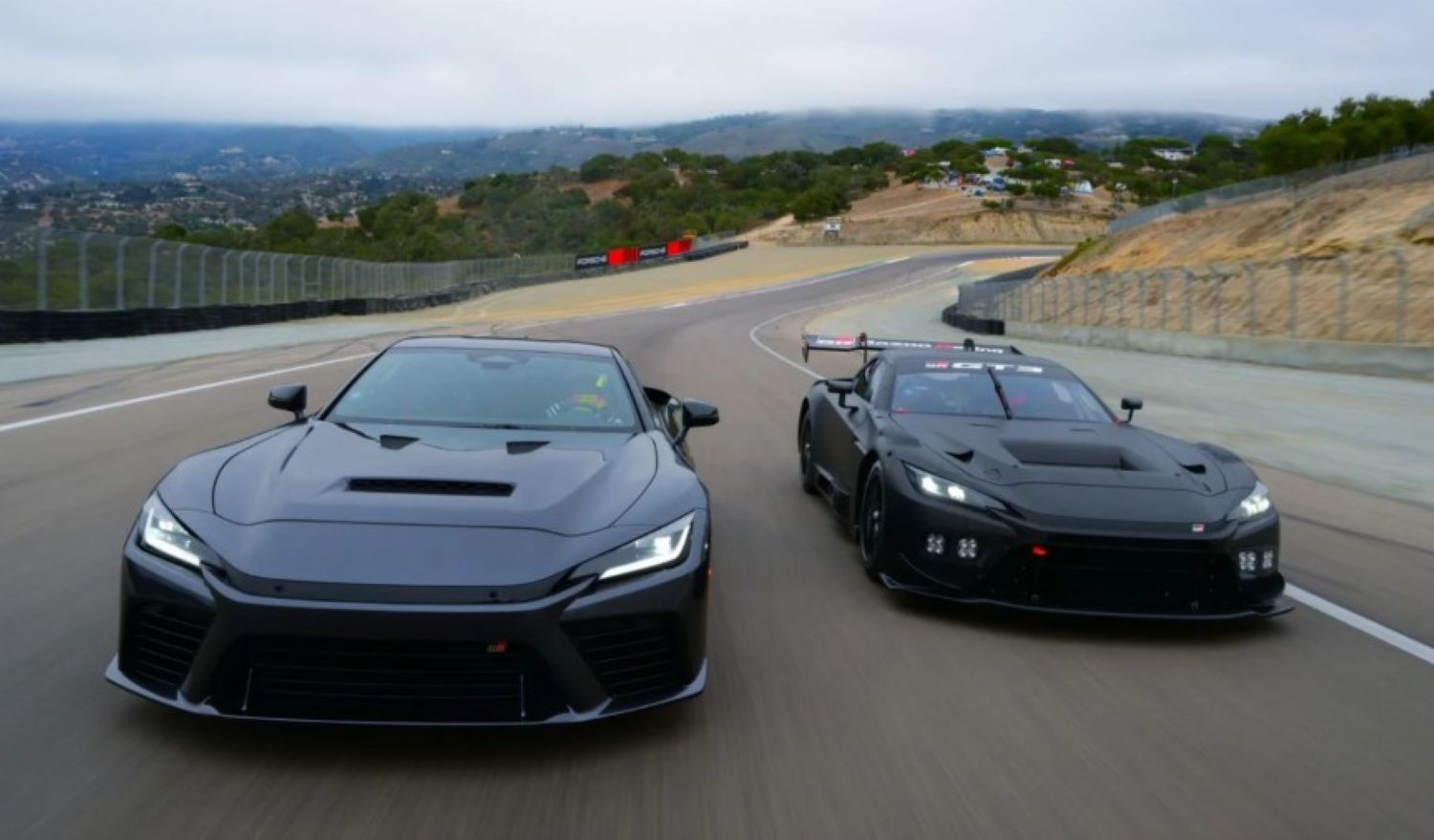


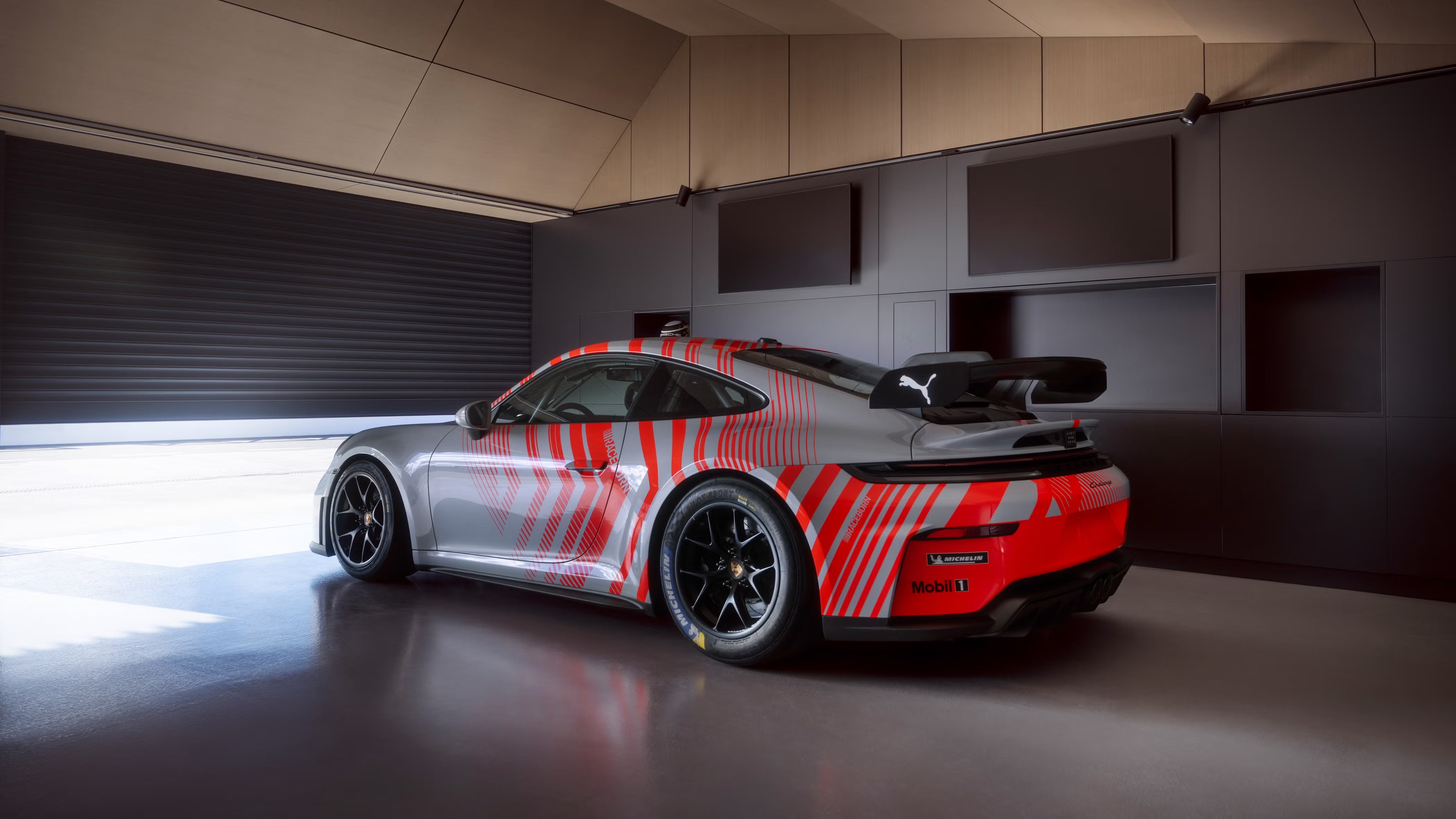
“Entry-level” and $275,000 rarely belong in the same sentence. Porsche just put them there anyway. The newly announced 911 Challenge is a dedicated GT3-based race car — no airbags, no registration, no apologies — priced at $275,000 delivered in the U.S. It replaces the 718 Cayman GT4 RS Clubsport as the bottom rung of Porsche’s customer racing ladder, steps in ahead of the $375,500 GT4 R, and slots into one-make series competition starting in 2027. The Cayman platform exited. Club racers needed somewhere to go. The 911 Challenge is where they land.
What $275,000 Actually Buys You
Strip out the street car. Build in a race car.
The road-going GT3’s interior is gone — airbags, sound deadening, decorative trim, all of it. What goes in: an FIA-spec roll cage, fire suppression system, 29-gallon fuel cell, integrated air-jack system, and an adjustable racing seat. The 4.0-liter naturally aspirated flat-six carries over, bumped from 502 to 508 hp through a less-restrictive exhaust (catalytic converter and muffler retained), with a 9,000 rpm redline. Power goes through a seven-speed PDK — no manual option exists here. Wheels are 18-inch five-bolt wheels on racing slicks, deliberately not center-lock: cheaper parts, simpler tools, lower costs for privateers budgeting a full season.
- 508 hp at 8,500 rpm; 9,000 rpm redline from the 4.0L flat-six
- Seven-speed PDK; rear-wheel drive only
- 18-inch five-bolt wheels on racing slicks — cost-reduction by design
- Air conditioning retained, a genuine asset during endurance stints
- ABS, traction control, stability control, and Porsche Torque Vectoring Plus, all tuned for track use to help less-experienced drivers manage the car’s performance
The “Entry-Level” Math, Honestly
Relative to what, exactly — and does the number hold up?
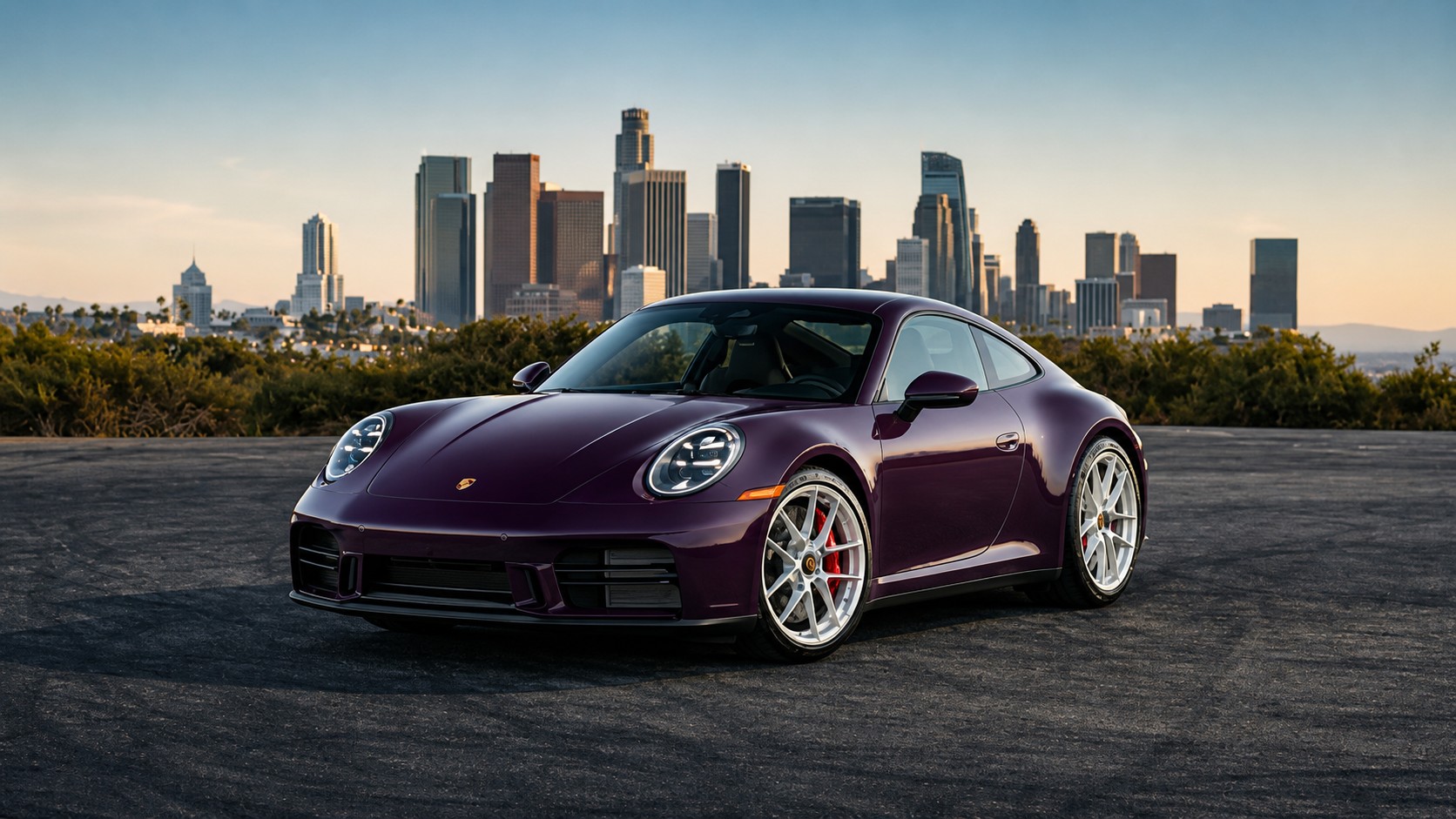
At $275,000, this car sits roughly $37,000 above a GT3’s list price. Except GT3s rarely transact at list — dealer markups have been brutal — and a road car still needs significant safety work before it belongs on a race circuit. The GT4 R costs $375,500. So within Porsche’s own ecosystem, “entry-level” is defensible, even if the phrase lands like a joke at a dive bar.
The Cayman’s exit left a genuine structural gap. The 911 Challenge fills it and tidies Porsche’s brand story: all four GT customer race cars are now 911-based, which simplifies development costs in Stuttgart and sharpens the message for buyers. Those drawn to exotic cars should note that Porsche Motorsport describes the car as offering “professional motorsport without compromise” — language that comes directly from their own press materials, not an independent verdict.
Who Actually Buys This
First deliveries go to racers, not collectors.
Initial 2027 cars are prioritized for entrants in the:
- Porsche Sprint Challenge North America
- Endurance Challenge North America
- Sprint Trophy Porsche Club of America
- Sprint Trophy Porsche Owners Club
Later allocations reach track-day customers. Orders go through Porsche Motorsport directly — this is a factory-backed motorsport product, not a dealer-lot offering.
The buying process mirrors a Michelin-starred tasting menu at a fixed price: no negotiation, full commitment, full trust in the kitchen.
For the driver weighing a marked-up GT3 plus the cost of race-spec safety modifications against a factory-built car with homologation already sorted, the 911 Challenge is the rational call. That’s Porsche’s pitch. At $275,000, the absurdity is real — and so is the logic.