

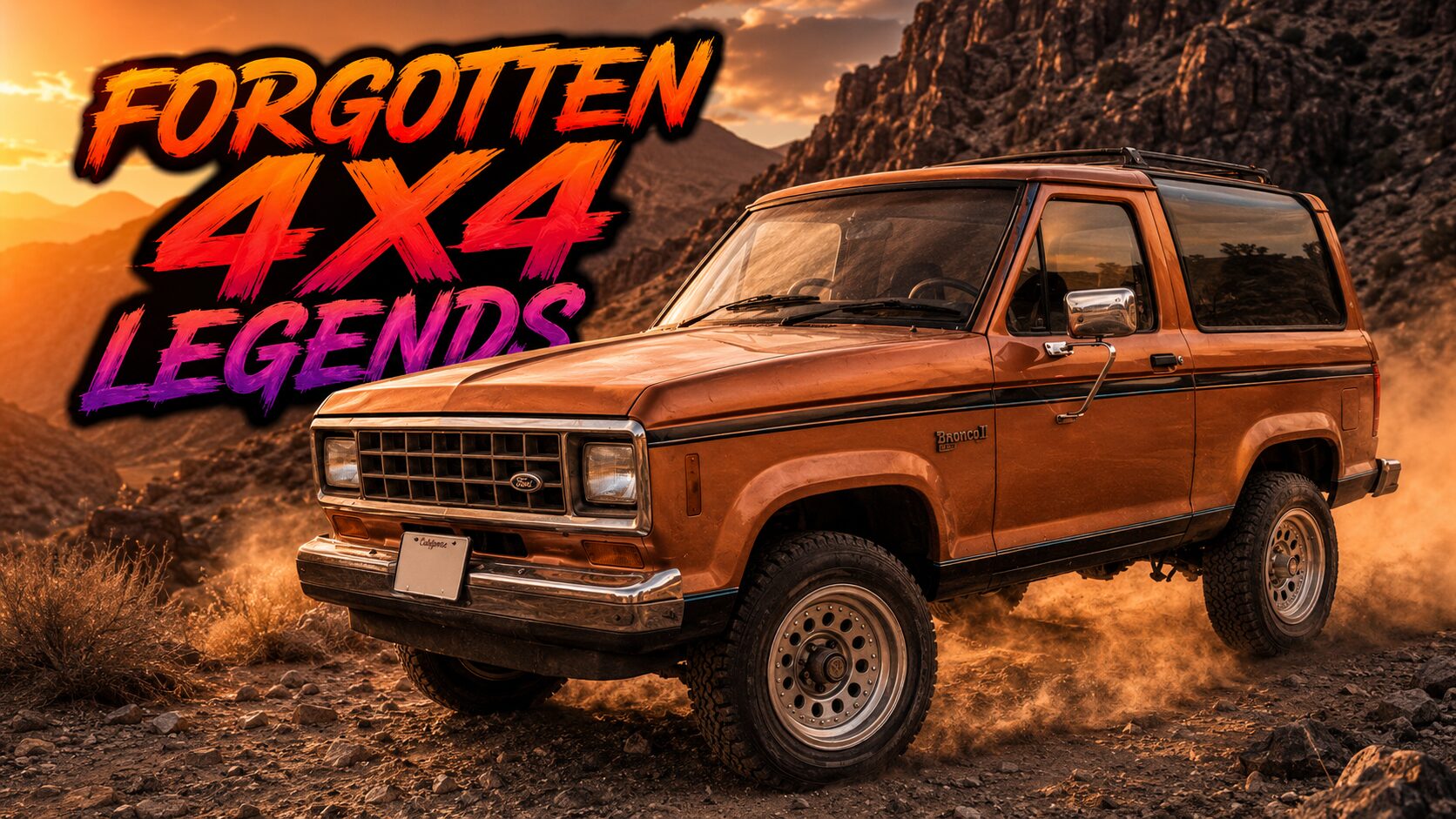
The vehicles that established American off-road capability are not the ones currently generating search traffic. The Wrangler and the Bronco get the coverage, but the Jeep Gladiator pickup ran from 1962 to 1988 with almost no public awareness of its existence. The International Harvester Scout outsold expectations for nearly two decades before IH exited the consumer vehicle market entirely. The Dodge Power Wagon came directly from World War II military surplus engineering and remained in production until 1980. These 18 machines built the mechanical foundation that modern off-road vehicles reference in their marketing — and most of them are genuinely unknown to buyers whose off-road education started with a Wrangler. For more context on what the category has produced beyond the mainstream, these all-terrain vehicles extend the picture further.
18. Jeep Cherokee SJ (1974-1983) Exterior
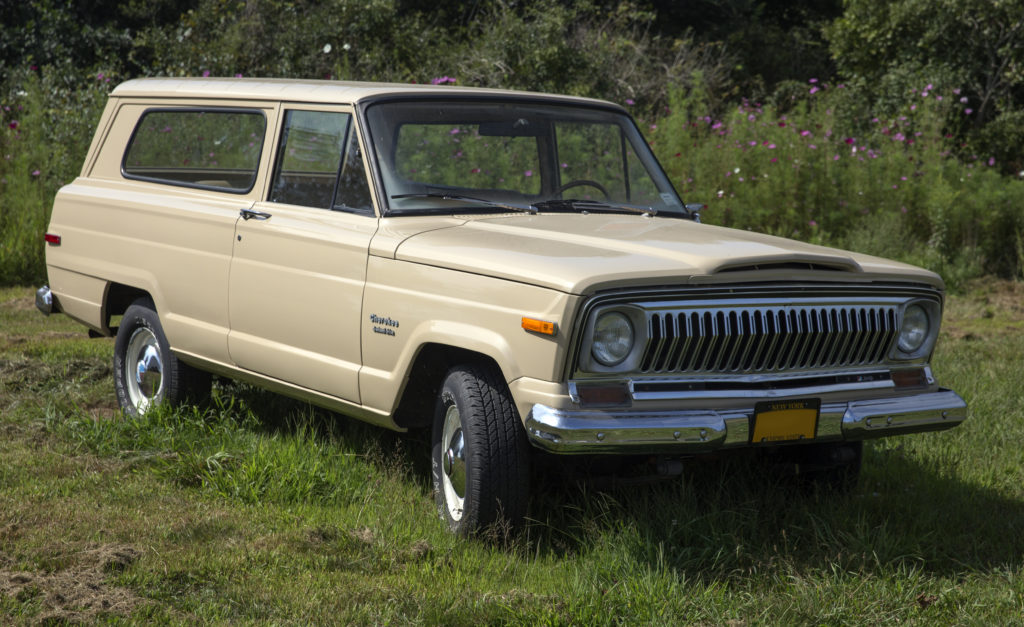
The Cherokee SJ sits between the Wagoneer’s full-size proportions and the CJ’s stripped-down approach — a two-door configuration with enough width in the track to communicate stability rather than compromise. The Cherokee Chief package added graphics and trim that read as intentional rather than afterthought. Chrome bumpers and clean body lines have aged better than most 1970s American vehicle design, specifically because they avoided the era’s tendency toward excessive decoration. The upright proportions that looked utilitarian then look honest now.
Jeep Cherokee SJ (1974-1983) Interior
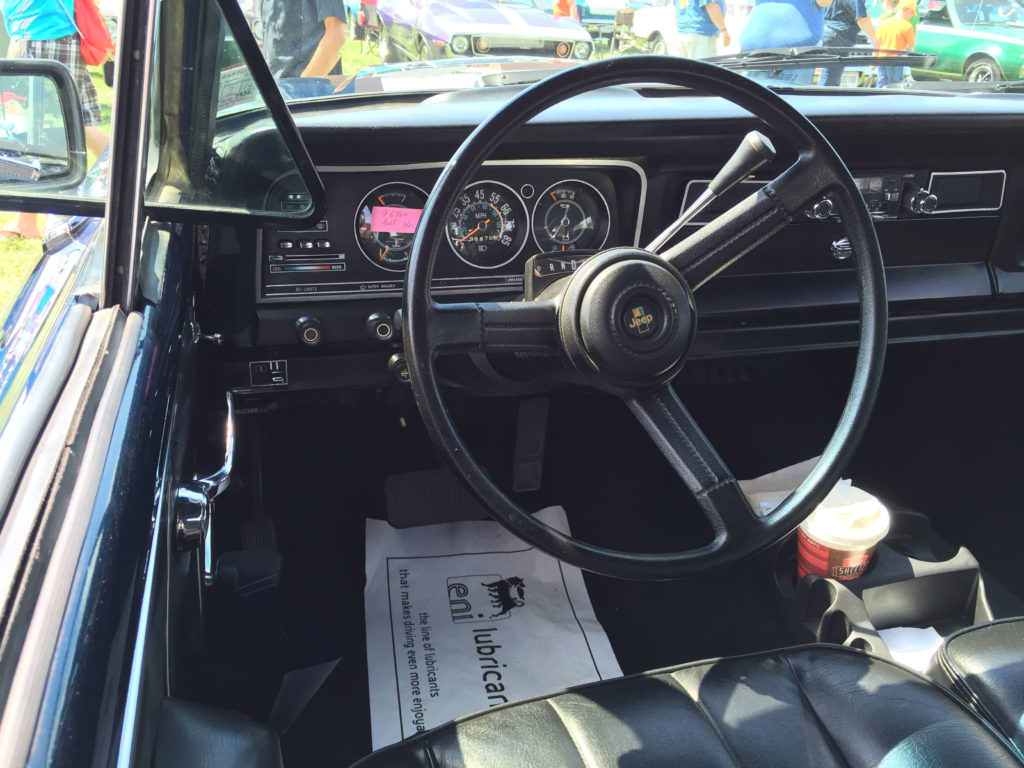
The cabin offered genuine comfort options — air conditioning, power accessories, wood grain trim — without losing the material durability required for vehicles that spent time in actual outdoor conditions. Seats handled long highway miles and trail hours without demanding a choice between the two. The dashboard layout placed gauges and controls at logical positions rather than aesthetic ones. Jeep’s heritage reputation was built in part on cabins that worked in both contexts simultaneously, and the SJ Cherokee delivered that balance consistently across its production run.
17. Ford M151 MUTT (1959-1982) Exterior
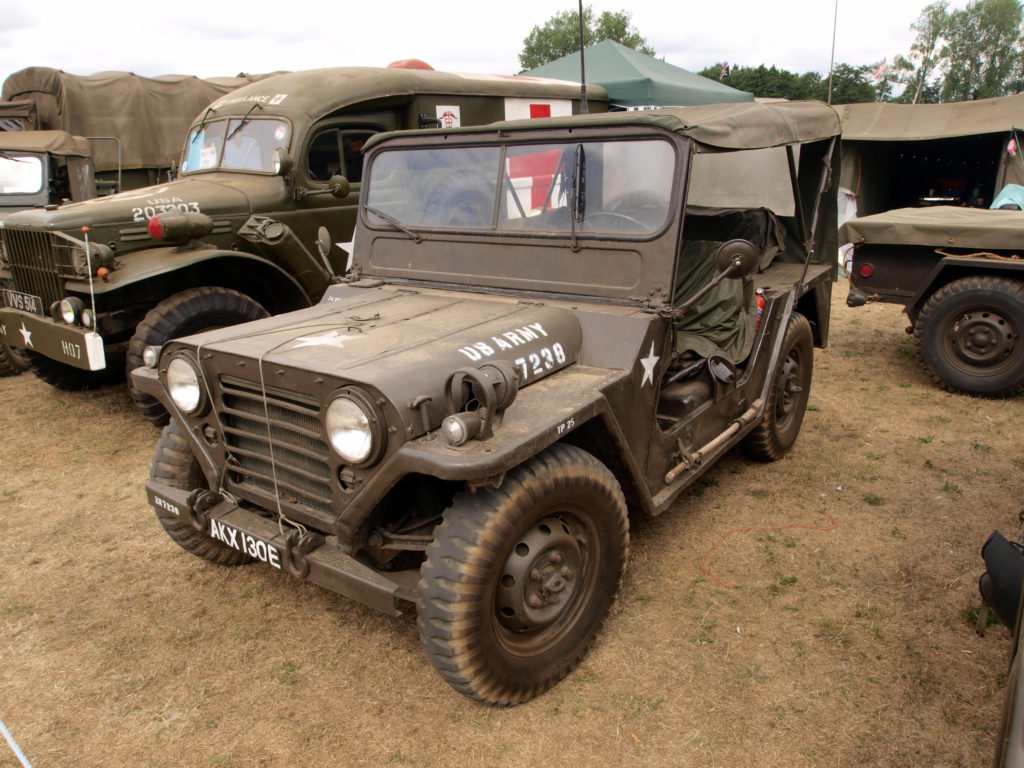
The M151 MUTT was Ford’s replacement for the wartime Jeep, built to military specification from 1959 through 1982. Independent suspension on all four corners improved on-road handling over the solid-axle military vehicles it replaced, which was the specific engineering argument for the platform change. Minimal body panels kept weight down and manufacturing complexity low. The olive drab finish and utilitarian details were not aesthetic choices — they were procurement requirements that produced a vehicle whose appearance has remained consistent with its engineering for over six decades.
Ford M151 MUTT (1959-1982) Interior
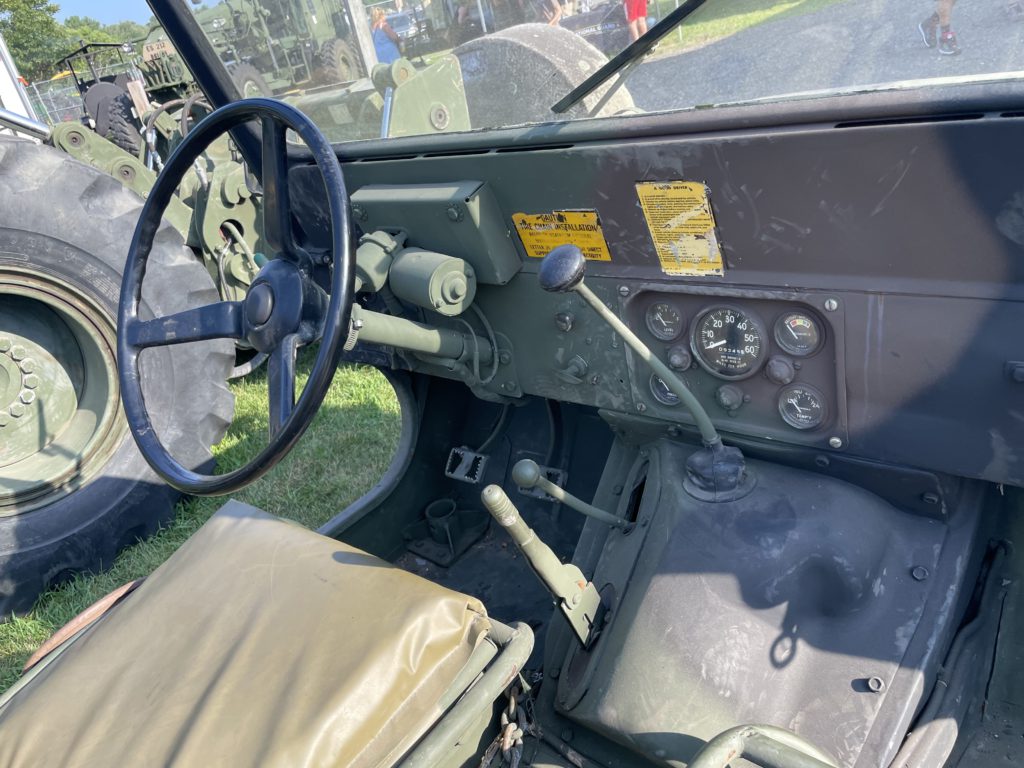
Two-seat configuration with a fold-down windshield, basic weather protection, and controls operable with heavy gloves in cold field conditions. Every interior decision was a military specification requirement rather than a comfort consideration. The spartan layout reflects priorities that are difficult to argue with: reliability in harsh conditions, ease of maintenance in the field, and operation by personnel whose primary concern was not the quality of the ride. The M151’s interior is honest about what the vehicle was built to do, which is more than most vehicles can claim.
16. International Harvester Scout (1961-1980) Exterior
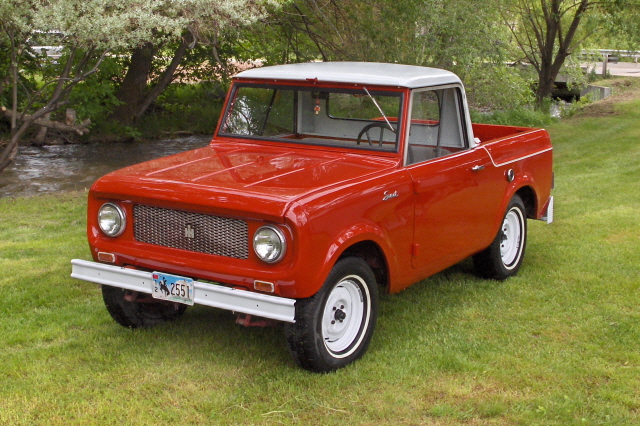
The Scout came from a farm equipment company that understood working machinery — which is visible in the design. Clean, honest lines without decorative elements that serve no structural purpose. The removable top and fold-down windshield enabled genuine open-air operation rather than a sunroof simulation. Practical bumpers handled trail contact without cosmetic consequences. The proportions are compact enough for tight trails while substantial enough to carry meaningful payload — a balance that purpose-built off-road vehicles frequently sacrifice in one direction or the other.
International Harvester Scout (1961-1980) Interior
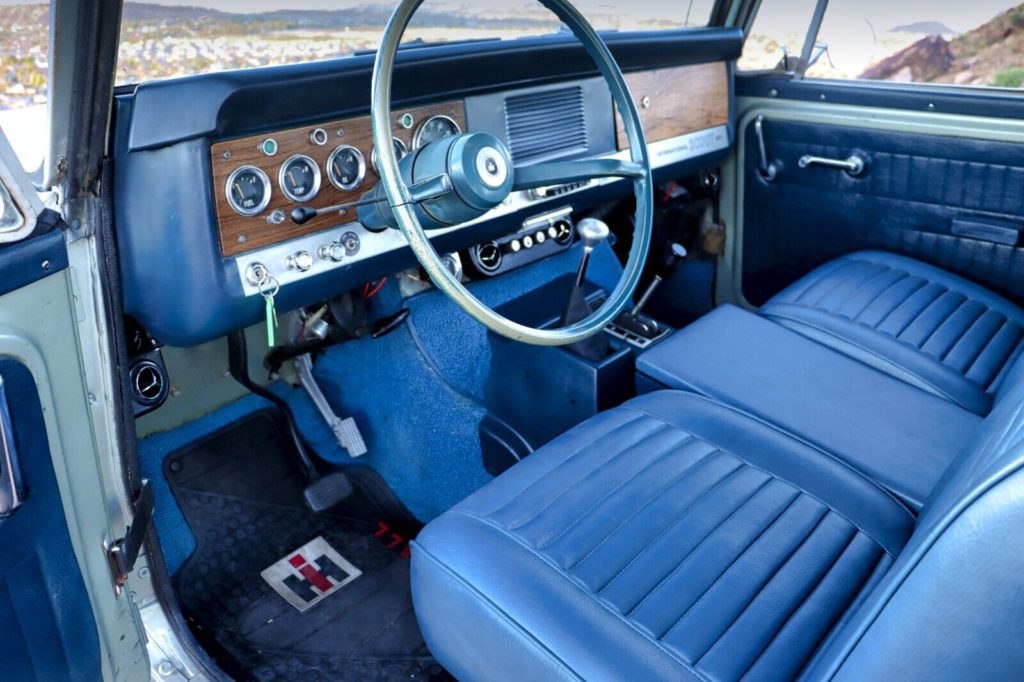
IH’s agricultural equipment background is evident in the Scout’s cabin approach — vinyl seating designed for abuse, a dashboard layout that positions gauges where the driver can read them rather than where they photograph well, and manual windows and locks that eliminate the electrical complexity that creates field repair problems. The farm equipment DNA is not a limitation; it is the reason the Scout’s cabin held up to actual outdoor use in a way that many recreational vehicles of the same era did not.
15. Chevrolet S-10 Blazer (1983-2005) Exterior
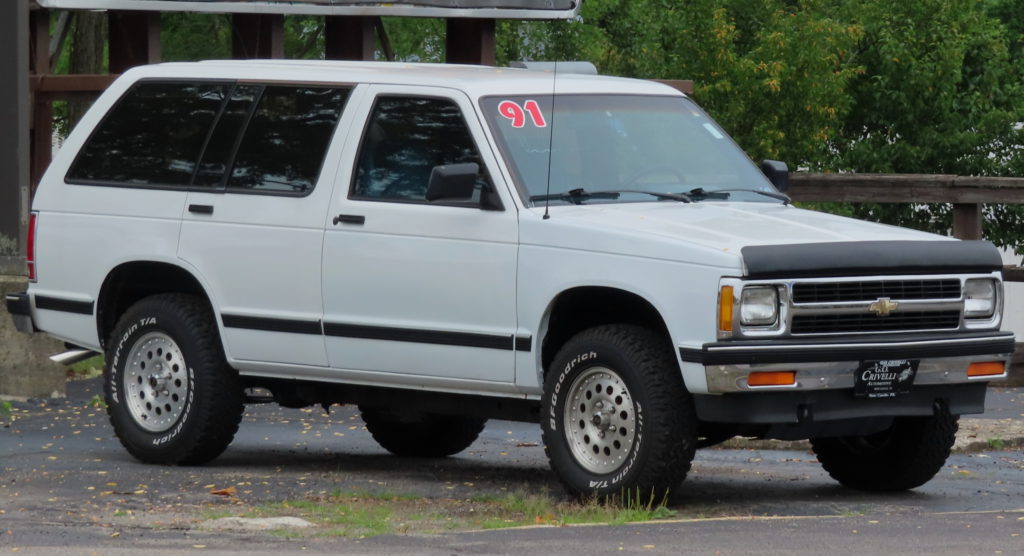
The Chevrolet S-10 Blazer downsized the full-size K5 formula into a package that worked for buyers who needed off-road capability without full-size dimensions. The removable top maintained the open-air option that defined its predecessor. The ZR2 package added wider tracks and increased suspension travel — genuine capability improvements rather than appearance modifications. Clean body lines across the 22-year production run avoided period-specific styling decisions that would have dated it faster. The S-10 platform’s longevity reflects how well the proportion balance worked from the start.
Chevrolet S-10 Blazer (1983-2005) Interior
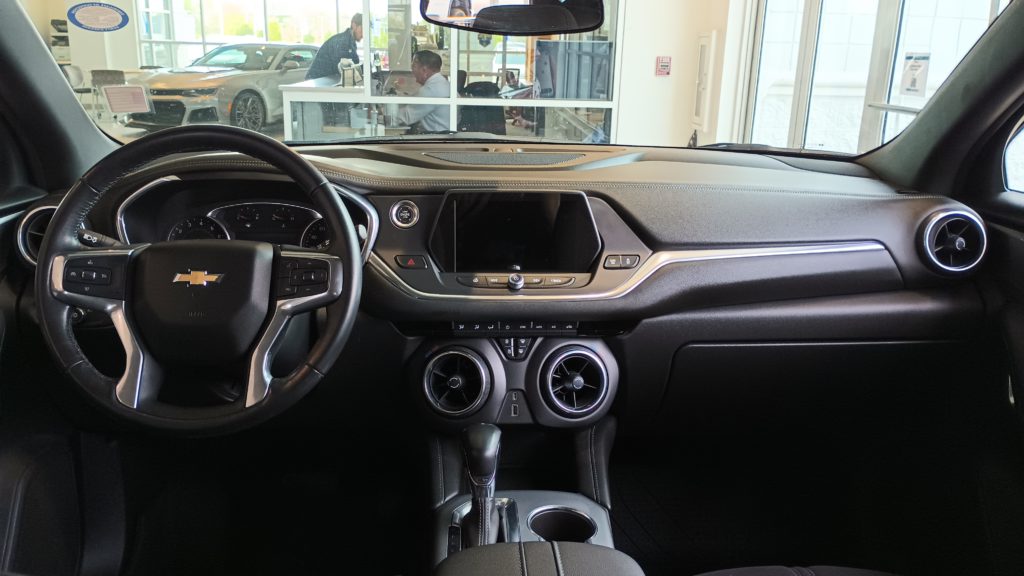
The compact cabin made efficient use of the S-10’s smaller footprint — supportive seats that handled both daily commuting and weekend trail use, a dashboard layout reflecting GM’s practical approach to control placement, and simple systems that accumulated reliable service records across a long production span. The interior proved that compact dimensions do not require compromise when the design priority is user function rather than feature volume. The S-10 Blazer’s cabin delivered what buyers actually needed from the space available.
14. Jeep Wagoneer (1963-1991) Exterior
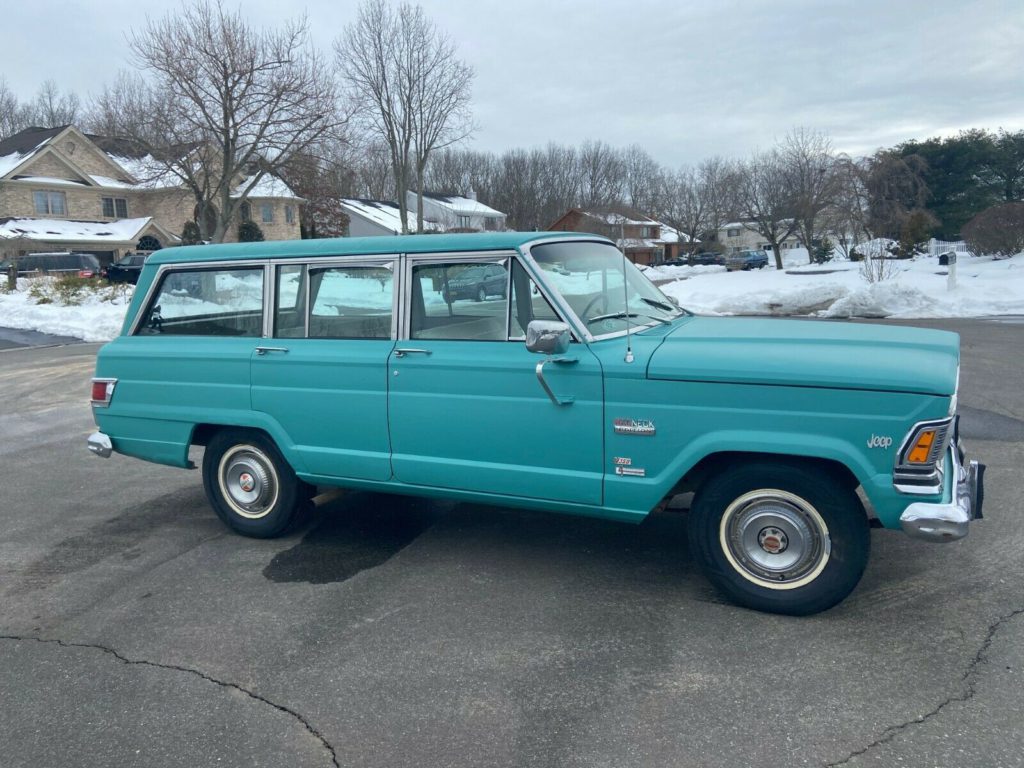
The Wagoneer invented the luxury SUV category in 1963 and held it for 28 years — a production run that reflects how accurately the original design identified what the market wanted before the market knew it wanted it. Wood paneling, chrome trim, and upscale proportions arrived on a body-on-frame platform with genuine 4×4 capability underneath. The design balanced rugged utility with upscale appeal at a time when those two attributes were considered mutually exclusive, and it established the visual template that premium SUV design has referenced ever since.
Jeep Wagoneer (1963-1991) Interior
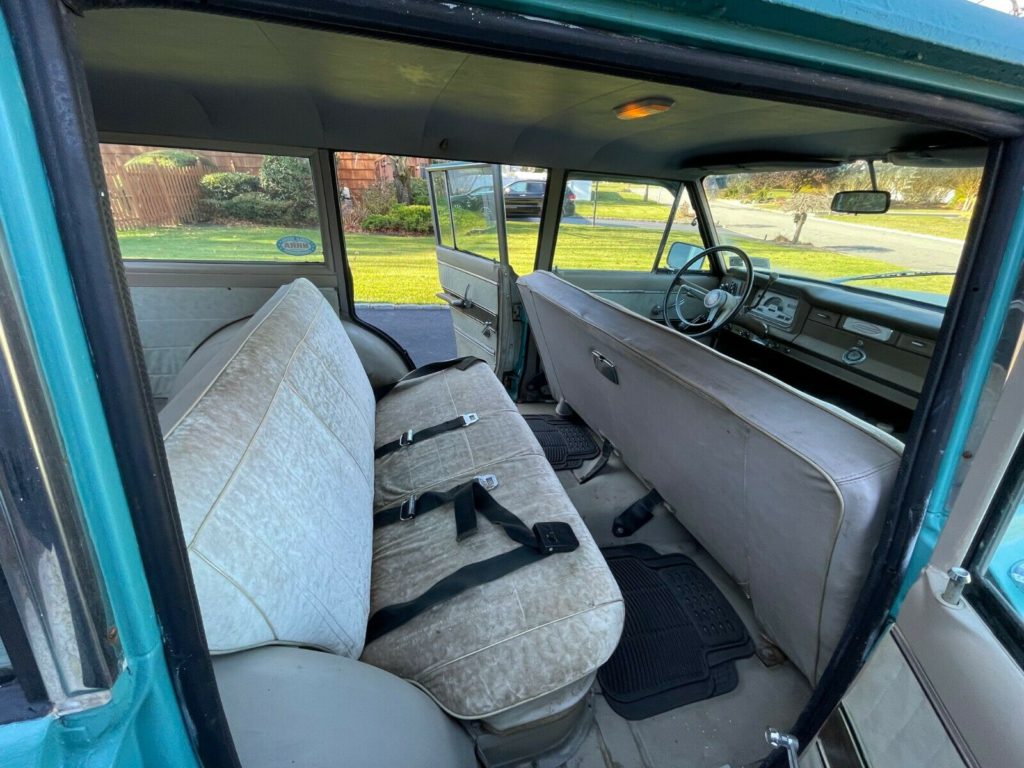
Leather seating, wood grain dashboard trim, air conditioning, and power accessories in a vehicle with genuine off-road capability — the Wagoneer’s interior made the argument that comfort and 4×4 function were compatible before that argument had been successfully made by anyone else. The cabin established the template that luxury SUV interiors have followed through every subsequent generation, which is the specific reason the Wagoneer deserves a position on this list rather than simply credit for longevity.
13. Dodge Ramcharger (1974-1993) Exterior
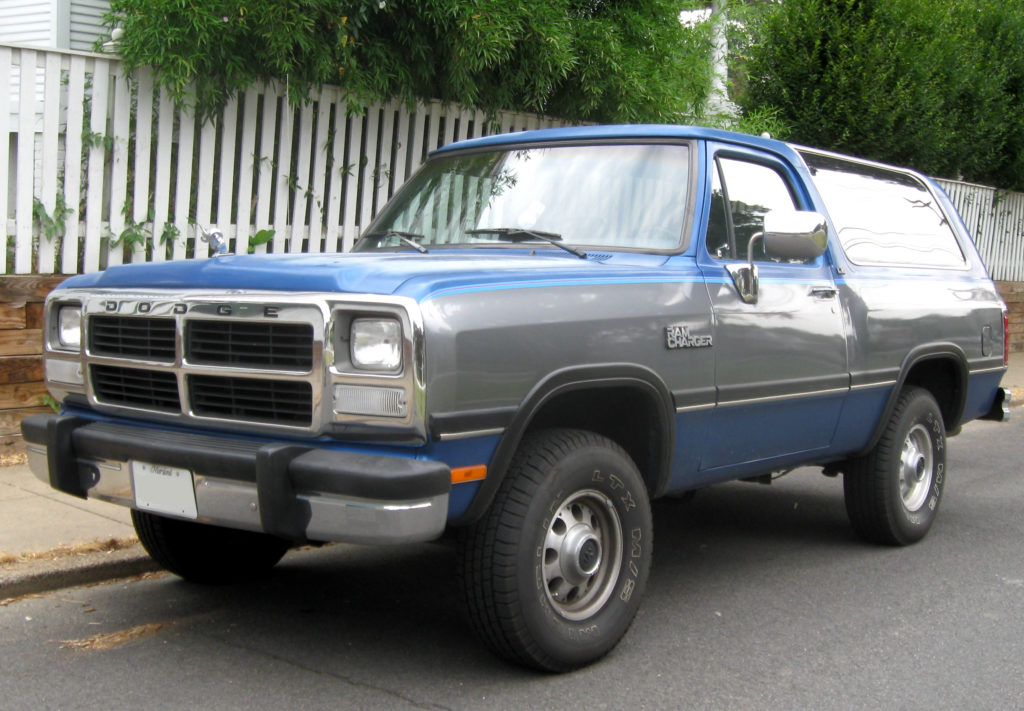
The Ramcharger’s removable top section was a production engineering solution rather than a lifestyle feature — it converted the vehicle between enclosed and open configurations without structural compromise. The high beltline and upright stance produced a commanding driving position and a visual presence proportional to the truck-based platform underneath. Chrome bumpers and minimal additional trim kept the exterior honest about what the vehicle was built to do. The Ramcharger ran for 19 years because the formula worked, not because Dodge updated the styling to chase whatever the competition was doing.
Dodge Ramcharger (1974-1993) Interior
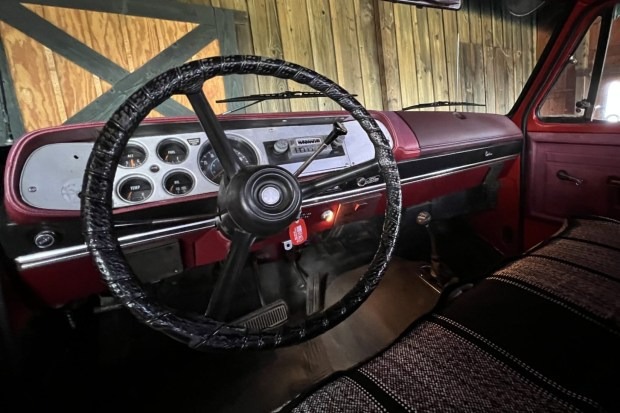
Truck-based underpinnings are visible throughout the cabin — bench seating for three, gauges positioned for function, manual controls, and straightforward systems that accumulated long service records because there was little complexity to fail. The Ramcharger’s interior was designed for buyers who needed the truck’s capability rather than its image, which produced a cabin that held up to actual use better than many of its contemporaries whose interiors prioritized appearance over durability.
12. Jeep CJ-10 (1981-1985) Exterior
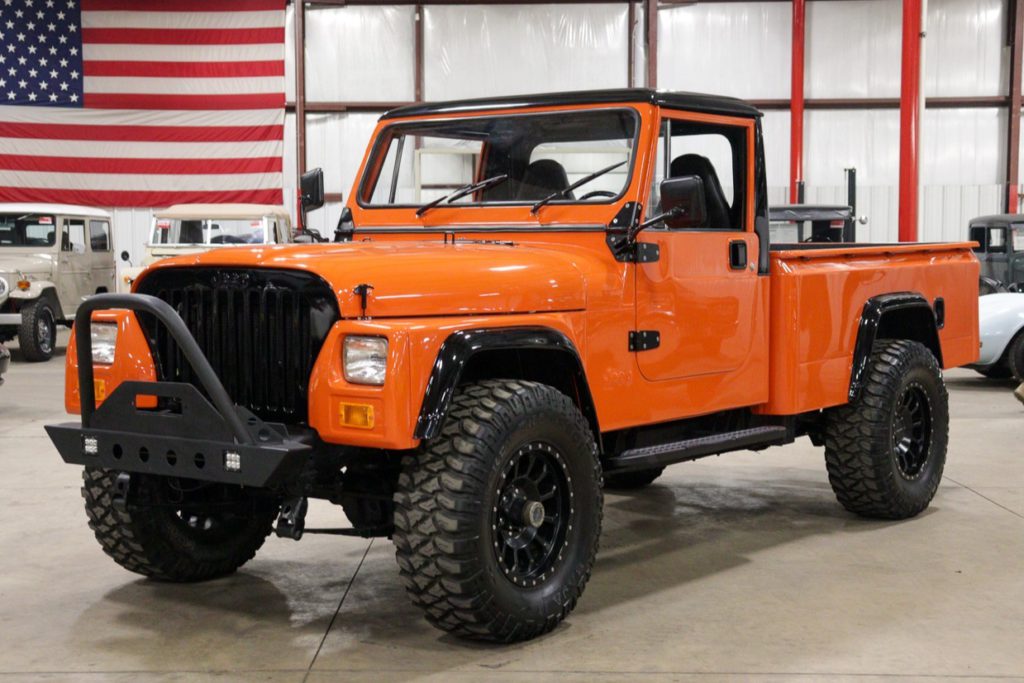
The CJ-10 was a factory pickup variant of the CJ series — a short production run from 1981 to 1985 that makes surviving examples genuinely rare. Square headlights and the distinctive fiberglass bulge hood created visual differentiation from other CJ variants. Pickup proportions gave the CJ-10 a bed without the full-size Gladiator’s dimensions, producing a compact work truck with CJ-lineage off-road capability. Every exterior element serves a practical function, which is the CJ design language applied to pickup format without compromise.
Jeep CJ-10 (1981-1985) Interior
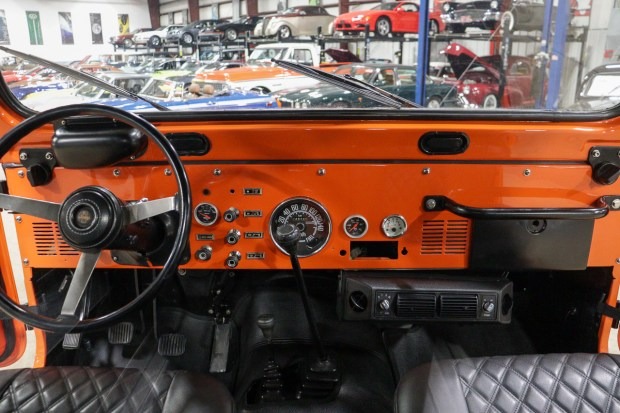
Utilitarian cabin with durable materials, a simple dashboard with essential controls within reach, and manual systems throughout. Two-seat configuration prioritizes payload over passenger capacity, which is the correct hierarchy for a work-oriented platform. The CJ-10 interior makes no claims beyond what it delivers — it is a work truck cabin designed for work truck use, without the luxury positioning that would have diluted the vehicle’s purpose and raised its price beyond the market it addressed.
11. International Harvester Travelall (1953-1975) Exterior
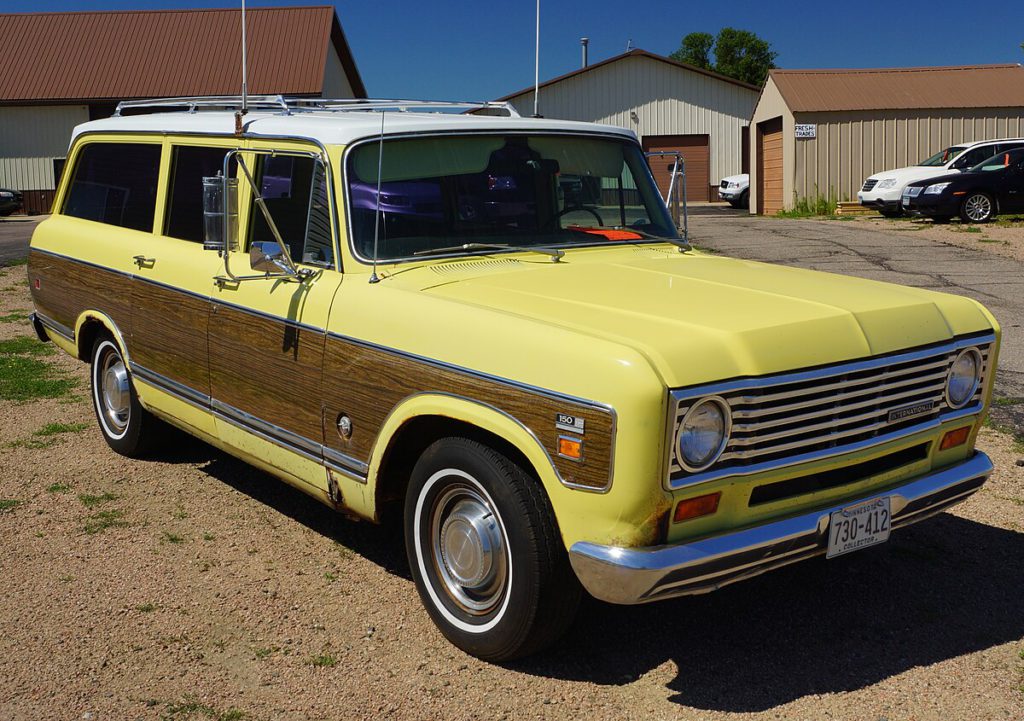
The Travelall predated the Wagoneer by a decade as a full-size wagon built on truck underpinnings, produced from 1953 through 1975. The long wheelbase provided stability on highway miles while the IH truck platform underneath delivered towing and payload capacity. Chrome trim and clean body lines reflect the design standards of an era when manufacturers understood that honest proportions age better than period-specific styling details. The Travelall established what a large-capacity family wagon with genuine work capability could look like before the Wagoneer formalized the category.
International Harvester Travelall (1953-1975) Interior
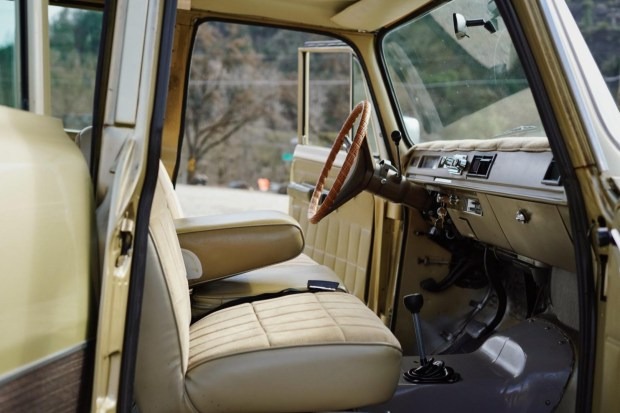
Eight-passenger capacity in a package that actually works — bench seating across three rows with materials durable enough to survive the use patterns a vehicle of this size and capability attracted. Dashboard gauges positioned for readability rather than aesthetics. The Travelall’s interior addressed the specific needs of large families who also needed a work-capable vehicle, which was the majority of its buyer base. It is a genuinely functional people-mover built on a platform with the structural integrity to back up its passenger claims.
10. Ford Bronco II (1984-1990) Exterior
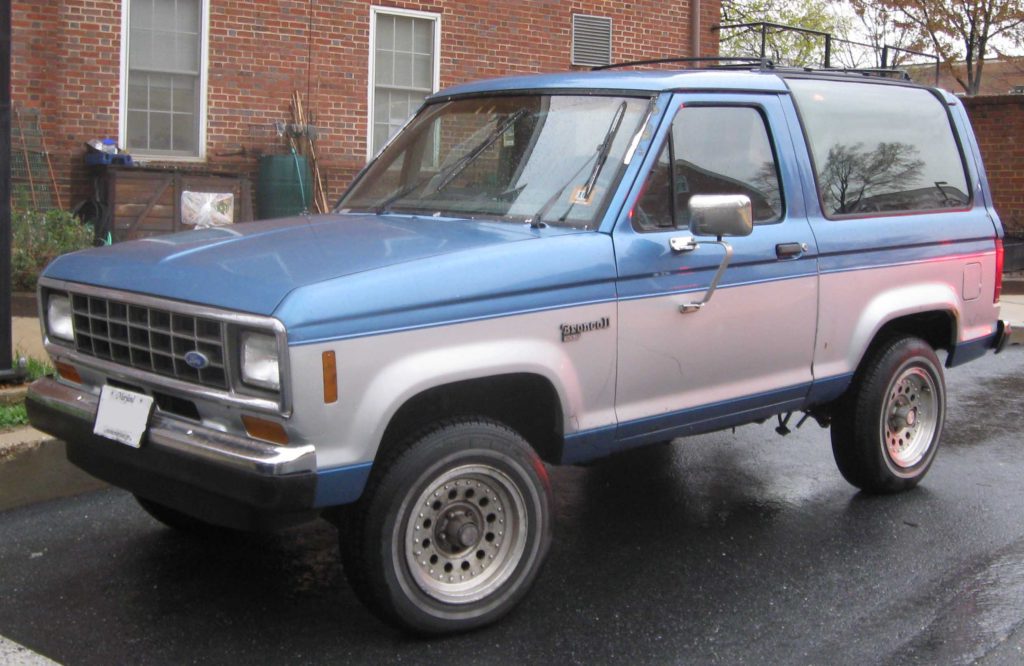
The Bronco II brought the full-size Bronco’s formula into compact dimensions — short enough for urban maneuverability, capable enough for genuine trail use, and priced within reach of buyers who could not afford or justify the larger platform. The Ranger-based underpinnings provided a proven mechanical foundation. Clean 1980s body lines avoided the period’s worst design excesses. The Bronco II’s rollover record is part of its history, a consequence of the high center of gravity inherent to the short-wheelbase configuration that also made it trail capable — a tradeoff that the NTSB documented and Ford eventually addressed through production changes.
Ford Bronco II (1984-1990) Interior
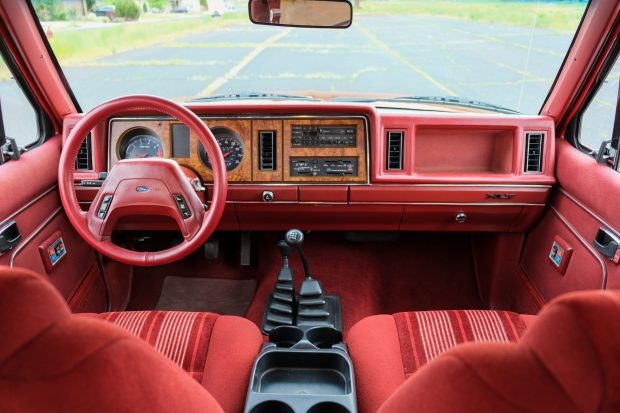
The Ranger-based interior layout is visible in the control positioning and dashboard architecture — familiar to Ford truck buyers of the era and reliable across the production run. Seating handled both daily commuting and weekend trail use without demanding specialization in either direction. The 1980s aesthetic has held up better than the decade’s more aggressively styled contemporaries because the Bronco II’s interior prioritized function over the period’s tendency toward decorative complexity.
9. Jeep Gladiator (1962-1988) Exterior
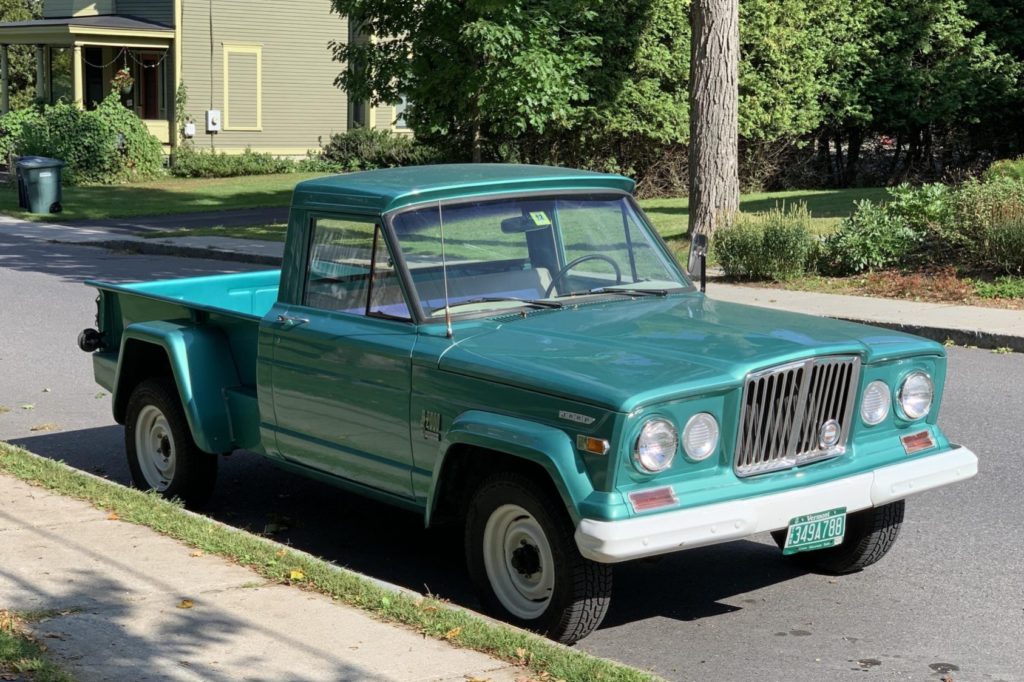
The original Gladiator — not the current model that borrowed the name — ran from 1962 to 1988 as Jeep’s full-size pickup offering, sharing Wagoneer underpinnings in shortened pickup format. Two bed configurations addressed different buyer priorities: the Thriftside’s narrow stepped-side bed for those who valued appearance, and the Townside’s full-width bed for those who valued cargo space. Chrome trim and simple grilles gave the Gladiator a presence that reflected genuine capability rather than claiming it through visual aggression. The 26-year production run confirms how well the original format worked.
Jeep Gladiator (1962-1988) Interior
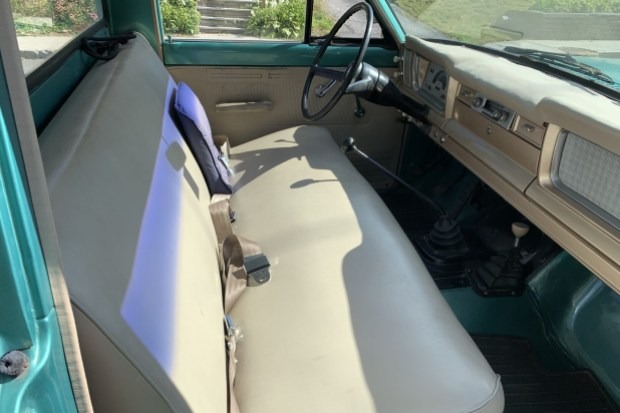
Functional cabin with vinyl seating that handled working conditions without cosmetic consequence, gauges positioned for actual readability, and mechanical controls throughout. The Gladiator’s interior operated without software and started without a key fob — attributes that become assets rather than limitations when the vehicle is used in the conditions it was designed for. The dashboard layout reflects Jeep’s understanding that the buyer who needed a full-size 4×4 pickup in 1962 needed information about the vehicle, not entertainment from it.
8. GMC Jimmy (1970-1991) Exterior
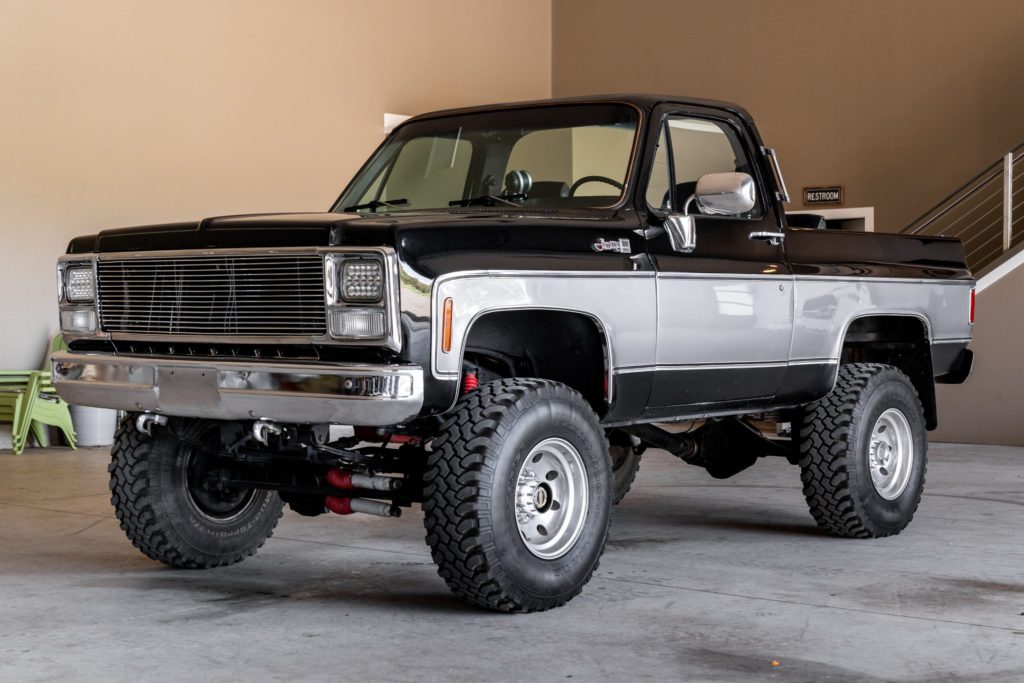
The GMC Jimmy shared its platform with the Chevrolet K5 Blazer while carrying subtle trim and badging distinctions that appealed to buyers who preferred GMC’s positioning over Chevrolet’s. The removable top and clean body lines produced a vehicle that covered the full range of use cases — open-air trail running, enclosed highway travel, and everything between. Chrome trim and compact proportions have aged better than most 1970s-1980s American utility vehicles because the Jimmy’s design avoided the era’s worst decorative excess. The 21-year production run reflects genuine market fit.
GMC Jimmy (1970-1991) Interior
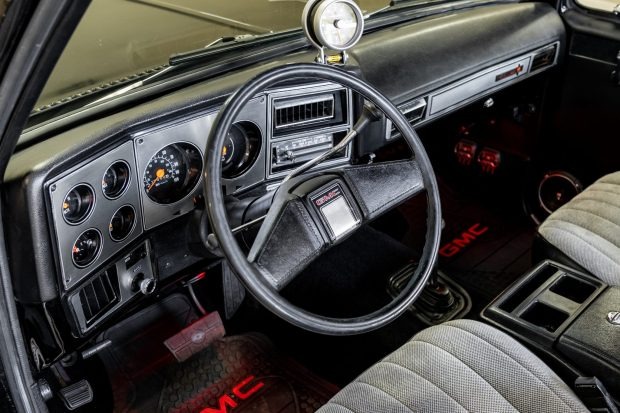
Functionally equivalent to the K5 Blazer’s interior with GMC-specific trim distinctions in material selection and badge placement. Comfortable seating for daily driving and weekend use, intuitive control placement, and reliable simple systems across a long production life. The Jimmy’s interior demonstrates that the difference between GMC and Chevrolet was always primarily positioning rather than engineering — the same capable cabin delivered under a different brand identity to buyers who cared about that distinction.
7. Chevrolet K30 CUCV (1984-1987) Exterior
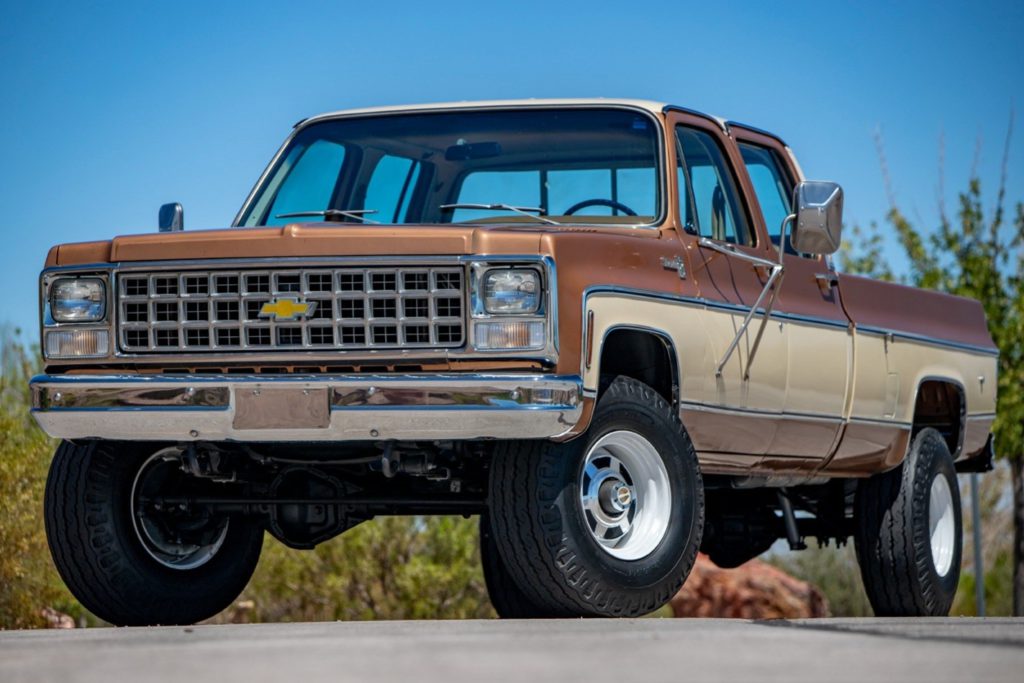
The CUCV — Commercial Utility Cargo Vehicle — was the US military’s procurement of civilian Chevrolet K-series trucks rather than purpose-built military vehicles, an approach that reduced per-unit cost and simplified parts sourcing. Heavy-duty bumpers, military-specification electrical systems, and the square-body styling that the civilian market was already familiar with created a platform that served military requirements without requiring new tooling. The olive drab finish and utilitarian details are procurement specifications rather than design decisions, which produces an exterior that ages without reference to fashion trends.
Chevrolet K30 CUCV (1984-1987) Interior
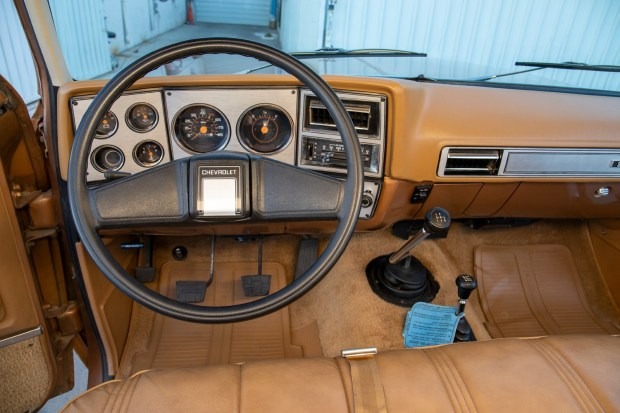
Military-specification cabin with vinyl seating, a 24-volt electrical system, reinforced components throughout, and manual controls across every function. The CUCV interior reflects the military’s specific requirements: reliability in adverse conditions, maintainability in field environments, and operation by personnel who may not have mechanical training beyond basic operator qualification. The spartan execution is the result of deliberate specification rather than cost-cutting, which produces a cabin whose durability record backs up its appearance.
6. Jeep J-Series Trucks (1962-1988) Exterior
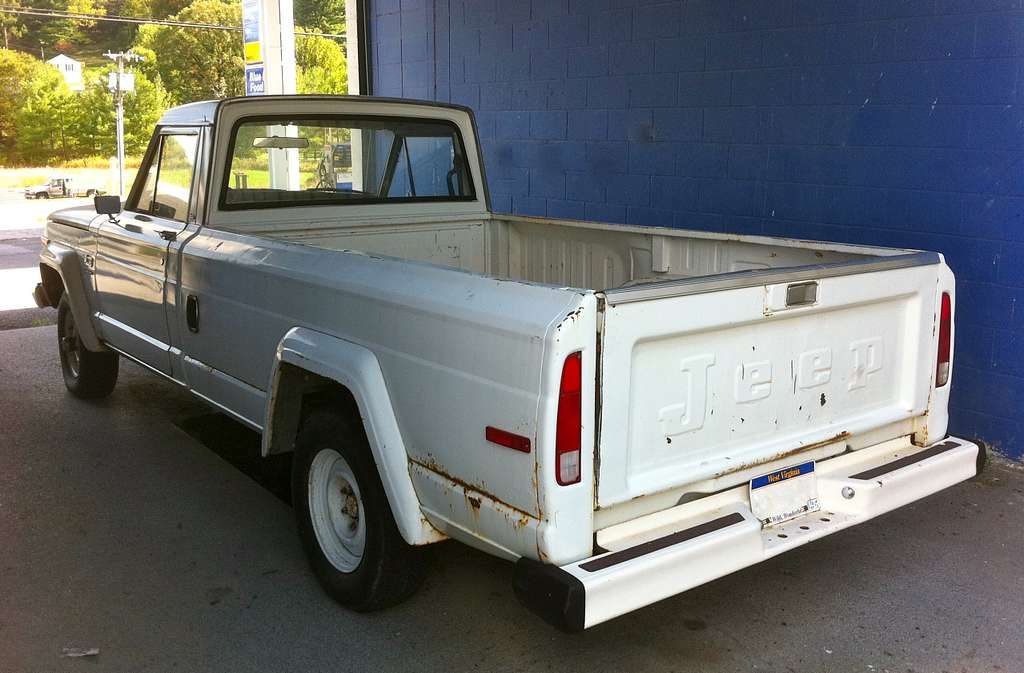
The J-Series ran alongside the Gladiator name through most of its production life, sharing Wagoneer underpinnings in full-size pickup format across a 26-year span. Wagoneer DNA in the proportions created a visual distinction from conventional American pickups of the same era. The Honcho package’s bold late-1970s graphics were period-specific but have avoided looking ridiculous in retrospect, largely because the underlying vehicle’s proportions were honest enough to survive the decoration. Chrome bumpers and minimal additional trim kept the exterior from overcommitting to any single era’s aesthetic preferences.
Jeep J-Series Trucks (1962-1988) Interior
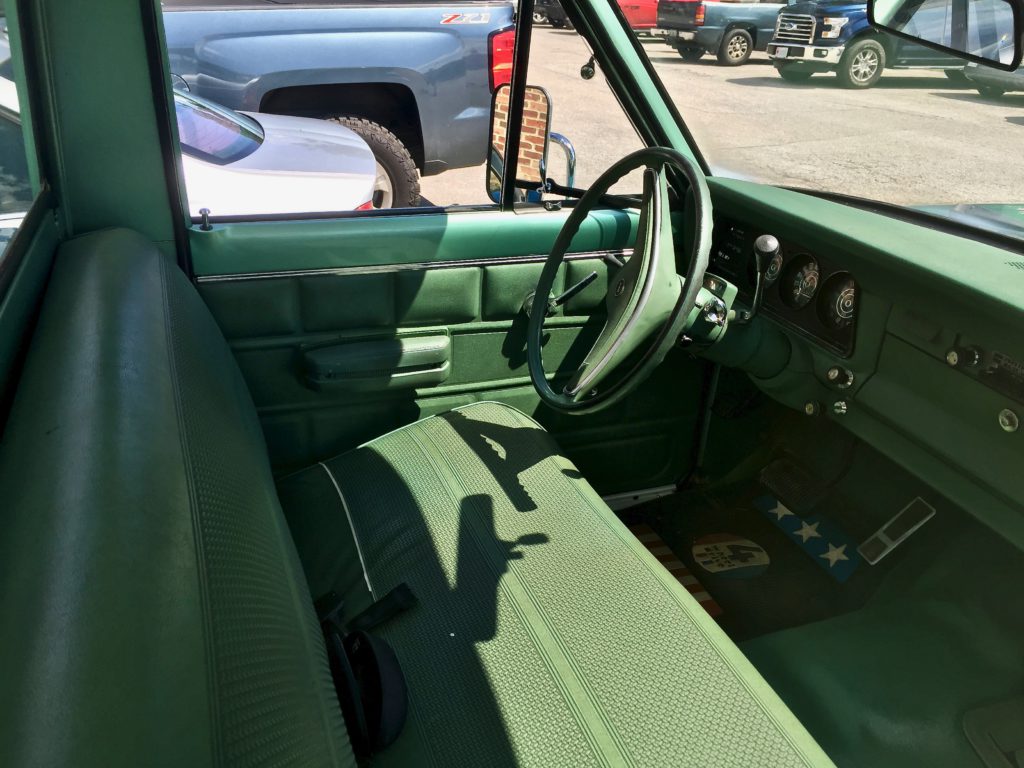
Pickup functionality with Jeep’s attention to cabin quality — comfortable seating for highway miles and trail duty, a dashboard that balances visual appeal with functional gauge placement, and logical control layout throughout. The J-Series cabin shows that Jeep’s reputation for ruggedness did not require sacrificing cabin quality. The interior accommodates both the buyer who needed a working truck and the buyer who wanted comfort on longer drives, which describes the majority of the J-Series buyer base across its long production run.
5. Chevrolet K5 Blazer (1969-1991) Exterior
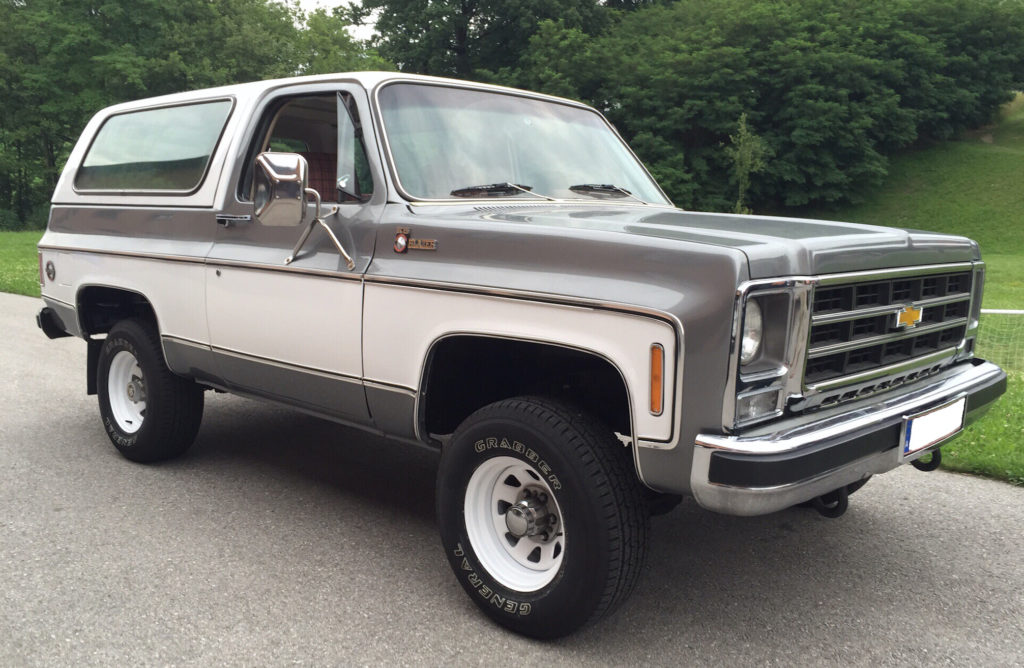
The K5 Blazer was Chevrolet’s answer to the Scout and Bronco — a full-size truck platform with the rear section removed and replaced by an enclosed body with a removable top. The resulting proportions worked better than the engineering description suggests: purposeful without excess, substantial without bulk, and convertible between utility vehicle and open-air cruiser through the top removal process. Steel bumpers, clean body lines, and chrome accent trim have aged well across the 22-year production run because the design avoided period-specific styling decisions that would have dated it to a specific decade.
Chevrolet K5 Blazer (1969-1991) Interior
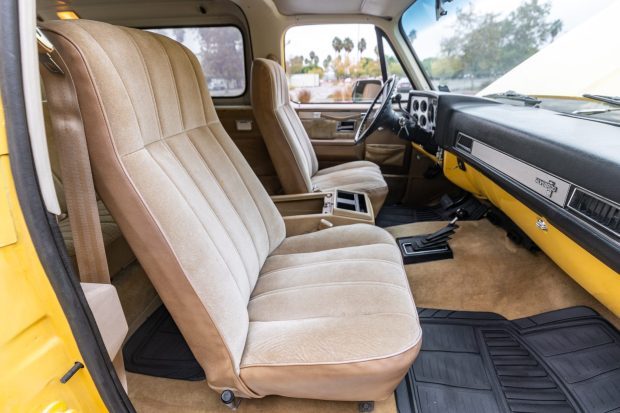
Pickup truck DNA is visible throughout the K5’s cabin — bench seating for three adults, a dashboard that places controls where they make mechanical sense, and manual systems across the board. The interior prioritizes the buyer who actually uses the truck’s capability rather than the buyer who wants capability as a visual claim. The K5 Blazer’s cabin was not designed to impress in a dealership showroom — it was designed to work reliably across a long service life in the conditions the vehicle was built to handle.
4. Dodge M37 (1951-1968) Exterior
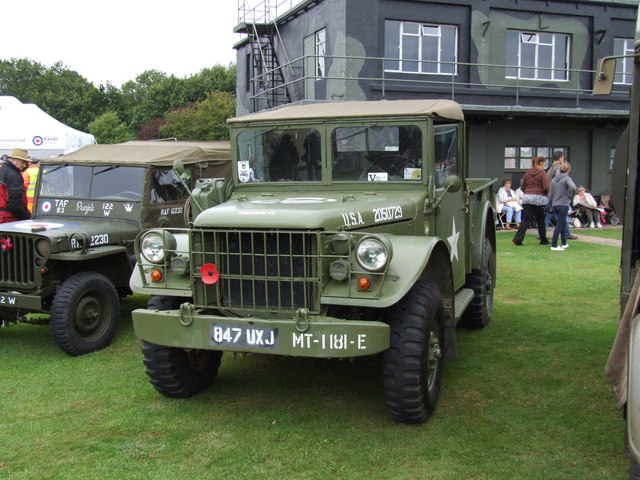
The M37 was the US military’s three-quarter-ton cargo truck from 1951 through 1968 — steel body panels, no chrome, high ground clearance, heavy-duty bumpers, and olive drab paint that reflects the procurement specification rather than any aesthetic intent. The exterior communicates capability through proportion and material rather than styling, which is why it reads as purposeful rather than dated across more than 70 years. Military vehicles age differently than civilian ones because they were never designed to respond to fashion trends in the first place.
Dodge M37 (1951-1968) Interior
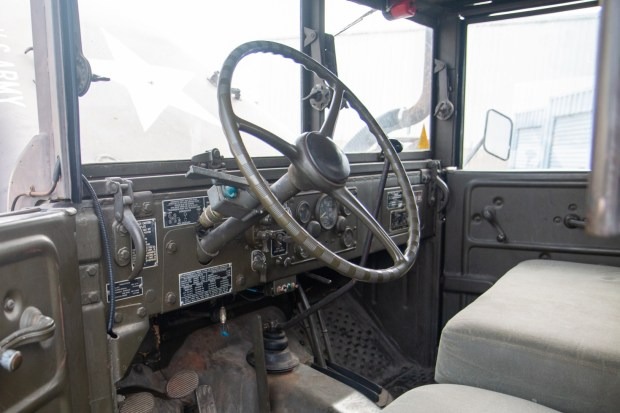
Metal dashboard, basic gauges, vinyl seating that can be cleaned in field conditions, a 24-volt electrical system for reliable cold-weather starting, and waterproof components throughout. The M37’s interior was designed to strict military specification for soldiers operating in adverse conditions — a design brief that produces interior decisions that make no concession to comfort but significant investments in reliability and maintainability. For deeper context on the broader category of rare American working trucks, these rare American trucks extend the picture considerably.
3. Ford F-250 “Highboy” (1967-1977) Exterior
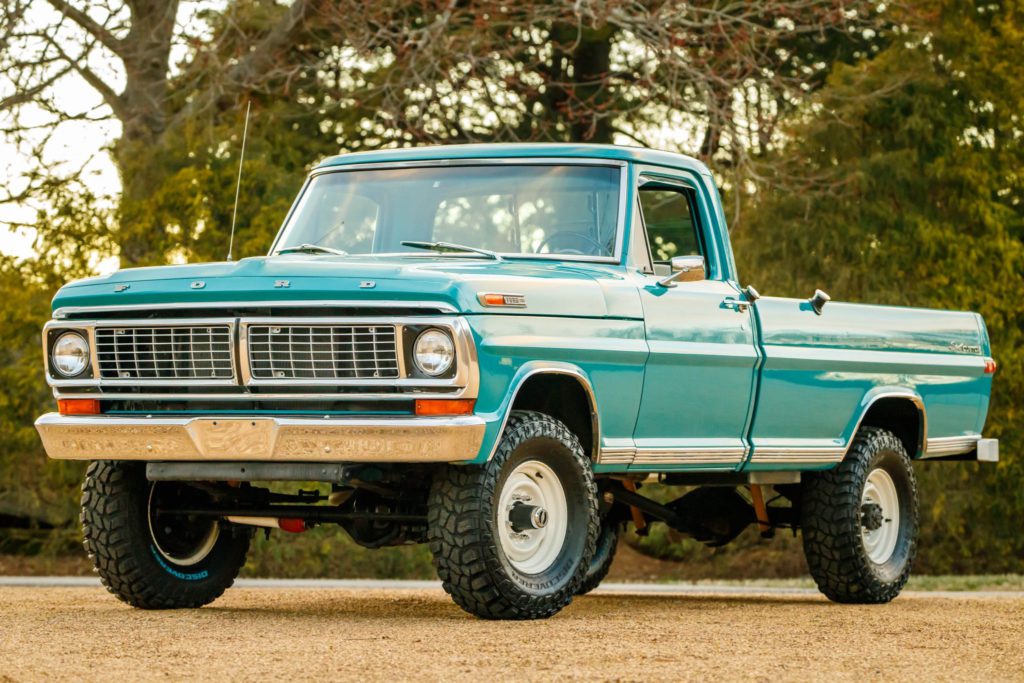
The Highboy designation refers to the factory ride height produced by the divorced transfer case — a gap between cab and bed that is the direct visual result of the drivetrain’s geometry rather than a styling decision. The factory stance exceeds what aftermarket-lifted modern trucks achieve through suspension modification. The Dana 60 rear axle filling those wheel wells is not decorative — it is the load-bearing component that justified the Highboy’s work truck positioning. Chrome bumpers and clean body lines communicate what the truck actually does rather than what a marketing department decided it should look like.
Ford F-250 “Highboy” (1967-1977) Interior
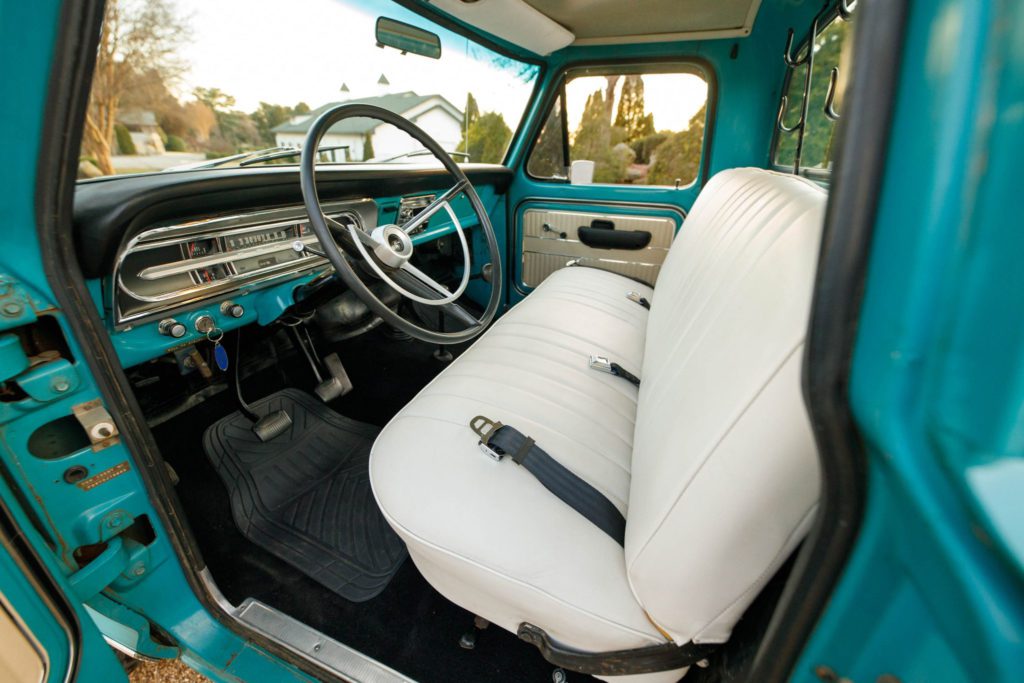
Vinyl bench seating, analog gauges that provide accurate vehicle information without requiring interpretation, and manual controls throughout. The Highboy’s interior was designed for buyers who used three-quarter-ton trucks for three-quarter-ton truck work — towing, hauling, and operating in conditions that precluded concern for interior cosmetics. The absence of luxury features is not a limitation in context; it is the correct specification for a vehicle whose buyers needed durability and reliability rather than comfort appointments that added cost without adding capability.
2. Jeep Commando (1966-1973) Exterior
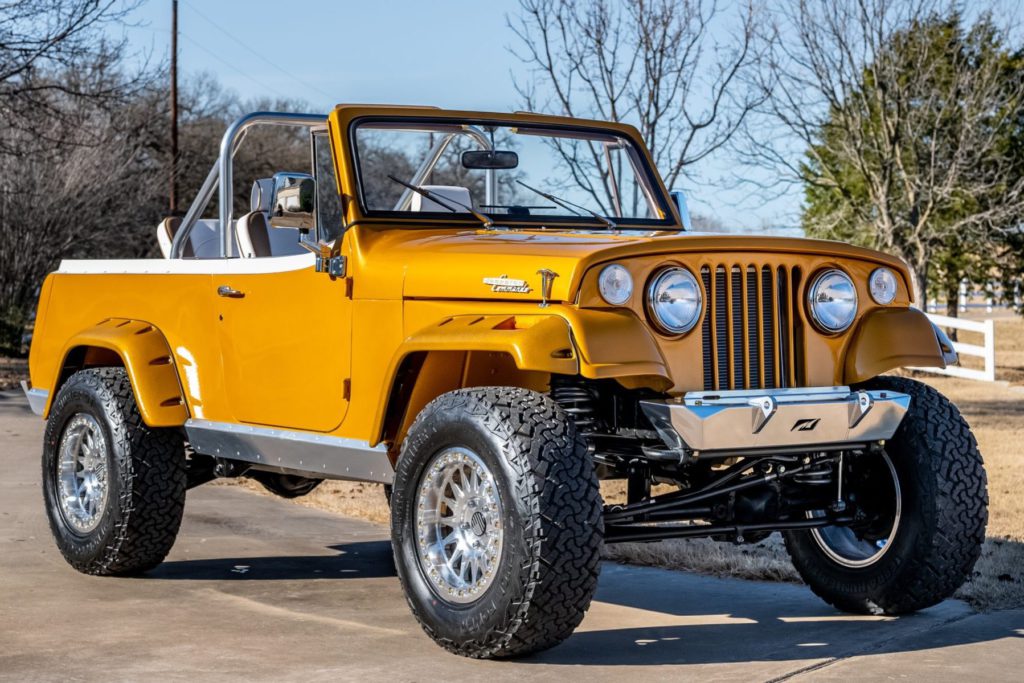
The Commando positioned itself between the CJ’s stripped-down approach and the Wagoneer’s luxury orientation — a longer wheelbase than the CJ that improved on-road stability and interior room while maintaining the Jeep off-road identity. Simple body lines and minimal chrome kept the exterior honest without making it spartan. The Commando ran from 1966 to 1973 in a market that was still defining what a recreational 4×4 should look like, which is why surviving examples read as original rather than dated — the design was exploratory rather than derivative.
Jeep Commando (1966-1973) Interior
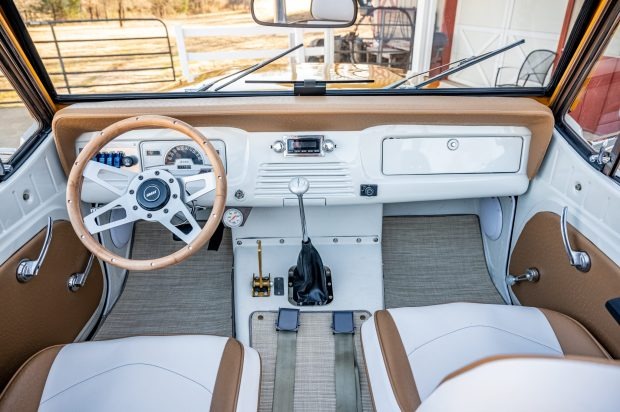
More refined than a CJ without reaching Wagoneer territory — comfortable seating that handled both daily driving and trail use, a dashboard that balanced visual appeal with functional clarity, and logical control placement throughout. The Commando’s interior made the argument that Jeep capability did not require spartan accommodation, which was a more nuanced position than either the CJ or the Wagoneer represented. The cabin delivers comfort without sacrificing the character that defined Jeep’s identity, which is the specific balance that made the Commando interesting as a market position and continues to make surviving examples desirable.
1. Dodge Power Wagon (1945-1980) Exterior
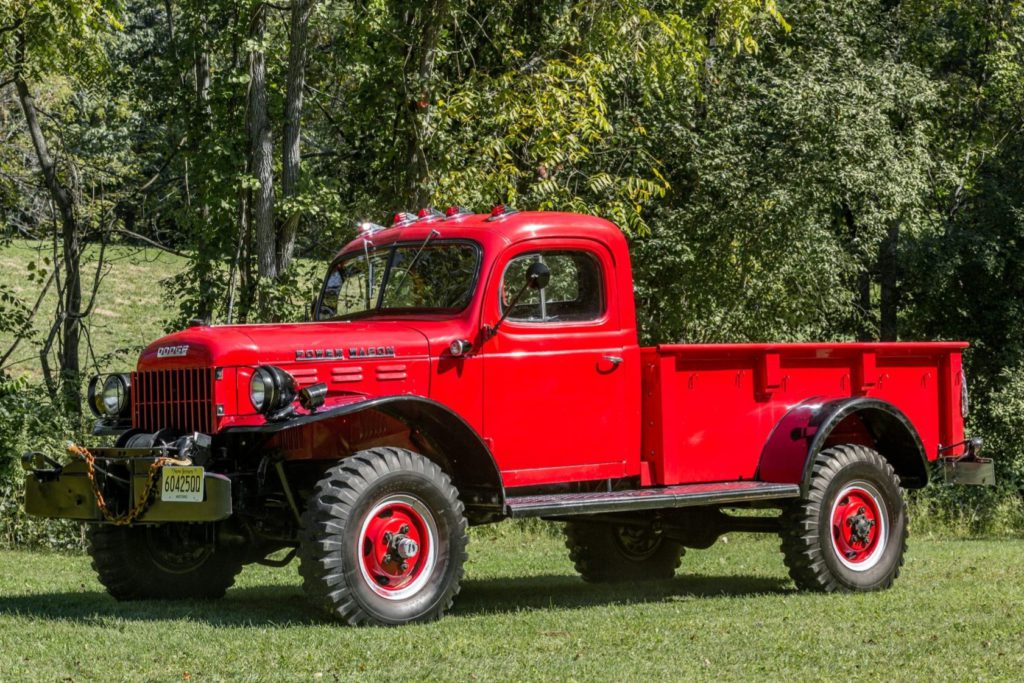
The Power Wagon entered civilian production in 1945 as a direct adaptation of the WC military truck series — a front-mounted winch, steel bumpers built for contact rather than appearance, fender-mounted spare tires, running boards, and an upright grille that communicates the engineering underneath it rather than the marketing department above it. A 1970 Power Wagon can still outpull most modern pickups because it was engineered for work rather than image. The exterior has no decorative elements that do not serve a structural or operational function — which is why it looks purposeful across eight decades rather than period-specific to any one of them.
Dodge Power Wagon (1945-1980) Interior
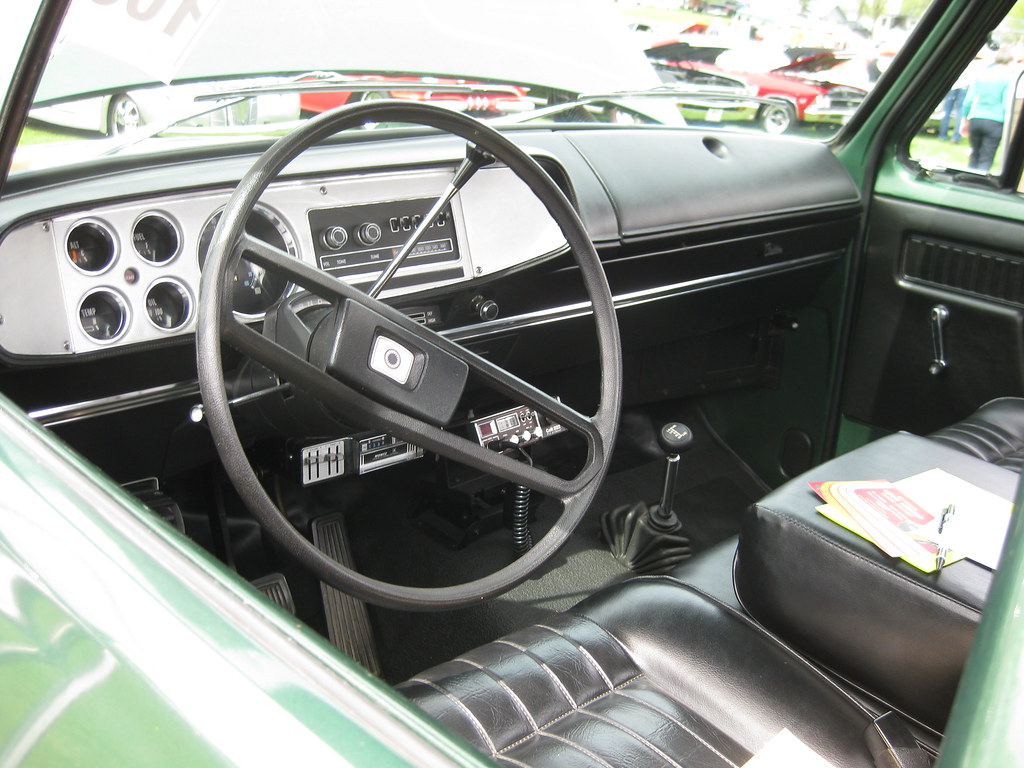
Metal dashboard, basic gauges that report vehicle status accurately, vinyl seating that can be cleaned after field use, and a gear shifter that operates heavy drivetrain components because it is one. Creature comforts are minimal — there was no design brief that included them. The Power Wagon’s interior was specified for soldiers and farmers operating in conditions where the vehicle’s function was the priority and the cabin’s comfort was secondary. The reliability record across a 35-year production span is the interior’s primary recommendation — everything in it worked, kept working, and could be repaired when it eventually stopped working.