

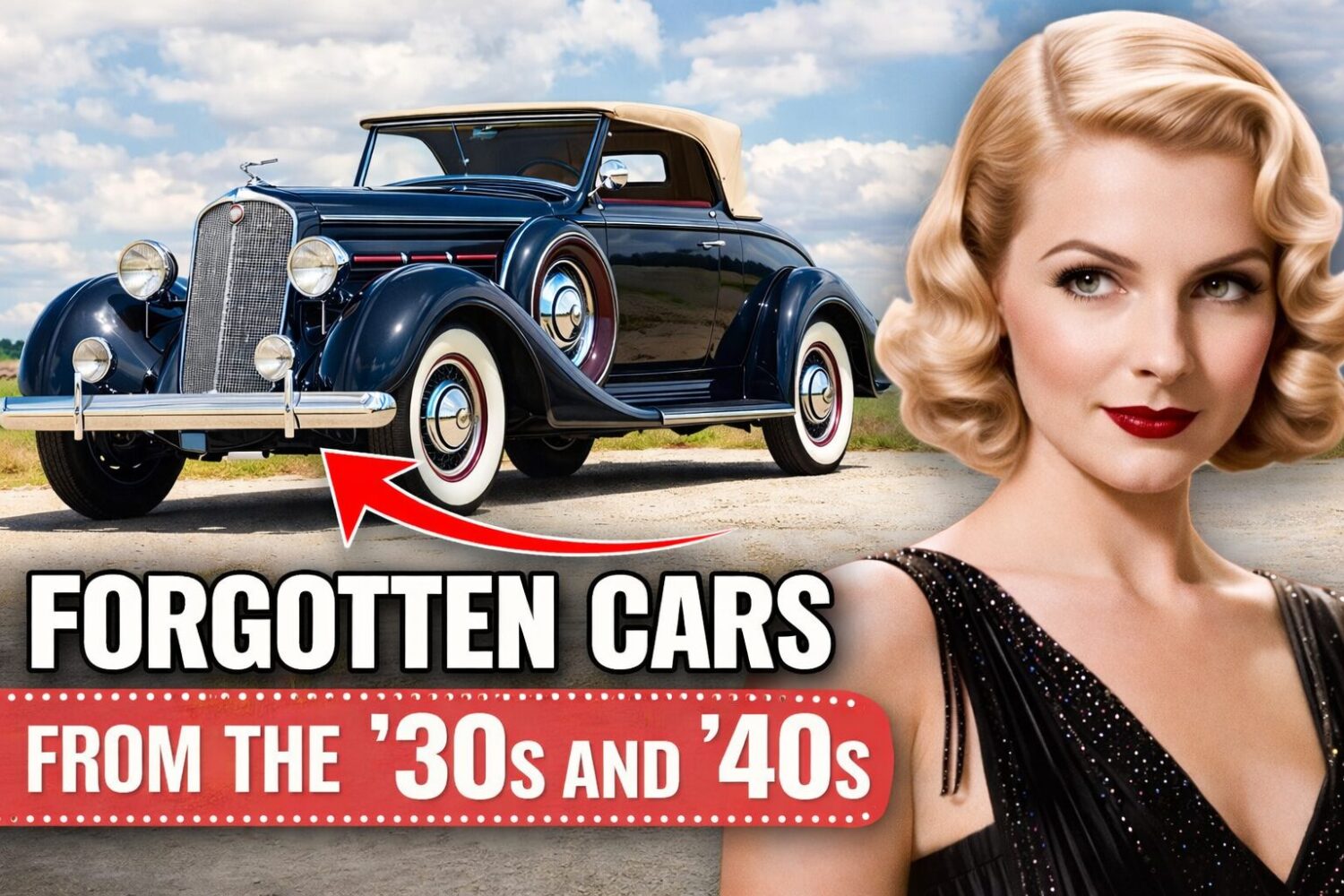
American cars changed fundamentally between 1930 and 1950. Engineers replaced crude, noisy drivetrains with synchronized transmissions and independent suspensions. Designers abandoned upright boxy shapes for streamlined profiles borrowed directly from aircraft. Interiors went from cramped and confusing to flat-floored, logical cabins that actually made sense to sit in. The decade produced some of the most daring engineering in automotive history — most of it forgotten.
These 11 cars built the mechanical and design foundation that every modern automobile still stands on.
11. 1934 Chrysler Airflow
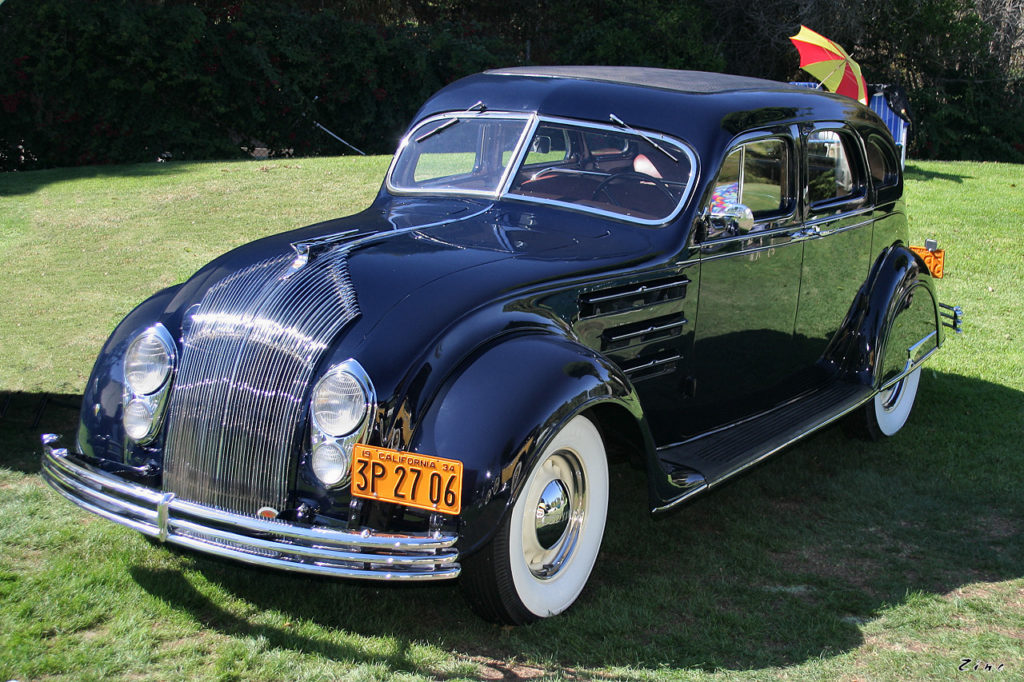
Chrysler brought in Orville Wright to help design the 1934 Airflow, and the result was the most scientifically aerodynamic American car ever built to that point. A 4.9L or 5.3L inline-8 produced 122 to 128 horsepower inside an advanced unibody structure that eliminated the separate frame every competitor still used. Priced at $1,345 — equivalent to over $28,000 today — only 11,292 units sold in 1934 out of 30,000 built, and quality control problems in early models made a difficult sales situation worse. The American public rejected it. The influence of its aerodynamic thinking on the designs of the best cars built in the decades that followed is still visible today — the Airflow was simply right too early.
1934 Chrysler Airflow – Interior
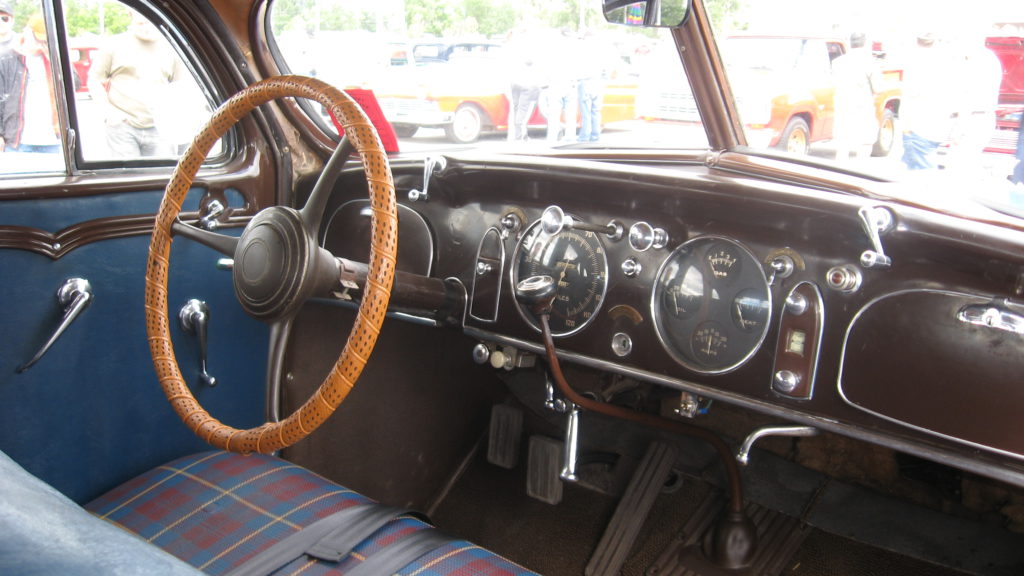
Chrysler positioned front seat occupants between the axles rather than directly over them, which produced a noticeably smoother ride than any traditional layout of the era. The result was a flat floor and significantly more usable cabin space than competitors were offering at the same price. Dashboard instrumentation prioritized logical control placement over decorative complexity, which was a genuine departure from period norms. Early quality control problems undermined consumer confidence before the design had a chance to prove itself. The cabin was a decade ahead of what buyers were used to, which turned out to matter less than the fit and finish issues that made headlines first.
10. 1936 Cord 810/812
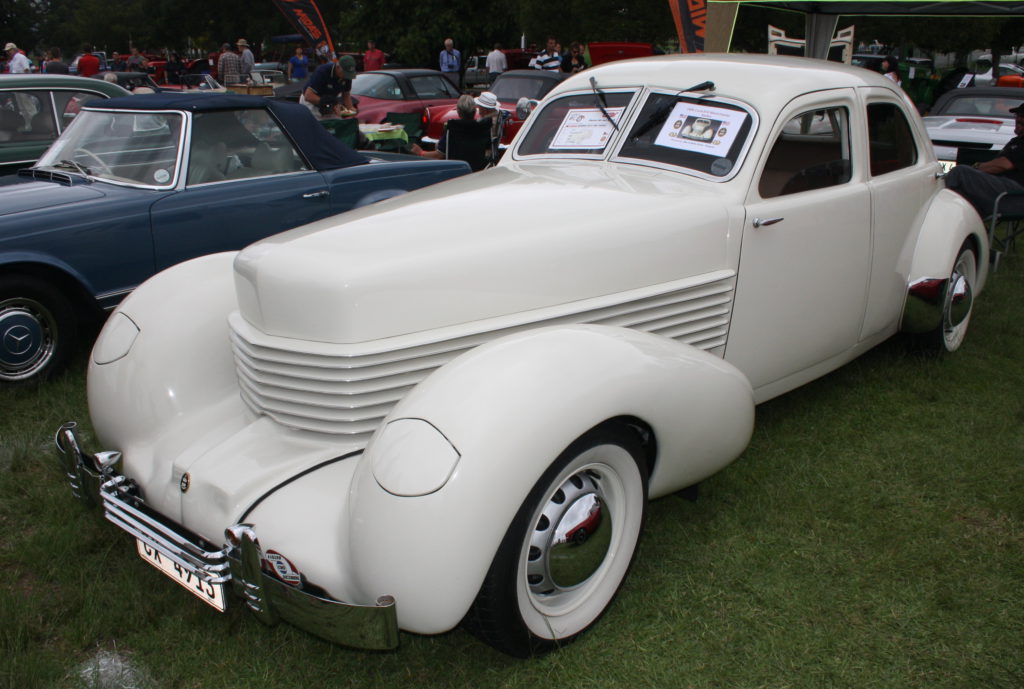
Front-wheel drive, hidden headlights, and a grille-less nose in 1936 put the Cord 810/812 at least a decade ahead of every other car on American roads. Gordon Buehrig’s clean “coffin nose” design eliminated the traditional upright grille entirely, and the 4.7L Lycoming V8 produced 125 horsepower standard or 170 horsepower with the optional supercharger. A four-speed electrically-selected semi-automatic transmission was technically remarkable and mechanically troublesome, contributing to the manufacturing delays that held total production to just 3,000 units between 1936 and 1937. Running boards disappeared completely, creating a profile nothing else in America matched. The Cord lasted two model years and influenced automotive design for four decades afterward.
1936 Cord 810/812 – Interior
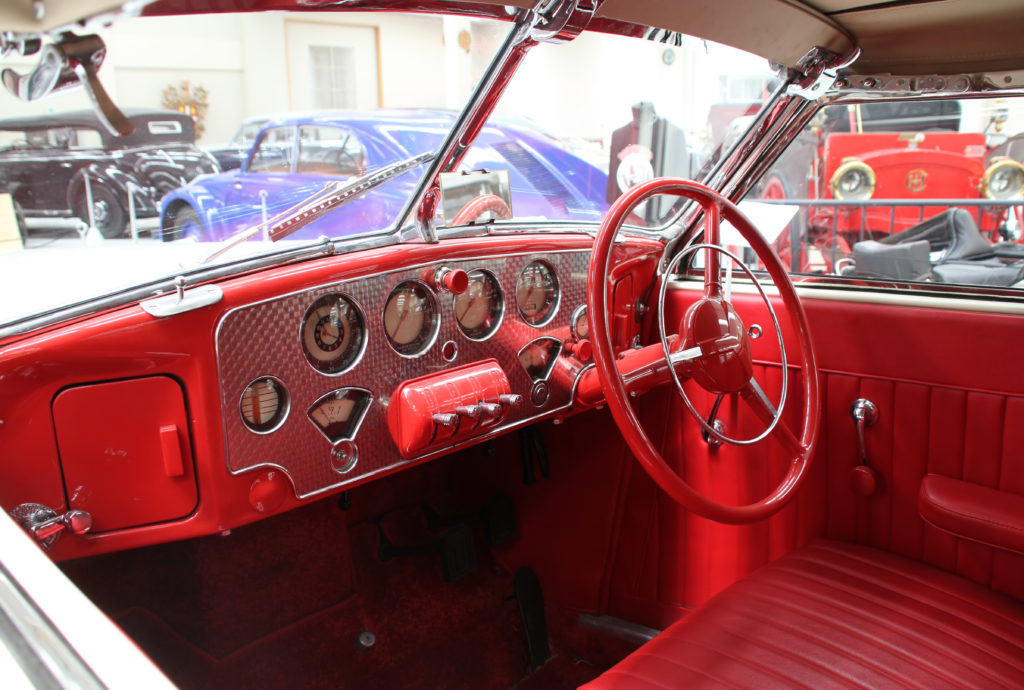
Moving the gear selector to the steering column freed up floor space a full decade before the industry adopted the practice as standard. The aircraft-inspired instrument panel gave drivers a comprehensive set of gauges that provided vehicle information no other production car offered at the time. Front-wheel drive eliminated the transmission tunnel entirely, producing a flat floor and roomier passenger compartment than rear-drive competitors could match. Every major interior decision in the Cord was based on function rather than convention. Two model years of production planted design ideas that took the rest of the industry decades to catch up to.
9. 1937 Lincoln Zephyr
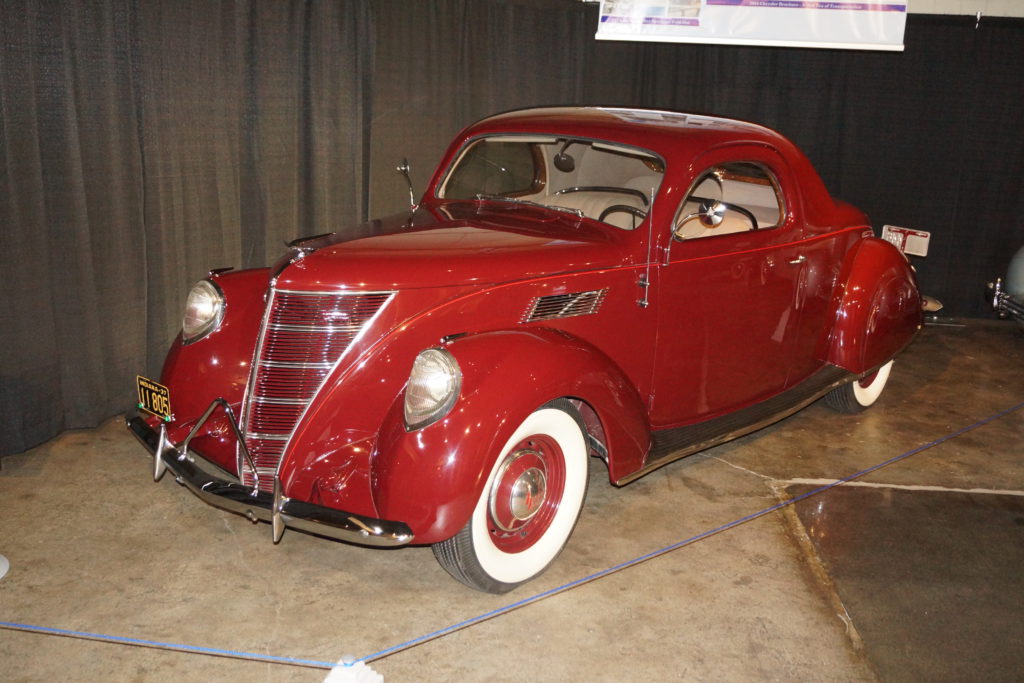
Lincoln sold nearly 30,000 Zephyrs in 1937 alone by making luxury ownership accessible at $1,090 — the lowest entry point the brand had ever offered. The distinctive teardrop body cut through air resistance efficiently and made a dramatic visual statement at the same time, and the 4.4L Flathead V12 produced 110 horsepower in a package that looked far more expensive than its price suggested. Approximately 130,000 units were built between 1936 and 1942 before wartime manufacturing restrictions ended civilian production. Early V12 engines had overheating tendencies that owners learned to manage. The Zephyr proved that aerodynamic styling and accessible pricing could coexist without either compromising the other.
1937 Lincoln Zephyr – Interior
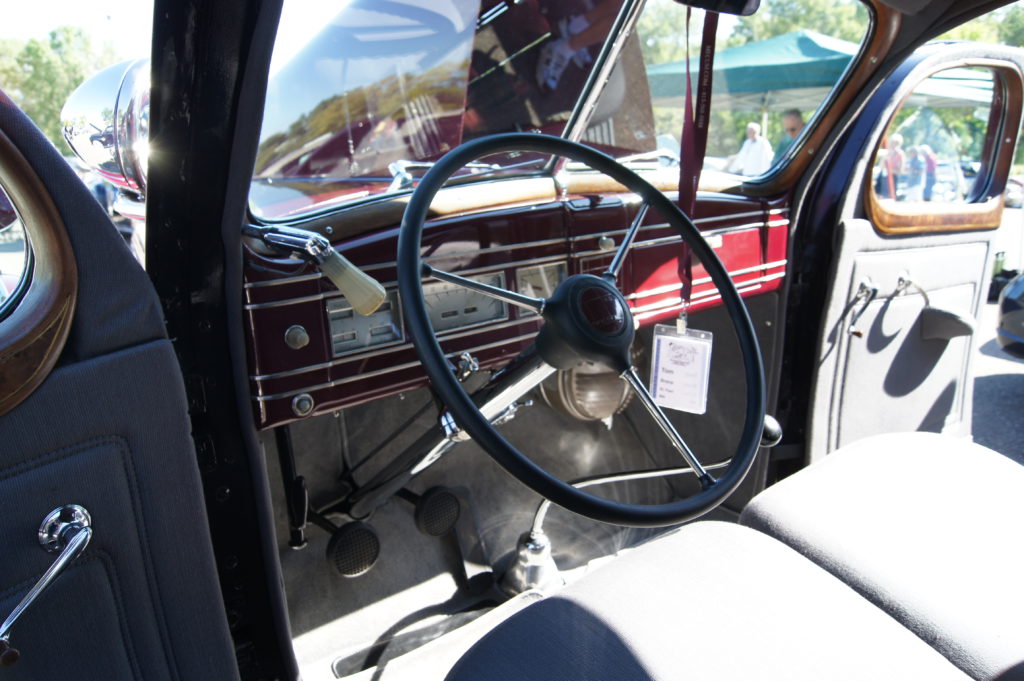
Art Deco styling permeated the Zephyr’s cabin through clean lines and modern design cues that matched the exterior’s progressive proportions. A horizontal speedometer stretched nearly the full width of the dashboard, anchoring the instrument panel with a visual statement no traditional gauge cluster could match. Rich materials and uncluttered surfaces elevated the driving environment well above what the price implied. Unibody construction improved structural rigidity and reduced cabin noise compared to separate-frame competitors of the period. The Zephyr’s interior and exterior told the same design story — a coherence that Lincoln’s more expensive models didn’t always achieve.
8. 1940 Packard 120
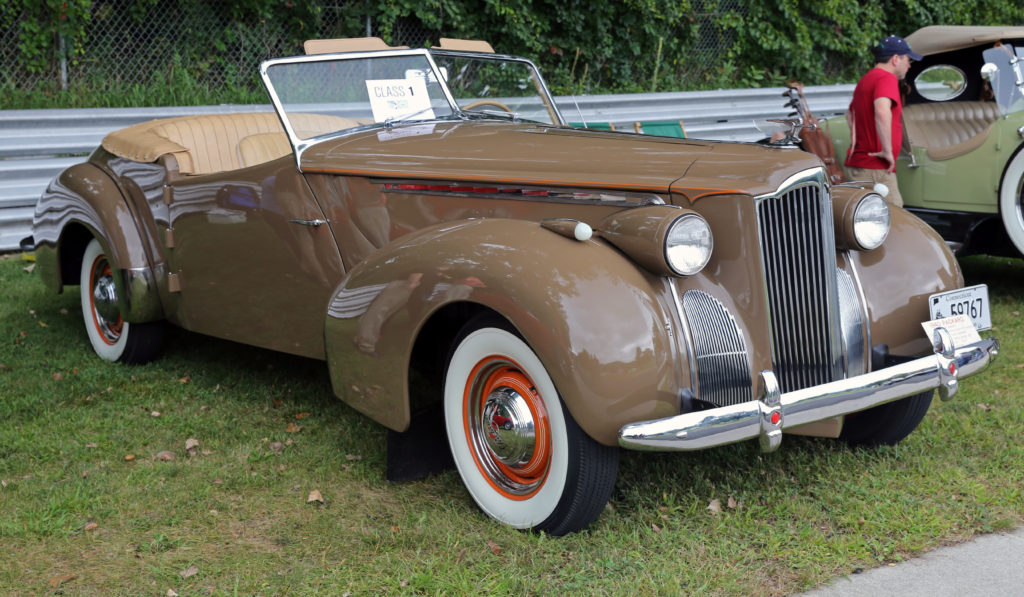
Packard’s reputation for quality survived the Depression partly because the 120 made the brand’s engineering accessible without cheapening what made it special. The 4.6L inline-eight delivered 120 horsepower with a refinement that mainstream manufacturers simply could not match, and independent front suspension gave the 120 handling capabilities consistent with its premium positioning when most competitors still ran solid front axles. The signature Packard grille and balanced proportions maintained visual dignity across the model range. Sales reached 28,320 units in 1940 as America climbed out of the Depression. Critics argued the 120 diluted Packard’s exclusivity — it also kept the company financially alive.
1940 Packard 120 – Interior
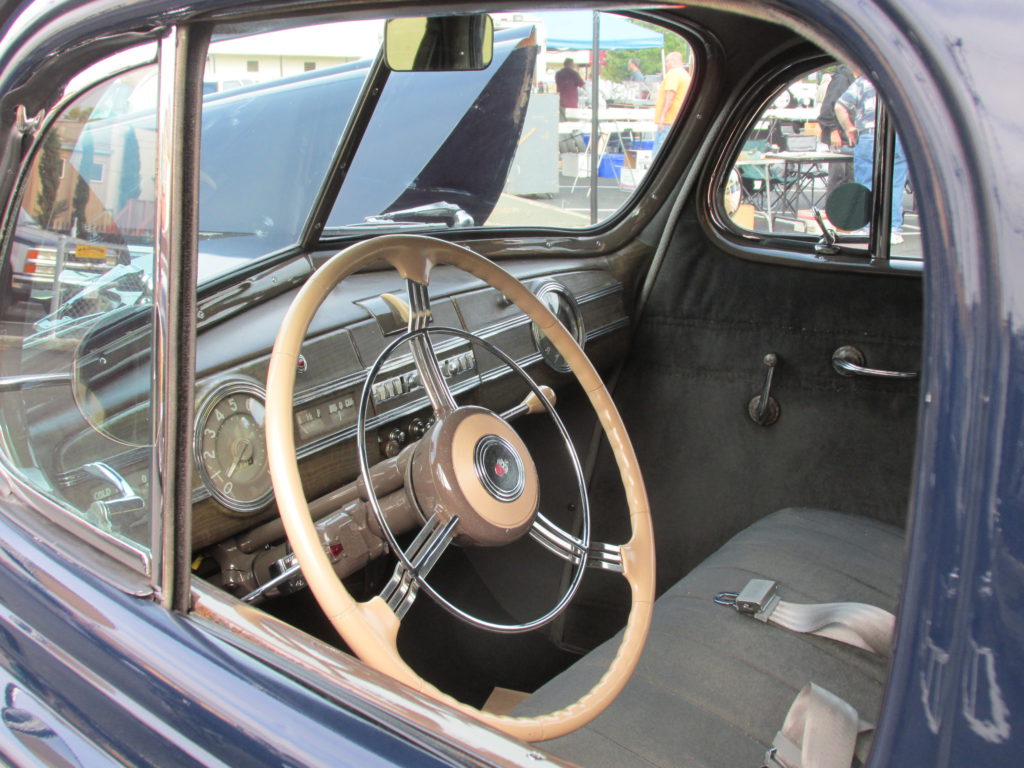
Genuine wood trim and premium upholstery created a cabin environment that separated the Packard 120 from mainstream competitors at a glance. Controls operated with the kind of mechanical precision that reinforced the brand’s engineering reputation every time a driver reached for a switch or lever. Five adults traveled comfortably in the spacious interior, which made the 120 a practical family car without sacrificing the quality that justified the Packard name. The materials and fit were the real argument against the exclusivity criticism. A lesser manufacturer’s interior would have made the critics’ case for them — this one didn’t.
7. 1940 Cadillac Series 62
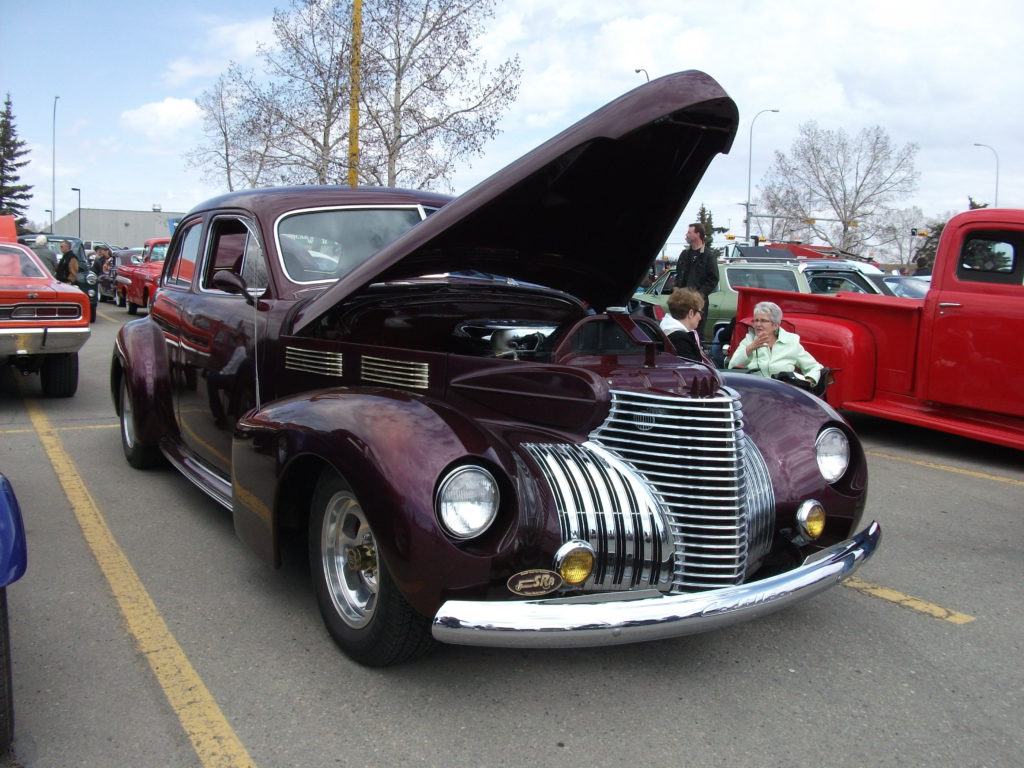
The 1940 Series 62 replaced Cadillac’s traditional upright formality with a streamlined torpedo profile that set the template for American luxury car design across the following decade. The 5.7L Monobloc V8 produced 135 horsepower inside an all-steel body that improved structural integrity and occupant protection over previous construction methods. Clean, dynamic proportions communicated modernity without abandoning the presence that Cadillac buyers expected. Production reached 25,335 units in 1940. The design language established here influenced what American luxury cars looked like well into the 1950s — a decade of impact from a single model year.
1940 Cadillac Series 62 – Interior
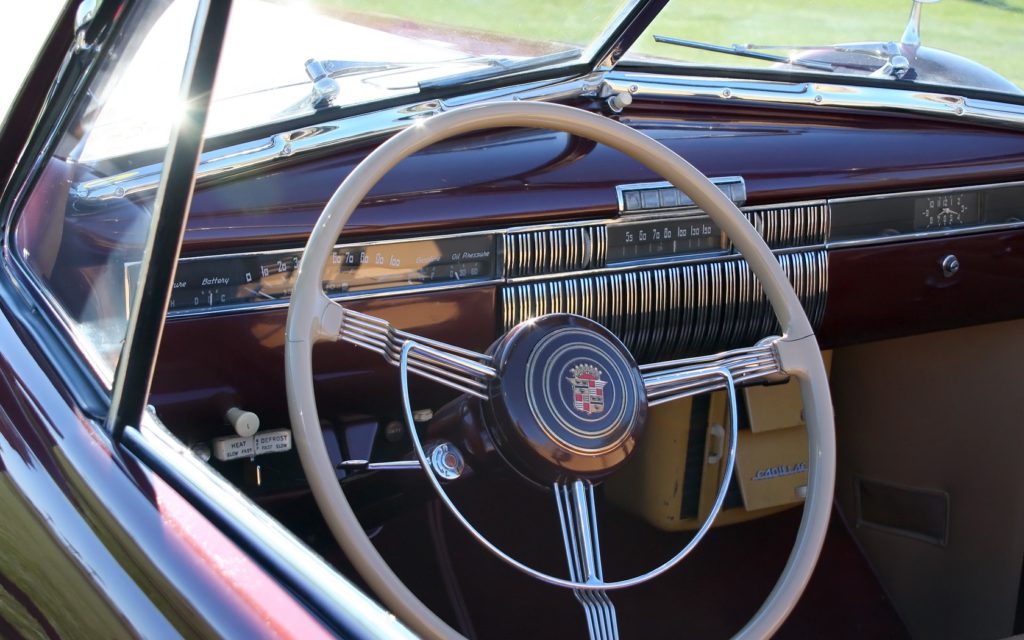
Essential instruments sat directly in the driver’s sightline on a logically organized dashboard that prioritized function without neglecting the premium materials expected at this price point. The optional Hydra-Matic automatic transmission eliminated clutch operation entirely — a feature that many buyers selected and that represented a genuine shift in how Americans thought about driving effort. Superior sound insulation produced a noticeably quieter cabin than most contemporaries, and the spacious interior established the luxury credentials from the moment passengers sat down. Cadillac’s commitment to a refined ownership experience shows up in the details here more than in the headline specifications.
6. 1946 Chevrolet Fleetline
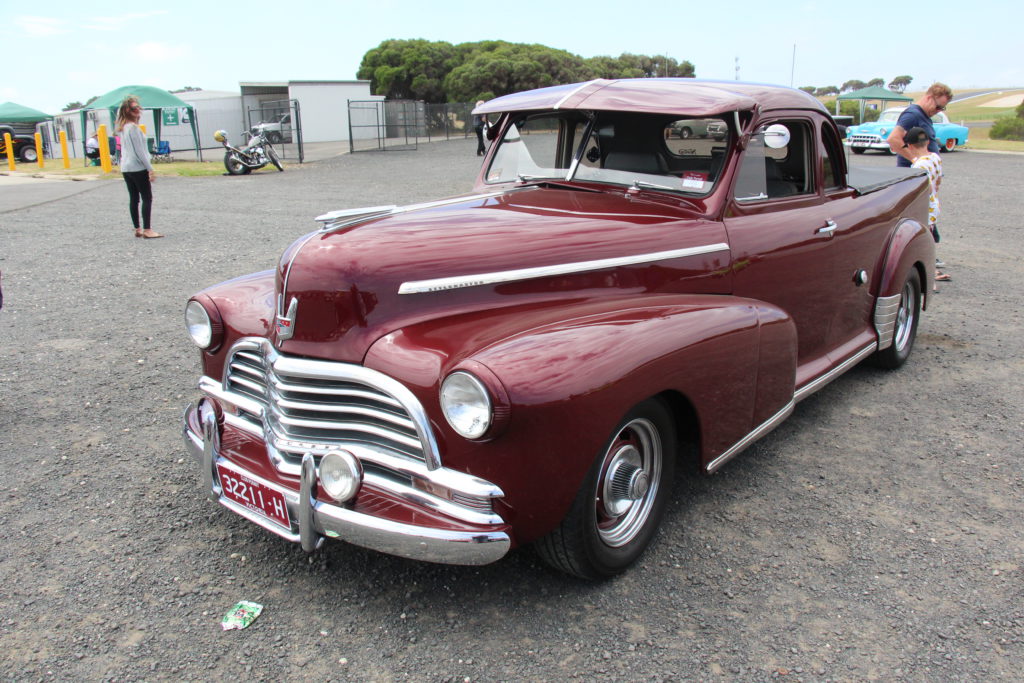
Post-war car buyers had been waiting years for something new, and the Fleetline’s Aerosedan profile gave middle-class families contemporary styling at an accessible $1,200 price. The flowing fastback silhouette distinguished it visually from other Chevrolet models despite sharing most mechanical components, and the proven 3.5L inline-6 producing 90 horsepower delivered the established reliability that mattered most when new vehicles were still scarce. Production reached 163,407 units during 1946, which confirmed that buyers were ready to spend on style after years of wartime restriction. The Fleetline was not technically adventurous — it was exactly the right car at exactly the right moment.
1946 Chevrolet Fleetline – Interior
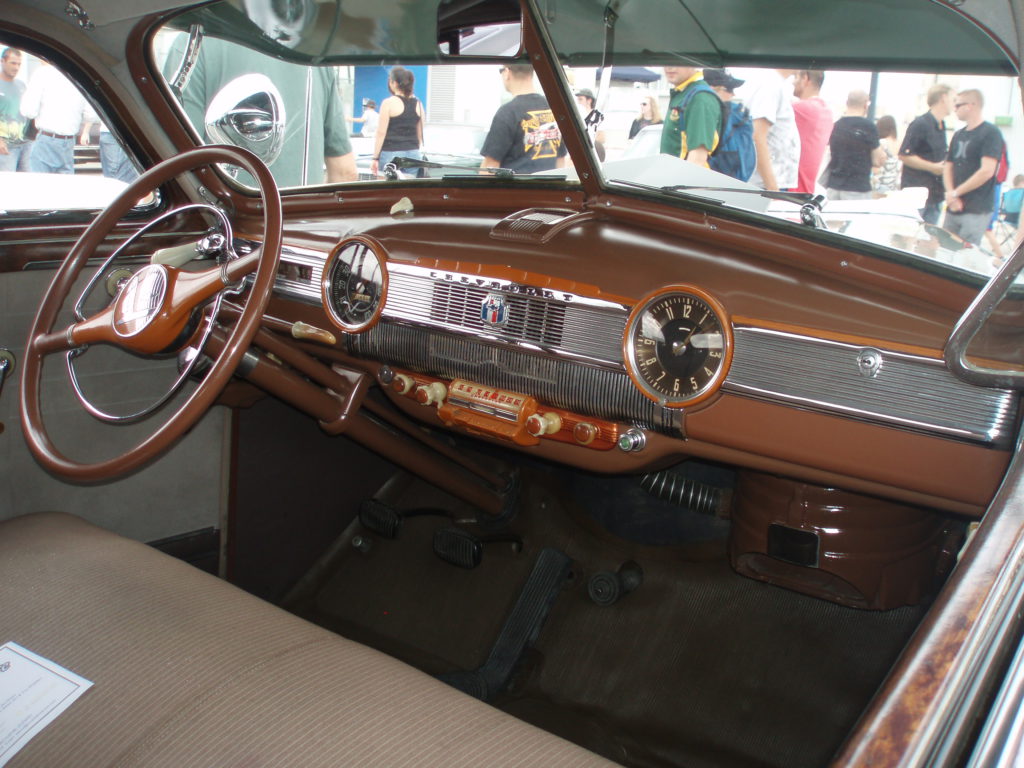
Durable materials and a logical dashboard layout defined the Fleetline cabin as a practical space built to survive daily family use rather than impress on a showroom floor. Chevrolet’s engineers achieved impressive rear headroom despite the sloping fastback roofline — a genuine packaging challenge that required real solutions rather than compromises. Controls sat in sensible positions, instruments were readable, and the materials held up over time. The interior was largely unchanged from pre-war models, which was a reasonable trade-off given the material constraints of 1946. Practicality and style at the same price point was a formula that 163,000 buyers found difficult to pass up.
5. 1947 Studebaker Champion
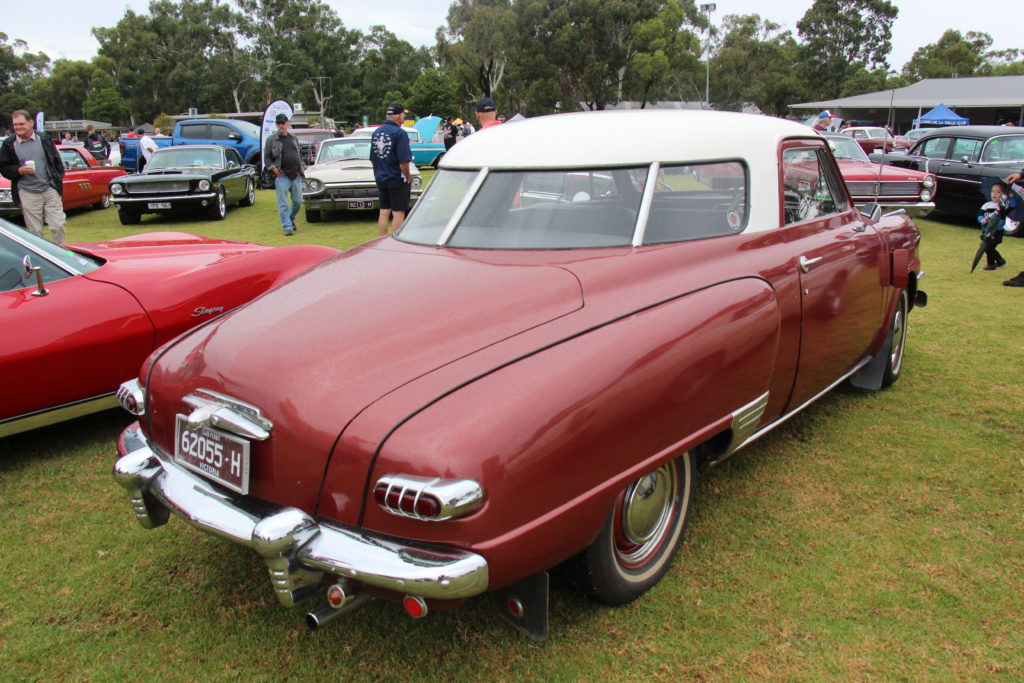
Raymond Loewy’s 1947 Champion design was so aerodynamically unconventional that people genuinely could not tell which end was the front — and Studebaker sold 161,795 of them that year. The 2.8L inline-6 produced 80 horsepower with efficiency that the aerodynamic body helped extend, and a wraparound rear window gave back seat passengers visibility that no other American car at $1,300 provided. The design rejected every convention the conservative post-war market was supposed to demand. Those sales numbers proved that American buyers were more willing to accept radical styling than Detroit assumed. The Champion remains one of the most distinctive production car designs of the entire decade.
1947 Studebaker Champion – Interior
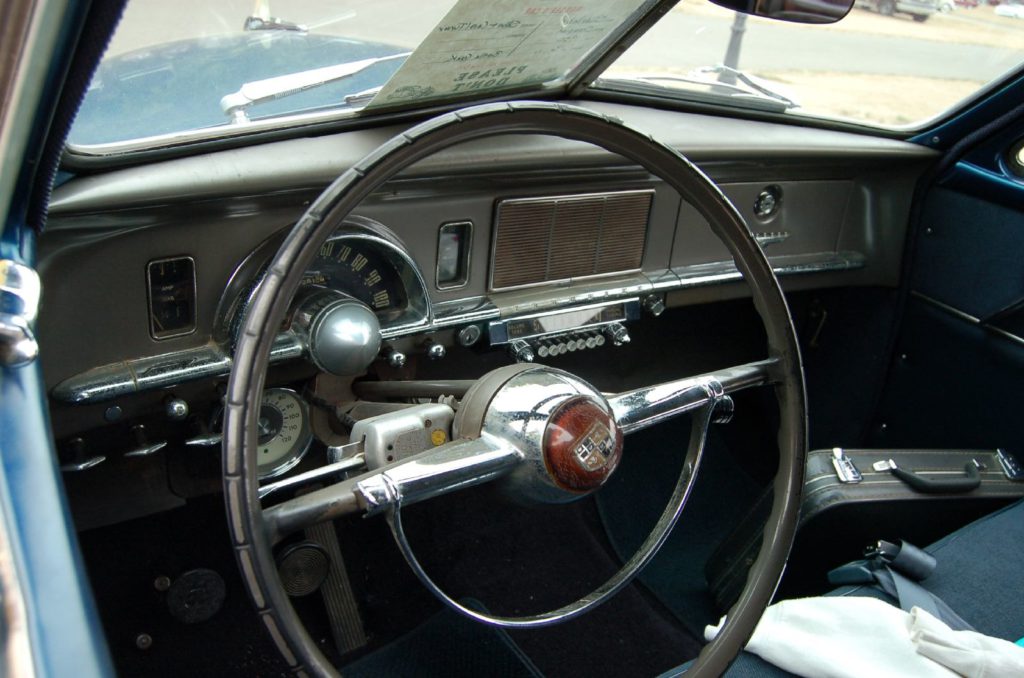
Adjustable seating for drivers of varying heights was an often-overlooked detail in 1940s automobiles, and Studebaker included it as standard — a practical decision that reflected the brand’s value-oriented approach throughout the cabin. Clear instruments sat in a clean dashboard layout that avoided unnecessary complexity, and excellent outward visibility enhanced both safety and driver confidence in a way the exterior styling suggested it would. The optional overdrive transmission significantly improved highway fuel economy and made the Champion a popular choice for longer interstate travel. Sturdy materials prioritized longevity over luxury. Function guided every decision here, and the result aged better than more decorative interiors of the same period.
4. 1948 Tucker 48
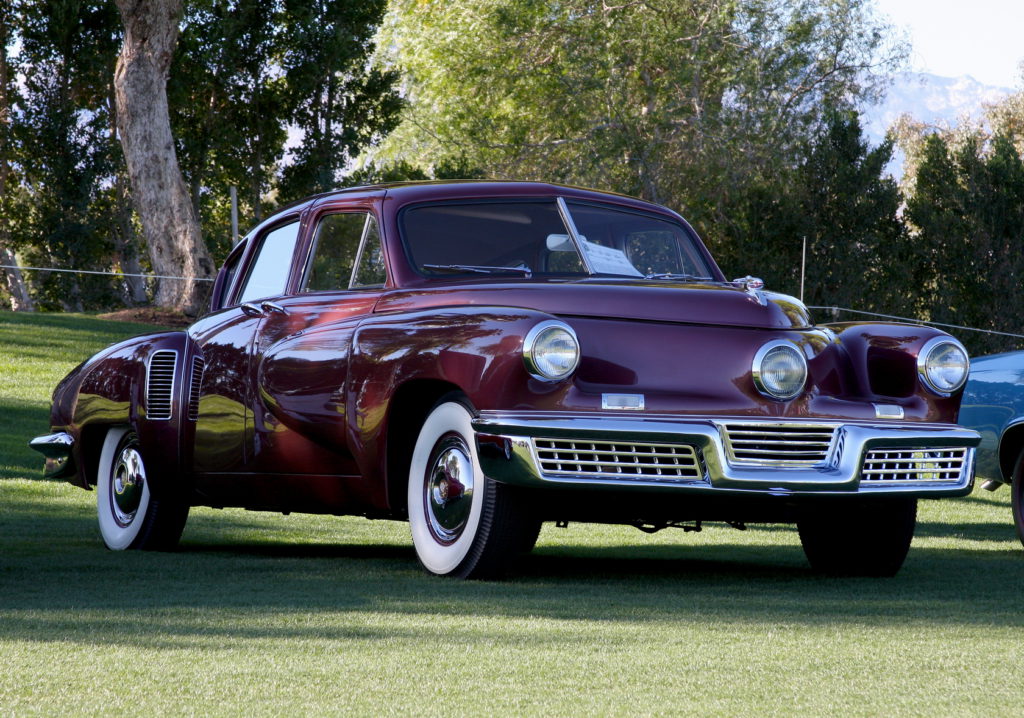
Only 51 examples of the 1948 Tucker 48 were completed before financial troubles and SEC investigations shut the company down, which makes its engineering ambition even more remarkable in hindsight. A center-mounted headlight rotated with the steering wheel to illuminate corners — a safety feature most manufacturers wouldn’t adopt for decades. The 5.5L Franklin flat-6 aircraft engine produced 166 horsepower from a rear mounting position that improved weight distribution, and shatterproof glass protected occupants years before safety standards required it. At $4,000 — equivalent to $47,000 today — Tucker priced the car for buyers serious about what it offered. What it offered was a decade of automotive safety thinking compressed into 51 cars.
1948 Tucker 48 – Interior
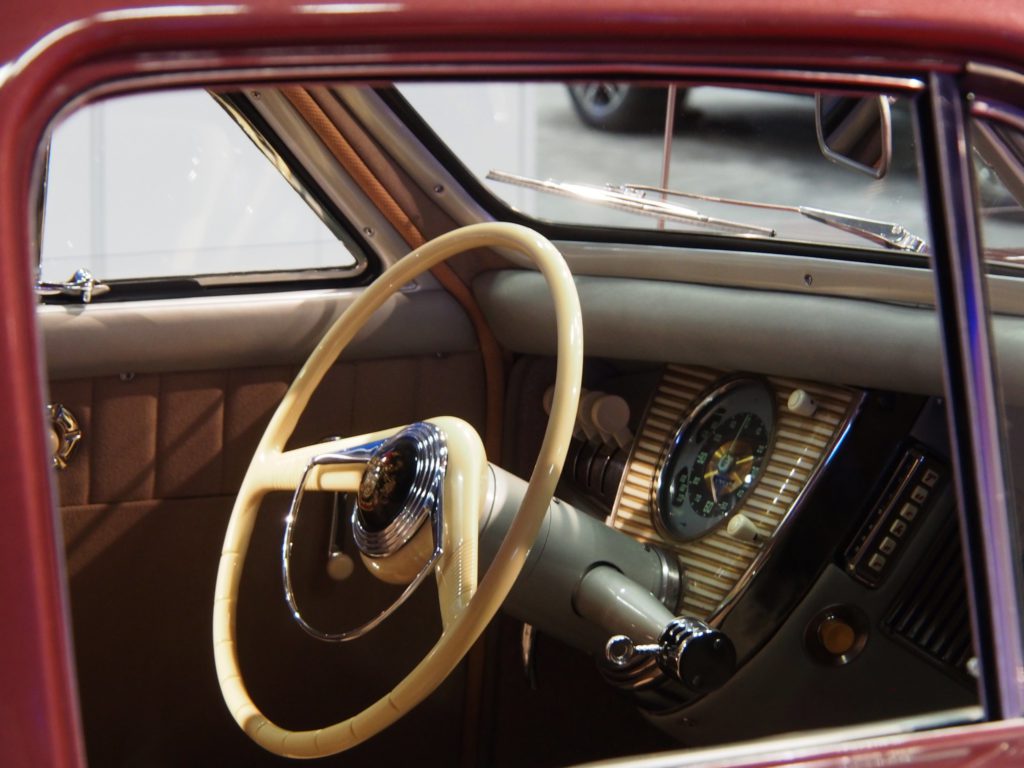
Padded surfaces surrounded front occupants at a time when competitors offered metal dashboards with protruding knobs that became projectiles in a crash. Controls clustered around the steering wheel to minimize driver distraction, and independent suspension on all four wheels delivered ride quality advantages over the solid-axle designs that dominated the market. Front-wheel drive eliminated the transmission tunnel entirely, producing a flat floor with room for six adults. Tucker’s interior was built around the idea that a car should protect passengers during an accident rather than simply move them from place to place — a concept the industry took another two decades to fully adopt.
3. 1949 Plymouth Special Deluxe
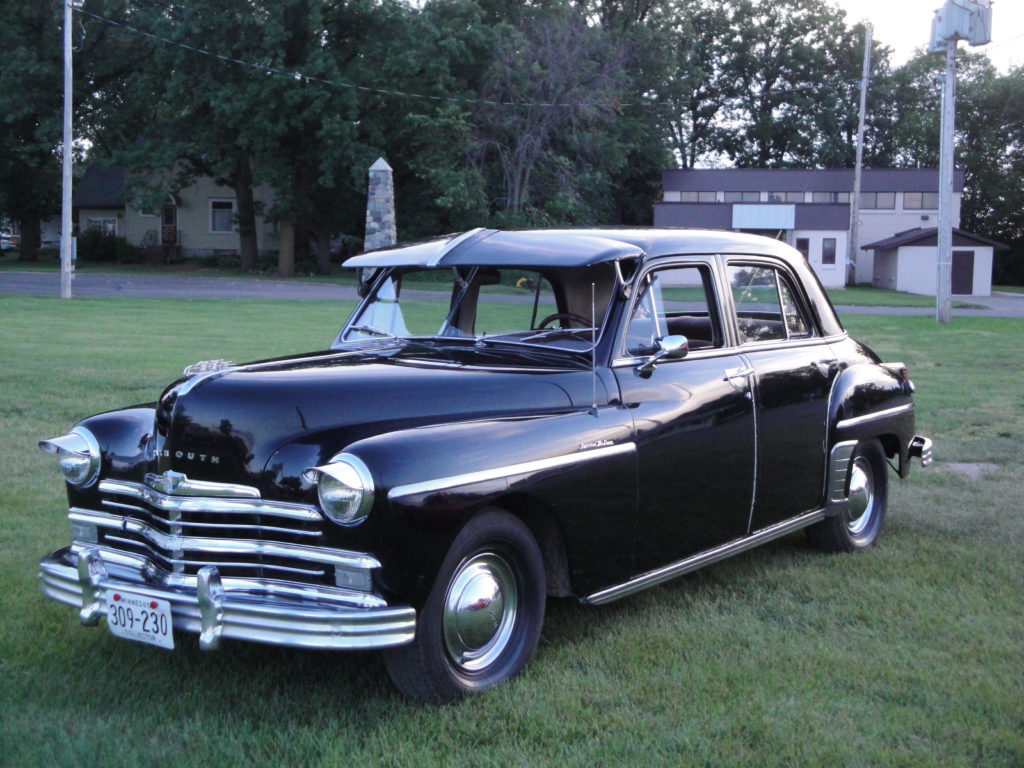
520,385 Plymouth Special Deluxes were built in 1949, which tells the story of what American families actually wanted in the post-war economy more clearly than any design award could. Clean, straightforward styling avoided unnecessary decoration while achieving a distinctly modern appearance, and the durable 3.6L inline-6 produced 97 horsepower with the proven reliability that justified the $1,400 starting price to buyers who could not afford mistakes. A 118-inch wheelbase balanced road stability with urban maneuverability effectively. Plymouth built no-nonsense cars that worked, lasted, and cost what they should. That formula produced the highest production numbers of any car on this list.
1949 Plymouth Special Deluxe – Interior
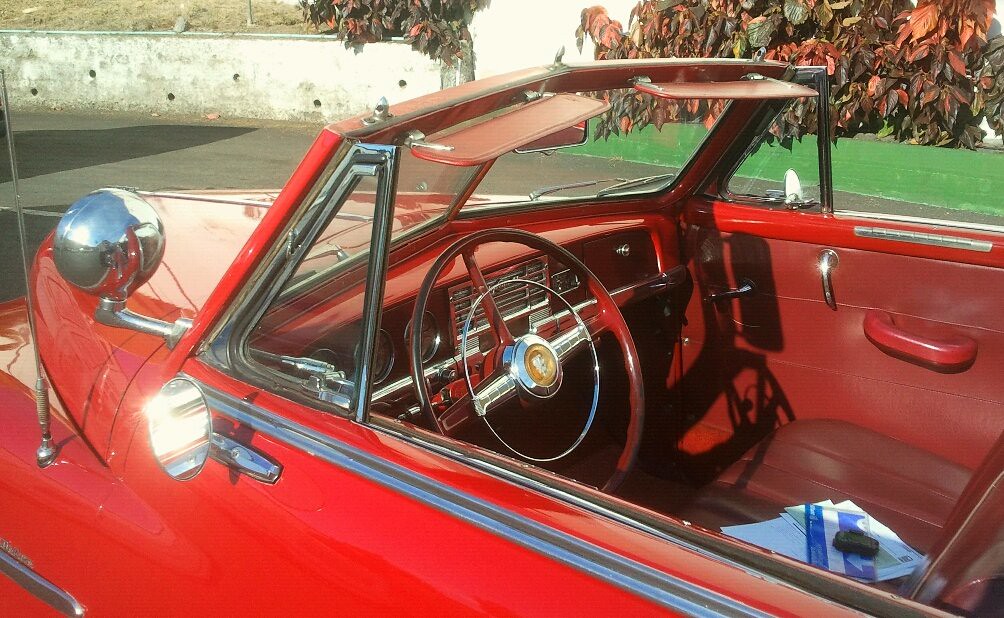
Six adults fit comfortably in the Special Deluxe’s spacious cabin, which was a practical requirement rather than a marketing claim for families who needed reliable transportation during the post-war economic expansion. Larger windows than pre-war designs improved outward visibility and made the interior feel less confined. Hard-wearing upholstery maintained its appearance through years of daily use, and instruments sat in logical positions that created an intuitive interface between driver and machine. Nothing about this interior was designed to impress on a showroom floor. Everything about it was designed to work for the next ten years without complaint.
2. 1950 Nash Rambler
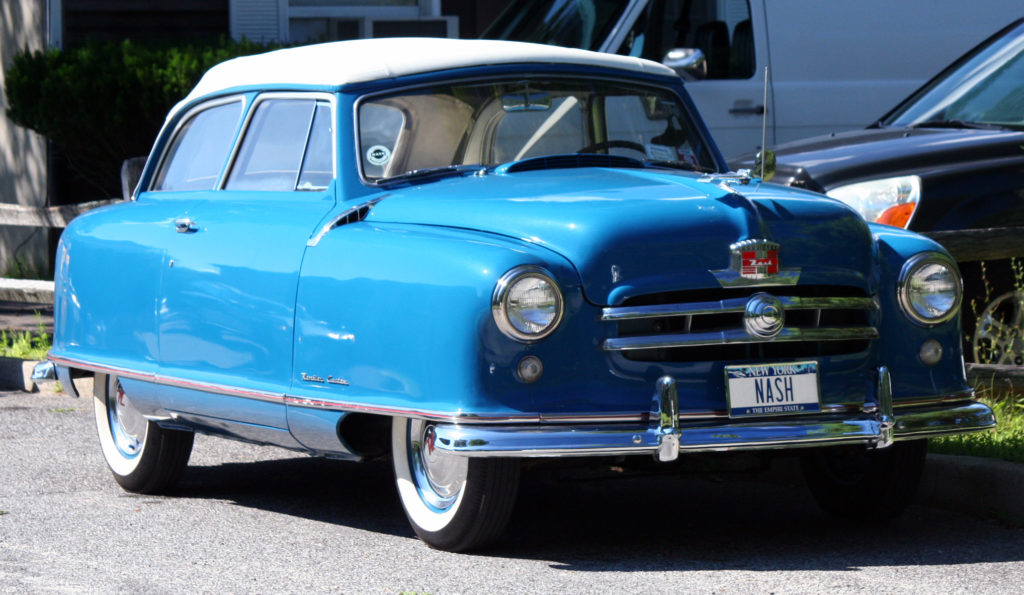
Every Detroit manufacturer in 1950 was building larger cars, and Nash went the opposite direction with a 100-inch wheelbase compact that proved a market existed for rational alternatives. The 2.8L inline-6 produced 82 horsepower in a lightweight package that delivered efficiency no full-size competitor could match, and the $1,300 base price made the fuel savings argument even stronger for budget-conscious buyers dealing with rising post-war costs. Distinctive whitewall tires added visual appeal without compromising the practical focus. Nash built 11,422 Ramblers that year — a modest number that established a market segment that would eventually reshape the American industry entirely. The compact car movement started here.
1950 Nash Rambler – Interior
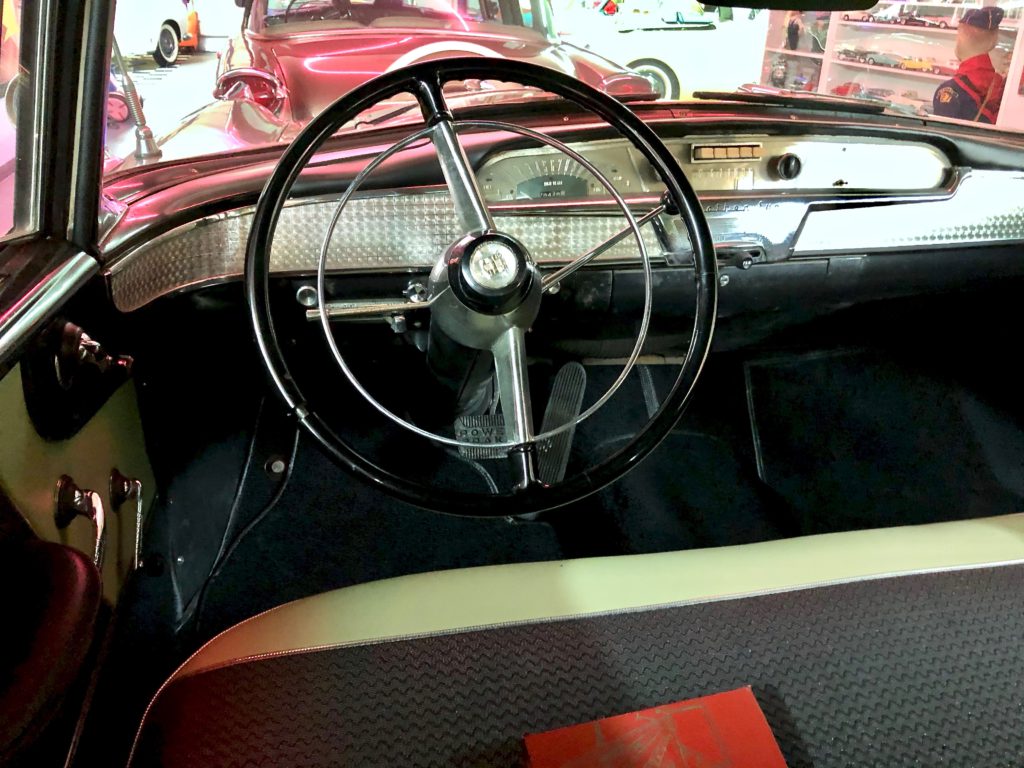
Push-button radio controls on the dashboard were an unexpected feature at the Rambler’s price point, and they signaled a cabin that delivered more than its modest cost suggested throughout. Intelligent packaging extracted maximum passenger space from the compact footprint, and rigid unibody construction improved handling while reducing weight for better fuel economy. An innovative convertible Landau top option offered open-air versatility without the mechanical complexity of a conventional convertible. The interior made a quiet argument that smaller did not mean cheaper or worse. Nash understood that before most of Detroit was willing to consider the question.
1. 1948 Chrysler Town and Country
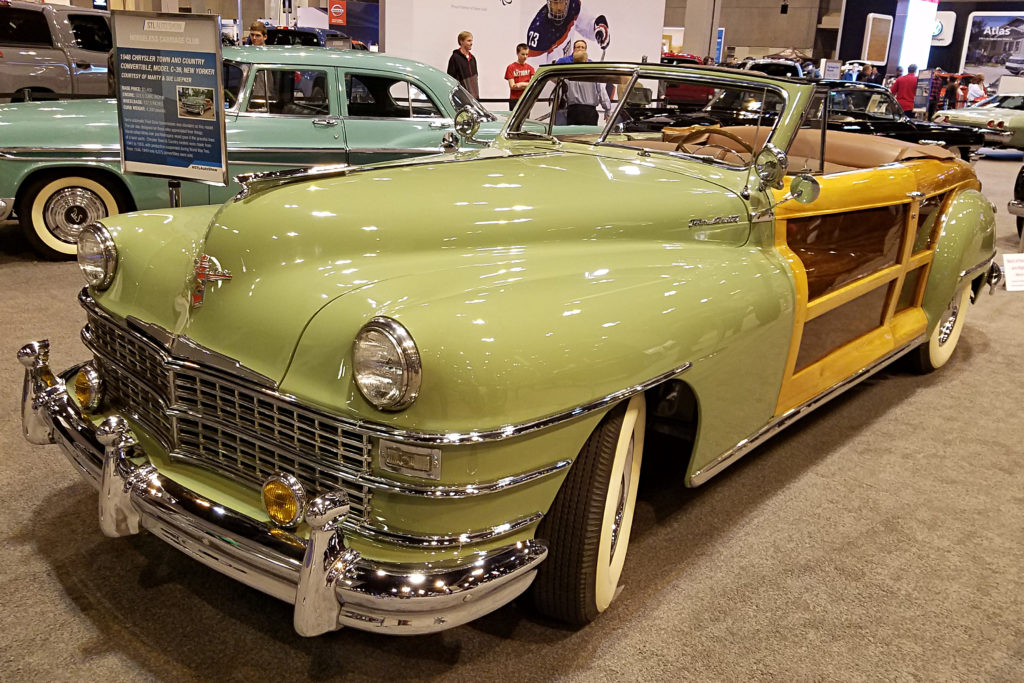
Genuine white ash and mahogany wood panels on a post-war American car were a statement that no other manufacturer was willing to make in 1948. The 5.3L inline-8 produced 135 horsepower in a body riding on a 127.5-inch wheelbase that provided the stable, composed platform the luxury price demanded. At approximately $4,000, the Town and Country targeted affluent buyers who wanted the finest American luxury available as post-war prosperity arrived. Real wood construction required real maintenance, and buyers accepted that as part of owning something genuinely handsome rather than merely expensive-looking. No other American car from this era combined materials, scale, and visual character at this level.
1948 Chrysler Town and Country – Interior
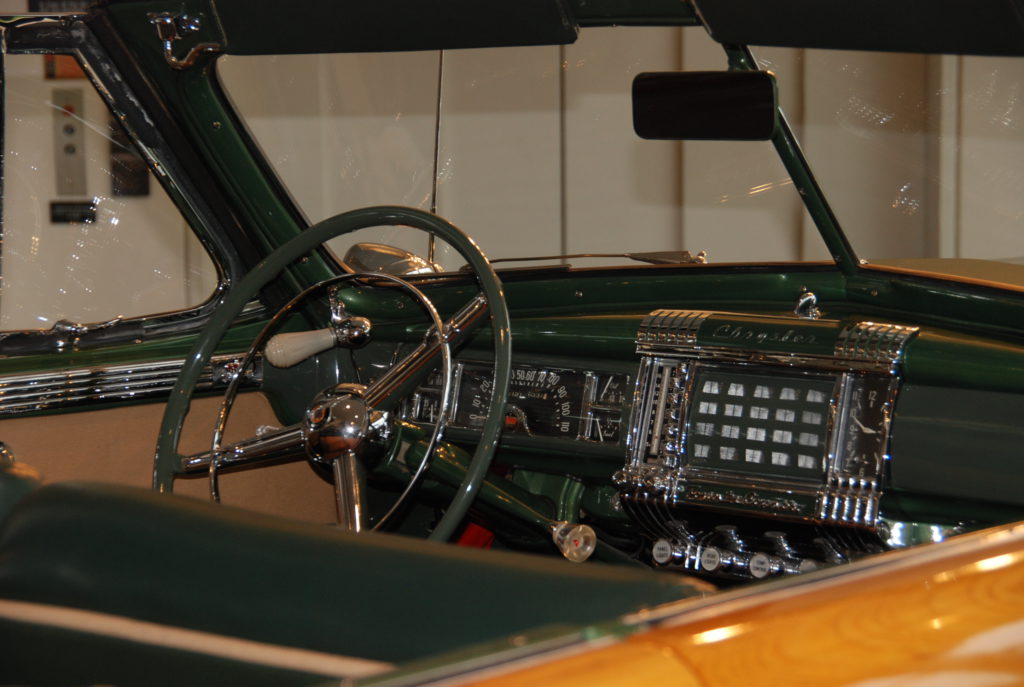
Craftsman-built wood trim extended throughout the Town and Country’s cabin and created visual continuity with the exterior paneling that made the design feel intentional rather than decorative. Premium upholstery covered seats engineered for long-distance comfort, comprehensive gauges presented vehicle information clearly, and the optional Fluid Drive semi-automatic transmission reduced shifting effort significantly on longer trips. Maintaining the wood components required real attention from owners, which came with the territory of choosing materials this honest over cheaper alternatives. The Town and Country interior set the standard for American luxury in the immediate post-war era — a standard that took the industry years to surpass.