

Your parking routine is quietly destroying your car. Every time you shift into “Park” before engaging that electronic parking brake, you’re overloading a fragile transmission component and straining an expensive electronic system. EPB actuator repairs routinely exceed $2,000, and this simple sequence mistake accelerates the failure.
The Fragile System You’re Overloading
Your parking pawl wasn’t designed to hold your car’s weight on hills.
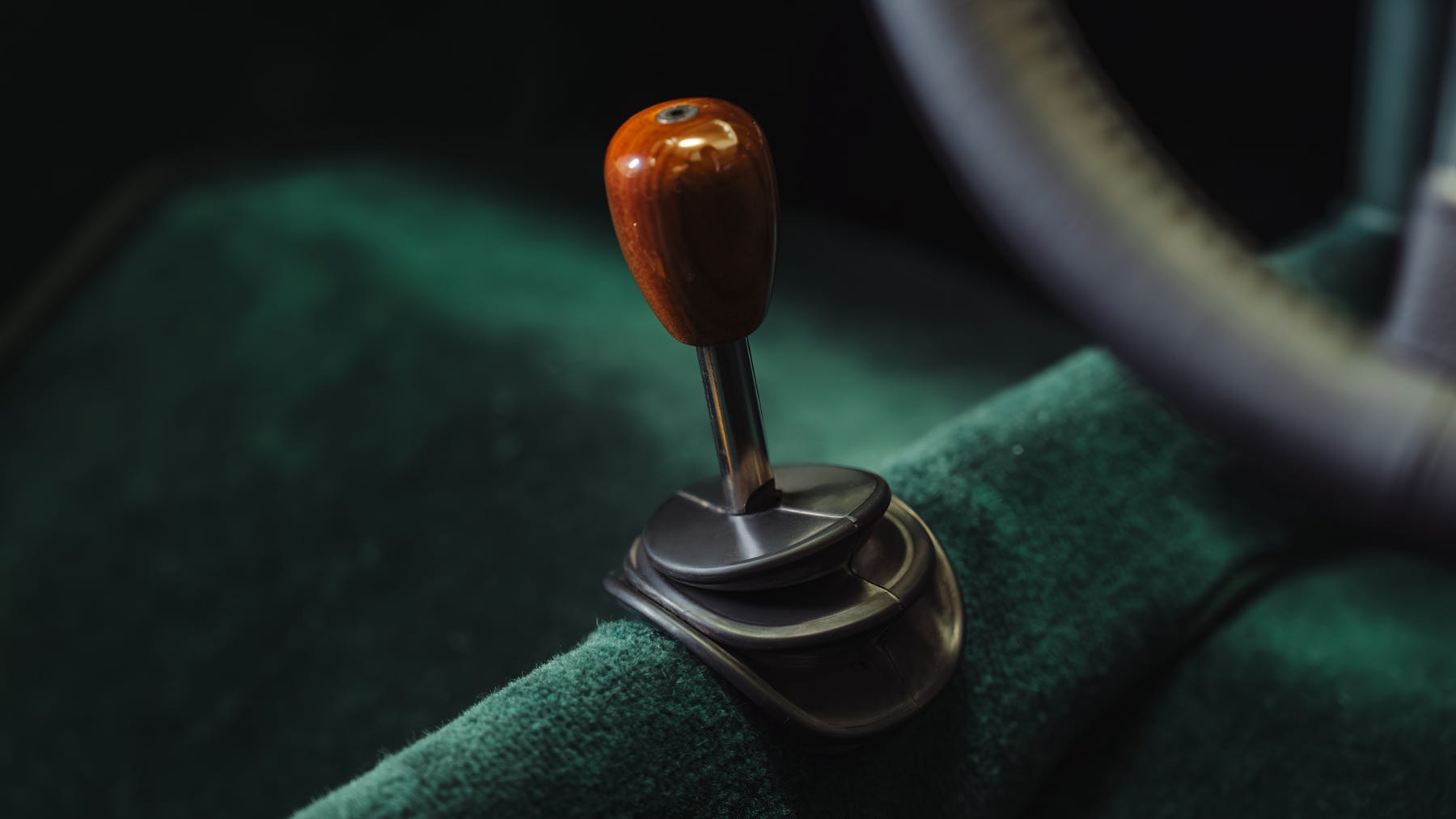
The parking pawl—a small metal pin in your automatic transmission—locks the output shaft when you shift to “Park.” This component was never engineered to bear your vehicle’s full weight, especially on inclines.
When you shift to “Park” first on a slope, that pawl experiences metal-on-metal stress as your car’s weight settles against it. The real damage happens when you release the brake pedal to drive away: your electronic parking brake’s motor and gears must overcome this concentrated load to free the pawl, creating excessive strain on the EPB actuator.
Key Warning Signs & Facts:
- EPB failures manifest as dashboard warning lights, grinding noises, or complete failure to engage/disengage
- Replacement actuators cost $2,000+ due to complex programming and labor requirements
- Contributing factors include corrosion from road salt, infrequent use causing system stiffness, and weak batteries failing to power high-amperage EPB motors
- Multiple manufacturers report these failures across their vehicle lines
Why Electronic Systems Fail Under Load
EPB actuators weren’t built to fight against trapped transmission components.
Electronic parking brakes rely on electric motors driving gears and cables—precision components that struggle when forced to overcome mechanical resistance. When the parking pawl bears your vehicle’s weight, releasing it requires the EPB system to essentially arm-wrestle your transmission.
This overload scenario causes premature wear in actuator motors, strips gears, and damages wiring harnesses. Modern vehicles compound this problem because EPB systems often integrate with stability control and hill-start assist features.
A failing actuator doesn’t just kill your parking brake—it can disable multiple safety systems, triggering limp mode and expensive diagnostic procedures.
The Free Fix That Saves Thousands
Change your sequence to protect your wallet.
Stop completely, hold your foot brake, engage the electronic parking brake first, then shift to “Park.” This sequence lets the brake system hold your vehicle’s weight instead of that vulnerable parking pawl. The pawl still engages as a backup, but without bearing load stress that leads to expensive failures. This habit costs nothing but saves you from joining the ranks of drivers facing four-figure repair bills for preventable EPB damage.