

Someone in Eugene, Oregon, left a profane note after smashing six Flock Safety cameras. In Suffolk, Virginia, vandals destroyed 13 units in what police called coordinated attacks. From La Mesa, California, to Greenview, Illinois, citizens are systematically dismantling the solar-powered surveillance devices that have quietly spread across American neighborhoods like digital dandelions.
The backlash reveals a growing tension between public safety promises and privacy fears as Flock’s automated license plate readers expand nationwide.
The Cameras That See Everything
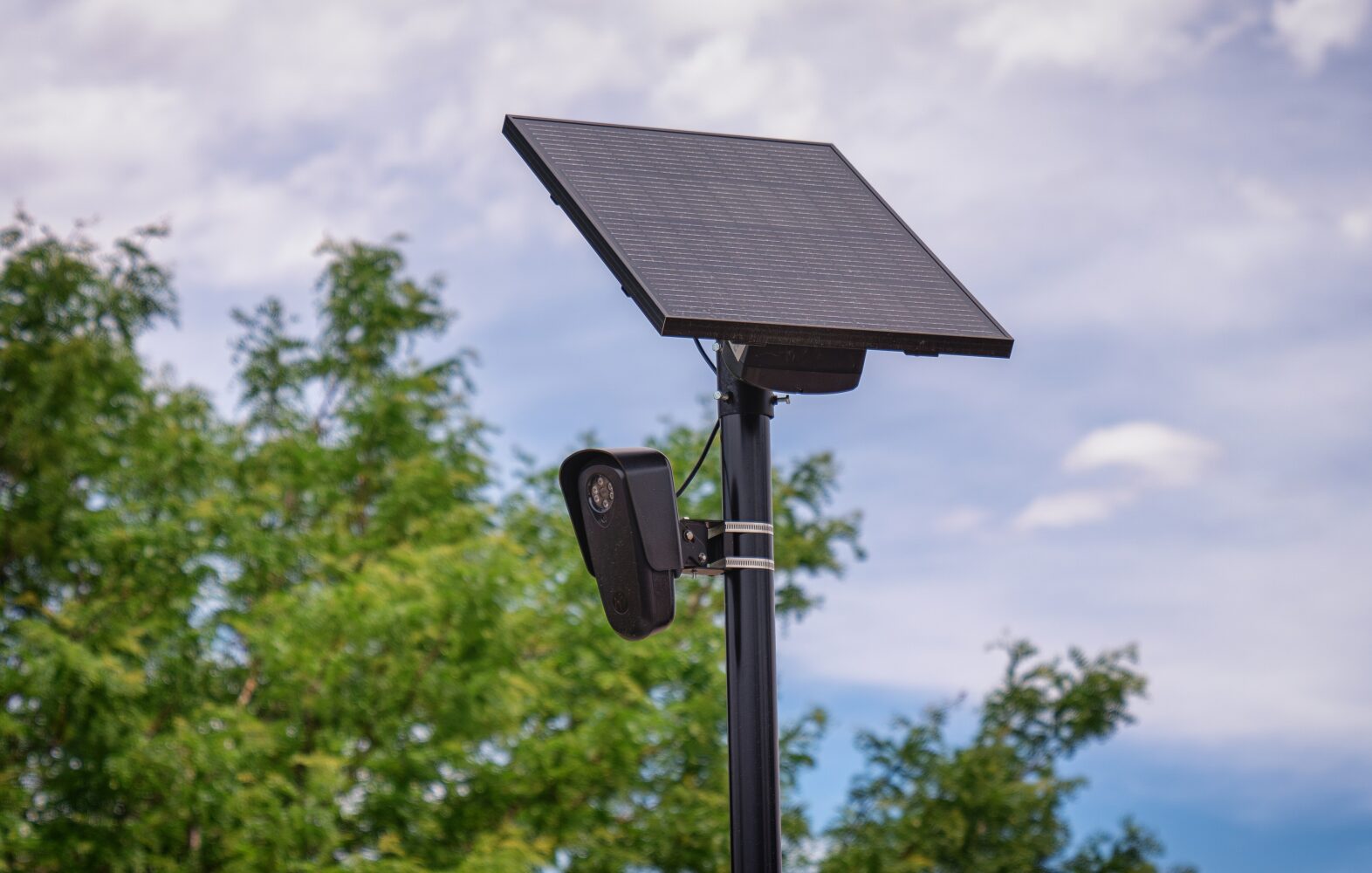
Flock Safety’s cameras don’t just photograph your license plate—they create a digital fingerprint of your entire vehicle. The Atlanta-based company’s Falcon and Sparrow models capture make, model, color, and even distinctive features like dents or bumper stickers.
Solar-powered and LTE-connected, these devices install without wiring and feed data to searchable law enforcement databases.
- Technology specs: 30-day data retention, real-time alerts to police, “Vehicle Fingerprint” AI recognition
- Deployment scale: Operating in 49 states with thousands of cameras installed
- Claimed benefits: Gwinnett County recovered $1.47 million in stolen vehicles; Castle Rock, Colorado, saw 40% drop in auto theft
- Installation ease: No power lines or complex wiring required for rapid deployment
The company markets these capabilities as community protection tools, emphasizing their crime-solving success stories like Cobb County’s 100% homicide clearance rate.
When Crime Fighting Becomes Citizen Tracking
Reality doesn’t match the marketing brochure. A Georgia police chief faces stalking charges for using Flock data inappropriately. Reports emerged of the technology being used to track women seeking out-of-state abortions. Federal agencies gained unauthorized access to local camera networks, turning neighborhood safety tools into national surveillance infrastructure.
“ACLU criticizes expansions to video and live feeds and nationwide searches as enabling mass surveillance,” according to the civil liberties organization’s analysis of Flock’s evolving capabilities.
Cities like Santa Cruz, California, and Eugene, Oregon, have canceled contracts after discovering the privacy implications. The vandalism wave represents citizens who’ve decided corporate assurances about “privacy by design” ring hollow when your daily movements get logged into databases shared with law enforcement.
Flock denies enabling mass surveillance, insisting cameras capture “point-in-time images without tracking individuals.” But sledgehammers suggest some Americans aren’t buying that distinction.