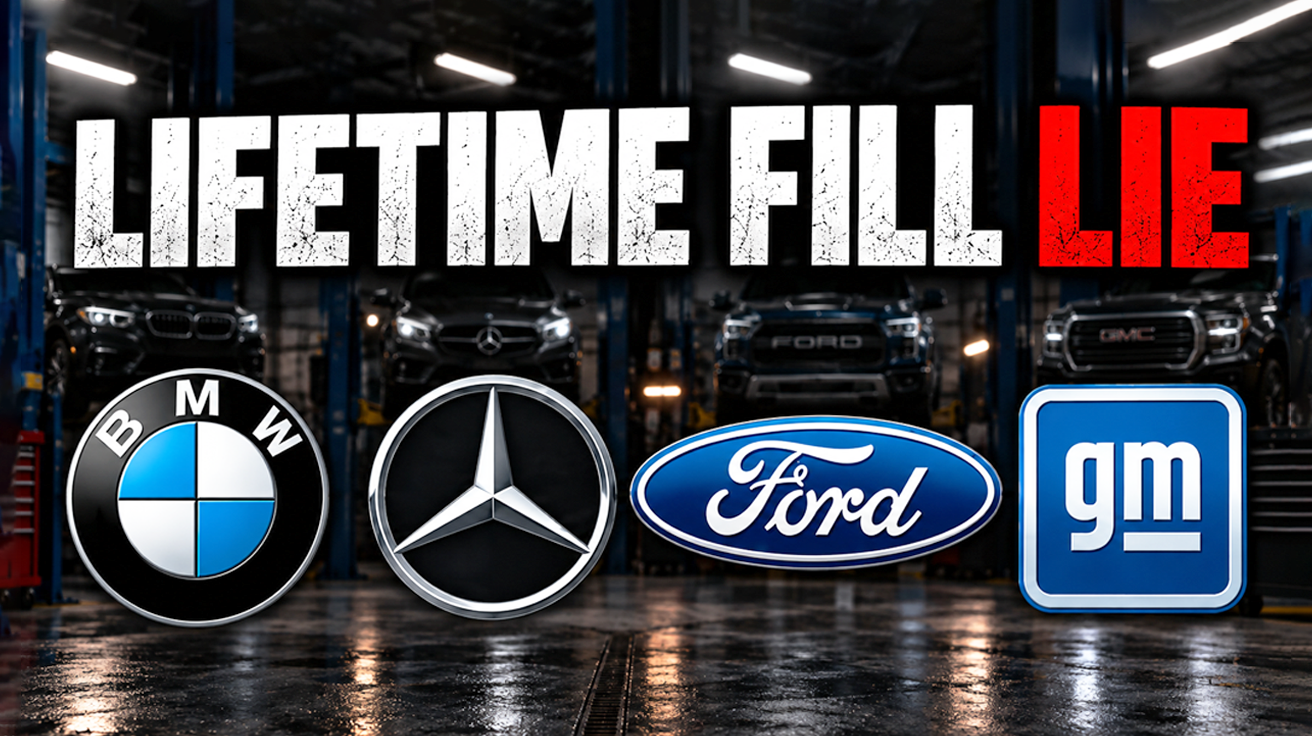
Many cars, despite sophisticated engineering, never reach the 200,000 miles they’re capable of. The culprit? Misunderstood maintenance guidance that prioritizes warranty periods over genuine longevity. Manufacturers slap “lifetime fill” labels on fluids that quietly degrade, leading to expensive failures like clogged heater cores and shuddering transmissions. Question those claims. Understanding how basic maintenance decisions affect your car’s lifespan can save thousands and keep your road trip companion running for decades.
1. BMW ZF 8HP/6HP Automatic Transmissions “Lifetime Fill”
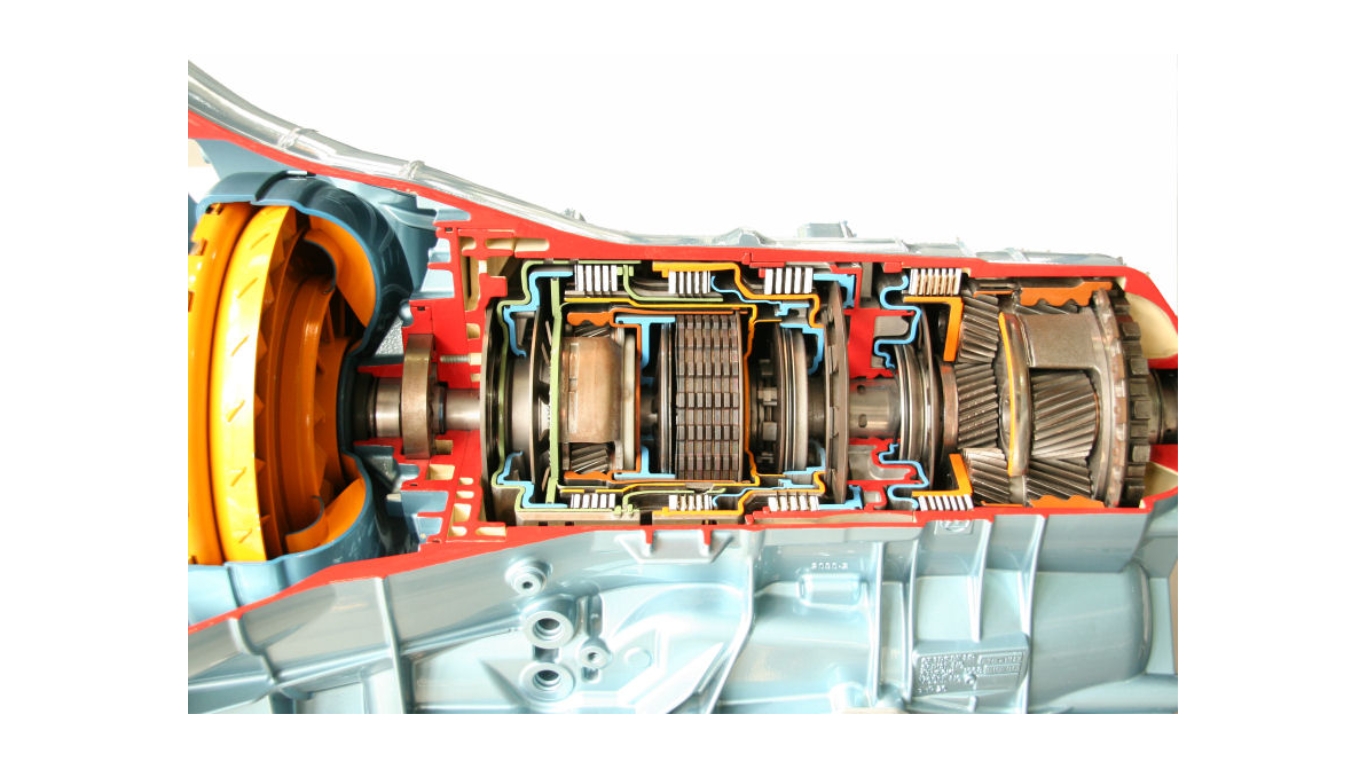
ZF recommends fluid service every 50,000 miles; BMW says “lifetime fill.” One of these claims will cost you.
ZF, the manufacturer of BMW’s 8HP and 6HP automatic transmissions, recommends fluid and filter changes every 50,000 miles. This starkly contrasts with BMW’s “lifetime fill” marketing that implies no scheduled service. ZF’s own documentation specifies service every 8 years or between 50,000–75,000 miles, depending on use.
Transmissions are tested to around 100,000 miles on the original fluid with an “acceptable rate of failure”—which aligns with warranty horizons, not your vehicle’s full service life. Degraded ATF leads to harsh shifts, torque converter shudder, and accelerated clutch wear. Independent BMW specialists commonly advise service around 50,000–60,000 miles to preserve long-term health and avoid expensive rebuilds.
2. Mercedes-Benz 722.6 5-Speed Automatic Transmission “Lifetime Fill”

Mercedes called it “filled for life” in the ’90s, then quietly revised the guidance after widespread failures.
Mercedes-Benz initially promoted its 722.6 5-speed automatic transmission fluid as “filled for life” in the mid-1990s, implying no routine changes were needed. Many 722.6 units (also known as NAG1) suffered premature failures—slipping, harsh shifting, and internal wear—often linked to ATF degradation over time.
As field data accumulated, Mercedes reversed course and issued updated service guidance mandating fluid and filter changes, typically every 40,000-60,000 miles. Cruising cross-country only to have your gearbox start acting like a sputtering film projector teaches an expensive lesson: “lifetime” ATF is often incompatible with a vehicle’s actual service life.
3. Ford 10R80 & GM 10L80/10L90 10-Speed Automatic Transmissions “Lifetime Fill”
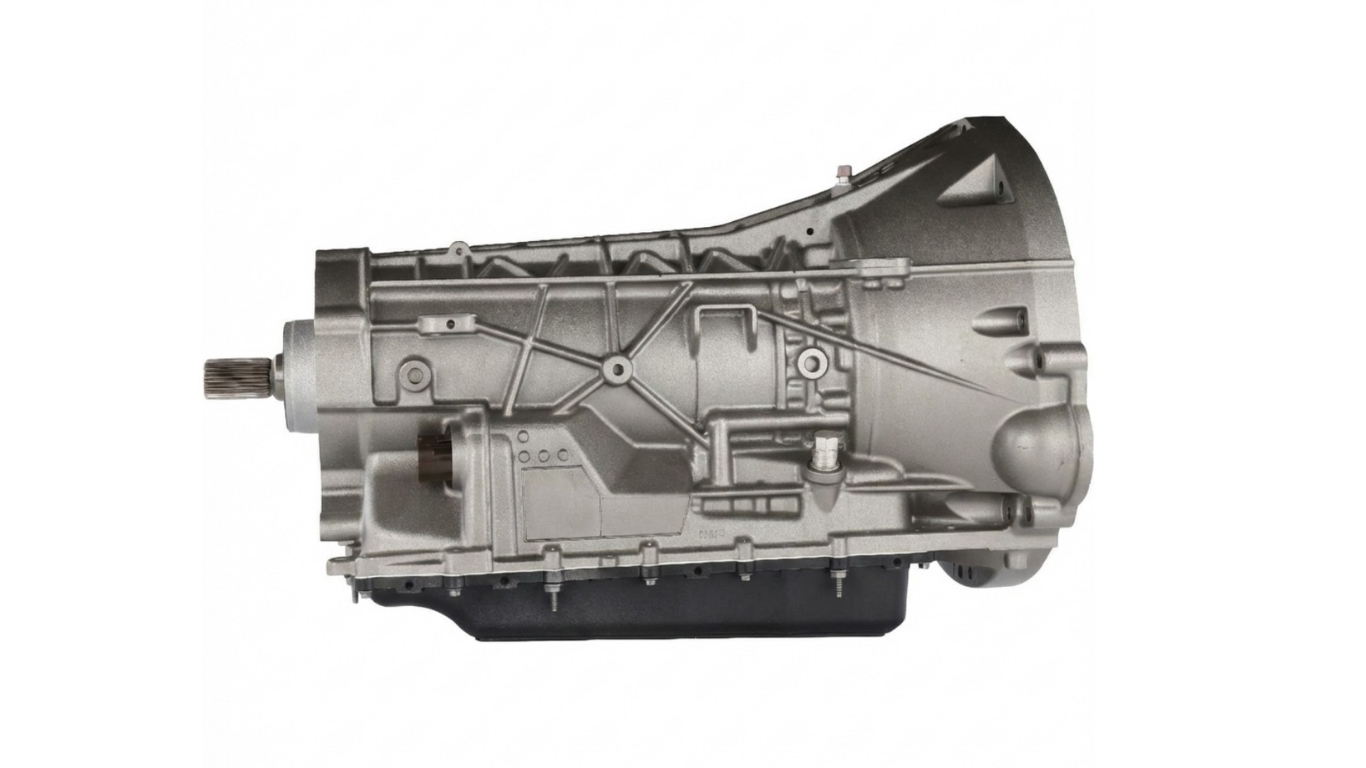
OEM manuals say “lifetime fill”; TSBs and shops say “change it by 60,000 miles or prepare for shudder.”
Over 45,000 miles, many Ford and GM 10-speed automatic transmissions develop torque converter clutch shudder and harsh shifts. Despite OEM “lifetime fill” claims, units in the Ford F-150, Chevy Silverado, Tahoe, and Camaro often suffer from degraded ATF that causes the transmission to feel like a washing machine full of rocks.
GM issued TSBs such as 18-NA-355 recommending DEXRON HP fluid exchanges. Ford’s 10R80 saw TSBs like 18-2158 detailing PCM calibrations and proper Mercon ULV fluid use. Specialists commonly recommend drain-and-fill services every 45,000–60,000 miles, or 30,000–40,000 miles for severe use. These transmissions are highly sensitive to correct fluid specification; using older specs or extended intervals increases risk of shudder and long-term internal damage.
4. Pentastar 3.6L V6 Engine Cooling System Fill Recommendations
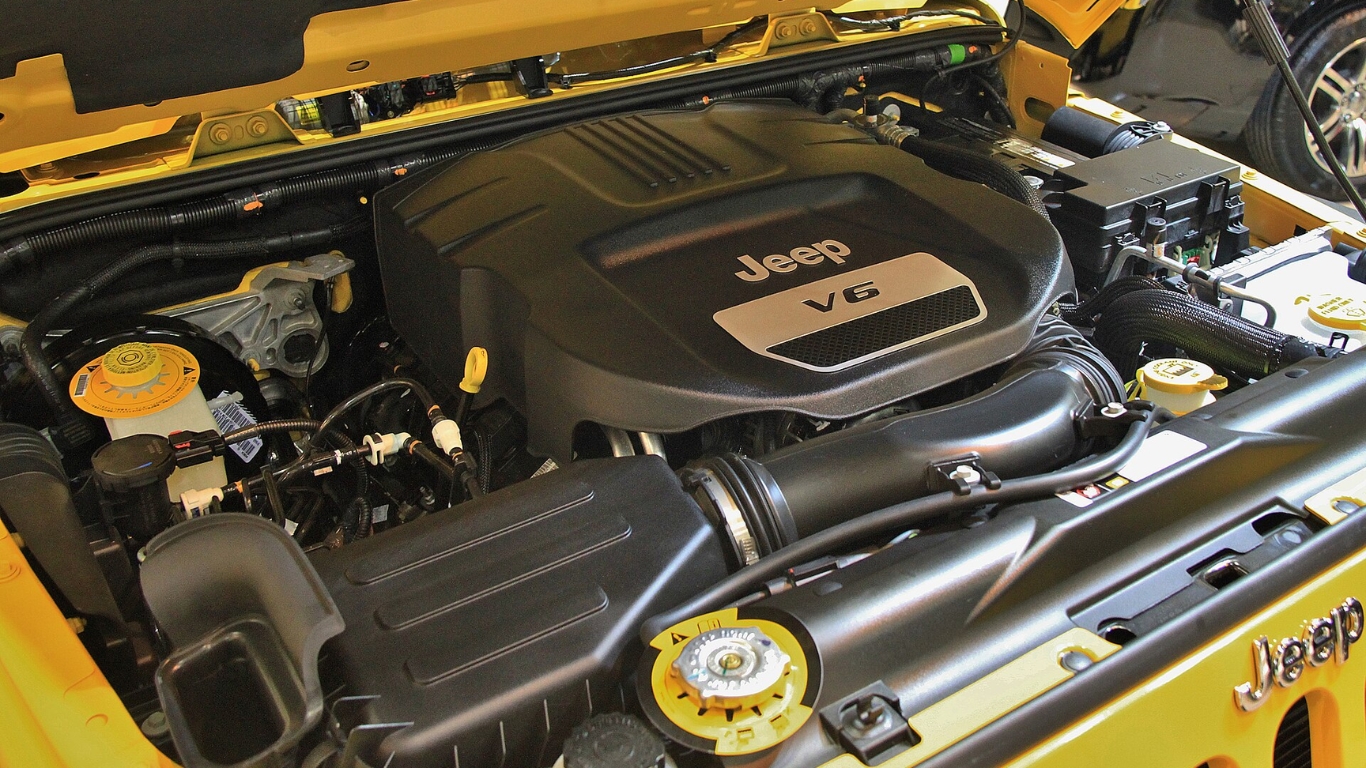
Factory service says 150,000 miles between coolant changes; heater cores start clogging around 120,000.
The Pentastar 3.6L V6, used in millions of Jeep, Dodge, Chrysler, and Ram vehicles, has a documented pattern of heater core clogging. Manufacturing residue (casting sand and plastic debris) circulates in the coolant system. Combined with aged coolant that has depleted inhibitors and lowered pH, these particulates form sludge that settles in low points, especially the heater core.
Many owners report weak or no cabin heat around 120,000–150,000 miles. Fixes frequently require heater core replacement and system flushing, which can be costly. Regular coolant changes on intervals shorter than 10 years or 150,000 miles—along with thorough system bleeding—reduce the likelihood of sludge buildup and expensive late-life failures.
5. Ford Motorcraft “Long-Life” Coolant
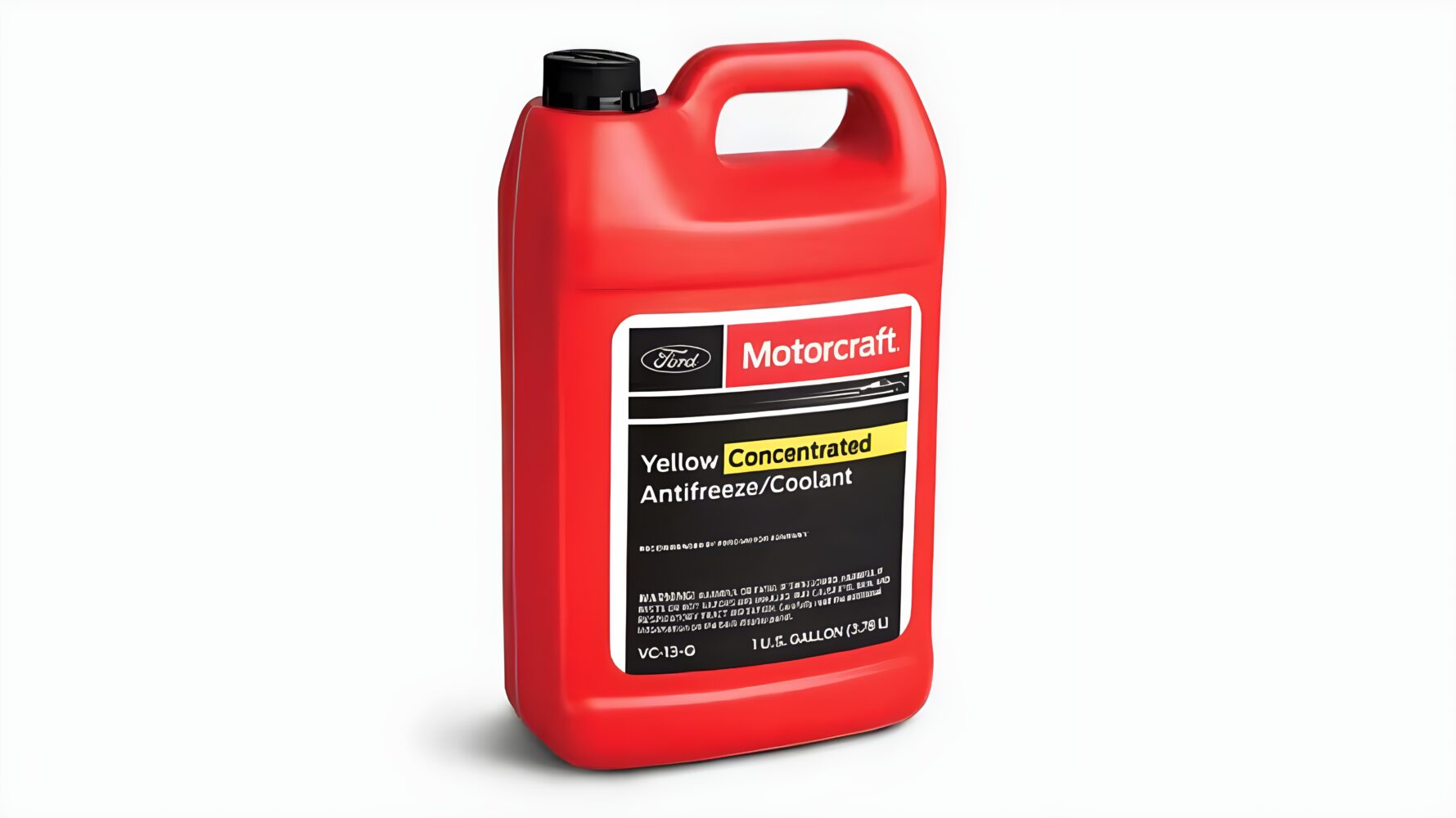
Extended intervals sound great until your water pump fails at 160,000 miles without warning.
Many modern Ford vehicles use Motorcraft long-life coolant, formulated for extended drain intervals of up to 150,000 miles or 5 years. While organic acid and hybrid inhibitors resist corrosion and scale formation longer than conventional coolants, the fluid still degrades over time. Inhibitors get consumed, pH drops, and the fluid becomes more electrically conductive, increasing risk of electrolysis and internal corrosion in aluminum components.
Anti-foaming agents also break down, leading to cavitation where vapor bubbles violently collapse against the water pump impeller, causing erosion and premature pump failure. For severe service—towing, high temperatures, or frequent short trips—many technicians recommend shorter intervals than the maximum 150,000 miles to reduce risk of water pump, radiator, or heater core failures.
6. BMW “Long-Term” Coolant
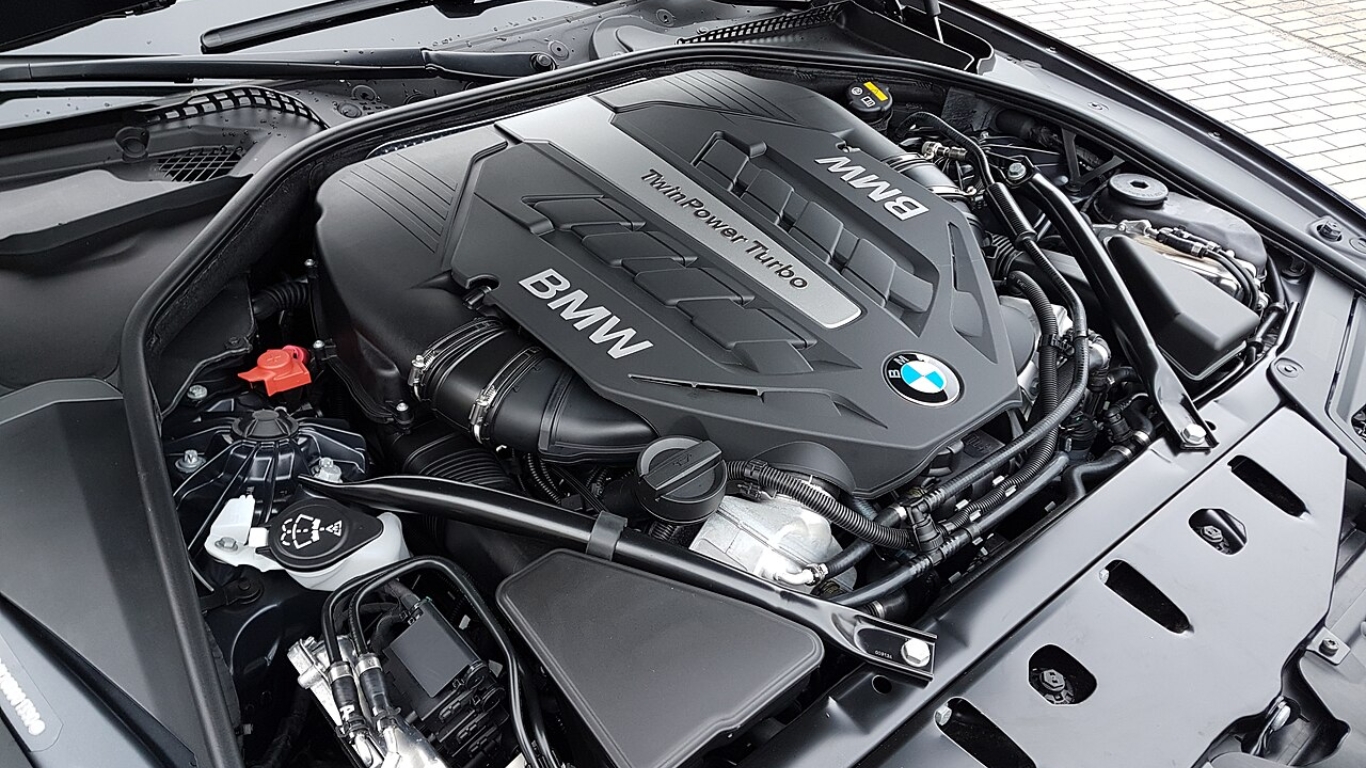
“No service interval” means corrosion eats aluminum components silently until a pinhole leak appears.
BMW’s “long-term fluid” coolant often comes with no required change interval. Over thousands of engine heat cycles, vital chemical inhibitors are consumed. As these protectors deplete, the coolant’s pH drops, turning it acidic. This depleted fluid then transforms into an electrically conductive electrolyte, fostering silent, destructive internal corrosion that pits aluminum components like cylinder heads, radiators, and heater cores.
These microscopic attacks create pinholes, leading to unexpected, expensive failures with zero warning lights. Discovering a mysterious coolant leak after years of trusting a “no service needed” claim leads to repair bills that feel like a gut punch. Proactive coolant maintenance, regardless of manufacturer promises, remains essential to safeguard critical engine components.
7. Brake Fluid Changes
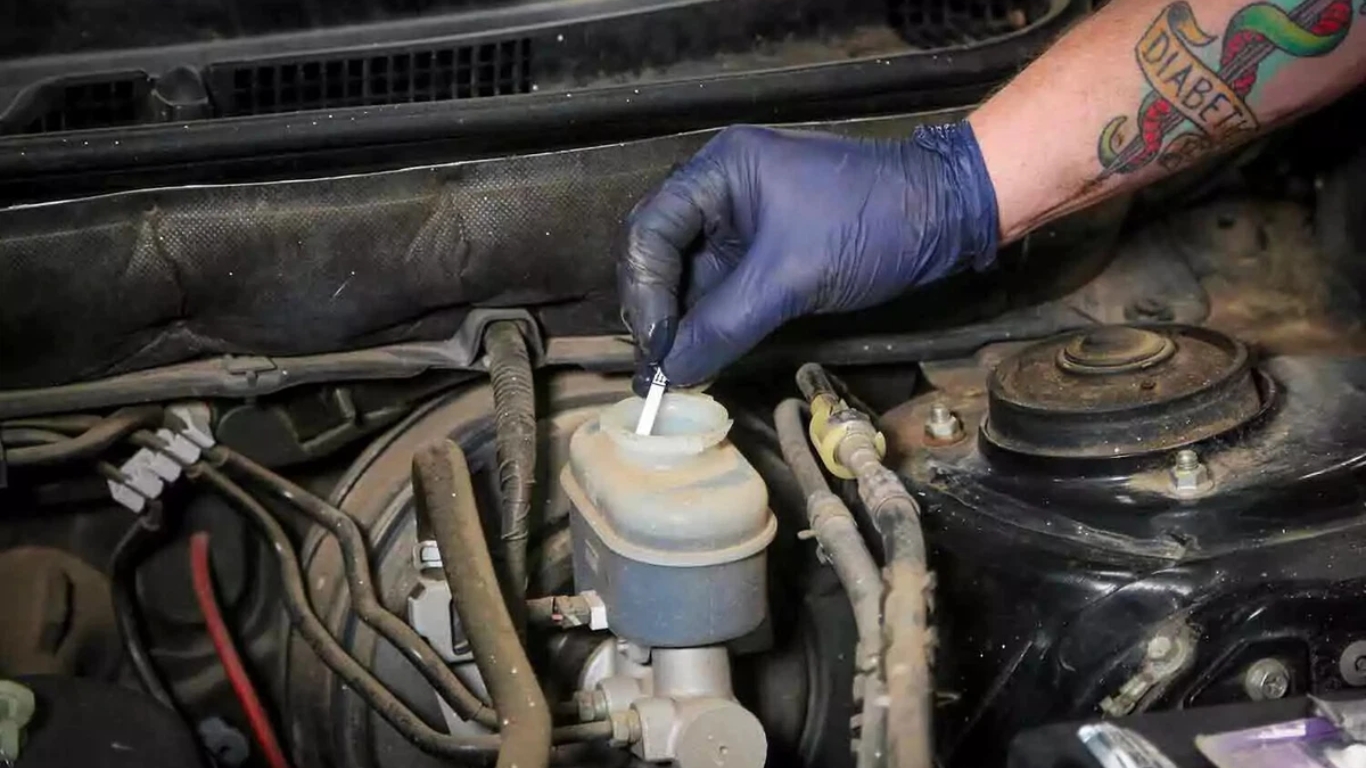
Fresh DOT 3 boils at 401°F; give it 18 months of moisture absorption and that drops to 284°F.
Brake fluids like DOT 3 and DOT 4 are hygroscopic, meaning they absorb moisture from the air through rubber hoses, seals, and reservoir vents. This water content typically increases by 1.5–3.0% over 12–24 months, significantly reducing the fluid’s boiling point. Fresh DOT 3 has a dry boiling point around 401°F (205°C) but a wet boiling point (at ~3.7% water) around 284°F (140°C).
As moisture and temperature rise under hard braking, the fluid can boil inside the brake lines, creating vapor bubbles that cause brake fade, soft pedal, or temporary loss of braking. Many manufacturers and industry standards recommend flushing brake fluid every 2 years or 24,000–30,000 miles to maintain a safe wet boiling point and limit corrosion inside the hydraulic system. Moisture content can be checked quickly using an electronic conductivity probe.
8. Power Steering Fluid Changes
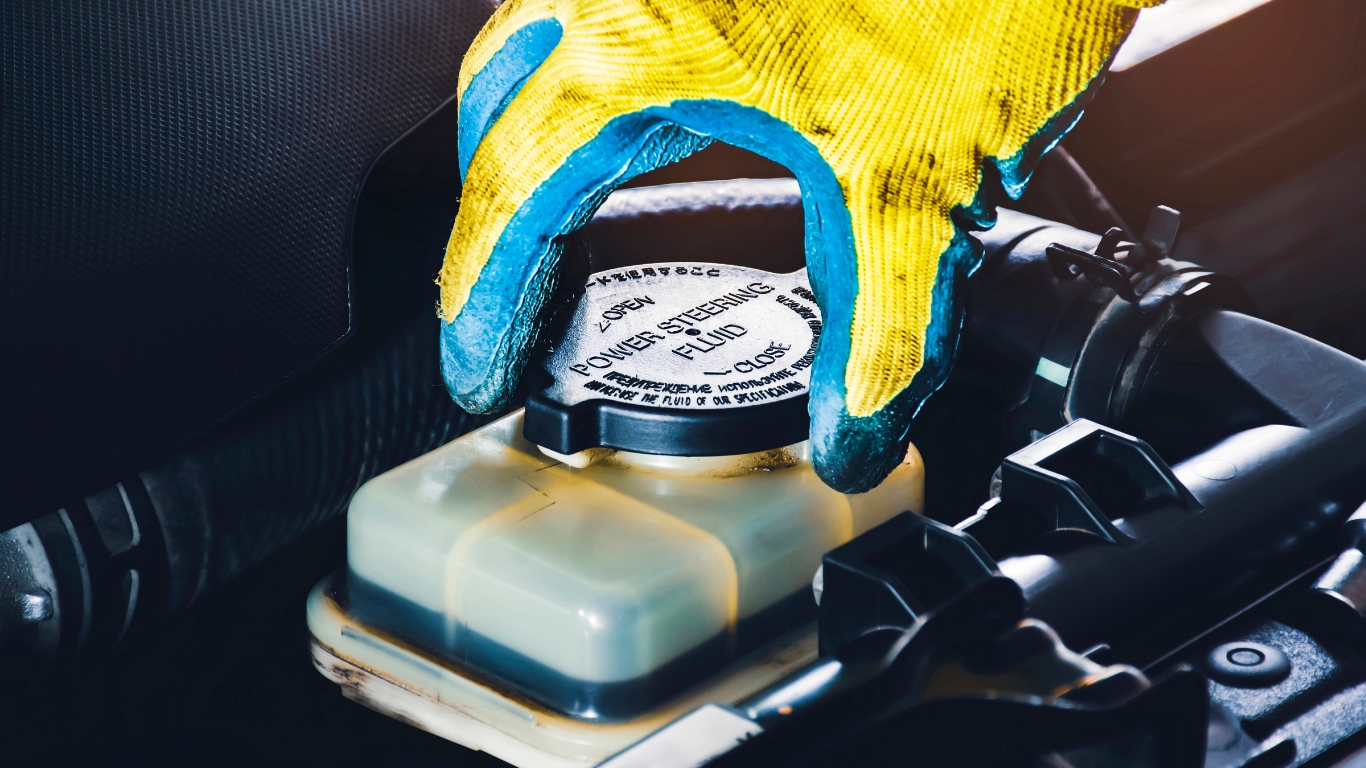
This fluid steadily oxidizes over time, accelerating wear on seals and O-rings until you’re wrestling a stiff wheel on a freeway exit.
Power steering fluid oxidizes over time, losing its essential lubricating and hydraulic properties. As it degrades, it accelerates wear on critical seals and O-rings within the steering rack, turning smooth operation into a grinding chore. This silent breakdown can lead to leaks, complete power steering pump failure, or full steering rack replacement.
Dashboard warning lights rarely signal this gradual destruction. The first sign might be suddenly wrestling a stiff wheel on a freeway exit. Proactive fluid changes—typically recommended by specialists even when no factory interval is specified—are the only real defense against expensive steering system failures.
9. Differential Fluid Chnages
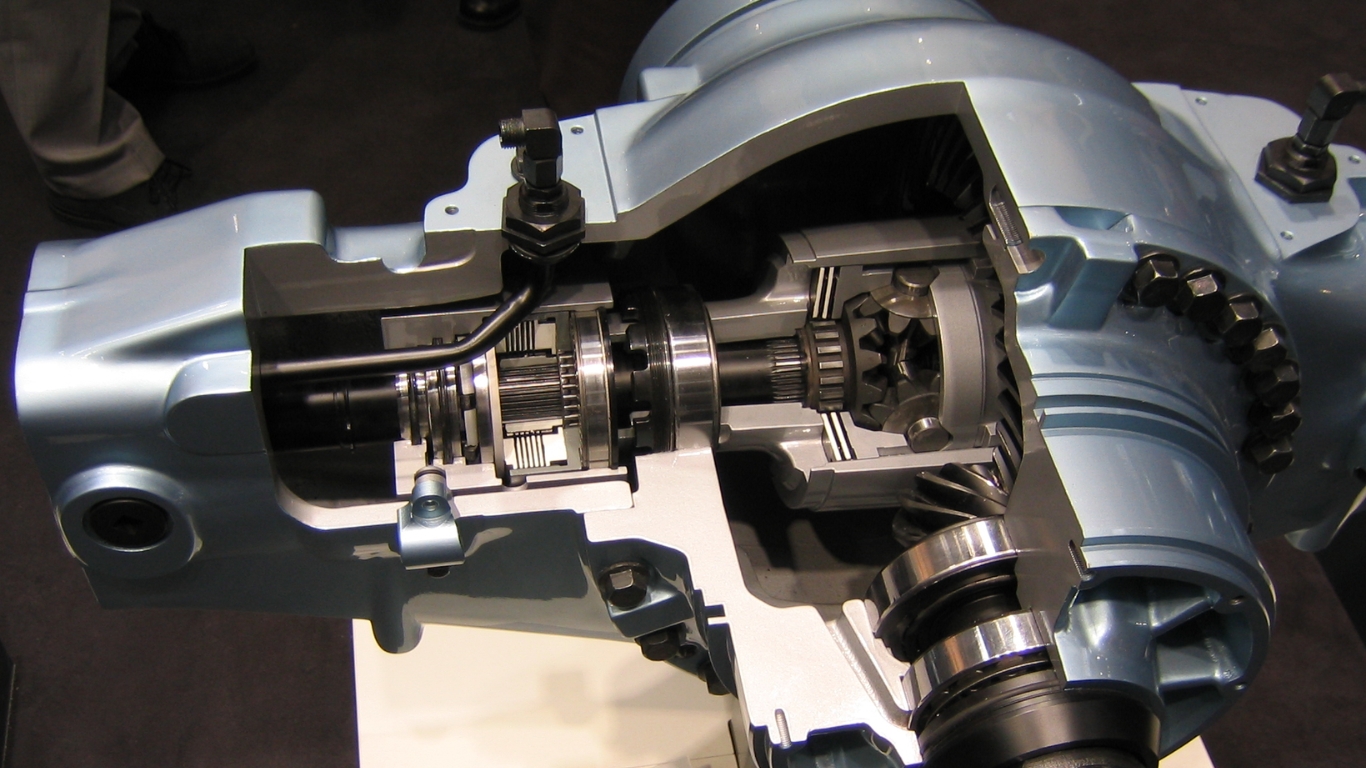
No dashboard light warns about differential fluid degradation; the first sign is usually an unsettling whine from the rear axle.
Differential fluid degrades under constant heat and mechanical stress within the differential housing, losing its critical lubricating capabilities. This breakdown hastens wear on crucial gears, bearings, and other internal components. The fluid often disappears from routine service schedules despite operating under brutal conditions similar to transmission fluid.
Dashboard lights won’t warn about this degradation. The first undeniable sign might be a loud, unsettling whine from the rear axle during a cross-country drive, signaling significant internal damage. Regular differential fluid service, typically every 30,000 to 50,000 miles depending on use, prevents expensive drivetrain failures that can quickly escalate into thousands of dollars in repairs.
10. Engine Oil & Filter Quality

Cheap filters fail to trap micro-grit, accelerating internal engine wear that will grind your road trip to a halt.
Oil change advice ranges from 3,000 miles (touted by quick lubes) to 10,000 miles (in some owner’s manuals). For most drivers using quality synthetic oil, the sweet spot sits around 5,000 miles, depending on driving style and conditions. However, oil is only half the equation.
Quick lubes frequently install inexpensive filters with weak bypass valves or poor filtration media. A cheap filter fails to trap micro-grit, allowing abrasive particles to circulate and accelerate internal engine wear. The few dollars saved on a bargain filter become an illusion when facing expensive engine repairs. Investing in a quality filter is non-negotiable for true engine longevity.
11. Substandard Aftermarket Parts

Saving $8-12 on cheap brake pads or hoses creates a slow-motion cascade of problems that appears around 180,000 miles.
After investing tens of thousands in a vehicle, many drivers still opt for the cheapest replacement parts, saving $8-12 on items like brake pads, hoses, or sensors. These budget components aren’t built for endurance. They degrade quietly, increasing wear or operating temperatures across the vehicle.
Immediate, dramatic failure is rare. Instead, this silent degradation accumulates. By 180,000 miles, mechanics often find a cascade of expensive problems tracing directly to that initial cheap component. Quality parts and fluids aren’t upgrades; they’re the essential cost of maintaining your asset for open-road reliability.
12. Aggressive Driving & Short Trips

Transmission fluid engineered for 60,000 miles under normal conditions can be exhausted in 40,000 miles under severe use.
Aggressive driving, heavy loads, and frequent short trips act as multipliers on all forms of vehicle degradation. Hard acceleration, constant braking, or towing heavy loads stress components far beyond their intended design limits. Transmission fluid engineered to last 60,000 miles under normal conditions can be exhausted in as little as 40,000 miles. Coolant inhibitors deplete faster under thermal strain, and seals age prematurely.
Short, stop-and-go commutes where the engine never reaches full operating temperature are equally destructive. Moisture builds in the oil, creating milky sludge that never boils off. Fuel deposits accumulate on valves rather than burning away cleanly. This cumulative harm demands maintenance schedules tailored to actual driving habits, not generalized manufacturer estimates, to avoid costly mechanical failures down the road.