

The Formula 1 transfer market dictates competitive fortunes years in advance, with contracts potentially extending through 2028 for top drivers like Max Verstappen. This high-stakes poker game determines who gets the wheel of tomorrow’s championship contenders. These driver movements create ripple effects throughout the grid. These major shifts reveal key figures and their potential destinations, based on current contracts and team performance. This upcoming 2027 season promises significant shake-ups, revealing which drivers might find themselves piloting a championship-caliber machine or simply running laps. These pivotal decisions will reshape team dynamics and championship aspirations.
1. Max Verstappen (Red Bull Racing)

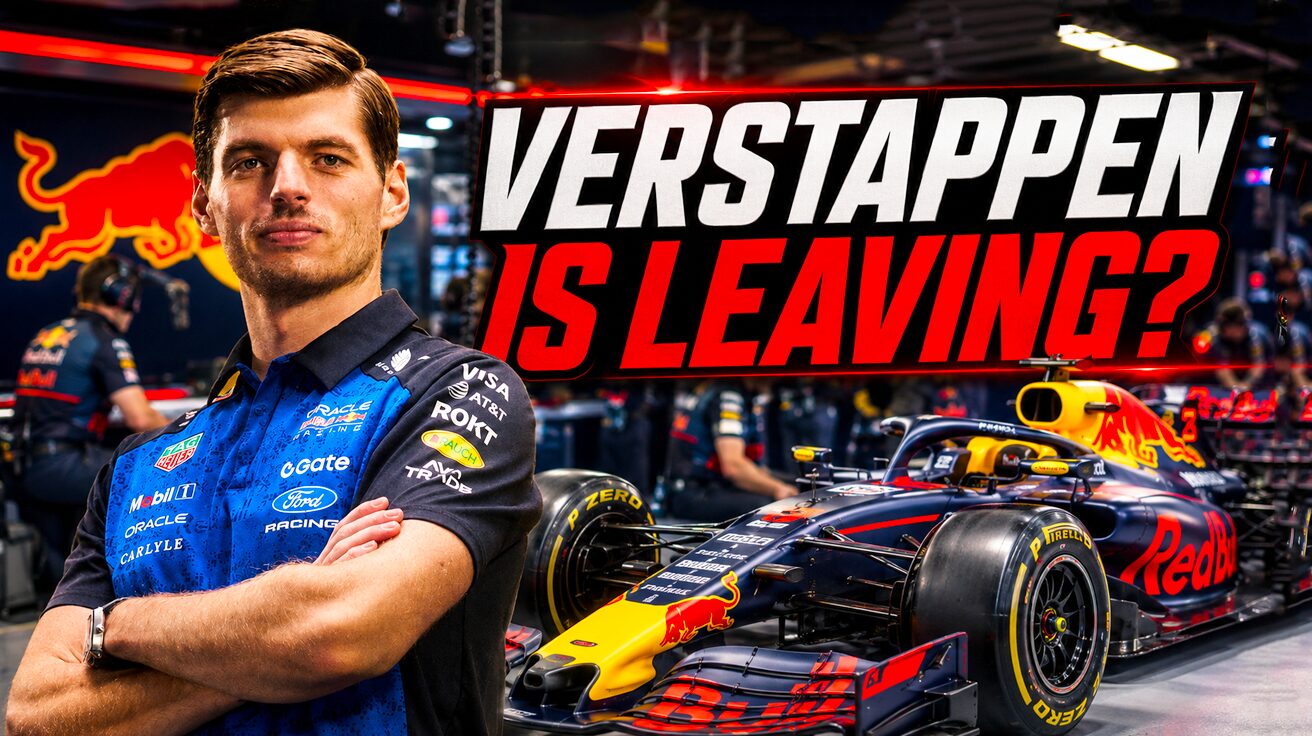
Performance clauses in his Oracle Red Bull Racing contract could trigger one of F1’s biggest exits.
Max Verstappen’s contractual leverage profoundly shapes the F1 driver market. His Oracle Red Bull Racing deal runs until 2028, but includes an exit clause allowing him to leave by mid-2026 if he isn’t in the top two of the World Drivers’ Championship.
This year, his RB22, powered by a Red Bull Ford Powertrains 1.6L V6 turbo-hybrid engine producing over 1000 bhp, feels more like a misfiring classic than a championship contender. He currently sits 6th in the WDC. The frustration when your meticulously planned road trip hits unexpected detours, making the entire journey questionable? That’s his current reality.
This strategic chess game, where a dominant driver considers a sabbatical due to car competitiveness, will ripple through the entire F1 grid. Shifts as rapid as a trending car mod video on social media await.
2. Fernando Alonso (Aston Martin Aramco F1 Team)

His “lifetime project” with Aston Martin faces its toughest test yet.
Fernando Alonso, a two-time F1 world champion, defies age in a youth-driven sport. His Aston Martin contract through 2026 could see him race until 45, then transition to an ambassadorial “lifetime project.”
This season, the AMR26 chassis has performed like a vintage tractor pulling a heavy load. The overweight, unreliable machine leaves Aston Martin 10th in the Constructors’ Championship. Recent upgrades, including a lighter chassis, secured a P10 finish in Monaco, yet the path ahead remains a dusty track.
This crossroads looms: when F1’s razor-edge thrill no longer outweighs new adventures, perhaps a classic road trip down Route 66 beckons. Alonso, a Le Mans winner, now weighs F1 against endurance racing and the Dakar Rally. His summer break decision transcends car speed; it’s about that raw, personal drive. This chapter feels like a downshift into uncharted territory.
3. Carlos Sainz Jr (Williams Racing)

A stunning regression from Williams’ 2025 form leaves Sainz questioning the four-year plan.
In 2025, Carlos Sainz Jr. secured 64 points, landed two podiums, and finished 9th in the Drivers’ Championship, catapulting Williams to 5th in the Constructors’ standings. Under his 2025–2026 contract, wearing race number 55, this looked like a long-term play.
Yet, the 2026 FW48 has regressed sharply, leaving Sainz with only 6 points and 15th in the WDC. He called it an “eye-opener,” a stark contrast to being just 3–4 tenths off pole the previous year. It’s like buying a classic grand tourer, only for its engine to spontaneously detune itself.
Despite persistent links to Audi, where his father won the 2024 Dakar, and Aston Martin, Sainz has committed to Williams for a four-year horizon. This choice, akin to dedicating years to restoring a beloved project car that suddenly rusted through, underscores his loyalty but poses tough questions about missed opportunities.
4. Esteban Ocon (Haas F1 Team)

Team principal Ayao Komatsu’s public “expected more” comment puts Ocon’s multi-year deal under scrutiny.
Formula 1 is a brutal proving ground, where a single season of underperformance can unravel years of hard-won reputation faster than a snapped driveshaft. Esteban Ocon, who joined the Haas F1 Team on a multi-year deal starting in 2025 alongside Ollie Bearman, has learned this firsthand.
His debut 2025 season saw him score 38 points, with a best finish of P5 at the Chinese Grand Prix. However, the 2026 season has delivered a different kind of challenge. Ocon has accumulated only 3 points thus far, consistently outscored by Bearman’s 18 points. The rookie also leads their qualifying head-to-head 17–11, highlighting the pressure.
The feeling of a car that changes personality mid-corner? In F1, that inconsistency can be a career killer. Team Principal Ayao Komatsu publicly stated they “expected more” from Ocon and that “nobody is satisfied” with his results, acknowledging a “50–50” split in responsibility with the inconsistent VF-26 chassis. Every lap is an audition when a contract has the shelf life of an open soda can, demonstrating the razor-thin margin for error in this sport.
5. Oliver ‘Ollie’ Bearman (Haas F1 Team)

The British rookie’s 17–11 qualifying advantage over Ocon establishes him as F1’s breakout star.
Winning a qualifying head-to-head 17–11 against an experienced Formula 1 driver in a rookie season is uncommon, yet Oliver ‘Ollie’ Bearman achieved it with Haas in 2025. His natural adaptation mirrored a finely tuned engine finding its rev limiter. He quickly extracted pace, scoring 33 points after summer break and outscoring Esteban Ocon.
Despite occasional FP1 rotations for reserve drivers, Bearman remained Haas’s core race driver, cementing his “amazing rookie” status within Ferrari’s junior sphere. His momentum carried into 2026, where he reinforced his commanding presence by scoring 18 points to Ocon’s 3.
When a young artist drops a debut album, instantly overshadowing seasoned acts, the impact reverberates. Bearman’s ascent is similar. A road trip where a new driver seamlessly takes the wheel demonstrates this rapid establishment. His high-ceiling talent points towards an inevitable climb.
6. Leonardo Fornaroli (McLaren Reserve / F2 Champion)
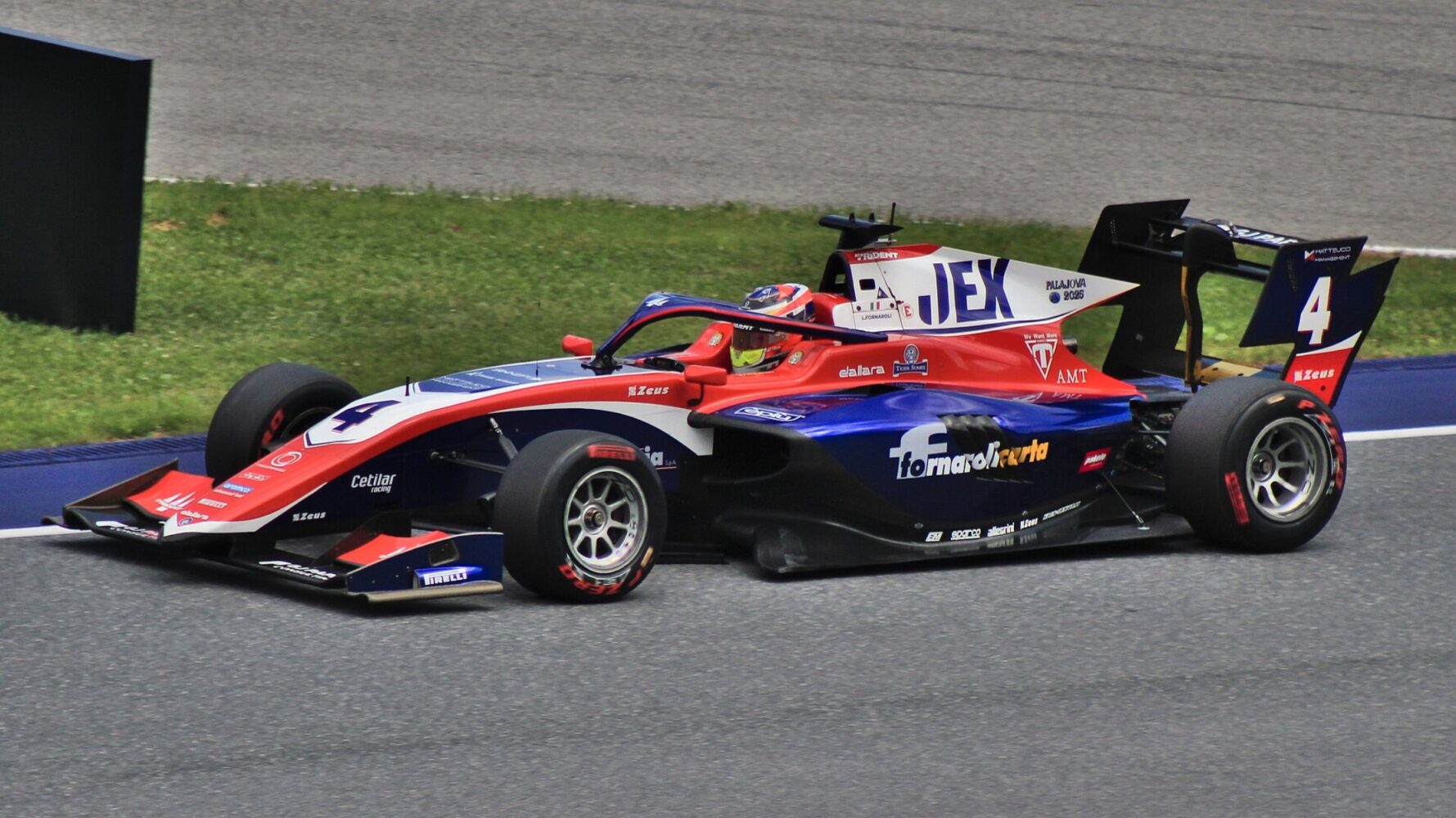
Back-to-back F3 and F2 championships position the Italian as McLaren’s next major investment.
Dominating the 2024 FIA Formula 3 Championship and the 2025 FIA Formula 2 Championship back-to-back requires relentless pace, a feat 21-year-old Italian Leonardo Fornaroli executed flawlessly. He now serves as McLaren‘s reserve driver for 2026, having joined their Driver Development Programme in December 2025.
His F2 title run with Invicta Racing netted him 4 wins, 3 poles, and 9 podiums for 211 points. Multiple F1 tests in McLaren’s 2023 MCL60 covered over 900 km, like a seasoned rally driver meticulously charting every hairpin. This isn’t just showing up; it’s relentless preparation, akin to re-shooting a dance sequence fifty times for that perfect, viral split-second.
Fornaroli’s FP1 outings for McLaren in Barcelona and Hungary, alongside a TPC test for Haas in the 2025 VF-25 at Jerez, show broader paddock interest. He’s effectively tuning his engine for a future F1 race seat, ensuring every component is honed before the main event.
7. Yuki Tsunoda (Red Bull/Racing Bulls Reserve)

His 124-point F1 career and Honda backing keep him relevant for Toyota-aligned opportunities.
Honda’s substantial backing, a consistent force since his junior days, supercharged Yuki Tsunoda’s career. He became Japanese F4 champion in 2018 and finished 3rd in the 2020 FIA Formula 2 Championship. He competed in F1 from 2021 to 2025 for AlphaTauri, Racing Bulls, and eventually Red Bull. His rookie season delivered a career-best P4 finish, showcasing flashes of raw speed.
Now serving as a reserve driver for both Red Bull Racing and Racing Bulls, Tsunoda’s deep ties to Japanese motorsport ensure his name persists. Across his F1 career he made over 110 race entries, scoring 124 career points with no wins or podiums. His experience offers strategic value, like a meticulously balanced suspension setup, opening doors even after a full-time F1 race seat concludes. That enduring relevance in the F1 paddock proves some drivers never go out of style.
8. Ryo Hirakawa (Toyota Gazoo Racing & Haas Reserve)
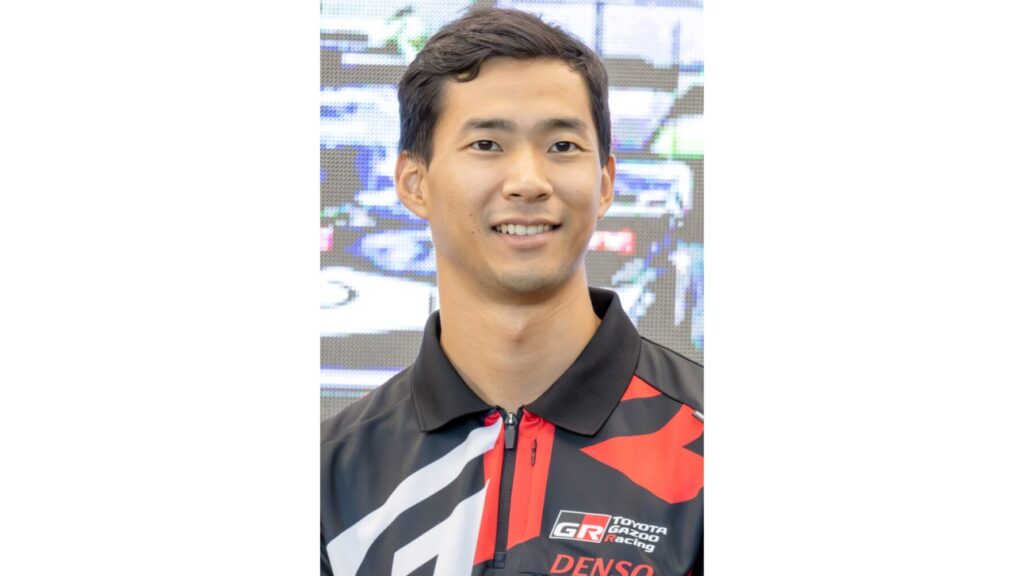
Double WEC champion and Le Mans winner brings elite endurance pedigree to Haas’s Toyota partnership.
Double Hypercar world titles in 2022 and 2023, plus a Le Mans win in 2022, establish Ryo Hirakawa‘s elite racing pedigree. He pilots the Toyota GR010 HYBRID, car No. 8, for Toyota Gazoo Racing, also serving as Haas’s official F1 reserve driver since 2025.
This dual role demands adaptability; it’s like re-tuning a finely balanced engine for a different kind of race. The ability to quickly recalibrate from endurance stints to F1’s explosive sprints distinguishes top-tier versatility. Hirakawa’s multiple FP1 sessions for Haas confirm this versatility. He consistently completes 20–28 laps, posting solid mid-field times, like P17 in Bahrain with 1:35.261.
His WEC success provides invaluable technical feedback. This championship experience and F1 exposure make him a potent candidate, especially given Haas’s Toyota links. He handles pressure like a seasoned rally co-driver, delivering for future opportunities.
9. Rafael Câmara (Ferrari Driver Academy & Formula 2)
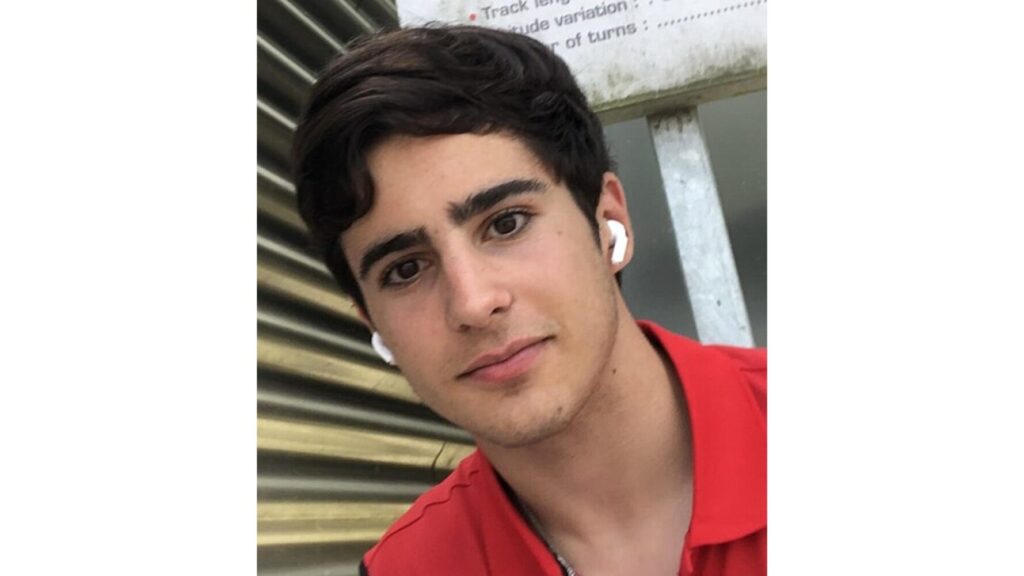
Sitting 3rd in F2 as a rookie, the Brazilian is Ferrari’s prime candidate for a future Haas seat.
Future projections for Ferrari’s junior talent place Rafael Câmara firmly on the path to Formula 1. The Brazilian driver, a member of the Scuderia Ferrari Driver Academy (FDA), demonstrates the kind of raw pace that turns heads.
He swept the 2024 Formula Regional Europe title and followed that up with a dominant 2025 FIA Formula 3 Championship win with Ferrari-aligned Trident. Now in his rookie 2026 F2 season for Invicta Racing, Câmara has already bagged multiple poles and victories at tracks like Barcelona and Spa-Francorchamps. He sits around 3rd in the championship with 125–130 points.
The grind of perfecting a difficult corner on a winding road mirrors how Câmara navigates the junior categories with precision and fierce commitment. As only the third Brazilian to join the FDA, his trajectory is under a microscope. His strong racecraft and consistent speed make him a prime candidate for future Haas F1 seats, leveraging Ferrari’s customer relationship with the team.
10. Arvid Lindblad (Racing Bulls F1 Driver)

At 18, the fourth-youngest F1 driver in history is already a Red Bull promotion candidate.
At just 18 years old, Arvid Lindblad debuted in Formula 1 at the 2026 Australian Grand Prix, instantly becoming the 4th youngest F1 driver and the youngest British competitor. Raw talent with the instincts of a rally driver on a fresh stage defines his approach. As the grid’s sole rookie, he pilots Racing Bulls car number 41 alongside Liam Lawson, having been a Red Bull Junior since 2021.
His impressive junior career featured a Macau GP victory and youngest F3 feature race win. He collected 23 career points over his first 10 starts, even beating Lawson in Silverstone qualifying.
An 18-year-old outperforming a veteran mirrors a viral sensation outshining a mainstream artist. Lindblad, the 20th Red Bull Junior to reach F1, is a primed engine, ready for Red Bull Racing.
11. Cadillac Formula 1 Team

GM’s 11th team enters with Ferrari power, targeting an American driver by the late 2020s.
Becoming the 11th entrant on the Formula 1 grid in 2026, the Cadillac Formula 1 Team signals a serious American return to top-tier motorsport. The GM-backed outfit, initially running Ferrari power units with its MAC-26 chassis, plans to transition into a full power-unit manufacturer by 2029. This methodical build is like tuning an engine for a cross-country run.
Though based in Silverstone, UK, its core identity remains firmly rooted in American ambition. For its debut, Cadillac has tapped experienced Grand Prix winners Valtteri Bottas (#77) and Sergio Perez (#11), a pairing with a combined 16 wins and over 100 podiums. Seasoned talent proves essential for early years, like a solid navigator for a Baja 1000 run.
The long-term vision includes an American driver, an ambitious goal for any F1 team. Cadillac’s presence throws a gauntlet for American motorsport.
12. Colton Herta (Cadillac F1 Test Driver & F2 Racer)
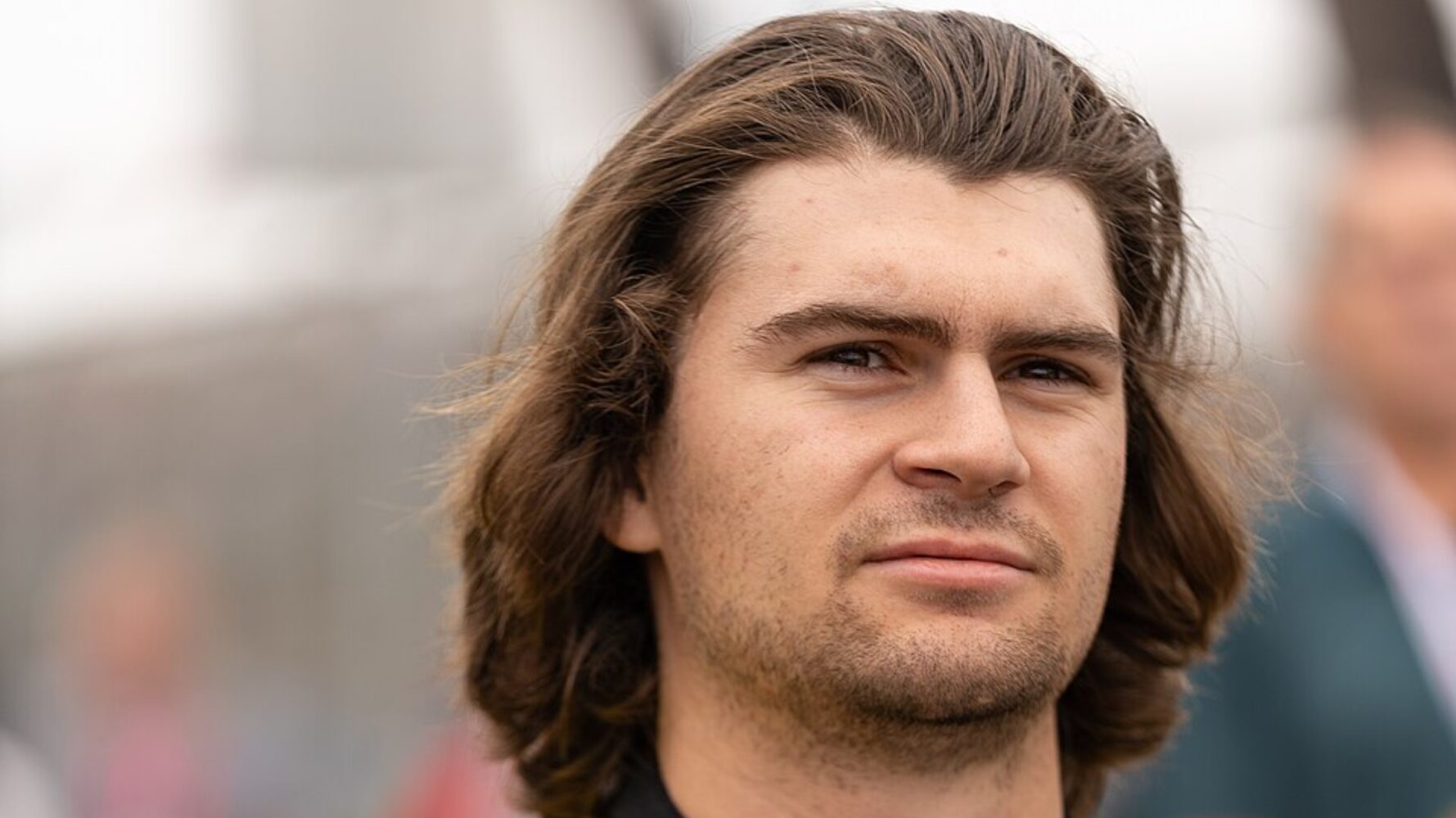
Currently outside F2’s top 10, Herta’s Super Licence path requires a dramatic second-half surge.
The path to an F1 Super Licence often feels less like a speed trial and more like a high-stakes bureaucratic chess match. Colton Herta, an American and former IndyCar race winner, knows this firsthand. He moved to FIA Formula 2 with Hitech to chase the 40 Super Licence points needed for a Cadillac F1 seat.
His IndyCar record grants him around 34–35 points, but older results are expiring. A finish in the top 8 of F2 or combining a top 10 finish with several FP1 outings becomes necessary, a challenge as precise as nailing a perfect apex. Cadillac has confirmed Herta as a test driver, providing four FP1 sessions in 2026. Each session, like a strategic pit stop, could yield 1 point if covering over 100 km.
His FP1 debut in Barcelona saw him complete 27 laps, finishing 21st. Yet, his early F2 season has been a tough drive, placing him around 13th–18th with 20–26 points. For a talented American driver, excelling in domestic series only to face a complex bureaucratic hurdle feels like chasing a mirage across the Bonneville Salt Flats. His remaining season and those critical FP1 appearances are the last few corners on a qualifying lap; every tenth matters.
13. Ugo Ugochukwu (Formula 3 Frontrunner)
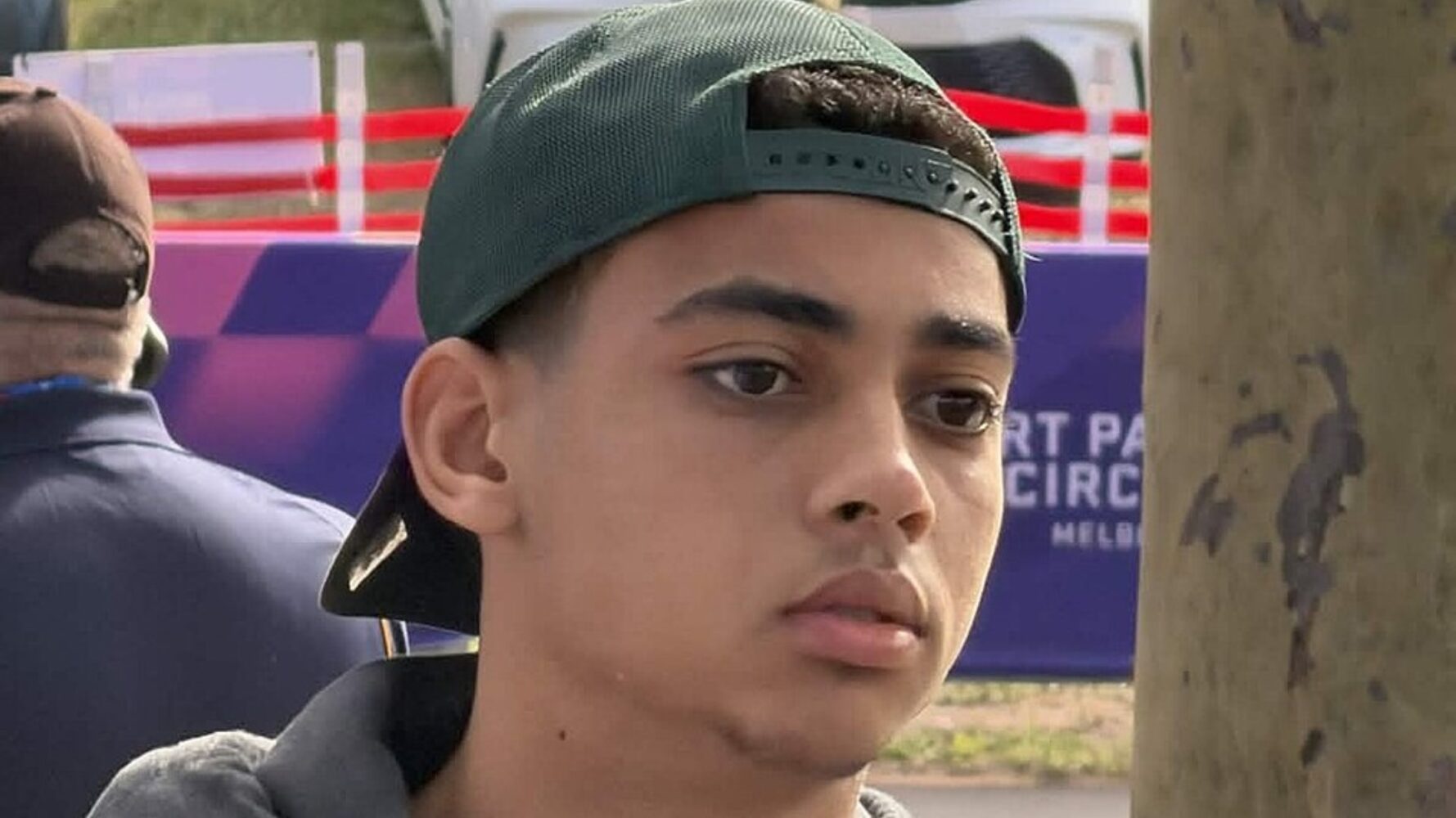
Just 1–8 points behind the F3 leader, the 19-year-old American could earn his Super Licence before Herta.
While some drivers navigate a maze of junior categories chasing elusive Super Licence points, 19-year-old American Ugo Ugochukwu is crafting a direct, high-octane path to Formula 1. He is a title contender in the 2026 FIA Formula 3 Championship, already having won the Formula Regional Oceania Championship, finished 3rd in Formula Regional Middle East, and secured victory at the 2024 Macau Grand Prix.
This robust junior résumé has already netted him 33 Super Licence points, bringing him within striking distance of an F1 seat. Through consistent performance in junior categories, he quietly positions himself as a leading contender for future F1 opportunities. Current projections show a top 7 finish in the 2026 F3 championship would secure the 40 points required for an F1 Super Licence, a target he fiercely pursues, sitting just 1 to 8 points behind leader Freddie Slater.
Nailing a perfect downshift into a corner, when everything just clicks? Ugochukwu’s F3 season feels like that, a string of perfect moments building momentum. His first F1 test with Alpine at Monza, completing around 30 laps, confirmed his potential. Both Alpine and Cadillac are reportedly showing interest, with Cadillac viewing him as a potential alternative to Herta. Ugochukwu’s focused performance makes him a significant rising force in the American F1 talent pipeline.