

The 2026 model years bring a range of vehicles that represent genuinely significant shifts in what cars offer — from a fully electric Rolls-Royce to a nine-passenger Korean SUV with near-luxury appointments at mainstream pricing. These 13 vehicles span from a $23,460 commuter to a $397,750 electric flagship, covering every major segment in the current market.
13. Mercedes-AMG GLE Class (Exterior)

The Mercedes GLE carries an aggressive stance and muscular proportions that establish presence before the occupants exit. The three-pointed star anchors a grille sized to match the vehicle’s overall scale, and the exterior communicates the AMG performance specification without requiring badging to do the work.
Mercedes-AMG GLE Class (Interior)

The GLE 53 delivers 429 horsepower from a turbocharged six-cylinder; the GLE 63 S produces 603 horsepower from a twin-turbocharged V8 and reaches 0-60 mph in 3.4 seconds. Towing capacity reaches 7,700 pounds. The cabin uses Napa leather throughout, and the starting price of $90,350 reflects the AMG performance specification rather than base GLE pricing. The GLE is the argument that towing capability and sub-4-second acceleration are not mutually exclusive.
12. Rolls-Royce Spectre (Exterior)

The Spectre is Rolls-Royce’s first fully electric production vehicle, and the exterior maintains the brand’s signature presence through proportions and panel quality rather than traditional powertrain noise. The clean lines achieve genuine aerodynamic efficiency — a necessary engineering priority for an electric vehicle at this weight and price — while preserving the visual authority the brand’s customers require.
Rolls-Royce Spectre (Interior)

The electric powertrain produces 577 horsepower — 650 in Black Badge specification — from a 102 kWh battery providing 291 miles of range. Starting at $397,750, home charging installation adds $1,500-$3,000 at setup. The illuminated door panels, star-lit headliner, and advanced audio system — among the most capable of any car audio setups available — define a cabin where the electric powertrain’s silence is a feature rather than a compromise. The Spectre demonstrates that Rolls-Royce’s transition to electric does not require any reduction in the standards that define the brand.
11. Chevrolet Corvette SUV
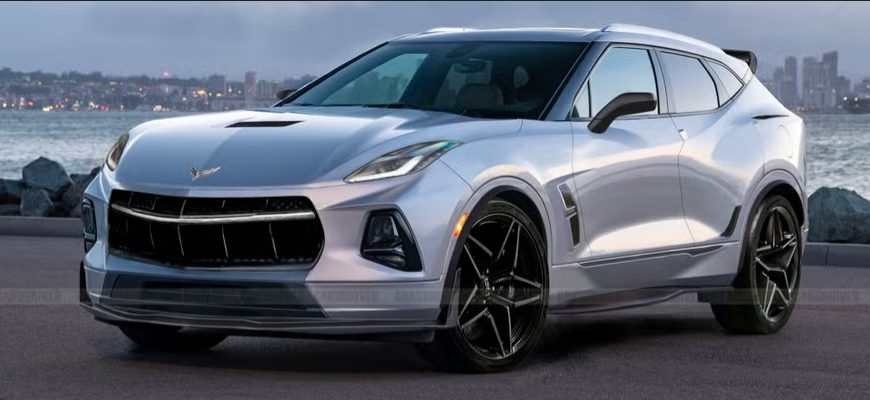
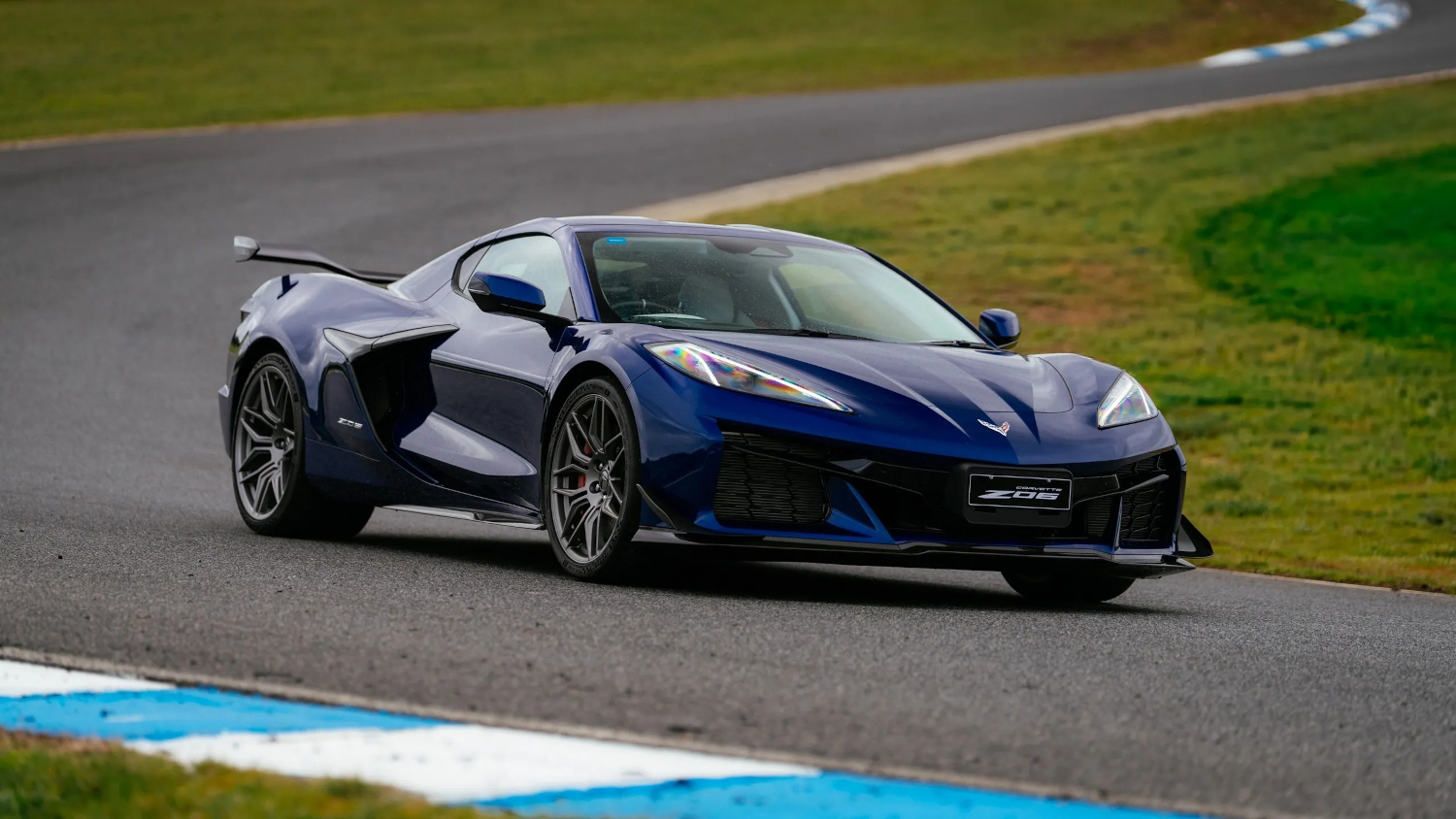
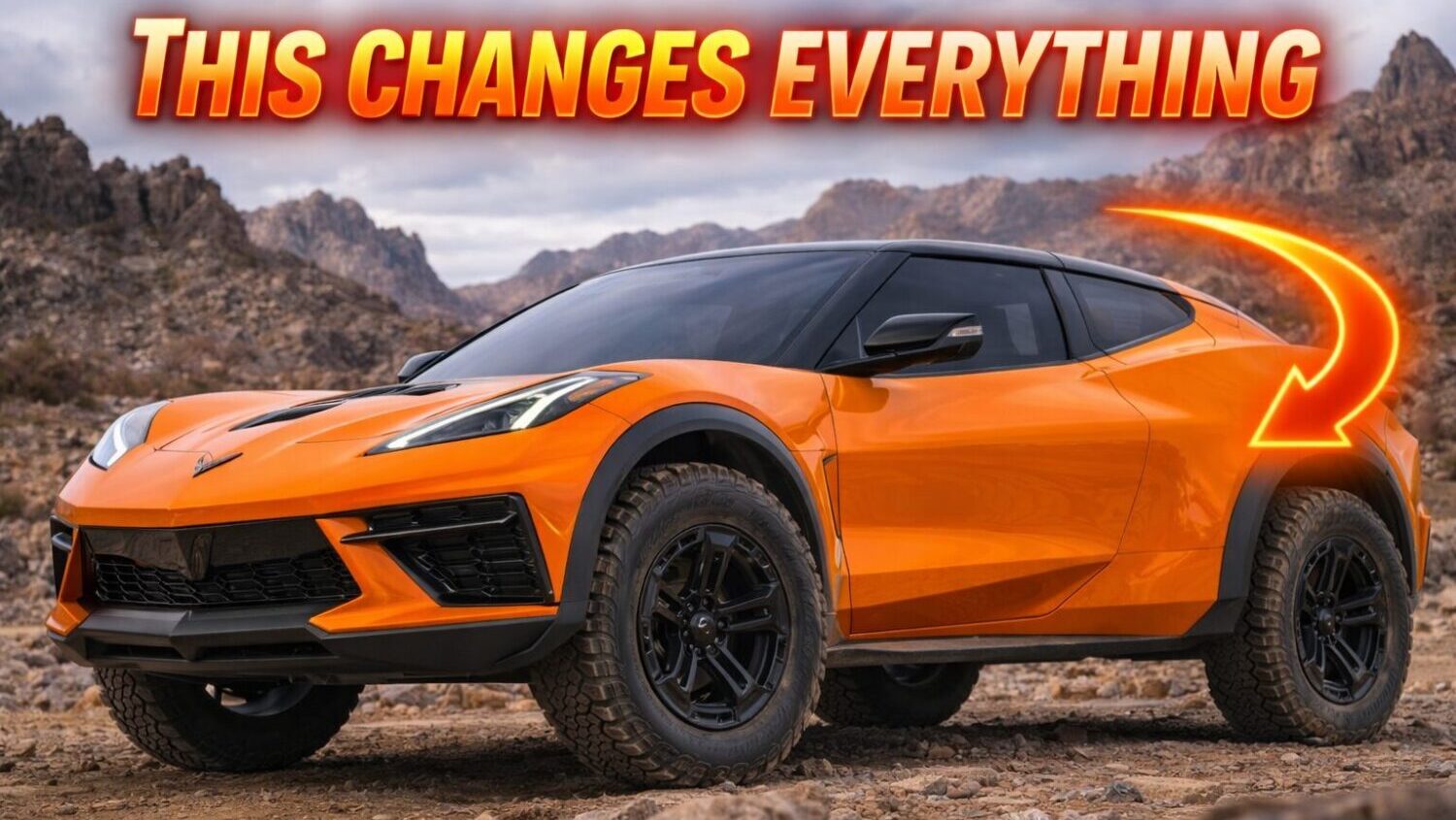
The Corvette SUV remains in development and has not been officially confirmed with final specifications. Industry reports suggest it will borrow styling cues from the current C8 Corvette platform and follow the path Porsche established with the Cayenne — extending a sports car identity into a more practical body style. Powertrain details are unconfirmed, though analysts expect performance-focused options consistent with the Corvette name. Pricing speculation starts from $60,000. This is one of the more closely watched development programs in the segment, and confirmed specifications are expected to change the conversation when they arrive.
10. Mercedes-Benz S-Class (Exterior)

The 2026 S-Class is expected to arrive with a larger grille and updated headlights featuring a star-shaped graphic that reinforces brand recognition in current Mercedes design language. The exterior proportions maintain the three-box executive sedan silhouette that has defined the S-Class across generations, refined rather than redesigned with each update.
Mercedes-Benz S-Class (Interior)

Starting at $118,900, the S-Class cabin features a Hyperscreen dashboard display that spans the full width of the front interior. The plug-in hybrid powertrain delivers 46 miles of electric-only range — sufficient for most daily commutes without engaging the combustion engine. Certified pre-owned S-Class models represent strong value for buyers who want the specification without the new-vehicle depreciation curve, and the interior technology continues to set the benchmark that the rest of the industry measures against.
9. Volkswagen T-Roc (Exterior)

The refreshed T-Roc carries standard LED headlights and enlarged front air intakes that give the compact SUV a more assertive face than the previous generation. The body proportions manage compact exterior dimensions efficiently, keeping the footprint small for urban use while maximizing the interior volume available within them.
Volkswagen T-Roc (Interior)
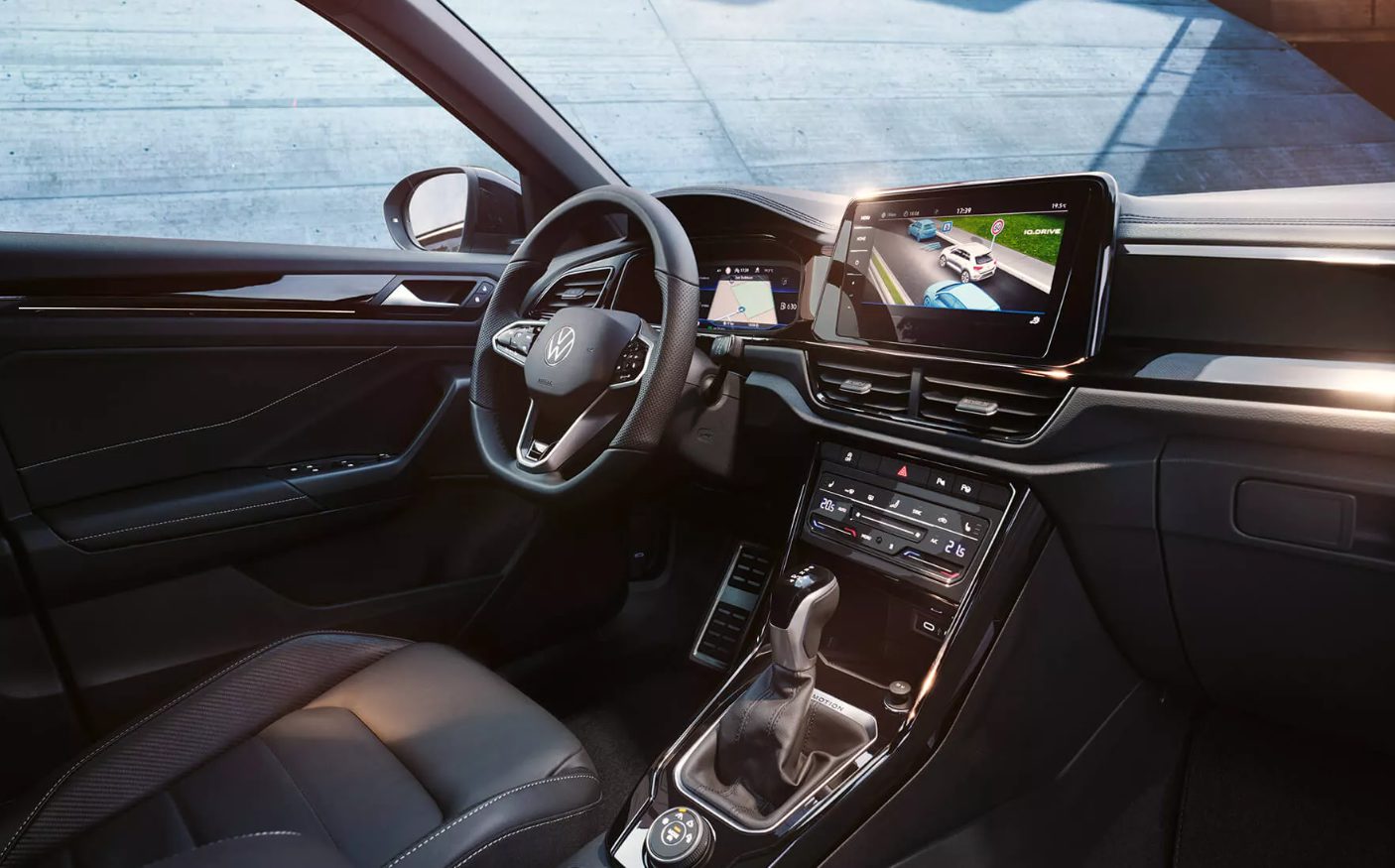
Engine options range from a 109-horsepower three-cylinder to a 190-horsepower 2.0L four-cylinder. Starting at $37,990, the base model reaches 0-60 mph in approximately 11 seconds — the trade-off for prioritizing urban maneuverability and fuel economy over acceleration. The cabin material quality and design execution sit above what the price suggests, which is the T-Roc’s primary competitive argument for buyers who want Volkswagen’s build quality in a package that fits city parking realities.
8. Honda HR-V (Exterior)

Honda’s smallest SUV wears clean lines and contemporary lighting elements that present as more expensive than the price suggests. The exterior does not attempt to compensate for its compact footprint with visual exaggeration — it simply presents a resolved design that fits the vehicle’s urban utility mission without unnecessary elaboration.
Honda HR-V (Interior)

Honda’s space management in the HR-V cabin consistently surprises buyers who expect compact exterior dimensions to produce a cramped interior. The 158-horsepower 2.0L engine reaches 0-60 mph in 9.4 seconds and achieves approximately 27 mpg combined with all-wheel drive. Starting from $26,795, the HR-V’s ownership costs — including insurance and maintenance — run lower than most competitors, making the total cost of ownership case stronger than the purchase price alone suggests.
7. Volvo XC60 (Exterior)

The XC60 carries Volvo’s Scandinavian design philosophy in SUV proportions — clean surfaces, signature Thor’s Hammer LED headlights, and a restraint that makes the exterior distinctive without visual aggression. The design communicates confidence through proportion rather than ornamentation, which is the consistent characteristic of Volvo’s current product lineup.
Volvo XC60 (Interior)

The B5 powertrain pairs a 2.0L turbocharged engine with a 48-volt mild hybrid system for 247 horsepower and a 0-60 mph time of 6.5 seconds. Starting at $48,345, the XC60’s ergonomic thoughtfulness is consistent throughout — storage placement, seat adjustment range, and control positioning reflect deliberate attention to how people actually use the vehicle rather than how it photographs. The mid-level trim typically represents the best value balance, delivering most of the specification without the top-trim premium.
6. Audi Q3 (Exterior)

The Q3 brings Audi’s current design language to compact dimensions without visual compromise — the signature LED lighting elements and bold grille communicate the brand identity clearly at a scale most of the lineup does not occupy. The exterior achieves premium presence in a footprint suited to urban parking, which is the specific problem it was engineered to solve.
Audi Q3 (Interior)

The S-line 45 specification carries a 2.0L turbocharged four-cylinder producing 228 horsepower and 251 lb-ft of torque. The new Black Optic Plus package adds 19-inch black wheels for buyers who want a more aggressive visual statement. Starting at $41,995, the Q3 is priced at a premium for its size, which the interior quality and Audi brand specification justify for the urban professional buyer who needs genuine parking practicality alongside genuine premium credentials.
5. Toyota Corolla (Exterior)

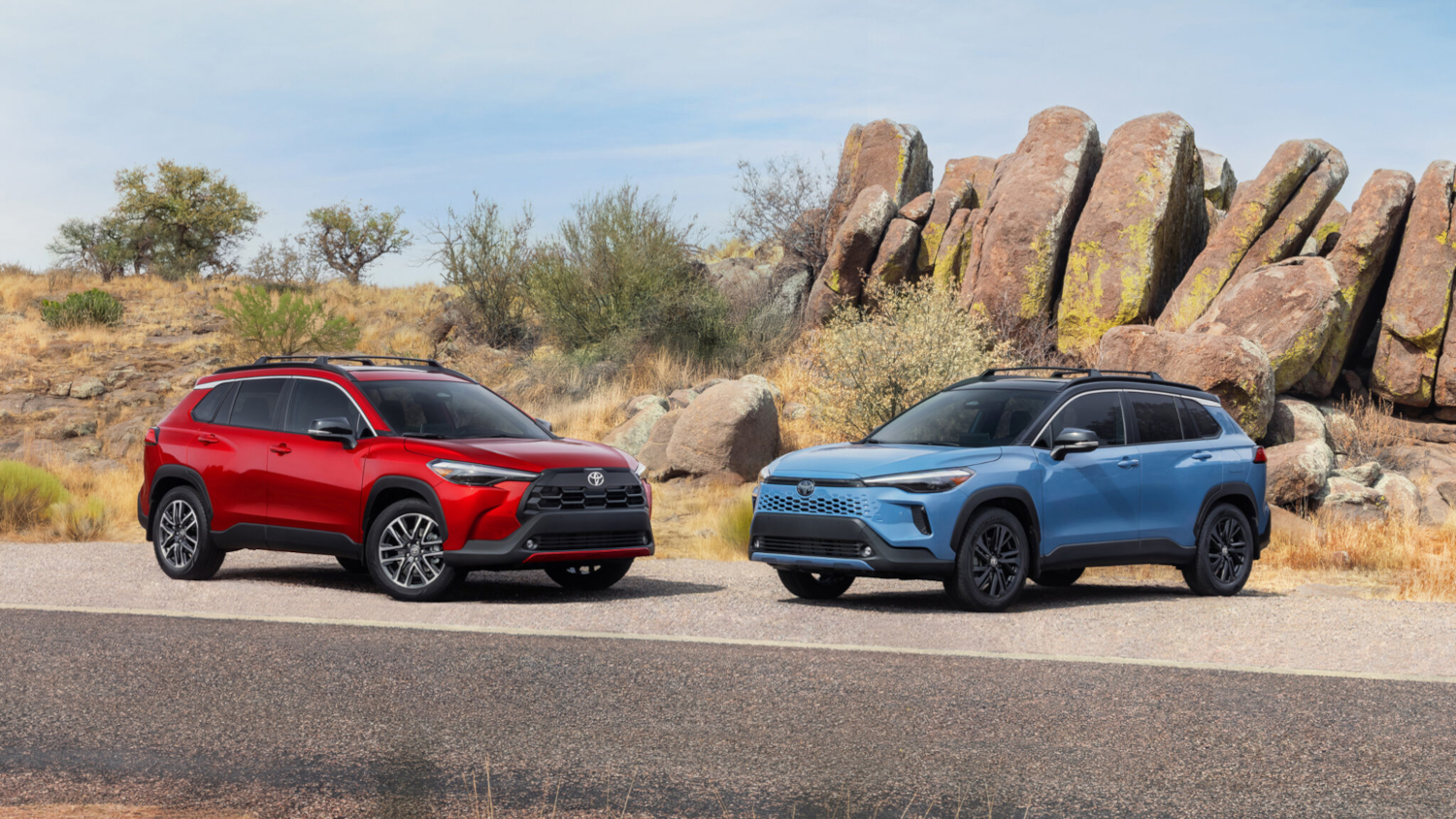
The special edition honoring the 1980s FX16 adds blacked-out trim and 18-inch satin black wheels to a lowered stance — a more visually assertive direction for a nameplate that has spent most of its history prioritizing practicality over personality. Toyota has introduced genuine character to an exterior that previously communicated nothing beyond reliability.
Toyota Corolla (Interior)

The 2025 Corolla adds a 10.5-inch infotainment screen — a meaningful technology upgrade that brings the interior in line with what the segment now offers — alongside the integrated system and accessory improvements that have become central to the modern driving experience. Available from $23,460, the hybrid achieves 53 mpg in the city with all-wheel drive available. The 2.0L four-cylinder produces 169 horsepower — adequate rather than exciting — and insurance costs run lower than most competitors, making the total ownership cost argument stronger than the purchase price alone.
4. Mercedes-Benz E-Class (Exterior)

The E-Class occupies the middle ground between S-Class luxury and C-Class agility with proportions that communicate executive positioning without full-size excess. The new Patagonia Red exterior option diversifies the color palette beyond the silver, black, and white that dominate the segment, giving the E-Class a more visually distinctive presence on the road.
Mercedes-Benz E-Class (Interior)

Starting at $63,600, engine choices include a 255-horsepower 2.0L four-cylinder with mild hybrid assistance and a 375-horsepower 3.0L inline-six. A new center-mounted airbag between front occupants is among the updated safety features. The E350 reaches 0-60 mph in 5.8 seconds; the E450 covers it in 4.4 seconds. The E-Class consistently ranks highest among executive sedans for business use, and the technology and comfort integration justify its position as the benchmark for the segment it defines.
3. Hyundai Palisade (Exterior)

The 2026 Palisade takes design direction from the Ioniq 9, featuring a distinctive wide silver D-pillar and updated lighting signatures that give it a cleaner, more contemporary silhouette than the outgoing model. The exterior reflects Hyundai’s consistent upward movement in perceived quality and design ambition over the past decade.
Hyundai Palisade (Interior)

An optional front bench seat allows seating for up to nine passengers. Expected pricing runs from $39,000 to $53,000, delivering near-luxury features — materials, technology, and comfort appointments — at prices well below premium badge competitors. Families configuring for child seats will find the second-row captain’s chairs the most practical layout. The Palisade’s value proposition is straightforward: it delivers what the premium segment offers at mainstream pricing, without the badge markup.
2. Land Rover Defender (Exterior)

The Defender retains its boxy silhouette — an exterior identity so established that Land Rover modernized it rather than replaced it. Premium finishes and contemporary details sit alongside the functional proportions that define the nameplate, producing a vehicle that works visually in both urban and off-road contexts without compromising either.
Land Rover Defender (Interior)

Engine options span from a 296-horsepower four-cylinder to a 626-horsepower V8 in the Octa specification. Off-road capability includes 11.5 inches of ground clearance and the ability to wade through 35 inches of water. Pricing starts around $58,000 and reaches $124,000 depending on configuration. The interior has been substantially upgraded from the utilitarian original, with materials and technology appropriate to the price, while retaining the practical durability that makes it genuinely useful in off-road conditions. The optional expedition roof rack and winch extend that capability further for buyers who use the vehicle for sustained overland travel rather than occasional unpaved roads — aided by the multi-tool philosophy the Defender embodies across its full specification range.
1. BMW 3 Series (Exterior)

The 2026 3 Series draws design inspiration from the Noi Classic concept while building on the current generation’s proportions. BMW has refined rather than redesigned the exterior — sharpening details and increasing visual presence without abandoning the athletic sedan silhouette that has defined the 3 Series across six generations. The result communicates performance intent through proportion and line quality rather than aggressive styling additions.
BMW 3 Series (Interior)

The cabin centers on a wide digital display that integrates driver information and infotainment into a single curved interface. BMW will continue offering both turbocharged four-cylinder and six-cylinder engine options alongside electric variants. Expected to start around $47,000, the 3 Series maintains its position as the benchmark sport sedan by prioritizing driver engagement — steering feel, chassis balance, and powertrain response — in a segment where most competitors have shifted focus toward passenger comfort and technology. Leasing typically reflects the strong residual values that sustained demand produces, making it a practical option for buyers on shorter replacement cycles.