

New car buyers are holding onto their vehicles longer, with the average age of cars on the road reaching 12.5 years—a clear signal that something has shifted in the automotive landscape. The sting of purchase prices and the slow creep of manufacturer control have turned straightforward transactions into labyrinths of digital handcuffs. Picture buying a performance engine only to discover the spark plugs are leased. What follows is a breakdown of core reasons behind this market resistance, from escalating costs to evolving practices that dictate how you repair or even truly own the machine. Minor technical details can redefine the entire ownership experience, making you question if you’ve bought a car or just signed up for a long-term rental.
1. Volkswagen Component Protection
When your salvage-yard fix needs a dealer’s permission slip, freedom takes a hit.
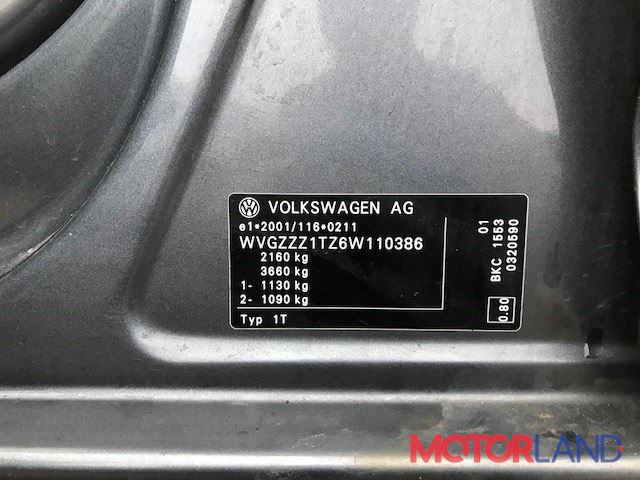
Car manufacturers are implementing sophisticated digital locks to curb theft, and the Volkswagen Group’s Component Protection system stands as a prime example. This software-based anti-theft measure binds critical electronic control units—instrument cluster, infotainment screen—to a specific vehicle’s VIN. Picture this: cross-country road trip, infotainment unit dies, and a perfectly good used replacement sits in your hands. That used part simply will not function fully until it receives online authorization and is “released” through VW’s official diagnostic system, ODIS Service.
This authorization demands a VAG diagnostic tool and a valid online account, often restricted to authorized dealers through the GeKo/Function Enabling System. For you, the owner, this means no more pulling a good part from a salvage yard, installing it yourself, and hitting the road. Think of it as buying new racing slicks but needing the track official’s blessing to put air in them. This system severely limits right-to-repair and low-cost part sourcing, making you question what true mechanical freedom—and ownership—really entail.
2. Kia & Hyundai Engine Immobilizer Vulnerability and Anti-Theft Solutions
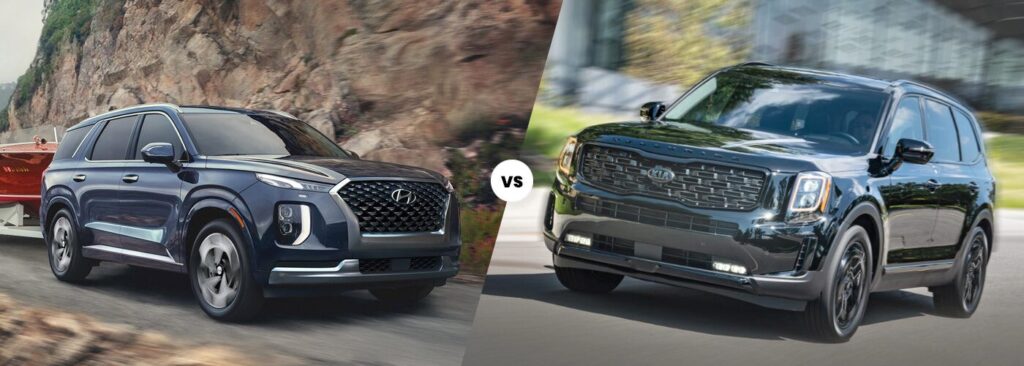
Missing a basic security feature unraveled years of trust—and left cars sitting ducks.
A brand’s reputation for basic security often drives consumer confidence, yet a missing feature can unravel years of trust. Many Hyundai and Kia models built for the U.S. market between 2011 and 2022 with traditional turn-key ignitions rolled off lines without a factory engine immobilizer. This design oversight meant bypassing the mechanical ignition was akin to finding an unlocked car with the keys on the dash, enabling the “Kia Boys” phenomenon. Daily drivers couldn’t sit overnight with any real confidence.
Kia responded with Customer Satisfaction Campaign CS2312, offering a free software update that adds “ignition kill” logic when the alarm is armed. They also provide a zinc-reinforced ignition cylinder protector, with hardware support running until March 31, 2027. This reactive fix helps, but it’s like replacing a tire mid-road trip after a blowout—you appreciate the help, but the journey feels different. Newer models from late 2021 onward, or those with push-button start, integrate immobilizers as standard, setting a clear expectation: anyone behind the wheel should always feel secure about the ride.