

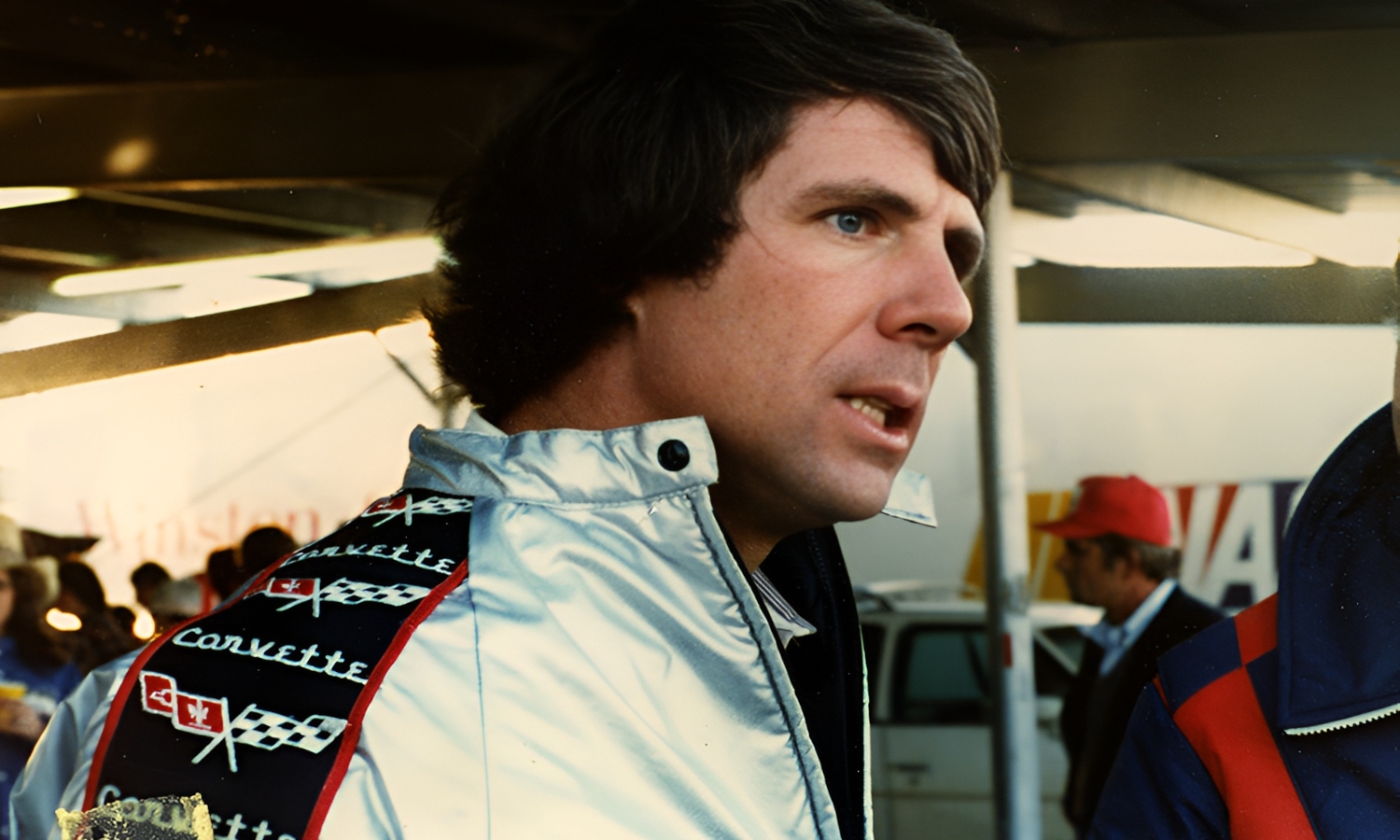
Three championships. Eighty-four wins. Eighteen years as the voice America heard before every green flag dropped. Now the man behind “Boogity! Boogity! Boogity!” is stepping back — and the reason is a brain disease his family believes is connected to the physical punishment of a racing career that spanned nearly three decades.
Waltrip, 79, has been diagnosed with frontotemporal degeneration (FTD) — a progressive disorder affecting the brain’s frontal and temporal lobes, often disrupting behavior, language, and decision-making — complicated by what his family describes as possible chronic traumatic encephalopathy (CTE). His family’s statement, reported by Fox Sports, says the possible CTE is “likely from injuries incurred during his racing career.” That connection is the family’s assessment, not a confirmed medical conclusion.
A Career Built on Speed and Showmanship
Forty years of racing and broadcasting made Waltrip one of NASCAR’s most recognizable figures — on the track and long after he left it.
Waltrip competed professionally from 1972 to 2000, winning three NASCAR Cup Series championships and 84 Cup Series victories, including the 1989 Daytona 500. When Fox Sports launched its NASCAR coverage in 2001, Waltrip was among the network’s first hires for the broadcast team. He spent 18 years translating the sport for a national audience, becoming famous far beyond NASCAR’s traditional fanbase for his exuberant green-flag call. Knowledge of a lug nut or a lap time was never required to recognize that voice.
What the Diagnosis Means – and What It Doesn’t
FTD and possible CTE are distinct conditions, and that distinction matters when the full picture remains medically incomplete.
The two conditions are not interchangeable:
- FTD is a neurodegenerative disorder of the frontal and temporal lobes.
- CTE — chronic traumatic encephalopathy — is associated with repeated head impacts.
The critical distinction is this: a definitive CTE diagnosis currently requires post-mortem examination of brain tissue, meaning standard clinical assessment alone cannot confirm it. “Possible CTE” is the language the family used, and it remains the most accurate framing based on their statement.
The family’s statement says the disease will “inevitably progress” but currently produces only “minor noticeable symptoms,” according to Fox Sports. Waltrip is described as happy and otherwise healthy, spending time with his wife Stevie, their two daughters, and three grandchildren.
Waltrip’s announcement adds urgency to an already unresolved conversation about long-term brain health in collision sports. His case doesn’t settle that conversation. But it adds another significant name to it.
For now, the picture his family chose to share is one of a man stepping back on his own terms — happy, surrounded by family, and present for the people who matter most. That picture deserves to lead.